 1500+ reviews


Why Are There Spiders in My House? Causes and Fixes
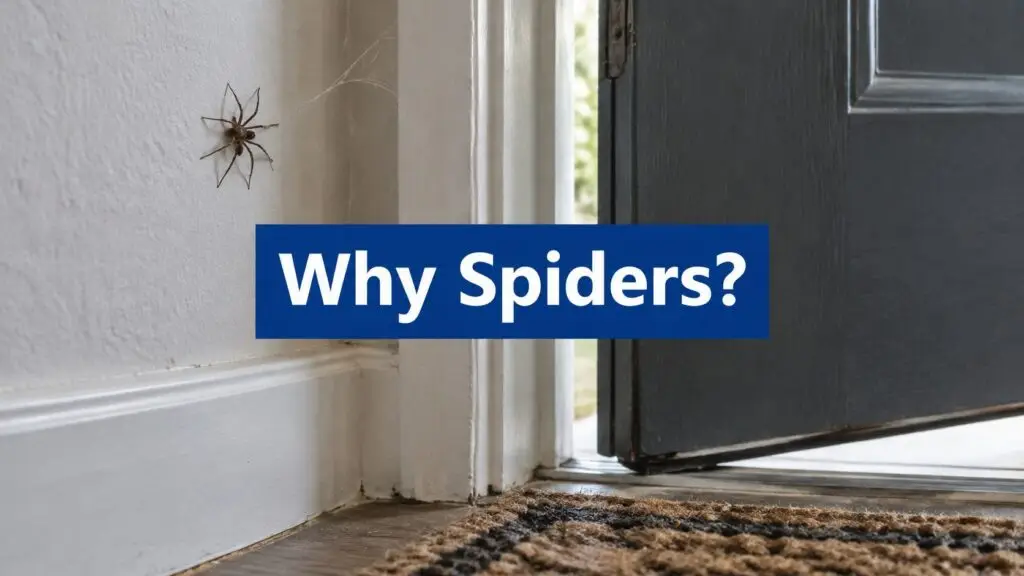
If you remove a spider but leave everything that brought it inside, what stops the next one from taking its place? When you're asking, “Why are there spiders in my house?” the most useful answer starts with the conditions around the sighting, not just the spider itself. A spider near a window, beneath a sink, or beside a garage door can offer a clue. Follow that clue toward food, moisture, shelter, and entry routes, and you can choose a fix that does more than clear the current web. Why Spiders Come Indoors and What Draws Them In Spiders come indoors because houses provide prey, shelter, and suitable moisture. They aren't looking for your pantry food. As Colorado State University Extension explains, spiders prey on insects and other arthropods, making nearby insect activity an important clue when they appear indoors. The location can help you narrow the cause. A window web calls for a different check than a spider beneath a leaking kitchen sink. What draws spiders indoors and how to check it Attraction Why it draws spiders Quick check Insects such as flies, moths and mosquitoes Spiders hunt them, so prey signals food Look near windows, light fixtures and drains Damp areas like bathrooms, kitchens and basements Moisture supports springtails, flies and roaches Check under sinks and look for condensation Dark, undisturbed corners Offers shelter for webs and hunting Inspect closets, attics and crawl space corners Clutter and stored boxes or firewood Creates refuge and prey habitat Check garages, cardboard piles and wood stacks against walls Porch and exterior lights Draw insects toward doors and windows Note which fixtures stay on after dark Vegetation or mulch against siding Bridges outdoor spiders to the wall Look for branches or mulch touching the foundation Gaps around doors, screens and vents Physical route into the house Look for daylight or cracks around thresholds Follow the attraction before choosing a treatment Start with the food supply. Flies around a window, moths around a fixture, or mosquitoes entering through a damaged screen can make a location useful to a hunting spider. Understanding what spiders eat and why it matters helps you look beyond the visible web. Next, check damp rooms. Moisture can support the small arthropods spiders hunt, while dark corners provide protected places to wait or build webs. Stored cardboard and firewood add hiding places that are easy to overlook during routine cleaning. A windowsill can combine several clues, including shelter, insect activity, and a nearby opening. Outside, porch lights can concentrate insects near an entrance. Plants touching siding and mulch against the foundation give spiders protected approaches to the wall. An opening around a door, screen, or vent completes the route indoors. The chain is straightforward: exterior conditions support insects, insects gather near the structure, and spiders follow the food. An indoor spider doesn't necessarily mean it originated indoors. Practical rule: When you find a spider, check what makes that location useful before reaching for a spray. The better question isn't only how to kill the spider. It's what keeps attracting spiders to that particular spot. Where Spiders Get In and How to Seal the Gaps A house can look sealed from the driveway and still have openings beneath door sweeps, around pipes, or behind loose screens. Many spiders are outdoor hunters that enter through these small routes rather than establishing themselves inside first. The University of Arizona's spider guidance identifies structural openings and items carried indoors as important entry routes. Check foundation cracks, poorly fitted windows, vents, and utility penetrations, but also inspect firewood, cardboard, stored equipment, and plants before bringing them inside. A door threshold deserves close inspection, especially where the sweep no longer touches evenly. Use a systematic sealing routine Walk the exterior at dusk with a flashlight. Turn on interior lights and mark visible gaps with painter's tape so you can find them again. Light leakage helps reveal openings, but don't assume a dark joint is sealed without inspecting it closely. Check thresholds and replace worn weather stripping. Close each exterior door and inspect the bottom and side edges for uneven contact. The common slip is repairing the front door while leaving the garage threshold open. Repair screens and fit appropriate vent covers. Secure loose screen edges as well as obvious tears, because an intact mesh panel won't help if its frame has a gap. Use purpose-made vent screening without restricting required airflow or covering exhaust outlets. Seal appropriate foundation and trim openings. Clean and dry sound joints before applying a compatible exterior sealant. Don't caulk over drainage openings, weep holes, or movement joints that need a different repair. Clear the foundation edge and entrances. Move firewood, mulch, and debris away from the wall, and reduce unnecessary lighting beside doors. Sealing a gap while leaving insect-attracting conditions immediately beside it misses part of the problem. Vacuum existing webs and egg sacs, then recheck. Use a crevice attachment and dispose of the contents promptly without handling spiders directly. Set a follow-up check for two weeks later rather than judging success from a freshly cleaned room. Check whether the repair worked A sound pest exclusion approach closes usable routes while preserving the building's ventilation and drainage. Avoid forcing foam or caulk into every opening just because it's visible. Use the following video as an additional visual resource while planning your checks. Success means fewer fresh webs and no repeated sightings at the repaired gap. If activity shifts elsewhere, extend the inspection rather than repeatedly treating the original corner. Clearing Moisture, Clutter and Hiding Spots A dry-looking room can still contain a damp cabinet base, condensation behind stored materials, or a slow leak around plumbing. These small pockets matter because spiders can persist where prey, moisture, and shelter overlap. Moisture doesn't directly attract every spider species. Its effect is often indirect: damp conditions support springtails, flies, cockroaches, and other prey, while undisturbed storage provides refuge. Colorado State University Extension's guidance on spiders in the home supports managing these conditions alongside removing