 1500+ reviews

Integrated Pest Management Benefits That Save Money
You've sprayed the kitchen baseboards, sealed a few cracks, and still find ants near the sink after the next humid spell. A property manager may have a similar problem on a larger scale, with roaches appearing after each service visit or rodents returning because an access point remains open. Repeating the same treatment can feel like bailing water from a boat without repairing the leak. Integrated pest management benefits come from changing that pattern. IPM isn't one product or one visit. It's a risk-based decision framework that connects inspection, prevention, monitoring, thresholds, and targeted control. That makes it useful for homeowners in Magnolia, Kingwood, Conroe, and nearby Southeast Texas communities, as well as facility managers responsible for safe, dependable buildings. The approach also fits how people make property decisions today. Buyers increasingly use digital tools, including resources about how buyers find properties via AI, so clear inspection records and sensible maintenance decisions matter. For practical home prevention, this guide to pest-proofing your home is a useful place to start. Why Southeast Texas Homes Need a Smarter Approach to Pests North Houston and Southeast Texas give pests plenty of opportunities. Warm conditions, moisture, dense vegetation, standing water, food residue, and small openings around buildings can support mosquitoes, roaches, ants, termites, and rodents. A home in Magnolia may face mosquitoes around a shaded yard, while a Kingwood property might deal with ants entering through several exterior routes after rain. The common response is simple, spray whenever pests appear. That can suppress visible activity, but it may not answer the more important questions. Where are pests entering? What food or moisture source is sustaining them? Is the observed activity large enough to justify treatment, or would exclusion and sanitation solve the issue? Treat the cause, not only the symptom Think of calendar spraying as turning on a fan whenever a room feels warm. It may provide temporary relief, but it doesn't address the broken air conditioner. IPM looks for the equivalent of the faulty equipment, such as leaking plumbing, unsealed utility penetrations, clogged gutters, dense vegetation against the structure, or accessible trash. That doesn't mean chemicals are forbidden. A licensed professional may use targeted chemistry when monitoring shows that prevention and physical controls aren't enough. The difference is that treatment follows an assessment instead of an automatic schedule. For homeowners, this can mean fewer surprises and clearer priorities. For facility managers, it creates documentation around observations, corrective actions, follow-up, and remaining risk. Those records can support communication with tenants, employees, vendors, and property stakeholders. Practical rule: If the same pest returns after treatment, ask what condition is allowing it to return. IPM is especially useful when a property has recurring pest pressure, sensitive occupants, valuable landscaping, food-handling requirements, or structural concerns. It can also make one-time remediation more effective by pairing control with steps that reduce reinfestation. The local question isn't whether every property needs the same program. It's how much monitoring, exclusion, sanitation, and treatment the property's actual risk requires. That's the central idea behind a practical IPM plan for Magnolia and the surrounding communities. How Integrated Pest Management Works as a System The U.S. Environmental Protection Agency defines IPM as a sustainable approach that combines biological, cultural, physical, and chemical tools while minimizing economic, health, and environmental risks. The EPA's IPM guidance also identifies benefits such as reducing pest numbers, reducing pesticide applications, saving money, and protecting human health. A useful analogy is a medical checkup. A doctor doesn't prescribe medication before asking about symptoms, examining the patient, and considering possible causes. An IPM professional follows a similar sequence for a pest problem. Start with identification and monitoring First, identify the pest accurately. Ants, termites, and carpenter ants require different decisions, even when a homeowner only sees “small insects.” Rodent droppings, gnaw marks, nesting material, and tracks can reveal activity that a quick visual inspection misses. Monitoring then establishes whether activity is isolated, increasing, or widespread. Indoors, this may involve inspection points, traps, evidence checks, and review of moisture or food conditions. Outdoors, it may include observing harborage areas, vegetation, standing water, and routes into the structure. Next comes the action threshold. A threshold is the point at which pest activity or risk justifies intervention. It isn't a universal number for every home. A single ant near an exterior door may call for sealing and observation, while repeated sightings in a kitchen, evidence of termites, or rodent contamination demands a faster response. Match the control to the risk The four tool categories work together: Biological controls use natural relationships or biological methods where appropriate. Cultural controls change conditions that support pests, such as sanitation, moisture management, landscaping, and waste handling. Physical controls block, trap, remove, or exclude pests. Chemical controls use the least intensive effective treatment when other measures aren't sufficient. For a home, physical control may mean door sweeps and sealed penetrations. For a business, cultural control may involve waste storage, cleaning procedures, and correcting moisture sources. Chemical treatment remains one tool, not the entire plan. The FullScope approach to integrated pest management practices follows this same logic by combining inspection, prevention, monitoring, and targeted control. A written plan should also explain what happens after treatment. The professional needs to check whether activity declined, whether entry conditions changed, and whether the threshold for further action has been reached. The system works because each visit produces information. Instead of asking only, “What should we spray?” the technician asks, “What evidence do we have, what risk does it represent, and which intervention is proportionate?” Key Benefits of Integrated Pest Management for Health and Budget IPM's value goes beyond reducing visible pests. It helps property owners connect pest control with health, operating cost, building condition, environmental responsibility, and documentation. Health and exposure The EPA states that IPM reduces exposure to both pests and pesticides. That matters because pests themselves can affect indoor comfort and health. The EPA identifies rodents, cockroaches, and dust mites as common indoor pests that can cause or worsen
Seasonal Pest Problems Common In Kingwood And Houston
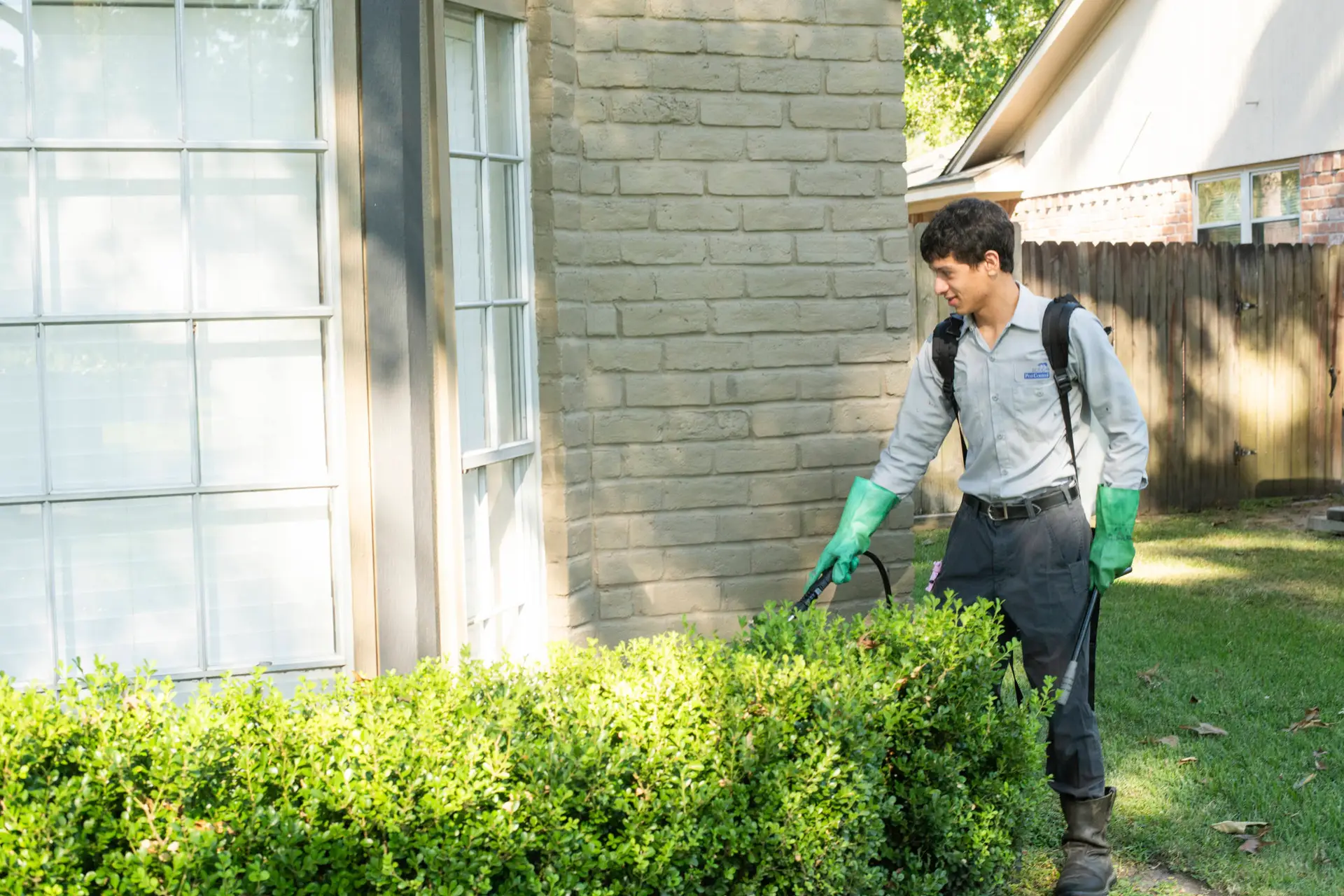
Kingwood and Houston homeowners deal with pest pressure in every season because Southeast Texas rarely experiences long periods of weather that completely shut activity down. Heat, humidity, heavy rain, mild winters, and sudden temperature swings can all change where pests search for food, water, and shelter. As a result, seasonal pest problems often shift rather than disappear. Ants, cockroaches, spiders, mosquitoes, fleas, ticks, termites, wasps, bed bugs, mice, and rats can become more noticeable at different times of year. The exact pattern depends on rainfall, temperature, landscaping, moisture, and structural conditions around the property. Professional pest control is most effective when these factors are evaluated together instead of treating each sighting as an isolated event. Spring And Summer Bring Heat, Moisture, And Insect Activity Warm weather accelerates activity for many insects across the Houston area. Spring moisture can support ants and termites, while summer heat may increase cockroach movement and mosquito pressure around shaded or damp areas. Fleas and ticks can also become more active where pets, wildlife, grass, and outdoor resting areas overlap. Common warm-season concerns include: Because Southeast Texas stays warm for long stretches, these pests may remain active beyond the months homeowners typically associate with summer. That is one reason year-round protection can be more effective than waiting for activity to become obvious. Professional inspections help identify where pest pressure is developing and whether conditions around the exterior are contributing to indoor activity. This makes treatment more precise and gives homeowners a clearer picture of what is likely to return as weather changes. Rainfall And Lawn Conditions Can Increase Pest Pressure Houston-area rainfall can create favorable conditions for pests in ways that are not always obvious. Saturated soil may push ants or cockroaches toward higher, drier ground, while standing water can support mosquitoes. Dense, wet landscaping can also provide shelter for insects close to the foundation. Outdoor conditions that deserve attention include: Recognizing overwatered lawn signs matters because excessive moisture can affect more than turf health. Wet soil, drainage problems, and persistent humidity may also support pest activity around the property. The connection between lawn conditions and indoor infestations is important. A pest seen in a bathroom or kitchen may have originated from a moisture-rich area outside. Professional pest control considers that exterior-to-interior relationship instead of focusing only on the room where the pest was discovered. Fall And Winter Bring Different Indoor Pressures Cooler weather does not eliminate pest problems in Kingwood and Houston. Instead, it can change which pests are most noticeable and where they spend their time. Rodents may explore garages, attics, wall voids, and storage areas as outdoor food or shelter becomes less dependable. Spiders can follow insect prey indoors, while cockroaches may remain active around plumbing, kitchens, and warm utility spaces. Signs that seasonal pressure is shifting indoors include: Termites can also remain a concern when soil moisture and temperatures stay favorable, while bed bugs are less tied to outdoor seasons because they live primarily where people rest and sleep. This mix of seasonal and year-round activity is why professional evaluation is useful. Technicians can distinguish temporary movement from an established infestation, identify entry points, and determine whether moisture, shelter, or food sources are sustaining the problem. Seasonal timing also affects inspection priorities. After heavy rain, professionals may focus more closely on moisture, drainage, and termite or ant activity. During prolonged heat, shaded entry points and indoor water sources may deserve added attention. Cooler nights can shift attention toward rodent access and sheltered nesting areas. A long-term approach also helps track recurring patterns. If ants return after rain, rodents appear during cooler periods, or mosquitoes increase after irrigation problems, those trends can guide future treatment. Effective pest control is less about reacting to one-time sightings and more about understanding how the property responds to changing Southeast Texas conditions. Stay Ahead Of Houston’s Seasonal Pest Cycle If recurring pest problems are affecting your home in Kingwood or the Houston area, contact Fullscope Pest Control for professional inspection, targeted treatment, and year-round prevention based on local conditions.