 1500+ reviews

Flea Pest Control Services: A Magnolia Homeowner Guide
If your dog is still scratching after a flea collar, the kids are getting bites around the ankles, and you've started noticing tiny jumpers on the porch after rain, you're not dealing with a simple cleaning issue. In Magnolia, that pattern usually means the infestation has a foothold in the house, the yard, and the pets at the same time. That's why flea pest control services have to be handled as a structured job, not a quick spray from the hardware store. Magnolia homes sit in a part of Southeast Texas where shaded lots, oak and pine cover, and humid weather keep flea pressure alive far longer than generic advice assumes. A one-and-done indoor fogger usually misses the core problem, because fleas don't live in one place. They move through pet bedding, carpet edges, furniture seams, and shaded outdoor harborage, which is exactly why a pro has to treat the whole system, not just one room. If you're trying to spot the early warning signs before it turns into a full house problem, this guide on flea infestation signs is worth reading alongside what you're seeing at home. Why Magnolia Homes Need a Real Flea Strategy A Magnolia flea call usually starts the same way. The dog has already had a collar or topical treatment, the cat keeps licking, and someone in the house has a line of itchy bites after sitting on the couch or walking across the porch. That's the part homeowners see first, but fleas don't limit themselves to one surface or one season here. Why Southeast Texas keeps the pressure up Humidity changes the job. In a dry climate, a small flea problem may fade after a single treatment and some vacuuming. In Magnolia, shaded lawns, dense vegetation, and nearby woods keep outdoor harborage favorable much longer, so untreated pockets around the yard can keep feeding the cycle. That's why store-bought foggers usually disappoint. They may knock down what's visible for a day or two, but they don't solve what's developing in carpet fibers, pet-resting zones, or shaded debris outside. Professional flea pest control services treat fleas as a three-front problem, pets, indoor space, and outdoor harborage, because missing any one of those fronts gives the infestation a place to rebound. Practical rule: if the bites keep showing up after the first cleanup, the source is still active somewhere in the home or yard. What a mature flea job looks like The pest management market treats flea work as a specialized service category, not a minor add-on. In one survey, flea services generated an average of $26,900, or 4% of overall revenue, for pest management professionals in 2021, and 79% of companies offered flea control as a separate service, which shows the work had become operationally distinct enough to schedule and price on its own. That same survey found successful control usually required two or more treatments, and a typical residential job took about 1.1 hours on average to complete, which tells you something important about the service model, it's targeted, repeatable, and built around follow-through, not a single pass. PCT's flea control market survey summary The right takeaway for a Magnolia homeowner is simple. This isn't a shame issue, and it isn't proof that you're not cleaning enough. It's a local pest pattern that needs local know-how, especially when pets still go outside every day and the yard itself keeps feeding the infestation. What a Professional Flea Inspection Actually Covers A real first visit doesn't start with a spray can. It starts with a technician walking the rooms where pets live, nap, and shed dander, because that's where fleas concentrate. I want to know where the dog sleeps, which chair the cat claims, whether the kids' playroom has carpet seams, and whether there's a shaded side yard where wildlife keeps coming through. What gets checked inside and out A solid inspection covers pet-resting zones, carpet edges, furniture seams, baseboards, rugs, and any concrete or hard-floor edges where fleas can still move through cracks and protected corners. Outside, it should include shaded grass, leaf litter, fence lines, porch areas, and any place where wildlife or stray animals have been crossing. The questions matter too, because pet movement, recent wildlife sightings, and prior treatments all change how the job has to be built. The point of that inspection is not just to find “bugs.” It's to identify the development sites and the reintroduction points. If a technician skips the yard or ignores the couch where the pets sleep, that's a weak inspection, not a thorough one. What the written plan should tell you A homeowner should leave the first visit knowing what products will be used, where they'll be used, and what the timeline looks like. If the plan is vague, the service is usually vague too. With a structured provider, the process should move from inspection to treatment plan to ongoing protection, with the chemistry and placement specifically chosen for the house instead of sprayed everywhere by habit. That's where integrated pest management thinking matters. The better providers don't guess, they match the treatment to the likely life stages and the home's risk points. A clear plan also tells you what you need to do at home, so the technician and the household aren't working at cross purposes. How Flea Treatments Reach Pets, Indoors, and Outdoors Together A flea job slips apart fast when the treatment only hits one piece of the cycle. In Magnolia, that happens a lot, because fleas do not stay confined to one spot. Adults ride on pets, immature stages hide in protected indoor places, and shaded, cluttered yards keep feeding the problem when humidity stays high and the lot stays active with wildlife. The pet side has to move at the same time Purdue University Extension describes flea control as two-pronged, treat cats and dogs to kill adult fleas and treat breeding sites to eliminate immature fleas. It also names pyrethroid insecticides such as permethrin for adults, and methoprene and
Common Pests Found Around Texas Homes During Summer
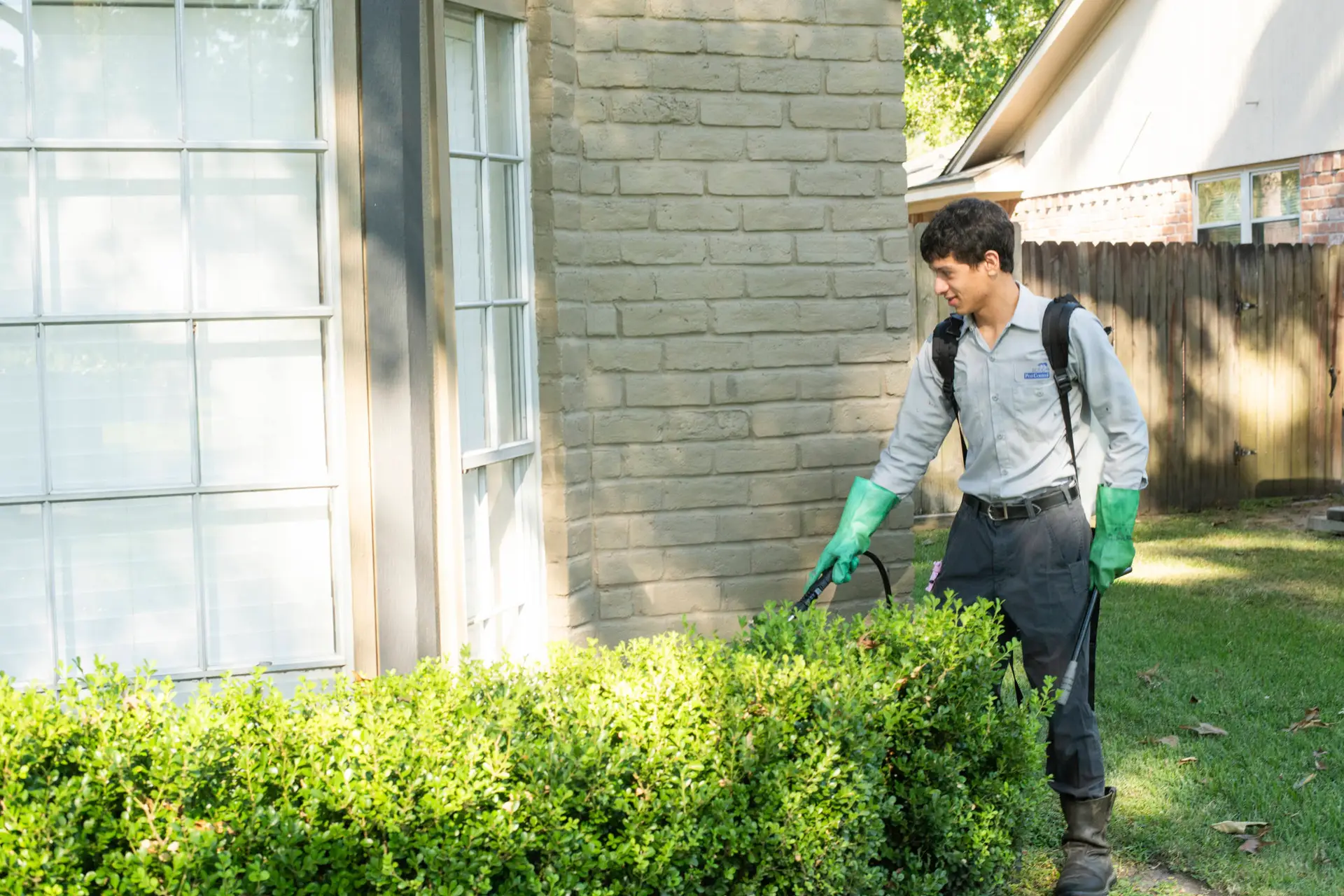
Texas summers bring heat, humidity, storms, and irrigation, creating favorable conditions for pests around homes, yards, garages, patios, and entry points. Some species become more active because warmer temperatures speed up feeding and reproduction, while others move closer to structures in search of water or shelter. Effective pest control is not only about removing what is visible. It also means identifying nesting areas, entry routes, moisture, food sources, and seasonal conditions that allow the problem to continue. Ants and Cockroaches Thrive in Warm Conditions Ants and cockroaches are among the pests Texas homeowners often encounter during hot weather. Heat can increase foraging activity, while rain may drive colonies or hidden populations toward drier areas near a structure. Common signs include: Correct identification matters because a treatment that works for one pest may not address another pest’s nesting site, food source, or breeding pattern. A closer look at common Texas pests shows how ants, cockroaches, spiders, rodents, mosquitoes, and termites create different concerns inside and around local homes. Mosquitoes and Fleas Can Increase Around Outdoor Areas Summer creates favorable conditions for mosquitoes and fleas, especially where warmth, moisture, shade, and hosts are available. Mosquitoes can develop in standing water around containers, gutters, low spots, and other areas where water collects. Fleas may persist where pets, wildlife, shaded soil, or sheltered resting areas support their life cycle. Mosquito breeding may continue in overlooked water sources, while flea eggs, larvae, and pupae can remain in protected areas. Professional pest control helps by evaluating the property as a whole. The focus may include breeding sites, shaded harborage, moisture, animal activity, and other conditions that keep pest populations active through the warmer months. Rodents and Spiders Use Shelter Close to Homes Rats, mice, and spiders may also become noticeable around Texas properties in summer. Rodents look for dependable food, water, and shelter, while spiders often follow areas with abundant insect prey. Potential warning signs include: These pests require different responses. Rodent control depends heavily on identifying access points and movement patterns, while spider management often includes reducing harborage and the insects that support them. A property-wide inspection can reveal connections that a single sighting may not show. Termites Can Stay Hidden While Summer Activity Continues Termites are particularly concerning because much of their activity occurs out of sight. Depending on the species involved, colonies may live in soil or within wood, and signs can include mud tubes, discarded wings, damaged wood, or hollow-sounding structural materials. Warm, humid conditions can support termite activity, but the extent of an infestation cannot be judged by one visible sign alone. A professional inspection may evaluate: Termite control should match the species and infestation pattern. Surface-level treatment may fail to reach colonies hidden inside wood or beneath the structure. Long-Term Pest Control Depends on Consistent Monitoring Texas summer pest pressure can change quickly. Rain may push ants indoors, heat can increase insect activity, standing water can support mosquitoes, and ongoing food or moisture sources may attract rodents and cockroaches. A consistent pest control plan may include: This is why recurring pest protection can be valuable throughout the year. Regular service helps identify changing risks, reinforce prevention, and catch developing activity before it becomes more difficult to manage. Summer does not create every pest problem, but it can intensify the conditions that support ants, cockroaches, mosquitoes, fleas, rodents, spiders, and termites. A thoughtful, inspection-based approach gives homeowners a clearer picture of what is happening and which steps are most appropriate. Stay Ahead of Summer Pest Pressure When summer pests become active around your home, early professional attention can help prevent a small issue from becoming a recurring problem. Contact Fullscope Pest Control for expert pest control focused on your property, seasonal conditions, and long-term protection.