 1500+ reviews

Kissing Bug vs Stink Bug: A Guide for Southeast Texas
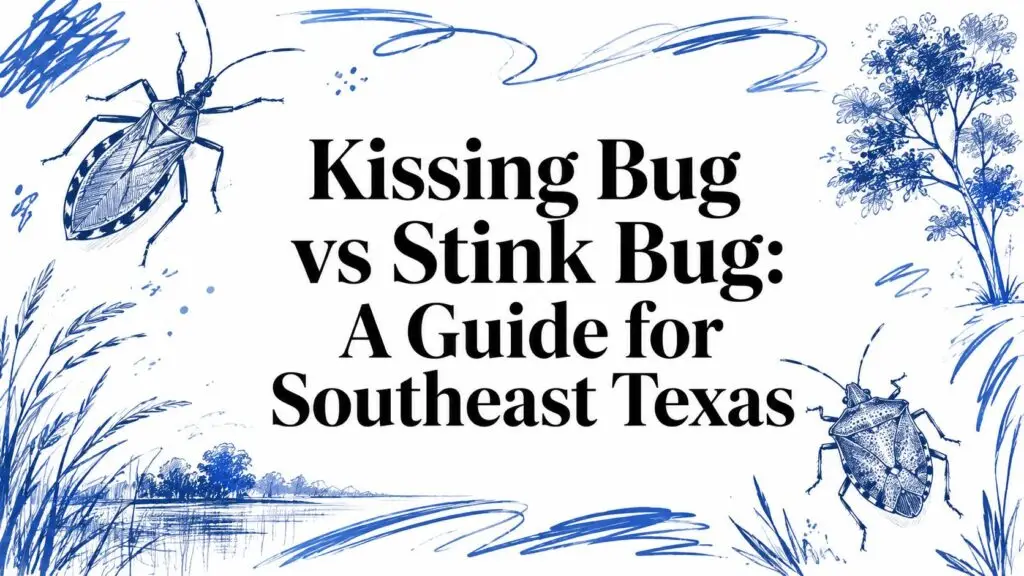
You're standing in the kitchen, looking at a brown bug on the wall, and your first thought is simple. Is this one of those dangerous kissing bugs, or is it just a stink bug? In Southeast Texas, that's a fair question. A lot of homeowners around North Houston, Conroe, Kingwood, and Magnolia see a flat brown insect and assume they're all basically the same. They aren't. In a kissing bug vs stink bug situation, the difference matters because one is mostly a nuisance and the other deserves much more caution. The good news is that you can usually sort them out by looking at a few specific features. Body shape, head shape, where you found it, and what it was doing all tell you a lot. If you live in Southeast Texas, those details can help you decide whether to remove the bug, monitor the area, or call a professional for identification. That Unfamiliar Bug in Your Home Rarely do bugs get a close look until one shows up indoors. It's on a curtain, near a back door, or crawling across the wall by the bed. That's when the confusion starts. Kissing bugs and stink bugs can both look brown from a distance. Both can turn up around homes in Texas. Both make people uneasy because they don't look like the common insects homeowners already know. But they're very different insects with very different risks. If you're unsure, don't crush it with your hand and don't guess based on color alone. A stink bug is usually an unwanted visitor. It may smell bad if disturbed, and it may be annoying around windows in cooler months, but it isn't trying to feed on people. A kissing bug is a different category of pest. It's associated with blood-feeding behavior and, in some cases, disease risk. That's why homeowners in Southeast Texas need a practical guide, not a vague one. If you're in Magnolia, Spring, Conroe, Kingwood, or nearby North Houston communities, the smartest approach is calm identification first, then the right next step. Visual Identification A Side-by-Side Comparison A quick ID starts with the outline. From across a room, a stink bug looks like a little shield. A kissing bug looks longer, flatter, and more like it was built with a pointed front end. Kissing Bug vs. Stink Bug At a Glance Feature Kissing Bug (Triatomine) Stink Bug (BMSB) Body shape Elongated, narrow body Broad, shield-shaped body Size Usually larger and longer-looking overall, often around 0.5 to 1 inch based on Angi's kissing bug vs stink bug guide Usually shorter and wider-looking, often around 0.5 inch Head shape Distinct cone-shaped head Smaller head that blends into the broad body Antennae Thin antennae Antennae that appear thicker relative to the body Overall outline Long and lean Pentagonal or triangular shield look Color pattern Often dark brown or black with lighter markings along the edge Mottled brown or brown-green coloration The Head Gives You the Fastest Answer If a homeowner in Magnolia sends us a photo and asks for a first impression, the head shape is usually the first thing we check. A kissing bug has a clear, forward-projecting, cone-shaped head. It gives the insect a stretched look, almost like the front end was pulled outward. A stink bug looks compact by comparison. Its head does not jut forward in the same way, and the body widens quickly into that familiar shield shape. A simple way to judge it is this. If the bug looks like it has shoulders, you are probably looking at a stink bug. If it looks narrow from front to back, pay closer attention. Body Shape Matters More Than Color Color causes a lot of mix-ups in Southeast Texas homes because both insects can look brown under indoor lighting. Porch lights, hallway shadows, and phone photos often make the color even less helpful. Start with the silhouette: Long and narrow points toward a kissing bug Wide and shield-shaped points toward a stink bug Pointed front end supports a kissing bug ID Broad upper body with a triangular back plate look supports a stink bug ID Practical rule: Ignore color at first. Check the outline, head, and body width before anything else. The Mouthparts Match the Job The body design also fits what each insect is built to do. Kissing bugs have mouthparts suited for piercing skin and taking a blood meal. Stink bugs have mouthparts meant for piercing plants. For homeowners, that matters because structure is not random. A kissing bug is shaped more like a slim needle tool. A stink bug is shaped more like a shield with legs. One design helps it stay tucked into cracks and feed on animals. The other is built for plant feeding and defense. If you are comparing other seasonal insects that show up around garages, patios, and entry points in warm weather, this guide to bugs to look out for this summer can help narrow it down. In North Houston area homes, especially around wooded lots, dog kennels, and properties with outdoor lighting, a photo from above usually gives enough detail to separate these two. If the insect appears long-bodied with a pointed head, treat it with more caution and avoid handling it directly. Contrasting Behaviors and Seasonal Habits You spot a bug on the inside of a window in Magnolia after sunset. The shape already matters, but behavior can give you the second clue. What the insect is doing, where it showed up, and what time of year you noticed it often points you in the right direction. What Stink Bugs Are Doing Around Your House Stink bugs behave like plant pests that accidentally end up indoors. Orkin's comparison of stink bugs and kissing bugs notes that stink bugs feed on plant matter and often become a nuisance when they gather on homes while seeking shelter. For Southeast Texas homeowners, that usually means you find them on garden plants, fruit trees, siding, window frames, porch areas, or garage doors. In
How To Protect Outdoor Events From Mosquito Problems
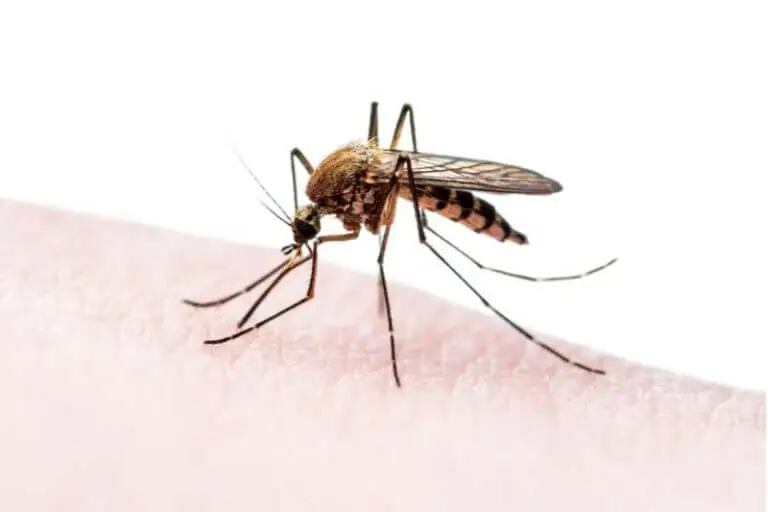
Outdoor events in Texas can feel relaxed, personal, and memorable until mosquitoes begin taking over. Backyards, patios, church grounds, parks, pool areas, and commercial lawns can all attract mosquitoes when warmth, humidity, shade, and standing water are present. Guests may arrive ready to enjoy the gathering, but repeated bites can quickly change the mood and shorten the event. Effective mosquito control starts before the first chair, table, or food station is set up. Mosquitoes are tied to breeding sites, resting areas, weather, landscaping, and nearby pest pressure. A professional approach looks beyond the visible insects and studies the property conditions that allow mosquitoes to gather in the first place. Inspect The Event Area Early The best time to address mosquitoes is before guests arrive. Event spaces should be inspected several days ahead, especially after rain, irrigation, or heavy humidity. Mosquitoes can develop in surprisingly small amounts of water, and shaded resting zones can hold adult mosquitoes close to the activity area. Important areas to review include: This early review helps identify where professional service can be most useful. Mosquitoes do not always come from the center of the event space. They may rest in vegetation, develop in nearby water, or move from surrounding shaded areas as guests gather. Treat Breeding And Resting Zones Strategically A strong event plan focuses on both mosquito development and adult activity. Breeding sites create the next wave, while resting zones hold mosquitoes close to people. Treating only where guests sit may miss the sources that keep activity coming back. Professional service may focus on: This strategy is different from quick, surface-level reactions. Houston and Southeast Texas properties often face pest pressure because moisture and heat support activity for long stretches. A closer look at why DIY pest control often falls short explains why temporary applications may not reach the underlying source. For outdoor events, that difference matters. Guests may not notice the inspection or treatment planning, but they notice when mosquitoes are reduced, and the space feels more comfortable. Plan Around Weather, Timing, And Layout Mosquito activity is influenced by weather and event design. Warm, humid evenings are often more active than bright midday periods. Shaded seating areas, landscape borders, and wind-protected corners can become mosquito pockets. Food stations, trash bins, and outdoor lighting may also affect nearby pest movement. Event planning should consider: A professional inspection can help map these details before the event. This is especially helpful for weddings, parties, neighborhood gatherings, outdoor dining, commercial events, and family celebrations where comfort matters. The goal is not to make the property look treated. It is to reduce the pest pressure guests are most likely to experience during the event window without unnecessary disruption for guests. Understand The Broader Texas Pest Setting Mosquitoes are often the main concern for outdoor gatherings, but they are rarely the only pest pressure around Texas properties. Ants may trail near food areas. Roaches may be drawn to moisture and trash. Spiders may appear where insects are active. Rodents can investigate outdoor storage or waste. Fleas and ticks may be present in lawns or shaded pet areas. Termites and wasps can create separate concerns around structures, wood, or nesting zones. Understanding common Texas pests helps explain why outdoor event planning should look at the whole property, not mosquitoes alone. A clean, well-managed event area supports better mosquito control and helps reduce overlapping pest activity. Professional pest planning can also help homeowners and property managers decide whether a one-time event service is enough or whether recurring seasonal protection makes more sense. In humid, wooded, or frequently irrigated areas, mosquitoes may return quickly if breeding and resting areas remain active. Let Guests Enjoy The Gathering Outdoor events work best when the space is inspected, prepared, and protected before mosquitoes interrupt the experience. For thoughtful mosquito control, event-focused pest planning, and help reducing outdoor pest pressure around Texas homes and gathering spaces, contact Fullscope Pest Control.