1500+ reviews


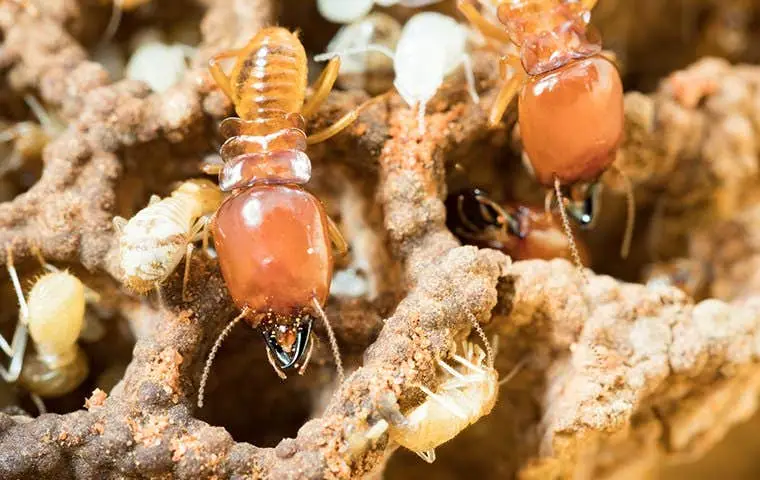
Termite damage can remain hidden long before a homeowner notices a visible problem. In Southeast Texas, subterranean termites may travel from the soil into a structure through concealed foundation routes, plumbing penetrations, crawl-space areas, or wood-to-soil contact. By the time wood sounds hollow, trim softens, or mud tubes appear, activity may already extend beyond the first visible location.
Our team approaches termite control by finding evidence early and connecting it to the conditions that allowed termites to reach the structure. Inspection can reveal active mud tubes, discarded wings, damaged wood, moisture concerns, and concealed travel routes before repairs begin. Detecting those signs sooner can reduce the chance of replacing materials while the colony remains active and can help property owners understand which areas need treatment, repair, or further structural evaluation.
Early Detection Helps Separate Active Termites From Old Damage
Visible wood damage does not automatically confirm that termites are still active. A weakened board may reflect an older infestation, current termite feeding, fungal decay, moisture damage, or more than one condition at the same time.
Our guide to termite damage repair explains why treatment should come before rebuilding when active termites are present. Replacing a baseboard, sill section, or floorboard may improve appearance, but it does not address a colony that is still using soil, wall cavities, or concealed framing.
Professional inspection may look for:
- Mud tubes along foundations, piers, slab edges, or crawl spaces
- Discarded wings or swarmers near windows, doors, or light sources
- Fresh galleries containing soil-like material inside damaged wood
- Hollow, blistered, softened, or weakened structural material
- Moisture near plumbing, drainage, crawl spaces, or exterior walls
- Evidence of previous treatment that may affect current findings
Confirming whether activity is current helps prevent repairs from covering evidence that technicians still need to evaluate.
Delayed Detection Can Turn A Small Problem Into A Larger Repair
Termites often damage wood from the inside, which allows structural material to look normal from the surface. Concealed activity can involve sill areas, floor systems, wall penetrations, porch connections, additions, or other parts of the building before obvious deterioration appears.
The longer activity continues, the greater the chance that repair work will involve more than cosmetic trim. Damaged framing, subfloors, joists, or other load-bearing components may require evaluation by a qualified contractor or structural professional in addition to termite control.
Warning signs that deserve timely evaluation include:
- New mud tubes appearing along foundation or slab areas
- Flooring or trim that suddenly feels soft or uneven
- Discarded termite wings accumulating indoors
- Wood that sounds hollow compared with nearby sound material
- Moisture staining around areas with suspicious wood changes
- Recurring termite evidence after earlier treatment or repair
Early assessment can define the problem before repairs begin and document which areas may need additional evaluation.
Inspection Helps Match Treatment To The Actual Termite Risk
Early detection is valuable because termite control should be based on the structure, the evidence, and the route termites are using. Our article on wood-destroying pests explains that inspection, identification, moisture management, treatment, and follow-up should work together rather than being treated as separate steps.
Subterranean termites commonly approach from soil, so foundations, crawl spaces, plumbing penetrations, porches, and wood-to-soil contact deserve close attention. Depending on the findings, treatment may involve baiting, liquid applications, localized work, moisture correction, repairs, or a combination of methods.
A professional plan may include:
- Documenting accessible and inaccessible inspection areas
- Identifying active evidence and conditions that support termite access
- Matching baiting or liquid treatment to the property and infestation
- Correcting leaks, drainage problems, or persistent dampness where needed
- Coordinating repair work after active termite control is addressed
- Scheduling follow-up to confirm whether activity has changed
This sequence helps prevent a common mistake: repairing damaged wood before the infestation has been controlled. New materials can still be vulnerable if the original termite route remains active.
Early detection can also reduce uncertainty during future repairs. Photographs, treatment diagrams, inspection notes, and records of moisture corrections give contractors and property owners a clearer history of what was found and what was addressed. That documentation can be especially useful when damage extends behind walls, beneath flooring, or into other areas that were not fully visible during the first inspection.
Our team also pays attention to conditions that can resemble termite damage. Southeast Texas humidity, poor drainage, plumbing leaks, and damp crawl spaces can contribute to fungal deterioration. A professional termite inspection helps identify insect evidence, while a contractor or structural professional may need to determine whether weakened wood can still safely carry its intended load.
The earlier these questions are answered, the easier it is to organize treatment and repair in the correct order. That can limit unnecessary replacement, reduce the chance of rebuilding over active termite routes, and support better long-term protection.
Find Termite Activity Before Repairs Become Bigger
If you notice mud tubes, discarded wings, hollow wood, moisture-related damage, or other termite warning signs, contact Fullscope Pest Control for professional termite control, inspection, treatment planning, and long-term monitoring.