 1500+ reviews

Termite Treatment & Control | Termite Exterminator
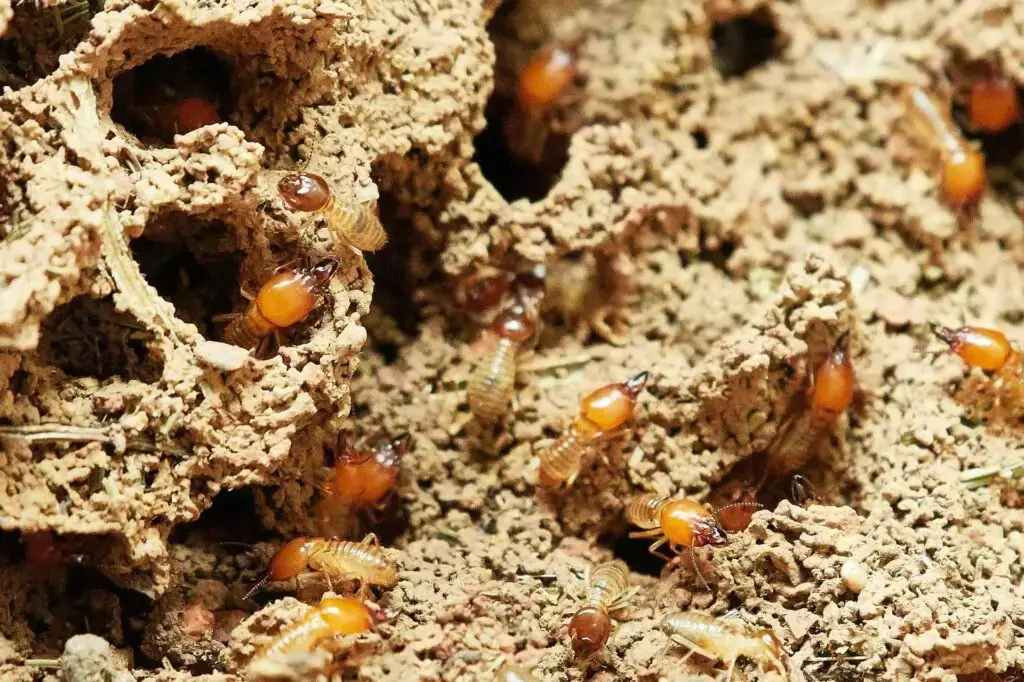
Key Highlights Introduction Termites are a homeowner’s worst nightmare. These tiny pests can cause significant damage to the structure of your home, leading to costly repairs and potential safety hazards. Understanding termite infestation, signs of their presence, and effective treatment options is crucial for every homeowner. In this blog, we will explore the key highlights of termite treatment and control, providing you with the information you need to protect your home from these destructive pests. Understanding Termite Infestation To effectively control termites, it is important to understand how they infest homes and their behavior. Termite infestation occurs when these insects establish colonies near or within wooden structures. They build mud tubes to travel between their nests and food sources, such as wood. There are different species of termites, including drywood and dampwood termites, each with their own preferences and habits. By understanding termite infestation and the species commonly found in your area, you can take the necessary steps to prevent and control their presence in your home. Common Signs of Termite Presence Identifying the signs of termite presence early on is essential for effective treatment and control. Here are some common signs to look out for: If you notice any of these signs, it is important to contact a professional termite exterminator for inspection and treatment. Different Types of Termites and Their Behaviors There are different types of termites, each with their own behaviors and preferences. Understanding these differences can help in identifying and treating termite infestations effectively. Drywood termites are commonly found in coastal regions and infest dry wood. They do not require contact with soil and can establish colonies within wooden structures. Dampwood termites, on the other hand, thrive in moist environments and are attracted to decaying or wet wood. They do not usually infest human structures unless there is significant moisture damage. Subterranean termites are the most destructive and widespread termite species. They build mud tubes to protect themselves from predators and maintain a humid environment. These termites require contact with soil for moisture and often establish extensive colonies underground. By understanding the behavior and preferences of different termite species, homeowners can implement targeted treatment and prevention strategies. Termite Inspection: The First Step to Control Termite inspection is the crucial first step in controlling a termite infestation. A professional termite exterminator will conduct a thorough inspection of your property to identify termite colonies, assess the extent of the infestation, and develop an effective pest control plan. During the inspection, the exterminator will look for signs of termite activity, such as mud tubes, termite damage, and discarded wings. They will also inspect areas prone to termite infestation, such as basements, crawl spaces, and attics. By identifying the source and extent of the termite problem, the exterminator can recommend the most appropriate treatment method for your specific situation. What to Expect During a Termite Inspection During a termite inspection, a professional exterminator will thoroughly evaluate your property for any signs of termite infestation. This process typically involves: How Often Should You Get Your Property Inspected? Routine termite inspections are essential for early detection and prevention of termite infestations. The frequency of inspections may depend on factors such as the location of your property, the age of the structure, and the presence of previous termite activity. In general, it is recommended to have a professional termite inspection at least once a year. However, in areas with high termite activity, more frequent inspections may be necessary. Additionally, if you have had previous termite activity or live in an area prone to termite infestations, more frequent inspections can help ensure early detection and timely treatment. Regular inspections can help identify potential termite problems before they cause significant damage, giving you peace of mind and saving you from costly repairs. Professional Termite Treatment Options When it comes to professional termite treatment, there are several options available. Each treatment option is designed to effectively eliminate termites and prevent future infestations. Liquid barrier treatments involve applying termiticide to the soil around the foundation of the home. This creates a chemical barrier that termites cannot cross, effectively protecting the structure. Bait systems work by placing termite baits near areas of termite activity. The termites consume the bait and take it back to the colony, eventually eliminating the entire colony. Fumigation is a more aggressive treatment option that involves tenting the entire structure and introducing a gas that kills termites. This treatment is typically used for severe infestations or when extensive damage has already occurred. Each treatment option has its advantages and disadvantages, and the best approach will depend on the specific circumstances of the infestation. Consulting with a professional termite exterminator is recommended to determine the most effective treatment plan for your home. Liquid Barrier Treatments and Their Effectiveness Liquid barrier treatments, also known as soil-applied termiticides, are a common and effective method for termite control. These treatments involve applying a liquid termiticide to the soil around the foundation of the home, creating a chemical barrier that termites cannot cross. The termites come into contact with the treated soil as they forage for food, and the termiticide eliminates them. The barrier also prevents termites from accessing the structure, providing long-term protection against infestations. The effectiveness of liquid barrier treatments depends on several factors, including the type of termiticide used, the application method, and the thoroughness of the treatment. It is important to hire a professional termite exterminator for this type of treatment to ensure proper application and maximize effectiveness. While liquid barrier treatments can provide effective termite control, they are not foolproof. Regular inspections and maintenance are still necessary to monitor for any signs of termite activity and address potential issues promptly. Physical barriers, such as steel mesh or sands, can also be used in conjunction with liquid barrier treatments to further enhance protection against termites. Bait Systems: How They Work Bait systems are another popular method of professional termite treatment. These systems work by placing termite baits near areas of termite activity. The baits