 1500+ reviews

Does Bleach Kill Termites? a Risky DIY Termite Fix
Bleach can kill the few termites you see on contact, but it has zero capability to eliminate a colony. It also can't reach the 90-100% of a typical infestation that stays hidden, so the termites causing significant damage keep feeding out of sight. If you found winged insects near a window, mud tubes along a foundation, or soft wood that suddenly feels hollow, grabbing a bleach bottle is a very human reaction. You want to do something right now. I understand that impulse. But with termites, the fastest-looking fix is often the one that costs you time, creates safety risks, and lets the colony stay active. You Found Termites and Grabbed the Bleach Here's Why to Stop Most homeowners don't discover termites during a calm, scheduled inspection. They find them while moving storage in the garage, replacing trim, or cleaning up after rain. You see a few pale insects, maybe some discarded wings, and your mind goes straight to whatever is under the sink. Bleach feels strong, so it feels useful. That's the trap. With termites, surface action and real control are not the same thing. Killing a handful you can see doesn't mean you've touched the problem that matters. In a house, termite activity is usually hidden in wood members, wall voids, crawlspaces, or soil contact points. A reactive spray can make the visible evidence disappear while the colony keeps working. Practical rule: If a product only reaches the termite you can see, it probably isn't solving the termite problem you actually have. I've seen homeowners treat termite evidence the same way people treat water damage or mold stains. They clean what's visible and assume the issue is handled. That's why AMPM Restoration Services' expert advice is so relevant here. Hidden damage almost always matters more than what's on the surface. There's also a second problem. Bleach can push you into a false sense of control. Once the insects disappear from view, many people delay the inspection they should have scheduled first. By the time a technician evaluates the structure, the colony has had extra time to spread and feed. If you want a good example of how quick DIY choices can create bigger pest issues, FullScope has a useful breakdown of DIY pest control gone wrong. The short version is simple. Strong household chemicals are not the same as a termite treatment plan. What to do in the first hour Stop spraying random products: Don't add bleach, vinegar, borax, foaming cleaners, or anything else just because it's available. Leave evidence in place: Mud tubes, wings, damaged trim, and swarmers help a technician identify what species you're dealing with and where activity may be centered. Protect people first: If you already used bleach, ventilate the area and keep children and pets away until the fumes dissipate. Contact Kill vs Colony Elimination The most important thing to understand is the difference between contact kill and colony elimination. A contact kill means the product only affects the termite it physically touches. Colony elimination means the treatment reaches the hidden population that keeps the infestation alive. Those are not close to the same outcome. What bleach actually does Bleach can kill individual subterranean termites on direct contact by denaturing proteins and disrupting cell membranes, but it has zero capability to eliminate a colony or reach termites hidden within wood or soil structures. It also can't penetrate deep into the 90-100% of a typical home infestation where termites reside, and even if visible wood is soaked, the core colony of 50,000 to 1 million termites can remain untouched and active, as described by FullScope Pest Control's termite guidance. That's why the homeowner experience is so misleading. You spray. A few termites die. The wood still sounds hollow next week. Consider pulling one dandelion leaf while leaving the root system underground. The top changes. The source doesn't. Why the colony survives A termite colony is organized to protect its reproductive members and workforce. The termites you notice are usually the least important part of the problem. The queen, developing young, and the majority of workers stay protected in places surface sprays can't reach. Bleach is especially poor at termite control because it doesn't move through soil as a barrier treatment, and it doesn't get carried back through the colony the way a bait toxicant can. That's the difference between a household cleaner and a purpose-built termite system. Surface kill is visible. Colony control is what protects the house. If you want to understand what an actual colony-level approach looks like, this explanation of how termite baiting disrupts entire colonies lays out the core principle well. The treatment has to reach the population you can't see. The practical takeaway Here's the decision point that matters: If you saw one or two exposed termites: Bleach may kill those specific insects. If you have an infestation: Bleach won't eliminate it. If you want protection: You need a treatment that reaches hidden galleries, soil entry points, or the colony itself. That's why professionals talk less about killing termites and more about intercepting, transferring, or isolating termite activity at the structure. More Than Just Ineffective It's a Real Risk The problem with bleach isn't only that it fails. It's that it can make the situation worse. A lot of homeowners think of bleach as a strong all-purpose answer. In termite work, that mindset creates three separate hazards. You expose yourself to fumes, you risk damaging building materials, and you delay the treatment that could have stopped the infestation earlier. It creates avoidable safety issues Bleach acts as a contact-only killer that disrupts the termite exoskeleton and clogs respiratory spiracles, but it fails to penetrate beyond the outer 1–2 mm of wood. Its potency also wanes within minutes and it has no residual toxicity, so surviving termites can resume feeding with no long-term protection, according to Proof Pest's explanation of bleach and termites. That alone makes it a poor termite tool. The bigger concern for many homeowners is misuse.
How to Get Rid of Termites | Termite Treatment | FullScope
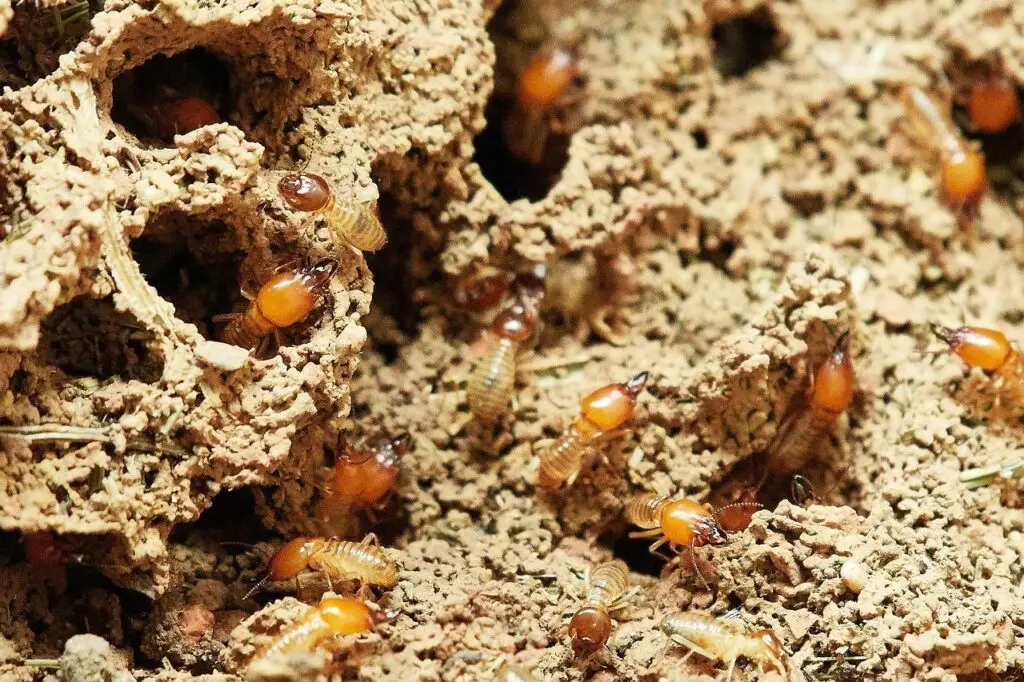
Key Highlights Introduction Termites are one of the most dreaded pests, especially for homeowners. These tiny insects can cause extensive damage to homes and structures, leading to costly repairs and compromised structural integrity. It’s essential to understand the different types of termites, their potential impact, and effective termite treatment options to protect your property. In this blog, we will explore various aspects of termite control, including understanding termites and their impact, early signs of infestation, professional termite inspection, treatment options, DIY vs. professional treatment, and preventing future termite infestations. By gaining knowledge about termites and implementing preventative measures, you can safeguard your home and minimize the risk of termite damage. Understanding Termites and Their Impact Termites are social insects that live in large colonies and feed on cellulose-based materials, such as wood. The United States is home to different termite species, with subterranean termites and drywood termites being the most common. These termites can cause significant structural damage to homes, leading to weakened foundations, sagging floors, and compromised safety. It is estimated that termites cause billions of dollars in damages annually. Understanding the behavior and habits of termites is crucial to detect and address an infestation early on. By being aware of the signs of termite activity and seeking professional assistance, homeowners can protect their property from further damage. The Different Types of Termites Termites exist in various species, but the two most common types found in the United States are subterranean termites and drywood termites. Subterranean termites live in the soil and build mud tubes to access above-ground food sources. These termites are responsible for the majority of termite damage in the country. On the other hand, drywood termites infest dry wood and do not require contact with soil. It’s important to be able to identify the type of termites infesting your home as it can impact the treatment approach. Subterranean termites are usually eradicated using liquid soil-applied termiticides or bait systems, while drywood termites may require localized spot treatments or fumigation. Understanding the specific species of termites and their behavior can help pest control experts develop a targeted treatment plan to effectively eliminate the infestation. How Termites Damage Your Property Termites can cause significant damage to your property if left untreated. They feed on wood and cellulose materials, such as paper and cardboard, making your home vulnerable to structural damage. Termites can weaken wooden structures, including walls, floors, and furniture, which can compromise the integrity of your home. The damage caused by termites is often not immediately noticeable, as they feed from the inside out, leaving the outer layers intact. To prevent and treat termite damage, it is crucial to enlist the help of professional pest control services. They have the expertise and tools to effectively eliminate termites and safeguard your property from future infestations. The Science Understanding the science behind termites is key to effective termite prevention and treatment. Termites live in colonies, which can consist of thousands or even millions of individual termites. The best way to prevent termite infestation is to create a barrier between your home and potential termite entry points. This can be done through the use of physical barriers, such as steel mesh, or the application of termiticides to the soil surrounding your property. Regular termite inspections are also essential to catch any infestations early on and take prompt action. Professional pest control experts have the knowledge and experience to identify the signs of termite activity and recommend the most appropriate prevention and treatment methods. What are the different methods of termite treatment available in the market? Various termite elimination methods include liquid termite barriers, termite baits, termite fumigation, and wood treatment. Each method has its pros and cons, so it is essential to consult with a professional to determine the most effective treatment for your specific termite infestation. Early Signs of Termite Infestation Detecting a termite infestation early is crucial to preventing extensive damage to your property. There are several visual indicators that can signal the presence of termites. Mud tubes, which are narrow tunnels made of soil and termite saliva, are a common sign of termite infestation. These tubes are used by termites to travel between their underground colonies and food sources. Other signs include damaged or hollow-sounding wood, discarded termite wings, and small piles of termite droppings. If you notice any of these signs, it is important to seek professional termite inspection and treatment to prevent further damage. Termite and Pest Control Termite treatment is a critical aspect of protecting your property from the destructive nature of these pests, so that you can leave termite free. There are various methods available in the market, including liquid termite barriers, termite baits, fumigation, and wood treatment. Each method comes with its own set of advantages and drawbacks, so consulting with a professional is key to determining the most suitable approach for your specific situation. Detecting early signs of termite infestation can save you from costly repairs. Keep an eye out for mud tubes, damaged wood, discarded wings, and termite droppings. If you spot any of these Visual Indicators and What to Look For When inspecting your home for termite infestation, there are several visual indicators to look for. These signs can help you identify whether you have a termite problem and take appropriate action. If you notice any of these visual indicators, it is advisable to contact a professional pest control company for a thorough termite inspection and appropriate treatment. Silent Destroyers Termites are often referred to as “silent destroyers” because they can cause extensive damage to your property without immediate visible signs. They feed on wood and other cellulose materials, gradually weakening the structure over time. Termite colonies can consist of thousands or even millions of individual termites, working tirelessly to feed and expand their colonies. As they tunnel through wooden structures, they can cause significant structural damage, compromising the integrity of your home. It is important to address termite infestations promptly to prevent further damage. Professional pest control