 1500+ reviews

Rodent Pest Control Treatment & Removal Services | FullScope Services

Key Highlights Introduction Rodent infestations can be a major concern for homeowners, as these pests not only cause property damage but also pose health risks. Dealing with a rodent infestation requires the expertise of a professional pest control service like FullScope Services. With their comprehensive rodent control solutions, FullScope Services can effectively treat and remove rodents from your home. Understanding Rodent Infestations in Your Home Rodent infestations can go unnoticed for a while, as these pests are skilled at hiding and nesting in hard-to-reach areas. However, there are certain signs that can indicate a rodent infestation. Look out for rodent droppings, gnaw marks on furniture and wires, and signs of nesting material. Rodents can enter your home through small gaps, cracks, and openings. It is crucial to identify these entry points and seal them off to prevent further infestations. Identifying Signs of Rodent Presence One of the primary signs of a rodent infestation is the presence of rodent droppings. These droppings are typically small, dark, and pellet-like. Another indication is the strong smell of rodent urine, which can be quite pungent. Additionally, look out for gnaw marks on wires, furniture, and other objects, as rodents have sharp teeth that they use to chew through various materials. If you notice any of these signs, it is important to take immediate action to address the infestation. Common Types of Rodents in Residential Areas There are several common types of rodents that can infest residential areas. House mice are small, prolific breeders that can quickly multiply in the right conditions. Roof rats, on the other hand, are excellent climbers and prefer to nest in attics and trees. Norway rats are larger and more robust, often found nesting outside in burrows. It is important to identify the specific type of rodent infesting your home in order to implement the most effective control measures. The Health Risks Associated with Rodents Rodents not only cause property damage but also pose significant health risks. They can transmit diseases to humans through their urine, droppings, and bites. Some common diseases transmitted by rodents include hantavirus, leptospirosis, and salmonella. In addition to disease transmission, rodents can also trigger allergic reactions in some individuals. Their urine, droppings, and dander can contain allergens that can cause asthma and other respiratory issues. It is important to address rodent infestations promptly to protect the health and well-being of your family. Diseases Transmitted by Rodents Rodents can carry and transmit a variety of diseases to humans. Hantavirus is a serious respiratory illness that can be contracted through contact with rodent urine, droppings, or saliva. Leptospirosis is another bacterial infection that can be transmitted through contact with contaminated water or soil. Salmonella, a common foodborne illness, can also be spread by rodents through contamination of food and surfaces with their droppings. It is important to take proper precautions and seek professional rodent control services to minimize the risk of these diseases. Impact on Home Environment and Well-being Rodents can cause significant damage to your home and property. They have a tendency to chew through wires, insulation, and other building materials, leading to costly repairs. Their nesting habits and droppings can also cause unpleasant odors and contaminate the air quality in your home. In addition to the physical damage, rodent infestations can also take a toll on your mental well-being. The constant presence of rodents can be stressful and disruptive to your daily life. It is important to address rodent infestations promptly to minimize the impact on your home environment and overall well-being. Preventive Measures to Keep Rodents at Bay Prevention is key when it comes to keeping rodents at bay. One of the most effective preventive measures is to seal off entry points that rodents can use to gain access to your home. This includes sealing cracks, gaps, and holes in your walls, floors, and foundation. Maintaining cleanliness and proper sanitation in and around your home is also important, as rodents are attracted to food sources and unclean environments. By implementing these preventive measures, you can significantly reduce the risk of a rodent infestation in your home. Sealing Entry Points: A Key Prevention Strategy Sealing off entry points is a crucial step in preventing rodent infestations. Rodents can squeeze through small gaps and cracks in your home’s exterior, so it is important to inspect and seal these entry points. Use caulk or steel wool to fill in any gaps or cracks that you find. Pay extra attention to areas around pipes, vents, and utility lines, as rodents can use these as entry points. It is also important to seal any openings around doors and windows. By effectively sealing off these entry points, you can greatly reduce the chances of rodents finding their way into your home. Rodent exclusion service Rodent exclusion service is a crucial aspect of effective rodent control that focuses on preventing rodents from entering your property in the first place. By sealing off entry points and implementing exclusion measures, such as installing barriers and sealing cracks, you can significantly reduce the likelihood of rodent infestations. This proactive approach not only helps in keeping your home or business rodent-free but also minimizes the risks associated with rodent-borne diseases and damage to property. Rodent Trapping & Removal Trapping is a crucial step in effective rodent control and removal. By setting up traps strategically, you can safely capture and remove rodents from your property. Rodent trapping not only helps in eliminating the current infestation but also prevents future invasions by these pests. It is essential to use the right kind of traps and bait to ensure successful trapping and removal of rodents, safeguarding your home from potential damage and health risks associated with these unwanted guests. Importance of Cleanliness and Sanitation Cleanliness and sanitation play a crucial role in preventing rodent infestations. Rodents are attracted to food sources, so it is important to keep your home clean and free of any food debris or spills. Store food in sealed containers and clean up any
Unveiling the Silent Invaders: Signs of a Rodent Infestation in Your Home
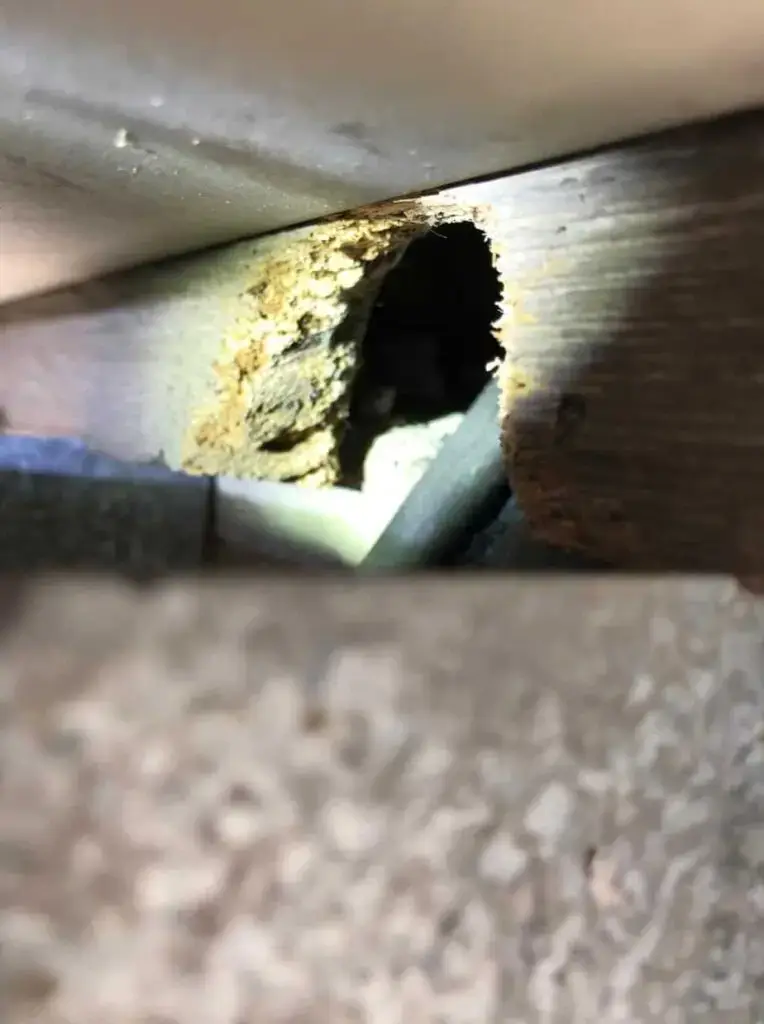
Introduction: Rodents, such as mice and rats, are unwelcome guests that can wreak havoc in your home. These tiny creatures are not only a nuisance but can also pose serious health risks. Identifying the signs of a rodent infestation is crucial for taking prompt action and safeguarding your living space. In this article, we’ll explore the subtle and not-so-subtle indicators that may suggest you have unwanted furry visitors. Droppings and Urine Odor: One of the most common signs of a rodent infestation is the presence of droppings. Keep an eye out for small, pellet-like droppings around your home, especially in dark and secluded areas. Additionally, a distinct musty odor from urine may accompany a rodent presence. Gnaw Marks and Damaged Items: Rodents have a natural instinct to gnaw on things to keep their teeth from growing too long. Look for gnaw marks on furniture, wires, and even food packaging. Damaged items and torn packaging could indicate a rodent’s feeding or nesting activity. Nesting Material: Rodents create nests using materials like paper, fabric, and insulation. Check for nests in hidden corners, behind appliances, or in storage areas. Finding shredded materials in these spaces may be a clear sign of rodent activity. Footprints and Smudge Marks: Rodents often leave behind footprints and smudge marks, especially along baseboards and walls. Dusty or dirty areas may reveal these tracks, giving you clues about the pathways they use within your home. Scratching Noises: Listen for scratching or scurrying noises, particularly at night when rodents are most active. These sounds may indicate their movement within walls, ceilings, or under floors. Pay attention to any unusual sounds in your home and investigate promptly. Visible Sightings: While rodents are generally elusive, you might spot them occasionally. If you see a mouse or rat during daylight hours, it could be a sign of a larger infestation. Take immediate action to address the issue before it worsens. Pet Behavior Changes: Pets, especially cats and dogs, can sense the presence of rodents. If your pet exhibits heightened interest in certain areas, such as sniffing or pawing at corners, it could indicate the presence of rodents. Food Contamination: Rodents are notorious for contaminating food. Check for chewed packaging, small bite marks on food items, or droppings near stored food. Keep an eye on your pantry and kitchen to ensure the safety of your consumables. Conclusion: A rodent infestation is a serious matter that requires swift action. By being vigilant and recognizing the signs early on, you can address the issue effectively and prevent further damage. If you suspect a rodent infestation, consider seeking professional pest control services to ensure a thorough and lasting solution. Protect your home and your family by staying informed and proactive against these unwanted invaders.
A Comprehensive Guide to Identifying Rodent Droppings: A Closer Look at Common Signs and Prevention

Rodents, such as mice and rats, are unwelcome guests in homes and businesses. One of the key indicators of a rodent infestation is their droppings. In this article, we will provide a detailed guide on how to identify rodent droppings, the potential risks they pose, and effective prevention methods. Understanding these aspects is crucial for maintaining a clean and healthy environment. Why Identify Rodent Droppings? Understanding the significance of identifying rodent droppings is the first step in effective pest management. Rodent droppings can carry harmful bacteria and pathogens that pose health risks to humans. By recognizing these signs early on, you can take swift action to address the issue and prevent further infestations. Characteristics of Rodent Droppings Differentiating between rodent droppings and those of other pests is essential for accurate identification. Discuss the size, shape, color, and texture of rodent droppings. For instance, mouse droppings are typically smaller and more slender than those of rats. Including images or illustrations can enhance the reader’s understanding. Common Areas for Rodent Droppings Highlight places where rodents are likely to leave droppings in homes or businesses. This could include attics, basements, kitchens, and storage areas. Emphasize the importance of regularly inspecting these spaces to detect and address rodent infestations promptly. Health Risks Associated with Rodent Droppings Examine the potential health hazards associated with exposure to rodent droppings. Discuss diseases that can be transmitted through contact or inhalation, emphasizing the importance of proper cleaning and sanitation procedures. Prevention and Control Measures Provide practical tips on preventing rodent infestations and maintaining a rodent-free environment. This could include sealing entry points, proper waste management, and the use of traps or deterrents. Highlight the significance of regular inspections and proactive measures. Professional Pest Control Services Acknowledge that severe infestations may require the expertise of professional pest control services. Once rodents have made entry into a home trapping alone will not solve the problem, prevention and sealing entry points is necessay. Discuss the benefits of seeking professional help and the various methods they employ to address rodent issues effectively. Conclusion It is important to identify and located rodent droppings, know the characterstics of rodent dropping, as well as understand the health hazard involved with excessive levels of droppings. In most cases when you identify rodent activity, through sound, site or smells, it is time to consult a professional in rodent removal. Experience matters in this instance, identifing every potential opening and performing high quality exclusion work will fortify your home or office to prevent rodent re-entry.