 1500+ reviews


Can You Get Sick from Mouse Droppings: Key Facts
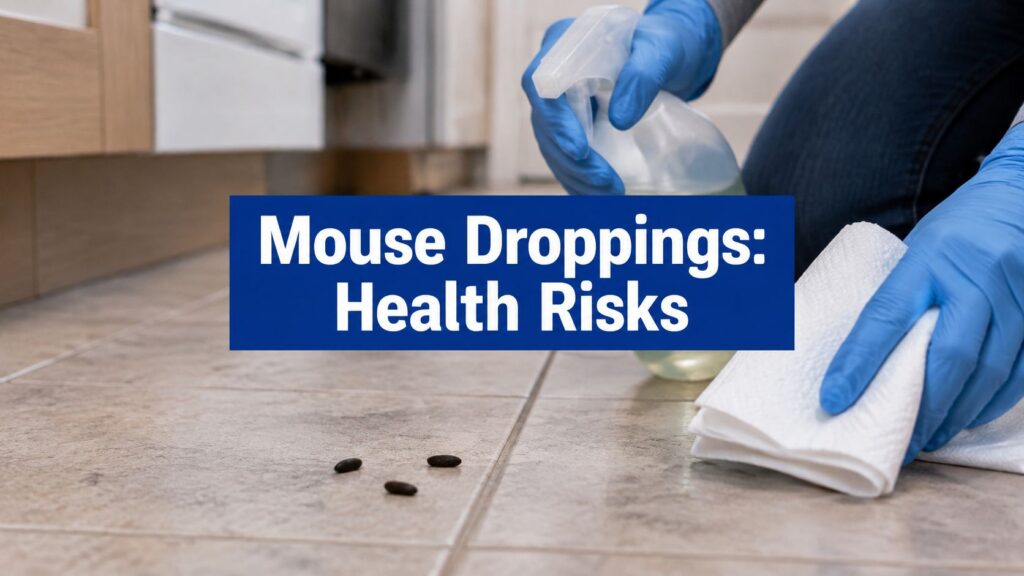
Yes, you can get sick from mouse droppings, but illness usually requires contact with waste from an infected mouse or inhalation of contaminated dust, not just seeing one pellet. U.S. surveillance recorded 890 laboratory-confirmed hantavirus disease cases from 1993 through 2023, which makes safe cleanup important without making every discovery an emergency. The familiar advice to grab a broom and clean immediately gets the most important part wrong. Before moving anything, consider where the waste is, whether it's dry, and whether you can remove it without creating dust. Yes If You Disturb Contaminated Waste Say you open a pantry and find a dropping beside a food container. You haven't touched it, and nothing has stirred up the surrounding dust. That discovery calls for a careful response, but it doesn't establish that you've been infected. Now consider pulling a dusty cardboard box out of a closed garage. Beneath it are dried droppings and shredded nesting material. Dragging the box, shaking its contents, or sweeping underneath it creates a different exposure. Think of flour spilled in a pantry. The flour stays largely in place until someone runs a broom through it and sends a cloud into the air. Contaminated rodent waste can behave similarly, although you won't necessarily see the particles you inhale. What makes an exposure different Pathogens can enter through the eyes, nose, mouth, or broken skin after contact with contaminated material. Inhalation is another route when someone disturbs dried urine, droppings, or nesting debris. A small deposit on a reachable kitchen tile is usually a manageable wet-cleaning job. A dry nest in an enclosed attic, garage, shed, crawl space, or vehicle deserves more caution, particularly where waste has accumulated unnoticed. The important distinction is the cleanup method, not how quickly you can remove the visible pellet. Practical rule: If you were about to dry-sweep, stop before touching the waste. The useful questions are which illnesses the exposure could cause, which symptoms need medical attention, and whether the scene is suitable for household cleanup. Start by distinguishing the diseases rather than treating every rodent-related illness as the same problem. Illnesses Mouse Droppings Can Carry Illnesses linked to mouse droppings Illness Main exposure What the record shows Higher-risk people Hantavirus pulmonary syndrome Inhaling dust from dried droppings, urine, or nests The Centers for Disease Control and Prevention recorded 890 U.S. laboratory-confirmed hantavirus disease cases from 1993 through the end of 2023, with 35% resulting in death. These totals cover hantavirus disease overall, not HPS alone. Anyone after heavy exposure in an enclosed space Lymphocytic choriomeningitis (LCMV) Contact with fresh waste through the eyes, nose, mouth, or broken skin, or inhaling contaminated dust Urban antibody studies show 2% to 5%; fewer than 1% of infected people generally die Pregnant people, infants, and immunocompromised residents Salmonella Droppings contaminating food, preparation surfaces, hands, or pet bowls Foodborne gut illness, not lung disease; no reliable home case count Young children, older adults, and people with weak immune systems Different routes lead to different illnesses Hantavirus is chiefly an inhalation concern during cleanup. Infected rodent urine and nesting debris matter alongside the visible droppings. That's why removing pellets while leaving dusty nest material behind doesn't fully address contamination. Most reported U.S. hantavirus illnesses have been hantavirus pulmonary syndrome, or HPS. This severe illness can progress from fever and muscle aches to coughing, breathing difficulty, and respiratory failure. National case counts are low compared with everyday respiratory infections, but the consequences justify taking dusty enclosed spaces seriously. Those national figures aren't your personal probability of becoming ill after finding a dropping. They describe diagnosed disease, not everyone who encountered a mouse or cleaned a cabinet. LCMV has a different relationship with household mice. The common house mouse is its primary reservoir, and exposure can occur through contact as well as inhaled dust. Many infections are mild or unnoticed, but that doesn't make the infection harmless for every household. Food contamination needs a separate response Salmonella is primarily the food-and-mouth problem in this comparison. A mouse crossing a preparation counter, gnawing pantry packaging, or contaminating a pet bowl can leave material that reaches someone's mouth through food or hands. The expected concern is gastrointestinal illness, not sudden respiratory failure. Don't assume that every stomach illness after finding droppings came from mice, though. Foodborne infections have many possible sources. For context on a different cause of bacterial gut illness, BacteriaFAQ.com's Understanding E. coli O157:H7 risks is a useful companion resource. E. coli and Salmonella aren't interchangeable diagnoses, even when symptoms overlap. Household contamination also extends beyond infection. This overview of risks associated with rodent infestations explains why food safety, nesting activity, and property damage belong in the same inspection. The underlying rule remains specific: infection requires an infected rodent and a genuine route of exposure. You can't determine either by looking at a pellet alone. Symptoms That Should Send You to a Clinician Watch the person, not the pellet. After substantial rodent exposure, early illness may resemble an ordinary viral infection, so the exposure history can change how a clinician evaluates otherwise familiar symptoms. Fever, deep fatigue, and muscle aches deserve attention after cleaning a contaminated attic or moving rodent-infested storage. Hantavirus-associated aches can involve the large muscles of the thighs, hips, back, and shoulders. Headache, dizziness, chills, nausea, vomiting, or diarrhea may also occur. Recognize the change that needs emergency care Coughing and shortness of breath after an initial flu-like illness are especially concerning. HPS can worsen rapidly, so don't wait for a routine appointment if breathing becomes difficult. Seek emergency evaluation: Trouble breathing, significant chest tightness, or new confusion requires immediate assessment. Call emergency services if the person is severely breathless, faint, or unable to travel safely. Call a clinician promptly: Fever, severe muscle aches, headache, or nausea after substantial rodent exposure warrants medical advice. Describe the exposure clearly: Say where you were, what you disturbed, whether you swept or vacuumed, and whether the space was enclosed. You don't need to identify the mouse species before
How to Tell if Mice Are in Your Walls: A Practical Guide

The house is quiet, you're trying to sleep, and a faint scratching starts behind the bedroom wall. You switch on a light, listen again, and hear nothing. By morning, there's no mouse in sight and nothing obvious on the kitchen floor. Should you investigate, or was it just a house noise? Knowing how to tell if mice are in your walls means separating a suspicious sound from evidence of current activity. For homeowners in Magnolia, Texas, the useful approach is to inspect accessible routes, document what changes, and leave concealed cavities alone until there's a reason to investigate them professionally. Why Wall Activity Is Harder to Read Than Activity in the Open A noise behind drywall creates an awkward problem: you can hear something, but you can't inspect the place it seems to be coming from. In a pantry, damaged packaging gives you something tangible to examine. Behind a bedroom wall, you're left deciding whether a faint scrape deserves attention. Consider a typical situation. Scratching seems to come from behind a dresser, but moving the dresser reveals a clean baseboard. The adjoining closet looks clean too. That inspection tells you those accessible surfaces have no obvious evidence; it doesn't tell you what's inside the wall. Accessible Evidence Is Only Part of the Picture Keep accessible evidence separate from concealed activity. Accessible evidence includes material you can photograph without dismantling the house, such as damaged food packaging or debris beside a pipe opening. Concealed activity is what you suspect beyond those surfaces. This distinction prevents two common mistakes. One is declaring an infestation from a single unexplained sound. The other is dismissing the possibility because the room looks tidy. A clean floor is an observation about the floor, not a complete inspection of the wall behind it. A useful inspection question is whether the clues fit together. Does the sound occur near a cabinet with suspicious damage? Is there an opening nearby that deserves closer inspection? Can you identify another accessible area on the opposite side of the same wall? Build a Pattern Before Choosing a Treatment Treat the first noise as a reason to observe, not a reason to cut drywall or buy bait. Record the room, the approximate location, and what was happening in the house when you heard it. If the sound returns, you'll have something more useful than a memory of scratching somewhere upstairs. Your working conclusions should remain modest: An isolated noise warrants observation, especially when nothing else supports a rodent explanation. A recurring sound in a consistent area warrants a focused inspection of nearby accessible spaces. Several independent clues justify a stronger suspicion and a clearer plan for confirmation. This approach isn't about waiting until damage becomes obvious. It's about choosing an inspection that can answer the question without creating unnecessary openings or placing treatments where you can't monitor them. A technician needs a defensible route to confirmation, not just a homeowner's best guess about which wall contains a mouse. Sounds and Timing That Signal Mice in the Walls Timing strengthens a sound clue, but it doesn't identify the animal by itself. The supplied rodent guidance describes house mice as primarily nocturnal, with principal feeding periods around dusk and just before dawn; their tendency to travel beside walls and objects also helps explain why suspicious activity may concentrate near cabinets, baseboards, and utility openings (rodent behavior and recognized infestation signs). The illustration shows the concealed route you're trying to assess from the room side. Match the Sound to Its Setting Rather than trying to identify mice from an audio description alone, pair each sound with its location and circumstances. Light scratching or scurrying deserves closer attention when it returns around the same wall edge during quiet evening or early-morning periods. Note whether it stays in one spot or seems to move. Squeaking can support suspicion, but don't treat it as a species identification. Look for a matching physical clue before deciding what's responsible. A scraping sound described as gnawing needs visual confirmation wherever inspection is accessible. Your description of the noise isn't proof that something is chewing. Clicks or knocks associated with household equipment should be logged with that equipment's operation. A sound that coincides with plumbing or HVAC use deserves a building-related explanation to be considered. Don't tap the wall repeatedly and interpret the resulting silence as confirmation. Instead, listen from the room where the noise is clearest, then check an adjoining room if you can do so safely. Mark the apparent location on a room sketch rather than assuming you've pinpointed a nest. Keep Daytime Observations in Perspective A daylight mouse sighting deserves attention because it can suggest more established infestation pressure. A daytime wall noise is not equivalent to seeing a mouse, however, and shouldn't be used to estimate how many animals are present. Use this video alongside your own observations, not as a substitute for inspecting the property. Keep a simple log with the room, time, sound description, and whether appliances or household systems were operating. Add photographs of any corresponding evidence rather than trying to record louder audio at the expense of a safe inspection. The practical goal is a repeatable observation. “Scratching behind the sink cabinet before daylight” gives an inspector a useful starting point. “Something somewhere in the walls” leaves much more work to do. Droppings, Gnaw Marks, and Other Physical Evidence Physical evidence is most useful when you can establish that it's current. A pellet beneath an appliance may be relevant, but its presence alone doesn't show whether a mouse is still using that area. Fresh damage or evidence that appears after safe cleanup gives you a firmer basis for action. Nebraska Extension describes house mice as producing approximately 50–75 droppings per day, with typical pellets measuring 1/8–1/4 inch (3–6 mm), generally dark and tapered at one or both ends; its gnawing guidance describes tooth marks roughly 1/32 inch wide and clean-cut holes about 1 1/2 inches across in cardboard or similar material, while CDC guidance