 1500+ reviews

7 Signs of Rodent Infestation in the Woodlands Attic
That noise isn't just the house settling. You're lying in bed in your The Woodlands home, and you hear a light scratching over the ceiling, then a quick scurry that stops as soon as you listen for it. In neighborhoods around Spring, Conroe, and Kingwood, that's often how attic rodent problems first show up. You usually hear them before you see them, because rodents tend to be most active when the house is quiet and the attic is dark. The good news is that attic infestations usually leave a trail. Droppings, odor, gnaw marks, disturbed insulation, and entry gaps all tell a story about how long the problem has been going on and how urgent the next step should be. Some signs mean, "Schedule an inspection soon." Others mean, "Stop poking around and get a pest and electrical professional involved today." If you're trying to sort out whether you're dealing with a minor issue or an established attic problem, this guide will help. It covers the most important signs of rodent infestation in The Woodlands attic, assigns a practical severity level, and explains what you can check yourself before calling for help. If you're also comparing prevention options, it's worth reviewing Airtight Spray Foam rodent solutions alongside professional exclusion work so you understand what insulation can and can't do by itself. 1. Droppings and Fecal Matter A lot of attic calls in The Woodlands start with a homeowner spotting a few dark pellets near a box of holiday decorations or along the top of a ceiling joist. That find matters because droppings usually show where rodents are traveling, feeding, or bedding nearby. In local attics, I look for them along framing, near pipe and conduit penetrations, beside attic access openings, and at the perimeter where rooflines meet the structure. The size and shape help with early identification. The Centers for Disease Control and Prevention guide to cleaning up after rodents notes that mouse droppings are small and pointed, while rat droppings are larger. That distinction helps with triage. Smaller scattered droppings often point to mice. Larger droppings usually mean rats, and in attics around Spring, Kingwood, and The Woodlands, that often means more contamination and a harder exclusion job. Severity level and what it means I rate visible attic droppings as moderate to high severity. A few dry, dusty droppings in one corner can mean past activity. Fresh, dark droppings in multiple spots usually mean the problem is active right now. If you also notice odor, fresh tracks in insulation, or repeated nighttime noise, treat it as an active infestation until an inspection shows otherwise. This is also where context matters. During a WDI inspection for a home sale, a small amount of old droppings may only call for verification, cleanup, and a careful check for entry gaps. In an occupied home, fresh clusters near the attic hatch or around stored items usually justify a full rodent inspection, trapping plan, sanitation recommendations, and exclusion work. Practical rule: Do not sweep or vacuum droppings dry, and do not pick them up with bare hands. Photograph what you found, note the location, then limit attic traffic until the area can be assessed safely. Before you call, a few homeowner checks can help without turning a small contamination issue into a bigger one: Check high-traffic edges: Look along joists and the outer attic perimeter for repeated droppings in a line. Inspect around penetrations: Plumbing, electrical, and HVAC openings often collect droppings because rodents use them as travel lanes. Look for concentration, not just presence: A few pellets matter. Heavy buildup in one pocket usually points to a resting or nesting area nearby. Know when to stop: If you find widespread droppings, strong odor, or signs near wiring, get professional help rather than disturbing the area further. For homeowners trying to sort out whether they are dealing with mice, rats, or a broader indoor issue, FullScope's guide on how to eliminate mice and rats from your home gives a solid overview of what treatment and exclusion usually involve. If the droppings are fresh or widespread, that is the point to schedule an inspection, not keep guessing. 2. Gnaw Marks on Wood, Insulation, and Wiring Fresh gnawing changes the urgency fast. Rodents chew because they have to, and in an attic they don't care whether that's a beam corner, a duct edge, stored decorations, or electrical wiring. In real service calls around Conroe and The Woodlands, this is the point where a nuisance problem becomes a property-risk problem. A technical attic inspection source specifically identifies damage to infrastructure, especially chewed wiring and disturbed insulation, as a high-risk indicator that justifies immediate exclusion, sanitation, and repair rather than baiting alone in this attic rodent damage overview. That's exactly right. If wiring is involved, this stops being a wait-and-see situation. What fresh damage looks like Sharp, lighter-colored gnaw marks often suggest recent chewing. Older damage tends to look darker, worn, or dirty from attic dust. Parallel grooves on wood and torn insulation around the attic perimeter are common. Exposed wire is the one that gets immediate attention. A Conroe homeowner might go into the attic to check holiday storage and notice insulation pulled back with bite marks on the jacketed wire nearby. At that point, I wouldn't recommend setting a couple of store traps and hoping for the best. I would recommend a same-day pest inspection and an electrician if conductor damage is visible. Chewed wiring is a same-day follow-up issue. Don't assume the lights still working means the line is safe. Use this sign as a decision point: Wood only: Serious, but usually manageable through inspection and exclusion. Insulation and ducts: Strong sign of established movement and nesting behavior. Any wiring damage: Highest urgency. Bring in a professional immediately. For homeowners looking at next steps after damage is confirmed, FullScope explains practical control options in its guide on how to eliminate mice and rats from your home. 3. Urine Stains and Ammonia Odor A homeowner
Why Mosquitoes Are So Bad in the Woodlands During Summer

A lot of people in The Woodlands have the same summer routine. You step outside to grill, let the dog out, water a bed near the patio, or sit down for ten quiet minutes before dark, and the mosquitoes find you almost immediately. Then the next morning, you're getting tagged again in broad daylight near a shaded walkway or planter. That's why mosquitoes feel so relentless here. It isn't just that summer is hot. It's that The Woodlands combines heat, humidity, irrigation, stormwater infrastructure, shaded landscaping, and two different mosquito species with different feeding habits. One can bother you in the daytime. The other ramps up around evening and overnight. If you only think about “mosquitoes” as one single problem, the yard never seems to stay under control for long. There's a practical way to look at it. Some fixes help. Some are overrated. Some fail because they address adult mosquitoes while ignoring where the next wave is coming from. Summer in The Woodlands A Battle Against Mosquitoes You step out to grill at 7 p.m., slap your ankle before the lid is even open, then get bitten again the next morning while watering a shaded bed by the front walk. That pattern is common in The Woodlands, and it throws people off because it does not match the old idea that mosquitoes are only a dusk problem. What makes summer here feel relentless is that homeowners are often dealing with two different mosquito behaviors in the same yard. Day-biting Aedes stay active around shade, planters, entryways, and other tight, humid spots close to the house. Dusk-biting Culex build pressure later, especially near patios, fences, drains, and heavier vegetation. If you treat every bite as the same problem, the control plan usually misses half of what is happening. A clean-looking yard can still support heavy activity. In my experience, the worst properties are not always the ones with obvious standing water. They are the ones with scattered hiding and breeding spots that get overlooked for weeks. A gutter elbow holding water, a drain basin that never dries fully, a low spot along a fence, or containers tucked behind shrubs can keep mosquitoes coming. Homeowners who want to get ahead of that should start by checking the common mosquito breeding spots around Texas homes instead of only looking for one big puddle. Why the problem feels nonstop The pressure usually shows up in a few recognizable patterns: Bites in daylight near shaded walkways or landscaping often point to Aedes activity close to the home. A spike around dusk near patios and back doors is more consistent with Culex moving out to feed as air movement drops. Fast flare-ups after rain happen because summer heat shortens the timeline from standing water to new adults. Mosquitoes that persist between storms often mean irrigation, clogged drainage points, or water trapped in small containers is keeping the cycle going. Here is the practical takeaway. If you are getting bitten during the day and again around sunset, the yard probably has more than one active habitat and more than one feeding pattern in play. That is why mosquito season in The Woodlands wears people down. The issue is not just summer heat or one bad puddle in the neighborhood. It is a local mix of moisture, shade, drainage infrastructure, and two mosquito types that feed at different times, which makes the pressure feel constant even when the sources look minor. The Perfect Storm Why The Woodlands Is a Mosquito Haven Step outside in The Woodlands after a summer rain, and the yard can look fine by the next day. The problem is what stays wet where nobody checks. Water settles in drain structures, gutter debris, dense ground cover, planter trays, corrugated pipe, and shaded low spots. In summer heat, those small holding areas stay productive long enough to keep new mosquitoes coming off the property week after week. Water persistence matters more than people expect The Woodlands Township points to the same trouble spots technicians see every summer: storm drains, clogged gutters, yard low spots, and over-watered areas that hold water longer than homeowners realize, according to The Woodlands Township mosquito information page. That local pattern matters more than one large puddle. Aedes mosquitoes use small containers and tiny pockets of clean to lightly dirty water close to the house. Culex mosquitoes are more comfortable in catch basins, drains, and water with more organic material. In The Woodlands, both habitat types are common on the same block, and often in the same yard. That is one reason the pressure feels constant instead of occasional. I see this mistake all the time during inspections. A homeowner checks for a bucket or a birdbath, finds nothing obvious, and assumes the source must be a neighbor's property or nearby woods. Sometimes that is true. Just as often, the source is a half-clogged downspout extension, a French drain outlet that never dries fully, or mulch beds that stay damp under thick shrub cover. For a practical checklist of the spots that get missed most often, review these common mosquito breeding grounds around Texas homes. Why suburban landscaping can backfire The Woodlands was built with the features mosquitoes use well. Mature trees lower air movement. Dense shrubs and foundation plantings give adults cool resting cover through the day. Fences, beds, and drainage features break up airflow and help moisture linger near the ground. A neat yard can still be a mosquito yard. Three conditions usually make control harder on residential properties here: Heavy shade near outdoor living areas: Adults rest in protected foliage, then shift a short distance to feed when people walk out. Drainage that works on the surface but holds water below: Lawns can look dry while basin edges, pipe runs, and storm drain pockets stay wet. Irrigation schedules that keep marginal sites active: Sprinklers can extend wet time in spots that would otherwise dry out between rains. The trade-off is straightforward. The same trees and landscaping that
Cicada Killer Control: A Texas Homeowner’s Guide

You step into the backyard, hear a heavy buzz, and spot a wasp the size of your thumb carving a tunnel into the dirt. In Southeast Texas, that moment sends a lot of homeowners straight to the same conclusion: hornets, danger, and an afternoon nobody wanted. Most of the time, it's a cicada killer. It looks intimidating. It flies low, patrols hard, and kicks up little piles of soil that make the yard look active in all the wrong ways. But this isn't usually the kind of wasp problem that calls for panic or blanket spraying. The better question is simpler. Do you need cicada killer control at all? In many yards, the answer is no. In others, especially where burrows sit in play areas, along walkways, or in spots with constant foot traffic, control makes sense. The key is making that call before you start dumping product into the lawn. That Giant Wasp in Your Yard Friend or Foe A common Southeast Texas scene goes like this. Mid-summer heat. The St. Augustine has thinned out along a sunny edge of the yard. The clay soil has cracked where the sprinkler coverage is weak. Then a large wasp appears, hovering over one patch of bare ground like it owns the place. That insect is usually a cicada killer, and despite the name and the size, it's often more nuisance than threat. Why they alarm people so fast They don't move like paper wasps around an eave. They don't hide like yellow jackets. Cicada killers are out in the open, flying patrol routes over the lawn and digging visible burrows. That makes them feel more aggressive than they usually are. In practice, most homeowners are reacting to three things: Their size makes them look more dangerous than they are. Their flight pattern feels confrontational when they hover near people. Their digging creates fresh mounds that make the infestation look bigger than it is. What they're actually doing These wasps are solitary ground nesters. They aren't building a social nest under your roof, and they aren't looking for a fight with the family. They're using open soil to dig burrows and hunt cicadas. That's why I tell homeowners to slow down before they decide the whole yard needs treatment. A cicada killer in a back corner bed is one thing. A cluster of burrows beside the pool gate or in a ball-play area is something else. Practical rule: If the wasps are scary but not interfering with how you use the yard, tolerance is often a reasonable choice. That distinction matters. Good cicada killer control starts with deciding whether you're dealing with a real yard-use problem or just an unnerving insect. Identifying Cicada Killers and Assessing the Real Risk A lot of Southeast Texas homeowners call these “hornets” the first time they see one cruising low over the yard. That misidentification is where bad decisions start. Before treating anything, make sure you are looking at cicada killers and not a social wasp that brings a different level of risk. What to look for in the yard Cicada killers are large, ground-nesting wasps with yellow and black markings and a rusty cast on parts of the body. In the field, behavior usually confirms the ID faster than color does. You will see them working open, dry soil, dropping into a hole, backing out dirt, and flying short patrols a few feet above the ground. The soil gives them away too. Active burrows usually have a fresh, fan-shaped or crescent pile of loose dirt at the entrance. Around here, I see them most often in bare spots, thin turf, flower bed edges, and hard-packed areas that crack out in the summer heat. Males are often the ones homeowners notice first because they patrol aggressively around nesting zones. They may rush up to your face or hover in front of you. That behavior is intimidating, but it is different from a yellow jacket nest defending itself. If you are still sorting out what you saw, this Atlanta homeowner's guide to bee identification is a useful visual reference for comparing body shape, markings, and nesting habits. Checklist for assessing risk Correct identification matters, but location matters more. In many yards, cicada killers are a nuisance you can tolerate for a season. In other yards, they interfere with normal use enough that control makes sense. Use a simple decision check: Burrows in high-traffic areas. Front walk edges, pool gates, play zones, dog runs, patio approaches, and mailbox paths deserve more attention than a back fence line. Repeated activity in bare, compacted soil. In our clay soil, they often pick the same thin or dry areas year after year if the site stays open and undisturbed. A household sting concern. If someone has a known sting allergy, the threshold for action is lower even when the wasps are not especially aggressive. Visible soil displacement. A few holes are mostly cosmetic. A larger cluster can create a maintenance issue in beds, turf edges, or freshly improved lawn areas. Low-use corners. If the nesting area is out of the way and nobody has to pass through it, watching and correcting the habitat is often the better call. That last point is the one homeowners skip. I do not tell every customer to wipe them out on sight. If the burrows are tucked behind shrubs along the fence and the family never goes there, treatment may do less good than thickening the grass and reducing exposed soil. If the nest area is right where kids cut through the yard every afternoon, that is a different decision. For a broader comparison of species and nesting habits, this page on ground wasps and nesting behavior helps put cicada killers in the right category. A practical example helps. A few burrows in a dry side yard usually fall into the monitor-and-improve-the-site category. A cluster beside the AC unit, near the garbage cans, or along the path from the driveway to the door usually
FullScope Termite Treatment, Pest Control & Exterminator Service | FullScope
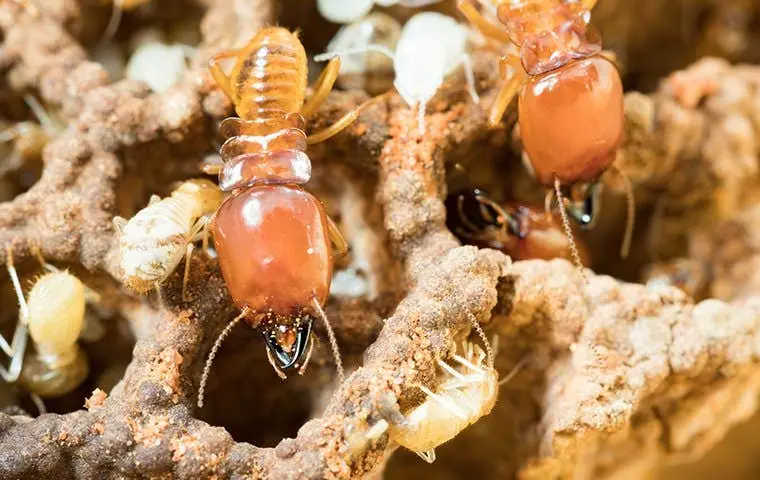
Key Highlights Introduction Welcome to FullScope Termite Treatment, Pest Control & Exterminator Service, your one-stop solution for all your pest control needs. We are a professional pest management company with years of experience in the industry, providing top-notch service to residential and commercial properties. Our team of certified exterminators is dedicated to delivering effective and customized pest control solutions to help you get rid of pests and keep your property pest-free. At FullScope, we understand the importance of a pest-free environment for the health and safety of your home or business. That’s why we offer comprehensive pest management solutions that target a wide range of pests, including ants, fire ants, termites, mosquitoes, cockroaches, wasps, spiders, fleas, rodents, and ticks. Our goal is to provide you with peace of mind by eliminating pests and preventing future infestations. Discover the FullScope Difference: Why Choose Our Termite Treatment, Pest Control & Exterminator Services When it comes to termite treatment, pest control, and exterminator services, FullScope stands out from the competition. We pride ourselves on offering comprehensive pest management solutions that address all your pest control needs. One of the key factors that sets us apart is our commitment to using advanced termite treatment techniques. Termites can cause significant damage to your property if left untreated, which is why we employ innovative and effective methods to eliminate termite infestations. Our certified exterminators are trained in the latest termite treatment technologies and can develop a customized treatment plan tailored to your specific needs. In addition to our advanced termite treatment techniques, we also prioritize eco-friendly and safe pest control measures. We understand the importance of protecting the environment and the health and safety of our customers. That’s why we use eco-friendly products and practices that are safe for your family and pets, while still effectively eliminating pests. Our team of certified exterminators is another reason to choose FullScope for your pest control needs. With years of experience in the industry, our exterminators have the knowledge and expertise to handle all types of pest infestations. They undergo regular training and stay up-to-date with the latest pest control techniques to ensure the best possible service for our customers. At FullScope, we believe in providing personalized service to our customers. We understand that every pest problem is unique, and that’s why we offer customized pest control plans to fit your specific needs. Whether you need a one-time treatment or ongoing pest control services, we can develop a plan that works for you. Our goal is to ensure your satisfaction with our service and provide you with long-term pest control solutions. 1. Comprehensive Pest Management Solutions FullScope Termite Treatment, Pest Control & Exterminator Service offers comprehensive pest management solutions for a wide range of pests. No matter what type of pest you’re dealing with, our team of certified exterminators has the expertise to effectively eliminate the infestation and prevent future problems. Our pest management solutions are tailored to address the specific needs of each customer. Whether you’re dealing with ants, termites, mosquitoes, cockroaches, wasps, spiders, fleas, rodents, or ticks, we have the knowledge and tools to handle the situation. We conduct a thorough inspection of your property to identify the type of pest and the extent of the infestation. Based on our findings, we develop a customized treatment plan that targets the pest and eliminates it from your property, including comprehensive coverage for millipedes. Our comprehensive pest management solutions not only eliminate pests but also focus on preventing future infestations. We take proactive measures to identify and address any potential pest entry points to ensure that your property remains pest-free in the long run. With FullScope, you can trust that your pest problem will be taken care of effectively and efficiently. 2. Advanced Termite Treatment Techniques Termites can cause significant damage to your property if left unchecked. At FullScope Termite Treatment, Pest Control & Exterminator Service, we specialize in advanced termite treatment techniques to eliminate termites and protect your home or business. Our certified exterminators are trained in the latest termite treatment technologies and stay up-to-date with industry best practices. We conduct a thorough inspection of your property to identify any signs of termite infestation and determine the best course of action. Based on our findings, we develop a customized treatment plan that targets the termites and eliminates them from your property. Our advanced termite treatment techniques are designed to be highly effective and efficient. We use a combination of liquid termiticides, baiting systems, and barrier treatments to ensure thorough termite control. Our goal is to not only eliminate the existing termite infestation but also prevent future infestations from occurring. With FullScope’s advanced termite treatment techniques, you can trust that your property will be protected from the damaging effects of termites. Our team of certified exterminators is dedicated to providing you with the highest level of service and ensuring your satisfaction with our termite treatment solutions. 3. Eco-Friendly and Safe Pest Control Measures At FullScope Termite Treatment, Pest Control & Exterminator Service, we prioritize eco-friendly and safe pest control measures. We understand the importance of protecting the environment and the health and safety of our customers. When it comes to pest control, we believe that it’s possible to effectively eliminate pests without compromising the well-being of your family or pets. That’s why we use eco-friendly products and practices that are safe for your home and the environment. Our certified exterminators are trained in the proper use of these eco-friendly products to ensure maximum effectiveness and safety. When searching for pest removal services, it’s important to ask about treatment methods and IPM practices. The best companies use EPA-approved Integrated Pest Management (IPM) practices, ensuring a safe and effective solution for your pest problems. Our eco-friendly pest control measures include the use of non-toxic baits, natural repellents, and targeted treatments that minimize the impact on the environment. We also focus on preventive measures to reduce the need for chemical treatments. By implementing integrated pest management strategies, homeowners can effectively control