 1500+ reviews

Insect Olympics: Who Wins Gold in Annoyance? Find Out!

Key Highlights Ready to meet the medalists? Let’s get acquainted with these masters of irritation! Introduction Every four years, the Olympic Games put a spotlight on the best athletes from all over the world. But there are other contenders to think about—the ones that annoy us the most: insects. These small pests need their own time to shine for being the most bothersome. So, let’s imagine giving out gold medals for the top performers in the annoyance Olympics! Whether it’s running up and down our walls at night or coming together all at once, these bugs know how to win the annoyance games every time. Get ready to laugh, feel uneasy, and want to swat as we look into these truly annoying acts. Meet the Champions: The Most Annoying Insects at the Insect Olympics Think about the Olympics. But this time, you will not see athletes chasing glory. Instead, you see insects trying to win gold medals. They want to be called the true masters of annoyance. At this event, gold medals go to the bugs that are the best at getting on your nerves and making you feel annoyed and stressed. Mosquitoes, for example, buzz around and always make it to the finals. Cockroaches sprint across your kitchen like they are in a race. The competition is full of tough insects. Each bug has its own special way of being annoying in this Olympics for pests. Find a spot to sit (if you can find one without ants crawling all over it). Let the games of annoyance begin! 1. Mosquitoes – Masters of the Midnight Marathon Mosquitoes are like the runners of the night when it comes to being annoying. They would win a gold medal for how much they bug people after dark. You hear them buzz, and that sound alone can keep anyone up all night. They act like they are in the Olympics of annoyance, going for the win by finding your blood. Now, think about this. It is September. You just want to get into bed and sleep. But all of a sudden, the race of the most annoying bug in the world starts. The buzzing you hear near your ear is just them warming up. They fly around and move so fast, you would think even Olympic runners would wish to be like them. And it is amazing how they dodge your hands when you try to swat them. They never give up, and it feels like they always get away. These little bugs are sneaky, too. They sneak up so quietly that by the time you feel their bite, they have already finished their race. You will be left itching, and there is no way to win. Mosquitoes are clearly the winners, making every night in September, or any other month, a show of pure annoyance for people everywhere. 2. Fire Ants – Relay Racers in the Red Zone Here come the fire ants. They are full of energy and always cause problems in the top red zone of annoyance. These tiny bugs are not just busy—they show up in big groups and leave their sting behind so you won’t forget. Their aggression is something else, especially in the summer heat in Texas. Picture this. You walk outside, and all of a sudden, you are in a long jump. You never wanted to be part of this. Fire ants are great at working as a team. They line up together and attack with great skill. Their bite? It hurts, and it’s like winning a gold medal for causing pain and annoyance. Do not forget, fire ants can catch you off guard before you even know they are there. With their strong will and great teamwork, these pests get gold medals for working together, being aggressive, and making people annoyed. The next time you feel their sting, remember, you just came in second place in their own version of the irritation Olympics! 3. Cockroaches – Stealthy Sprinters of the Kitchen Arena Cockroaches are fast and sneaky. No one wants to have them in their kitchen. When it comes to being an annoyance, they take the gold medal in the olympics for showing up where they do not belong. These bugs always seem to move faster than you or me, making people feel slow and helpless for not being able to catch them. Cockroaches act like your kitchen is their stage. They come in without asking, and it feels like they want everyone to notice them. They do not stop until you call pest control. If there were medals for being an annoyance, cockroaches would win them all. 4. Fruit Flies – Tiny Trouble in Synchronized Swarms Fruit flies may be small, but the annoyance they bring is something else. The way they move, you would think they are competing at the Olympics. In just a short time, these little bugs make teams and take over your kitchen. It all happens faster than you can even say “banana.” Their main way is to work together. You will see fruit flies swarm around your fruit bowl, and it looks like a planned move. They come at you in groups, showing real skill at being annoying. When you try to get rid of them, they are gone in a flash, dodging you as if they just jumped over a net. It’s like they win gold medals for avoiding people. September is the time you see them the most. They grow fast, so there is always a new group ready to show up in your space. With smart moves and their power to keep people guessing, fruit flies act like little champions at silent, surprise invasions. Even if you try over and over to get them, they will still win! 5. Wasps – Gold Medalists for Startling Entrances Let’s talk about wasps. These flying bugs always show up at your food and act like they own the place. You never know what the wasps will do, and
The Ultimate Guide To Bed Bugs and Treatment

Introduction Bed bugs are tiny insects that can cause big problems in your home. These pests are notorious for infesting mattresses, furniture, and other areas where humans rest or sleep. Once they invade your home, they can be incredibly difficult to get rid of. In this ultimate guide, we will explore everything you need to know about bed bugs and their treatment. Bed bugs are small, reddish-brown insects that feed on the blood of humans and animals. Despite their name, they are not limited to beds. They can infest any area where people spend a significant amount of time, such as couches, chairs, and even electrical outlets. Bed bugs are experts at hiding in tiny cracks and crevices, making them difficult to detect and eliminate. One of the most common signs of a bed bug infestation is waking up with itchy welts or small red bites on your body. These bites can be extremely irritating and may cause discomfort and sleepless nights. Another indicator of a bed bug infestation is the presence of small, dark spots on your bedding or furniture, which are bed bug droppings. If you suspect that you have a bed bug problem, it is important to take immediate action. Ignoring the infestation will only allow it to spread and become more difficult to control. The sooner you address the issue, the easier it will be to eliminate the bed bugs and prevent further infestations. The Ultimate Guide to Identifying and Treating Bed Bugs Bed bugs and treatment go hand in hand, and knowing how to identify and address these pests is crucial. Recognizing signs like itchy welts and blood spots on bedding is key. Understanding their behavior and where they hide, from mattress seams to electrical outlets, aids in detection. Inspect your home thoroughly, using a magnifying glass if needed. For treatment, consider DIY methods or seek professional help for severe infestations. Remember, early detection and action are vital in managing bed bug problems. 1. Recognizing the Signs of Bed Bug Infestations Bed bugs infestations can be tricky to spot initially. Look out for signs like small insects in mattress seams or near electrical outlets. Check for itchy welts or red, itchy bites on your skin. Using a magnifying glass can help spot bed bugs in their hiding places. Early detection is crucial in tackling a bed bug problem. Be vigilant and inspect your living spaces regularly. Early identification increases the chances of successful treatment. 2. Understanding Bed Bug Behavior and Habitats Bed bugs, scientifically known as Cimex lectularius, are small insects that feed on the blood of humans. They typically hide in cracks, mattress seams, and electrical outlets during the day, coming out at night to feed on their host’s blood. Understanding their behavior and habitats is crucial for effective pest management. Bed bugs prefer warm environments and are commonly found near where humans sleep, such as beds and bed frames. Identifying their hiding places using a magnifying glass can aid in early detection and treatment. 3. Comprehensive Steps for Inspecting Your Home Start by thoroughly examining all potential hiding places using a magnifying glass, focusing on crevices, cracks, and seams. Check your bedding, mattress, box spring, and bed frame for any signs of bed bugs. Inspect electrical outlets, carpets, and furniture as these can also harbor these pests. Utilize a vacuum with a nozzle attachment to clean infested areas. Seal cracks and gaps in walls and furniture, reducing potential hiding spots. Be diligent in your search as early detection is key to effective pest control. 4. DIY Methods for Treating Minor Infestations If you’re facing minor bed bug issues, DIY methods can be effective. Start by washing infested bedding in hot water and using a vacuum to clean up any bugs. Seal cracks and crevices with caulk and encase your mattress in a protective cover. Diatomaceous earth, a natural pest control remedy, can also help in eradicating bed bugs. Remember to declutter your living space to eliminate hiding spots for these pests. These simple techniques can go a long way in managing minor bed bug problems. 5. Professional Solutions for Severe Bed Bug Problems If you’re facing a severe bed bug problem, seeking professional help is crucial. Professional exterminators have the expertise and tools to tackle even the most challenging infestations. By hiring a pest control company experienced in bed bug management, you can ensure thorough treatment of your home. They employ effective methods such as heat treatments, chemical treatments, and nonchemical solutions to eradicate bed bugs. Trusting professionals increases the chances of success in eliminating these persistent pests. 6. Post-Treatment: Ensuring Bed Bugs Don’t Return After successfully treating a bed bug infestation, it’s crucial to take preventive measures to ensure they don’t come back. To prevent a recurrence, thoroughly clean and inspect your home regularly. Seal cracks and crevices where bed bugs could hide, and consider using encasements on your mattress and box spring. By maintaining a tidy environment and monitoring for any signs of bed bugs, you can significantly reduce the chances of a re-infestation. In-depth Look at Bed Bug Treatment Options When dealing with bed bug treatment options, it’s essential to explore various methods for effectively eradicating these pests. From heat treatments that offer high success rates to cold treatments utilizing freezing conditions, each approach has its unique benefits. Chemical treatments are commonly used but should be handled with caution. For a more eco-friendly solution, natural remedies like diatomaceous earth can be effective. Encasements offer added protection for mattresses and box springs. Understanding these treatment options is key to combating bed bug infestations successfully. 1. Heat Treatment: The Most Effective Way to Kill Bed Bugs Heat treatment is widely regarded as the most effective method for eliminating bed bugs. This approach involves raising the temperature in infested areas to levels that are lethal to these pests, typically around 120-135 degrees Fahrenheit. The high heat penetrates cracks and crevices where bed bugs hide, ensuring comprehensive eradication. Professional exterminators use specialized equipment
Effective Bed Bug Control: Tips and Strategies for a Bug-Free Home
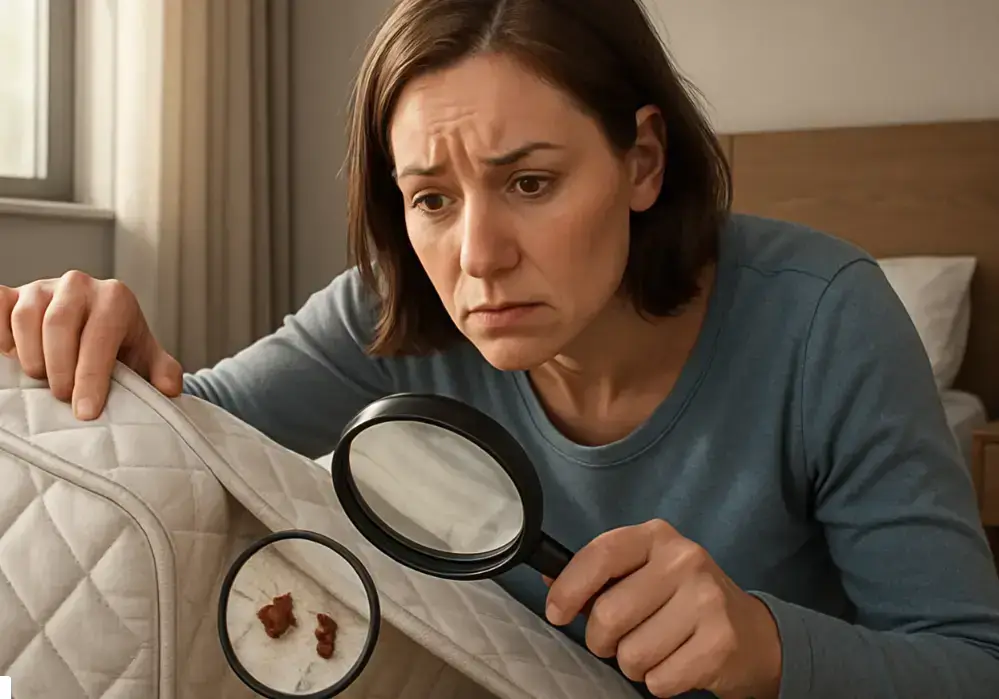
Introduction Bed bugs, those tiny nocturnal pests that feed on human blood, can turn your peaceful nights into a nightmare. Infestations can occur in the cleanest of homes, but the key is to act promptly and effectively to control and eliminate these unwanted guests. In this article, we’ll explore various strategies and tips for successful bed bug control. Identifying Bed Bugs: Early Detection and Regular Inspections: Cleaning and Decluttering: Vacuuming: Steam Cleaning: Chemical Treatments: Isolation and Quarantine: Seek Professional Help: Conclusion: Bed bug control requires a combination of preventive measures, early detection, and strategic treatment. By following these tips and being proactive, you can reclaim your home from these unwanted intruders and enjoy a bug-free living environment. If the infestation is beyond your control, don’t hesitate to seek the expertise of a professional pest control service for comprehensive and effective bed bug elimination.