1500+ reviews


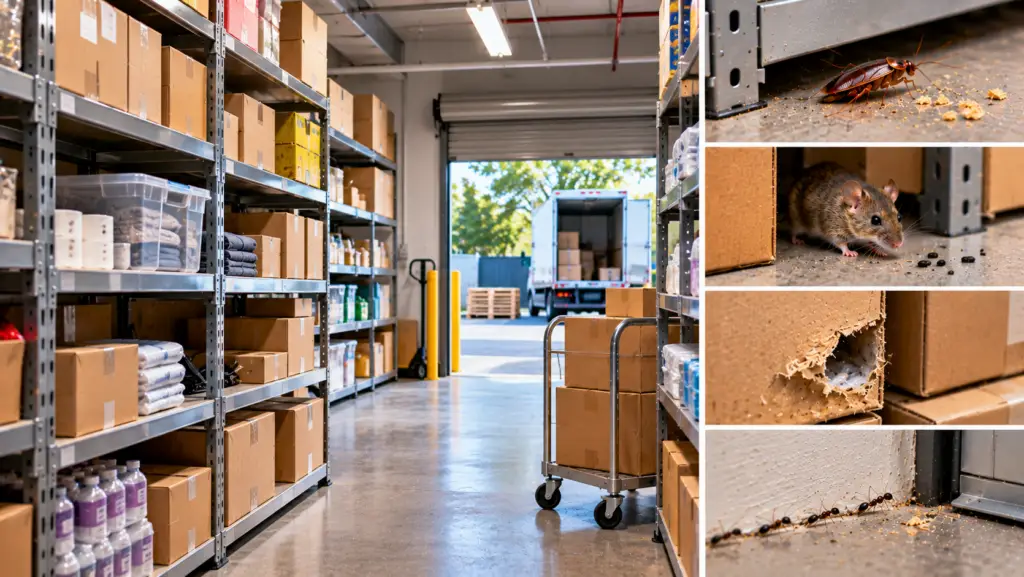
A stockroom can look orderly from the doorway while trouble develops behind its last row of shelves. A torn package, suspicious pellets, or insects beneath a return cart might be the first evidence anyone notices. For retailers around Kingwood and greater Houston, frequent shipments and busy receiving areas make careful pest prevention especially important. We help businesses look past the individual sighting and investigate the routes, storage practices, and building conditions that allow pests to reach merchandise.

Find the Damage That Routine Stock Counts Miss
Pest activity is not always obvious during inventory checks. Rodents may chew cardboard and plastic wrapping, while cockroaches seek narrow sheltered areas near moisture or food residue. Some insects arrive with particular goods rather than entering from outdoors. The right response depends on what was found, where it appeared, and whether new evidence continues to develop. We advise employees to flag unusual damage rather than quietly repackaging the item.
A stockroom inspection can begin with these practical observations:
- Packaging: Check cartons for irregular gnaw marks, holes, or nesting fragments before assuming damage occurred during shipping.
- Shelving: Notice droppings or insect activity behind low racks and along seldom-cleaned wall edges.
- Returns: Examine goods held for resale, particularly items stored for weeks in opened boxes.
- Break areas: Watch for food scraps and leaking drink containers near shared stockroom spaces.
- Records: Note the exact aisle, date, and product type when staff discover something suspicious.
Our article on commercial pest risks discusses how retail stores and storage facilities face threats to goods and daily operations. A damaged box does not prove an infestation, but repeated evidence in one corner warrants investigation. Even a clean-looking aisle may hide activity beneath heavy pallets or behind fixtures that rarely move. When contamination is suspected, follow store procedures for isolating and assessing inventory before putting it back on sale.
Control Access Along the Receiving Route
Stockrooms are connected to the outside world by more than their doors. Trucks arrive, pallets cross the threshold, and wrapping materials pile up until the next collection. Along the Gulf Coast, warm conditions can support pest activity for much of the year, so a calendar-only approach leaves important gaps. We examine how movement through the building creates opportunities and where a repair or housekeeping change would make a meaningful difference.
Five areas deserve attention during a receiving walkthrough:
- Dock doors: Look for daylight beneath closed doors, damaged seals, and gaps beside loading equipment.
- Deliveries: Inspect incoming cartons for insect evidence or damaged packaging before merging them with clean stock.
- Waste stations: Remove discarded cardboard and food-related trash before they accumulate near entrances.
- Utility connections: Report exposed pipe openings and plumbing leaks around sinks or mechanical rooms.
- Storage layout: Keep reasonable access to wall edges so staff and technicians can inspect likely travel routes.
Not every opening should simply be filled. Ventilation, drainage, and building safety requirements still matter, and active rodents may need to be addressed before exclusion is completed. Our technicians evaluate accessible entry points and discuss suitable corrections with the business. Receiving teams, meanwhile, can document questionable deliveries and ask facilities staff to resolve damaged doors or leaks. Each task has a different owner; coordination keeps the problem from slipping between departments.
Make Professional Service Part of Inventory Protection
A treatment visit is more useful when it builds on accurate records. If workers repeatedly see droppings near one rack, we want to know whether activity is new, whether the same route was previously identified, and what conditions have changed. Rather than applying products indiscriminately around valuable stock, we develop commercial pest control plans around the property, identified pests, and operating requirements.
A workable prevention program includes shared responsibilities:
- Report promptly: Give associates an easy way to document signs without moving suspicious materials around the building.
- Allow access: Keep monitoring and inspection areas reachable when displays or overflow merchandise change.
- Plan treatments: Coordinate appropriate methods with store hours, stock sensitivity, and employee safety needs.
- Complete repairs: Assign entry-point and sanitation corrections instead of leaving them in service notes indefinitely.
- Review patterns: Compare follow-up findings to earlier reports before deciding whether the response needs adjustment.
Our guide to commercial rodent control explains why exclusion, sanitation, inspection, and monitoring work together. Retailers should not rely on a single trap, a spotless sales floor, or one quiet week as proof that a stockroom is protected. We prioritize identified activity and explain the next steps so managers can protect goods without unnecessary disruption. Better records also help distinguish a supplier-related introduction from a recurring building problem.
Keep Problems Behind the Shelves From Growing
Inventory protection starts well before a shopper notices a damaged product. If your retail stockroom has recurring pest sightings or suspicious packaging, Fullscope Pest Control can inspect the conditions and recommend a commercial pest management plan suited to your operation. Contact our team to discuss your receiving areas, storage concerns, and practical options for prevention.