1500+ reviews

If your dog's been scratching at the back door, you've vacuumed twice, sprayed the yard, and you're still seeing fleas on the ankles, you're dealing with the part most homeowners don't see. In Magnolia, that usually means the problem isn't “still there” in one place, it's cycling through the home, the pet, and the shaded spots outside where fleas can keep rebuilding.
A lot of calls start the same way, a family in a subdivision near Tamina or Woodtrace thinks they've solved it, then two weeks later they're back to fresh bites and another round of frustration. That's normal with fleas. Flea control services work because they target the life cycle, not because someone came by and sprayed a room once.
Why Fleas Keep Coming Back After You Think They're Gone
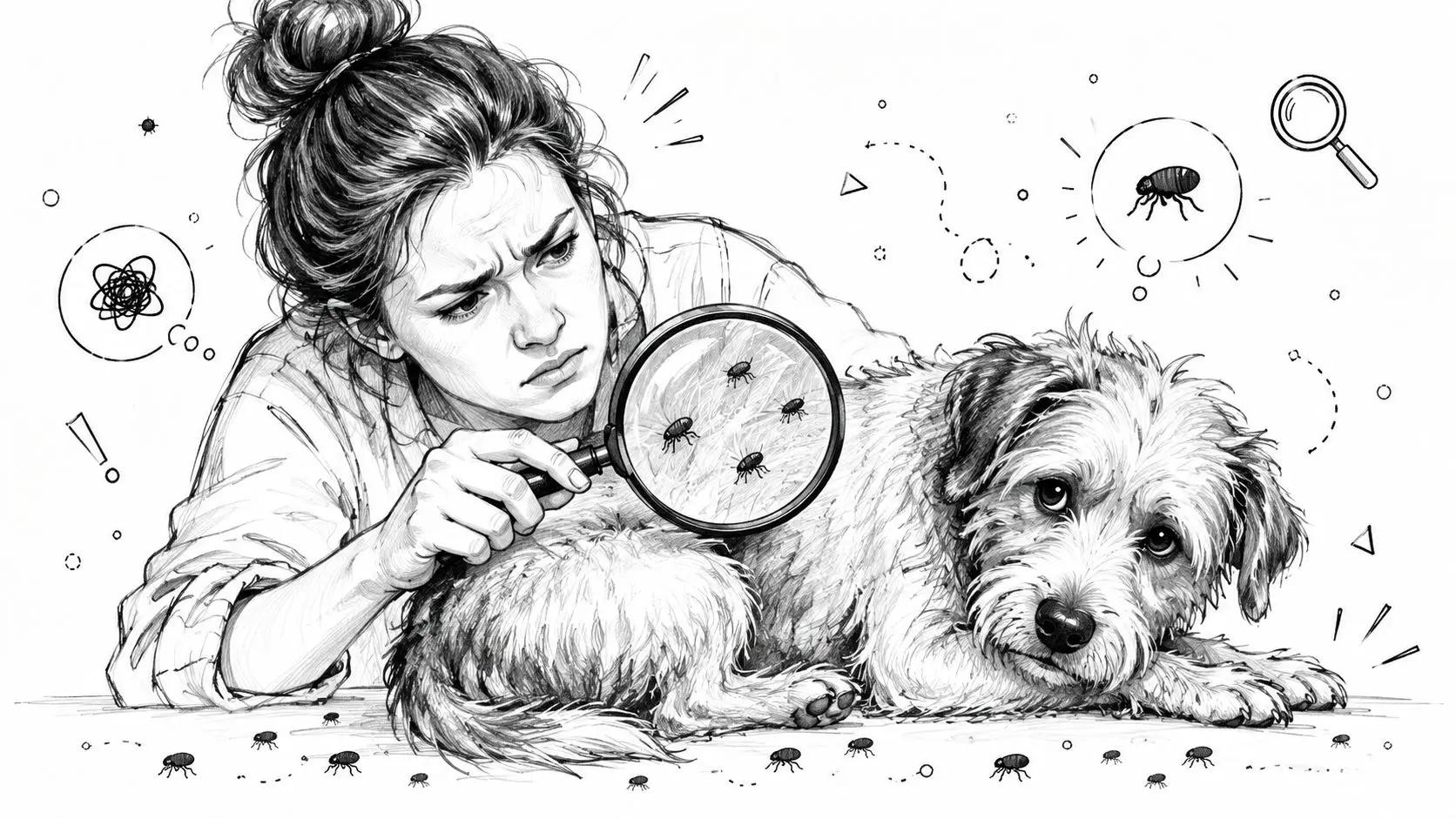
A homeowner in Magnolia can do a lot of things right and still see fleas again. The yard gets treated, the living room gets fogged, the pet gets bathed, and then the family starts finding new bites in the same places. That doesn't automatically mean the work failed. It usually means the infestation was already spread across multiple life stages before treatment started.
What you're seeing after treatment is often delayed biology
Fleas don't behave like a single visible colony. Eggs, larvae, pupae, and adults don't all respond the same way to a treatment, and that's why a one-visit approach rarely gives a clean finish. The CDC says flea control usually requires sanitation, coordinated pet-and-home treatment, and two or more follow-up treatments within 5 to 10 days because products have to interrupt multiple life stages in sequence. That repeat window is the reason homeowners often see “new” fleas after the first service, even when the initial kill was solid. CDC flea control guidance
Practical rule: if the first treatment knocked down adults but didn't interrupt the rest of the cycle, the next wave can show up days later and look like a brand-new infestation.
Why Magnolia homes seem to fight fleas longer
Magnolia's climate gives fleas a friendlier environment than a cooler, drier region. Warm winters, shaded yards, pet traffic, and wildlife movement all make it easier for fleas to keep finding harborages. I've seen this most often where a home backs up to trees, fence lines, crawl spaces, or spots where pets nap on the porch every afternoon.
That's also why a real service has to reach beyond the obvious indoor rooms. If the pet, the carpet edges, and the shady outdoor resting areas don't get treated together, the infestation just keeps reseeding itself. That's not spray failure. It's an incomplete plan.
How Fleas Live and Why Magnolia Is a Perfect Host
Fleas move through four stages, and each one behaves differently. The egg falls off the pet and settles into carpet, bedding, or cracks. The larva feeds in hidden areas. The pupa hides in a cocoon. The adult emerges when conditions are right and jumps back onto the host.
The life cycle is a conveyor belt, not a circle
Flea control works best when it breaks the cycle in more than one place. An adulticide hits the adults, but that alone will not stop hidden immature stages from showing up later. An insect growth regulator, or IGR, matters because it keeps larvae from maturing, which is why it belongs in long-term suppression. Texas A&M AgriLife notes that IGRs kill larvae but not pupae, and UC IPM explains that fleas can keep emerging for up to about 2 weeks after treatment, which is why repeated vacuuming matters during that window rather than rushing into more pesticide. Texas A&M AgriLife flea control guidance
Vacuuming is not just cleanup. It removes eggs, larvae, and pupae from carpets and pet areas, and it also stimulates flea emergence from cocoons so more fleas contact the treatment. Homeowners often miss that part because a vacuum feels like housekeeping, not control work. In practice, it does both.
Why Southeast Texas keeps the pressure on
Warm, humid conditions make outdoor harborage easier to maintain. Shaded yards, crawl spaces, under-deck zones, bedding areas, and fence lines give fleas the protected habitat they need to keep cycling. In Magnolia, I pay close attention to homes that back up to trees, hold moisture near the foundation, or give pets a favorite rest spot on the porch or in the yard.
Texas A&M AgriLife says outdoor flea control should focus on crawl spaces, bedding areas, sites under decks and shrubbery, and shady areas wherever pets spend a lot of time, while well-maintained lawns in sunny sites are unlikely to harbor many fleas. That is the rule I use on Magnolia properties when deciding where treatment belongs and where it does not. Texas A&M AgriLife flea habitat guidance
What a Professional Flea Treatment Includes
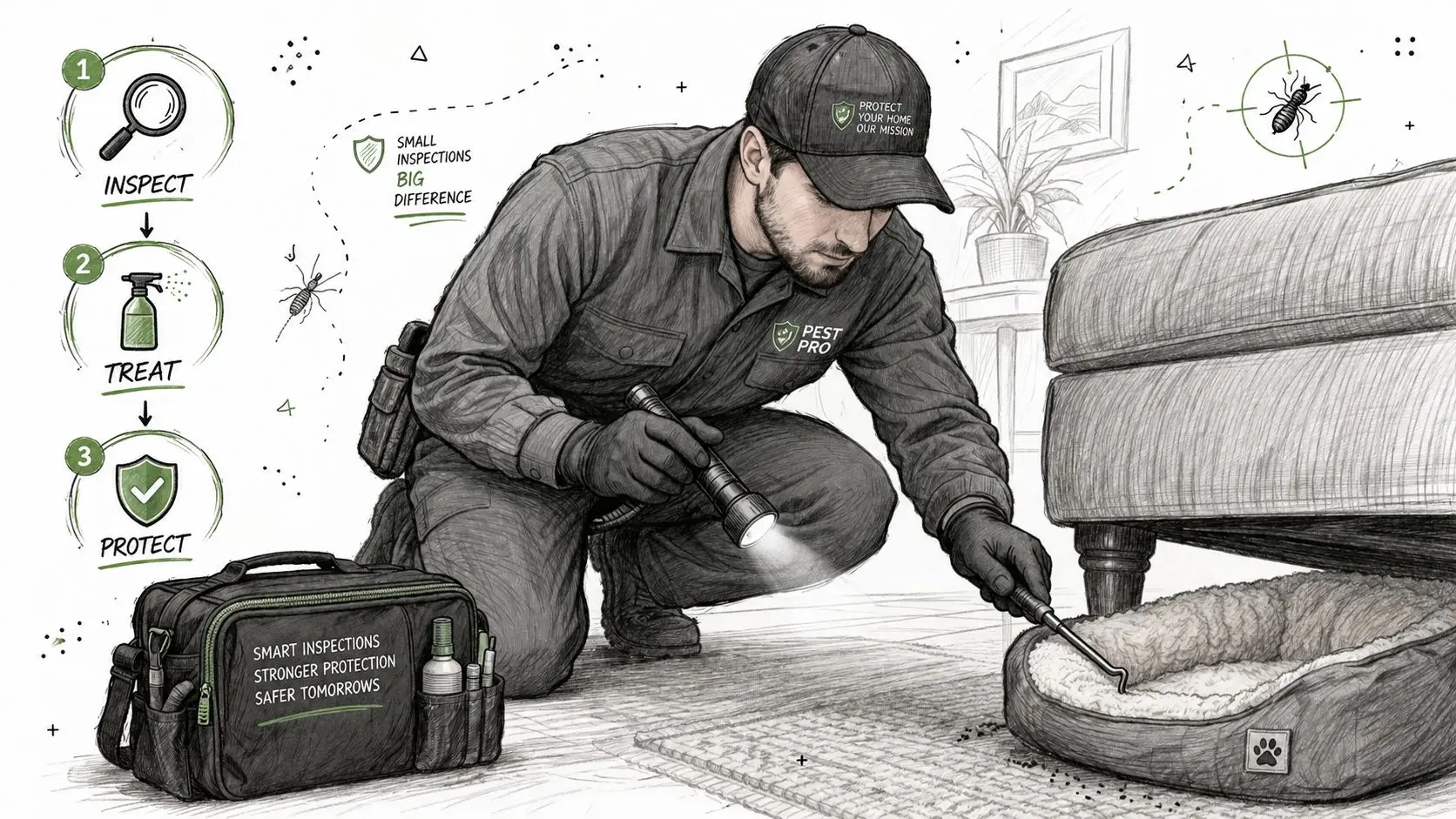
A professional visit starts with inspection, not product selection. In Magnolia homes, that usually means pet bedding, baseboards, carpet edges, sofa skirts, shaded porch areas, crawl spaces, and anywhere a pet likes to rest. If a provider skips those zones, they are guessing, and flea work gets expensive fast when the guess is wrong.
Indoor work should match the life cycle
Inside the home, the useful tools are usually a combination of residual adulticides and IGRs, applied where fleas live rather than fogged through the air and hoped for. Carpet edges, upholstery seams, pet bedding, and baseboards matter more than open floor space. A real treatment also assumes the homeowner will vacuum before and after, because chemicals alone do not remove eggs or pupae hidden in fibers.
The pet side matters just as much. A service that does not coordinate with the veterinarian or ask what flea prevention the pet is already on leaves a large gap. If the animal keeps carrying new fleas in and out of the house, the structure becomes a revolving door, and the work inside has to be repeated before it can settle down.
Outdoor treatment has to be targeted, not blanket sprayed
A good Magnolia treatment does not waste product on every square foot of lawn. It focuses on the places where fleas concentrate, under decks, along shrubbery lines, in shaded runoff areas, around crawl spaces, and where pets spend their time. Sunny, open lawn usually is not the problem zone, and spraying it like it is often adds cost without much benefit.
A technician should be able to explain what is being treated and why. If the quote just says “yard spray” or “house spray,” ask for the map of the work. That is the difference between a service and a guess.
There is a reason integrated pest management comes up so often in better flea programs. If you want a plain-English explanation of the approach, what integrated pest management is is a useful reference, because flea work usually depends on timing, sanitation, and targeted treatment rather than broad spraying alone. For a broader look at what drives pricing and service scope, FullScope Pest Control's flea extermination cost guide is a useful comparison point.
What Flea Control Services Typically Cost in Magnolia
Flea pricing makes more sense once you separate a one-time knockdown from a true lifecycle treatment. The market data shows why. In 2020, the average charge for a typical residential flea control service was $210, and 76% of companies guaranteed their service. By 2022, the average price had risen to $233, a typical job took 1.1 hours, and 75% of locations still guaranteed flea control. 2024 State of the Flea Control Market
What drives the bill up or down
The biggest cost drivers are pretty straightforward. A larger house takes longer to inspect and treat. Heavier infestations need more follow-up. Indoor-plus-yard service costs more than indoor-only service. Multi-visit work costs more than a single visit, but it's also closer to what flea control requires.
| Factor | Typical Impact on Cost | Magnolia Homeowner Question |
|---|---|---|
| Home size | More square footage usually means more inspection and treatment time | “How many rooms and pet areas are included?” |
| Infestation severity | Heavy activity often requires more than one visit | “Does this quote include follow-up?” |
| Indoor and outdoor coverage | Yard work, crawl spaces, and shaded zones add labor | “Which outdoor areas are actually being treated?” |
| Multi-visit service | Repeat treatment changes the total price | “How many return visits are included under the guarantee?” |
| Maintenance plan | Recurring service can reduce repeat infestation risk | “Is this a one-time job or part of ongoing protection?” |
You can compare local pricing and service structure through this Magnolia flea service cost guide, but the main thing to watch is whether the quote covers the full cycle, not just the first spray.
What a fair comparison looks like
A cheap quote can be the most expensive one if it skips the second visit. That's why I tell homeowners to ask how many treatments are included, what areas are covered, and whether the guarantee requires prep steps from the homeowner. The best comparison is not dollar to dollar, it's scope to scope.
Your Prep Checklist and the First Two Weeks After Treatment
A flea service works better when the home is ready before the technician starts. In Magnolia, that matters even more because warm, humid conditions let eggs, larvae, and pupae keep cycling in carpet, pet bedding, and shaded areas around the house. The goal is to make the treatment reach the places fleas are hiding instead of working around laundry piles, clutter, and closed-off rooms.
What to do before service
- Wash pet bedding: Use hot water and dry it fully so eggs and larvae do not stay tucked into the fabric.
- Vacuum thoroughly: Focus on carpet edges, under furniture, rugs, and the places pets rest most often.
- Clear floor edges: Move baskets, toy piles, and loose clutter away from baseboards and carpet seams.
- Ask about products: Confirm whether the provider is using an adulticide, an IGR, or both.
- Plan for pets: Keep dogs and cats out of treated areas until the space is dry and the provider says it is safe.
A practical homeowner checklist is also available in this flea treatment prep guide, and it matches how a real service needs to run in the field.
What the first 5 to 10 days usually look like
The first few days are not the time to assume the treatment failed if you still notice activity. Flea control often takes follow-up work because eggs and pupae keep maturing after the first service, which is why a second visit can be part of the plan rather than a sign the technician missed something. As noted earlier in the CDC flea control guidance, follow-up treatments are part of normal flea control.
Continue vacuuming during that follow-up window. Vacuuming helps pull out eggs, larvae, and debris that shelter immature fleas, and it also gives the treatment a better chance to keep up with what is still emerging from carpet and upholstery.
If the company gave a guarantee, use it. If bites are still increasing after the follow-up window and the pet has been treated correctly, call the provider back. At that point, the service should be reviewed against the plan, the treated areas, and the household prep that was done before the first visit.
How to Choose a Licensed Flea Control Provider
A flea job can look simple from the outside, but the provider's training makes a huge difference in the result. In Texas, the first thing I want a homeowner to check is whether the company is properly licensed for structural pest work. After that, the questions should get more specific.
Credentials and questions that matter
- Ask for the license number: A legitimate company won't dodge that.
- Ask about IGRs: If the answer is vague, the provider may not be thinking past the adult fleas.
- Ask for a written plan: You want to know which rooms, pet zones, and outdoor harborages will be treated.
- Ask about the guarantee window: A real re-service policy should be clear and in writing.
- Ask how pet safety is handled: The technician should know how to coordinate timing with the household and, when needed, the veterinarian.
If you want a quick overview of the philosophy behind integrated pest management, the Modern Lyfe explanation of integrated pest management is a solid plain-language reference before you compare service styles.
Red flags that usually mean trouble
A door-to-door flyer without a license number is a bad sign. So is a quote given without an inspection. If someone won't explain what happens to the pet, the carpet, and the shaded outdoor spots, they're probably selling a spray, not a service.

A company like FullScope Pest Control can be one option for homeowners who want inspection, treatment planning, and follow-up in the same process, but the key is still the same. The provider should be able to explain how they're handling the life cycle, not just say they'll “spray for fleas.”
Keeping Fleas From Coming Back Next Season
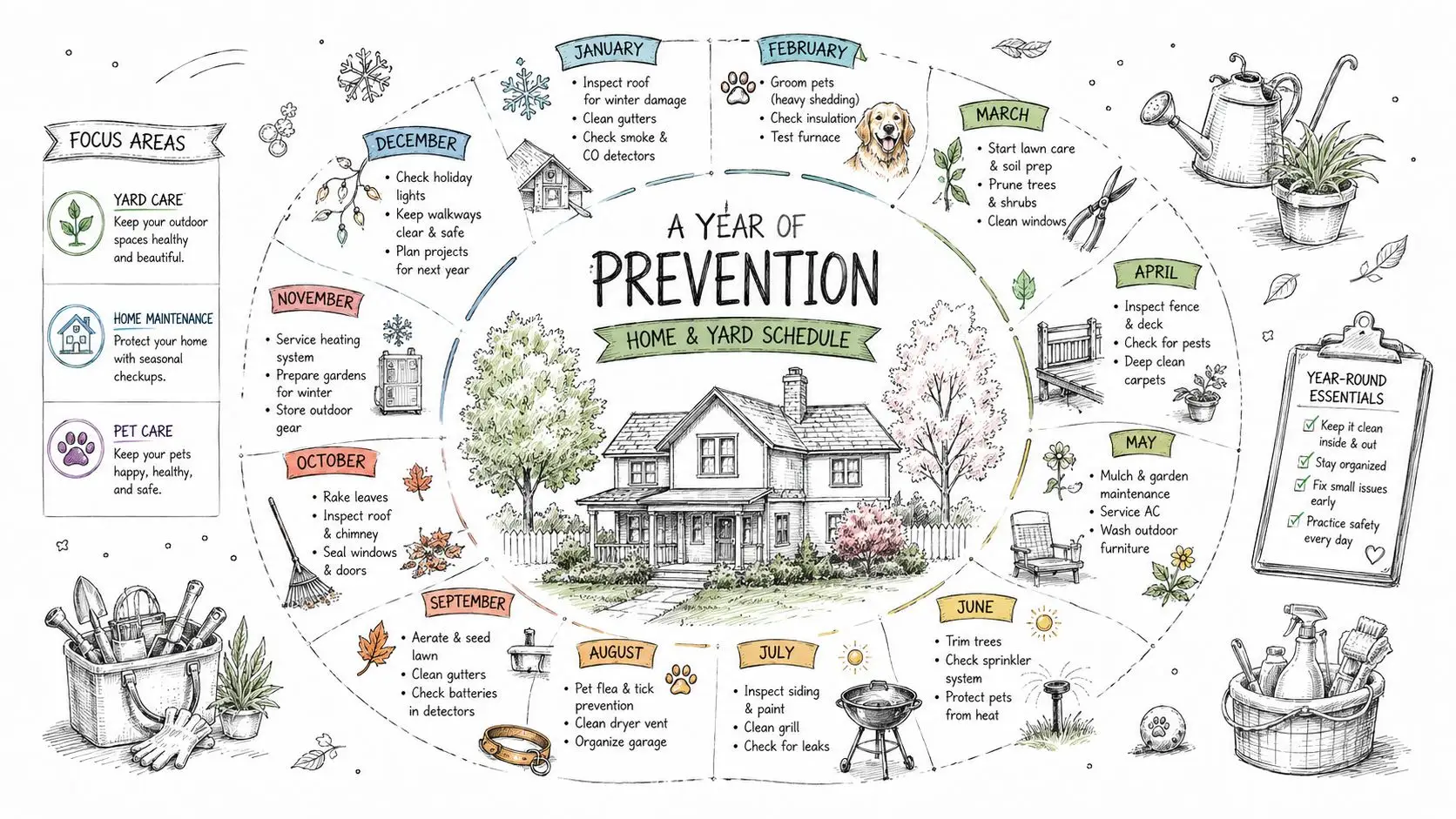
A Magnolia yard does not stay the same for long, and flea pressure does not either. Spring, summer, and long stretches of mild weather keep activity going in shaded beds, along pet routes, and anywhere wildlife cuts through. Prevention works better as a routine than as a one-time rescue.
Where prevention actually pays off
The habits that help most are usually the least dramatic. Keep the yard trimmed where pets rest, wash bedding often, stay current on pet-side prevention with the veterinarian, and check crawl spaces, under-deck shade, and fence lines after damp weather.
Sunny open lawn usually is not the first place I would send money. Texas A&M AgriLife notes that well-maintained lawns in sunny sites are unlikely to harbor many fleas, so the better target is the shade, the animal paths, and the spots that hold moisture. That means spending less on broad treatment where fleas are unlikely to build and more on the harborages they use.
When recurring service makes sense
Some homes need a focused cleanup. Others need a maintenance plan that keeps flea pressure down through the warm season, especially when pets, wildlife traffic, and shaded harborage keep overlapping. In those cases, recurring service can make sense because it keeps the same problem areas under review before the population climbs again.
Homeowners who want a lower-impact approach can review pet-safe flea control and eco-friendly options to compare product choices and service trade-offs. The main point stays the same. The treatment has to fit the places fleas live, or the problem will keep resurfacing.
Magnolia Homeowner Questions About Flea Control Services
How soon can pets go back into treated rooms? Usually only after the treated surfaces are dry and the provider has cleared the space. That timing depends on the products used and the way the technician applied them, so don't guess based on scent or surface feel.
Are flea treatments safe for homes with cats? They can be, but cats need careful handling because they're more sensitive to certain insecticides than dogs are. The technician should know exactly what was applied, and the veterinarian should be part of the conversation if the pet is already on medication.
How long does a guarantee usually last? In this market, guarantees are common, but they're only useful if the service terms are specific. Ask how long re-service coverage lasts, what prep the homeowner must complete, and whether the guarantee covers the whole home or only the original treatment areas.
Can flea control be bundled with mosquito or general pest service? Often, yes. That can make sense in Magnolia if the property needs outdoor attention for more than one pest, especially when the same shaded yard zones are part of the problem. The right bundle should still show what's included for fleas specifically, not bury it inside a general spray package.
If your Magnolia home is still dealing with flea activity, schedule a real inspection and ask for a written treatment plan that includes the pet, the indoor harborages, and the shaded outdoor zones. The fastest way to stop guessing is to compare the scope of service, the follow-up window, and the guarantee before you book the next visit.