 1500+ reviews

Professional Wildlife and Rodent Control Services: When to Call in the Experts
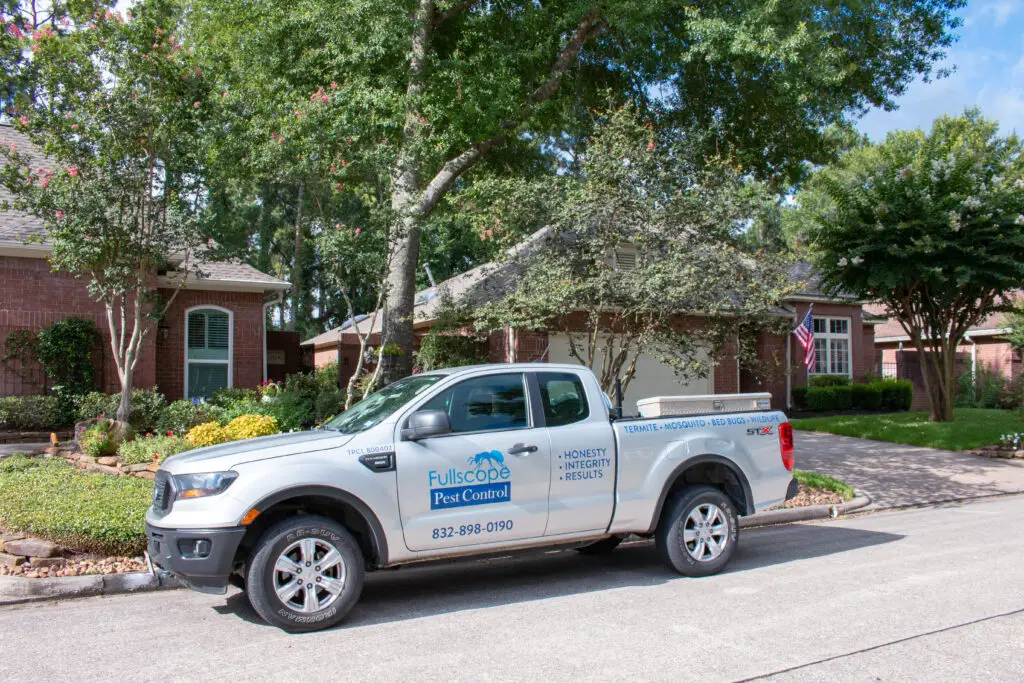
Living near nature has its perks but its fair share of challenges. One such challenge is the intrusion of wildlife and rodents into our homes and properties. While some homeowners may attempt DIY solutions, there are times when it’s crucial to get professional wildlife and rodent control services. In this blog, we’ll talk about when it’s best to hire experts to safeguard your property’s safety and the well-being of humans and animals. Why Opt for Professional Wildlife and Rodent Control Services Choosing professional wildlife and rodent control services ensures effective, humane, and legally compliant solutions. Unlike DIY approaches, professionals offer expert identification, comprehensive management, and long-term prevention strategies, addressing both the infestation and its underlying causes. Their expertise guarantees safety for both residents and wildlife, adhering to ethical standards and local regulations. When to Call a Professional for Wildlife and Rodent Control Persistent Pest Infestations Call professionals when DIY methods fail to control persistent pest infestations. If rodents or wildlife keep returning despite traps and baits, experts can effectively remove them and prevent future invasions with their specialized knowledge and techniques. Health and Safety Concerns Rodents, in particular, can carry diseases and contaminate food and living areas with their droppings and urine. In the case of wildlife, animals like raccoons, bats, and squirrels may carry diseases like rabies or parasites. Wildlife and rodent control experts have the proper safety gear and training to handle these situations safely. Structural Damage Rodents and other pesky pests can cause significant damage to your home. They may chew through electrical wires, insulation, and even the structure itself. If you spot any signs of damage or suspect an infestation, it’s crucial to call in professionals quickly. They can assess the situation and provide solutions to prevent future destruction. Humane and Ethical Treatment Professional wildlife control services prioritize the humane and ethical treatment of animals. Attempting to handle wildlife on your own may result in unintentional harm to the animals or their offspring. Wildlife experts are trained to safely capture and relocate animals when necessary, ensuring minimal disruption to their lives while protecting your property. Local Regulations and Permits In many areas, dealing with certain wildlife and rodents requires compliance with local regulations and obtaining permits. Handling these matters without the appropriate permits can lead to legal issues and fines. To solve your pest problem legally, choose a professional wildlife control agency familiar with your area’s rules and regulations. Conclusion Navigating the challenges of wildlife and rodent infestations requires more than just temporary fixes; it demands expertise, safety, and respect for the environment and the creatures involved. That’s where Fullscope Pest Control comes in. Our team of professionals is equipped with the knowledge, tools, and experience to handle your pest control needs responsibly and effectively. Don’t let pest problems disrupt your peace of mind. Contact Fullscope Pest Control today for a comprehensive and humane solution to safeguard your property and the well-being of all involved.
The Importance Of Professional Wildlife Control Services
It can be hard to deal with animals that are in your room. Many problems exist, like raccoons going through your trash or bats taking shelter in your attic. It is when you need professional animal control services more than ever. Handling these scenarios without professional help can cause extra stress, danger, and damage. We’ll talk about the most important reasons why hiring professional wildlife control services is not just a choice; it’s a must. Protecting Your Property Preventing Structural Damage Wildlife can damage your home if you don’t do anything about it. Your home’s structure is in danger because of frayed lines and damaged insulation. Professional services use gentle and effective ways to get rid of wildlife and keep it away, protecting your property from damage. Thorough Inspection and Assessment Professional wildlife control technicians do thorough checks to find entry spots and figure out how bad the infestation is. This all-around method ensures all possible problems are dealt with, which stops them from happening again. Ensuring Human Safety Mitigating Health Risks Animals can be hazardous to your health, especially when they are trapped or feel threatened. Animal droppings, scratches, and bites can spread diseases. Professional wildlife control services take safety precautions to protect you and your family from health risks. Humane Removal Practices Professional services emphasize animal-friendly cleanup methods that care about the animals’ well-being. When people try to handle wild animals without training, they can hurt themselves and the animals. Adhering To Legal And Ethical Standards Compliance with Regulations Controlling wildlife is governed by several city, state, and federal laws. Professionals know these rules inside and out and ensure all activities used to control nature are legal. It will not only keep you out of trouble with the law but also help you treat wildlife well. Respecting Ecosystem Balance Wildlife is an integral part of keeping ecosystems in order. Professional wildlife control services know this delicate balance and work to get involved in ways that only bother local wildlife populations a little. It’s the right thing to do and is suitable for the earth. Expertise and Specialized Knowledge Identifying Species-Specific Solutions Approaches for different kinds of wildlife need to be different. Professionals know how to find individual species and implement solutions that work for them. This knowledge ensures that the process of removing the wildlife is successful and fits each animal’s specific needs. Preventing Recurrence Knowing how different species act and what they like to do is essential to stop repeat infestations. Professional wildlife control services get rid of the animal that is a threat and take steps to keep it from coming back. Conclusion Professional wildlife control services are a must if you want to protect your home, family, and the health of local wildlife. We at Fullscope Pest Control know how hard it is to live with nature and keep your stuff safe at the same time. Our team of competent technicians is dedicated to meeting your wildlife control needs in a humane, efficient, and moral way. Don’t let wildlife problems risk your safety and peace of mind; hire wildlife control services today.
Ethical Methods for Safely Removing Animals
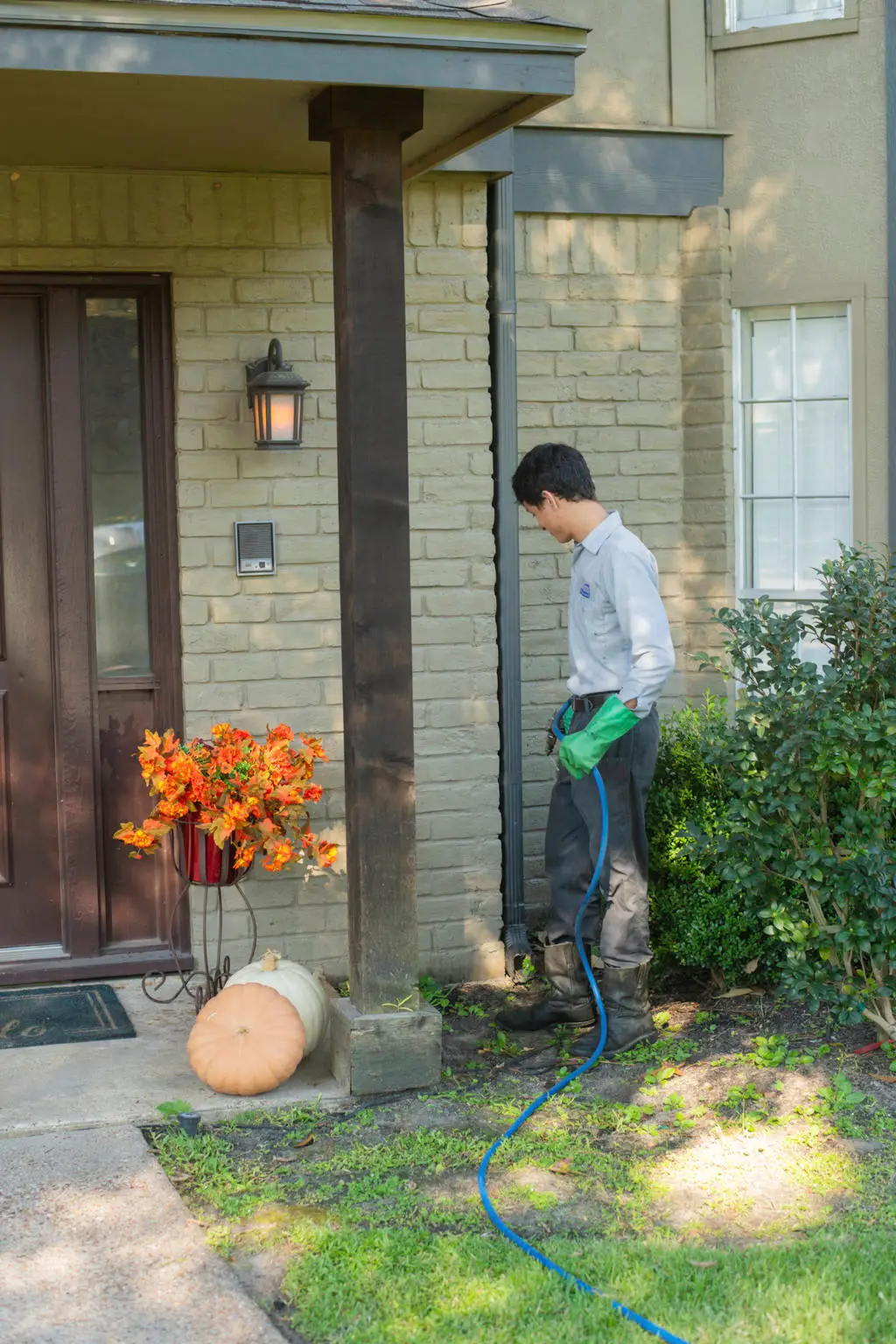
As our world grapples with habitat loss, climate change, and human-wildlife conflicts, the safe removal of animals has become increasingly important and challenging. Balancing wildlife conservation needs with ethical considerations and humane treatment is essential. This blog will explore ethical methods for professional wildlife removal from various situations while prioritizing their welfare and well-being. Habitat Relocation Habitat relocation is often used when animals find themselves in urban or populated areas where their presence poses a risk to humans and animals. This approach involves carefully capturing and transporting animals to a more suitable habitat. However, it’s essential to consider several ethical aspects: Thorough Assessment Before any removal is considered, conducting a thorough assessment is crucial to determine if relocation is necessary. Sometimes, altering the local environment to reduce conflict might be a better solution. Minimize Stress Animals can experience significant stress during capture and transportation. To minimize stress, we should make capture methods as non-invasive as possible and ensure that animals receive appropriate care during transit. Reintroduction When opting for relocation, it becomes imperative to guarantee that the animals are reintroduced into an appropriate habitat with minimal disturbance to their natural behaviors. Wildlife Rehabilitation Wildlife rehabilitation centers are crucial in caring for injured, orphaned, or distressed animals. Ethical considerations in wildlife rehabilitation include: Non-Interference Principle Wildlife rehabilitators adhere to a non-interference principle whenever possible, meaning they intervene only when necessary. For example, young animals found alone might not need rescue as their parents are often nearby. Skilled Care Professionals at rehabilitation centers must undergo training to provide proper care. This includes administering appropriate diets, offering medical attention, and implementing behavioral enrichment measures. Release into the Wild Wildlife rehabilitation aims to return animals to their natural habitat when they can live. Humane Trapping and Removal Using humane trapping methods is crucial when removing animals due to human-wildlife conflicts. Ethical considerations in trapping and removal include: Selective Trapping Traps should be selective to target specific problem animals while avoiding unintended captures of non-target species. Monitoring and Timely Release Regular monitoring is necessary for trapped animals to ensure their well-being, and they should be released promptly once the issue is resolved. Euthanasia as a Last Resort Consider euthanasia as a last resort, only after exhausting all other options and determining it to be the most humane choice for the animal. Public Education and Awareness Educating the public about coexisting with wildlife and ethical animal removal methods is vital. Communities can take proactive steps to prevent conflicts and minimize the need for removal by: Implementing Wildlife-Friendly Practices Encouraging practices like secure trash disposal, proper pet management, and habitat conservation can reduce the likelihood of conflicts. Promoting Tolerance Educating people about the importance of coexisting with wildlife and appreciating animals’ ecological roles can foster greater tolerance and understanding. Conclusion In a world where the delicate balance between humans and wildlife is more crucial than ever, ethical methods for safely removing animals are not just a necessity but a responsibility. At Fullscope Pest Control, we’ve made it our mission to lead the way in professional wildlife removal that prioritizes the welfare of animals and the well-being of our communities. Contact us today, and let’s work towards a better future for all.
8 Facts About Raccoons in Your Home
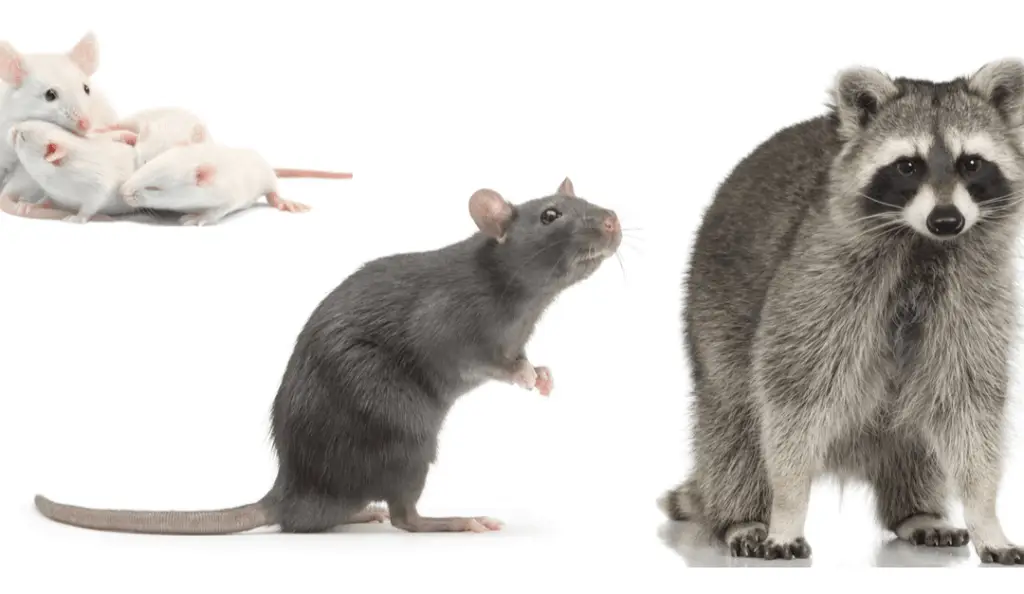
When most people think of raccoons, they think of the cute animal that lives in the woods. However, there is more to these creatures than meets the eye. Raccoons can be quite destructive and are known for causing a lot of damage. If you have a raccoon problem, it is important to learn as much as you can about them so that you can take the necessary steps to get rid of them. Here are 8 facts about raccoons that every homeowner should know. 1. How do I know if I have a raccoon in my home? One of the most telltale signs is raccoon droppings, which look like large dark pellets. Raccoons also often leave behind footprints or smudge marks, which can be helpful in identifying them. If you hear strange noises coming from your attic or see raccoon tracks in the mud near your house, it’s a good indication that you have a raccoon on your property. Raccoons are technically classified as pests, so if you suspect you have one in your home, it’s best to contact a pest control specialist to safely remove the animal. 2. What are the dangers of having a raccoon in my home? Raccoons are clever and curious creatures, and they often find their way into homes in search of food or shelter. If you think you may have a raccoon in your home, there are a few tell-tale signs to look for. Raccoons are nocturnal animals, so if you hear strange noises coming from your attic or crawl space at night, it’s a good indication that you have a furry intruder. Raccoons are also known for making messes, so be on the lookout for torn insulation, damaged ductwork, or piles of trash outside your home. If you suspect you have a raccoon in your house, the best course of action is to contact a wildlife control expert who can safely remove the animal. 4. Why should I hire a professional to remove a raccoon? Raccoons in the wild are interesting creatures to watch. They are often seen rummaging through trash cans, looking for a meal. However, when a raccoon takes up residence in your home, it’s no longer funny. Raccoons can cause serious damage to your property and pose a health risk to you and your family. That’s why it’s important to hire a professional to remove a raccoon from your home. A professional will have the experience and equipment to safely and effectively remove the raccoon from your property. In addition, a professional will be able to identify and seal any entry points that the raccoon used to get into your home. This will help to prevent another raccoon from taking up residence in your home in the future. 5. How much does raccoon removal cost? Raccoons are intelligent and crafty animals that can easily find their way into attics, crawlspaces, and even homes. Once inside, they can cause a great deal of damage, urinating and defecating on insulation and framing, and tearing up ductwork and wiring. Raccoon removal is a complicated and potentially dangerous process, and it is best left to a professional. The cost of raccoon removal will vary depending on the size of the animal and the extent of the damage, but it is typically between $185 and $385. In some cases, the damage caused by raccoons can be extensive enough to require repairs that can cost thousands of dollars. As a result, it is important to be aware of the potential cost of raccoon removal before attempting to remove one from your home. 6. What is the best way to keep raccoons away from my home? Raccoons are one of the most common animals to invade our homes. They’re intelligent, curious creatures that will take advantage of any opportunity to get inside. Once they’re in, they can cause all sorts of damage and create a real mess. So, how can you keep raccoons away from your home? First, it’s important to make sure that your trash cans are sealed tight. Raccoons are attracted to the smell of food, so if your garbage is easily accessible, they’ll be more likely to try and get into it. Second, you should trim tree branches that hang over your roof or close to your windows. Raccoons are good climbers, so they’ll take advantage of any opportunity to get into your home. Lock up your pet food and keep garage doors closed, they can easily enter a home from breezeways. Must Read:EVERYTHING YOU NEED TO KNOW ABOUT MOSQUITO MISTING SYSTEMS What are some of the diseases that raccoons can carry? Raccoons are well-known for their intelligence and mischievous nature, but they can also be carriers of disease. Raccoons are common hosts for a range of parasites, including fleas, ticks, and mites. They can also carry rabies, which is a viral disease that attacks the nervous system. Raccoons are also known to carry a strain of infectious bacteria called leptospirosis, which can cause fever, muscle pain, and vomiting in humans. While the risk of contracting a disease from a raccoon is relatively low, it is important to take precautions when interacting with these animals. If you see a raccoon, do not approach it or try to pet it. If you must handle a raccoon, be sure to wear gloves and wash your hands thoroughly afterwards 8. Should I be worried about rabies if I have a raccoon in my home? Raccoons are one of the most common carriers of rabies in the United States. In fact, according to the Centers for Disease Control and Prevention (CDC), raccoons are responsible for more than half of all reported animal rabies cases in the country. Rabies is a serious and deadly disease that can cause severe neurological damage in humans. If you have a raccoon in your home, it is important to be aware of the risks and take steps to protect yourself and your family. The best way to protect yourself from rabies is
Is Wildlife Removal Free
Wildlife is crucial to the delicate balance of ecosystems in the vast tapestry of our natural environment. However, disputes emerge when these wild critters close up on human settlements, necessitating wildlife removal services. What about the cost of wildlife removal control? The eradication of wildlife can be a complicated process, and in this article, we’ll look at the many expenses and the significance of careful management. The True Cost of Wildlife Encounters Although we appreciate wildlife, there are times when our contact with them can put us or our property in danger. Wildlife removal is required when raccoons raid garbage cans, squirrels build nests in attics, and snakes seek safety in gardens. Professional Wildlife Removal Services Despite the widespread misconception that trapping and removing wildlife is a free service, many situations call for the expertise of a professional wildlife removal agency. Professional wildlife control services have the knowledge and equipment to compassionately and securely remove wildlife from private premises. A fee associated with using their services depends on variables like the nature of the animal, its location, and how complicated the removal is. Must Read:HOW MUCH FOR SPIDER PEST CONTROL Assessing Property Damage Wild animals often tear up homes, attics, roofs, and gardens to find safety. The price of wildlife experiences may rise to compensate for these repairs. Further proving that “free” animal removal is a myth, homeowners may need to repair insulation, seal entry points, and restore damaged sections. Preventive Measures Avoiding future interactions with wildlife is crucial for everyone’s well-being. It will cost you money to put up barriers, seal up potential entrance sites, and otherwise make your property less appealing to wildlife. These precautions aren’t strictly necessary for eradication, but they’ll greatly help in the long run. The Ethical Aspect There are moral questions that must be answered while dealing with wildlife. Human actions threaten the homes of many animal species. Disruption of local ecosystems and threat to already vulnerable populations might result from encounters leading to removal without regard to the animal’s wellbeing or contribution to conservation efforts. Balancing Conservation and Coexistence Instead of considering animal removal as a monetary transaction, a more holistic viewpoint stresses the need to balance conservation efforts and human security. Conflicts and the need for removal can be reduced by encouraging cohabitation whenever possible, such as by using compassionate means to dissuade animals or developing wildlife-friendly environments. Final Thoughts Managing human interactions and other forms of life is not a simple or free task. Professional assistance is needed for all aspects of the procedure, including removal, property repair, and the implementation of preventative measures. When it comes to protecting your house from pests and maintaining a healthy ecosystem, Fullscope Pest Control has your back. Our team of experts is truly dedicated to meeting your wildlife control and prevention needs with kindness and professionalism. Put your faith in us to safeguard your property and help wildlife coexist peacefully with humans. Contact us today, and let’s be your partner in responsible wildlife management.
Squirrels in the Attic: How to Get Rid of Them for Good
If you’re hearing scurrying in your walls or thumping around in your attic, chances are you have uninvited guests- specifically, squirrels. These pesky creatures are not only a nuisance but they can also cause significant damage to your home. What’s worse, they reproduce quickly so getting rid of one squirrel often means you have to deal with an entire family. So, what’s the best way to get rid of squirrels? Read on to find out. Identifying the Problem The first step in getting rid of squirrels is identifying the problem. If you hear noise in your attic or see damage to your home’s exterior, those are both signs that you have squirrels. Once you’ve determined that you have a problem, it’s time to take action. The longer you wait, the more damage the squirrels will do and the more difficult they will be to remove. Squirrel Removal Methods There are a few different ways that you can go about removing squirrels from your home. You can set traps in the attic, they can be a little difficult and trap shy. You can also hire a professional wildlife removal company who will be able to safely and effectively remove the squirrels for you. Excluder traps placed on the exterior of the home and the main entrances will allow the squirrel to leave during the day but not return. Ideally waiting a week or so before removing and sealing up the entry. If you decide to go the DIY route, make sure that you do your research and set the traps correctly so that you don’t end up injuring yourself or the animals. Worst thing you will want to deal is seal the squirrel inside, so make sure you have removed the live animal before you try to diy the sealing. Recommended Read: How to Find the Best Rodent Control Company Near Me Preventing Future Infestations Once you’ve gotten rid of the current batch of squirrels, it’s important to take measures to prevent future infestations. Start by sealing up any cracks or holes on the exterior of your home- no bigger than a quarter inch. You should also trim back any trees or branches that are close to your roofline so that the squirrels can’t easily access your attic. And finally, make sure that all food sources- like pet food and bird seed- are securely stored so that they’re not enticing for potential furry intruders. Must Read: 7 RODENT CONTROL TECHNIQUES FOR RENTAL PROPERTY Conclusion: Dealing with a squirrel infestation in your home is never fun but it’s important to take action as soon as possible. The longer you wait, the more damage they’ll do and the harder they’ll be to remove. Set traps or hire a professional wildlife removal company to get rid of the problem quickly and efficiently. Then, take measures to prevent future infestations by sealing up cracks and holes on your home’s exterior and trimming back any trees or branches near your roofline.
How to Spot Early Signs of a Raccoon Infestation in Your Home
Raccoons are intelligent, curious creatures that are drawn to urban areas in search of food and shelter. While they may look cute and harmless, raccoons can cause significant damage to your property and pose a serious threat to your health and safety. If you suspect that you have a raccoon infestation, it’s important to take action immediately. Here are some early signs to look out for. Recommended Read: 8 Facts About Raccoons Damaged or Missing Roof Shingles One of the most common ways that raccoons gain access to attics and homes is by pulling off loose or damaged roof shingles. If you notice that shingles are missing or damaged, it’s a good idea to inspect your attic for signs of raccoon activity. Chewed Wires Raccoons are notorious explorers and love to chew on things. If you find that your electrical wires have been chewed, there’s a good chance that you have a raccoon infestation. This can pose a serious fire hazard, so it’s important to call an exterminator right away. Droppings in Your Attic If you notice droppings in your attic, it’s a telltale sign that raccoons have been using it as their personal bathroom. Raccoon droppings can contain harmful bacteria that can cause serious illness in humans, so it’s important to call an exterminator as soon as possible if this is the case. Noises Coming from Your Attic If you hear strange noises coming from your attic, chances are it’s because of raccoons. Raccoons are nocturnal creatures, so the noises are likely to occur at night. If you hear animal noises coming from your attic, don’t hesitate to call an exterminator for help. Must Read:5 EASY TIPS TO GET RID OF SCORPIONS IN YOUR HOME Conclusion If you suspect that you have a raccoon infestation in your home, it’s important to take action immediately. Raccoons can cause significant damage to your property and pose a serious threat to your health and safety. Look for early signs such as missing or damaged roof shingles, chewed electrical wires, droppings in your attic, and noises coming from your attic at night. If you find any of these signs, call an exterminator right away.
FAQ: Wildlife and Rodent Exclusion
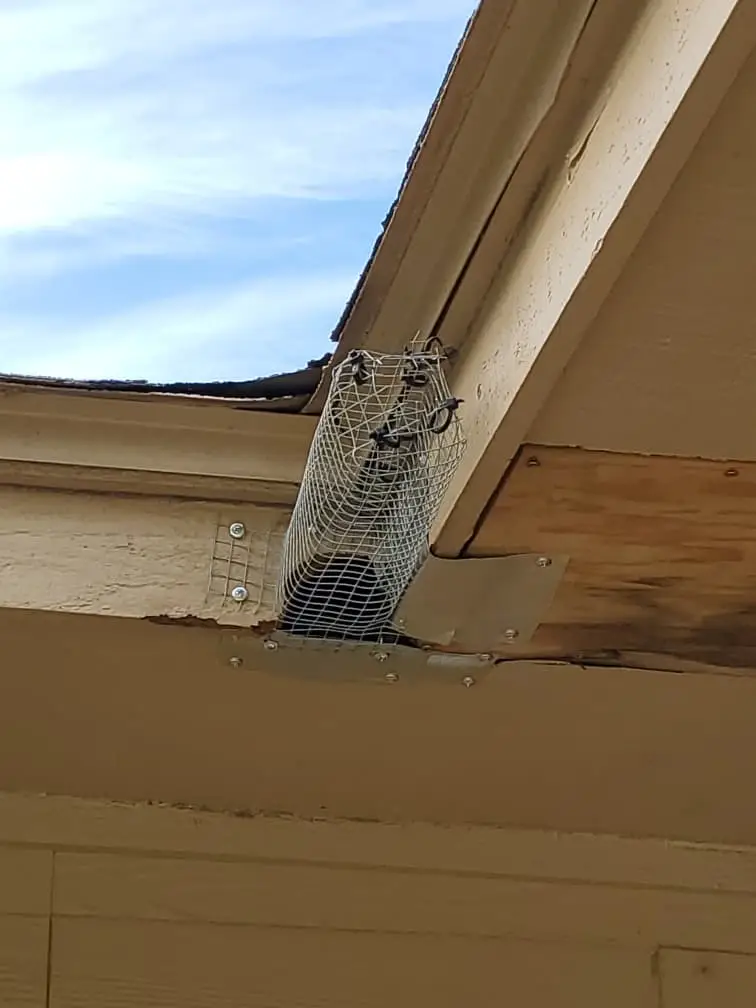
1. What is wildlife and rodent exclusion? Wildlife exclusion, also called rodent exclusion, is the practice of sealing a building in such a way as to prevent rodents and other animals from entering. This is done by closing all potential entry points into the building, including cracks and crevices, openings around pipes and wires, and gaps beneath doors. Exclusion can be an effective way to reduce the number of rodents in a home or business, and it is an important part of any rodent control program. 2. What are the benefits of wildlife and rodent exclusion? When you think of your home, what comes to mind? Safety, security, and comfort are likely at the top of the list. Unfortunately, pests can compromise all of those things. Pests like rodents and wildlife can cause structural damage to your home, spread disease, contaminate food, and more. That’s why it’s important to exclude them from your home in the first place. Here are just a few of the benefits of wildlife and rodent exclusion: Rodents and other pests can cause significant damage to your home if they’re allowed inside. They can gnaw through wiring, insulation, framing, and more – which can lead to fires or electrical problems. Rodents also contaminate food with their droppings and urine, which can make you sick. Wildlife can damage roofs and siding as they try to get into your home, not to mention that they often leave behind messy nests. Exclusion is one of the best ways to prevent these issues from happening in the first place. By installing barriers around your home – like metal flashing or sheeting on roofs and Vinyl mesh screens on vents – you can keep pests out without using harsh chemicals or traps that could harm animals in the process. Exclusion is a safe, humane way to protect both your family and your furry friends. 3. How do we exclude rodents and wildlife from my home? Mice and other rodents can be a real nuisance in your home, invading your food sources, damaging property and even spreading diseases. While exclusion is the best way to prevent these pests from entering your home in the first place, it’s not always easy to do on your own. Let a professional pest control company help you exclude these pests and keep them out of your home for good. First we identify the potential openings for rats, mice, squirrels and raccoons. These could be areas on the roof line, A/C lines, and even weep holes that can allow animals to take up residency. Once openings are identified, we will then inspect the attic areas, and garages, to identify what particular animal that we are dealing with, because this will determine the exact form of trapping. Both exclusion and trap installation will occur on the same day. Larger animals such as raccoons and squirrels will be allowed to exit the structure with excluders doors, for smaller rodents, traps will be used and return visits scheduled. Must Read: ASIAN COCKROACHES – WHAT HOMEOWNERS NEED TO KNOW 4. What are some of the best products for exclusion? Exclusion best practices include completely sealing the structure, all entry points are sealed with a combination of high quality products that are rodent and wildlife proof. 5. How do I know if I have a wildlife or rodent problem? Sometimes you might not even know there is an issue, our pest control team is highly trained to inspect and identify any potential issues that may occur. Sometimes you hear scratching or activity in the walls and ceiling. Sounds, smells, and rodent droppings would be the most common indicators of a rodent problem. 6. Do You Have to Do Exclusion Every Year? No, exclusion is usually only done one time if done well. New roofs, or damaged siding, and soffits can lead to new openings that can allow rodents and wildlife inside the home at other times. Looking for a pest control company that is different from the rest? Look no further than FullScope Pest Control. Our professionals are dedicated to providing you with the best possible service. Contact us today to speak with a professional about your pest control needs.
Raccooning in Humble: Why You Need Professional Help
It’s springtime in Humble, which means the animals are coming out of hibernation and looking for food and shelter. One of the animals you may encounter is the raccoon. Raccoons are intelligent and resourceful animals that can cause extensive damage to your home if they decide to take up residence. It is important to take precautions to prevent raccoons from getting into your home, and if they do get in, it is important to call a professional for help. How Raccoons Get into Houses Raccoons are good climbers, and they can fit through surprisingly small spaces. They will often try to enter homes through gaps in the roofline, chimneys, soffits, vents, or any other openings they can find. Once they are inside, they will make themselves at home, tearing up insulation for nesting material, raiding your garbage cans, leaving droppings throughout your attic or crawlspace, and generally wreaking havoc. In addition to the damage they cause to your home, raccoons can also carry diseases like rabies, distemper, and parvovirus, which can be harmful to humans and pets. Professional pest control services from FullScope provide tailored, effective solutions, call your local raccoon experts today, 832-898-0190 Recommended Read: Preventing Raccoons from Getting into Your Home The best way to deal with a raccoon problem is to prevent it from happening in the first place. To do this, you need to make sure your home is not inviting to raccoons. Start by repairing any damage to your roofline or other areas of your home that could provide an opening for raccoons. Make sure vents are properly screened and chimneys have caps. Keep trash cans securely covered, and pick up any fallen fruit from trees around your property. If you have pet food outside, bring it inside at night. If you take these precautions, you will greatly reduce the chances of raccoons taking up residence in your home. Recommended Read: BROWN RECLUSE SPIDERS: WHAT YOU NEED TO KNOW Conclusion: Dealing with a raccoon problem can be a big hassle—not to mention dangerous if the raccoon is carrying diseases. The best way to deal with raccoons is to prevent them from getting into your home in the first place by repairing any damage and making sure there are no openings that would allow them access. If you do find yourself with a raccoon problem, however, call a professional like FullScope Pest Control for help rather than trying to handle it yourself. When it comes to raccoon exclusion services, you want to select a local company that is experienced in trapping and removal, as well a insured and with exceptional service reviews, so you do not end up paying more than one for the work.
What to Do About Bats
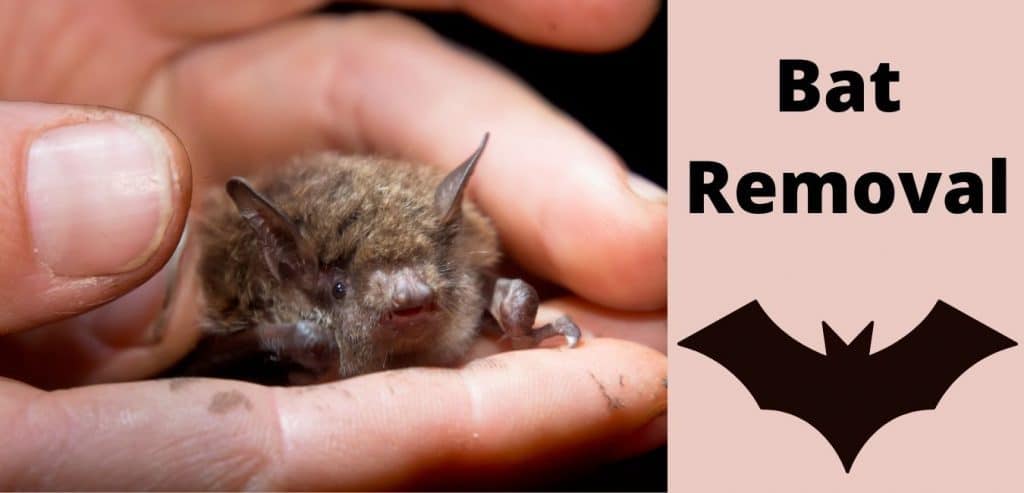
What Do You Do About Bats in the North Houston Area? by FullScope Pest Control Bats are the only mammals with wings (they are not rodents), and there are almost as many different species of bats as there are of rodents. Overall, they are considered to be beneficial (they eat TONS of bugs and mosquitoes every single night), unlike rats or mice. In fact, some people install “bat houses” on their property to attract these insect controllers to their property to help keep bug and mosquito populations down. Bats are also pollinators like bees. Bats prefer dark, dry spaces with little to no human traffic, which is why they love attics and belfries so much for roosting and multiplying. As healthy as they may be for the ecosystem, once they set up shop, they are very dangerous for buildings. They drop their feces (guano) everywhere, which is a huge attractant for various kinds of insect pests. One problem that bats bring with them is that they are hard to detect. They are very quiet, they only come out at night, and it may take you a while to even realize they are nesting in your home or business, or on your property. Bats hibernate in the wintertime, during which time, chances are good that they’ll move from your attic, down through the walls, and into your basement. These winged critters are not only quiet and stealthy, they are very agile and can slip in and out of holes and other entry ways that are smaller than an inch. They are very quick to fly away, too, if they sense a threat. Bats are also protected animals in many states (and by the federal government), so they need to be managed very cautiously. Unless you love bats, they are definitely animals that you want to have a professional bat control company handle. If you find evidence of bats in your Houston home, property, or business, you should definitely plan on calling in some bat removal expertise. Bats in Texas Bats are an important part of our ecosystem: they hunt and feed on flying insects, including mosquitoes, to keep their populations down. In fact, one little brown bat can expertly hunt down and eat around 1,000 mosquito-sized insects in a single hour, while nursing mother bats can consume over 4,500 flying insects every night. The six species of bats that Texans most commonly encounter include: Evening Bat (Nycticeius humeralis) Big Brown Bat (Eptesicus fuscus) Mexican Free-Tailed Bat (Tadarida brasiliensis) Cave Myotis (Myotis velifer) Southeastern Myotis (Myotis austroriparius) Tri-Colored Bat (Perimyotis subflavus) Must Read:5 HUMANE TIPS TO HELP KEEP BIRDS AWAY How Do I Know If I Have a Bat Infestation? Call the bat removal experts at FullScope Pest Control as quickly as possible if you notice any of the following in or around your home, or on your property: You’ll definitely notice a significant increase in the numbers of bats flying around your home or property at dusk or dawn. You might notice fluttering noises or high-pitched squeaks coming from inside your walls. Guano on the floor of your attic or basement, which are about twice the size of rodent droppings. What is Guano and How Can I Tell it Apart from Mouse Droppings? As mentioned, guano is the common term for bat droppings. It is very similar in shape and size to rodent droppings and the two might be easily confused. By the way, guano is often used as a fertilizer in other circumstances, and can be toxic. You can tell if it’s guano by using a flashlight or other lighting. If you crush the droppings with a gloved hand or shoe, and shine your light onto it, it should sparkle if it’s guano. It sparkles because of the insect exoskeletons that the bats feed on. Guano also has a unique, strong, pungent, musty odor. FullScope Pest Control is Humane and Bat Protection Compliant According to the Texas Parks and Wildlife Code, (Chapter 63, Section 63.101; http://www.statutes.legis.state.tx.us/Docs/PW/htm/PW.63.htm), “…no one may hunt, sell, offer for sale, buy, offer to buy, or possess after purchase a bat or any part of a bat, dead or alive.” It is extremely difficult and cumbersome for a Houston area homeowner to handle a bat infestation on his or her own. Especially since bats are a government protected species. Also, as mentioned, guano can be hazardous and attracts a variety of insects. FullScope pest control can give you a free initial assessment of your bat situation to get a handle on how serious the problem is. Our licensed and trained removal professionals have been watching the increase in bat populations in Texas for years and are best situated to handle your bat problem quickly, efficiently, and cost-effectively. We can also show you what you can do to help prevent bat problems in the future. Call today for a free assessment and a free quote. Guano Removal, Bat Control, and Decontamination in North Houston Bats are not aggressive, but bat removal and control is necessary for health and damage-prevention reasons, and should only be done by professionals who are familiar with all the federal and state laws protecting them. If you have bats in your attic, basement, crawlspaces, or anywhere else on your property where you don’t want them, your first tipoff should be the excessive droppings (guano) you can see. Exposure to guano over time can cause health issues. Plus, guano odor can remain inside your home for years if you do not properly remove it and conduct a full decontamination and sanitization of all the spaces that were inhabited by the bat intruders. Save yourself time, money, and headaches by calling us today! Got bats? Bats are nuisance pests, but they aren’t aggressive. They do transmit disease and carry parasites. Save yourself time, stress, and money by calling our office today at 832-898-0190, or shoot us an email at info@fullscopepestcontrol.com for a free initial consultation. We can help you manage your bat problem and other pest problems at home and in your yard, and then we can show you