 1500+ reviews

Does Pest Control Get Rid Of Bees?
It can be very concerning when bees establish a colony on your property. They are incredibly protective of their territory and will aggressively repel intruders if they feel threatened. Before things get out of hand, it might be time to bring in the experts if you see more bee activity in your yard than usual. Tips on Bee Prevention Foraging bees seek out nourishment, which is typically pollen. For instance, honey bees may journey several miles each day in quest of food from the hive. Bees are attracted to sweet foods, although pollen is their main meal. Ice cream, soda, fruit, and juice fall within this category. One strategy to lessen their presence close to your home is to take away these food sources. Removing trash more frequently, keeping trash cans tidy, and avoiding having open food containers outside can all help with this. Also read about How to Control Ticks in a Yard Ensuring all outside wood surfaces are painted or treated is another choice for carpenter bees. Carpenter bees are less likely to tunnel through other materials and prefer unpainted wood. How do Pest Control Services handle Bees? Relying on the nature and intensity of the bee infestation, pest control firms will employ various techniques to eliminate bees from your property. It would benefit if you operated with an expert with bee management experience because not all pest control businesses specialize in this area. Among the techniques used are: Using Pesticides to Spray Spraying pesticides is the next best alternative if there are no practical means to remove the bees from their hive or if it is inaccessible. These substances are sprayed directly onto bee nests, where they rapidly kill the bees. Unfortunately, herbicides hurt other insects like ladybugs and butterflies. Because of this, they were using this strategy as a last resort. Using Smoke Method Experts use this technique to excite the bees and compel them to abandon their colony. The resulting smoke is non-toxic but has a fragrance reminiscent of an onslaught bee hive. Without harming the bees, this method effectively gets rid of them. Dismantling with Fire Pest control companies will set inaccessible bee hives or nests on fire. To effectively extinguish the bees without hurting the pack or igniting anything else, you should employ professionals with the necessary knowledge and experience. Scare Method In contrast to the smoke agitation technique, which uses pheromones as a natural defense, the scare method uses loud noises and bright lights to frighten bees away. Why Is It Necessary To Avoid Bees If you’re allergic, avoid bees. Bees strike when they feel threatened, so getting near a beehive might be dangerous. Bee stings are painful, but they usually heal within a few days. Bee allergies make the problem worse. Anaphylaxis, caused by allergies, can be lethal. Bumblebees and honeybees sting severely. Their poison causes painful, enlarging stings. Even though bees can only sting once, their vast numbers can result in several stings. They might become aggressive when there are no blooms or when it is hot. Immediately contact Fullscope Pest Control if you suspect a bee infestation on your property. Bee removal from your house or property may be done safely because of our experience, expertise, and equipment.
Types of Bees, Wasp and Hornet in Texas
Not all “bees” are made equal. Bees, wasps, and hornets may look similar and belong to the same group of insects known as the Hymenoptera, but they are not the same. As your trusted pest control Company experts, we will provide several types of bees, wasps, and hornets. Let’s take a closer look! Over 100,000,000 years ago, bees and wasps diverged in their evolutionary routes. Bees are vegetarians that collect pollen to feed their larvae, but wasps and hornets are carnivores that prey on other insects. Their only similarity is that only females can sting. Types of Bees: Honey Bees Honey bees are one of the most recognizable bees, thanks to their black-and-yellow stripes and bulbous bodies. Honeybees are not aggressive and do not seek out things to attack. Instead, they are defensive, attacking only what appears to be a threat to the colony. Carpenter Bees This bee gets its name from its habit of boring holes into wood to make nests. Carpenter bees look similar to bumblebees but don’t have yellow markings on their body. They feed on insect-pollinated flowers and can cause damage to structures when nesting in wooden beams or decking. Types of Wasps Paper Wasps Paper wasps are approximately 3/4 to 1 inch long and have a pinched waist and long legs that dangle when flying. They are reddish-brown with yellow markings on the abdomen. Their nests are paper-like material, usually in an upside-down umbrella shape. Paper wasp nests are commonly found in eaves and rafters but can also be found on tree limbs or other structures. Yellowjackets Yellowjackets feature a yellow and black color pattern and range in size from 3/8 to 5/8 inch. They build nests made of paper material in hollow logs, rocks, walls, or attics, often near food sources. Unlike paper wasps, yellow jackets will aggressively defend their nest if disturbed. Types of Hornets European Hornets European hornets are huge, ranging from 34 to more than 1 inch. They have a brown body with yellow stripes and a whitish face. European hornets construct paper carton nests usually protected by a brown paper envelope. These insects build nests in attics, garages, other structures, and trees and shrubs. European hornets feed on other insects but will sting if you come near their nest. Bald-Faced Hornet The bald-faced hornet is black with white markings on the face, thorax, abdomen, and legs. They live in gray paper nests that resemble upside-down umbrellas hanging from trees or eaves. Colonies build new nests every year and typically reach their peak size by midsummer. Bald-faced hornets are more aggressive than other stinging insects, but they will only attack if they feel their nest is threatened. Their power to sting repeatedly is not diminished. Remember that attempting to remove a stinging insect nest on your own is not recommended and can be quite harmful. Keep your family safe by calling in FullScope Pest Control. We are professional removal experts who would be more than happy to help you through this process. We’ll treat your property and the nest so you can live on your own property worry-free.
How Can You Control Wasp And Hornet In Home
There is a familiar persistent buzzing and zipping sound in your yard as the weather warms. The bugs have returned, even the stinging species. It just takes one sting to acquire a healthy fear of hornets, wasps, and yellow jackets. As a result, keeping your outside spaces free of stinging insects and open for safe play is a top concern. As your pest control Coldspring TX experts, here is some advice on how to get rid of wasps and hornets. Wasp Nests Should Be Sprayed If you discover an active wasp nest near your home or property, you can spray it with wasp nest spray that you can get from a store. If possible, use protective clothing and spray the nest late at night, when the wasps are dormant and the workers and queen are all there, to achieve the greatest outcomes. A wasp spray that has a long-range spraying nozzle should be purchased. If necessary, repaint the nest multiple times over the course of a few days if the first application was unsuccessful. Suspend Wasp Traps Wasp traps are a very common — and efficient — method of eradicating wasps in your yard. The traps contain an attractant liquid. When wasps enter the trap, they become trapped and drown. While wasp traps are efficient, they collect dead wasps and can be an eyesore. Keep them away from outdoor living areas and replace them regularly. Make Your Own Traps Make a homemade wasp trap by removing the top of a large soda bottle and filling it with a few inches of soda or fruit juice (with a few drops of dish liquid). Invert and reinstall the top of the DIY trap, then hang it in your yard. Make Use Of Soap And Water Small wasp nests can be tackled with soap and water as an alternative to store-bought insecticides. Spray the nests with two tablespoons of dish soap mixed into a spray bottle of water. The mixture will clog the wasps’ breathing pores and instantly kill them. Treat Potential Nesting Sites You can treat future breeding places in addition to spraying existing nests. Purchase residual liquid pesticides from your local home improvement or hardware store and spray them in areas where you suspect wasps will nest, such as your deck, pool, patio, playset, and wood fence. This prevents future nest construction. Kill Any Emerging Wasps Individual wasps can be eliminated with store-bought wasp killer sprays. Spray wasps as you spot them, making sure to follow all insecticide package requirements. Use Peppermint Oil It has been suggested that peppermint oil may be effective at repelling wasps by the same study that appeared in the Journal of Pest Management Science. Alternatively, you can purchase Organic Wasp and Hornet Killer, which is based on mint oil and is designed to target established nests and use it as described above. Must Read:TOP 5 WAYS TO KEEP A COCKROACH INFESTATION OUT OF THE HOUSE Contact a Professional Large outdoor wasp colonies might be difficult to eliminate on your own. Contact FullScope Pest Control for prompt, competent service. Our experts will destroy existing wasp colonies and take preventative measures to prevent new colonies from emerging.
Dealing with Aggressive Wasps in Your Area
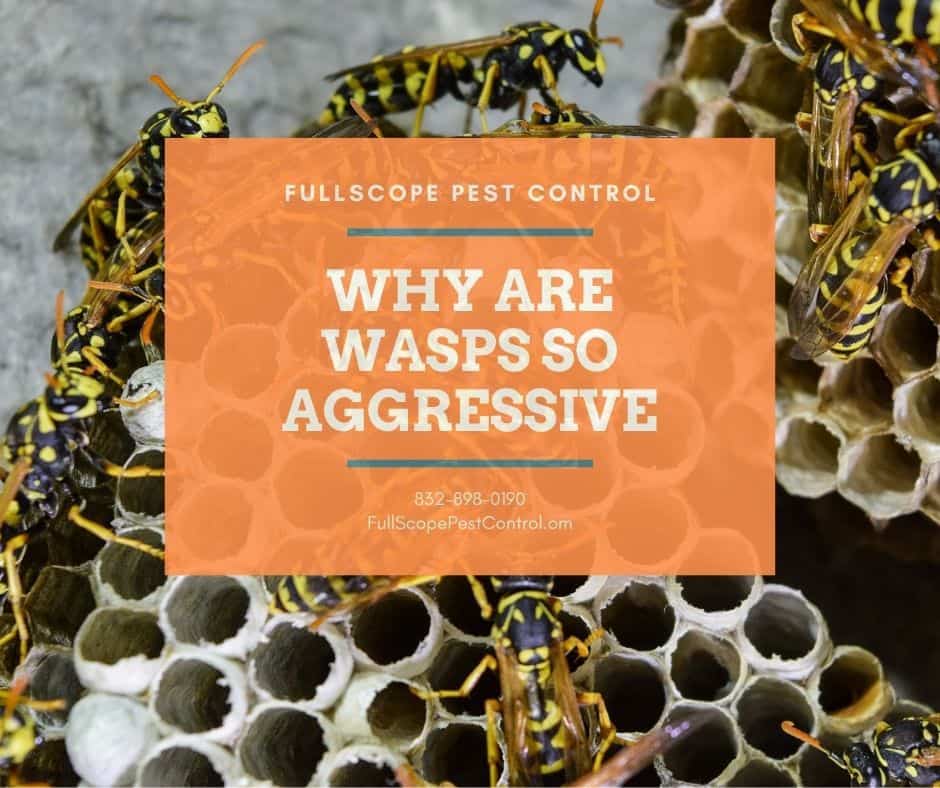
Why Are Wasps Aggressive? When you hear the common term “wasps,” you probably think specifically of Paper wasps. There are actually several thousands of wasp species that we know of, found all over Texas, many of which are aggressive, and others which are not. “Wasp” is usually used in reference to flying, stinging insects known as “social wasps,” many of which build nests and colonies. Many of these wasp species (e.g., Paper wasps, hornets, yellowjackets, etc.) can become very aggressive when threatened, and then there are others, like Mud daubers, that are more loners, and not as aggressive as social wasps, but which will attack and sting if provoked. Most wasp species actually remain isolated and are harmless to humans.
Managing Ground Wasps
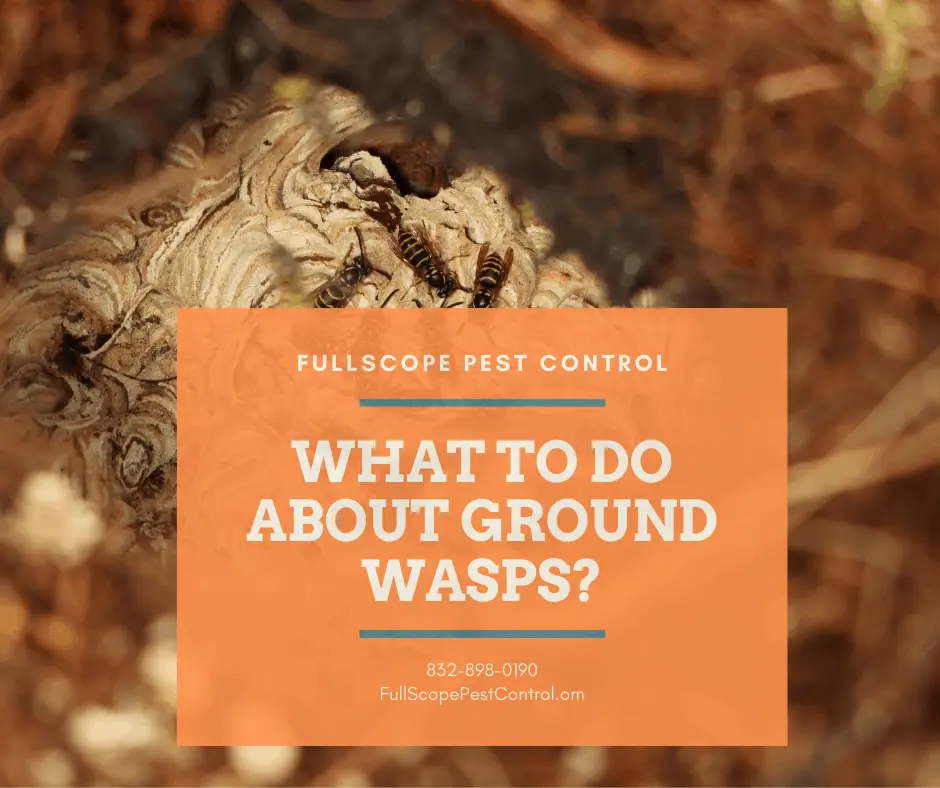
How to Get Rid of Texas Wasp Ground Nests When you think of wasp nests, probably what comes to mind are Paper wasp nests hanging from underneath the eaves of their home, or up in a corner of your covered patio, or maybe even hanging in a ceiling corner of your garage. Then, there are wasp nests built into low hanging branches or shrubbery or in tree hollows in your yard. There are also wasps that build their nests right in the ground, which are often referred to as “ground wasps” (most notably, yellowjackets). “Wasp” can also refer to other stinging social wasps, such as hornets, yellowjackets, and Mud daubers.
Effective Wasps Extermination Techniques
What Homeowners Should Know About Wasps Removal As it heats up between spring up until it starts cooling down in the fall, you’ll likely see stinging insects, like bees or wasps hovering around at some point. They usually fly away from their nests, 300 to 1000 yards away, as they forage for food and water. There’s a better chance of seeing them around your pool, hovering and skimming around the surface of the water. But you might see more and more throughout the sweltering summer months. This is the time of year when wasps and other stinging insects really thrive. Wasps and other stinging insects are often attracted to the food from cookouts, to swimming pools, and to other sources of water. Maybe they can smell the sweet soft drink you left near the pool’s edge, and just want a sip. As summer progresses through July, August, and on into the fall, wasps will begin fattening up their colony’s queen(s) to get ready to overwinter so that she can begin a new colony next spring. Wasps love any foods or drinks with plenty of sugar: Fruits, desserts, soft drinks, etc. Even if they have to go find it in your trash can. Recommended Read :WASPS REMOVAL NEAR ME IN PORTER, TEXAS
Wasps Removal Near Me in Porter, Texas
Maybe you’ve started to notice wasps circling your yard, or worse yet, a wasp nest on your Porter property. If you know you or someone in your family is allergic to bee and/or wasp stings, wasps removal is not a job you want to do yourself! Severe allergic reactions to wasp stings can prove fatal for someone with allergies who gets stung.
Wasps in Texas: What You Should Know
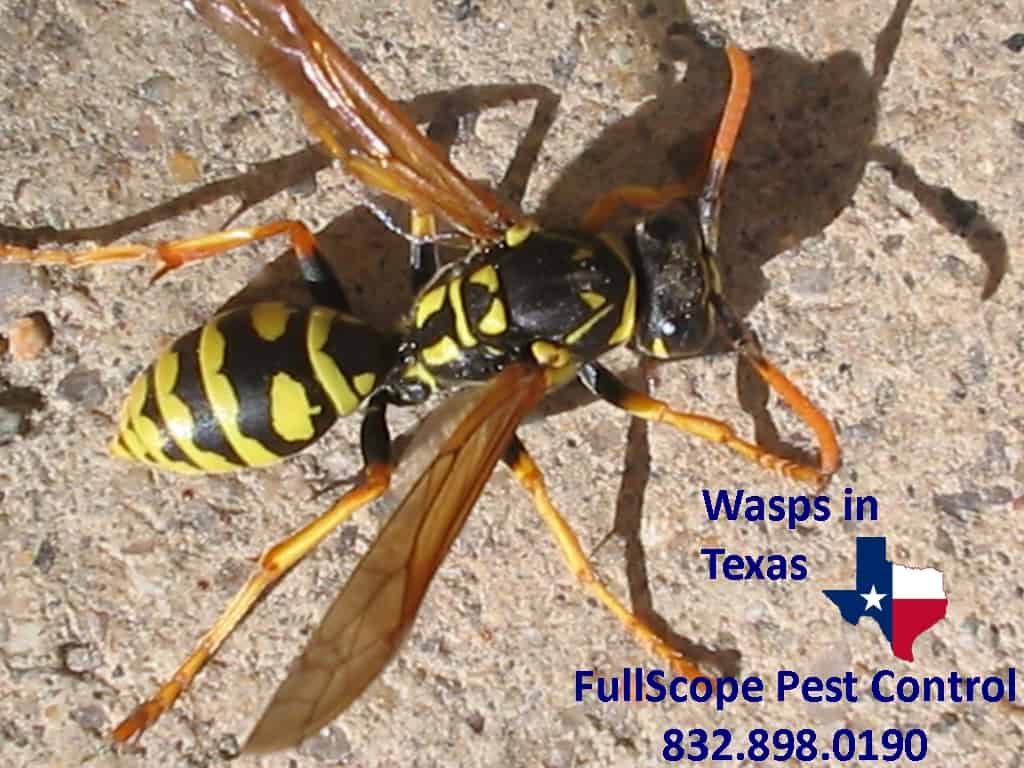
There are many types of wasps and other stinging insects throughout Texas. Believe it or not, stinging insects, including wasps, are considered beneficial to the ecosystem, either through pollination and/or by eliminating other bothersome pests. “Social wasps” (i.e., Paper wasps, yellowjackets, hornets, etc.) are also considered predatory species which hunt down and feed on various species of nuisance insects as part of their diets. But that doesn’t mean you want lots of them around. Wasps that are known to live in Southeast Texas include: Paper wasps, yellowjackets, and hornets.
What New Caney Homeowners Should Know About Wasps Removal
As all Texans know, wasps are just part of living in the Lone Star State, including in New Caney, Texas. Throughout the warm weather months and into the fall, you’ll likely encounter stinging insects eventually. They are on the lookout for food and water, and sometimes shelter. They will usually leave you alone (they’re actually quite unaware that you even exist), unless you happen to “invade” their turf. “Social wasps” (Paper wasps, hornets, yellowjackets, etc.) will get aggressive, and attack (in large numbers if there are many nearby) and sting their attackers. Stings are painful enough, but can prove fatal for those with allergies to wasp venom.
How Do You Get Rid of a Wasp Nest Without Getting Stung?
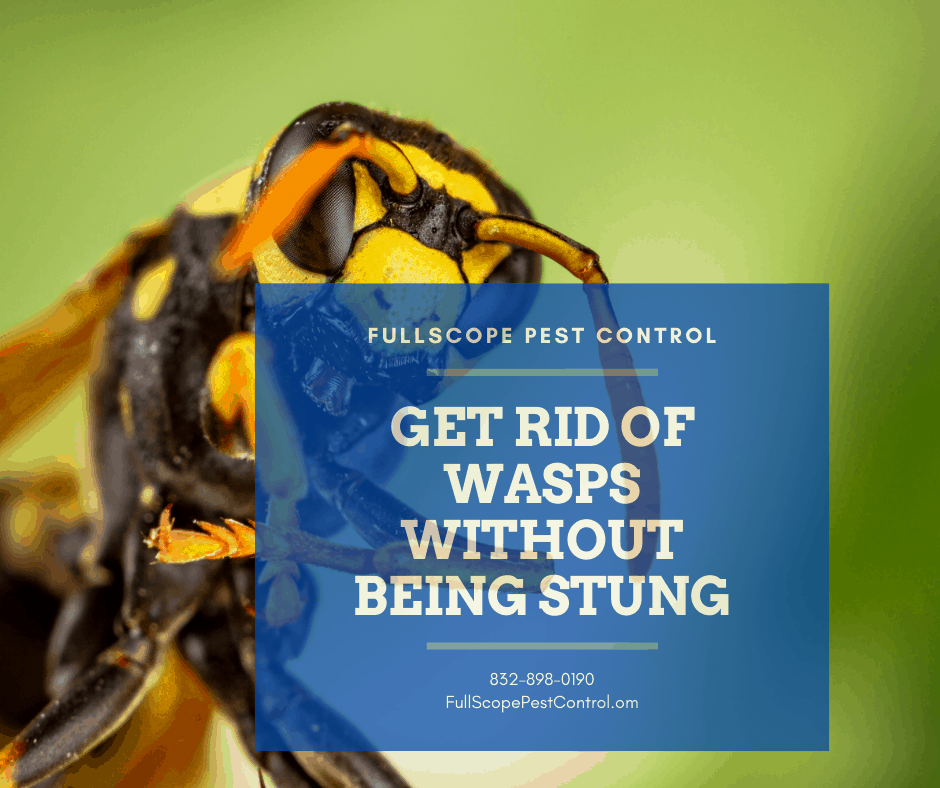
Is there a way to remove a wasp nest around your home or on your property without getting stung? That’s a tricky question, and many homeowners mistakenly believe that the best way to get rid of wasps is to go right out and remove the nest itself. Big mistake. If you attempt to remove an active wasp nest, you’re exposing yourself to getting stung by angry wasps, which is not only extremely painful, it can also prove fatal if you happen to be allergic to wasp stings. The term “wasps” can be used to reference Paper wasps specifically, but in this context, we use “wasps” to refer to “social wasps,” which are specific aggressive wasp species, including Paper wasps, hornets, and Yellow jackets. There are other, less aggressive wasp species, like the Mud dauber, who aren’t as aggressive, but that will sting you if provoked. Must Read:EARWIGS IN YOUR PORTER HOME