 1500+ reviews

Do It Yourself Rodent Control
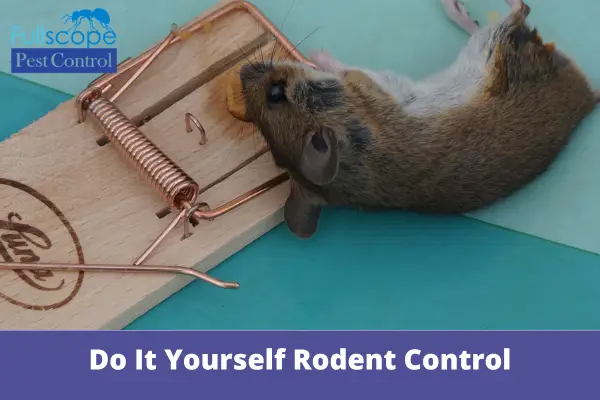
Household rodents are a significant nuisance because of the damage they may do, the infections they can spread, and the messes they leave behind. While there are pest control companies offering rodent control services, many people also want to take the initiative themselves, especially when dealing with minor issues. Here, we’ll delve into the topic of do-it-yourself rat management and arm you with the information you need to rid your home of its unwanted visitors. Understanding the Enemy Before diving into rodent control, it’s essential to understand the nature of your intruders: Life Cycle & Habits: Knowing rats’ life cycles can help target them more effectively. For example, a rat’s life span is around one year, and can produce multiple litters. Diet: Rodents, especially rats, are opportunistic feeders. They’ll munch on whatever’s available, from food scraps to your home’s insulation. Must Read: TAKE-ALL ROOT ROT IN LAWNS: WHAT YOU NEED TO KNOW Preventive Measures Before you resort to more aggressive measures, consider these preventive actions: Seal Entry Points: Identify and seal any cracks or holes in your home’s foundation, walls, and roofing. Sanitation: Regularly clean your home, ensuring no food is left exposed. Use sealed containers for storage and discard trash properly. DIY Rodent Control Techniques There are various methods you can employ to address the problem: Traps Traps are a time-tested method of rat and mouse control. You can catch them with a glue trap, a snap trap, or even a live trap. Place them around walls and entryways where you’ve seen signs of rodent activity. Check traps frequently and properly dispose of any rodents caught. Also read about getting rid of Rats Natural Deterrents Rodents have sensitive noses and avoid a wide variety of odors. Used cat litter, peppermint oil, and ammonia are all effective deterrents. Put sachets or cotton balls soaked in the repellents in a visible location close to doors and windows. Ultrasonic Devices These gadgets make high-pitched noises that are annoying to rats. Some homes have reported success with these gadgets. However, the extent of that achievement is debatable. It’s important to remember that they might only sometimes be applicable. Pet Predators Animal predators like cats and dogs can help keep rodent populations in check. The sheer presence of these animals’ scents may deter rodents. Homemade Baits If appropriately utilized, DIY rodent baits can be successful. You can lure rats and mice into traps with peanut butter, cheese, or dried fruits. However, it would help if you took care when using poison baits to ensure that pets or children do not accidentally ingest them. When to Seek Rodents Control Services Sometimes, the infestation can get too large or challenging for DIY methods. If you feel overwhelmed or if the infestation persists, feel free to seek professional rodent control services to ensure they thoroughly address the problem.At Fullscope Pest Control, we pride ourselves on being the go-to experts for rodent problems. With a team of trained professionals, state-of-the-art equipment, and a deep understanding of rodent behavior, we ensure a rodent-free environment for your home. Combining our knowledge with your initial DIY efforts, we promise comprehensive solutions tailored to your needs. Remember, your family’s safety is paramount, and sometimes, DIY just won’t cut it—trust Fullscope, where expertise meets dedication. Let us help you reclaim your home today!
How to Control Pocket Gophers
Gardening enthusiasts frequently confront the issue of dealing with pocket gophers, those annoying rodents that can wreak havoc on lawns and gardens. These little critters are known for their extensive tunneling and voracious appetite for plant roots, making them a problem for homeowners. However, with the proper knowledge and tactics, you may efficiently control pocket gophers and secure your prized garden. Let’s find out numerous approaches and techniques for regaining control of your outdoor environment. What Are Pocket Gophers? Pocket Gophers, commonly known as gophers, are burrowing rodents named after their vast cheek pouches or pockets carrying food and nesting materials. This way of holding food in their cheeks frequently causes them to be mistaken for a chipmunk, a woodchuck, or a squirrel. Pocket gophers can cause significant harm not only by burrowing but also through their dietary habits. Pocket gophers consume almost anything. However, the majority of their food comes from underground. They excavate tunnels and feed on roots, bulbs, and tubers, resulting in soil mounds known as gopher hills. Pocket gophers have sharp incisors and powerful front claws that allow them to construct intricate burrows quickly. Also about Rats In Kitchen Determine The Existence Of Pocket Gophers Confirming the presence of pocket gophers in your garden is the first step in managing them. Fresh mounds of soil indicate gopher activity in the shape of crescents or horseshoes. Plants may also wilt or die as a result of damaged roots. Another indicator is the presence of underground tunnels, which can be discovered by probing the soil with a metal rod or a gopher probe. Use Non-Lethal Methods There are various non-lethal gopher management solutions if you choose a more humanitarian approach. Installing wire mesh barriers around vulnerable regions, such as garden beds or tree roots, is one helpful strategy. The mesh should be buried at least 2 feet deep to prevent gophers from tunneling beneath it. Furthermore, using ultrasonic devices or repellents that create vibrations and aromas that gophers dislike will deter them from invading your garden. Trapping Pocket Gophers Trapping is a popular approach for controlling pocket gophers. Several sorts of traps are available, including box and cinch traps for gophers. To enhance your chances of success when utilizing traps, locate active tunnels and install the traps properly. Bait, such as fresh vegetables or peanut butter, can be used to entice gophers into traps. Check the traps regularly and remove any captured gophers as soon as possible. Poisonous Bait Poison baits can be used to manage gophers but should be used cautiously. There are gopher-specific rodenticides that should be used according to the manufacturer’s directions. Safeguarding non-target animals and avoiding accidental consumption by children or pets when employing poison baits is critical. Place the baits in secure bait stations or subterranean tunnels for optimal effectiveness and safety. Natural Predators Encouragement of natural predators of pocket gophers can aid in population management. Predators of gophers include owls, hawks, snakes, and domestic cats. Making your property more appealing to these predators, such as erecting birdhouses or providing nesting materials, can attract them. However, depending entirely on natural predators may not give total control because various conditions control their existence. Cultivation Methods Certain horticulture techniques can help keep pocket gophers out of your garden. Planting gopher-resistant plants, for example, can reduce their appeal to your yard. Plants with strong odors, such as garlic, daffodils, and marigolds, and those with harmful chemicals, such as castor beans or euphorbias, fall into this category. Regular soil cultivation and tilling can also disrupt gopher tunnels and make the environment unsuitable for them. Conversely, tilling should be done cautiously because it may encourage gophers to enlarge their tunnel systems. Fencing For Exclusion Another successful way to control pocket gophers is to construct physical barriers such as exclusion fencing. Use hardware cloth or wire mesh with small apertures (approximately 1/4 inch) to build a fence around your garden or specific areas you want to protect. To prevent gophers from tunneling behind the fence, bury it at least 2 feet deep. To stop gophers from climbing over, make sure the fence is 1-2 feet above the ground. Soil Improvements Pocket gophers can be deterred by changing the soil composition and making your garden less enticing. Gophers love loose, well-drained soil. Thus thick clay or compacted soil amendments may prevent their presence. Furthermore, putting sharp items into the ground, such as gravel, crushed oyster shells, or volcanic rock, might make digging challenging for gophers. However, remember that these amendments may interfere with the growth of your preferred plants, so use them sparingly. Monitoring and Maintenance Controlling pocket gophers requires regular monitoring and care. Inspect your garden regularly for new evidence of gopher activity, such as new mounds or damaged plants. When you discover their presence, act quickly to set traps, fix fences, or use repellents. Check traps regularly, remove any captured gophers, and alter your management tactics as appropriate. Being proactive and diligent can help you stay ahead of the gopher population and reduce the damage they might wreak. Must Read: HOW DO I GET RID OF GERMAN ROACHES? Conclusion Pocket gopher control in the garden necessitates a multifaceted approach. You may drastically reduce gopher numbers and safeguard your plants by combining cultivation techniques, non-lethal methods, trapping, and the cautious use of poison baits. Encourage natural predators and deploy exclusion fences or soil amendments to supplement your control efforts. To ensure long-term success in managing these garden pests, it is crucial to regularly monitor and maintain your efforts. If you need professional assistance, Fullscope Pest Control is here to help. At Fullscope Pest Control, we specialize in effective pocket gopher control for residential gardens. Our experienced team understands these pests’ challenges and can provide the expertise and tailored solutions you need. We will implement our treatment plan using safe and effective methods to remove the pocket gophers and prevent future infestations. With our help, you can reclaim your garden from pocket gophers and create a thriving outdoor space.
Are Squirrels Part Of The Rodent Family
One of the most widespread creatures and frequent pests worldwide is squirrels. Squirrels can cause damage to property while looking for a spot to nest and eat. Whether or not squirrels are rodents like rats, mice, or gophers is one of the most often asked inquiries in our expert field. What Are Squirrels? Squirrels are members of the Sciuridae family. They are also members of the scientific order Rodentia. They belong to the same family as chipmunks, marmots, prairie dogs, flying squirrels, ground squirrels, and tree squirrels and are medium-sized rodents that climb trees. The fact that they breathe air and give birth to live young rather than eggs proves that squirrels are mammals. They are rodents and distant relatives of other rodent species like mice and rats. Their heads are comparable in size and shape to rodents, and they have sharp teeth that are constantly growing. They also have similar ear shapes. What Do Squirrels Look Like? Squirrels resemble other rodents like chipmunks, rats, and mice in appearance, yet they are also very different. Most squirrels are small to medium-sized, and their length can vary from 10 centimeters to three feet. The weight of a squirrel ranges from 11 to 18 pounds on average. Squirrels have long rear legs, small forepaws with tiny underdeveloped thumbs, and pads and claws on their fingers to help them climb. They have short, rounded ears and pointy faces with sharp teeth, allowing them to eat tough food like acorns and nuts. Their eyes are typically black and slightly larger than those of rats or mice. Squirrels are distinguished from rats by their long, bushy tails covered in brown, gray, or black fur with a silky texture. The underside of their tails can be lighter in color. Why Are Squirrels Considered Pests? Compared to rodents like rats or mice, squirrels are not thought to be nearly as harmful. Squirrels can enter homes and other properties’ attics and wall cavities. Additionally, it is conceivable for squirrels to gnaw through food in kitchens, but most squirrels are looking for acorns and tree nuts and burrow through roof tiles and walls to get into attics. Most of the time, when squirrels eat their way inside, they are not searching for human prey but rather a spot to nest and raise their young. Squirrels can breed and multiply within walls and attics, causing damage by chewing holes in roofs and walls. Eliminating them can be challenging as they are territorial and tend to build nests in these areas. Property damage is where squirrels pose the greatest threat to homeowners. Squirrels can contaminate food and harm crops if you own or run farms, food processing, or storage facilities. For instance, squirrels love to eat corn and will do so in farms or storage facilities. Must Read:HOW TO REMOVE SPIDER EGGS Conclusion Homeowners often hear squirrels running around in basements, attics, or between the walls during the day or night. To stop this property damage and eliminate the infesting squirrels and their nests, contact Fullscope Pest Control and discuss squirrel treatment, removal, and prevention programs. We have a full team of licensed and certified pest control professionals who can effectively manage your squirrel problem. Whether you need preventative measures or complete removal, we can help!
7 Rodent Control Techniques For Rental Property
Rodents are ubiquitous in any home but can cause havoc in a rental. Multiple units and occupants can attract rats in various ways, and once an infestation has begun, it is tough to control. Property managers are aware that they must address the issue immediately, but how can they do so effectively? Prevention, management, and tenant communication can help everyone be on the same page to drive rodents out. Here are some techniques: Remove Points of Entry Finding out how the bugs got in is the first order of business. Mice can squeeze through gaps as narrow as human hair. Mice can enter via holes the size of a penny they have chewed. Mice can chew through walls and enter through a hole the size of a coin. The majority of prevention can be accomplished by rigorous inspection. Eliminate Food Sources Mice don’t eat much, but they can contaminate huge food stores. That Costco-purchased huge box of cereal is useless unless the tenants want to risk a bowl of hantavirus for breakfast. Mice are resourceful critters who will probe kitchens in search of new foods to eat. Lay Traps To eliminate an existing infestation, traps should be set. Because mice often move in groups, numerous traps will be required. Whether you pick the traditional snap trap or the capture-and-release method, be prepared to check for success periodically and dispose of mice swiftly. Depending on whether or not the flat is occupied, property managers and tenants should set traps along the walls and use bait like peanut butter to lure mice. Must read Rodent Control in New Caney Clear Out Storage Spaces Rodents can infest shared spaces in your building, such as an attached storage unit or basement before you or your tenants realize it. Landlords should conduct an annual cleanup and check and treat the space for bugs to avoid further infestation. Use Peppermint Oil Some suggest that peppermint essential oil or peppermint plants effectively repel mice and spiders, two pests that most tenants prefer to avoid. Property managers can apply a tiny amount of peppermint oil around areas of the probable entrance. Maintain a Well-Manicured Lawn Mice, like humans, are sneaky little crooks who like to conceal themselves after stealing into a building. Both types of criminals can be deterred by regularly trimming the landscaping outside the building. Regular maintenance has many advantages, including reducing the likelihood of insect infestation and improving the property’s curb appeal. Get a Cat Having a nature-engineered pest-control service as a tenant isn’t foolproof, but it does have its advantages. The presence of cats can deter mice from rental properties and attract reputable tenants if you’re on the fence about permitting pets. It is important to evaluate your lease and include any necessary protection measures before agreeing to any allowance to ensure that the agreement is fair to both sides. Most cats enjoy keeping the rodent population in check, but landlords should still impose sensible limits on the number of animals permitted per dwelling. Must Read: 3 REASONS WHY COCKROACHES ARE DIFFICULT TO CONTROL Conclusion Pest management is typically the responsibility of the property owner. However, this does not mean that the tenant is always free of liability. Tenants must keep the property in good repair by ensuring it meets minimum sanitary requirements. Unless the renter is negligent, the landlord is liable for pest control. Fullscope Pest Control has a team of experts ready to assist you in getting rid of pests!
FAQ: Wildlife and Rodent Exclusion
1. What is wildlife and rodent exclusion? Wildlife exclusion, also called rodent exclusion, is the practice of sealing a building in such a way as to prevent rodents and other animals from entering. This is done by closing all potential entry points into the building, including cracks and crevices, openings around pipes and wires, and gaps beneath doors. Exclusion can be an effective way to reduce the number of rodents in a home or business, and it is an important part of any rodent control program. 2. What are the benefits of wildlife and rodent exclusion? When you think of your home, what comes to mind? Safety, security, and comfort are likely at the top of the list. Unfortunately, pests can compromise all of those things. Pests like rodents and wildlife can cause structural damage to your home, spread disease, contaminate food, and more. That’s why it’s important to exclude them from your home in the first place. Here are just a few of the benefits of wildlife and rodent exclusion: Rodents and other pests can cause significant damage to your home if they’re allowed inside. They can gnaw through wiring, insulation, framing, and more – which can lead to fires or electrical problems. Rodents also contaminate food with their droppings and urine, which can make you sick. Wildlife can damage roofs and siding as they try to get into your home, not to mention that they often leave behind messy nests. Exclusion is one of the best ways to prevent these issues from happening in the first place. By installing barriers around your home – like metal flashing or sheeting on roofs and Vinyl mesh screens on vents – you can keep pests out without using harsh chemicals or traps that could harm animals in the process. Exclusion is a safe, humane way to protect both your family and your furry friends. 3. How do we exclude rodents and wildlife from my home? Mice and other rodents can be a real nuisance in your home, invading your food sources, damaging property and even spreading diseases. While exclusion is the best way to prevent these pests from entering your home in the first place, it’s not always easy to do on your own. Let a professional pest control company help you exclude these pests and keep them out of your home for good. First we identify the potential openings for rats, mice, squirrels and raccoons. These could be areas on the roof line, A/C lines, and even weep holes that can allow animals to take up residency. Once openings are identified, we will then inspect the attic areas, and garages, to identify what particular animal that we are dealing with, because this will determine the exact form of trapping. Both exclusion and trap installation will occur on the same day. Larger animals such as raccoons and squirrels will be allowed to exit the structure with excluders doors, for smaller rodents, traps will be used and return visits scheduled. Must Read: ASIAN COCKROACHES – WHAT HOMEOWNERS NEED TO KNOW 4. What are some of the best products for exclusion? Exclusion best practices include completely sealing the structure, all entry points are sealed with a combination of high quality products that are rodent and wildlife proof. 5. How do I know if I have a wildlife or rodent problem? Sometimes you might not even know there is an issue, our pest control team is highly trained to inspect and identify any potential issues that may occur. Sometimes you hear scratching or activity in the walls and ceiling. Sounds, smells, and rodent droppings would be the most common indicators of a rodent problem. 6. Do You Have to Do Exclusion Every Year? No, exclusion is usually only done one time if done well. New roofs, or damaged siding, and soffits can lead to new openings that can allow rodents and wildlife inside the home at other times. Looking for a pest control company that is different from the rest? Look no further than FullScope Pest Control. Our professionals are dedicated to providing you with the best possible service. Contact us today to speak with a professional about your pest control needs.
How to Find the Best Rodent Control Near Me
No one wants rodents in their home. Not only are they gross, but they can also be dangerous, carrying diseases that can be harmful to your family. If you’re dealing with a rodent problem, you need to find the best possible rodent control near me to get rid of them for good. Here’s how to find the right company for the job. 1. Look for a Pest Control Company That Offers a Free Inspection The first step in finding the best possible rodent control near me is to look for a company that offers a free inspection. This way, you can be sure that they know what they’re doing and that they’ll be able to properly identify the problem. A free inspection will also give you a chance to ask questions and get more information about the company before committing to anything. Must Read About Pest Proofing Your Home 2. Ask for Recommendations from Friends or Family Members If you know someone who has recently had a rodent problem, ask them who they used for pest control. They’ll be able to tell you firsthand whether or not the company was effective and if they would recommend them. Getting a recommendation from someone you trust is always a good idea. 3. Read Online Reviews Another great way to find the best possible rodent control near me is to read online reviews. Customer reviews will give you an idea of what others have thought about a particular company’s services. Make sure to read both positive and negative reviews so that you can get a well-rounded idea of what to expect. 4. Make Sure the Company Offers a Guarantee When you’re looking for rat and mice control near me, it’s important to make sure that the company offers some sort of guarantee. This will ensure that you’re satisfied with the results and that your money isn’t being wasted. A good company will stand by their work and offer guarantees on both their workmanship and on the results achieved. 5. Make Sure the Rodent Company is Licensed Pest control services as well as trapping and the application of rodenticide requires a license. Confirm they are licensed with the state of Texas as well as insured. Easiest way to tell is that the vehicles contain TPCL numbers that are clearly visible on the vehicle. Recommended Read: How to Eliminate Mice and Rats From Your Home Conclusion: Finding the best possible rodent control near me doesn’t have to be difficult. Just make sure that you look for a company that offers a free inspection, ask for recommendations, read online reviews, and make sure they offer guarantees on their workmanship and results! Do all of this, and you’ll be sure to find the perfect company for your needs! Exclusion and trapping needs to be done correctly to prevent reentry into the structure, verify these 5 items will help you have peace of mind about your decision.
Pest Proofing Your Home: A Comprehensive Guide
No one wants pests in their home. Not only are they unsightly, but they can also pose a serious threat to your health and the structural integrity of your home. The good news is that there are a number of things you can do to prevent pests from taking up residence in your home in the first place. In this comprehensive guide, we’ll show you how to pest-proof your home so you can rest easy knowing that both you and your house are safe from harm. Seal Cracks and Gaps One of the most effective ways to keep pests out of your home is to make it as difficult as possible for them to get inside in the first place. Take a walk around your home and look for any cracks or gaps in the foundation, windows, and doors. These are all potential entry points for pests, so it’s important to seal them up with caulk or weatherstripping. Not only will this help keep pests out, but it will also improve the energy efficiency of your home. Also, read about Autumn’s Unwanted Guests Pest Pest-proof your Porch and decks These areas can be great harborage areas for insects, rodents and wildlife. Make sure that you try to limit access to rodents and wildlife. Keep the decking clean of leaf litter, and sweep those leaves away. Window Pest Proofing Make this step an annual event, take a step back and inspect for damaged screening and any gaps and openings that need to be addressed. These are ideal entry points for mosquitoes, ladybugs and stink bugs that overwinter. Related Article: How to Keep Boxelder Bugs Out of Your Home This Winter Must Read:AUTUMN’S UNWANTED GUESTS: THE ASIAN LADY BEETLE Keep Your Home Clean Another way to deter pests is to keep your house clean. Many pests, such as cockroaches, are attracted to food sources, so it’s important to keep your counters and floors free of crumbs and spills. Put away food in airtight containers, and take out the trash regularly. You should also sweep and mop regularly to remove any food sources that might be attracting pests. Keep your floors clean and vacuum often. If you think you have fleas, vacuuming will not eliminate them, you will need to call in the big guns, your local pest experts. Eliminate Moisture Sources Moisture is another attracting factor for many types of pests, so it’s important to eliminate any sources of moisture in your home. Repair leaks in plumbing fixtures and appliances, and make sure that drains are clear so they don’t overflow. In addition, use a dehumidifier in areas of your home that tend to be moist, such as the basement or laundry room. By eliminating moisture sources, you can make your home less attractive to pests. Pest-proof Your Roof Check for gaps or holes in facia boards, soffits, roofline, roof pitches, gables and roof vents. Remember that rats can enter a home through an opening as small as a quarter. Larger openings can allow squirrels, and even raccoons to take up residency. Think you have a problem, call your local pest professionals, to come out and inspect and offer you an exclusion plan. Check Your Doors Even the smallest gap on the side or underneath of your door can allow insects, and even snakes to enter. Make sure your door sweeps and thresholds at the base of exterior doors are in good condition. Trash and Recycling Bins Don’t let your trash and recycling pile up, keep them covered and sealed. Regularly clean all trash receptacles to prevent insect invasions. Pest Proof Down Low Make sure to check areas at the base of the home home, look for large weep holes, seal up electrical line openings as well as plumbing penetration and A/C lines. Inspect for mortar cracks and repair accordingly. Conclusion: Pests are more than just a nuisance; they can also pose a serious threat to your health and the structural integrity of your home. Luckily, there are a number of things you can do to prevent pests from taking up residence in your house. By sealing cracks and gaps, keeping your home clean, and eliminating moisture sources, you can make your house much less attractive to pests—and much safer for yourself and your family. If you are wanting to keep unwanted pests from entering your home, talk with your local pest experts. We can help you to identify the pest, locate the likely points of entry and eliminate the potential from invasion.
How To Eliminate Mice And Rats From Your Home
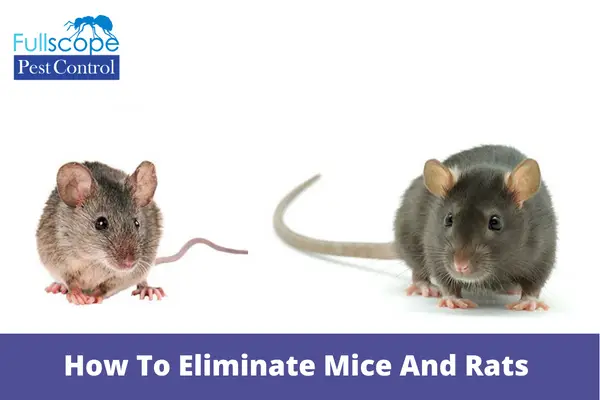
Infestations of rodents like mice and rats can risk your most valuable possession. Not only can they wreak severe damage to the furnishings and structure of your home, but they are also equipped to spread disease, which is a significant downside to having rodents in your home. The longer a rat infestation is allowed to take place, the greater the risk that permanent damage may occur. This is why it’s essential to evaluate the threat posed by rodents in the house and devise a strategy to eliminate them. The following are some ways to prevent the invasion of rats and mice into your homes. Get Rid Of All Food Sources Small amounts of food are sufficient for mice every day. Get rid of the foods they enjoy eating, and they will leave your home alone. Mice can’t chew through glass or metal; therefore, storing dry things like grains, pet food, and anything else is safe. Also, immediately clean up any leftovers or spills to keep mice away from your home. Try Having A Cat Getting a cat may be the least complicated option to eliminate mice from your home, provided no one there is allergic to the cat. Mice may leave if they detect the odor of cat pee. Or, you could buy some ammonia in its purest form. Mice will flee from ammonia because it smells like a cat’s urine. Put cotton balls drenched with ammonia in the areas where you think mice could gather. Use Live Traps The ideal method of trapping is humane trapping. In most cases, traps are used over poison bait because of the reduced risk to human and animal health. However, if the infestation is too large and endangers your household, you should use spring traps or contact a professional pest control service. They will be able to do the job for you quickly. Also, know about types of ants. Eliminate Their Access To Your Garbage Rodents, much like flies and cockroaches, are drawn to waste containers. To prevent mice or rats from getting in, use a garbage can with a sturdy cover or secure it with rubber cords; metal containers are ideal. Keep the cans regularly clean to eliminate odours that might attract rodents. Block Any Potential Points Of Entry Mice and rats will want to get inside when the weather becomes colder. Seal cracks or gaps in your home’s foundation, siding, or window frames using caulk or weatherstripping to prevent unwanted visitors. Duct tape any holes and insert steel wool into vents to deter invaders without limiting airflow. Mice will be naturally discouraged by steel wool due to the impossibility of chewing through it. Mice and rats easily transmit diseases. Thus quick action is required. Because of their rapid reproduction, an invasion becomes increasingly difficult to contain the longer it is left to continue. Eliminating them as soon as possible is necessary! Save the hassle and contact Fullscope Pest Control. We have a wide range of services for pest control, not just for rats and mice. Call us or visit our page to learn more about our services!
Signs of mouse and rodent infestation
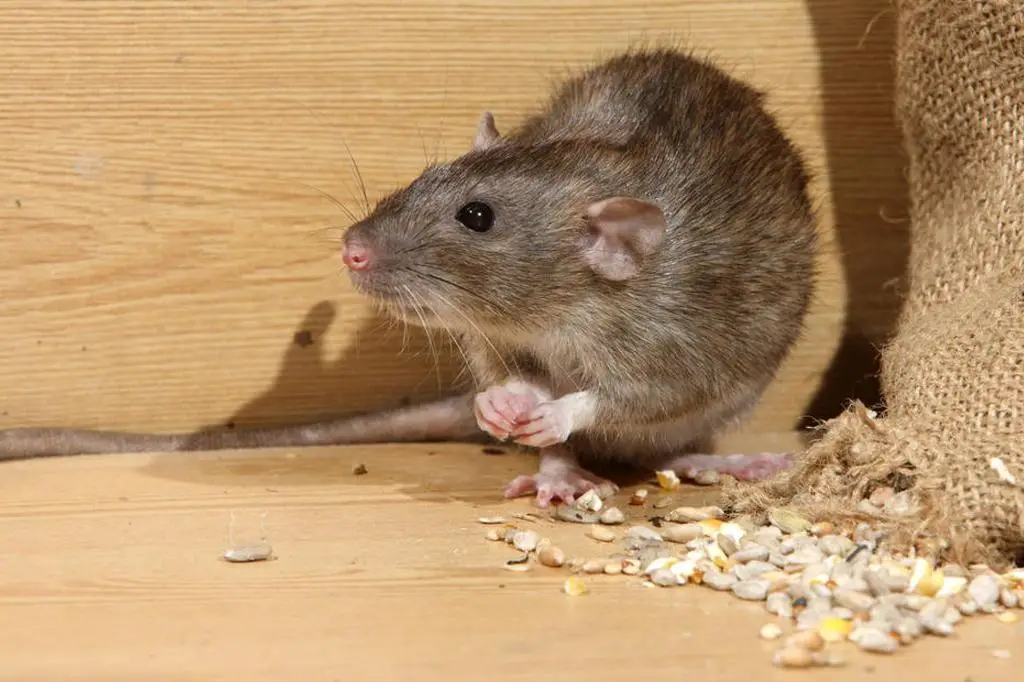
If rats are only observed at night and yet never throughout the day, the colony is unlikely to have grown too big, and trapping and bait can be used to suppress it. Suppose you observe any rats throughout the day, a lot of fresh excrement, or new gnawing marks. In that case, it’s likely that the colony has grown relatively large and that you’ll need expert help if you haven’t previously called Porter Texas pest control firm when you first noticed the problem. There are various mouse and rat infestation indications that you may use to quickly establish the presence of rodents in your home and take the required steps to eliminate them. Check for these signs to help you figure out if you have an active and retired rodent infestation in your residence. Signs you need Pest Control Services in Porter Texas against mouse and Rodent Infestation 1. Dropping Rodent and mouse droppings dry out and get older and greyish as they are older, and if relocated, they disintegrate. The consistency of new droppings is lustrous and dough, but the appearance of aged droppings is rigid and brittle. Different excrement sizes confirm the existence of youth and adults, and a large number of droppings indicates a massive infestation. 2. Urine smells It is most probable to occur whenever rats have recently infested a location, and the stench of their pee has become unbearable. If you observe your pet meowing at anything it has previously minimized interest in, get a torch and inspect the surrounding. 3. Gnawed openings New rodent gnaws marks are lighter in color than droppings and get deeper as they decay. The gnawed holes might be seen on packaged foods or the surfaces. Matching a gnaw mark you recently discovered with those on the same item are older is one technique to know the time. It could be a sign of an uninterrupted infestation if the freshly discovered marks are lighter in color. You should immediately call for pest control services Conroe TX if you notice gnawed openings in your home. 4. Gnaw and rub marks Greasy rub marks are left whenever rodents approach boundaries. If the rub marks smudge, you know they’re new. Gnaw marks on the timber around the home can also be a sign. 5. Runways for rodents Walls and floors, retaining structures, terraces, pipelines, power cables, cables, tree limbs, and barrier rails are all popular rat paths. Rodent pathways and tracks are expected to be noticeable if rodents are active today somewhere in your home, getting paler as time passes. Scratch markings, footprints, urine stains, or excrement will be visible. If there are rats around, you’ll most likely find their tracks in the powder. 6. Nests of rodents Rodents will build their nests from shredded paper, fabric, or dried plant matter. If these locations are discovered, and any adverse symptoms of existing roads (new droppings, chewing, stench, or tracks) are present, your home is most likely still infested. Norway rats build their nests in deep tunnels in the ground. Roof rats like to build their nests in attics, trees, or greenery above land. 7. Noises of scampering If you hear noises in the middle of the night, it’s a clue that mice or rats are still present in your home. They’ll be heard scurrying beneath the floorboards, around the cupboards, or burrowing behind walls and joists. Even muffled squeaking can be heard. Solutions for Pest Control Hiring Pest control services Conroe Tx and other pest control methods are essential because pests are hazardous for humans. Some rodents are poisonous and might be resulting in the sickness of the persons living in the house, tiny kids that don’t know how to deal. Here are some pest control strategies discussed: Traps Traps are by far the most widely used Porter Texas pest control method. There seem to be a variety of traps available currently, varying from click traps to attach traps. Snap traps are cheap, simple to use, and intended to kill rats quickly. Adhesive traps are an excellent way to keep mice under control without endangering fingers or paws being snapped. Recommended Read : WHAT TO DO ABOUT BATS Baits Baits are a no-mess, easy-to-use alternative for getting rid of mice and rats. Bait blocks are poisoned blocks placed in a high-traffic area where the rodent can enter. After nibbling on the bait block, a rodent will depart the station and die within 1-2 days. However, these methods might not prove effective, if the infestation has increased to a large number. In such cases, you will need to hire professional Porter Texas pest control services to get rid of mice and other rodents effectively and permanently.
Five Common Fall Pests
Five Common Fall Pests in the North Houston, Texas Area by FullScope Pest Control When fall approaches, North Houston, Texas area residents get to the time of year when it’s smart to start being watchful for household pests. Wasps, spiders, roaches, and rodents can all cause problems. Even mosquitoes are still active into late November. You can definitely put plenty of preventive measures into place to help keep these nuisance pests at bay, but at some point, you should be prepared to seek professional assistance when an infestation is underway. Your Home is a Refuge for Pests Don’t take it personally, but insects and other pests are always on the lookout and are natural at finding warm shelters for the winter (this is known as overwintering). Not all pests die off during colder months, and your home is a key target because it offers access to shelter, food, and water. North Houston, Texas homes serve as a cozy hideaway for critters who are not built to survive the cold outdoors. And your home looks just perfect. The first thing to remember in pest control is that you don’t need to hunt down and kill every single pest: when you remove the reasons pests enter your yard or home to begin with (shelter, food, and water), they will simply go elsewhere. How to Stop Pest Invasions Regular ongoing maintenance for your home and yard is far more effective than a one-time, catch-all silver bullet treatment. In fact, such a treatment doesn’t exist to eliminate all pests in your home and yard. You just need to be proactive and consistent. Some Fall Pests to Watch for in North Houston Paper Wasps and Yellow Jackets Paper wasps and Yellow jackets are very active in late summer through the fall. They are frequently attracted to sugary things, and these stinging insect pests are prone to build nests underneath eaves, in sheds, garages, and other outdoor structures. Swimming pools and picnic areas are big draws for Yellow jackets in particular, and can build nests in the ground around your yard, as well. As for paper wasps: make sure if you’re spraying a wasp nest, that you are using a foam spray product that you can apply from a safe distance away (at least 15-20 feet). Mosquitoes Mosquitoes in Texas can remain active through late November. Still laying eggs, and still giving you itchy bites. And spreading diseases. Yes, mosquitoes not only give irritating itchy bites. They are disease vectors. Keep your yard free of puddles and other standing water (including kiddie pools and bird baths) where these annoying insect pests can breed. Clean your rain gutters out to keep them flowing. Spiders Spiders aren’t necessarily bad pests (though some are definitely poisonous if you disturb them and they bite you). They are hunters and help keep areas free of pests, so if you have insect pests at home, it will undoubtedly attract spiders. Most spiders are harmless and are beneficial pest control experts themselves, but most homeowners don’t want them around. As with all pests, if you get rid of what draws them, they will go elsewhere. Destroy spider webs whenever you find them, if you don’t like the idea of these arachnid hunters crawling around. Cockroaches Roaches love warm weather and warm, damp environments, and you will typically see them active in North Houston through at least September and October. If you have the bad luck of hosting a breeding pair that becomes established in your kitchen or bathroom, it won’t be long before the roach population quickly spikes. Roaches are filth pests, and they carry bacteria and diseases with them wherever they go. They can cause and make asthma worse. Be aware that roaches are hearty survivalists who have been evolving for thousands of years, and are resistant to many kinds of extermination methods and pesticides. Even when you have eliminated the bulk of a nest, they can still make a comeback. If you are seeing one or two roaches, most likely there are hundreds more nearby. You may need to call in a professional. Rodents Mice and rats are known scavengers and sly invaders. They build nests indoors whenever they have the opportunity, and are active in the autumn (getting ready to overwinter somewhere). They can often be found in garages, sheds, attics, and basements. Rodents have sharp teeth and powerful jaws, and can chew through wires, drywall, paneling, and other household materials in no time. Baits and traps can help, but if you have a serious infestation, a professional pest control company is your best bet. There are many effective fall steps you can take to help curb the invasion and spread of pests in your home and yard. Here are five basic tips to help you get started: Keep your grass trimmed short for as late into the season as possible. Get rid of yard litter, leaf piles, sticks, branches, and any other organic debris, and keep firewood and mulch at least 20 feet away from the side of your home. Inspect the exterior of your home, looking for any holes, cracks, gaps, etc., and seal them up with caulk. Screen over vents and entry points where pipes and wires may enter your home. Replace weatherstripping around your doors and windows, including door sweeps. Make sure screens are in good repair. Keep tree branches and shrubbery trimmed away, at least an inch, from the side of your home. This helps prevent pests from having easy access to the side of your home, where they can more easily enter through holes or other entry points. Clean out your rain gutters and make sure they are draining properly, and diverting rainwater AWAY from the side of your home. Water that puddles is a huge draw for pests searching for moisture (especially mosquitoes). Channeling water away from your home also helps prevent wood decay, which can draw termites, Carpenter ants, and other wood-destroyers. Must Read: WHAT ARE THE BEST RESIDENTIAL PEST CONTROL