 1500+ reviews

Mosquito Misting Systems | FullScope Pest Control

Key Highlights Mosquito misting systems are an effective and convenient way to control mosquitoes and other outdoor insects. Professional grade systems offer enhanced features and durability for long-term pest control. Introduction Welcome to FullScope Pest Control, your go-to source for the best mosquito misting systems on the market. We understand the frustration and annoyance that mosquitoes and other outdoor insects can bring, especially during the warmer months. That’s why we’re proud to offer a range of top-quality mosquito misting systems that are designed to effectively control pests and enhance your outdoor living experience. Our mosquito misting systems utilize advanced nozzle technology to create a fine mist of insecticide, targeting and eliminating mosquitoes, flies, ticks, and other annoying pests. With just a push of a button, you can enjoy an 80-90% reduction in these outdoor insects, allowing you to reclaim your yard and outdoor living spaces. One of the key advantages of our mosquito misting systems is their eco-friendly nature. We prioritize the use of environmentally friendly insecticides that are safe for use around pets and children. You can have peace of mind knowing that our systems are designed to effectively control pests without posing any harm to your loved ones or the environment. Our mosquito misting systems also feature automated timing control, allowing you to set misting schedules based on your needs. Whether you prefer to have the system mist at specific times of the day or at preset intervals, our systems can be customized to suit your preferences. This ensures that you always have optimal protection against mosquitoes and other outdoor insects. For those who prefer a hands-on approach, we offer DIY installation kits that provide everything you need to install your own mosquito misting system. With detailed instructions and support from our team, you can easily set up a system that meets your pest control needs. If you’re looking for professional-grade systems, we have you covered as well. Our selection includes high-quality systems that are built to last and provide enhanced features for long-term pest control. These systems are designed to withstand the elements and continue delivering outstanding performance year after year. At FullScope Pest Control, we believe that everyone deserves to enjoy their outdoor spaces without the nuisance of mosquitoes and other outdoor insects. With our range of mosquito misting systems, you can create a mosquito-free environment and enhance your outdoor living experience. Say goodbye to itchy mosquito bites and hello to a pest-free yard with our top-rated mosquito misting systems. Top Mosquito Misting Systems for Effective Pest Control When it comes to effective pest control and creating a mosquito-free outdoor living space, our top-rated mosquito misting systems are the ideal solution. These systems are designed to target and eliminate mosquitoes and other outdoor insects, providing you with peace of mind and allowing you to enjoy your outdoor spaces to the fullest. With advanced nozzle technology, eco-friendly insecticides, and automated timing control, our mosquito misting systems offer the ultimate in convenience and effectiveness. Whether you choose a DIY installation kit or a professional-grade system, you can trust that our mosquito misting systems will deliver outstanding pest control results. 1. Advanced Nozzle Technology System Our advanced nozzle technology system is at the forefront of mosquito misting technology. The system uses specially designed spray nozzles to create a fine mist of insecticide that effectively targets and eliminates mosquitoes and other outdoor insects. The fine mist ensures that the insecticide is evenly distributed, maximizing its effectiveness and coverage. With precise control over the spray pattern and droplet size, our advanced nozzle technology system provides superior pest control results. You can trust that every corner of your yard and outdoor living space will be protected from mosquitoes and other annoying pests. Say goodbye to swatting away pesky mosquitoes and hello to a mosquito-free outdoor environment with our advanced nozzle technology system. 2. Eco-Friendly Mosquito Solution At FullScope Pest Control, we prioritize the use of eco-friendly insecticides in our mosquito misting systems. We understand the importance of protecting the environment while effectively controlling mosquitoes and other outdoor insects. Our eco-friendly mosquito solution utilizes insecticides that are safe for use around pets and children, ensuring that you can enjoy a pest-free environment without any harm to your loved ones or the ecosystem. With our eco-friendly mosquito solution, you can have peace of mind knowing that you’re making a responsible choice for pest control. Say goodbye to harmful chemicals and hello to an environmentally friendly mosquito solution with our range of mosquito misting systems. 3. Automated Timing Control Misters Our mosquito misting systems feature automated timing control, allowing you to set misting schedules based on your needs. Whether you prefer to have the system mist at specific times of the day or at preset intervals, our systems can be customized to suit your preferences. This ensures that you always have optimal protection against mosquitoes and other outdoor insects. With automated timing control, you don’t have to worry about manually activating the system every time you want to enjoy your outdoor spaces. Simply set the schedule and let our mosquito misting system do the rest. It’s convenience and effectiveness combined, giving you complete control over your pest control needs. 4. DIY Installation Kits For those who prefer a hands-on approach, we offer DIY installation kits for our mosquito misting systems. These kits provide everything you need to install your own mosquito misting system, allowing you to save on installation costs and have full control over the process. The kits come with detailed instructions and support from our team, ensuring that even beginners can successfully set up their own mosquito misting system. With our DIY installation kits, you can enjoy the satisfaction of knowing that you’ve installed a top-quality pest control system in your yard and outdoor living space. Say goodbye to expensive installation fees and hello to DIY success with our mosquito misting system DIY installation kits. 5. Professional Grade Systems If you’re looking for the ultimate in pest control performance and durability, our
Mosquito Control Services – Mosquito Treatment Options

Key Highlights Mosquito control services are essential for ensuring peace of mind during mosquito season, as they help reduce the mosquito population and prevent itchy bites. Comprehensive yard treatments, mosquito barrier sprays, natural and organic solutions, installation of mosquito misting systems, and larvicide treatments for water bodies are some of the effective mosquito treatment options available. Understanding the mosquito lifecycle and targeting different life stages, as well as identifying and eliminating breeding sites, are crucial for better mosquito control. Introduction Mosquitoes are not only annoying pests but also carriers of various diseases, making mosquito control services vital for the well-being of individuals and communities. Mosquitoes thrive during the mosquito season, which can vary depending on the region or climate. Their itchy bites can cause discomfort and irritation, but the real concern lies in the potential transmission of diseases such as West Nile virus, Zika virus, and dengue fever. Protecting yourself and your loved ones from mosquito-borne diseases requires effective mosquito treatment options. Exploring Mosquito Treatment Options in North Houston In North Houston, where mosquitoes are a common nuisance, there are several mosquito treatment options available. These options aim to control the mosquito population and minimize the risks associated with mosquito-borne diseases. From comprehensive yard treatments to natural and organic solutions, homeowners have various choices to protect their outdoor spaces. It is important to understand each treatment option’s effectiveness, advantages, and any potential considerations before making a decision. 1. Comprehensive Yard Treatments Comprehensive yard treatments are one of the most effective mosquito treatment options available in North Houston. These treatments involve the application of mosquito control products to the entire yard, targeting areas where mosquitoes breed and rest. Professional mosquito control services can assess the size of the yard and determine the appropriate treatment approach based on the specific needs of the property. They may use sprays or granules that are designed to eliminate mosquitoes at different life stages. The treatment is typically applied to high-risk areas, such as standing water sources, shrubs, and shaded areas. Comprehensive yard treatments can significantly reduce the mosquito population and provide long-lasting protection for outdoor spaces. However, it is important to follow the instructions provided by the mosquito control service and take necessary precautions to ensure the safety of humans and pets. The effectiveness of comprehensive yard treatments may vary based on factors such as yard size, mosquito species present, and environmental conditions. It is recommended to consult with a professional mosquito control service to determine the most appropriate solution for your yard size and specific needs. 2. Mosquito Barrier Sprays Mosquito barrier sprays create a protective shield by targeting adult mosquitoes. These sprays are effective in reducing mosquito activity and minimizing itchy bites. Using a professional mosquito control service for barrier sprays can provide peace of mind and help safeguard public health. The application typically covers outdoor areas, including shrubs, patio, and perimeter of yards. Barrier sprays are a proactive approach to mosquito control, especially during peak mosquito season, and offer long-lasting protection against a wide range of mosquito species. 3. Natural and Organic Solutions Natural and organic solutions for mosquito control are gaining popularity due to concerns about the environment and personal health. By using plant-based repellents or biopesticides derived from natural sources, such as essential oils, you can effectively manage mosquito activity without harmful chemicals. These eco-friendly options provide peace of mind by reducing exposure to synthetic pesticides while still effectively managing mosquito populations in a way that is safe for people, pets, and the environment. 4. Installation of Mosquito Misting Systems Installation of mosquito misting systems is a highly effective method for long-term mosquito control. These systems work by dispersing a fine mist of insecticide at scheduled intervals, creating a mosquito-free perimeter around your property. With a rechargeable battery and programmable settings, these systems provide continuous protection against mosquito activity. Professional installation ensures proper placement for maximum effectiveness. This automated approach offers peace of mind, especially during mosquito season, reducing the need for constant monitoring and manual application of repellents. 5. Larvicide Treatments for Water Bodies Larvicide treatments for water bodies target mosquito breeding grounds effectively. By addressing larvae, this method disrupts the mosquito lifecycle, reducing the adult population. It’s a proactive approach to mosquito control, promoting public health and peace of mind. Professional services often utilize larvicides in standing water areas to prevent mosquito activity. In areas with high mosquito populations or during mosquito season, larvicides can be a crucial component of a comprehensive mosquito control plan. Strategic application can lead to a significant decrease in mosquito breeding sites. Advantages of Professional Mosquito Services Professional mosquito control services offer several advantages over DIY methods. Here are some key advantages: Enhanced Safety with Targeted Applications Professional mosquito control services prioritize enhanced safety through targeted applications. By focusing on specific areas where mosquito activity is high, experts minimize pesticide usage, reducing environmental impact. Targeted treatments also ensure that beneficial pollinators like honeybees are unharmed while effectively managing the mosquito population. This precise approach enhances safety for outdoor activities and provides peace of mind for homeowners, especially during peak mosquito season. Investing in professional services guarantees a comprehensive solution with long-term benefits for public health and comfort. Long-term Cost Savings Professional mosquito control services offer long-term cost savings by efficiently managing mosquito populations. By preventing mosquito breeding and reducing mosquito activity, these services minimize the need for constant treatments, saving you money in the long run. Professional treatments target specific areas, ensuring maximum efficacy and reducing the recurrence of infestations. Investing in professional mosquito control not only provides peace of mind but also eliminates the additional costs associated with potential health risks from mosquito-borne diseases. Ensure a mosquito-free environment while saving on future expenses with professional mosquito control services. Customized Treatment Plans for Maximum Efficacy Professional mosquito control services offer customized treatment plans to ensure maximum efficacy in eliminating mosquito populations. By tailoring the approach to the specific needs of each property, these plans address mosquito breeding grounds efficiently. Through detailed assessments
Ultimate Guide to Mosquito Barrier Treatments

Houston’s steamy charm comes with a pesky downside: mosquitoes. These buzzing menaces not only disrupt outdoor enjoyment but also pose a health risk, transmitting diseases like West Nile virus and Zika. So, what’s a homeowner to do? Mosquito barrier treatments emerge as a popular solution, but are they truly effective in the north Houston context? Let’s dive in and separate the buzz from the bite. What are Mosquito Barrier Treatments? These treatments involve applying insecticides to the perimeter of your commercial properties and residential property, targeting shrubs, vegetation, and potential mosquito breeding grounds. The aim is to create a barrier that kills mosquitoes on contact and lasts for a specific period, usually around 2-3 weeks. In North Houston, where the humid climate fosters a thriving mosquito population, mosquito barrier treatments play a crucial role in maintaining a comfortable outdoor environment. By creating a shield of protection around your property, these treatments effectively target and eliminate mosquitoes at their source, preventing both nuisance bites and the spread of diseases. The longevity of these barriers ensures continuous defense throughout the peak mosquito season, offering residents peace of mind and an opportunity to reclaim their outdoor spaces without fear of mosquito interference. Mosquito barrier treatments involve the use of backpack spray systems to effectively apply a liquid insecticide as large droplets on vegetation. These systems are crucial in creating a protective shield against mosquitoes, as they convert the product into droplets that effectively target and eliminate these pests. By using backpack spray systems, licensed technicians can efficiently cover various areas where mosquitoes thrive, ensuring effective control and reduction of mosquito populations in residential and commercial spaces. Mosquito larvae are a common pest in standing water sources. To combat this issue, mosquito barrier treatments can be used to eliminate larvae and prevent the development of adult mosquitoes. By applying these treatments directly to water sources where mosquitoes lay their eggs, larvae can be stopped from maturing into flying, biting adults. This proactive approach helps to control mosquito populations and reduce the risk of mosquito-borne diseases in the area. Mosquito larvae are a common issue when it comes to mosquito infestations. To combat this problem, mosquito barrier treatments are used to prevent larvae from maturing into biting adults. These treatments can be applied directly to standing water sources where mosquitoes lay their eggs, effectively suffocating the larvae and preventing them from developing further. Unlike fogging, which is a temporary solution, mosquito barrier treatments provide long-lasting protection throughout the mosquito season, ensuring a mosquito-free environment for an extended period of time. Effectiveness in North Houston: The effectiveness of mosquito barrier treatments in Houston depends on several factors: Beyond Barriers: A Multi-Pronged Approach: While mosquito barrier treatments can be helpful, they’re not a silver bullet. A comprehensive approach combining barriers with other strategies is key: The Verdict: Worth the Buzz? Mosquito barrier treatments can be a valuable tool in your mosquito management arsenal, but they’re most effective when combined with other strategies. Consider your budget, property size, and mosquito pressure to determine if they’re right for you. Remember, consistency and a multi-pronged approach are key to winning the battle against these persistent pests. Why are there so many mosquitoes in my backyard? Mosquitoes are a common nuisance in many backyards due to their attraction to standing water, overgrown vegetation, and warm temperatures. Female mosquitoes lay their eggs in stagnant water, which can accumulate in sources like flower pots, bird baths, and clogged gutters. Additionally, mosquitoes are drawn to the carbon dioxide humans exhale and body heat, making outdoor gatherings prime feeding grounds. Implementing mosquito barrier treatments in your yard can help reduce the mosquito population by targeting breeding sites and creating a protective barrier against these pesky insects. Natural Outdoor Insect & Pest Repellent Options Natural Outdoor Insect & Pest Options Natural outdoor insect and pest control options are gaining popularity due to their effectiveness and eco-friendly nature. From essential oils like citronella and lavender to plants such as marigolds and rosemary available on Amazon, there are numerous natural ways to deter insects and pests from invading your outdoor space. These options not only help in keeping unwanted visitors at bay but also add a pleasant aroma to your surroundings. Explore these natural solutions to create a harmonious and bug-free outdoor environment for you and your loved ones. Three Types of Mosquito Spraying Methods When it comes to mosquito control, understanding the different spraying methods available can make a significant difference. Here are the three primary types of mosquito spraying methods used: Combining these methods with a proactive approach to mosquito control can lead to a more enjoyable outdoor experience, free from the nuisance of these pesky insects. Additional Tips: By taking a proactive and informed approach, you can reclaim your outdoor spaces and enjoy North Houston’s beauty without the constant buzz of uninvited guests. Do mosquito barriers work? Mosquito barrier treatments are a valuable tool in managing mosquito populations, offering a crucial line of defense against these persistent pests. However, their effectiveness is enhanced when used in conjunction with other strategies. Factors such as property size, budget considerations, and mosquito pressure should inform your decision on incorporating barrier treatments into your mosquito control plan. Consistency in applying barrier treatments is essential for optimal results, especially in environments prone to rain, wind, or intense sunlight. To maximize the efficacy of these treatments, it is advisable to implement a multi-pronged approach that includes eliminating breeding sites, utilizing innovative solutions like the In 2Care Mosquito Systems, practicing personal protection measures, and encouraging natural predators. This holistic strategy not only targets adult mosquitoes but also disrupts their life cycle at various stages. Working in collaboration with licensed pest control professionals like FullScope Services can provide tailored solutions for your specific needs. Their expertise can help you navigate through environmentally friendly options that are safe for your family and pets. Imagine the joy of reclaiming your outdoor spaces, free from the nuisance of buzzing mosquitoes. By investing in a comprehensive
FAQ’s for Mosquito Barrier Treatments
Frequently asked questions about mosquito barrier treatments. Here are some general FAQs: What is a mosquito barrier treatment? A mosquito barrier treatment involves applying insecticides or repellents to outdoor areas to create a protective barrier against mosquitoes. This helps reduce mosquito populations and minimizes the risk of mosquito-borne diseases. How do mosquito barrier treatments work? Mosquito barrier treatments typically contain active ingredients that repel or kill mosquitoes. When applied to vegetation, lawns, or other outdoor surfaces, these treatments create a barrier that deters mosquitoes from entering the treated area. What types of products are used for mosquito barrier treatments? Mosquito barrier treatments can be in the form of sprays, concentrates, granules, or fogging solutions. Some products are designed for use on lawns, while others may be suitable for gardens or specific outdoor areas. When is the best time to apply mosquito barrier treatments? The timing of mosquito barrier treatments may vary based on the product. However, it’s generally done during the day time, as we are applying a residual insecticide to mosquito resting areas. How long do mosquito barrier treatments last? The duration of effectiveness varies depending on the mosquito pressue, we are just trying to reduce populations, mosquitoes cannot be eliminated. Best results are achieved when the treatment is done every 3 weeks, this will over time create a repellency barrier to keep mosquitoes out of your yard. Are mosquito barrier treatments safe for humans and pets? Many mosquito barrier treatments are designed to be safe for humans and pets when used according to the instructions. Do mosquito barrier treatments affect other insects or wildlife? The impact on non-target insects and wildlife is very low because of the are the product is allied. Very reduced amount of active ingredients applied, as well as the time of day the products are applied. Most benificial insects are not resting in the areas of application. Reach out to your local pest experts at FullScope Pest Control for more information on Mosquito Barrier Treatments, as well as to answer any additional about our treatments.
The Role Of Mosquito Control In Disease Prevention
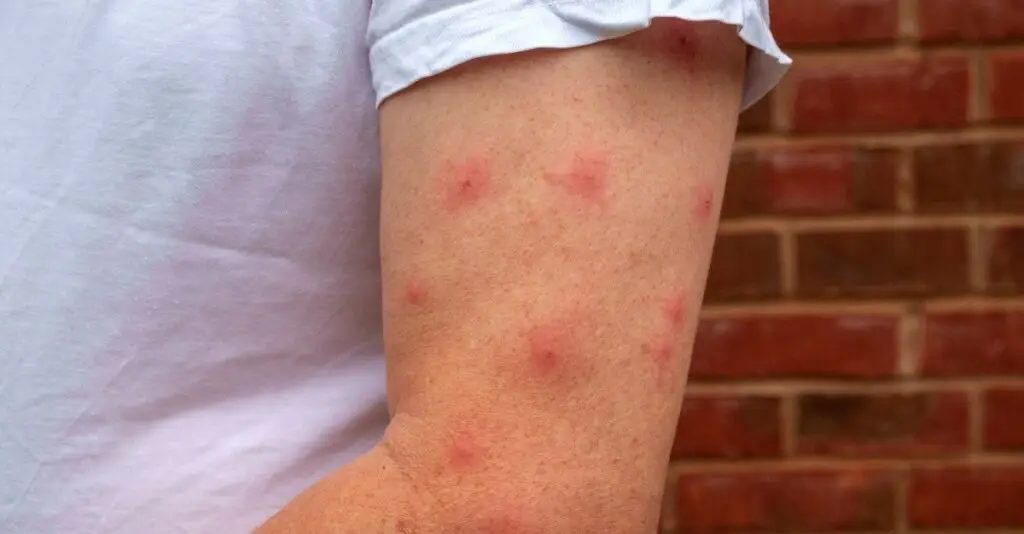
Mosquitoes, those tiny buzzing pests, play a disproportionately large role in disease transmission. Effective mosquito control is more than just repelling these insects; it is a critical method in preventing disease spread. As we dive more into this topic, it becomes clear that eradicating mosquitoes is a concern of public health, not just comfort. Mosquito-Borne Diseases: A Looming Threat The Menace of Malaria Malaria, which has a long history of suffering, is a serious global health concern. Mosquitoes, mainly female Anopheles species, operate as Plasmodium parasite vectors, delivering it through their bites. Malaria has a massive impact on populations, particularly in tropical areas. Mosquito control tactics are critical in slowing the spread of this crippling disease. Dengue Fever: A Growing Global Challenge Dengue fever, another mosquito-borne viral ailment, has risen worldwide. Aedes mosquitos spread the dengue virus and cause flu-like symptoms and potentially fatal consequences in severe cases. Mosquito control measures, ranging from larvicides to community-wide information programs, are critical in minimizing the effects of dengue outbreaks. The Role Of Mosquito Control Measures Larval Control: Nipping the Problem in the Bud Preventing mosquitoes from maturing is an integral part of efficient mosquito control. Larvicides that target mosquito larvae in standing water sources disturb the breeding cycle, lowering the adult mosquito population and, as a result, disease transmission. Adult Mosquito Control: A Comprehensive Approach Address adult mosquitoes, too. Use fogging, spraying, and other measures to control existing populations, especially in areas with intense mosquito activity. When used wisely, these measures can dramatically reduce the risk of disease transmission. Community Engagement: A Collaborative Effort Step up your efforts to control mosquitoes effectively. Community involvement and education are critical in raising awareness of breeding sites, preventive measures, and the value of collaborative action. Giving communities the ability to participate in mosquito control activities actively builds a more resilient resistance against mosquito-borne diseases. The Economic Impact Of Mosquito-Borne Diseases Healthcare Burden Aside from the obvious health consequences, mosquito-borne diseases place a considerable financial strain on healthcare systems. Diagnosing, treatment, and long-term care expenditures for infected persons can strain resources, especially in endemic areas. Productivity Loss Mosquito-borne infections can result in significant production loss owing to illness or caring for sick family members. The economic impact extends beyond the acute healthcare costs, hurting community productivity and stability. Conclusion At Fullscope Pest Control, we are dedicated to providing comprehensive mosquito control solutions that go beyond mere pest management. Our expertise in larval control, adult mosquito control, and community engagement ensures a holistic approach to disease prevention. Join us in the fight against mosquito-borne diseases and secure a healthier future for your community. Together, we can make a difference and create a safer tomorrow. Contact Fullscope Pest Control to learn more about our services and how we can help you protect your loved ones and neighbors from the menace of mosquitoes.
Safe and Eco-Friendly Mosquito Control
Mosquitoes aren’t just irritating; they can also make you sick by spreading diseases like malaria, dengue, Zika, and West Nile virus. Traditional mosquito control primarily relies on chemical pesticides, which not only harm the environment but can also affect human health. In this blog, we’ll explore the world of safe and eco-friendly mosquito control for your yard, offering practical solutions that let us reclaim our outdoor spaces without compromising the earth we call home. Why Regular Mosquito Control Is a Problem for the Planet The typical way to deal with mosquitoes involves using chemicals like pyrethroids and organophosphates. While these chemicals kill mosquitoes, they can also harm our environment in several ways: Hurting Beneficial Bugs Chemical pesticides can harm helpful insects like bees, butterflies, and dragonflies, disrupting the balance of Nature and making it harder for plants to pollinate. Water Woes Pesticides can seep into water sources, polluting the water and putting fish, amphibians, and other aquatic creatures at risk. Mosquito Resistance Using too many chemical pesticides can make mosquitoes develop resistance over time, making them more challenging to control. Must Read:TERMITE INVASION: WHY DIY SOLUTIONS FALL SHORT Safer and Greener Ways to Keep Mosquitoes at Bay Thankfully, there are many safe and eco-friendly alternatives to traditional mosquito control: Natural Predators Think of this as bringing in the mosquito’s worst enemies. For example, introducing mosquito-eating fish or using bacteria like BTI can help control mosquito larvae in standing water. Plants That Repel Mosquitoes Planting mosquito-repelling plants like citronella, lavender, and marigold can steer mosquitoes clear. These plants release scents that mosquitoes dislike. Mosquito Nets Put up mosquito nets around your bed or windows to physically block mosquitoes from getting in while you sleep. Mosquito Traps Various mosquito traps use harmless lures like carbon dioxide and warmth to attract mosquitoes and trap them without chemical pesticides. Natural Repellents Natural mosquito repellents with ingredients like lemon eucalyptus oil, neem oil, or essential oils like lavender and peppermint can help keep mosquitoes away. The Good Things About Safe and Eco-Friendly Mosquito Control Helps Nature These methods won’t harm other insects or water sources, preserving the balance of Nature and biodiversity. Healthy for People Eco-friendly mosquito control methods won’t pose any health risks to humans, including kids and pets who might be near the treated areas. Sustainable Methods like biological control can keep mosquitoes in check without needing constant intervention, which is excellent for the long term. Effective Over Time Unlike chemical pesticides that mosquitoes can become resistant to, eco-friendly methods often keep working for a long time. Conclusion Opting for safe and eco-friendly mosquito control methods is a wise choice to protect your family from mosquito-borne diseases while preserving the environment. These eco-conscious approaches can significantly impact whether planting mosquito-repelling plants, using natural repellents or relying on natural predators. At Fullscope Pest Control, we specialize in eco-friendly pest solutions that prioritize your family’s well-being and the planet’s health, ensuring effective mosquito control without compromising safety or sustainability. This mosquito season, join forces with us for a greener approach to battling these pesky insects, and together, we can create a healthier and more environmentally friendly living space for all.
How to Get Rid of a Mosquito in Your Room
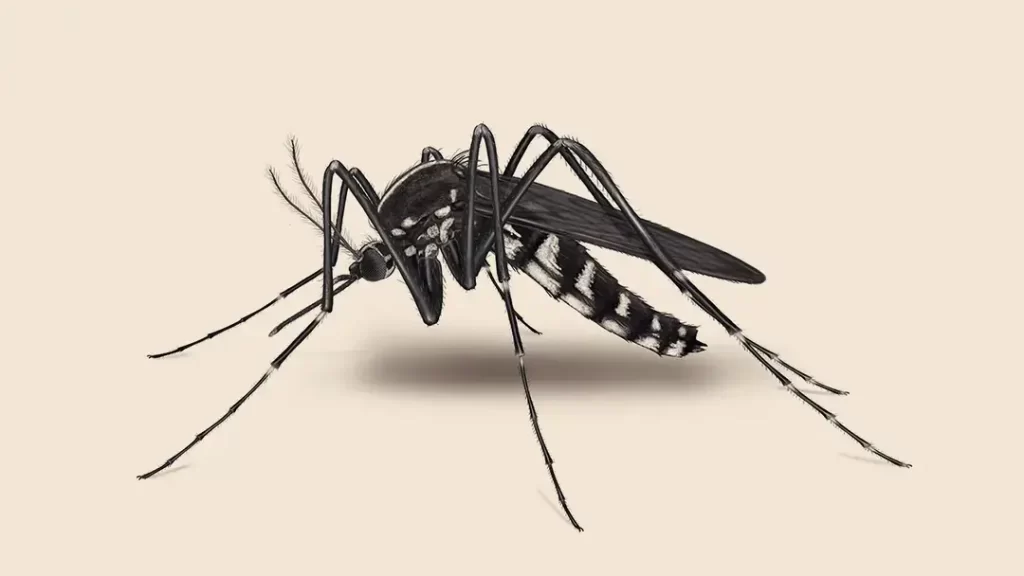
A mosquito’s buzzing can be annoying, especially if you’re trying to get some rest or unwind in your home. These itty-bitty bugs can convert any tranquil setting into a bloody battlefield. If you’re sick of swatting and scratching, it’s time to do something. In this article, we’ll review some practical mosquito control methods for eventually getting rid of those pesky mosquitos so you can relax again. Keep Doors and Windows Closed Doors and windows should be kept closed, especially during the morning and evening when mosquitoes are most active. The best way to keep mosquitoes out of your room is to maintain functional window screens. Must read about In2 Care Mosquitos Station Use Mosquito Repellents Mosquito repellents are a great tool to have on hand. Sprays, lotions, and essential oils like citronella, lemon eucalyptus, and lavender are all effective mosquito repellents. You can use these oils as a natural mosquito repellent by diffusing or combining them with water in a spray bottle. Install Mosquito Nets Installing mosquito nets over your bed can help you get a good night’s rest. These nets are a physical barrier that keeps mosquitoes away from you. Ensure the net is securely tucked at the corners to keep out pesky mosquitoes. Must Read: SPRING DEAD SPOT IN LAWNS AND HOW TO DEAL WITH IT Eliminate Standing Water Eliminating mosquito breeding grounds is crucial since the insects thrive in stagnant water. Frequently check rooms for leaky pipes, overflowing plant saucers, and other sources of standing water. You can minimize the number of mosquitoes in your room by getting rid of these things. Use Fans As poor fliers, mosquitoes are readily blown off course by even moderate winds. Having a consistent breeze in your room from a fan makes it more challenging for mosquitoes to fly in and land on you. This will not only help keep the mosquitoes out of your room, but it will also assist in keeping the air circulating and make the space more pleasant. Try Mosquito Traps Attracting and capturing mosquitoes is the purpose of mosquito traps. Mosquitoes are lured into these traps by the light, heat, and carbon dioxide emissions designed to simulate human and animal hosts. These traps have some potential, but they are most valuable when used with other forms of protection. Natural Predators Reducing the mosquito population without negatively impacting the environment is possible by releasing natural predators. Put some Venus flytraps or pitcher plants in your room to keep the bugs at bay. You can release dragonflies, which prey on mosquitoes, into the environment as an example of beneficial insects. Conclusion Mosquitoes might be tiny but can significantly impact your comfort and well-being. With the multiple methods outlined above, you can proactively take control of your indoor environment. But sometimes, despite your best efforts, the problem might persist or feel overwhelming. That’s where we come in. At Fullscope Pest Control, we provide tailored solutions based on your unique needs. Our team has been trained to identify, treat, and prevent mosquito infestations using both tried-and-true methods and innovative techniques. Don’t let these pesky invaders ruin your peace of mind or disrupt your nightly rest. Trust the experts. Trust Fullscope Pest Control. Contact us today and take the first step toward a mosquito-free home.
Everything You Need to Know About Mosquito Misting Systems
With summer comes mosquito season. These blood-sucking pests not only ruin outdoor gatherings, but they can also transmit dangerous diseases like Zika virus, West Nile virus, and malaria. If you’re looking for a way to keep your family safe from mosquitoes this summer, you may be considering a mosquito misting system. But do these systems really work? Let’s take a look. How Mosquito Misting Systems Work Mosquito misting systems are automated spraying systems that release a fine mist of insecticide into the air at regular intervals, typically once or twice a day. The insecticide used in these systems is typically pyrethrin- or pyrethroid-based, which are EPA-registered pesticides that are safe for use around humans and pets when used as directed. Mist is typically set to release during the times when mosquitoes are most active, dawn and dusk. When the mist is released, it slowly mist downward coming in contact with flying mosquitoes, and kills them almost instantly. Must Read: TERMITE BAITING ECONOMICS: Do Mosquito Misting Systems Really Work? There’s no doubt that mosquito misting systems can be effective at reducing the number of mosquitoes in your yard. In fact, one study found that after just four weeks of treatment, populations of container-breeding mosquitoes were reduced by 98%. However, it’s important to note that these systems are not 100% effective—they will not completely eliminate all mosquitoes from your property. But over time, some repellency is built up and mosquitoes will avoid your yard. Additionally, mosquito misting systems require ongoing maintenance to be effective. The reservoirs of insecticide need to be refilled regularly, hoses and nozzles need to be checked for clogs and leaks, and typically every 90 days. But overall they are very low maintenance. How Do Mosquito Misting Work? Placement of nozzles and tubing is important; the goal is to create an entire enclosure of misting potential. So they are typically placed on the eaves of the home and around the fence lines and garage areas. Larger yard area would be perfect for riser systems that allow attractive placement in landscaping. Do these Systems Control Other Insects? Yes, they do work on other smaller insects that are in flight at the same times as mosquitoes. These same systems are used as spider control for homes and boat docks that are located close to water. The placement of the nozzles are different as the desired effect is to keep spiders and webs off of the home, so they are usually placed around the home and interior of patio areas. What is the Typical Charge for These Systems? Mosquito and spider systems are an investment that will continue to offer effective insect control year after year. The most expensive part of the install is the unit itself which can run about $2,400 to $2,800, then the number of nozzles will change the price. Most new installations will start at the $3,200 investment. Quarterly maintenance and fill runs around $225.00 to $250.00 depending on the product used in the system. The good news is that these units, MistAway, are systems that are still running 15 years after install. Recommended Read: 7 Tips to Reduce Mosquitoes How Many Nozzles Can You Have? A typical home size in a neighborhood such as Kingwood, would have about 27 to 35 nozzles installed. The system itself can handle 60 and a zone kit can be added to install an additional 60 nozzles. It will be programmed similar to a sprinkler system and initiate the zones. It is also very easy to increase the number of nozzles over time, so you decide to have more coverage in a particular area of your yard. Conclusion: If you’re looking for a way to reduce the mosquito population in your yard this summer, a mosquito misting system may be worth considering. These automated spraying systems release a fine mist of insecticide into the air at regular intervals, typically once or twice a day. And while they’re not 100% effective at eliminating all mosquitoes from your property, they can certainly make a huge dent. Helping you and your family start enjoying your backyard again.
What Is The Best Mosquito Control For A Yard?
🌿 Key Highlights: Best Mosquito Control for Yards Mosquitoes in a yard bother everyone, but they are incredibly annoying when they make you sick, as they can pass on several hazardous diseases. Because of this, it is essential to defend yourself and your home against them. The most effective mosquito control measures for your yard are outlined below. Mosquito Traps Using mosquito traps is an efficient and risk-free method for controlling mosquito infestation in your yard. These traps attract mosquitoes to enter by emitting a constant stream of carbon dioxide, moisture, and heat. Once inside, mosquitoes are killed. These traps begin their work immediately, but it may take up to a month before the mosquito’s breeding cycle is broken. Apply Insecticides An insecticide is a chemical applied to your lawn to kill adult mosquitos, eggs, and larvae. Applying insecticide is usually the very last resort. Chemicals used in insecticides have the potential to irritate the skin, harm beneficial insects like bees and butterflies, and pollute the environment. They are, nonetheless, an efficient method of mosquito control. They can help keep other insects asides from mosquitoes, like spiders and ants, away from you and your family. Further, insecticides eliminate pesky weeds, even in the most challenging situations. Plant Natural Deterrents Most insect-repelling herbs and plants work by emitting natural odors that keep pesky mosquitos at bay while also adding attractive scents to your landscape. If you don’t want to use chemical insect repellents on yourself or your garden, you can grow certain plants to help keep mosquitoes at bay organically. An example of a plant is Citronella grass (or lemongrass). Because of its strong odor, it is the most extensively utilized natural component in insect repellants. Maintain A Well-Maintained Yard Places that are dark, wet, and chilly are ideal for mosquitoes’ breeding and resting grounds. You should cut grass, prune trees and bushes, and ensure your yard is well-grown. Your yard will become less inviting to mosquitoes due to this change. Bring In The Natural Predators Predators can’t eliminate your mosquito problem if you have an infestation, but if you only have a few errant pests, luring predators might be worthwhile. Several species of birds, including purple martins, ducks, swallows, and songbirds that migrate, eat mosquitoes as part of their natural diet. An excellent way to draw these birds is by placing bird feeders. Another solution is to install a bat house. Although bats consume mosquitoes, you might not want to remove them close to your home. Predators like goldfish, koi, and red-eared slider turtles can be beneficial if you have a pond. Must Read: WHAT DO PEST CONTROL USE FOR ROACHES Conclusion A good mosquito control plan ensures that the time you and your family spend outside more fun and gives you the peace of mind that comes from knowing your family is safe from diseases that mosquitoes spread. If you’re experiencing mosquito infestations in your yard, contact Fullscope Pest Control. Our team is trained, experienced, and ready to go in an emergency. We’ll be there when you need us and will work fast so that we can get the problem resolved as soon as possible. 🦟 FAQs: Best Mosquito Control for Yards Q1: What is the best way to control mosquitoes in my yard?A: The most effective mosquito control includes a combination of removing standing water, using insecticide sprays or barrier treatments, and installing mosquito traps or misting systems. Q2: How can I naturally reduce mosquitoes in my yard?A: You can use natural repellents like citronella, eucalyptus, and lavender plants, eliminate standing water, and apply essential oil sprays. Diatomaceous earth and garlic-based treatments are also eco-friendly options. Q3: Do professional mosquito treatments really work?A: Yes, professional mosquito control services typically use barrier sprays, larvicides, and misting systems that are far more effective and longer-lasting than DIY solutions. Q4: How often should I treat my yard for mosquitoes?A: For best results, treat your yard every 21–30 days during mosquito season. Some products and services offer longer-lasting residual control depending on weather and application. Q5: What is a mosquito barrier spray?A: Barrier sprays are applied to vegetation, shaded areas, and mosquito hiding spots around your yard. They kill mosquitoes on contact and continue to repel them for several weeks. Q6: Are mosquito control treatments safe for pets and kids?A: Most professional treatments are designed to be safe once dry. Always check with your provider and follow product guidelines, especially for pets and sensitive areas. Q7: Can mosquito traps replace spraying?A: Mosquito traps help reduce the population but are most effective when combined with barrier sprays and source reduction for comprehensive control. Q8: What attracts mosquitoes to my yard?A: Standing water, overgrown vegetation, clogged gutters, and heavily shaded areas attract mosquitoes. Keeping your yard clean and dry is key to prevention.
Why Do Mosquitoes Bite Me So Much?
Mosquito bites are little, raised lumps on the skin caused by a female mosquito that sucks human blood. Mosquitoes are flying insects that are modest in size. They have six legs and large mouthparts for sucking blood and nectar. Mosquito bites seldom cause long-term injury. For a bit of time, they can produce minor inconvenience and irritation. On the other hand, Mosquitoes are harmful because they carry infections that can be lethal. Are you one of those people wondering why mosquitoes bite you so much? You are not alone. An estimated 2 out of 10 persons are extremely tasty to mosquitoes and get bitten more frequently regularly. We’ve all seen the itchy red lumps that appear after being bitten by a mosquito. They’re usually only a slight inconvenience that goes away with time. But do you ever think that mosquitoes attack you more than others? There is a scientific explanation behind this! Also read 5 Tips to help your yard pest proof. Moreover, if you are a magnet for mosquitoes, read on to learn more about what may be luring the insects to you. If mosquitoes seem to bite you more than other people, it could be due to different factors. Aside from satisfying your curiosity, understanding these factors can help you identify ways you can try to avoid their irritating bites and lower your risk of the illnesses they can cause. As a result, a number of variables might attract mosquitoes to you. Here are a few examples: Carbon Dioxide Mosquitoes are drawn to carbon dioxide, which you expel when you exhale and especially when you exercise. According to some research, mosquitoes can smell carbon dioxide from 164 feet away and migrate toward it in search of a prospective host. Body Odor Compounds found in your skin and sweat can attract mosquitos because they emit a unique odor that attracts mosquitoes. Some people, for example, secrete more lactic acid, ammonia, or cholesterol on their skin, all of which attract mosquitoes. Skin Bacteria Skin microorganisms also contribute to body odor and the secretion of mosquito-attractive chemicals. According to research, particular mosquito species are more attracted to specific body parts. Some like the head and shoulders, which might be related to higher carbon dioxide levels, while others prefer the feet and ankles. Heat Mosquitoes favor persons with a naturally higher body temperature and thrive in hot, humid areas. Mosquitoes may bite you in some situations because you are wearing clothes that retain heat around you. Body Size According to research, mosquitoes are drawn to more significant people in general, presumably because they have more blood and emit more heat. Blood Type According to many pieces of research, those with blood type O are more susceptible to mosquito bites than those with blood types B or A. The causes behind this are unknown at this time. Genes According to research on identical and fraternal twins, an underlying genetic mechanism may play a role in frequent mosquito bites. Overall, while mosquito bites are mostly annoying, they can sometimes spread disease. If you’re in an area where mosquito are present, take steps to prevent being bitten. Furthermore, you can eliminate their habitats and keep them out of your house. You can seek professional help by contacting our team Fullscope Pest Control!