 1500+ reviews

Get Rid of Norway Rats
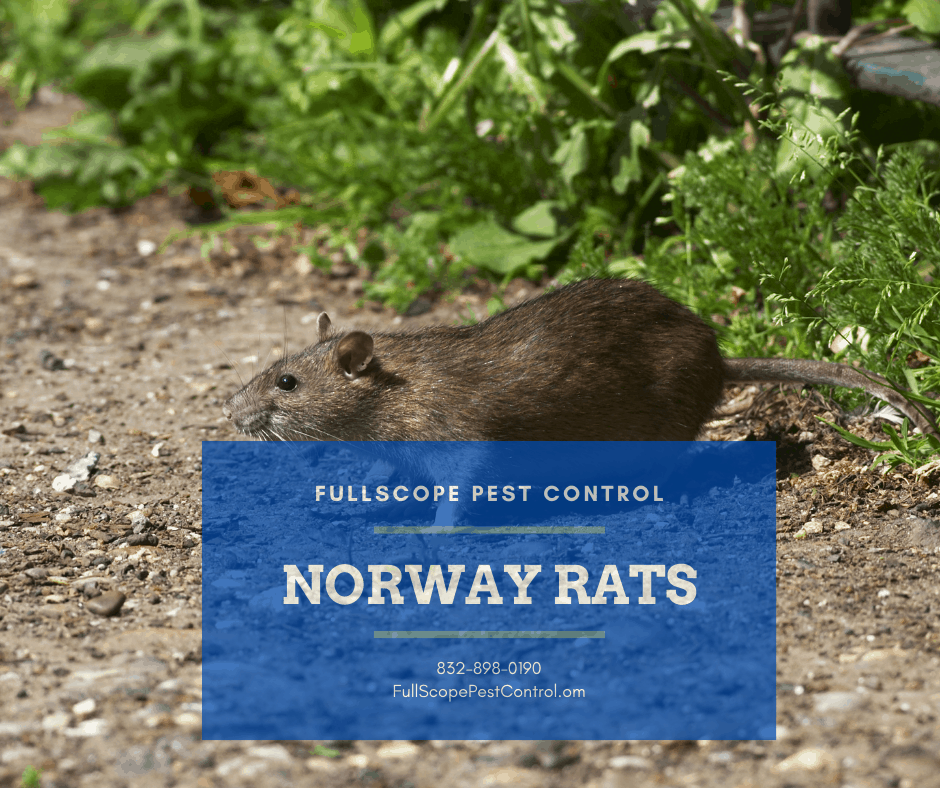
Few things spook a homeowner or business owner more than seeing rats running around their property. One type of rat in particular that grosses property owners out is the Norway rat, also known as the Brown rat, Street rat, or Sewer rat. This type of rat can be found all over the United States, but they can be found most prevalent on the East and West coasts. Norway Rats are large rodents, slightly larger than another type of common rat, known better as the Roof rat. Norway rats are known to be major nuisance pests to have to deal with in your Roman Forest home, as they will gnaw through, contaminate, and eat just about anything. They can even inflict expensive structural damage to your home if left unaddressed.
How to Get Rid of Acrobat Ants in Your Kingwood Home
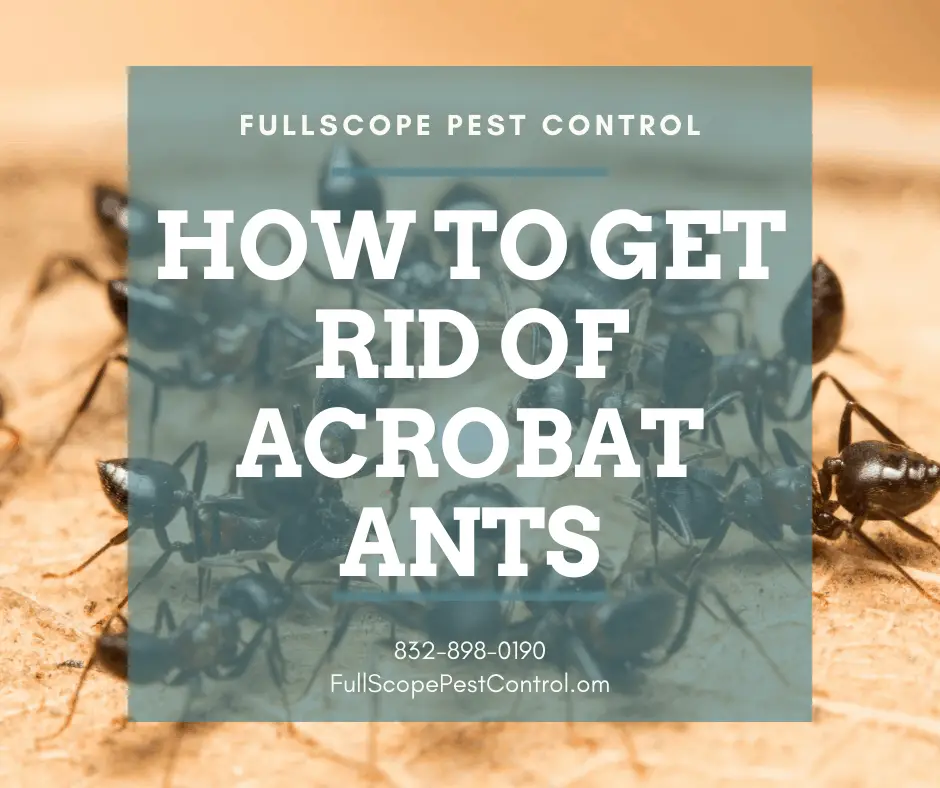
Anytime ants (any kind!) invade your Kingwood property and home, they easily become nuisances and wear out their welcome. The problem is, they can be difficult to get rid of once they’ve established themselves. Knowing what type of ants you’re dealing with will help you quite a bit in managing them. Acrobat Ants (Crematogaster) Acrobat ants are so called because of the way they famously raise their hind ends up above their heads, which they do when they are suddenly disturbed. They are aggressive ants, and they do sting if tampered with. They also give off a foul odor as a defense. They are found around the United States. In the fall especially, you will see several of them swarming around with their wings. If you have several of them flying around your home, chances are you’ve got an infestation on your hands, because they don’t usually nest indoors. They may have located some damp or rotting wood inside your home, and that’s what’s attracting them. Acrobat ants are tiny compared to other ant species (only about 1/5″), light brown to black in color, and when viewed from overhead, their hind ends have a distinct “heart” shape to them. Outdoors these ants like to nest in decaying, damp wood. If they come indoors, they’ve probably done so via cracks or crevices they’ve found on the outside of your home, and they will find indoor woodwork to hide and nest in, as well as head for your kitchen pantry for food. Must Read:PROFESSIONAL BAT REMOVAL SERVICES How do I get rid of Acrobat ants? Here are some tips to help you keep those pests under control. Mow your lawn regularly. Trim trees and shrubbery so that they are at least 1 to 2 inches away from the side of your home. Caulk exterior cracks and crevices in your home’s foundation, and screen off (or stuff with steel wool) openings around pipes and utility lines. Inspect attic vents and repair damaged screens. Move firewood piles (and mulch) away from the side of your house. Remove dead tree stumps and dead limbs from off your property. Keep food in tightly sealed containers indoors, keep your sink free of dirty dishes, and keep trash covered. Consistently doing the steps above will help keep Acrobat ants (as well as other species of ants and other pests) away from your house. Acrobat ants prefer the outdoors, but if they can, they will come into your home for shelter, food, and water. Keep an eye out for them and do what you can to keep them outdoors. No matter what you do, sometimes infestations still happen. You can save yourself all sorts of money, time, and stress by calling our Kingwood, TX pest control experts today! Keep those pesky ants in check!
Professional Bat Removal Services
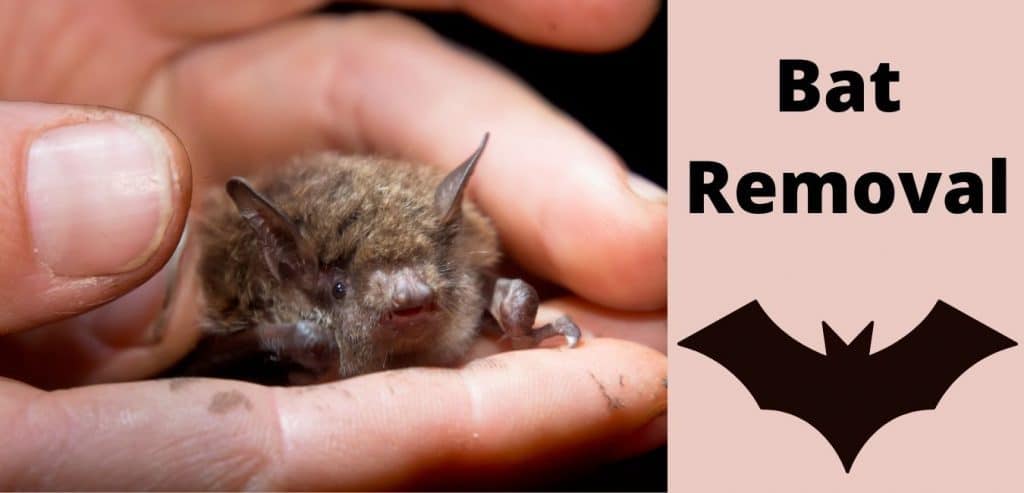
How to Remove and Prevent Bats In Your Conroe Home Bats, often mistakenly referred to as “flying rodents,” are the only mammals that can fly. Even though bats can be considered as beneficial for homeowners and the environment, bats can also cause damage to homes and other properties, including on your Conroe property, making a nuisance of themselves for homeowners. Many bats like to roost in dark, high-up places, which could even include secluded areas in your home. They have a knack for finding their way to tucked away areas underneath eaves and may even get in to your attic or chimney. Bats are terrified of humans up close, so their wandering into your home isn’t an aggressive move on their part, but if a bat or bats get into your home, it can be an unsettling experience, as bats carry various diseases and parasites with them.
5 Quick Ways to Get Rid of Silverfish in Your New Caney Home
Silverfish, which are sometimes called “fish moths,” are tiny, nocturnal insects found all over the world, including in Texas. They are a very prominent pest species that prefers to live in dark, humid, damp areas, like in your garage, basement, crawl spaces, attic, and sheds (they especially love mildewy, moldy places!). These pests, whose timeline goes back to prehistoric times, are known for their slithery, wiggly walk. The good news is that they don’t bite or sting, nor do they transmit any diseases. On the downside, silverfish crave sugars, starches, and carbohydrates, which might include your favorite stored books, family photos, printed materials, furniture, clothing, fabrics, and wallpaper. They even eat the glue that keeps wallpaper up! One of the hardest parts about managing these pests is finding all their little hideouts and egg caches. If you see one silverfish anywhere in your home, you can bet there are several, several more nearby. As with other pest problems, the faster you act, the better you’ll be able to get rid of silverfish at home. How Do You Get Rid of Silverfish? There are a few quick tricks you can pull to start managing silverfish in your home or basement. You can start by making sure you’ve repaired all indoor and outdoor leaks in your home (moisture is attracting the silverfish). You might also try to dehumidify your basement or other areas where you might be finding silverfish. Also, try some of the following: Rolled up, damp newspaper. Create a welcome place for silverfish to congregate and hide. After a few days, burn or dispose thoroughly of the newspaper with the silverfish inside. Organic insecticide/silverfishpoison. Only use in out-of-the-way areas where pets and children can’t get to it. Sticky traps. These do well to trap plenty of silverfish. Cedar oil or cedar chips. If there’s one smell silverfish hate, it’s the pheromones in cedar wood. Try some cedar oil in a diffuser or spray bottle with a mixture water and cedar oil. Cedar chips in corners and cracks of your basement work well, too. Bay leaves. Silverfish and other insects can’t stand bay leaves, either, so spread some into the corners of areas where silverfish can be repelled by the scent. Must Read: fullscope pest control Silverfish are more of a nuisance than anything, but remember, they can severely damage your valued property. If you do have silverfish at home, it’s a manageable problem, but they multiply quickly and can become a problem quickly. Have you thought about calling in the professionals? You can save yourself plenty of time, money, and stress when you call our New Caney, TX pest control experts. Call us today! We can get rid of your silverfish problem in no time.
Eliminating Tawny Crazy Ants in Porter
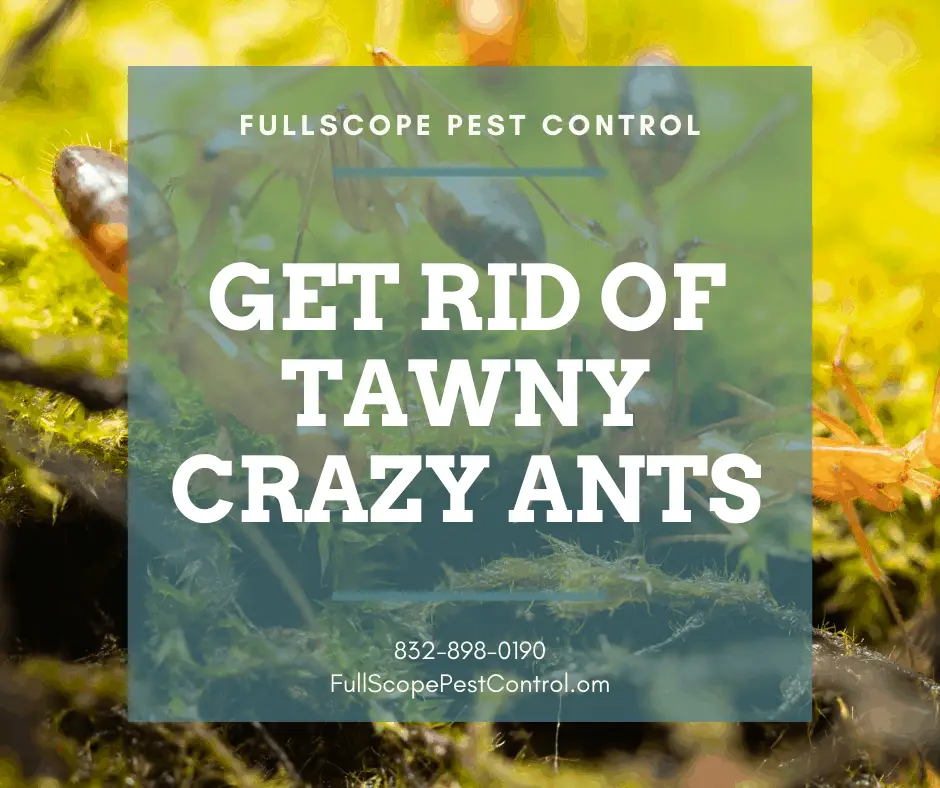
Tawny Crazy ants (previously known as Rasberry Crazy ants or Caribbean Crazy ants) were originally discovered near Houston in around 2002, and with human assistance, have been able to spread their presence out in the United States. They are an invasive species, reddish-brown, and about 1/8″ in length. Their bite/sting isn’t painful, but they can freak you out by racing up your legs and bodies (one reason they’ve been dubbed “crazy ants” is because of their unpredictable behavior). People in Texas have become so frustrated with these “crazy” ants that they have considered selling their homes after giving up on getting rid of them. Tawny Crazy Ants (Nylanderia fulva) Crazy ants terrorize and destroy other native insects. They can overrun beehives and destroy entire bee colonies. They can smother hatching chicks. In South America, where researchers believe this ant species originated, they have been known to overrun the nasal cavities of chickens so they can’t breathe, effectively killing them. They can blind cattle by attacking their eyes. Crazy ants overrun electrical boxes, systems, and outlets, leaving chaos and damage in their wake, causing hundreds of millions of dollars in property damage annually. Experts are still working on an effective, comprehensive way to contain them. Come fall, when temperatures start to drop, worker Crazy ants can start dying off, but their queens live on, later in the following spring, a new, possibly larger colony of them will emerge. They have spread through Texas and the region even faster than Fire ants, and Fire ants are considered one of the most invasive, destructive species in the world. Steps to Help Prevent Crazy Ants Here are some things you can do help prevent Crazy ants in your yard and home: Seal cracks, holes, and crevices around doors, windows, and your home’s foundation that might serve as an entry point. Trim vegetation around and clear out as much grass and vegetation around your home as possible to eliminate a possible food source for Crazy ants. Keep your lawn mowed. Eliminate standing water around your property to eliminate sources of moisture that ants need to survive. Promptly clean up spills and crumbs from your kitchen surfaces and floors. Keep the sink free of dirty dishes. Keep trash covered and dispose of it regularly. Clear out yard debris and get rid of fruit that’s fallen from trees quickly, as it will attract Crazy ants and other pests. Tawny Crazy ants are very prolific reproducers that can overrun a property in a very short period. The best you can do as a homeowner is to reduce conditions that attract them and reduce potential habitats for them to nest in. Through a spring and summer, they can produce millions of offspring. Any effective treatment needs to target the colony, queens, and all workers, otherwise you’ll be looking at a bigger problem the following year. Despite your best efforts, sometimes Tawny Crazy ants will still invade your property and home, possibly causing lots of expensive damage. You can save yourself all sorts of stress, money, and time by calling our Porter, TX pest control experts today! Let us help you get your yard and home ant and pest free so you can enjoy the summer with your family and friends!
Battling Common Pests in Your Kingwood Garden
You love to garden, but some things about gardening get on your nerves, mainly pests that invade and undo all your hard work. Even the healthiest gardens, like yours in Kingwood, have pests that challenge you and that you wish you didn’t have to deal with. What should you be watching out for? Here is a list of common garden pests that you can be aware of and try to treat for as best you can. Don’t let pests get to your vegetables! Common Garden Pests: Animals/Pets: Animals, like deer, rabbits might come around to snack on some of your vegetable plants, damaging them. Yes, even your beloved pets may come around and dig up a row of your favorite flowers! Traps may work, but sometimes just keeping a close eye on your garden is the best you can do. Slugs and Snails: These creepy crawlies usually hide out in shady, damp areas and feed on both live and decaying plant material. Caterpillars: Caterpillars, like the Cabbage looper, Tomato Hornworm, and Cabbage worm, are actually larvae of soon-to-emerge moths and butterflies. But while in this phase of their life cycle, they love to eat, eat, eat your fruits and vegetables. Sometimes even sprays won’t work if these pests are deeply enough embedded. Aphids and other Insect Pests: Aphids not only suck the sap out of your plants’ leaves and stems, they also produce honeydew, which attracts ants and can create mold that prevents your plants from getting nourishing sunlight. Other insect pests like Whiteflies, Spider mites, scale insects, and thrips, also suck out your plants’ valuable nutrients, weakening them, and making them prone to plant diseases. Insects can also spread bacteria through your plants. You can stock up on traps and sprays (and for slugs and snails, just good old-fashioned salt), and whatever else you can think of to keep pests away from your lovely garden. The best overall strategy to getting rid of pests in your garden is to make your garden as unappealing to them as possible. If they find your garden to be uninviting, they will go elsewhere. You love to garden, but you hate dealing with pests that undo all your hard work overnight! You can spend tons of your free time setting out traps and spraying pesticides, but sometimes not even that is enough! Save yourself headaches, time, and money by calling our Kingwood, TX pest control experts today. We can help you keep your garden pest-free, so you can enjoy your vegetables and time with your family more.
Bug Bite Identification
BUG BITE IDENTIFICATION: HELP IDENTIFYING COMMON BUG BITES AND STINGS How do you know you have been beaten by a type of bug without necessarily visiting a doctor? Find below an overview of bugs identification. Ants Sting Appearance Redness on the spot Swelling of the bitten spot Sting Symptoms Slight pain. Allergic reaction: Some people have been known to react to an ant bite. Understanding your own allergies will help you remain calm. Some of these allergies are sneezing, wheezing, hives, nausea, vomiting, diarrhoea, sudden anxiety, dizziness, finding it difficult to breathe, stiffness of the chest, itching, swollen face. Note: There is every chance that a person allergic to wasp and bee stings would show the same signs of allergies when stung by an ant. Bed Bug Bite Appearance Red Welts: This can small, raised or even flat. Swelling Red rash The space between the lines can be tight. Bite Symptoms A burning sensation immediately you are bitten Itching You might not have a reaction. In fact, the bite might not be seen. Notes You may not notice the symptoms or signs for days, giving even the same bug the chance to bite you regularly. Blister Beetle Bite Appearance Blisters or welts These blisters and welts are caused by a chemical known as cantharidin Bite Symptoms You discover within a few hours of coming contact with it. Temporary damage to the skin. Note Avoid crushing the blister beetles on your skin; their chemical can still cause the blister or welts. Instead, remove them. Brown Recluse Spider Bite Appearance Reddening and swelling You might find blisters at the bite spot Bite Symptoms Gentle skin irritation. It will cause itching. Cause scratch on the skin. Note There are no known and verified fatalities. If left untended, however, you might be faced with deep scarring. Fire Ant Sting Appearance Red welts or lumps are sure to surface Multiple stings are done in a semi-circular It can evolve into a blister Sting Symptoms Burning sensation stinging sensation Notes Fire ants are persistent. They tend to return to their last stings. Fleas Bite Appearance It leaves you with red spots with red haloes around them. A most likely place to find them are legs and feet Bite Symptoms – Really itchy Notes If your wound is excreting pus, contact a doctor immediately. Horsefly Bite Appearance Bleeding (horseflies love to feed on blood). Reddish bumps Bite Symptoms Their bites are painful. Soreness to the bitten area. Itchiness of the bitten area. Notes Horsefly is aggressive. They will bite with a different kind of force. You should treat it immediately with antibacterial medication because their bites are infectious. Lice Bite Appearance They bite people in pubic hair, armpit, or eyebrow. Bluish-grey skin reactions sores The appearance of small bumps, usually red. Bite Symptoms Continuous itching, which will likely get worse at night. Presence of eggs in the hair. The eggs are tiny and white and are called nits. Notes Itching start at a different time for different people. While it may start immediately for some people, it can start late for some people. We are looking at 2-4 weeks after contact. Mosquito Bite Appearance Hard bumps Sometimes, you might encounter a puffy bump, which has a red dot right in the middle. Some other bumps are smaller than bumps and might even have semblance with blisters Bite Symptoms – Itching Notes If you are not mindful in the case of children, you might encounter those with large swellings or even low-grade fever on its. Scabies Appearance You will find pimple-like rashes around places like your wrist, elbow, buttocks, armpits, nipple, waist, belt-line, buttocks, and even between your fingers You might encounter small raised lines on the surface of your skin. Symptoms Itching that tends to become intense and worsen by the day Numbness at the sting site Tingling around the sting site Swelling of the affected area Notes The itch mites that cause scabies are not always coming intending to bite, instead, they have the intention to burrow and eat your skin. Spiders – A pair of puncture marks with a close together. Bite Symptoms Widow spiders: They leave you with muscle cramps and pain. Also, they cause blood pressure to increase and cause sweating as well as a skin rash. Violin Spiders: Anaemia, fever, rash, nausea, bloody urine, vomiting and coma, which is rare. Notes There are several things associated with spider bites. Ticks Bite Appearance – When you encounter ‘Bulls-eye’ rash on your skin, then you should know you have encountered tick that had Lyme disease. Bite Symptoms The bite area will be disturbed with a type of redness Itchy feeling. Must Read:HOW TO GET RID OF LONE STAR TICKS IN YOUR CLEVELAND YARD
How to Get Rid of Lone Star Ticks in Your Cleveland Yard
Lone Star ticks (Amblyomma americanum) are typically found in wooded areas with plenty of undergrowth and foliage, and especially near animal (i.e., deer, coyotes) resting spots. They can also make their way to your Cleveland, TX yard, and to your pets, and worse yet, to you and your family members. Lone Star ticks are not known to transmit Lyme disease specifically, but these unwelcome pests have a reputation for biting humans aggressively when opportunity presents itself. Lone Star tick larvae do not carry disease, but the nymphs and adults definitely do (e.g., Rocky Mountain Spotted Fever and ‘STARI’ borreliosis). Can Lone Star Ticks Hurt Dogs? Adult Lone Star ticks are active from about April until late August, and are most commonly after large animals, such as coyotes, deer, cattle, dogs, and humans in tall, shady grassy areas as well as at the tips of low lying branches. Lone Star females feature a distinguishing single white dot in the center of their reddish-brown to brown bodies. They require a blood meal to reproduce, and after about a week or so, can lay up to 3,000 eggs. Males feature whitish spots or streaks around the outer edges of their body. Lone star ticks can transmit infectious agents that cause a number of diseases harmful to dogs, such as Ehrlichiosis, a disease that causes vomiting, lethargy, enlarged glands, and bleeding. It can even kill your dog if serious enough a case. Must Read: CONTROLLING MILLIPEDES IN YOUR CONROE YARD
Controlling Millipedes in Your Conroe Yard
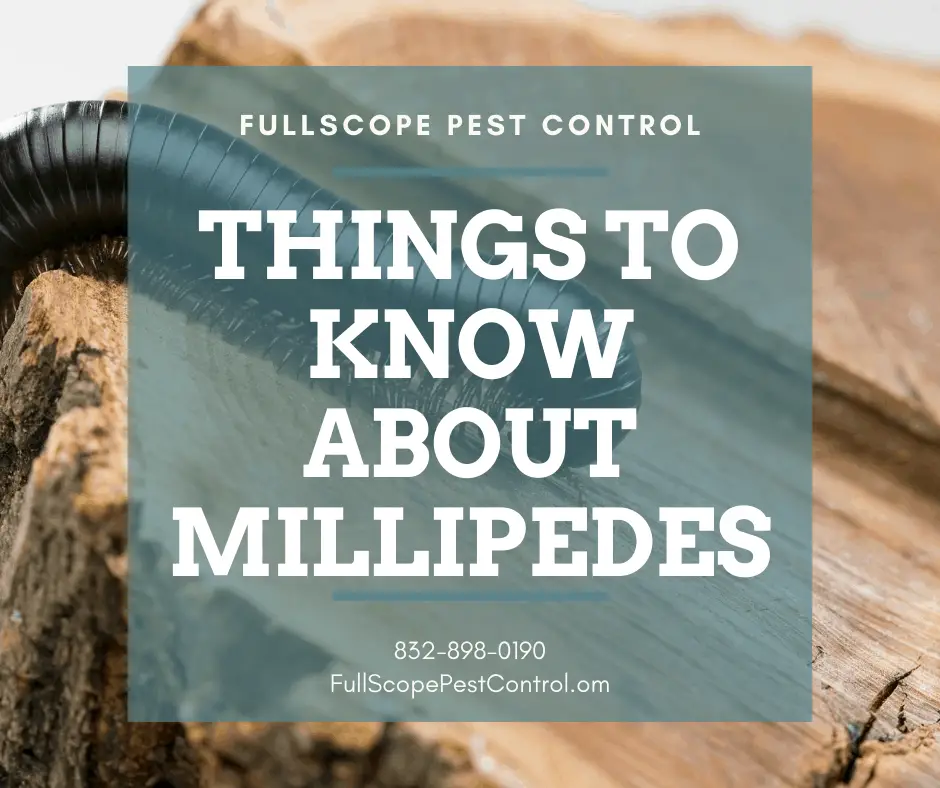
There are over one thousand different species of millipedes in the United States, and many are found in Texas. Most of them vary in color from grey to light brown, and even to orange, and they are known to move very slowly. They all appear to have hundreds of “wavy” legs. Most millipede species take at least a year or two to be able to reproduce, and after that, they can live another 5 to 10 years. Millipedes are mainly outdoor creatures, but at times, may find their way into your home. Once inside, they will seek out damp, dark areas to hide out. They can also attract pests that hunt and feed on them, like ants and spiders. These arthropod pests love crawling around and living in damp soil, mulch, decomposing leaves, root systems, and rotting thatch. It’s their main source of nutrition, and they will stick around as long as there is a food supply to support their population, which can get into the hundreds in an average yard. How to Prevent Millipede Invasions One good thing about millipedes is that they are virtually harmless; they don’t bite, sting, or transmit diseases. But they are a bit of a nuisance. Stopping millipede invasions takes some preventive steps, starting with identifying possible nesting sites. Knowing where they nest (it will usually be along one side of your home) helps you know where to minimize the damp, decomposing conditions in which millipedes thrive. Eliminating these will mean fewer of them will stick around your yard, and fewer will wander inside your home. The first step is to identify nest sights. This will allow you to minimize the conditions these pests need which in turn will lead to less getting inside. Look to see where they are invading. In most cases, you will find them along one side or wall of your home. Move mulch and firewood away from the side of your home, at least 20 feet, and clear grass clippings, compost piles, leaf debris, and other organic plant matter from your yard. Keep thatch buildup raked from off of your lawn. Eliminating these conditions will keep millipedes and other pests away from your home. They will go elsewhere for food and shelter. Also, don’t forget to seal up cracks, crevices, and other holes around your home’s foundation. Screen off utility/pipe entry points (or stuff gaps with steel wool). Millipedes are not dangerous at all, but they can invade your home and create an unpleasant situation if they are allowed harborage for long enough. And remember they attract ants and spiders that feed on them. The faster you act to control them, the quicker you can rest easy. Save yourself plenty of time, money, and headaches by calling our Conroe, TX pest control experts. Call us today so we can get cracking on getting your yard free of millipedes and other invasive pests. Must Read:DEALING WITH BLACK WIDOW SPIDERS
Dealing with Black Widow Spiders
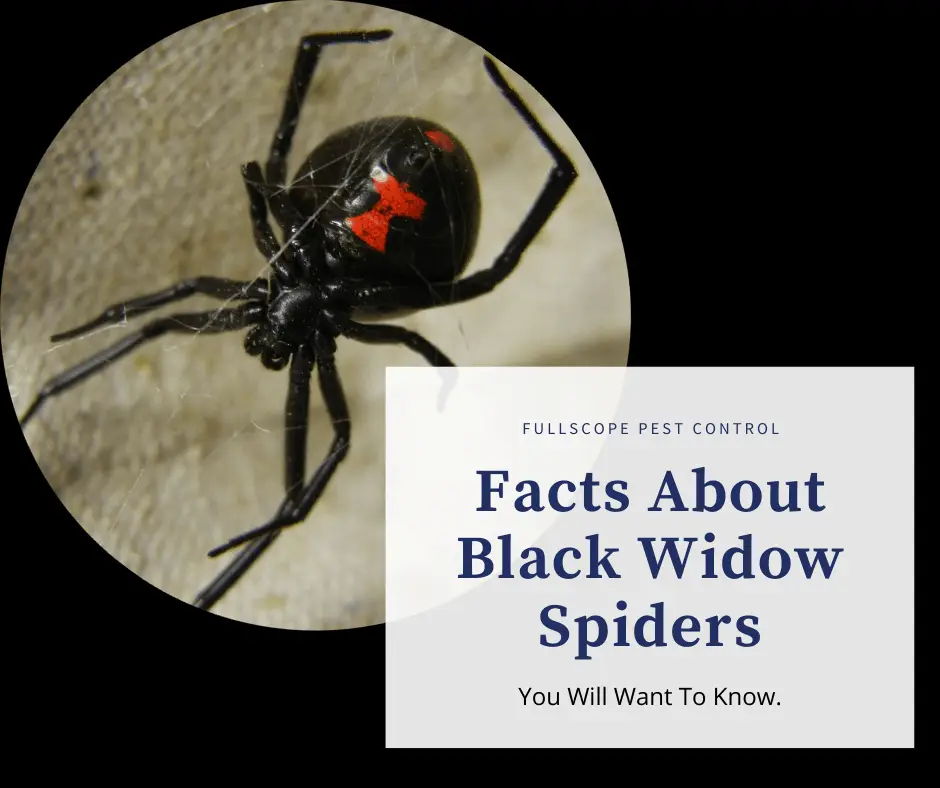
Appearance How to Identify? Hourglass Marking: One way to identify a black widow is the underside of their abdomen. They have red hourglass markings they. These markings are always bright reds and it’s a way to wards off predators and attackers. Color: As their name implies, they are black but shiny. Size: The average size of a black widow is 3 to 10mm in size. Most of the females are larger than their male counterpart; thus, we can see female’s black widows as large as 13mm in body length. Latin Name Latrodectus spp. Characteristics They have certain characteristics that also set them apart from other spiders: Comb foot: Their comb feet set them apart from every other spider. This food can be found on the hind of pair of their legs and can be used to pitch silk around their capture prey. Shy: They love their own company. They only socialize to copulate and nothing else. Nocturnal: Black widows only spin webs during the daytime. They are mostly nocturnal. Hang Upside Down: They have the tendencies to hang upside down within their web. This way you can see their hourglass abdominal marking. Must Read:PREVENT BROWN PATCH IN LAWN Why Do You See Black Widow Spiders in Your House? Ever wondered why you have black widows in your house or even around you, then these might be the reasons: Unkempt Yards: Black widow spiders are fond of yards that are not in good conditions. As you are aware that a good yard would generally all other insects. To start with, they are found under tall grasses, stacks of woods or even debris. They use these places as a place to store food, hide, and build webs. Vulnerable Places: When your home or yard has faced a lot of insect’s infestation or is currently facing one, there is a higher chance of battling another black widows at that same time. Black widow spiders find smaller insect succulents and would want to feed on them. They are likely to eat things ants, flies, and others pest. Thus, when your door or window has a crack big enough for them to enter, then these spiders would come into the house to hunt for these smaller insects. Should You Be Afraid of Their Presence? While they are like a ‘present’ in the present moment, the female ones can be harmful to human. Their presence can help you get rid of those smaller insects. The attack can come in when the female ones are provoked. In the United States, the black widow spiders have been known to deliver the most toxic bite ever seen in a spider. Their venom is mixed with neurotoxins and could be a potential danger to the nervous system. Signs of a Black Widow One way to know you have a black widow in your home is to look at the pattern of their web. Their webs are located near the ground level but far enough like under a protected ledge, places like your lawn furniture or even woodpiles. Also, the iconic red hourglass marking is an indication of their presence. Getting Rid of Black Widow Spiders Get trained professionals involved in managing the presence of these pests. They will take your home or yard into consideration before giving you a program to help in getting rid of these pests. The process of getting rid of spiders is split into three because you can never get rid of spiders once. Thus, the professionals would firstly: Assess: They will understand the situation and take note of the root cause. They will seek out other overlooked factors that might have brought the spiders to your home. If one of the cause is the presence of another type of pests, they will determine the reasons those pests are in your home. That way, their works will focus on their analysis. Implementation: After understanding the root causes of their presence, they will implement their proposed solutions. They will be drastic and thorough in ensuring your home is free from the infestation of these pests. They have the necessary pieces of equipment needed to keep your home or yard free from these pests. Monitoring: They will not only ensure your home is rid of these pests, they will also do regular check-ups to enable you to have a home free from these pests. They will schedule a time for a visit to ensure their work is permanent. Black Widow Webs Black widows are known for spinning a large web. The strength of this large web is such that the females suspend cocoons of hundreds of eggs in them. Their webs are also instruments of capturing preys like flies, grasshoppers, beetles, and so many others. Must Read:8 FACTS ABOUT YELLOWJACKETS IN YOUR NEW CANEY YARD