1500+ reviews

You notice them first in the afternoon, when sunlight hits the glass: tiny flies resting on the sill, lifting off when you approach, then settling back a few inches away. In Magnolia homes, gnats on a window sill usually aren't a window problem by themselves. The sill is often just the brightest, most visible place where adults gather after emerging from damp potting soil, a drain, or an outdoor entry gap.
That distinction matters. Killing the insects you can see may clear the glass temporarily, but the next group will appear if the moisture or breeding site remains. The practical fix starts with identifying the fly, tracing its movement back to the source, and correcting the conditions that keep attracting it.
What Those Gnats on Your Window Sill Probably Are
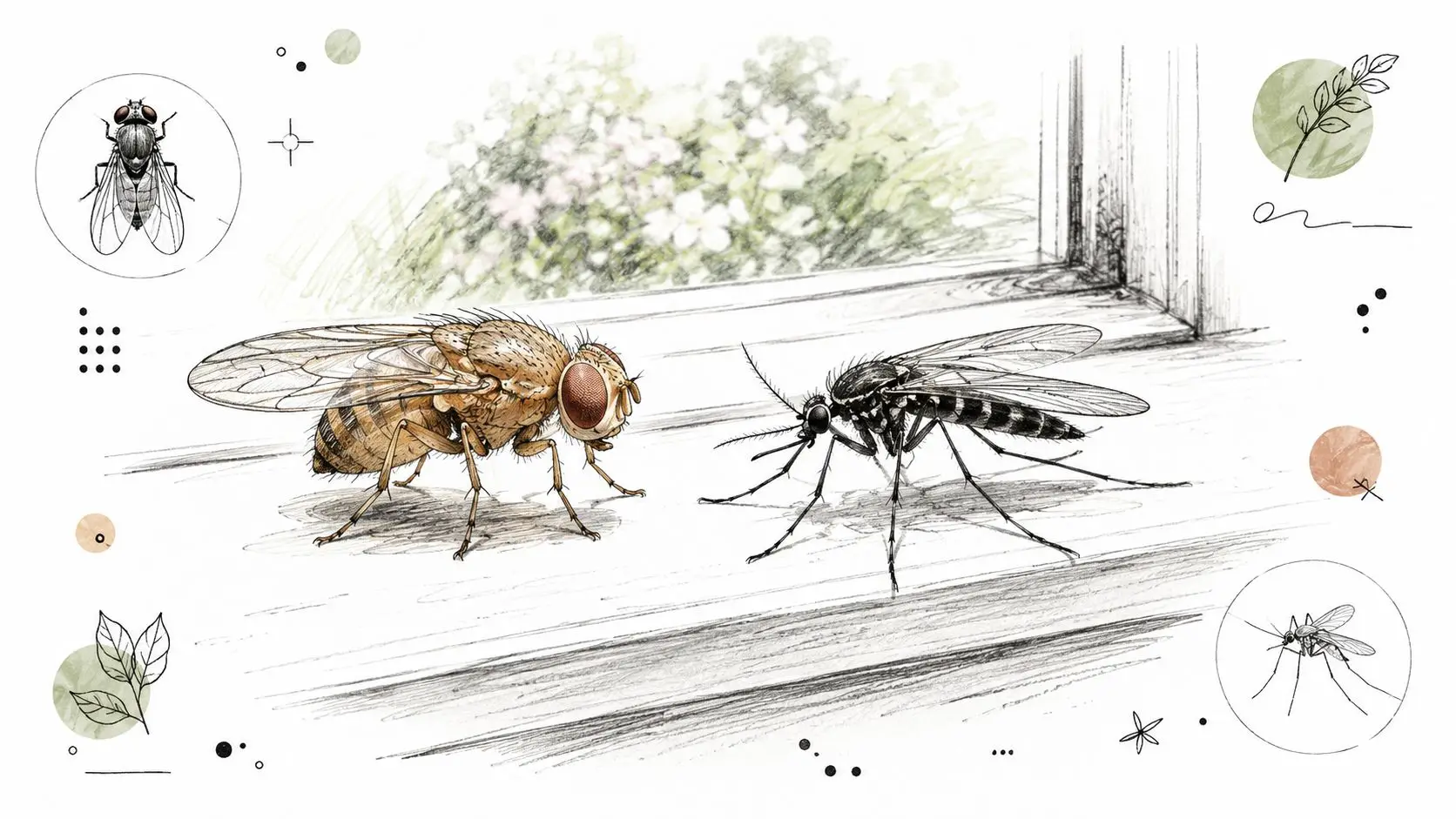
The two small flies most Magnolia homeowners see on a sill are fruit flies and fungus gnats, and they come from very different places.
Fruit flies have a rounded tan body, red eyes, and a compact shape, usually around 1/8 inch long. They tend to hover around fruit bowls, trash cans, recycling containers, and sink drains. Fermenting produce and sugary residue draw them indoors, a familiar problem in Gulf Coast kitchens during warm weather. If the sill is beside the kitchen, check the drain and food waste before blaming a plant.
Fungus gnats look darker and more delicate. Their narrow bodies and longer legs give them a mosquito-like appearance, but they're much smaller, generally 1/16 to 1/8 inch long, and their flight is weak and wandering. They commonly emerge from overwatered houseplants, soggy saucers, or damp potting mix, then drift toward the window because adults are attracted to light and often accumulate near window frames. Utah State University Extension explains the fungus gnat life cycle and its strong association with light and windows.
Use movement and location as clues
A fruit fly usually stays close to food or plumbing. A fungus gnat often lifts off when you disturb the soil, then heads toward light. If you move a potted palm and several dark flies rise from the container, you've likely found the breeding site.
Southeast Texas humidity also changes how quickly potting soil dries. A watering routine that seems modest can still leave the center of a container damp for too long, particularly when the pot has poor drainage or sits in a saucer. Females can lay up to 200 eggs, eggs may hatch in 3 to 6 days, and the complete indoor life cycle can finish in 3 to 4 weeks under favorable conditions, according to the Utah extension fact sheet linked above.
Drain flies and outdoor midges can occasionally show up on a sill, but they're less common explanations for this specific complaint. Start with the plant, drain, and entry points before treating an unusual possibility. For a closer look at plant-related activity, this guide to fungus gnats in potting soil is a useful reference.
Reading the Sill to Pinpoint the Source
A window sill reveals its source when you inspect it carefully before reaching for a spray. Start with the closest houseplant. Press a finger into the potting soil, look under the container, and check for white larvae, decaying leaves, or fungal growth. Damp mix beside several dark, weak-flying insects points toward fungus gnats.
Then examine the sill corners, frame, and window track. Condensation, mildew, dead insects, and wet debris show where moisture collects. In Southeast Texas, aluminum and vinyl frames can remain damp after humid weather, especially when afternoon thunderstorms raise indoor humidity and cool glass meets warm air. Cleaning the surface will not stop repeat activity if damaged seals let in water or moisture remains inside the track.
Use this Mildew on windowsill guide to compare ordinary surface buildup with signs that the frame needs closer attention. Inspect the area below the window, too. Bubbling paint, soft trim, staining, or a musty odor warrants more investigation than a few dead flies on the glass.
Match the concentration to the source
Gnats clustered near a kitchen window call for an inspection of the sink drain, disposal, trash can, and fruit bowl. Wipe residue from the drain opening, then check for activity after the sink has sat unused. FullScope's fruit fly guidance provides additional clues for kitchen-related sightings.
Activity around a plant puts the potting mix first. Check drainage, the saucer, and the soil surface before blaming the window. Magnolia homes often keep tropical plants indoors, and damp containers can support recurring fungus gnat activity through humid weather.
Sightings mainly at dusk near a cracked window, porch light, or screen edge suggest outdoor entry. Homes along the FM 1774 and FM 1488 corridors may have more contact with vegetation and evening lighting, but the same inspection applies throughout Magnolia and greater Montgomery County.
A window opened for a cross-breeze can admit insects drawn to porch lights. Check screen corners, weather stripping, and the lower track. A daytime gap may be easy to miss, yet visible when indoor light shines around the frame at night.
Removing Gnats from the Sill Without Spreading Them
Start by removing what feeds the insects. Put ripe fruit in the refrigerator, empty and rinse trash cans, and clean sugary residue from counters and recycling containers. For a kitchen drain, scrub the opening with a brush, flush it with boiling water where the plumbing and fixture allow it, and remove the organic film that supports small flies.
For a plant-related problem, pull the containers away from the sill. Let the top two inches of soil dry completely when the plant can tolerate that level of drying, and empty every saucer. Don't keep watering on schedule because the calendar says it's time. Check the soil first.
Practical rule: Traps tell you where adults are. Drying the breeding material is what breaks the cycle.
Set traps only after the source has been addressed. A shallow dish of apple cider vinegar with a drop of dish soap works as a simple fruit fly trap near a kitchen sill. For fungus gnats, place yellow sticky cards at plant-soil level rather than across the room. The cards catch adults and help show whether activity is declining, but extension guidance treats them as monitoring and adult-suppression tools, not a standalone cure. University of California Integrated Pest Management guidance explains how sticky traps fit into fungus gnat control.
A store-bought fruit fly trap can help when kitchen activity is heavy, especially if the trap is placed beside the suspected drain or waste source. For a broader discussion of what fruit fly traps can and can't do, read this guide to effective gnat management for restaurants. Commercial settings and homes differ, but the source-control principle is the same.
Use targeted treatment only when the soil stays involved
A top-dressing of coarse sand can make the soil surface less suitable for egg laying. Diatomaceous earth may also be used as a surface barrier, but it works best when kept dry and applied according to the product label. Neither material fixes a pot that remains saturated.
For stubborn plant-breeding populations, a product containing Bacillus thuringiensis israelensis, or Bti, can be used as a soil drench when the label permits that application. University extension guidance identifies Bti as a larval treatment, and University of New Hampshire reports that applications every 3 to 7 days can provide control under its guidance. University of Maryland Extension's fungus gnat resource also describes Bti soil drenches as a way to target larvae.
Skip foggers and broad indoor sprays on the sill. They can scatter adults into other rooms, contaminate a food-adjacent surface, and leave larvae untouched. In Southeast Texas humidity, removing moisture beats adding chemicals when the breeding source is wet soil, a saucer, or a damp window track.
DIY Fixes vs Calling a Magnolia Pro
A homeowner can handle a short-lived sill problem when the source is clear and responds to correction. If the activity is beside an overwatered plant, let suitable potting mix dry between waterings, empty the saucer, and monitor the area. If a drain remains suspect, clean accessible residue and use an enzyme product only as its label directs.
Call a professional when insects continue after the suspected moisture source has been corrected, appear at several windows, or return soon after cleaning. Recurring activity can point to a hidden drain condition, wet framing, an exterior leak path, or plant soil that never dries enough. Traps may reduce visible adults, but they do not resolve those conditions.
A useful inspection should connect the sill to the rest of the home. The technician should check nearby plants and saucers, drain access, window tracks, screens, caulk, condensation, and signs of storm or plumbing moisture. Ask whether the recommendation addresses a breeding site or only treats the insects you can see. If building or plumbing repairs are indicated, the pest provider should say so rather than present spraying as a complete fix.
| Factor | DIY Gnat Removal | FullScope Professional Service |
|---|---|---|
| Inspection | Check plants, drains, saucers, tracks, screens, and visible moisture. | Inspect likely breeding areas and separate plant, plumbing, exterior, and structural moisture sources. |
| Plant activity | Correct watering, empty saucers, and monitor whether emergence stops. | Recommend targeted treatment when home corrections have not stopped recurring activity. |
| Drain concerns | Clean reachable residue and follow the product label. | Investigate persistent activity that may involve a broken P-trap or inaccessible plumbing. |
| Window moisture | Wipe condensation, clear accessible debris, and check screens and caulk. | Assess recurring moisture from storm exposure, saturated framing, or a possible slab leak. |
| Credentials and area | Appropriate for a minor, identifiable nuisance. | FullScope serves Magnolia and surrounding Montgomery County, including routes around the FM 1774 and FM 1488 corridors, and operates as a Texas Department of Agriculture structural pest license holder. |
A broken P-trap, slab leak, or storm-damaged frame changes the job. Pest control can address the insects, while a plumber or building professional may need to correct the moisture. Do not keep purchasing traps while a window frame stays wet after cleaning.
FullScope Pest Control is one local option for inspection and targeted indoor treatment. Its coverage includes Magnolia and greater Montgomery County beyond the city boundary, including homes along the 1774 and 1488 corridors. Magnolia sits within the Houston metropolitan area near the junction of those routes. Magnolia's location and regional context are outlined by the city economic-development page.
Keeping Gnats Off the Sill Next Humid Season
Magnolia's humid stretch calls for prevention before the sill becomes a landing zone. From March through October, inspect the window, nearby plants, and exterior drainage as one connected system. The goal isn't to make the house sterile. It's to stop moisture from staying where gnats can use it.
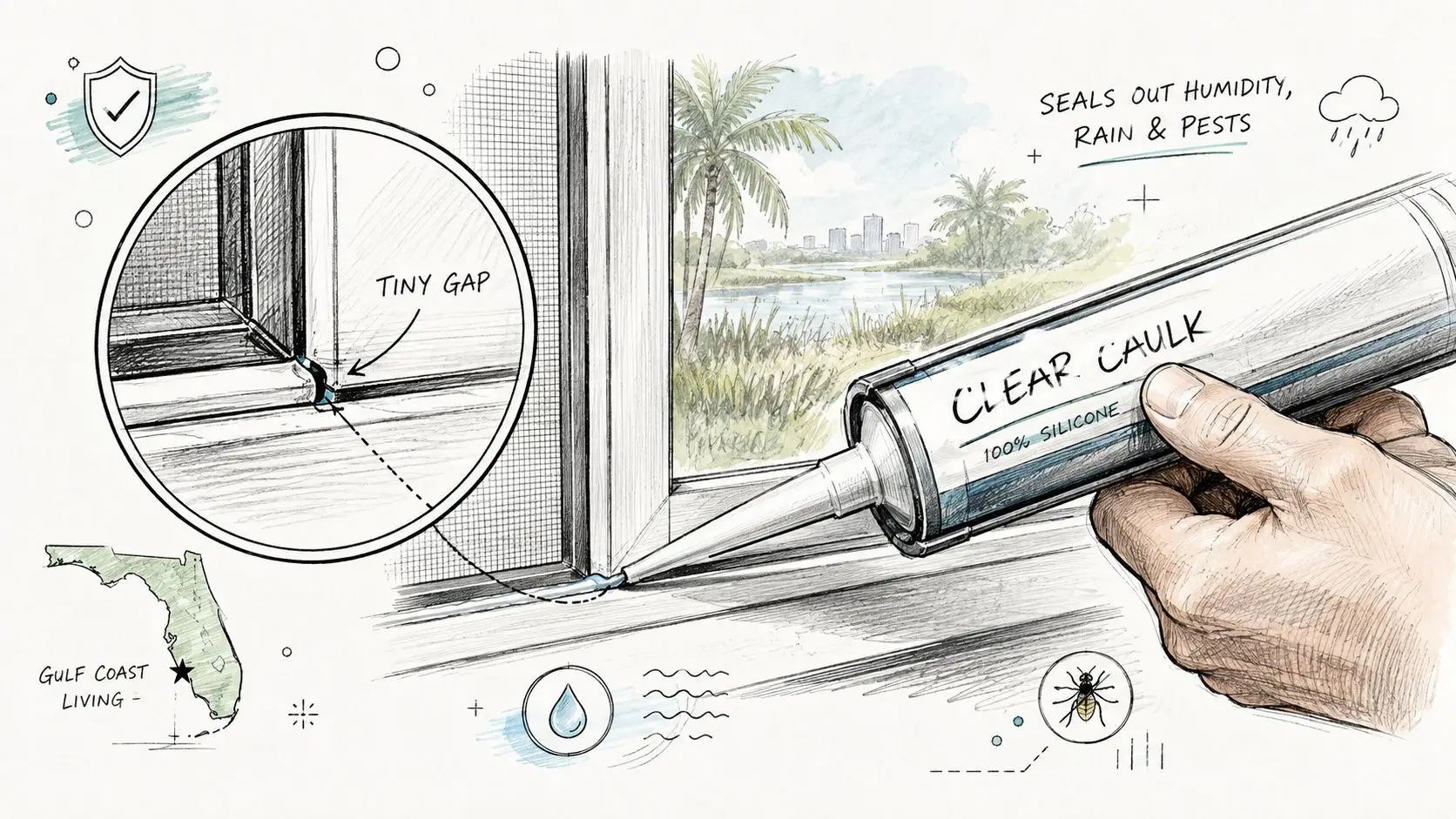
Older ranch-style homes near FM 1488 may have loose screen edges, worn weather stripping, or small gaps around the frame. Replace damaged screens, reseat frames that no longer fit tightly, and use appropriate caulk around fixed exterior joints. Don't seal over window weep holes. Those openings are designed to drain water, but clogged weep holes can hold moisture inside vinyl frames and leave the sill damp.
Move houseplants at least six inches away from the window. That gap improves airflow and makes it easier to inspect the soil and clean beneath the container. Use coarse sand as a dry top dressing where suitable, and adjust watering so the potting mix dries according to the plant's needs rather than following a fixed weekly habit.
Correct the outside moisture path
Watch irrigation heads that splash the south-facing facade. Redirect them away from the wall and window, and check mulch or damp organic material that stays against the foundation. After storms, inspect the sill, track, and lower frame for water accumulation instead of assuming the insects came from indoors.
Bathroom and laundry fans should run long enough to pull down condensation, particularly after showers, washing, or drying clothes. If interior condensation keeps returning, this guide to condensation inside home windows provides useful background on possible causes and practical corrections.
Use a simple seasonal rhythm:
- March inspection: Check screens, caulk, weep holes, plant saucers, and exterior irrigation before humidity increases.
- Mid-July recheck: Look for damp soil, blocked drainage, condensation, and renewed activity after summer storms.
- October sealing pass: Repair entry gaps and confirm that window tracks are dry before cooler weather encourages indoor gathering.
A short visual reminder can help when checking a sill and its surrounding frame:
For additional fruit fly prevention around food, drains, and entry points, use this guide to keeping fruit flies out of your home. The same inspection habit helps prevent both fruit flies and fungus gnats from becoming recurring window-sill complaints.
Your Magnolia Homeowner's Gnat Action Plan
Use this order when gnats keep appearing on a Magnolia window sill:
- Confirm whether the insects are fruit flies or fungus gnats.
- Check the nearest plant soil, drain, food residue, window track, and exterior frame.
- Correct the moisture or sanitation source.
- Monitor activity before deciding whether professional inspection is needed.
Tan flies with red eyes near food or drains usually point toward fruit flies. Dark, delicate flies concentrated around damp potting mix are more consistent with fungus gnats. In Southeast Texas homes, indoor plants, humid weather, and condensation can overlap, so identifying the nearby source matters more than counting adults on the glass.
Remove food residue, refrigerate produce, dry the drain, empty plant saucers, and allow suitable potting mix to dry. Follow the trap guidance in the removal section above rather than adding another set of identical traps to every sill.
Check the sill and surrounding frame after rain, especially along homes near the FM 1774 and FM 1488 corridors. Look for standing water in the track, blocked weep holes, soft trim, staining, failed caulk, or a screen gap. A recurring complaint often needs a repair or moisture correction, not a stronger insecticide.
Keep a brief record for several days. Note the room, time of day, weather, nearby plant or drain, and whether new adults appear after cleaning. This separates a declining group of stragglers from an active breeding source.
Request an inspection when adults return after the suspected source has dried, appear in multiple rooms, emerge from a wall or drain, or occur with condensation, staining, soft trim, or a suspected leak. Tell the technician whether a houseplant, drain, or window is the leading suspicion so the inspection starts in the right place.
FullScope Pest Control serves Magnolia and nearby Montgomery County communities, including homes along FM 1774 and FM 1488. Contact the company through its website or phone line, describe the sill activity, and request a same-week appointment if the source remains unclear. Cases often settle after the breeding site and entry condition are corrected, while hidden moisture can prolong activity.
If gnats are gathering today, submit a FullScope request with a close-up photo, the affected room, and any suspected plant, drain, or window leak. That information helps the technician address the source instead of repeatedly treating the flying adults.