1500+ reviews

Families want pest problems handled without adding unnecessary worry to the spaces where children and pets live, sleep, eat, and play. That concern is valid, especially when pests such as ants, fire ants, termites, mosquitoes, cockroaches, wasps, spiders, fleas, rodents, and ticks can affect comfort, health, and property protection. Eco-friendly pest control is built around a careful idea: use inspection, prevention, and targeted treatment to manage pests while limiting avoidable disruption inside the home.
A safer service plan starts by asking why pests are active. Moisture, food crumbs, pet bowls, shaded landscaping, wall gaps, standing water, clutter, and seasonal weather can all create pest pressure. When those conditions are identified first, treatment can be more precise. The goal is to place the right solution in the right area, based on the pest, the home, and the risk.

Inspection Helps Limit Unnecessary Treatment
Eco-conscious service begins with a complete look at the property. A technician checks where pests are entering, nesting, feeding, or resting before deciding how treatment should be placed. This is important in homes with young children, indoor pets, or outdoor play areas because every room and exterior zone may have different concerns.
A family-focused inspection may include:
- Checking kitchens, bathrooms, garages, and laundry areas for moisture or food sources
- Reviewing pet areas, bedding, crates, feeding spots, and yard access points
- Inspecting exterior gaps where ants, cockroaches, spiders, rodents, or termites may enter
- Looking for standing water that can support mosquitoes or attract other pests
- Identifying shaded areas where fleas, ticks, wasps, or spiders may remain active
This process helps reduce guesswork. Ants require a different plan from rodents. Termites need a different inspection than mosquitoes. Fleas and ticks may involve pet-use areas and shaded outdoor zones. When identification is clear, eco-friendly pest control becomes more controlled, practical, and suited to the household.
Targeted Service Supports Safer Living Areas
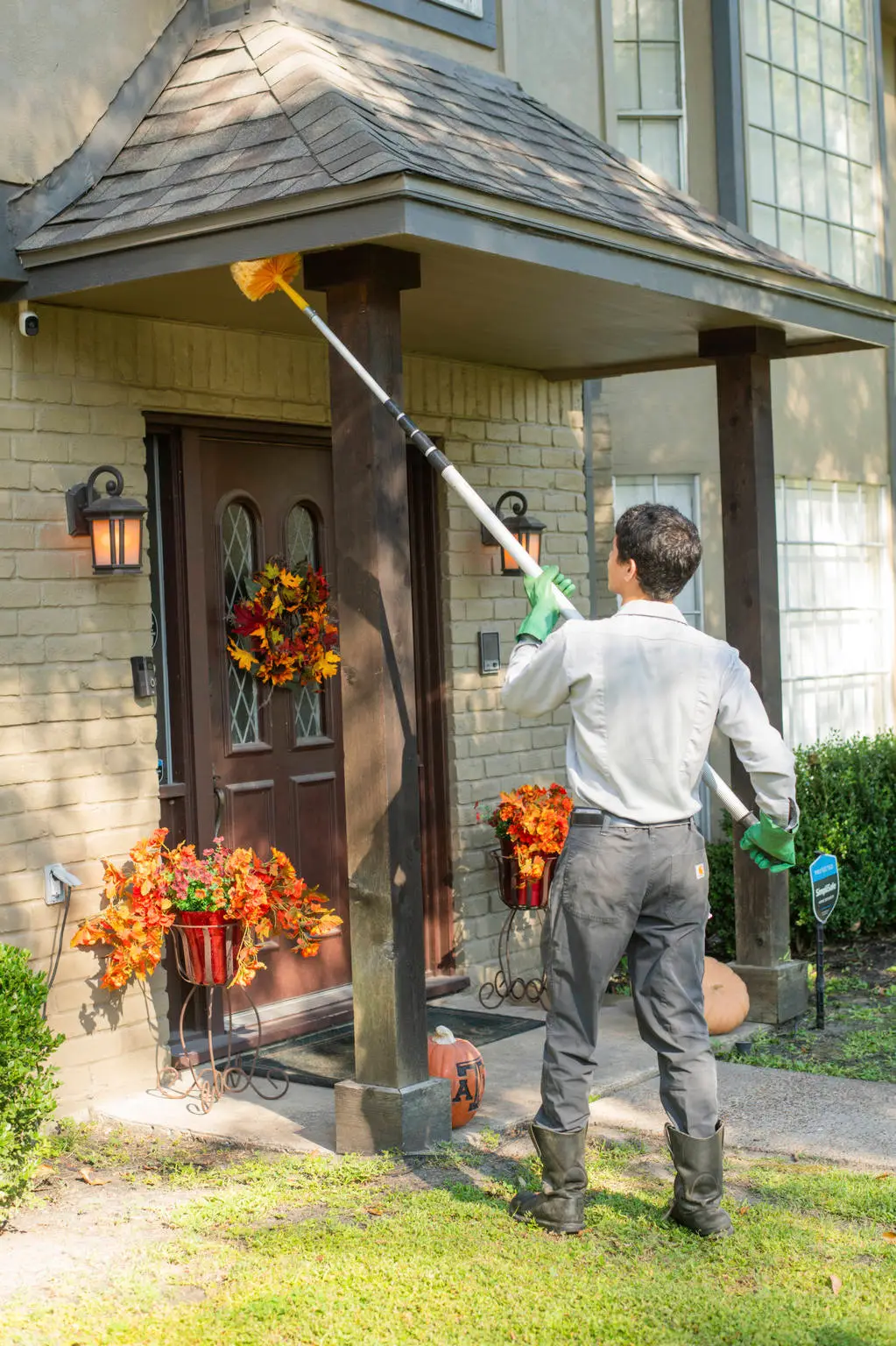
The safest pest plan is rarely the broadest one. Targeted service focuses on pest pathways, entry points, harborage areas, and breeding sites. Instead of treating every visible surface, professionals use the inspection findings to decide where service can be most effective. That may include exterior barriers, crack-and-crevice applications, bait placement, exclusion recommendations, or mosquito source reduction.
This approach respects daily routines. Children may use playrooms, patios, and backyards. Pets may rest near doors, windows, shaded turf, or bedding. Treatment decisions should account for those patterns. Homeowners seeking a more pest-free home benefit from plans that combine professional service with prevention, rather than relying on one-time reactions after pests appear.
Cockroaches may hide near warmth and water, rodents may use utility gaps, termites may remain hidden in wood, and mosquitoes may develop near standing water. When professionals connect these clues, the plan becomes more efficient and less disruptive.
Prevention Reduces Repeat Pressure
Eco-friendly service works best when prevention is part of the plan. Pests often return when access points, food sources, moisture, and shelter remain unchanged. Preventive recommendations help lower pest pressure between visits and can reduce the need for repeated interior service. For families and pets, that long-term focus is one of the biggest safety advantages.
Prevention may focus on:
- Sealing small gaps around pipes, doors, vents, and utility lines
- Reducing moisture near foundations, bathrooms, kitchens, and irrigation areas
- Keeping pet food, pantry items, trash, and outdoor bins tightly managed
- Trimming plants away from walls, rooflines, windows, and walkways
- Monitoring mosquito, flea, tick, rodent, and termite conditions as seasons change
Seasonal planning is important in Texas because warm, humid weather can increase pest movement and reproduction. A useful Texas prevention guide shows why timing matters when pests become more active near yards and structures.
When conditions are managed early, service can stay focused and measured. Patios, kitchens, bedrooms, pet resting spots, and entryways can be evaluated as part of the same plan, not treated as separate problems.
Professional Judgment Makes Safety Practical
Eco-friendly does not mean casual, weak, or random. It means responsible choices backed by pest knowledge. Professionals understand pest biology, product placement, label directions, timing, and follow-up needs. They can decide when an exterior-focused plan is enough, when interior treatment is needed, or when termites, rodents, mosquitoes, fleas, or ticks require more specific attention.
This judgment is what makes professional service safer than guesswork. A visible pest may be only one sign of a hidden source. A few ants can indicate a trail. A single rodent clue can point to an opening. Flea or tick activity can connect indoor pet spaces with shaded yard conditions. By identifying those links, professionals help protect families and pets with fewer unnecessary steps and better long-term control.
Keep Protection Thoughtful And Family-Ready
Homes with children and pets deserve pest service that is careful, targeted, and prevention-minded. For professional eco-friendly pest control for ants, fire ants, termites, mosquitoes, cockroaches, wasps, spiders, fleas, rodents, ticks, and related concerns, contact Fullscope Pest Control.