1500+ reviews

A well-designed yard adds value and curb appeal, but certain landscaping choices can unintentionally create conditions that attract pests. Mulch, dense plantings, and moisture-retaining materials often provide the shelter and resources pests need to thrive. Over time, these outdoor conditions can lead to increased activity that eventually moves indoors.
Understanding how landscaping contributes to pest activity is essential for effective pest control. A long-term approach focuses on balancing aesthetics with prevention, ensuring that outdoor features do not become a gateway for infestations.
Why Landscaping Can Encourage Pest Activity
Landscaping creates micro-environments that support pest survival. While plants and mulch improve soil health and visual appeal, they also introduce moisture, shade, and organic material that pests rely on.
Common factors that attract a landscape pest include:
- Moist soil conditions that support insects and other pests
- Dense vegetation that provides shelter and protection
- Organic materials that serve as food sources
- Reduced airflow that creates stable environments
- Proximity to the home that allows easy transition indoors
These conditions are especially attractive to pests such as ants, termites, spiders, and rodents. Once established in outdoor spaces, these pests often expand their activity toward structures.
Managing landscaping with pest control in mind helps reduce these risks while maintaining the benefits of outdoor design.
How Mulch Contributes To Pest Problems
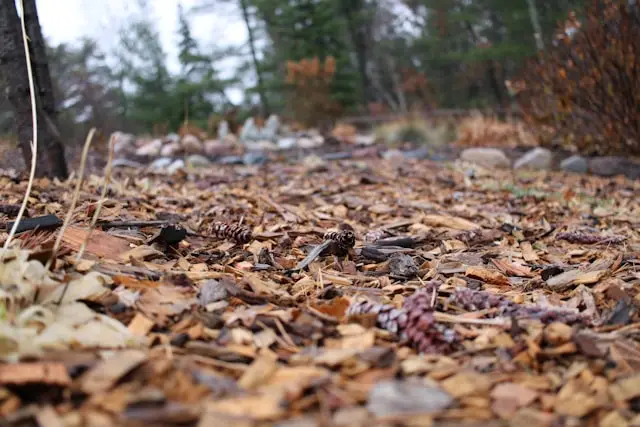
Mulch is widely used for moisture retention and weed control, but it can also create an ideal habitat for pests. Its ability to retain moisture and regulate temperature makes it particularly appealing.
Key ways mulch attracts pests include:
- Holding moisture that supports termite and ant activity
- Providing a hidden environment for nesting and movement
- Creating direct contact between soil and wooden structures
- Allowing insects to travel undetected beneath the surface
- Supporting the growth of organisms that attract other pests
When mulch is placed too close to the foundation, it increases the likelihood of pests moving toward the structure. Termites, in particular, are drawn to moist environments where wood is accessible.
Proper placement and maintenance of mulch are critical for reducing its impact as a potential attractant.
The Connection Between Outdoor And Indoor Infestations
Outdoor pest activity rarely stays outside. Once pests establish themselves in landscaping, they begin searching for additional resources, often leading them indoors.
Common pathways from outdoor to indoor spaces include:
- Cracks and gaps in the foundation
- Openings around windows and doors
- Utility entry points and vents
- Roofline gaps and attic access areas
- Areas where vegetation touches the structure
Pests such as ants, cockroaches, spiders, and rodents use these entry points to move inside. Once indoors, they can find stable conditions that support continued activity.
Understanding this connection highlights why managing outdoor conditions is essential for indoor pest control. Addressing the source of the problem helps prevent recurring infestations.
Landscaping Practices That Reduce Pest Attraction
While landscaping can attract pests, thoughtful design and maintenance can significantly reduce these risks. The goal is to create an environment that is less appealing while still maintaining visual appeal.
Effective strategies include:
- Keeping mulch at a safe distance from the foundation
- Using materials that do not retain excessive moisture
- Trimming vegetation to prevent contact with the structure
- Maintaining proper drainage to reduce water buildup
- Removing debris and organic matter regularly
These practices help limit the conditions that pests depend on. They also improve visibility, making it easier to detect early signs of activity.
Seasonal changes can also influence how landscaping affects pest behavior. This overview of seasonal pest prevention tips explains how adjusting maintenance throughout the year supports better results.
Consistency in these practices ensures that landscaping remains an asset rather than a liability.
Why Long-Term Pest Control Is Essential
Even with proper landscaping practices, pest activity can still develop due to environmental factors. This is why a long-term pest control approach is essential for maintaining a stable environment.
Benefits of a long-term strategy include:
- Continuous monitoring of pest activity around the property
- Early detection of potential infestations
- Targeted treatments that address both indoor and outdoor areas
- Adaptation to changing environmental conditions
- Reduced the likelihood of recurring pest problems
A one-time solution may provide temporary relief, but it does not address the ongoing nature of pest activity. Long-term pest control focuses on prevention and consistent management.
Understanding how to maintain a pest-free environment is key to this approach. This guide on maintaining pest-free living highlights how ongoing care supports long-term success.
By combining landscaping management with professional pest control, property owners can achieve more reliable results.
Creating A Balanced Outdoor Environment
Landscaping and mulch are important elements of outdoor design, but they must be managed carefully to avoid attracting pests. By understanding how these features influence pest behavior, homeowners can make informed decisions that support both aesthetics and protection.
A balanced approach focuses on reducing attractants, maintaining proper spacing, and monitoring conditions over time. This ensures that outdoor spaces remain functional without increasing the risk of infestations.
Pest control is most effective when it addresses both the environment and the pests themselves. By managing landscaping and maintaining consistent protection, property owners can create a more controlled and comfortable living space.
Build a smarter barrier against outdoor pests
If landscaping and mulch are contributing to pest activity around your property, a structured approach can help restore balance and prevent ongoing issues. Connect with Fullscope Pest Control to explore pest control solutions designed for long-term protection.