1500+ reviews

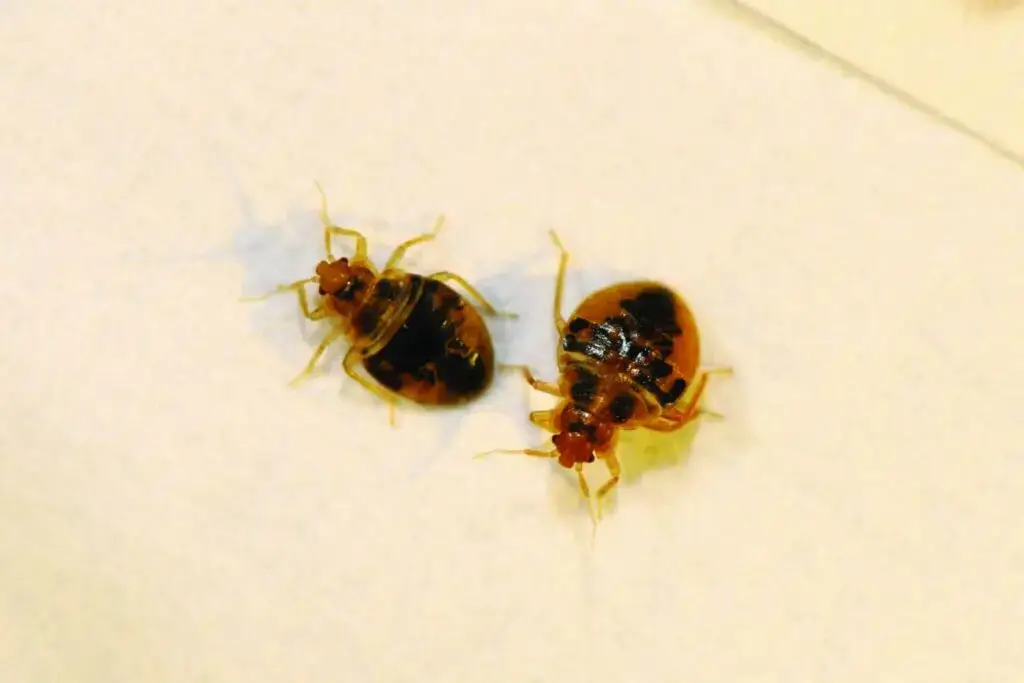
Bed bugs continue to be a persistent issue in Houston due to population density, frequent travel, and year-round indoor climate control. These pests are not linked to cleanliness or neglect. Instead, they spread easily through luggage, furniture, shared spaces, and everyday movement. From an expert perspective, bed bugs are difficult to detect early and even harder to eliminate without a structured plan. Understanding the signs, risks, and escalation points helps prevent a small problem from becoming a widespread infestation.
Houston’s warm climate allows bed bugs to remain active throughout the year. Unlike seasonal pests that slow down in colder months, bed bugs thrive indoors where temperature and shelter remain consistent. This allows infestations to develop quietly in bedrooms, living areas, and even workplaces. Knowing when professional involvement is necessary plays a critical role in limiting disruption and long-term impact.

Early Signs That Point To Bed Bug Activity
Bed bugs are elusive and primarily active at night, which means visible sightings are often a late stage indicator. Professionals rely on a combination of physical evidence and behavioral patterns to confirm activity.
- Small blood stains on sheets or pillowcases caused by feeding
- Dark fecal spotting along mattress seams, headboards, or furniture joints
- Shed skins and eggs in cracks, crevices, or fabric folds
- Unexplained bite patterns that appear in clusters or lines
Bite reactions vary widely, and some individuals show no visible response at all. Because of this, professionals avoid relying solely on skin reactions when assessing bed bugs. Instead, inspections focus on physical evidence and location patterns. Early recognition allows for faster containment and reduces the likelihood of spread to adjacent rooms or neighboring units.
Where Bed Bugs Commonly Hide In Houston Homes
Bed bugs are highly skilled at remaining hidden. They prefer tight spaces close to sleeping or resting areas, which allows them to feed and retreat without detection.
- Mattresses and box springs especially along seams and tags
- Bed frames and headboards where joints provide shelter
- Upholstered furniture including sofas and chairs
- Wall voids and baseboards near sleeping areas
In Houston homes, bed bugs may also spread more easily due to shared walls in apartments and townhomes. Once established, they can migrate through wall cavities and electrical outlets. Professional inspections examine both primary and secondary hiding areas to determine the full scope of activity.
Risks Associated With Untreated Bed Bug Infestations
Allowing bed bugs to remain untreated introduces risks that extend beyond discomfort. Over time, infestations become more difficult to manage and cause broader disruption.
- Sleep disruption and stress caused by repeated nighttime feeding
- Skin irritation or secondary infections from scratching bites
- Rapid population growth as bed bugs reproduce quickly in stable environments
- Increased treatment complexity once infestations spread beyond one room
Bed bugs are not known to transmit disease, but the psychological and physical toll can be significant. Prolonged exposure often leads to anxiety, loss of sleep, and reduced quality of life. Additionally, the longer an infestation persists, the greater the chance of bed bugs spreading to vehicles, workplaces, or other homes.
Why Houston Conditions Make Bed Bugs Harder To Control
Houston’s climate and lifestyle factors contribute to the persistence of bed bugs. Warm temperatures support continuous activity, while travel and population movement increase exposure risk.
- Year-round indoor activity due to climate-controlled environments
- High travel volume through airports, hotels, and shared accommodations
- Secondhand furniture use which can introduce hidden infestations
- Dense housing arrangements that allow movement between units
Preventive awareness plays an important role in reducing risk. This seasonal guidance on spring pest prevention highlights how changing conditions influence pest behavior and why early action matters. While bed bugs are not seasonal in the same way as outdoor pests, preventive habits and monitoring still reduce the likelihood of unchecked spread.
When Professional Intervention Becomes Necessary
Bed bugs are one of the most challenging pests to eliminate without professional expertise. Once confirmed, delaying action often increases cost, disruption, and treatment duration.
Professional involvement becomes essential when activity is confirmed in multiple locations, when infestations return after temporary relief, or when residents are unsure of the full extent of spread. Professionals bring training, inspection tools, and treatment strategies that address both visible activity and hidden harborages.
Treatment plans are designed to be thorough and controlled. They often include targeted applications, heat-based strategies, and follow-up inspections to confirm elimination. Importantly, professionals also provide guidance on preparation and containment to prevent reinfestation. Broader insights into maintaining pest-free environments are covered in this resource on long-term pest-free living, which explains why structured management outperforms reactive efforts.
Attempting to manage bed bugs without professional support frequently leads to scattered activity and prolonged infestations. Professional oversight ensures that treatment reaches all life stages and hiding areas, which is critical for success.
A Clear Step Toward Restful Nights
When bed bugs disrupt comfort and peace of mind, timely expert care makes the difference. Contact Fullscope Pest Control to schedule a professional evaluation and take the first step toward complete and lasting bed bug resolution.