 1500+ reviews

Pest Prevention Tips For Your Property After Summer
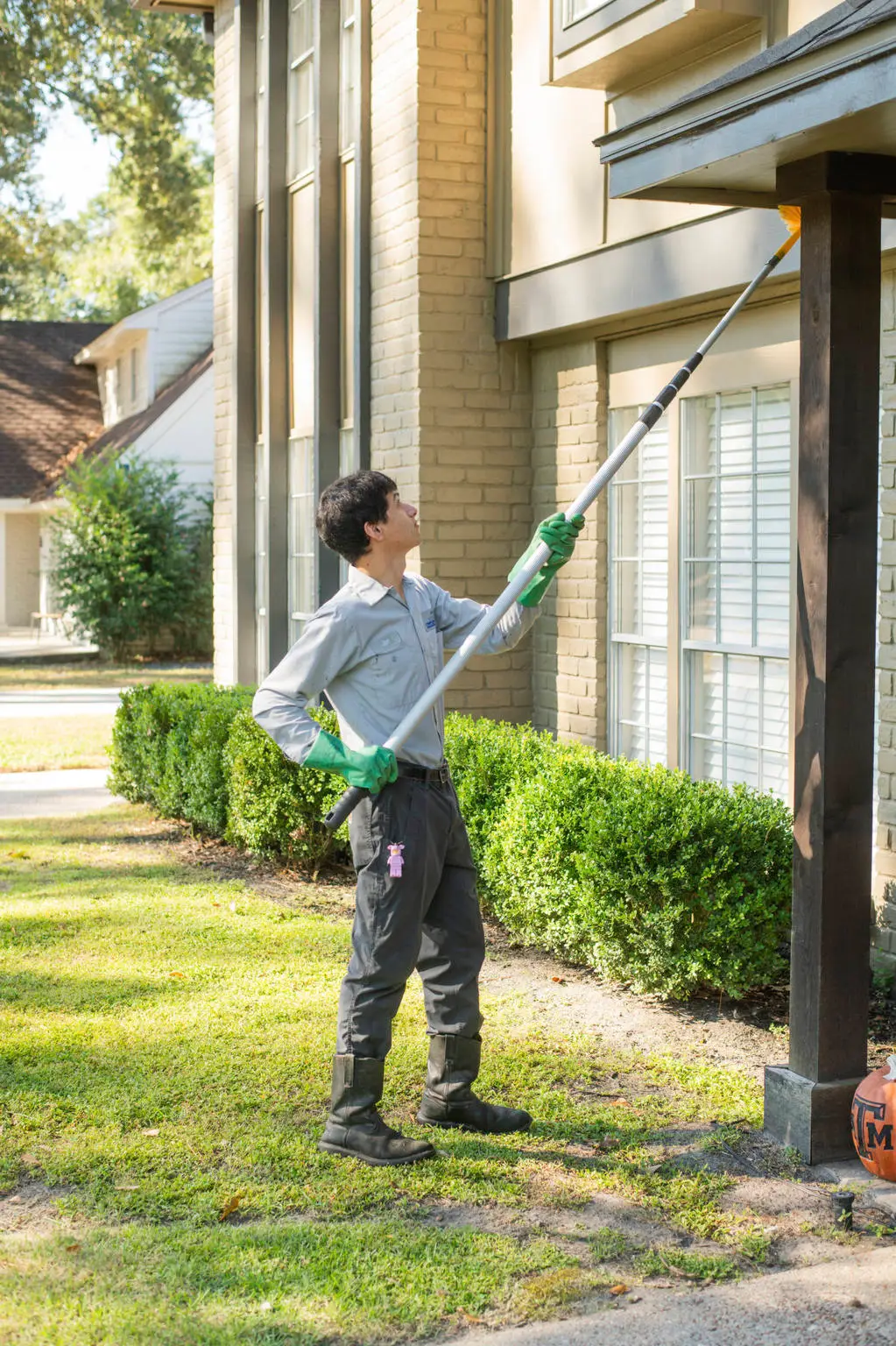
As summer winds down in Kingwood, Houston, and nearby Southeast Texas communities, pest pressure does not disappear. Heat, humidity, rainfall, irrigation, and mild seasonal changes can continue supporting ants, cockroaches, spiders, mosquitoes, fleas, ticks, termites, wasps, bed bugs, mice, and rats. Some pests remain active outdoors, while others begin moving toward protected areas around the structure. Our team recommends using the end of summer as a practical checkpoint for the property. Effective pest prevention tips focus on what pests need to survive: access, food, water, shelter, and suitable breeding areas. By reviewing those conditions before fall progresses, we can identify developing problems earlier and build a more focused pest-control plan instead of reacting only after activity becomes obvious indoors. Start With Entry Points, Moisture, and Harborage Areas The transition out of summer is a good time to inspect the places where pests approach the home. Small gaps around doors, windows, utility penetrations, vents, and foundation transitions can become repeat entry routes. Moisture around plumbing, irrigation, drainage areas, and shaded landscaping can also keep pest activity concentrated close to the structure. Our approach to integrated pest management connects inspection, prevention, monitoring, and targeted treatment rather than relying on repeated one-time applications. That is especially useful after summer, when several pest pressures may overlap around the same property. Key areas to review include: These observations help separate an isolated sighting from a condition that may continue attracting pests into fall. Reassess Outdoor Conditions That Support Pest Activity The yard can influence what eventually appears indoors. Mosquitoes may remain active where standing water or dense vegetation provides suitable conditions. Fleas and ticks can persist in shaded outdoor areas, while ants, spiders, wasps, and cockroaches may take advantage of moisture, food debris, or protected harborages close to the home. Our team looks at the relationship between landscaping and the structure because pest prevention works best when exterior pressure is addressed before pests establish indoor routes. Trimming vegetation, improving access for inspection, and identifying moisture-prone areas can make professional treatment more precise. Properties with wooded lots, shaded planting beds, pets, or frequent irrigation may need closer attention because these features can create small, favorable zones even when overall temperatures begin to ease. A professional inspection helps determine which conditions are actually contributing to activity. After summer, pay attention to: These pest prevention tips are most useful when they support a broader inspection. Surface cleanup alone may not reveal a hidden nest, colony, or structural access point. Adjust Prevention As Seasonal Pest Patterns Change Southeast Texas can experience pest activity throughout the year because long periods of cold weather are uncommon. The mix of heat, humidity, rainfall, and mild winters means pest problems often shift rather than stop. Our guide to seasonal pest activity explains why ants, cockroaches, spiders, mosquitoes, fleas, ticks, termites, wasps, bed bugs, mice, and rats can become more noticeable at different times. As fall develops, rodents may seek protected shelter, while cockroaches and ants can remain active where warmth, moisture, and food are available. Spiders may follow insect prey toward garages or sheltered corners. Termite risk also deserves attention when evidence such as mud tubes, discarded wings, or damaged wood appears. A seasonal prevention plan may include: Our team uses inspection findings to decide where treatment is needed and where prevention may be more important. This reduces the chance of applying the same response to every pest or every part of the property. Long-term pest prevention depends on consistency. A one-time service may reduce immediate activity, but changing weather, vegetation, moisture, and structural wear can create new conditions later. Regular monitoring allows us to compare what has changed and respond before smaller problems become established infestations. Keep Seasonal Pest Pressure From Gaining Ground For property-specific inspection, prevention, monitoring, and targeted treatment after summer, contact Fullscope Pest Control to build a long-term plan around the pest pressures affecting your home.