 1500+ reviews

Why Professional Mosquito Control Delivers Better Results
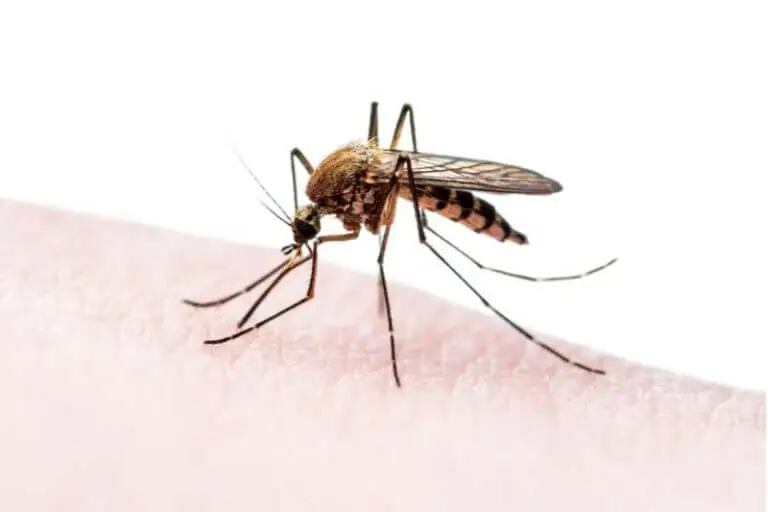
Mosquitoes are more difficult to manage than they appear. Adults may be visible around patios and lawns, but the larger problem often includes eggs, larvae, pupae, shaded resting areas, and recurring water sources spread across the property. In Southeast Texas, heat, humidity, rainfall, irrigation, and dense vegetation can keep mosquito activity high for much of the year. Professional mosquito control addresses these connected conditions instead of focusing only on the insects currently flying. Technicians inspect breeding sites, identify resting zones, select targeted applications, and plan follow-up around weather and the mosquito life cycle. This structured approach produces more reliable results than reacting to bites without understanding why mosquitoes remain close to the home. Inspection Reveals Where Mosquitoes Develop And Rest A yard may contain several mosquito-supporting areas that are easy to overlook. Small amounts of stagnant water can support larvae, while adult mosquitoes often rest beneath leaves and within shaded shrubs during the hotter parts of the day. Technicians evaluate both environments before choosing treatment locations. A professional inspection may examine: This property-wide review helps separate breeding sources from adult resting zones. It also keeps treatment focused on the sections contributing most to current activity. Accurate mapping prevents unnecessary coverage and helps technicians prioritize the areas where mosquitoes are most likely to develop or settle. Source Reduction Strengthens Every Treatment Removing or correcting water-holding conditions is a central part of mosquito management. The guidance on yard mosquito prevention explains why containers, puddles, plant trays, and other stagnant sources require regular attention. Even a small amount of water can become productive when warm weather accelerates development. Professionals look beyond water that can be emptied once. They assess why it returns after rain or irrigation and whether drainage, debris, or landscape design creates a recurring problem. Where water cannot be removed, an appropriate larvicide or other life-cycle-focused method may be considered. Source reduction does not eliminate every adult mosquito arriving from neighboring properties, but it lowers local production and makes targeted treatment more effective. Layered Treatments Address More Than Flying Adults Professional service may combine barrier applications, fogging, larval control, and automated misting systems, depending on the property and level of pressure. Each method serves a different purpose, and the strongest plans are based on confirmed conditions rather than one standard application. A layered mosquito control plan may include: Technicians understand how temperature, rainfall, plant density, and airflow affect placement. They can also explain drying and reentry requirements for families and pets before outdoor areas are used again. Texas Summer Pressure Requires Seasonal Timing Mosquito activity often overlaps with the broader conditions described in Texas summer pests. Heat and humidity may support mosquitoes, while ants, cockroaches, fleas, ticks, spiders, rodents, termites, and other handled pests respond to the same moisture, shelter, and seasonal changes. Timing matters because mosquito barriers gradually break down through rain, heat, irrigation, and environmental exposure. One-time treatment may lower current activity, but new adults can emerge from overlooked water or enter from nearby yards. Scheduled service allows professionals to reinforce protection before biting pressure fully rebounds. In the local climate, mosquito programs may begin in spring and continue into fall, with the exact schedule shaped by weather, property conditions, and observed activity. Monitoring And Follow-Up Produce Better Long-Term Results Mosquito control should be measured over time rather than judged only by the hours after treatment. Technicians monitor whether biting declines, whether shaded hotspots remain active, and whether rain or yard changes create new breeding sites. That information helps refine the next visit. Follow-up may involve: No professional service can prevent every mosquito from flying onto a property. However, source reduction, targeted adult treatment, life-cycle management, and scheduled monitoring can substantially reduce local activity and improve outdoor comfort. The difference is not simply access to stronger products. It is the ability to connect breeding water, resting behavior, weather, treatment timing, and property use into one coordinated plan. That expertise allows mosquito control to remain precise, responsive, and more effective throughout the season. Turn Your Yard Into A Less Welcoming Mosquito Zone Contact Fullscope Pest Control for professional inspection, source reduction, barrier treatments, fogging, misting systems, and seasonal mosquito control.