 1500+ reviews

Best Flea Exterminator Near Me the Woodlands TX: Top 7

You notice the problem at the worst time. The dog has been scratching for days, bites are showing up around your ankles, and vacuuming plus store-bought spray has not stopped it. That is usually when homeowners in The Woodlands start looking for the best flea exterminator near me, but the important question is not who can spray fastest. It is who can break the flea life cycle and keep it from restarting two weeks later. That matters because flea jobs fail for predictable reasons. Some companies treat only the adults, skip insect growth regulators, or leave the yard and pet resting areas out of the plan. Others do a better job of explaining what happens after treatment, whether a second visit is included, and what the homeowner needs to do with pets, bedding, floors, and shaded outdoor areas. If you want a useful baseline before you hire anyone, this guide on identifying and eliminating fleas with a whole-property treatment approach lays out the process clearly. This list focuses on method, not just name recognition. I looked for companies that appear to treat flea control as a full property job. That includes indoor treatment, outdoor pressure, follow-up policy, and whether the company speaks in practical terms about IPM instead of treating fleas like a one-visit nuisance. The goal is to help you compare how each provider works, where the trade-offs are, and what to ask before you sign up. 1. FullScope Pest Control FullScope Pest Control stands out here because its flea work appears built around the whole property, not just the room where bites are showing up first. That is the right mindset for The Woodlands. Fleas usually spread between pet bedding, baseboards, upholstered areas, and shaded spots outside where animals rest. What makes FullScope more useful than a basic spray company is range. Homeowners dealing with fleas often uncover related issues at the same time, such as rodents in the attic, mosquitoes in damp yard areas, or a pending termite or WDI inspection during a sale. FullScope handles those categories under one roof, including termite inspections, WDI reports, rodent exclusion, mosquito services, MistAway systems, and lawn care support. For a homeowner or property manager, that can simplify scheduling and keep one company accountable for the bigger picture. Why their flea approach stands out The better flea companies usually talk about inspection first, then treatment, then follow-up. FullScope presents its service in that order, which is a good sign. Flea control fails when a company treats visible adult activity but does not address where eggs and larvae are developing or what needs attention outside. Their QualityPro certification also adds credibility, not because a badge fixes infestations, but because it points to formal standards for training and service procedures. I would still ask the same practical questions I would ask any provider. Do they use an insect growth regulator. Do they inspect pet resting areas indoors and out. Is a second visit included if activity continues after eggs hatch. That last point matters. A flea service is stronger when the company explains the life-cycle problem clearly and sets expectations for what happens after the first application. FullScope also offers ongoing service options, which can make sense for homes with pets, dense shade, or a history of repeat activity. If you want a useful baseline before calling, their guide to whole-property flea treatment and life-cycle control explains the process in plain terms. Pre-hiring check: Ask FullScope to walk you through the exact flea plan for inside, outside, and follow-up. If the answer stays vague, keep pressing until you hear where they treat, whether they use an IGR, and what would trigger a return visit. Best fit and trade-offs FullScope makes the most sense for homeowners who want one local provider for fleas plus other pest or property-service needs. It is also a strong fit for households that want lower-toxicity options or a maintenance plan after the initial cleanup. Pros worth noting: Wide service range: Fleas, termites, WDI work, rodents, mosquitoes, and lawn-related services reduce vendor juggling. Strong service framework: QualityPro certification and an IPM-oriented approach are good signs for flea work. Flexible service options: One-time treatment, recurring plans, and urgent scheduling cover different situations. The trade-off is straightforward. Pricing is not posted online, so comparison shopping requires a quote and a few pointed questions. That extra step is worth it if you want a company that appears set up to handle flea control as an ongoing property issue instead of a quick one-visit spray. 2. Cypress Creek Pest Control A common Woodlands scenario is a dog that runs the yard daily, a shaded lot that stays damp, and bites that seem to come back right after you think the problem is gone. Cypress Creek Pest Control is the kind of company many homeowners call in that situation because it has been working the Houston area since 1968 and offers an ongoing home pest program instead of only a one-time visit. That matters with fleas. A company built around recurring service can be a better fit when the job is not just killing active adults, but keeping pressure down after the first treatment. Cypress Creek lists fleas among the pests it handles and promotes its quarterly Healthy House program, so the practical question is not whether they treat fleas. It is how detailed that flea plan gets once a technician evaluates the property. Where they fit best Cypress Creek makes the most sense for homeowners who expect this to be more than a one-and-done cleanup. If pets move in and out all day, if the yard has heavy shade, or if prior infestations have restarted after treatment, an established maintenance structure is a real advantage. The trade-off is that the website gives only a limited view of the actual flea protocol. You can see the service categories, but not the full decision tree a careful buyer wants to compare, such as interior target areas, yard treatment zones, use of an insect growth
Why Mosquito Activity Peaks During Texas Summer Heat
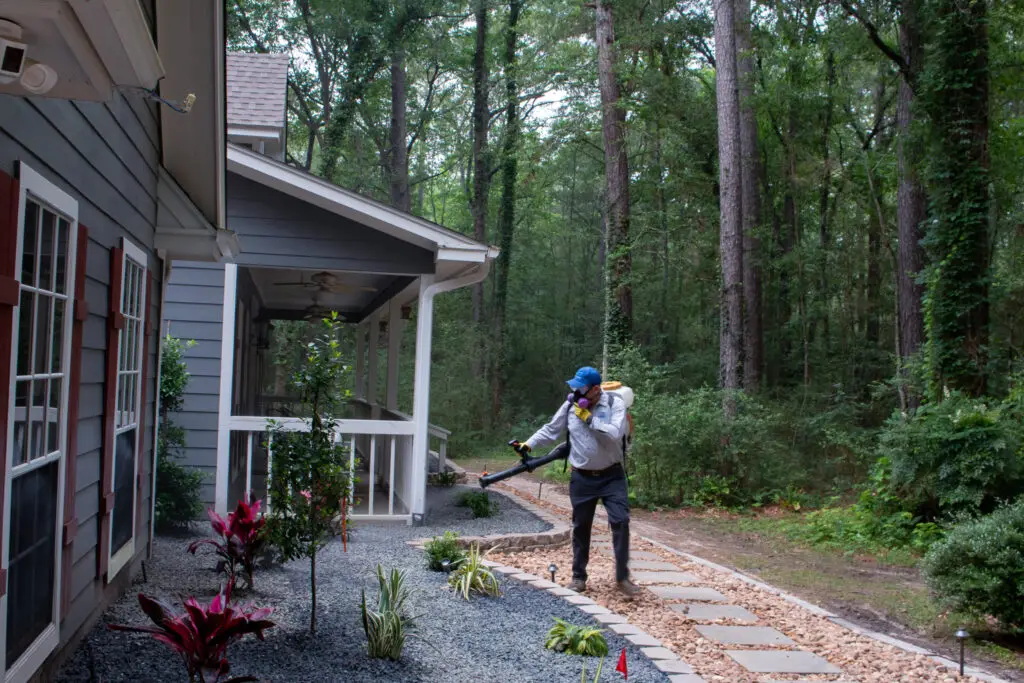
Texas summer heat can make mosquito activity feel constant around patios, yards, entryways, shaded porches, and outdoor gathering spaces. The pattern is not random. Mosquitoes respond to warmth, moisture, shade, and available breeding sites. In Houston-area homes, heat often combines with humidity, rainfall, irrigation, and dense vegetation, creating the kind of environment where mosquitoes can develop and rest close to people. Mosquito control becomes more effective when the full property is evaluated, not only the spot where biting is noticed. The same summer conditions that support mosquitoes can also increase activity for ants, cockroaches, spiders, rodents, termites, fleas, ticks, bed bugs, and other general pests. When pest pressure rises together, homeowners need a plan that considers water sources, harborage, entry points, and seasonal behavior. A careful schedule also helps avoid repeated short-term reactions that never address why mosquitoes keep returning. Heat Speeds Up Mosquito Development Warm temperatures help mosquitoes mature faster. When water remains available, eggs can develop into adults more quickly during hot weather. This is one reason mosquito activity can increase after summer rain, irrigation changes, or even small water collection around the home. Heat alone does not create mosquitoes, but heat plus standing water can accelerate the problem. A professional inspection helps identify water sources that are easy to miss during everyday property use. Humidity Helps Mosquitoes Stay Active Mosquitoes are sensitive to drying conditions, so humid air helps them survive longer and stay more active. Texas summers often bring hot days with moisture in the air, especially in the Houston region. Shaded vegetation, damp soil, and covered exterior spaces can create comfortable resting areas between feeding periods. This is also why quick surface-level efforts often disappoint. A look at why DIY pest control often falls short shows how pests can keep returning when the source is not addressed. With mosquitoes, the source may be a hidden water pocket, a shaded resting zone, or repeated moisture from irrigation. Professional service connects the visible biting problem with the environmental conditions that allow mosquitoes to remain close. That connection is especially important when activity returns to the same corners, beds, or seating areas. Shade And Vegetation Create Resting Areas Mosquitoes do not stay in open, sun-drenched spaces all day. They often rest in shaded, protected places, especially during the hottest hours. Thick shrubs, tall grass, vines, tree canopies, patio furniture, fence lines, and cluttered yard edges can all give mosquitoes cover. These same areas can also support spiders, ants, fleas, ticks, and rodents. When yard conditions support several pests at once, mosquito activity may be part of a larger seasonal pattern rather than an isolated issue. Texas Pest Pressure Overlaps In Summer Mosquitoes are not the only pests that respond to Texas summer conditions. Warmth, humidity, and active landscapes can also affect ants, cockroaches, spiders, rodents, termites, fleas, ticks, bed bugs, and other general pests. Some pests follow moisture, while others follow food, shelter, or prey insects. Understanding common Texas pests helps explain why summer service should be property-specific. A yard with mosquito pressure may also have ant trails near outdoor eating areas, roach activity near moisture, or spiders around insect-heavy lighting. Rodents may use shaded routes around fences and garages, while termites can remain active without obvious surface signs. A professional evaluation helps separate related pest conditions and decide what requires immediate attention. Long-Term Control Depends On Timing Mosquitoes can rebound quickly when heat, water, and shade remain available. That is why long-term relief often depends on timing, follow-up, and seasonal monitoring. A one-time response may reduce activity briefly, but it may not keep up with new rainfall, irrigation changes, or nearby breeding sources. A strong mosquito control plan reviews breeding sites, resting areas, outdoor use patterns, and related pest activity. It does not treat the yard as one flat surface. It considers where mosquitoes develop, where they rest, and why they remain close to people. With Texas summer heat, that source-based approach is the most reliable way to reduce recurring activity around homes and outdoor spaces. Make Summer Evenings Easier To Enjoy For mosquito control that considers heat, humidity, water sources, shaded resting areas, and seasonal pest pressure around your property, contact Fullscope Pest Control for professional support shaped around Texas homes and summer outdoor comfort.