 1500+ reviews

How To Spot Signs Of Termite Damage This Summer
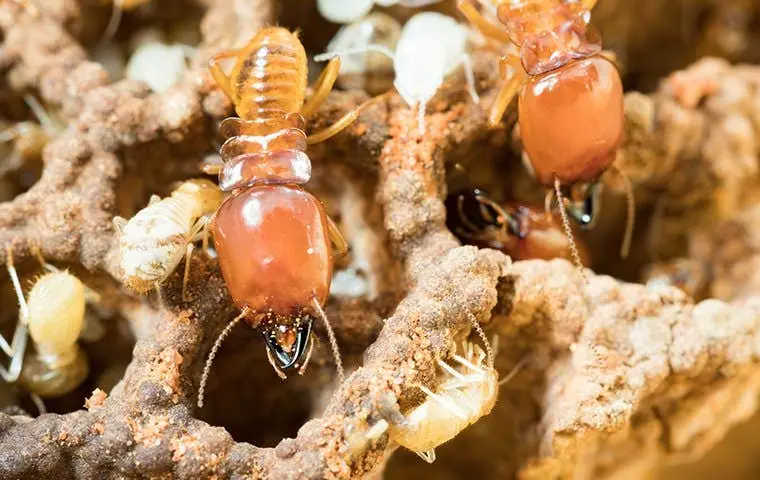
Summer can make termite concerns easier to miss because homeowners are often focused on outdoor projects, travel, lawn care, and storm clean-up. Meanwhile, termites can keep working quietly behind walls, under flooring, around foundations, or inside damaged wood. The first signs may look minor, but they can point to deeper activity that deserves careful attention. Termite control begins with knowing what to look for. Termites are not like pests that cross a room in plain sight. They often stay concealed while feeding on structural wood, trim, subflooring, wall studs, and moisture-softened materials. In warm, humid Texas conditions, summer inspections can help reveal warning signs before damage becomes more costly. Look For Visible Clues Around Wood And Foundations Some termite signs appear around areas where soil, moisture, and wood are close together. These clues may be easy to overlook during normal household routines, especially near garages, porch posts, exterior walls, window frames, baseboards, and crawl-space access. None of these signs should be viewed in isolation. Moisture problems, age-related wear, and wood decay can look similar in some areas. A professional inspection helps separate termite damage from other conditions and shows whether the issue appears active, old, localized, or more widespread. Hidden Galleries Can Make Damage Harder To See Termites often move through concealed spaces, which means a clean-looking room can still have activity behind the surface. Wall voids, flooring layers, insulation, framing, and structural cavities can hide galleries that are difficult to reach with standard visual checks. When hidden activity is suspected, treatment methods must match the location of the infestation. In some cases, targeted applications may need to reach voids and galleries that liquid treatments alone cannot cover. This is where foam injection can be useful, because expanding foam can move into tight spaces where termites may be feeding out of sight. Summer Conditions Can Increase Termite Risk Warm weather does not create termites by itself, but it can make existing risk factors more active. Irrigation, summer storms, damp soil, shaded exterior walls, stacked wood, and landscaping against the home can all make the area more inviting. Termites need access to cellulose and moisture, so small property conditions can matter. A fence post touching soil, mulch piled against siding, leaking spigots, clogged gutters, or stored cardboard near a garage can give termites a stronger reason to stay close. Even minor moisture can soften wood and make hidden damage more likely to spread before anyone notices. Summer also brings more renovations and outdoor repairs. When homeowners replace trim, move stored items, repair decks, or open wall sections, termite evidence may suddenly appear. That discovery should not be covered up with cosmetic repairs before the structure is inspected or documented carefully. Replacing damaged material without addressing the activity can leave the home exposed to the same problem again. Inspection Helps Determine The Right Next Step Once termite signs appear, the next step should be evidence-based. A careful inspection can identify where termites are active, what conditions may be supporting them, and which treatment method fits the home. Severe or concealed infestations may require more than a simple surface application, especially when activity reaches interior spaces. Termite solutions can include inspection, targeted treatment, baiting systems, liquid applications, foam injection, monitoring, and prevention planning depending on the situation. Homeowners interested in lower-impact approaches may also want to understand how eco-friendly termite care fits into a serious infestation plan. The key is matching the method to the damage, structure, and level of activity. Professional termite control also helps homeowners avoid guesswork. A visible mud tube may be the only access route. A small damaged board may connect to a larger hidden feeding. A swarm may indicate a mature colony nearby. The inspection connects these details, so treatment is more precise and long-term prevention is easier to plan. Stop Small Signs From Becoming Structural Problems Summer termite signs deserve careful attention because hidden activity can continue long after the first clue appears. For inspection, treatment planning, and practical termite protection, contact Fullscope Pest Control for professional support.