 1500+ reviews

Mosquitoes After Spring: Why They Persist And What To Do
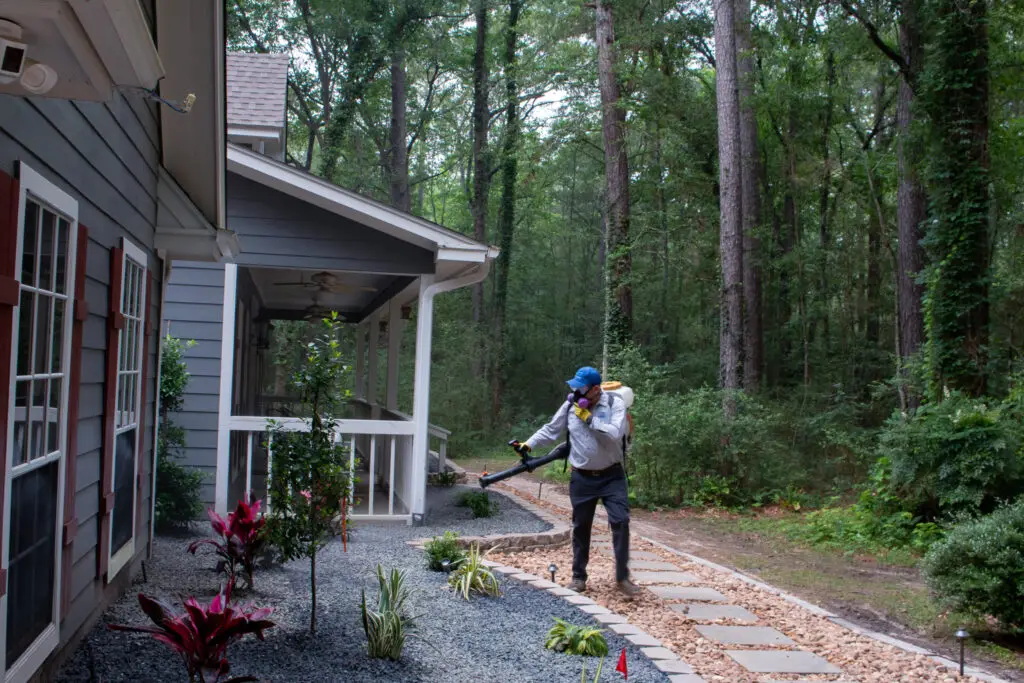
Many homeowners expect mosquito activity to slow down once spring ends. Instead, mosquitoes often become even more aggressive as temperatures rise heading into summer. Outdoor gatherings become less comfortable, standing water attracts more activity, and evening mosquito bites seem to appear everywhere around the yard. Mosquitoes persist after spring because warm temperatures, moisture, and breeding conditions continue supporting rapid population growth. What begins as mild seasonal activity can quickly turn into a larger outdoor problem if environmental conditions remain favorable. That is why mosquito control remains important well beyond early spring. Long-term prevention usually depends on understanding why mosquitoes continue thriving and what conditions allow them to spread around residential properties. Why Mosquitoes Continue Thriving After Spring Spring rainfall often creates the initial breeding conditions mosquitoes need, but warmer temperatures later in the season allow populations to expand rapidly. Moisture combined with heat creates ideal conditions for mosquito development. Even small amounts of standing water may support mosquito activity once temperatures remain consistently warm. Several environmental conditions contribute to ongoing mosquito problems: Because mosquitoes reproduce quickly, outdoor activity may continue increasing throughout the summer if breeding areas remain untreated. Birdbaths, clogged gutters, drainage areas, decorative containers, and poorly draining landscaping often become hidden mosquito hotspots around residential properties. Homeowners looking to understand how warmer weather affects activity may benefit from reviewing these summer mosquito patterns commonly seen during hotter months. Common Areas Where Mosquitoes Breed Mosquitoes rarely travel far from breeding sources. In many cases, infestations remain concentrated around properties where standing water and sheltered environments consistently remain available. Even well-maintained homes may unintentionally create favorable conditions outdoors. Several areas commonly contribute to mosquito activity: Mosquitoes also become more active during dawn and evening hours when temperatures cool slightly and outdoor humidity rises. Homeowners often notice increased activity around patios, gardens, pools, and shaded seating areas during these periods. Because mosquito populations develop quickly, small breeding sites may eventually contribute to much larger infestations around the property. Why Mosquito Problems Often Continue Without Treatment Many homeowners attempt temporary solutions after mosquito activity becomes noticeable. Unfortunately, mosquito populations often return quickly when breeding conditions remain unchanged. Long-term mosquito control usually focuses on reducing both active populations and the environmental conditions supporting reproduction. Several factors make mosquito infestations difficult to control without broader prevention strategies: Professional mosquito control services often combine inspection, targeted treatment placement, habitat reduction, and long-term monitoring designed to reduce recurring activity around residential properties. Because mosquito populations frequently involve multiple breeding locations, surface-level treatment alone may not fully address the underlying problem. Why Prevention Matters During Warmer Months Preventive mosquito control becomes increasingly important once temperatures remain consistently warm. Waiting until outdoor activity becomes severe may allow mosquito populations to spread across the property before treatment begins. Long-term prevention strategies often focus on reducing moisture buildup and limiting outdoor shelter conditions where mosquitoes thrive. Several preventive measures commonly support better mosquito management: Homeowners interested in improving outdoor conditions may also benefit from reviewing these backyard mosquito prevention strategies designed to reduce breeding opportunities around residential properties. Consistent prevention often creates stronger long-term results than waiting for visible infestations to grow larger throughout the season. Why Early Mosquito Control Helps Protect Outdoor Spaces Mosquitoes rarely disappear on their own once favorable conditions develop around a property. Warm temperatures, moisture, and hidden breeding areas may continue supporting activity throughout much of the year if left untreated. That is why early mosquito control remains important for homeowners hoping to maintain more comfortable outdoor spaces during warmer seasons. Identifying breeding conditions early often helps reduce population growth before infestations become more difficult to manage. Creating A More Comfortable Outdoor Environment Professional inspections can help identify the conditions contributing to persistent mosquito activity and support more effective long-term mosquito control strategies. Contact Fullscope Pest Control to learn more about seasonal mosquito prevention and outdoor pest-management solutions.