 1500+ reviews

Using Native Plants to Deter Pests and Support Lawn Health
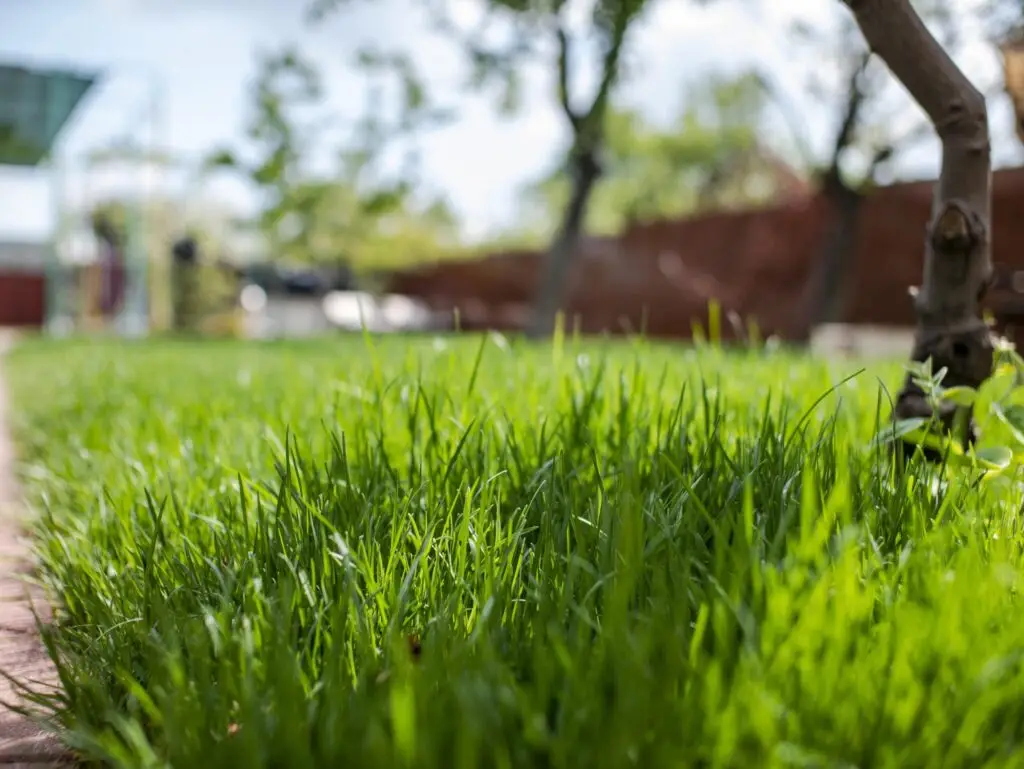
Healthy lawns and gardens do more than enhance curb appeal; they help maintain ecological balance. In Texas, native plants can play a key role in deterring common pests while keeping soil, grass, and surrounding vegetation strong. Combining natural landscaping with professional pest control practices provides a sustainable foundation for long-term lawn health. Why Native Plants Strengthen Lawn Health Native plants are naturally adapted to local climate and soil conditions. They require less water, fertilizer, and maintenance than non-native species. More importantly, they create an environment less favorable to invasive pests that thrive in disturbed or chemically treated landscapes. Here’s how native vegetation supports a resilient lawn ecosystem: By strengthening the soil and promoting biodiversity, these plants help reduce dependency on synthetic fertilizers and repeated pesticide applications. That balance keeps your lawn both sustainable and visually appealing. Natural Pest Deterrents Among Native Plants Certain native plants contain scents or compounds that repel insects and rodents. Planting them strategically around entry points, gardens, and open lawns can minimize pest activity without the need for harsh chemicals. Effective examples include: These plants can be integrated into garden borders, near patios, or alongside pathways to provide ongoing natural protection. However, it’s important to understand that native plants work best as part of an overall pest management plan, not as a replacement for professional intervention when infestations are active. For instance, when outdoor pests such as mosquitoes become persistent, understanding commercial mosquito control strategies can help you combine natural deterrents with modern treatment approaches that ensure your outdoor spaces remain safe and comfortable. How Native Landscaping Reduces Pest Risk Native landscaping contributes to pest control by improving habitat balance. A healthy, self-regulating ecosystem discourages pest outbreaks that often result from overwatering, excess fertilization, or habitat disruption. Key advantages include: Maintaining native plant zones also reduces lawn stress during drought periods, a key factor in preventing ant or termite activity around weakened soil structures. As these ecosystems mature, they require fewer artificial inputs, resulting in better long-term lawn health and fewer pest problems overall. When Native Plants Aren’t Enough While native plants offer valuable protection, they can’t completely stop pest infestations. Insects such as fire ants, termites, and cockroaches are persistent and may still find access points into buildings or underground spaces. Once colonies form, they can quickly spread beyond areas where native vegetation can influence. That’s where professional pest control becomes essential. Experts evaluate the landscape and identify how soil moisture, vegetation density, and plant selection might be contributing to pest activity. Treatments can then be applied precisely where needed, preserving your lawn’s ecological balance while removing the immediate threat. Understanding pest behavior helps determine the right treatment. For example, small insect bites or skin reactions might not always be caused by mosquitoes or fleas. Learning to identify the difference, such as in this guide on uncovering the mystery of skin bites, helps you decide when professional inspection is needed. Professionals also tailor control methods based on your property’s native vegetation, avoiding unnecessary disruption to beneficial plants. This combination of expertise and ecological respect creates a safer and more sustainable environment for both humans and wildlife. Maintaining Balance Through Seasonal Care To keep your lawn in top condition, year-round care is necessary. Each season presents unique challenges that influence pest behavior and plant performance. Regular observation and timely adjustments are key to maintaining long-term lawn health. Here are the best practices for ongoing maintenance: Pairing these practices with professional inspections ensures your lawn remains both pest-resistant and environmentally balanced. Experts can fine-tune native plant placement and identify early warning signs of infestation that might not be visible to homeowners. Why Combining Nature and Expertise Matters Native plants naturally support the ecosystem, but their benefits multiply when paired with expert pest management. Professionals bring insight into how pests respond to local vegetation, climate shifts, and soil variations, factors that homeowners can easily overlook. Integrating native plant landscaping with professional care produces a sustainable system that minimizes pesticide reliance, reduces soil damage, and enhances overall lawn health. This balanced approach not only protects your property but also supports biodiversity in the surrounding community. Cultivate a Healthier Lawn Today A thriving lawn doesn’t need to rely solely on chemicals. Blending the natural defense of native plants with expert care ensures your property stays beautiful, balanced, and pest-free. To create a customized plan for your landscape, contact FullScope Pest Control and discover how our specialists can help you build a healthier, pest-resistant outdoor space.