 1500+ reviews

Top Five Pests That Infest Clothes
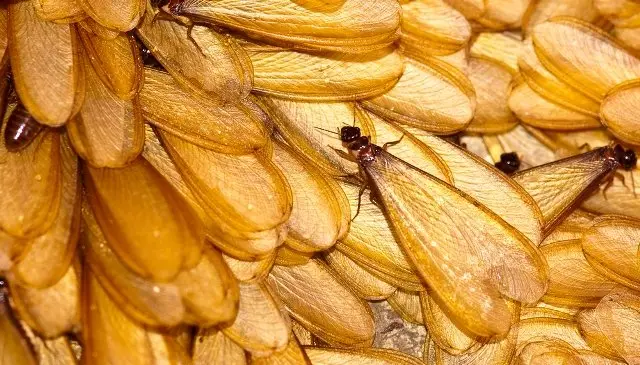
Many homeowners consider pests to be primarily nuisances, scavengers of food and water, health risks, or hazards to the structural aspects of their homes and gardens. However, many ordinary household pests can wreak havoc on clothing. Here are 5 of these potential closet invaders that you should be aware of. Cockroaches Cockroaches are typical pests in homes. They reproduce in a cluttered and filthy habitat. They prefer to reside and breed in places that are dark, warm, and damp, such as under floorboards, between walls, inside closets, and over cabinets. Cockroaches can lay eggs in clothing bins or piles of dirty rags. They are drawn to moisture and body fluids such as sweat and urine. They are also drawn to stains such as laundry starch, food stains, and goods containing sugar. As the cockroach consumes the stains, it weakens the cloth, causing holes and tearing. They can even harm leather clothing. Must read the things to know about flying termites Termites Most people are aware that termites eat wood and ruin a house’s structural integrity. They are, however, unaware that termites can cause harm to clothes. Termites will consume any cellulose-based material, including wood and paper-based items. Cotton and linen are natural textile fabrics manufactured from cellulose-based plants. As a result, clothing is an ideal trendy treat for termites. Termites eat through clothing, especially if it is contaminated with food or liquids. Crickets Crickets are mostly found outside. As a result, many people are unaware that crickets may become inside pests, causing damage to clothing, drapes, and curtains. Crickets can hide and survive in rags and clothes boxes stored in the attic. Crickets, like termites, are drawn to food and beverage stains on clothing. The cricket consumes the spots that remain. It cuts the threads of the fabric during the procedure. The damage is frequently not apparent until the clothes are washed and worn. Silverfish The silverfish prefers dark, humid environments and can be found in drawers, closets, and shelves. It has a destructive feeding behavior that results in the destruction of books, stored files, clothing, upholstery, and wallpaper. Silverfish eat garments for the nutritious chemicals inherent in fabric rather than the actual material. It prefers natural fibers such as rayon, cotton, linen, and silk. Unlike other pests, silverfish do not leave holes but instead create a shaved appearance on the fabric. The Carpet Beetle Carpet beetles can harm your clothing. Surprisingly, it is not the adult carpet beetle that causes clothes damage. The larvae are the ones who eat the fabric. The female beetle produces approximately 100 cream-colored eggs in hidden areas such as clothing, furniture, carpets, and fissures. They begin feasting on animal-based materials and clothes as soon as the eggs hatch, including wool, mohair, feathers, fur, and leather. If your best home preventive techniques aren’t keeping your garments safe from household pests, contact Fullscope Pest Control. Our trained experts can assess your case, give appropriate treatments, and offer important advice. To book pest control services, please contact us right away.
5 Tips to Help You Pest-Proof Your Backyard

Your backyard is a great place to relax and enjoy the outdoors. But if you have pests like ants, bugs, or rodents in your yard, you may not be able to fully relish it as much as you’d like.If you want to keep these pests out of your yard, there are some things you can do. Here are five good tips that will help you pest-proof your backyard: 1.Cover Your Garbage Garbage attracts all kinds of pests, so make sure that it’s covered when it’s not inside the house or bin. This includes plastic bags and boxes and larger items like old appliances or furniture. If there are holes in the garbage can lid or container itself, fix those right away so nothing can get inside. 2.Clean Up Around the Area No matter how big or small your backyard is, there will always be things in it that shouldn’t be there — things like trash or debris that might attract pests if left alone for too long. Use a rake and pick up any sticks or leaves that have fallen onto the ground so that no one else can use them as shelter when they need it most. 3.Don’t Leave Pet Food Outside Pests love pet food, so if you leave it outside, they will be attracted to it and come into your yard. You should always put pet food inside after giving it to your pet and dispose of any leftovers properly. If the smell of pet food gets too strong in a plastic bag, place a few drops of vanilla extract on top of the bag before sealing it shut so that the scent helps mask any other odors that might attract pests. 4.Prune Every Overgrown Plants and Shrub Overgrown plants or bushes provide plenty of hiding places for pests like rats and mice. They also make it easier for other pests such as ants and roaches to get inside your home because they serve as transportation routes for these bugs. To keep pests out of your yard, it’s important to remove any overgrown plants or bushes so they don’t have any places left where they can hide from you. Also know about How Do I Get Rid of Carpenter Ants. 5.Remove Any Standing Water from Your Yard Numerous sorts of water can create issues in your yard: Standing water on the ground: Look around your yard for any standing water, such as puddles or pools that might form after a heavy rainstorm. You should get rid of this water before pests can use it as shelter or breeding grounds. Rain gutters: If your home has gutters, keep them clean and free of debris, so they don’t overflow onto the ground below when it rains. Pests love to use rain gutters as hiding spots because they are dark and offer protection from predators like us humans! Eliminating pests should be a top priority for anyone trying to enjoy their backyard. These tips provide a good starting point for anyone looking to achieve this goal for professionals and novices alike. However, if you’re not sure how to handle the problem on your own, it may be best to contact the professionals at Fullscope Pest Control for assistance. We are always happy to help with any pest issue, so you can get your backyard pest-proof now and enjoy a pleasant place to unwind.
How to Detract Pests and Wildlife From Your Home This Spring

Springtime comes with more time spent outside, beautiful flowers sprouting from the ground, and animals coming out from winter hibernation. With all this excitement, there may be some unwanted pests and critters that can start to invade our own habitats. Taking preventative measures before they can do so is imperative to make sure that you keep unwelcomed guests from wreaking havoc on your home. To help you get started, we reached out to animal trappers and pest professionals from Dallas, TX to Surrey, BC, for their best tips on how to detract pests and wildlife from entering your home. Keep reading to see what they had to say. Understand that wildlife entering our habitats is something that naturally occurs Wildlife see your home as a sanctuary and as a place to shelter from the elements, so it’s natural that they’ll start to cross into the boundaries of your home. The first step to fortifying your home is understanding that this is a common occurrence. They are driven by three main biological necessities When wildlife invades human structures or developments, it’s always driven by at least one of the three main biological necessities – food, water, or shelter. It isn’t always something that we are doing wrong, wildlife is just adaptive and can actually thrive among us. The best ways to alleviate conflict are physical barriers, habitat modification, and reducing how many of the biological needs that wildlife are constantly looking for. – Western Mass Wildlife Removal Ways to fortify your home There are many ways to safeguard your home from pests and wildlife. Use these expert tips on what you can do to keep out unwanted intruders. Use strong materials like metal and cement to fortify your home Animals love the security from predators and weather provided by crawlspaces. Your best line of defense, as a homeowner, is to secure these areas to prevent wildlife entry before they ever access these areas. We prefer to install strong metal or cement as many animals are far too determined for steel wool, expanding foam, or other soft materials to keep them from invading your space. – Wildout Animal And Pest Removal Have a pest provider install repair mortar or caulk It might be tempting to repair rodent entry areas with spray foam, but did you know that we often see mice and rats chew through these types of repairs. We recommend choosing a pest provider that uses durable construction materials such as repair mortar, flashing, or caulking. – Whitmore Pest & Wildlife Control Conduct a check of your home’s foundation, windows, and door frames A homeowner who discovers termite damage can spend up to an average of $3,000 on repairs – something rarely, if ever, covered by homeowner insurance. Signs of termite activity are often difficult to see until it’s too late. However, homeowners can look for swarming termites, damage to window or door frames, or shelter tubes around the home’s foundation. Most importantly, always ask your pest management professional if it’s time to use a termite solution to keep your home protected and give you peace of mind. – Termidor Termiticide Secure every chimney vent with a stainless steel chimney cap Secure every chimney vent with a professionally manufactured stainless steel chimney cap that’s designed for the size and venting needs of that particular chimney venting system. Secure passive wall air vents with 1/4-inch hardware cloth on the outside of the structure. Paint to blend screen with background color prior to installation. – Wildlife Control Consultant Tips to consider when detracting wildlife and pests If you find yourself with wildlife and pests already invading your space, consider these steps. Must read the difference between Wasp and Honey bee Hives Give the animal a way to safely exit the building When dealing with a raccoon in a crawl space, it’s critical that you give the animal a way to safely exit the building, but not re-enter. A raccoon one-way door will do exactly this, but it’s still important that you have a wildlife removal professional help you seal all of the potential entry points for the raccoon to regain access to your home. Otherwise, your furry friends will continually find their way back in. – Critter Stop DFW Do not seal wildlife in your home If you find wildlife that invaded your home, don’t seal them in. Sealing wildlife in the home will create a larger, messier issue in the long run. Instead, call a wildlife specialist to remove, and seal the home to deter further wildlife from entering. – Ewert Pest Control Keep leaf litter and mulch to a minimum Pest pressure in and around your home is a very common issue for most of the United States, when populations on the exterior reach certain levels of environmental stress, insects have a tendency to migrate inside. Pest professionals are highly trained to identify and eliminate the pest and entry points, prevention is the best solution. Excessive leaf litter and excessive mulch applied above foundation grade can all be potential pest and termite issues. – FullScope Pest Control Keep drains clear and dry One thing I suggest is to make sure drains are clear and dry. This prevents pests like mosquitos, ants, cockroaches, silverfish, and rodents from reproducing and making themselves at home. Insects are attracted to damp areas inside the home, and can often be found in wet areas around the outside of homes as well. – Vama Eco Dealing with mosquitoes in your yard can be havoc, your first priority should be preventing mosquitoes from nesting. Make your yard inhospitable by removing all standing water in gutters, buckets, toys, etc. Remember, it only takes a cap full of water to breed thousands of mosquitoes. Along with eliminating breeding ground, you can call a professional service to see the best results. – Last Bite Mosquito Install a mosquito trap When mosquitoes pester you in your garden or outdoor spaces there is now an effective, eco-friendly way to address these annoying
Wasp and Honey Bee Nest: What Homeowners Need To Know
Wasps and bees can be a huge pain for homeowners as they mainly show up at homes during late spring and early summer as they prepare their nests. In this article, we’ll tell you all about what you should know about wasp and honey bee nests. Signs You Have Wasps and Honey Bees Around Your Home If you suspect that you have wasps and honey bees around your home, there are several signs to look for. Buzzing Noises This is an apparent issue, yet it is one that many people overlook or forget. If you’re hearing buzzing sounds in your walls, it’s likely that a swarm of bees or wasps has settled within. The swarm grows in size as the buzz grows larger and more frequent. Serious infestations have resulted in millions of bees residing in a single house, creating a very terrifying and hazardous situation. Sudden Appearance So you’ve been lazing around your house on a lazy Sunday and haven’t gone out. Despite this, you notice a large honey bee buzzing over your head. What caused this to happen? While it’s possible that this single bee pushed his way through the cracks in your exterior and winged his way inside, it’s also possible that he’s simply one of many that dwell within your walls. Also Learn About Get Rid Of Odorous Horse Ants. Walls or Ceilings With Dark Spots If you detect dark stains on your walls or ceilings, you may have a honey bee infestation. Here is because honeybees have constructed a nest between your walls or above your ceiling, indicating that this is where the honey is made. Honey from these nests will leave dark spots on your walls or ceilings. This, together with an abundance of bees around your property, indicates that you have a honey bee infestation. How Long Do Wasp And Bee Nests Last? The majority of wasp colonies only survive for one season at a time. As is the case with bumblebees, only the queens of the colonies are able to build new colonies; the rest of the members of the colony perish. Warmer temperatures and different geographical regions help a colony survive longer. There is only one use for a nest. If you want to prevent wasps from building a nest in the same location the following year, it is recommended that you leave at least part of the nest construction in place after the nest has been abandoned. This will prevent the wasps from returning to the same spot to build their nest. This is because social wasps are quite territorial and, as a general rule, tend to avoid forming new colonies in close proximity to other nests. The reason for this is related to the fact that social wasps are very social insects. In point of fact, some wasp repellents take advantage of this idea by constructing a “dummy” nest in the area in order to discourage queen wasps from establishing new colonies there. You can continue reading to find out more about this below. What’s Next? Bees and wasps may have a single-minded drive for pollination and propagation, but that doesn’t mean you should let them dwell in your yard full-time. Fullscope Pest Control will carefully remove any troublesome nest from your property, giving it a more secure environment for your family to relax and play. Contact us right away.
2022 Pest Forecast Update For April, May & June
Pests are one of the most common causes of homeowner stress, but with this detailed report, you can have the information you need to keep pests out of your life for good. After the pests of March, we’re now into the seasonal transition period that runs from April to June. This is when many migratory animals that have been in hibernation or hiding from winter storms are starting to come out and explore the area. If you’ve dealt with even a mild invasion of bugs in your home this spring, you’re probably familiar with the damage and inconvenience it can cause. Additionally, the National Pest Management Association (NPMA) reported that with warmer temperatures and rainy weather forecast for much of the country, NPMA entomologists anticipate a bothersome pest season with ants, mosquitoes, termites, and ticks on the way. To prepare for another busy season, below are some typical pest problems we see for the months to come. We’ve also included tips on dealing with them so you can spend less time dealing with pests and more time enjoying your life. April Pest Forecast In April, you can expect an increase in rodent activity (brought on by the longer days), particularly in urban areas where they are more likely to contact humans. Keep your home clean, sealed, and clutter-free to deter rats and mice. Also, rodent-related incidents on school campuses and other kid-friendly locations may grow. Children can easily spread diseases like salmonella to the rest of the group, keeping them away from rodents and their droppings. May Pest Forecast As the days in May grow longer and the temperature rises, increase the number of bugs in your yard. While many people will enjoy spending time in their yards this May, they’ll have to watch for ants and cockroaches. In addition, mosquitoes and gnats will be a nuisance this month. It’s critical to maintain your home clean to deter them from visiting. If you have outdoor plants or gardens, bring them inside before they multiply. We recommend cleaning up your kitchen cabinets and pantry. Doing this now will help you avoid a flea infestation later in the year. June Pest Forecast June also ushers in a new season: mosquito season. Mosquitoes are likely to appear wherever that is continuously over 70 degrees Fahrenheit. The easiest way to prevent mosquito breeding is to drain standing water and keep gutters clear of debris. Summer heat increases termite and other pest management risks. Houseflies are still a problem and will continue to be unless you take action immediately. Bedbugs and other bloodsuckers may infest your home. The stink bug is another pest that has grown in numbers since early June. Conclusion Pests don’t seem to care about our seasons and forecasts, so be vigilant no matter which time of year it is. Rely on professional help for pest prevention and treatment—it’s a better option than risking a full-fledged infestation in your home or business. If you have any questions about pest control services from Fullscope Pest Control, don’t hesitate to reach out! We’re always happy to help.
How to Keep Fruit Flies Out of Your Home
Is there anyone in your kitchen who you didn’t invite? Are they buzzing around your fresh produce or even your trash can? Perhaps you left some empty beer bottles out, and they’re flying around those as well? Infested with fruit flies? Answer yes to any of these questions. What can you do to help eradicate these pests? Attempt a Store-Bought Trap If your homemade traps aren’t working, go to your local hardware store and buy a sticky fly trap. These traps catch common flies and fruit flies. After a sticky area has been filled, remove the trap and trash it. The trap can be changed as needed. Create a Vinegar Solution You can also try making a vinegar trap to attract fruit flies. Here’s how it works: Fill a single-use container halfway with water. Stir a few tablespoons of vinegar and sugar into the water. Stir in a few drops of dish soap to the solution. Place the container where the fruit flies congregate after mixing your solution. They should be drawn to this solution and will drown if they come into contact with it. Continue using this method until no fruit flies are visible. Construct a Swimming Pool Trap Have some red wine leftover that you don’t intend to finish? Make a swimming pool trap for fruit flies. Here’s how it works: Stir together some red wine and dish detergent in a disposable container. Wrap the container in plastic wrap. Vegetable flies need wide holes to enter. The wine should attract fruit flies, and the wine and dish detergent will immobilize and drown them. You can keep doing this until you no longer see any fruit flies. Use the Rotten Fruit to Your Advantage If you still see fruit flies, you can set a trap with items you probably already have in your kitchen. Any rotten or open food that attracts fruit flies falls into this category. Take the following steps: Instead of throwing away rotten or open food, place it in a disposable container. Wrap the container in plastic wrap. Make a few holes in the wrap and hang it near fruit flies. The flies should swarm within the trap. Then dispose of them how you like. Rep this process until all fruit flies are gone. Keep the Common Areas Clean After you’ve identified the source of the issue, inspect the drain in your kitchen sink. If it’s clogged or needs to be cleaned, now is the time to do it. Fruit flies prefer warm, moist environments in which to live and breed. Don’t forget to inspect your trash cans for fruit fly activity. Fruit flies have been observed laying their eggs in trash cans, exacerbating the infestation. If they’re swarming around your garbage can, take it out and disinfect it with a powerful cleaner like bleach. Before reusing the cans, make sure they are completely dry. Seek Professional Help What’s more, if you have a fruit fly infestation, don’t delay treating it. Contacting a professional like FullScope Pest Control as soon as you see a problem is one approach to achieving this. Our professionals utilize only the most effective and safe methods to eliminate fruit flies from your house and keep them from returning!
How to Identify a Centipede vs a Millipede Pests
Centipedes and millipedes are both arthropods with long bodies and a plethora of legs. However, it is about all they have in common. If you’re thinking to yourself, “But wait! “They’re both venomous!” you’ll be astonished to hear that only one of these lanky critters is poisonous. You can find out which arthropods are venomous by reading on. There are also significant differences between centipedes and millipedes. Centipede Distinctions Centipedes are chilopoda. Unlike a millipede, a centipede has only one set of legs (two legs total). Many people assume centipedes have 100 legs since the word centi means “one hundred.” They have 30 to 354 legs. No centipede has an odd number of leg sets. There are no naturally occurring 100-legged centipedes. Depending on the species, centipedes can be one to twelve inches long. Their antennae are long. Centipedes are carnivores with large jaws to kill or paralyze prey. Millipede Distinctions Diplopoda are millipedes. Each body segment has two legs (four legs total). Do not forget the one pair of legs for each centipede segment. This is the main distinction. Millipedes also have shorter antennae and no deadly jaws. Unlike centipedes, millipedes eat decaying organic matter like leaves and compost. Some say millipedes have a thousand legs. The prefix milli- signifies “a thousand,” thus it makes sense. However, millipede species differ in their leg count. Illacme pipes, for example, has the most legs. Surprisingly, it only has 750, around 250 short of a thousand. Types of Centipedes This arthropod has more species than centipedes with the longest legs. Meet three of the numerous. House Centipedes You’ll be relieved to learn that house centipedes aren’t dangerous. They can help around the house because they enjoy eating spiders and insects. They’re not exactly easy on the eyes, but their long legs help them stand out. Amazonian Huge Centipedes These centipedes are among the largest, yet only found in South America. Amazonian giant centipedes are very aggressive and can grow over a foot long. Texas Redheaded Centipedes This species is named by its vivid redhead and can grow to be up to 8 inches long. Texas redheaded centipedes can be found in Texas and other southern regions. It is also found in portions of Mexico. The centipede’s distinctive coloring — a redhead, brilliant yellow legs, and a black body – warns predators to keep away. Must Read:DOES HEAT KILL BED BUGS AND OTHER PEST? Millipedes come in a variety of sizes, shapes, and colors. Let’s have a look at some of the fascinating millipedes on the planet. Giant African Millipedes The term “giant” refers to the size of these millipedes. A 15-inch long and 3-inch-diameter worm, The African millipede has only 256 legs. Pink Dragon Millipedes One of the most elaborate millipede species is the stunning pink dragon millipede. It uses spines and bright colors to warn predators that it is poisonous. Surprisingly, it smells like nuts. Cave Millipedes Millipedes prefer chilly, damp environments. Few places better fit that description than a cave. These millipedes can be found in caverns all around the United States. Millipedes that live in caves vary greatly from cave to cave. Furthermore, most have acclimated to their surroundings and are blind and ghostly pale. If millipedes or centipedes are abundant or causing difficulties, spraying pesticide around the foundation and around doors and windows will provide temporary control. If you need professional help, contact FullScope Pest Control! We can help you remove these types of pests in your home or business. FAQs About Millipedes | FullScope Pest Control 1. What are millipedes? Millipedes are slow-moving, segmented arthropods that typically live in damp environments. Despite their name, they don’t actually have 1,000 legs, but they do have two pairs of legs per body segment, giving them a distinctive appearance. 2. Are millipedes harmful to humans? No, millipedes are not harmful to humans. They do not bite or sting, and they do not carry diseases. However, some species can release a mild defensive chemical that may cause skin irritation in sensitive individuals. 3. Why are millipedes coming into my home? Millipedes seek moisture and shelter, especially in hot or dry weather. They may enter homes through cracks, door gaps, and basement vents, particularly when conditions outside become too dry or too wet. 4. How can I prevent millipedes from getting inside my house? To keep millipedes out of your home:✔ Reduce moisture—Fix leaks, improve ventilation, and use dehumidifiers in damp areas.✔ Seal entry points—Check for gaps around windows, doors, and foundations and seal them with caulk.✔ Keep yard debris away—Remove leaf piles, mulch, and rotting wood near your home’s foundation.✔ Improve drainage—Ensure gutters and downspouts direct water away from the foundation. 5. Are millipedes a sign of a bigger pest problem? Millipedes themselves are not harmful, but they often indicate excess moisture in or around your home. This damp environment can attract other pests like centipedes, silverfish, and termites, making it important to address the underlying moisture issue. 6. How long do millipedes live? Millipedes can live several years, with some species surviving up to 10 years under the right conditions. They thrive in dark, damp places and are most active at night. 7. What should I do if I find millipedes in my home? If you see a few millipedes, you can:✔ Sweep or vacuum them up and dispose of them outside.✔ Identify and reduce moisture sources inside and outside your home.✔ Seal cracks and entry points to prevent them from coming inside.If the problem persists, it’s best to call a professional pest control service like FullScope Pest Control for a long-term solution. 8. Can FullScope Pest Control get rid of millipedes? Yes! At FullScope Pest Control, we specialize in millipede control and moisture management. Our team will:✔ Inspect your property to identify entry points and attractants.✔ Apply targeted treatments to eliminate existing millipedes.✔ Recommend preventive measures to keep them from returning. 9. When should I call a professional for millipede control? You should contact a pest control
How to Get Rid Of Pests In The Garage
Pests in the garage are probably one of the last things you want to deal with. Unfortunately, they’re a common occurrence and can lead to major headaches if they go unchecked. Don’t panic if you have pests in your garage; there are many ways to get rid of them safely and successfully. As your trusted Humble Texas pest control experts, we’ll walk you through everything you need to know about getting rid of pests in your garage. Inspect Your Garage The first step in getting rid of pests from your garage is to know what pests are invading your space. Common garage pests include mice, rats, bees, termites, and spiders. Inspect for signs of each of these pests. If you see a spider web, that’s an indicator that there may be spiders nearby. Repair Damage and Seal Entryways Many pests enter the home through cracks and holes in the garage walls or floors. It’s important to inspect the walls and floors for signs of damage. Damage can appear as fractures in the concrete or holes in the drywall. Repairing this damage will aid in the prevention of future bug problems. Remove Their Food Source Garages often have food sources that attract pests like mice and rats. Garbage cans can contain scraps that rodents love to get into. Rubbish cans should be kept away from home and should always be emptied when they are full to avoid bringing pests into your garage with the stench of garbage. Keep Things Clean Maintaining a clean and organized garage is critical. When you’re working on a project that involves using a lot of different tools, it’s easy to leave things lying around. However, clutter provides shelter for pests like moths, spiders, and mice. Taking the time to put everything back in its proper place will make it more difficult for these critters to find a place to hide in your garage. Use Pesticides Safely and Responsibly A number of products are available to kill pests, but they all contain chemicals that could harm you if they’re not used properly. Before using any pesticide, thoroughly read the label. Adhere to all directions, including use-by dates, mixing instructions, and protective gear recommendations. Seek a Professional Help If you’re not comfortable taking care of the pest problem yourself, or if it’s too big for you to handle alone, call in an expert. Exterminators have specialized training and equipment to help them get rid of pests effectively. By following these steps, you can keep the garage free of pests and the dangers they pose to your family. The sooner you fix the pest problem, the sooner you will be able to enjoy your garage again. Must Read: HOW CAN YOU CONTROL WASP AND HORNET IN HOME Reach Out To Us Today! At Fullscope Pest Control, we do more than just eliminate your pest problems. We will provide you with the information to ensure the prevention of pests in the future. Our exterminators specialize in addressing details big and small to ensure that pests receive the treatment they deserve. We have tons of experience with getting rid of pests, so we’re able to identify the problem quickly and assess the situation from all angles. Contact us now!
Keep Cockroaches Out of Your Home With These 7 Tips
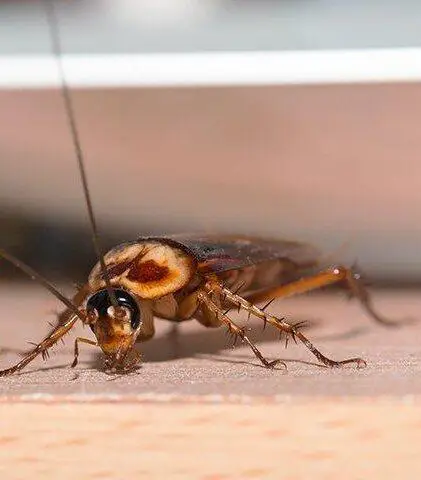
The mere mention of the word “roaches” is enough to make you squirm. Because they’re so prevalent, it can be tough to get rid of them, which is a shame. Remove any roaches from your house or apartment immediately if you discover any in the kitchen, attic, or bathroom. We at Full Scope Pest Control help homeowners get rid of pests. You can recover your space and bring your life back to normal with the help of our experienced experts in pest control Montgomery TX. There are various methods for getting rid of roaches, and we’ll explain them all in this article. Maintaining a Clean Home Will Deter Cockroaches Cockroaches only become a nuisance when they penetrate houses, companies, and other buildings. And they only enter structures when there are better circumstances and more food inside than outside. Cockroaches are enticed to food and water, so it’s no surprise that the kitchen and bathroom are the most common entry points for an infestation. Those are the spots to start your anti-cockroach efforts, and we have many recommendations for doubling down on cleaning up! Take the following actions to your fullest advantage: Dishes should be washed and put away after each meal. Do not wait to clean up crumbs and spills as they occur. Take out the trash and wipe down the stovetop with a damp cloth before retiring for the evening. Containers should be used to keep food fresh. Keep your mops clean by washing them frequently. Keep Hungry Pests Away from Your Stored Food by Sealing It Up There’s nothing like a well-stocked pantry to get a home cook enthused about supper preparation. Bags of flour and cereal marked “closed” may not be sufficient to keep pests out of your meal. A bag of sugar with a hole in the top is an easy target for tiny cockroaches. Get rid of them right away by considering experts in pest control Montgomery TX. Food can be safely stored in containers made of strong glass or metal, as these materials are the most durable. If you need to use plastic, be sure it’s in good condition. Make sure the lids on any containers you’re using are strong enough to keep your food fresh and safe. Destroy All Cockroach-Infestation-Inducing Items Cockroaches prefer dark places to hide, and cardboard and paper items are ideal for this purpose. It’s really a good idea to get rid of any cardboard boxes or other cardboard goods if you have them lying around your place, attic, garage, or even crawl space. Cockroaches also like old magazines, paper waste, and other paper products for shelter, so try to reduce the quantity of paper you have sitting about. Cockroaches will not want to live in your home if you do this. Remove All Points of Entry to Your Home In addition to removing items where these pests may live, be sure there are no entry points for cockroaches into your home. Investigate every nook and cranny of your house for any potential weak points. There’s no need to worry about cockroaches finding their way into even the smallest of spaces. Sealing around utility pipes and crawl areas is an important part of this. Additionally, you can seal around windows and doors and install weather-stripping to keep out the elements. Protect Your Yard From Cockroaches Even if you have shut off all entry sites, cockroaches may squeeze through almost any hole or crack. So prepare your yard to keep bugs out. Keep plants away from your home. If you have a garden or yard, keep it away from the house, likewise for firewood heaps. Also, avoid planting plants or trees right against your house. Cockroaches can easily access your home and windows. Using natural components alone may not be enough to combat a severe problem or a genuine bug infestation. Professional pest control in Montgomery TX is here to help. They’ll have the know-how and equipment to eliminate roaches for good because they’ll know just where to look. Don’t Forget to Check Your Carry-In Boxes and Bags Checking for cockroaches before bringing products into your home is something most people forget to do. Be cautious to check the contents of any boxes, bags, or containers you bring home from the garage, storage unit, or grocery store. Cockroaches can often lurk in these, making it simple for you to get them into your home unintentionally. It’s a good idea to check your purchases for cockroaches at thrift stores and garage sales before bringing them home. Recommended Read :SIGNS OF MOUSE AND RODENT INFESTATION Seek Professional Assistance The best way to deal with cockroaches in your house is to hire a professional pest control company. When you choose Full Scope Pest Control, we’ll work with you to keep cockroaches at bay by teaching you how to keep them out. Contact us today for a free estimate on pest control Montgomery TX homes.
Which Is The Best Company On Pest Control Conroe TX And Coldspring TX?
When looking for the best company on pest control Conroe TX and Coldspring TX, statistics show that most consumers only focus on the price aspect forgetting that there are crucial other factors to consider during this endeavor. If you want someone who is qualified in their work is likely to get this job done the right way and without attracting safety risks. This means that you must find a reputable pest control pest control company. Read This Before Hiring A Reputable Pest Contractor When a pest control company is not insured, or they do carry out their job without paying attention to the slightest of details, as well as using inferior chemicals, chances are you will not be pleased with the outcome of their work. In such instances, you need to apply due diligence to make sure that your prospective Pest Control in Conroe TX is the right match. But when you are looking at hundreds of pest management businesses from which to select; be sure to check out how experience and licensing details play a significant role in making sure that your infestation is properly addressed. How License and Experience Are Linked You should never use the services of an unlicensed technician just because they have the lowest quotes for Pest Control in Conroe TX. A good shopping rule for consumers is to never trust the word of a service provider unless they can back up their claims. All companies will want to give first-time customers the best impression just to win their business. Certifications and Credentials Once you give a company the job to eradicate an infestation in your home, you will end up adding to the negative reviews of customers who have been treated the same in the past. In a nutshell, look for a licensed and skilled technician for Pest Control in Conroe TX. Do not hesitate to ask for certificates or license details. When your technician only holds a training license, they may not be qualified to work on their own. While there are particular treatments that require this person to be supervised, they should still be in a position to do the job the right way. Experience You should also be aware of the nature of inspections your prospective technician has done in the past. This should also apply to the treatments they have applied in the past. Asking and assessing their response helps you establish whether the skills of your applicator give him the experience and knowledge to work on your project. Be sure to ask whether they have handled any of the treatments listed above, to help you determine whether their qualifications to exterminate your infestation case. Besides, choosing a pest control that does plenty of pre-purchase Pest Control in Conroe TX inspections would be an added advantage. Hiring Pest Control Services In Maintaining Your Home’s Cleanliness Unless proper pest control is done, your home will never be pest free. Pests and rodents are seeking better habitation. During the winter season, homes are the ideal places to survive which means it is a proper time for residences to obtain Pest Control in Coldspring TX. That will require the timely assistance of good pest control specialists. Qualities Of The Best Pest Control Specialists Technology Competitive specialists for Pest Control in Coldspring TX should be mindful of using the latest tech equipment in offering pest control locals would need. New tech kits and machines used in pest control are very costly. A good pest control company will invest in the latest machinery. Regulations The government has regulations that ought to be followed by every company. To get the most out of pest control, some companies resort to applying toxic chemicals. However, they can endanger the lives of the people as well. Never hire a company that does not follow the stipulated regulations. Ask for their license of operation. Quality Standards Check the standards of quality provided by the company and sensible pest control contactors ought to make up their mind to provide valuable services. It might be costly to them initially but worthwhile. Licensed Professionals The individuals hired by the company to provide pest control services must be proficient. Pest inspection and eradication needs skills. Unfortunately, very few companies are determined to hire competitive ones. This is because their wages are slightly higher than inexperienced individuals. Pricing Check the rates carefully and ask questions. There are pest control contractors that are only interested in increasing their profits within a short time and a reputable Pest Control in Coldspring TX will always offer a very sensible price. Success Rates You should find out how successful the company has been in the past and the best Pest Control in Coldspring TX will have many positive achievements in eradicating pests. That will show their approach is more effective. Never contract a company with a low success rate—that shows their level of failure in services is high.