 1500+ reviews

Reasons Your Grass is Yellow, Brown or Dying
Dry, patchy and yellow grass can make your yard look sad and poorly maintained. In the summer, dried and yellow lawns are commonly caused by under-watering. It is easy to identify under-watering because it usually spans the entire lawn. Patches of yellow, brown or dried spots can be a sign of a bigger problem such as poor soil, animal urine, insects or other pests. This article will help you identify why your grass is turning yellow and what you can do to fix it. Must Read :DIY ANT KILLER – WHAT WILL AND WON’T WORK Lack of Nutrients One of the most common reasons your lawn may be turning yellow is a lack of nitrogen or other vitamins. Another sign of low vitamins is if your grass is growing slower than normal, especially in the summer. Lawn yellowing due to lack of vitamins can easily be repaired by adding compost or fertilizer. Fertilizer can always be helpful but make sure to follow the instructions and use the proper doses. Over fertilizing can burn grass and cause more harm than good. Lawn Scalping A common problem that can cause dry and yellow looking grass is “lawn scalping” or cutting your grass too short. Cutting your lawn too short can cause it to turn brown. Avoid this by adjusting your mower settings and only mowing when necessary. Dog Urine If you are a dog owner, this may likely be the cause of the yellow spots in your grass. Yellow spots surrounded by otherwise green grass may indicate the spots have been caused by your dog peeing there. Dog urine has very high amounts of nitrogen. Too much nitrogen can burn the grass. If you believe this is the cause of your yellowing, you can soak the area with water to try and dilute the nitrogen. As well, some say that adding a small amount of dish soap can help wash urine from the grass. Grey Leaf Spot Grey leaf spot is a fungal disease that commonly effects St. Augustine grass. This causes thinned clusters of off colored grass. This disease can be easily mistaken for drought but is a lot more difficult to treat. Affected grass can be identified by yellow and brown lesions on blades of grass. If you have identified the problem in your lawn to be grey leaf spot, avoid making it worse by only watering your grass in the morning. Watering in the evening and at night creates a more ideal environment for the fungus to spread in. Grey leaf spot is best treated by a lawn or pest professional. Pest Infestation There are a wide variety of pests that may cause yellowing or browning of your grass. Most common of these pests are chinch bugs. Chinch bugs drink the sap from the grass removing the nutrients the grass needs to survive. These especially love St. Augustine grass. If you suspect your lawn is infested, utilize proper watering techniques by avoiding over watering and watering in the evening. Billbugs, skippers and grub worms are also common culprits that cause yellow grass. If you suspect your lawn is infested by any of these bugs, it is best to call a pest professional for inspection and treatment.
DIY Ant Killer – What Will and Won’t Work
Fire ants and other yard ants can be an extreme nuisance. When trying to get rid of ants, it is important to understand what is necessary to permanently kill a colony. Ant colonies have a very special and advanced social structure that allows them to live and thrive. One of the ant “classes” is the worker ant. If you see ants roaming outside of their colony searching for food, that is most likely a worker ant. While you can easily kill these ants while outside the colony, it will do no damage to their mound. There are thousands of worker ants born everyday! The most important ant in the colony is the queen ant. She is the only ant that can lay eggs and spends most of her life doing it. Sometimes, colonies can have multiple queens but often times there is only one or two. Knowing this is extremely important because the only way to completely remove an ant mound from your yard is to kill the queen ant. Now that we know a little bit about ant colonies, we can begin to look at what DIY ant killers do and do not work. Must Read :HOW TO PREVENT MOSQUITO BITES Destroying the Nest There are a few DIY ant killers on the internet that target destroying the ant hill itself. This method can be successful but only if you are able to kill the queen. First here are a few things that likely will NOT work: Pouring hot water on the mound. This technique can sometimes be successful in killing at mounds but since ants can live fully submerged in water for several days it is important that the water be at least boiling temp. Even then, it is likely the ants may survive. If you are going to try this technique you will need to repeat pouring the hot water on the mound multiple times. This can be fairly tedious. Pouring gasoline on the mound. This one does actually work but is quite dangerous and can destroy the surrounding soil so we do not recommend it. Digging the mound up. Sometimes just kicking the mound or throwing it around with a shovel can seem enticing but this will definitely not kill the colony. They will most likely end up rebuilding the ant hill in the same spot or just in another section of the yard. Now, lets talk about a few DIY ant mound control techniques that DO work: Vinegar. Pouring large amounts of vinegar slowly over the mound for a few days is sure to do the trick. Similar to the boiling water you will have to do this for at least three days before seeing results. Unfortunately, this will also kill the surrounding plants and grass. Hot water and salt. According to Tipnut, using a large amount of salt in boiling hot water can kill ant mounds. Once again, this must be repeated for at least three days and may kill the surrounding plants. Boric Acid. You can pour boric acid powder directly on the ant hill. This will most likely kill the ant hill. We recommend mixing it with something sweet or yummy such as sugar or peanut butter so it is more enticing for the ants to pick up. Carbonated Water. We have not tried this tip out but according to Solution Stores, pouring carbonated water on an ant mound is extremely effective. This is works because the carbon dioxide replaces the oxygen deep in the ant mounds. Hopefully when it comes to destroying the nest, we can save you a little time and money. Over the counter ant baits can be quite effective in destroying small mounds as well. If your yard has more than three hills we recommend calling a pest professional. It is highly likely that the multiple hills indicate that they are all one giant ant network! This means there are many tunnels and queens that must be targeted.
How To Prevent Mosquito Bites
We all know that mosquitoes are obnoxious. But did you also know that mosquito bites can spread hundreds of deadly diseases from person to person? This is why it is extremely important to prevent mosquito bites when possible. Here are a few basic ways that you can help prevent mosquito bites and keep your family safe. 1. Remove Standing Water One of the easiest ways to prevent mosquito bites is to prevent mosquitoes from breeding around your home. The female mosquito MUST lay her eggs in water. As well, it takes 14 days for a mosquito egg to turn into an adult. This means the “baby” mosquitoes must be able to live in standing water for 14 days. You can help stop the life cycle in its tracks by dumping standing water. If you have any open containers such as buckets, flower pots or bird baths, make sure to remove water from them regularly. If your home has water features or large puddles you can also add soap or other water chemicals to kill any mosquito larvae already in the water without dumping it. Removing standing water from your home is truly one of the most effective ways to prevent mosquitoes from your surrounding your home. 2. Install and Repair Window Screens Who doesn’t love to enjoy a nice summer breeze in their home? Unfortunately, leaving windows and doors open can also be an easy way to allow mosquitoes and other pests to enter your home. Make sure that your home’s window screens are in tact and ready to block out unwanted guests. If possible, use mosquito nets around outdoor patios and furniture. Must Read :HOW TO GET RID OF BED BUGS IN COUCHES 3. Use Repellents Containing DEET DEET is extremely effective when it comes to repelling mosquitoes and ticks. For best use, rub the repellent directly onto your ankles, forearms and all the other exposed skin. As well, wearable mosquito repellent items such as bracelets and anklets do not work effectively. Products with about 7-10% DEET are ideal for mosquito repellent. We also recommend that you reapply bug spray about every 90 minutes outdoors, 4. Invest in a Mosquito Misting System If you are someone who spends extended amounts of time outside we recommend investing in a Mosquito Misting System for your home. Whether you enjoy gardening or spending evenings on the patio, a misting system is guaranteed to give you the protection you need 24/7. The system works by strategically placing nozzles around your home and releasing a mist that repels mosquitoes. The system can be set up to automatically emit the repellent at peak mosquito activity or when you and your family spend the most time outdoors. Most importantly, the materials in most mosquito misting systems are both family and pet friendly. 5. Wear Tightly Woven and Long Sleeve Clothing Mosquitoes are unable to penetrate tightly knit clothing. As well, many synthetic fibers such as that found in dry fit and high-tech athletic clothing should offer a great mosquito shield. There has also been some claim that mosquitoes are more attracted to dark clothing than to light clothing. We are not sure if this is true but it is worth trying out! 6. Plant Mosquito Repelling Plants We recommend this tip as an added bonus. While this should definitely not be your only form of defense against mosquitoes, adding naturally repellent plants can help decrease the number of mosquitoes around your home. Citronella, lavender, marigolds, lemongrass and basil have all been shown to repel mosquitoes. While it is unlikely they will repel mosquitoes from your home completely, in large quantities is may help reduce the number of mosquitoes who make their way into your yard. We hope you found this short article on how to prevent mosquito bites helpful. For mosquito treatment or misting system instillation in the Houston area reach out to the professionals at FullScope Pest Control. Call or text 832.898.0190 for more information.
How to Get Rid of Bed Bugs in Couches
Can bed bugs live in couches? Although their name may state otherwise but bed bugs do not only live in beds! Bed bugs may infest couches, rugs, carpet and luggage. Many people who find bed bugs in their couch or furniture do not know what to do and as a result throw their couch away. If your couch becomes infested by bed bugs do not kick it to the curb just yet. Instead of throwing it away, learn how to get rid of bed bugs on couches. Inspect Your Couch The first step in getting rid of bed bugs on your couch is confirming that you do indeed have bed bugs. Too properly search your couch for bed bugs you will need a flashlight, magnifying glass, and an old credit card. You should also wear gloves while handling any potentially infected furniture. To inspect your sofa for bed bugs, start by removing the cushions from your couch. Use the flashlight and magnifying to inspect all pillows and cushions as you remove them. Search every seem and zipper for signs of bed bugs. The following are what you should look for when inspecting for bed bugs: Live Bed Bugs Obviously the first thing you should look for when inspecting for bed bugs is bed bugs! If you see small round tan or brown creatures it is very likely that you have found bed bugs. Clear smaller bugs may be bed bug nymphs. Black Fecal Spots Bugs poop too. Black speckles and splotches on your couch are most likely fecal spots from your bed bugs. Sheds of skin When bed bugs enter a new stage of life they shed their old skin leaving behind a little exoskeleton. Finding sheds of skin mean that the bed bugs may have been in your couch for a long time. Eggs Bed bug eggs look like little grains of rice. They may be stuck on the sides or underneath of your couch. How to Get Rid of Bed Bugs in Your Couch So you found bed bugs, but what comes next? Instead of throwing your bed bugs away follow these steps to remove bed bugs from your furniture” Wash Begin by removing pillows, cushions and their covers. You can put these all straight into your washer and dryer. Wash and dry your cushions on their highest setting. Dry your cushions on high heat for about 90 minutes. Bed bug eggs can survive temperatures as high as 118 degrees (F). You can bring bulkier cushions to commercial laundromats. If you have even larger cushions that do not fit in the machine you can set them aside to steam later. 2. Vacuum Vacuuming your couch will help remove any bed bugs from the couch itself. Use a nozzle accessory to vacuum cracks and crevices in the couch. This will also help remove all the dirty and disgusting leftovers such as fecal matter and skin. Once you are done vacuuming, seal the remnants in a sealable plastic bag and dispose of it outside as soon as possible. 3. Steam Clean Your Couch Using a steamer is an effective and eco-friendly way to kill bed bugs in your couch. The hot steam is able to penetrate the cushions and couch to kill any bed bugs hiding inside your sofa. 4. Use Bed Bug Spray After doing step one through three, if you still see bed bugs you can use a professional chemical spray. This is not recommended if you have children or pets due to the chemical strength of over the counter pesticides. We recommend using a professional pest service if you decide to turn to chemical spray. 5. Use Bed Bug Traps Small bed bug traps can be places under the legs of your couch to help prevent re infestation. Since bed bugs do not fly or jump they will have to climb through your trap to reach your couch. Recommended Read : HOW TO GET RID OF BED BUGS IN COUCHES When to Call Professionals If after following all these steps you still find bed bugs in your couch or other furniture it is best to call an exterminator. Using a pest professional can be a sure fire way to remove bed bugs from your home.
6 Bugs to Look Out for This Summer
Summer is coming and we know that you can not wait to enjoy the warm weather and time by the pool. Unfortunately, summer time is also the favorite season of lots of insects. Not only will you be running into some of these pests when you go outside but they also may find their way into your home. That is why we have put together a list of the most common bugs you will see this summer and a few ways that you can help avoid them.
5 Signs of a Termite Infestation
FullScope Pest Control shares red flags that could indicate the presence of a termite infestation Houston, TX– This year, FullScope Pest Control and the National Pest Management Association (NPMA) are working to spread public awareness about termites during Termite Awareness Week, March 8-14, 2020. With spring on the horizon, termites will begin swarming and could seek out your home for their new nesting space. Because the damage from a termite infestation can easily go unnoticed, FullScope Pest is educating homeowners on the top five signs that signal their home is infested.
Dealing with House Flies
House Fly Facts So what is a house fly, well they are the most common fly and they are found in and around homes, restaurants, businesses and no one is immune. Not only annoying, but can cause potential health risk because of their ability to transmit diseases. The house fly has a very short life span, but are very effective at reproduction and so identification and control needs to be addressed quickly. Here are the facts about the house flies and why you should be concerned.
How to Stop Mosquito Bites from Itching
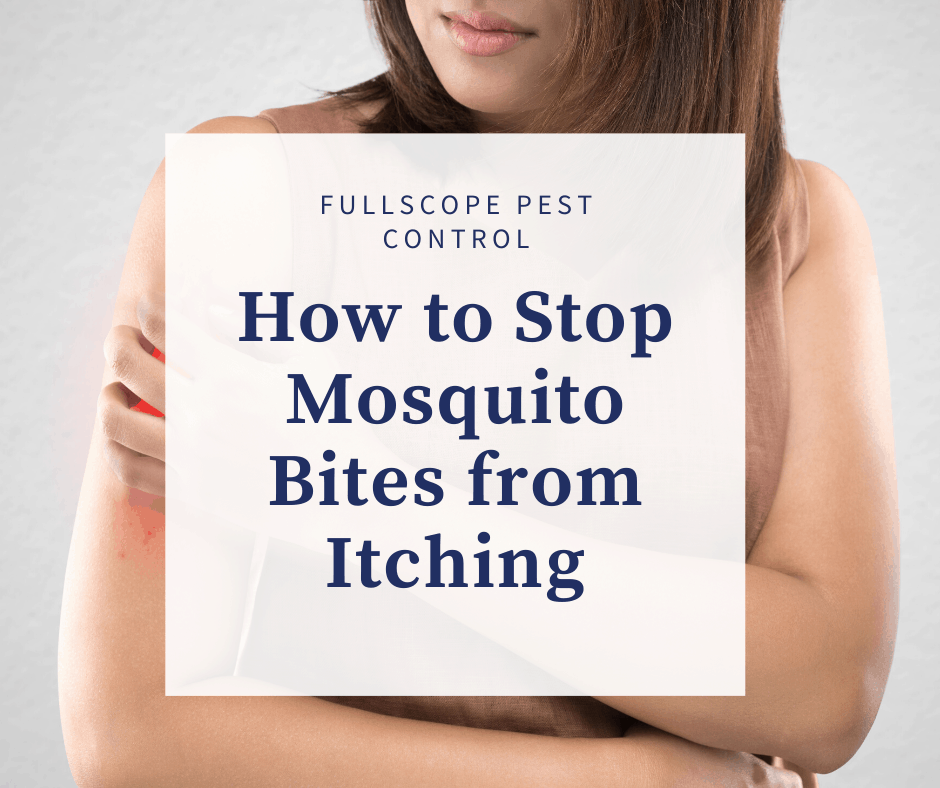
The whiny sound a mosquito makes in your ear can leave you perturbed. However, this feeling is almost always temporary and is, in comparison, nothing like the itch that follows after a bite from a mosquito. Why do mosquito bites itch and leave victims in so much discomfort? How long does a mosquito bite itch last? The more pressing question is, what can be done to stop mosquito bites from itching? Mosquito Bites and Why They Itch? When the saliva from a mosquito’s bite enters the body of a human being, the victim’s immune system treats it as a foreign substance. This triggers the immune system to release histamine to fight the foreign substance or infection. Histamine directs white blood cells and increased blood flow to the infection site, resulting in inflammation. This increased swelling and nerves in the neighboring membranes cause the mosquito bite to itch.
Mosquito Proof Your Pool

How to Mosquito Proof Your Pool Everyone would jump at an opportunity to escape the scorching heat of summer – however briefly. For many, there is no better way to do this than taking a dip in a swimming pool. It doesn’t matter the occasion, people from all age groups take a dip to beat the heat. One common and despised problem with pools is, mosquitoes are fond of congregating around them. This is why people continue to seek out remedies to help prevent mosquitoes from turning their leisurely swims into swat fests. So how do you mosquito proof your pool?
Where Mosquitoes Live

Mosquitoes are lovers of warm weather. It is quite typical of them to come out in great numbers in seasons of warm weather. During this period, it is not uncommon to see people wondering where the mosquitoes are coming from. The purpose of this article is to shed more light on where these biting creatures that disrupt your peace in warm seasons live. Also, effective remedies for decreasing mosquito population around you will be discussed.