 1500+ reviews

Professional Wildlife and Rodent Control Services: When to Call in the Experts

Living near nature has its perks but its fair share of challenges. One such challenge is the intrusion of wildlife and rodents into our homes and properties. While some homeowners may attempt DIY solutions, there are times when it’s crucial to get professional wildlife and rodent control services. In this blog, we’ll talk about when it’s best to hire experts to safeguard your property’s safety and the well-being of humans and animals. Why Opt for Professional Wildlife and Rodent Control Services Choosing professional wildlife and rodent control services ensures effective, humane, and legally compliant solutions. Unlike DIY approaches, professionals offer expert identification, comprehensive management, and long-term prevention strategies, addressing both the infestation and its underlying causes. Their expertise guarantees safety for both residents and wildlife, adhering to ethical standards and local regulations. When to Call a Professional for Wildlife and Rodent Control Persistent Pest Infestations Call professionals when DIY methods fail to control persistent pest infestations. If rodents or wildlife keep returning despite traps and baits, experts can effectively remove them and prevent future invasions with their specialized knowledge and techniques. Health and Safety Concerns Rodents, in particular, can carry diseases and contaminate food and living areas with their droppings and urine. In the case of wildlife, animals like raccoons, bats, and squirrels may carry diseases like rabies or parasites. Wildlife and rodent control experts have the proper safety gear and training to handle these situations safely. Structural Damage Rodents and other pesky pests can cause significant damage to your home. They may chew through electrical wires, insulation, and even the structure itself. If you spot any signs of damage or suspect an infestation, it’s crucial to call in professionals quickly. They can assess the situation and provide solutions to prevent future destruction. Humane and Ethical Treatment Professional wildlife control services prioritize the humane and ethical treatment of animals. Attempting to handle wildlife on your own may result in unintentional harm to the animals or their offspring. Wildlife experts are trained to safely capture and relocate animals when necessary, ensuring minimal disruption to their lives while protecting your property. Local Regulations and Permits In many areas, dealing with certain wildlife and rodents requires compliance with local regulations and obtaining permits. Handling these matters without the appropriate permits can lead to legal issues and fines. To solve your pest problem legally, choose a professional wildlife control agency familiar with your area’s rules and regulations. Conclusion Navigating the challenges of wildlife and rodent infestations requires more than just temporary fixes; it demands expertise, safety, and respect for the environment and the creatures involved. That’s where Fullscope Pest Control comes in. Our team of professionals is equipped with the knowledge, tools, and experience to handle your pest control needs responsibly and effectively. Don’t let pest problems disrupt your peace of mind. Contact Fullscope Pest Control today for a comprehensive and humane solution to safeguard your property and the well-being of all involved.
The Role Of Mosquito Control In Disease Prevention
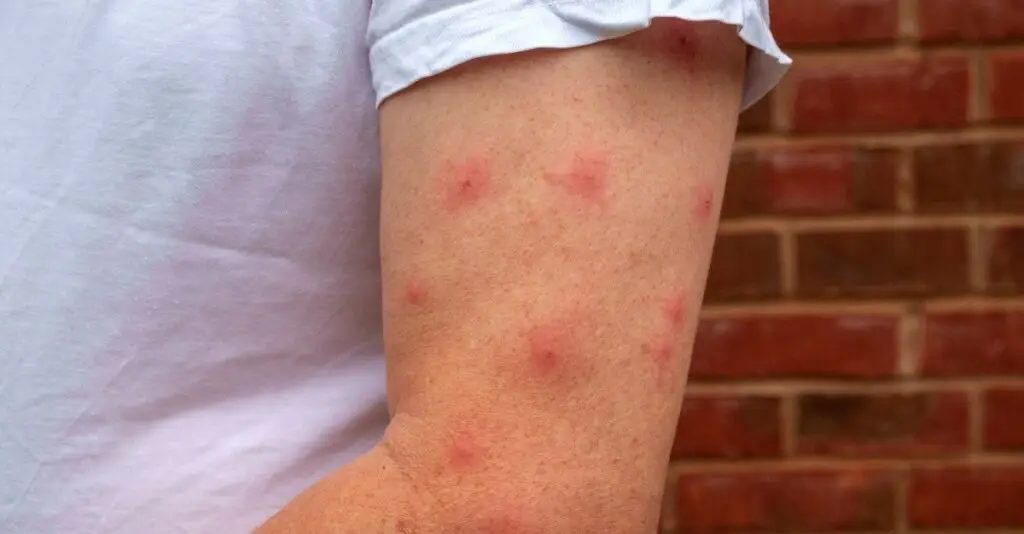
Mosquitoes, those tiny buzzing pests, play a disproportionately large role in disease transmission. Effective mosquito control is more than just repelling these insects; it is a critical method in preventing disease spread. As we dive more into this topic, it becomes clear that eradicating mosquitoes is a concern of public health, not just comfort. Mosquito-Borne Diseases: A Looming Threat The Menace of Malaria Malaria, which has a long history of suffering, is a serious global health concern. Mosquitoes, mainly female Anopheles species, operate as Plasmodium parasite vectors, delivering it through their bites. Malaria has a massive impact on populations, particularly in tropical areas. Mosquito control tactics are critical in slowing the spread of this crippling disease. Dengue Fever: A Growing Global Challenge Dengue fever, another mosquito-borne viral ailment, has risen worldwide. Aedes mosquitos spread the dengue virus and cause flu-like symptoms and potentially fatal consequences in severe cases. Mosquito control measures, ranging from larvicides to community-wide information programs, are critical in minimizing the effects of dengue outbreaks. The Role Of Mosquito Control Measures Larval Control: Nipping the Problem in the Bud Preventing mosquitoes from maturing is an integral part of efficient mosquito control. Larvicides that target mosquito larvae in standing water sources disturb the breeding cycle, lowering the adult mosquito population and, as a result, disease transmission. Adult Mosquito Control: A Comprehensive Approach Address adult mosquitoes, too. Use fogging, spraying, and other measures to control existing populations, especially in areas with intense mosquito activity. When used wisely, these measures can dramatically reduce the risk of disease transmission. Community Engagement: A Collaborative Effort Step up your efforts to control mosquitoes effectively. Community involvement and education are critical in raising awareness of breeding sites, preventive measures, and the value of collaborative action. Giving communities the ability to participate in mosquito control activities actively builds a more resilient resistance against mosquito-borne diseases. The Economic Impact Of Mosquito-Borne Diseases Healthcare Burden Aside from the obvious health consequences, mosquito-borne diseases place a considerable financial strain on healthcare systems. Diagnosing, treatment, and long-term care expenditures for infected persons can strain resources, especially in endemic areas. Productivity Loss Mosquito-borne infections can result in significant production loss owing to illness or caring for sick family members. The economic impact extends beyond the acute healthcare costs, hurting community productivity and stability. Conclusion At Fullscope Pest Control, we are dedicated to providing comprehensive mosquito control solutions that go beyond mere pest management. Our expertise in larval control, adult mosquito control, and community engagement ensures a holistic approach to disease prevention. Join us in the fight against mosquito-borne diseases and secure a healthier future for your community. Together, we can make a difference and create a safer tomorrow. Contact Fullscope Pest Control to learn more about our services and how we can help you protect your loved ones and neighbors from the menace of mosquitoes.
Preventing Wood-Destroying Insects: Tips for Homeowners
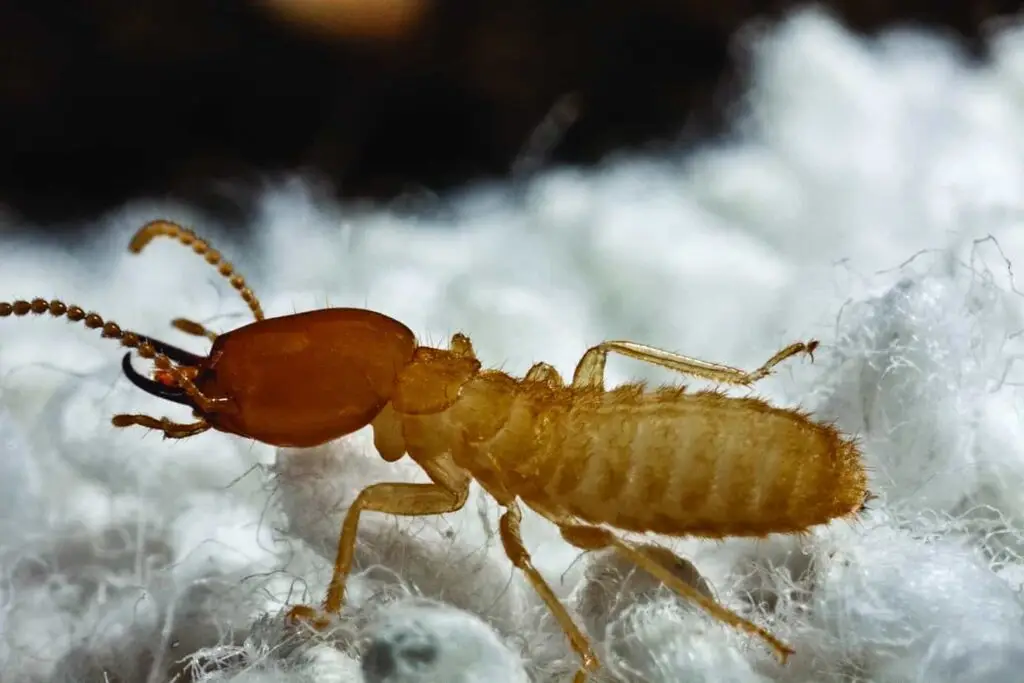
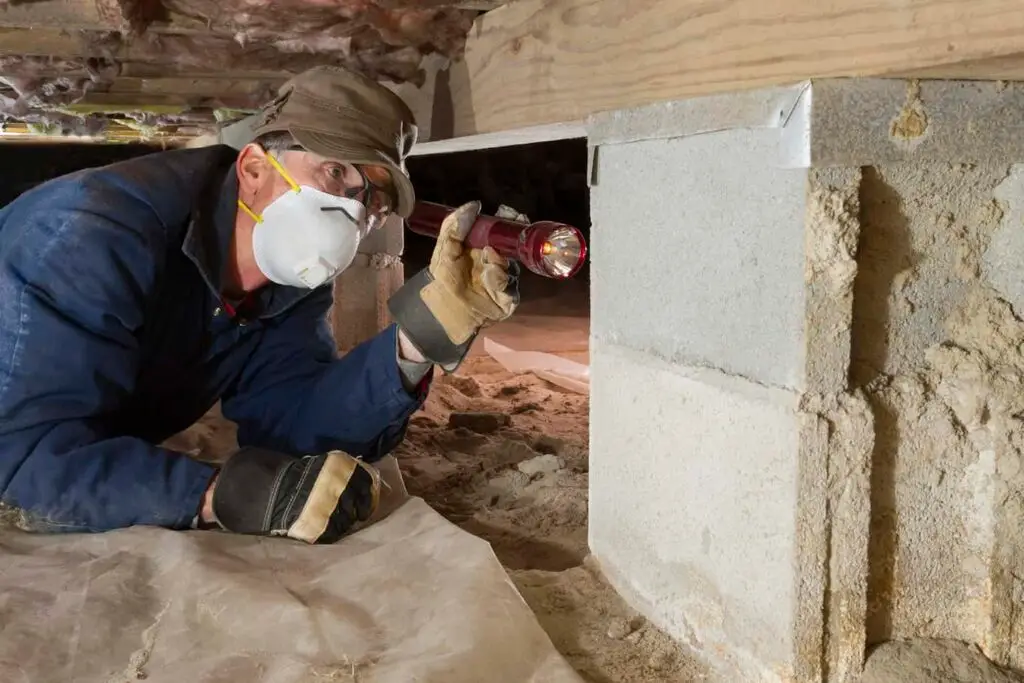
Owning a home involves numerous responsibilities, including safeguarding your property against silent destroyers – wood-destroying insects (WDIs). These pests, including termites, carpenter ants, and wood-boring beetles, pose a serious threat to the structural integrity of your home. Understanding and utilizing wood destroying insect inspections and reports is a critical tool in your defense arsenal. This blog aims to enlighten you on the significance of these inspections and reports and offer practical strategies for preventing and addressing WDI infestations, ensuring your home remains a safe and sturdy haven. Early Detection through Inspections Protecting your home from wood-destroying insects begins with early detection, a step that must be addressed. Regular, thorough inspections are crucial to identifying potential problems before they escalate into costly repairs. Importance of Regular Inspections These inspections identify active infestations and spot potential vulnerabilities in your home’s defenses. By catching problems early on, you can avoid spending thousands of dollars fixing them and extend the life of your home’s structure. Wood Destroying Insect Inspections A professional pest control trained in identifying wood-destroying insect activity will comprehensively examine your home. This includes checking basements, attics, window frames, and other wood structures for signs of infestation, such as damaged wood, mud tubes, or live insects. The general recommendation is to conduct these inspections annually, although the frequency may vary. Understanding WDI Inspection Reports Following the inspection, you will be given a detailed report outlining the results. This report is not only a record of your home’s current condition but also an important document in real estate transactions. It can impact negotiations and is frequently requested by lenders before authorizing a mortgage. It is critical to understand these reports because they can help you make informed decisions about any treatments or repairs that may be required. Preventative Measures for Homeowners Here are some proactive steps you can take: Reducing Moisture Around the Home Since many wood-destroying insects thrive in moist environments, minimizing moisture around your property is essential. Fix leaks promptly, ensure good drainage around the foundation, and use dehumidifiers in damp areas like basements. Regular Maintenance and Repairs It’s crucial to regularly inspect your home for any signs of damage and promptly make any necessary repairs. Additionally, sealing cracks and crevices in the foundation, walls, and around windows can prevent insects from entering. Landscaping and Exterior Maintenance Be mindful of how you landscape around your home. Keep mulch, woodpiles, and dense vegetation away from the foundation to reduce the risk of infestation. Regularly clean your gutters and trim overhanging tree branches that can provide easy access for pests. Conclusion Preventing wood-destroying insects requires vigilance and proactive measures. If you want to protect your home from these silent destroyers, or if you need a thorough wood-destroying insect inspection and report, consider contacting Fullscope Pest Control. Our team of experts has the knowledge and tools to identify potential risks and provide effective solutions tailored to your home’s needs. Don’t wait until it’s too late – contact Fullscope Pest Control today and take a significant step towards ensuring your home remains a safe and secure environment for years to come.
Eco-Friendly Termite Control: Non-Toxic Options for Your Home
Termite infestations may transform a dream home into a nightmare, but fighting them should not put our environment at risk. This post will look at environmentally friendly termite control options that are effective and safe for your house and the environment. The Impact of Traditional Termite Control Harmful Chemicals Traditional termite control procedures frequently entail using harsh chemicals hazardous to the environment, your family, and your pets. These toxic compounds can remain in the soil and water, causing long-term dangers. Disruption of Ecosystems Chemical treatments not only affect termites but also have the potential to alter local ecosystems. They may kill beneficial insects, soil bacteria, and birds that feed on insects, causing an ecological domino effect. Eco-Friendly Alternatives Beneficial Nematodes Introducing helpful nematodes into your soil is an environmentally friendly termite control method. These microscopic insects feed on termite larvae, lowering termite populations naturally and without damaging the environment. Orange Oil Orange oil, derived from orange peels, is an effective and non-toxic termite treatment. It contains D-limonene, which degrades termite exoskeletons, eventually killing them. Furthermore, it emits a lovely citrus aroma! Cardboard Traps Cardboard traps can be put adequately near termite colonies for a simple DIY remedy. Termite infestations are attracted to the fiber in cardboard, allowing you to monitor and control their population without harmful pesticides. Diatomaceous Earth Diatomaceous earth, a natural and non-toxic mineral, effectively treats termite infestations. It is made of fossilized diatoms and dehydrates termites on touch, creating an efficient and environmentally friendly barrier. Microwave Technology Innovative microwave technology provides a non-toxic termite control solution. Microwave energy targets and kills termite populations while leaving no chemical residues behind. Heat Treatment Heat treatment is a low-impact procedure that involves raising the temperature within the structure to levels fatal to termites. This method is safe for humans and dogs, making it an excellent non-toxic alternative. Boric Acid Boric acid is an element that occurs naturally and is toxic to humans and pets, yet does not affect termites. When ingested by termites, it disrupts their digestive system, reducing the termite population. Essential Oils Tea tree oil and oil from neem are effective insect repellents, including termites. These oils effectively eliminate pests and provide a safe and pleasant-smelling alternative to chemical pesticides. Conclusion In the goal of a termite-free house, it is critical to evaluate not only the effectiveness of the treatment but also its environmental impact. Using eco-friendly termite control options protects your home without jeopardizing the health of our world. Explore these non-toxic options to take the first step toward a greener, healthier future. Contact Fullscope Pest Control for expert guidance and help. We commit to providing termite control solutions that are eco-friendly. Our team understands the necessity of protecting your house in a way that is effective and long-lasting. Let us work together to build a home that is not only safe but also sustainable. Don’t let termites ruin your comfort—select an environmentally friendly and efficient solution.
Signs of a Reliable Bed Bug Removal Service: How to Choose Wisely
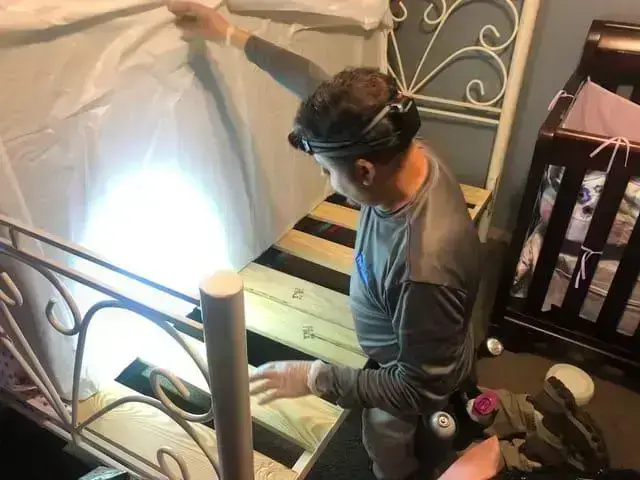
Bed bugs are a homeowner’s nightmare. These blood-sucking insects can infest your home, disrupt your sleep, and possibly cause health problems. When you discover a bed bug infestation, your first thought is likely, “How can I get rid of them as quickly as possible?” The answer to that question often lies in hiring a professional bed bug control service. However, choosing the right service provider is crucial. In this blog post, we’ll explore the signs of a reliable bed bug removal service and offer guidance on how to make a wise choice. Proper Licensing and Certification The first step in selecting a reliable bed bug removal service is to ensure they have the necessary licenses and certifications. Pest control firms must be licensed in most states, and respectable organizations must certify technicians. This guarantees that they have received adequate training and demonstrates their commitment to industry standards. Experience and Expertise Bed bug removal can be challenging and requires specific knowledge and experience. Look for a company with a proven track record in dealing with bed bug infestations. Experienced specialists are likelier to have faced diverse infestation scenarios and devised appropriate countermeasures. Transparent Pricing Beware of companies that provide vague or overly complex pricing structures. A reliable bed bug removal service should offer transparent pricing with no hidden fees. They should give a clear and detailed estimate outlining the work scope, methods, and total cost. Effective Treatment Methods Different infestations may require different treatment approaches. A reputable service will employ various effective methods, such as heat treatments, chemical treatments, and integrated pest management (IPM) techniques. They should discuss these options with you and explain their rationale for choosing a particular approach. Guarantees and Follow-Up A trustworthy bed bug removal service should stand by their work. Inquire about any assurances or warranties that they may provide. Additionally, they should schedule follow-up inspections to ensure the infestation has been completely eradicated. This commitment to your satisfaction is a hallmark of reliability. Positive Reviews and References Take the time to research the company online. Look for prior customer evaluations and testimonials. While no company is perfect, consistently positive feedback indicates reliability and customer satisfaction. Professionalism and Communication Pay attention to how the company communicates with you. A reliable service will answer your questions promptly and courteously. Clear communication throughout the process, from the initial contact to post-treatment follow-ups, is essential. Wrap Up Choosing a reliable bed bug removal service is the key to effectively dealing with a bed bug infestation. You can make an informed judgment and ensure your home is pest-free again by evaluating these ten signals of dependability. Remember that extensive research and diligence will go a long way toward making the proper decision, and Fullscope Pest Control is here to assist. At Fullscope Pest Control, we are committed to providing you with the highest professionalism, expertise, and transparency throughout pest removal. Trust in us; to ether, we can ensure your home is comfortable and pest-free for you and your family.
Rodent Extermination Methods: Understanding the Techniques
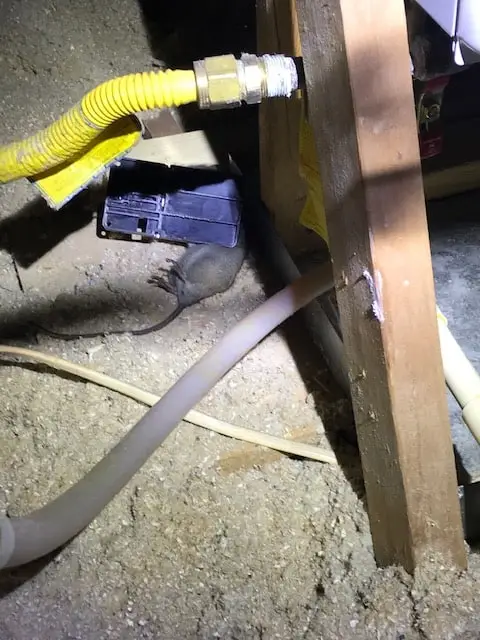
Rodent infestations are a common yet serious issue for many homeowners and businesses. Not only do these pests pose significant health risks, but they can also cause substantial property damage. Understanding the various methods of rodents control services is crucial to keeping a safe and clean environment. Understanding Rodents Rodents, such as rats and mice, are known for their quick reproduction rates and ability to adapt to various environments. These characteristics make them formidable pests. Typically, they will break into houses for shelter, food, and water. The first step in controlling rodents effectively is understanding their habits and where they prefer to live. Preventive Measures For Rodent Control When dealing with rodents, prevention is always preferable to cure. Sealing holes and fractures in walls and foundations is one way for homeowners to rodent-proof their homes. Maintaining cleanliness and proper food storage are also crucial. Rodents are attracted to food scraps and unsecured garbage, so regular cleaning and securely storing food can significantly reduce the risk of infestation. Chemical Methods of Rodent Extermination Chemical methods, like rodenticides, are a common solution for rodent control. While these can be effective, they come with certain risks, especially if children or pets are in the area. Safety precautions are a must when handling these chemicals. It’s important to follow instructions carefully and consider the potential impact on the surrounding environment. Non-Chemical Methods of Rodent Extermination Non-chemical methods such as traps can be effective for those seeking a less hazardous approach. Common options include glue traps, live traps, and snap traps. In addition, natural repellents like peppermint oil and electronic devices are available for those looking for more humane and eco-friendly options. The effectiveness of these methods can vary, so it may take some trial and error to find the right solution. Professional Rodent Extermination Services Professional extermination services become necessary in cases of severe infestation or when DIY methods fail. Professionals offer comprehensive solutions, including thorough inspections, customized treatment plans, and follow-up services. Although this option may be more costly than DIY methods, the expertise and thoroughness of professional services can ensure a more permanent solution to rodent problems. Conclusion Tackling rodent infestations requires a balanced approach that combines preventive strategies and effective extermination methods. Whether you opt for DIY solutions or professional assistance, the key is choosing a technique that aligns with your unique situation and needs. Remember, maintaining a rodent-free environment is an ongoing commitment. It’s not just about eliminating the current problem but also about ensuring that your space remains safe and hygienic in the long term. At Fullscope Pest Control, we understand the nuances of effective rodent management. Our professionals have the knowledge and skills to create bespoke solutions that produce long-term outcomes. Don’t let rodent issues disrupt your peace of mind. Contact Fullscope Pest Control today and take the first step towards a secure, rodent-free environment. Your safety and satisfaction are our top priorities. Let us help you reclaim your space from unwanted pests.
The Importance Of Professional Wildlife Control Services
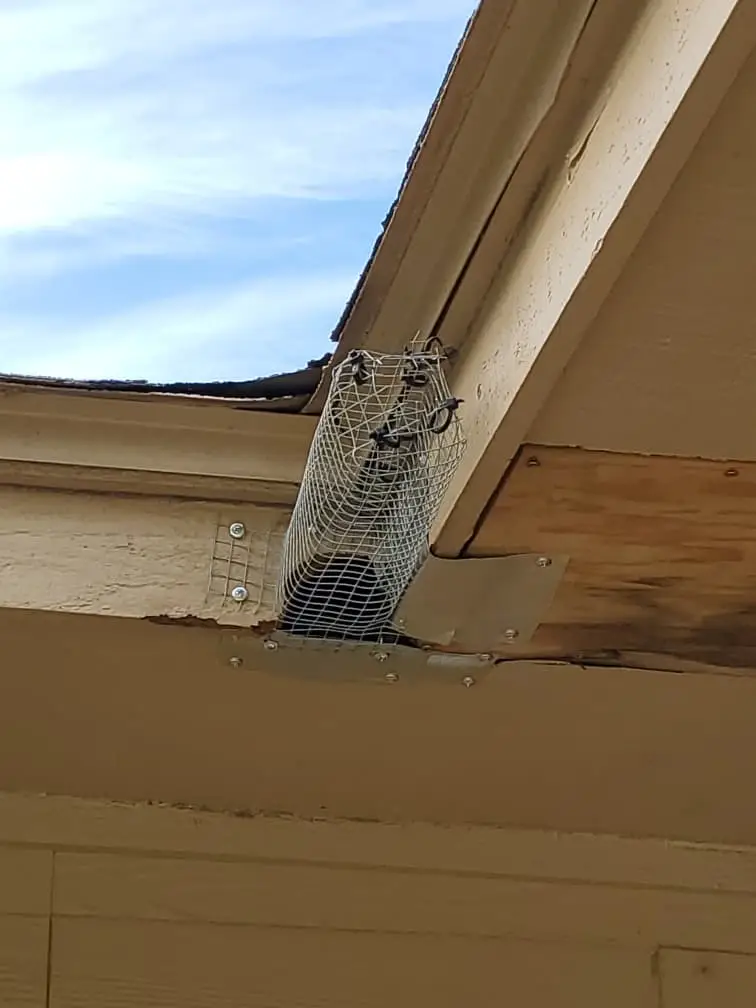
It can be hard to deal with animals that are in your room. Many problems exist, like raccoons going through your trash or bats taking shelter in your attic. It is when you need professional animal control services more than ever. Handling these scenarios without professional help can cause extra stress, danger, and damage. We’ll talk about the most important reasons why hiring professional wildlife control services is not just a choice; it’s a must. Protecting Your Property Preventing Structural Damage Wildlife can damage your home if you don’t do anything about it. Your home’s structure is in danger because of frayed lines and damaged insulation. Professional services use gentle and effective ways to get rid of wildlife and keep it away, protecting your property from damage. Thorough Inspection and Assessment Professional wildlife control technicians do thorough checks to find entry spots and figure out how bad the infestation is. This all-around method ensures all possible problems are dealt with, which stops them from happening again. Ensuring Human Safety Mitigating Health Risks Animals can be hazardous to your health, especially when they are trapped or feel threatened. Animal droppings, scratches, and bites can spread diseases. Professional wildlife control services take safety precautions to protect you and your family from health risks. Humane Removal Practices Professional services emphasize animal-friendly cleanup methods that care about the animals’ well-being. When people try to handle wild animals without training, they can hurt themselves and the animals. Adhering To Legal And Ethical Standards Compliance with Regulations Controlling wildlife is governed by several city, state, and federal laws. Professionals know these rules inside and out and ensure all activities used to control nature are legal. It will not only keep you out of trouble with the law but also help you treat wildlife well. Respecting Ecosystem Balance Wildlife is an integral part of keeping ecosystems in order. Professional wildlife control services know this delicate balance and work to get involved in ways that only bother local wildlife populations a little. It’s the right thing to do and is suitable for the earth. Expertise and Specialized Knowledge Identifying Species-Specific Solutions Approaches for different kinds of wildlife need to be different. Professionals know how to find individual species and implement solutions that work for them. This knowledge ensures that the process of removing the wildlife is successful and fits each animal’s specific needs. Preventing Recurrence Knowing how different species act and what they like to do is essential to stop repeat infestations. Professional wildlife control services get rid of the animal that is a threat and take steps to keep it from coming back. Conclusion Professional wildlife control services are a must if you want to protect your home, family, and the health of local wildlife. We at Fullscope Pest Control know how hard it is to live with nature and keep your stuff safe at the same time. Our team of competent technicians is dedicated to meeting your wildlife control needs in a humane, efficient, and moral way. Don’t let wildlife problems risk your safety and peace of mind; hire wildlife control services today.
Natural And Chemical Spider Control Methods
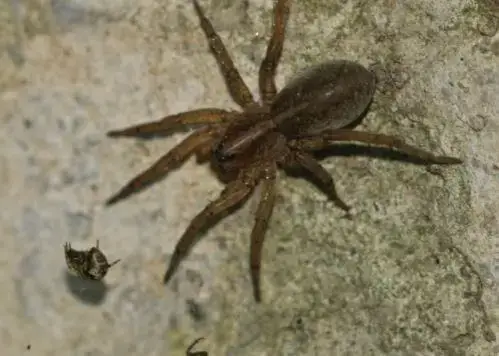
A lot of folks worry about eliminating spiders at home. Those eight-legged creatures can show up without an invite, and we want to find good ways to manage them. Whether you like natural methods or are thinking about chemicals, it’s essential to understand the pros and cons of each. In this guide, we’ll check out different ways to make your home spider-free and bring back that peace of mind. Natural Spider Control Methods Peppermint Oil: A Natural Repellent Spiders don’t like the smell of peppermint. Mix a few drops with water and spray them around doors, corners, and windows. It’s a natural way to stop spiders from entering without harming the environment. Diatomaceous Earth: A Silent Killer Here’s an easy solution: diatomaceous earth. It’s safe for you and your pets but not so friendly to spiders. This powder dries out spiders and messes up their outer shell, eventually taking them out. Just sprinkle it where spiders could be hanging out, like corners and cracks. Simple as that! Citrus Peels: Nature’s Spider Repellent Citrus is repulsive to spiders. Save your citrus peels and strategically position them around your home, especially near windows and doors. It not only adds a pleasant smell but also keeps spiders at bay. Vinegar Solution: A Repellent for Web-Building Spiders Try a simple trick if you prefer spiders setting up shop in your home. Mix some vinegar with water and spray it where those web-spinning spiders like to hang out. The acidity of the vinegar messes with their ability to stick their silk, so they’ll think twice about building webs in your space. Keep at it regularly; you’ll likely keep those eight-legged visitors at bay. Chemical Spider Control Methods Insecticides: Targeted Spider Elimination When used carefully, chemical insecticides can be efficient at eradicating spiders. Look for solutions intended explicitly for spider management, and carefully follow the instructions to guarantee your family’s safety. Spider Sprays: Direct Application Spider control sprays provide a quick and effective solution. Apply them directly to baseboards, window sills, and corners where spiders are present or are prone to enter. For long-lasting protection, select products with residual effects. Professional Pest Control: Expert Intervention A professional pest control service is an excellent solution for chronic spider infestations. Trained professionals may analyze the degree of the infestation and perform tailored chemical treatments to provide a complete and long-term remedy. Ultrasonic Repellents: High-Frequency Spider Deterrence Ultrasonic repellents create high-frequency sound waves that are inaudible to humans but disrupt spiders, causing them to flee the treated area. These chemical-free devices offer a non-intrusive and environmentally responsible way to keep spiders away. Conclusion Finding the correct balance between natural and chemical control approaches is critical in the war against spiders. The goal is the same whether you choose the fragrant force of peppermint oil or the precision of professional pest control: a spider-free house. Consider contacting Fullscope Pest Control for experienced guidance suited to your needs. Our experienced team is committed to offering efficient, long-term solutions that keep your home free of uninvited arachnid visitors. Act today, and let us assist you in reclaiming your space.
Evicting Unwanted Tenants: A Guide to Removing Squirrels from Your Kingwood Attic
Imagine the scenario: you’re enjoying a quiet evening at home when you start hearing strange scratching and scurrying sounds above your head. It doesn’t take long to realize that you have some unexpected, furry visitors in your attic. Squirrels, with their agile nature and persistent curiosity, can find their way into your home and set up residence in the cozy confines of your attic. While they may seem cute from afar, having squirrels in your attic can lead to a variety of problems, from damaged insulation to potential fire hazards. In this guide, we’ll explore effective and humane methods for removing squirrels from your attic and ensuring they don’t return. Identifying the Problem: The first step in dealing with a squirrel infestation is to confirm that these critters are the culprits. Common signs include scratching and running sounds in the attic, chewed wires or insulation, and the presence of nests or droppings, unsure you can call FullScope Pest Control to determine the issue. Once you’ve established that you have a squirrel problem, it’s time to take action. Humane Removal Methods: Inspect Your Home: Conduct a thorough inspection to identify entry points. Squirrels can fit through surprisingly small openings, so be diligent in your search for gaps and holes. Common entry points include vents, chimneys, roof pitches and gaps in the roof or siding. Seal Entry Points: Once identified, seal any potential entry points to prevent further access. Use materials such as wire mesh, steel wool, or caulk to close gaps. Ensure that all repairs are secure, as squirrels are persistent and can find their way back if given the chance. You will want to install an excluder door on the main entrance to allow the squirrel to leave. Install a One-Way Door: Consider installing a one-way door at the main entry point. These doors allow the squirrel to leave but prevent them from re-entering. Once you’re certain the attic is squirrel-free, seal the last entry point. Use Deterrents: Implement deterrents to encourage squirrels to leave voluntarily. Bright lights, loud noises, or the scent of predator urine can be effective in making your attic an inhospitable environment. Professional Assistance: One squirrel is one too many, and sealing all areas can be difficult and in some cases a little scary without the proper gear, seeking professional help is a wise choice. Pest control experts, such as FullScope Pest Control have the knowledge and experience to assess the extent of the infestation, safely remove squirrels, and implement preventive measures to avoid future issues. Preventing Future Infestations: After successfully evicting the squirrels, take steps to prevent future infestations: Trim Trees and Branches: Trim branches that provide easy access to your roof. Squirrels are adept climbers and jumpers, so minimizing access points can deter them. Regularly Inspect Your Home: Conduct regular inspections to identify and address potential entry points before they become a problem. Install Squirrel-Proofing Measures: Invest in squirrel-proofing measures such as chimney caps and vent covers to limit access points. FullScope will always provide a full exclusion on your home with a 12 month warranty on work. Conclusion: Dealing with a squirrel infestation in your attic requires patience, diligence, and a humane approach. By identifying and sealing entry points, implementing deterrents, and seeking professional assistance if needed, you can ensure the safe removal of these furry intruders. With preventive measures in place, you’ll be better equipped to keep your attic free from unwanted tenants in the future. Good to remember that if a squirrel fits in the opening, so can roof rats, so exclusion is always the best option. Call your local squirrel experts in Kingwood, Texas to help eliminate and prevent those rodent invasions.
Bed Bug-Free Home Maintenance and Recovery
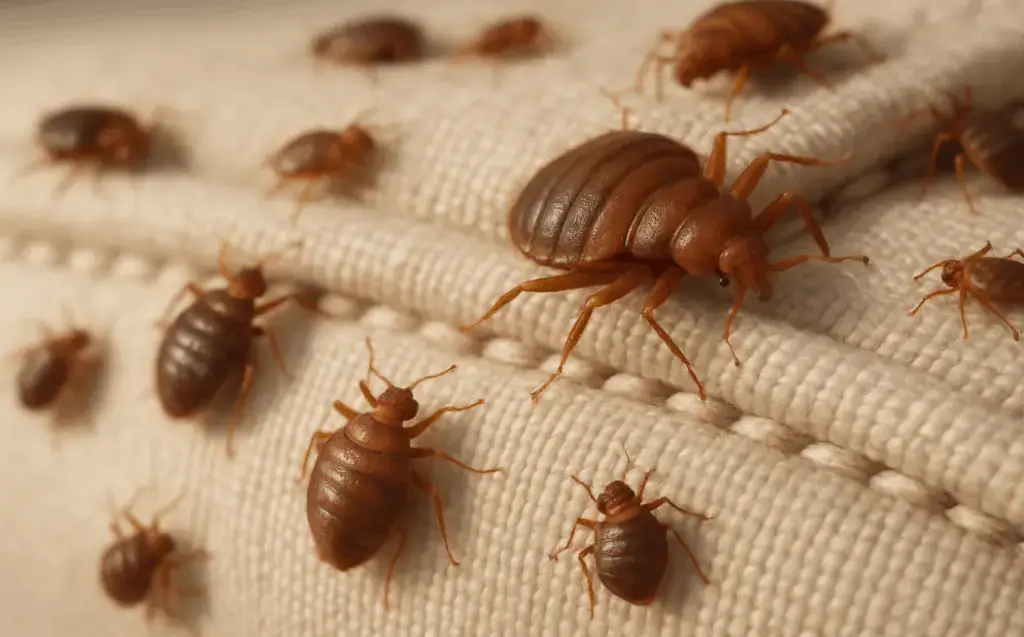
Are you sick of living with the constant horror of bed insect infestations in your home? Eliminating bed bugs is a struggle that no one likes to wage, yet it is one that many homes must face. These tiny blood-sucking parasites can transform your cozy sanctuary into a source of misery and sleepless nights. The good news is that you can keep your house bed bug-free and efficiently recover from infestations with the correct knowledge and actions. Maintaining a Bed Bug-Free Home Regular Inspection and Vigilance The most excellent strategy is always prevention. Inspect your home regularly for bed bug symptoms, such as minor reddish-brown bugs, tiny eggs, or dark fecal patches on your mattress or furniture. Early detection is critical for averting a full-fledged infestation. Declutter and Minimize Hiding Spots Bed bugs enjoy hiding in clutter. Maintain a clean, tidy, and clutter-free home environment. Cut down on their hiding spots to make it harder for bed bugs to camp in your home. Protective Covers for Mattresses and Furniture Purchase high-quality, bed bug-resistant mattresses and furniture covers. These covers keep bed bugs out of your stuff and make it easier to notice if they get in. Regular Cleaning and Laundering Wash and dry your bedding, curtains, and clothing on high heat regularly. Because bed bugs cannot resist high temperatures, this simple action can help avoid an outbreak. Recovering from Bed Bug Infestations Professional Inspection Do not attempt to handle a bed bug problem on your own. A professional pest control agency should perform a comprehensive inspection. They can precisely determine the degree of the infestation. Professional Treatment Once you spot a bed bug infestation, please bring a professional pest control company to remove them. They have the knowledge and tools necessary to eliminate these pests effectively. Regarding bed bugs, do-it-yourself methods frequently need to be revised. Follow-Up Inspections and Treatments Bed bugs can sometimes reappear even after professional treatment. To guarantee complete removal, schedule follow-up inspections and treatments as directed by your pest control professional. Prevention and Vigilance Continue to adopt preventive measures after effectively removing bed bugs. Inspect your home regularly for symptoms of reinfestation and take fast action if you find any. What Kills Bed Bugs Instantly In Bed? To quickly get rid of bed bugs on your bed, grab a bed bug spray or insecticide designed for this job. Directly spray bed bugs and their hiding places, such as mattress seams and crevices. It can immediately kill the bed bugs on the bed’s surface. Still, you may need to take other actions, such as cleaning linens and vacuuming the area, to eliminate the infestation. Conclusion In the fight against bed bugs, adopting preventative measures for maintenance and recovery is critical. Regular inspections, attentive cleaning, and preventive measures can all assist in keeping your house bed bug-free. When faced with an infestation, always seek professional assistance from experts such as Fullscope Pest Control to ensure a thorough and effective bed bug extermination. You can live in a calm and bug-free environment with the appropriate attitude. Don’t put up with bed bugs any longer—take action today for a better, bug-free tomorrow.