 1500+ reviews

FAQ’s for Mosquito Barrier Treatments
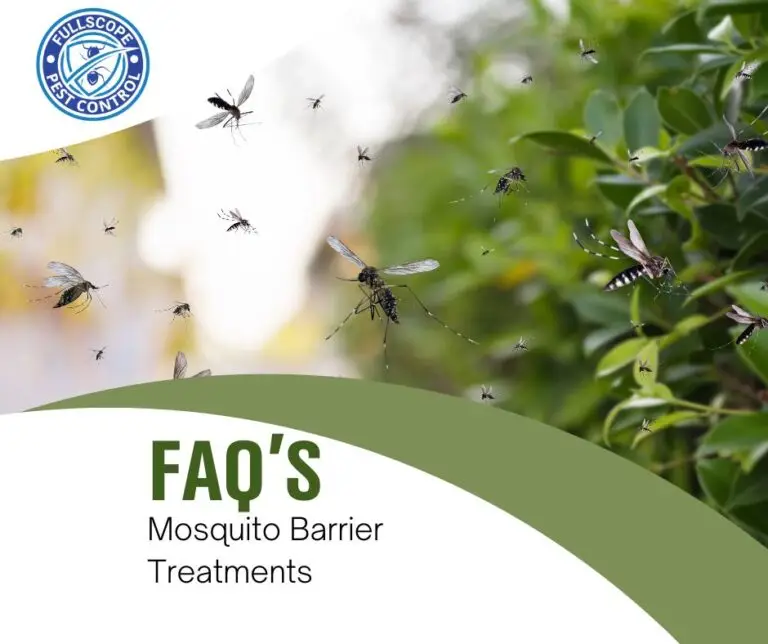
Frequently asked questions about mosquito barrier treatments. Here are some general FAQs: What is a mosquito barrier treatment? A mosquito barrier treatment involves applying insecticides or repellents to outdoor areas to create a protective barrier against mosquitoes. This helps reduce mosquito populations and minimizes the risk of mosquito-borne diseases. How do mosquito barrier treatments work? Mosquito barrier treatments typically contain active ingredients that repel or kill mosquitoes. When applied to vegetation, lawns, or other outdoor surfaces, these treatments create a barrier that deters mosquitoes from entering the treated area. What types of products are used for mosquito barrier treatments? Mosquito barrier treatments can be in the form of sprays, concentrates, granules, or fogging solutions. Some products are designed for use on lawns, while others may be suitable for gardens or specific outdoor areas. When is the best time to apply mosquito barrier treatments? The timing of mosquito barrier treatments may vary based on the product. However, it’s generally done during the day time, as we are applying a residual insecticide to mosquito resting areas. How long do mosquito barrier treatments last? The duration of effectiveness varies depending on the mosquito pressue, we are just trying to reduce populations, mosquitoes cannot be eliminated. Best results are achieved when the treatment is done every 3 weeks, this will over time create a repellency barrier to keep mosquitoes out of your yard. Are mosquito barrier treatments safe for humans and pets? Many mosquito barrier treatments are designed to be safe for humans and pets when used according to the instructions. Do mosquito barrier treatments affect other insects or wildlife? The impact on non-target insects and wildlife is very low because of the are the product is allied. Very reduced amount of active ingredients applied, as well as the time of day the products are applied. Most benificial insects are not resting in the areas of application. Reach out to your local pest experts at FullScope Pest Control for more information on Mosquito Barrier Treatments, as well as to answer any additional about our treatments.
Frequently Asked Questions About Chinch Bug Treatments
Here are some frequently asked questions about chinch bug treatments: What are chinch bugs? Chinch bugs are small insects that feed on the sap of grass plants, causing damage to lawns. They are particularly common in warm-season grasses. How can I identify chinch bug damage? Chinch bug damage often appears as yellow or brown patches in lawns. The grass may wither and die in severe infestations. You can also look for the bugs themselves by parting the grass and inspecting the soil near the roots. What are some common treatments for chinch bugs? When is the best time to treat for chinch bugs? Early detection is key. Treatments are most effective when applied at the first signs of chinch bug damage. Spring and early summer are common times for infestations. Can cultural practices help prevent chinch bug infestations? Yes, maintaining a healthy lawn can reduce the risk of chinch bugs. Proper watering, regular mowing, and aeration promote a robust lawn that is more resistant to infestations. Should I hire a professional for chinch bug control? If you’re dealing with a severe infestation or if home remedies are not proving effective, it’s advisable to consult with a pest control professional. They can assess the situation and recommend appropriate treatments. In conclusion, addressing chinch bug infestations requires a multifaceted approach that combines preventive measures, early detection, and targeted treatments. By understanding the lifecycle and habits of chinch bugs, homeowners can implement strategies to minimize conducive conditions for their proliferation. Regular lawn maintenance, such as proper watering and mowing, plays a crucial role in preventing chinch bug infestations. When faced with an active infestation, prompt identification and application of appropriate treatments are essential. Natural remedies, insecticides, and professional pest control services are viable options, each with its own set of advantages and considerations. It is crucial to choose the treatment method that aligns with your preferences, environmental concerns, and the severity of the infestation. Additionally, ongoing monitoring and maintenance are key elements of an effective chinch bug management plan. Regularly inspecting your lawn for signs of chinch bug activity and implementing preventive measures will contribute to the long-term health of your turf. Ultimately, combining knowledge, vigilance, and strategic treatments will empower homeowners to effectively manage and mitigate chinch bug issues, ensuring a lush and resilient lawn for years to come. If uncertainties persist or the infestation intensifies, seeking advice from pest control professionals is always a prudent step to safeguard your outdoor space from these persistent pests.
The Bed Bug Menace: Signs and Symptoms of Infestation
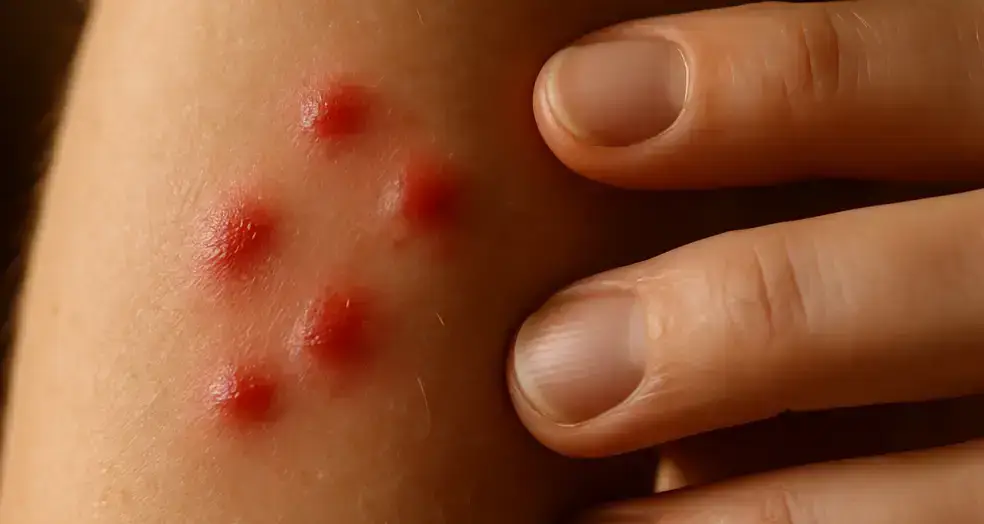
The resurgence of bed bugs in recent years has made them a growing concern for homeowners and travelers alike. These tiny, blood-sucking pests are notorious for their ability to hide and multiply rapidly, making early detection crucial. In this blog, we’ll explore the signs and symptoms of a bed bug infestation, discuss the health risks associated with bed bugs, and provide tips for bed bug control and treatment. Bed Bug Health Risks Although bites from bed bugs are usually harmless, they might cause allergic reactions in certain people. Itching and discomfort caused by repeated bites might develop into secondary infections if scratched too much. In addition, a bed bug infestation can have a significant psychological impact, leading to worry and disrupted sleep. Signs of a Bed Bug Infestation Physical Signs: – Bites on the skin, often in a linear or clustered pattern. – Bloodstains on bedding or clothing from crushed bugs. – Small, dark excrement stains on sheets, mattress seams, and nearby areas. Behavioral Signs: – Unexplained itching and discomfort, especially in the morning. – Disturbed sleep patterns due to fear of being bitten. – A foul, sweet, musty odor in the bedroom caused by bed bug secretions. How To Identify Bed Bugs An adult bed bug’s flat, oval body resembles an apple seed’s. They are reddish-brown but may appear darker after feeding. Common hiding places include mattress seams, headboards, and cracks in furniture. It is critical to appropriately identify bed bugs because they might be confused with other pests like fleas or ticks. Bed Bug Prevention Measures Effective Treatment Strategies for Bed Bug Infestations The eradication of bed bugs often requires professional intervention due to their resilience and ability to hide in hard-to-reach places. While there are several DIY methods available, these are usually less effective and can sometimes exacerbate the problem. Professional exterminators are equipped to conduct thorough assessments and utilize various advanced and safe treatment methods. These may include specialized insecticides and heat treatments, which are inaccessible to the general public. Additionally, professionals can effectively target and treat areas difficult for homeowners to reach. By choosing professional pest control services, you ensure a more reliable and comprehensive approach to eradicating bed bugs, significantly reducing the likelihood of a recurring infestation in your home. Conclusion The sooner you notice the symptoms of a bed bug infestation, the less damage you can do. Understanding their biology and health risks and taking preventative measures can reduce the chances of encountering these troublesome pests. If an infestation does occur, remember that professional help from Fullscope Pest Control is available. We are here to assist you every step of the way, ensuring a swift and effective solution to your bed bug problem. With our expertise, we can reclaim your peace of mind and sleep soundly again. Stay vigilant, stay informed, and trust us to combat the bed bug menace.
FAQ’s About Pre-emergent Applications

Here are some frequently asked questions (FAQs) about pre-emergent applications to lawns: What is a pre-emergent herbicide? A pre-emergent herbicide is a type of weed control that is applied to the soil before weed seeds germinate. It creates a barrier that prevents weed seeds from sprouting. When is the best time to apply pre-emergent to lawns? The timing of pre-emergent application depends on the type of weeds you are targeting. Generally, it’s applied in early spring before soil temperatures reach the optimal range for weed germination. Again in the fall for winter weed control. How does pre-emergent herbicide work? Pre-emergent herbicides create a barrier in the soil that inhibits the development of weed seedlings. They do not kill existing weeds but prevent new ones from emerging. Can pre-emergent herbicides be used on established lawns? Yes, pre-emergent herbicides can be applied to established lawns to prevent the growth of new weeds. However, care should be taken to follow application instructions and avoid harm to desirable plants. Do pre-emergents work on all types of weeds? Pre-emergent herbicides are effective against a wide range of annual grasses and broadleaf weeds. However, they may not be as effective against perennial weeds that propagate through roots or rhizomes. How long does the pre-emergent barrier last? The effectiveness of a pre-emergent herbicide varies, but it generally provides control for several weeks to a few months. Factors like rainfall, irrigation, and soil conditions can affect its longevity. Can pre-emergents be applied together with fertilizers? Yes, some pre-emergent herbicides are combined with fertilizers in a single product. These are known as combination or weed-and-feed products. Always follow the product label for proper application rates. Is it safe for pets and children after application? Most pre-emergent herbicides are safe when applied according to label instructions. However, it’s advisable to keep pets and children away from treated areas until the product has dried. Can I overseed after applying pre-emergent? Applying pre-emergent herbicides can inhibit the germination of desirable grass seeds as well. If overseeding is planned, choose a pre-emergent that is labeled as safe for overseeding, or time the application to allow for seed germination. Do I need to water the lawn after applying pre-emergent? Watering is often recommended after applying pre-emergent herbicides to help activate the product. In conclusion, understanding the use of pre-emergent applications in lawns is crucial for maintaining a healthy and vibrant outdoor space. By addressing common questions and concerns through this FAQ guide, we hope to have provided clarity on the purpose, application, and benefits of pre-emergents. These proactive measures play a pivotal role in preventing the growth of unwanted weeds, promoting the overall health of the lawn, and reducing the need for excessive herbicides. As with any lawn care practice, it’s essential to follow recommended guidelines, consider specific grass types, and be mindful of environmental factors. Interested in having a professional prevent and eliminate weeds from your lawn, reach out to FullScope Services, your local pest and lawn experts.
FAQ’s About Weed Control in Lawns

Here are some general FAQs about weed control in your Houston Lawns: Why is weed control important for lawns? Weed control is essential to maintain a healthy and attractive lawn. Weeds compete with grass for nutrients, water, and sunlight, and they can quickly take over if not managed. When is the best time to apply weed control in lawns? The timing of weed control depends on the type of weeds and the product being used. In general, early spring and fall are good times for weed prevention. What types of herbicides are available for weed control in lawns? There are two main types: pre-emergent herbicides (prevent weeds from germinating) and post-emergent herbicides (kill existing weeds). Choose a product based on your specific weed problems. How can I identify common lawn weeds? Identification is crucial for effective control. Common weeds include dandelions, crabgrass, clover, and chickweed. Online resources or local extension services can help with identification. You can also reach out to your local experts at FullScope Services. Is it safe for pets and children to play on a lawn treated with weed control products? Follow the instructions on the product label. Many herbicides are safe once they have dried, but it’s advisable to keep pets and children off the treated area until it’s considered safe and lawn is dry. How often should I apply weed control in my lawn? The frequency depends on the type of herbicide used and the severity of the weed problem. Some products require multiple applications, while others provide long-lasting control. What can I do to prevent weeds in the first place? Maintain a thick, healthy lawn through proper watering, mowing, and fertilization. Consider using pre-emergent herbicides to prevent weed seeds from germinating. Are there any specific lawn care practices that help with weed control? Regular mowing at the proper height and promoting good soil health can help prevent weed growth. Aeration and overseeding can also contribute to a dense, weed-resistant lawn. Can I mix different weed control products for better results? It’s crucial to follow the instructions on each product’s label. Mixing products without proper knowledge can be ineffective or even harmful to your lawn. Remember to always read and follow the instructions on the herbicide labels, and consider consulting with local lawn care professionals for advice and weed control tailored to your specific situation and lawn type.
FAQ’s About Post-Emergent Weed Control

Here are some frequently asked questions (FAQs) about post-emergent weed control in lawns: What is post-emergent weed control? Post-emergent weed control involves applying herbicides to actively growing weeds in your lawn. Unlike pre-emergent weed control, which prevents weed seeds from germinating, post-emergent control targets weeds that have already sprouted. When is the best time to apply post-emergent herbicides? The timing of post-emergent herbicide application depends on the type of weeds you’re targeting. In general, it’s most effective when applied to young, actively growing weeds. Spring and fall are often recommended seasons for application. Can I use post-emergent herbicides on my entire lawn? It’s essential to identify the specific weeds in your lawn before applying post-emergent herbicides. Some products target broadleaf weeds, while others are designed for grassy weeds. Using the wrong herbicide can damage your desirable grass. How long does it take for post-emergent herbicides to work? The effectiveness of post-emergent weed control can vary, but you may start to see results within a few days to weeks. Complete eradication may take longer, especially for perennial weeds. Do I need to reapply post-emergent herbicides? In some cases, multiple applications may be necessary, especially if dealing with persistent or established weeds. Follow the product’s instructions and consider factors like weather conditions and the specific type of weed. Is post-emergent weed control safe for my lawn and pets? Most post-emergent herbicides are formulated to target weeds selectively and are safe when used according to the instructions. However, it’s crucial to follow safety guidelines, keep pets off treated areas temporarily, and avoid overspraying. Can I use post-emergent herbicides in conjunction with other lawn care products? Yes, you can typically use post-emergent herbicides alongside other lawn care products. However, it’s essential to read labels carefully to ensure compatibility and avoid any potential negative interactions. Can I mow my lawn after applying post-emergent herbicides? It’s generally recommended to wait a few days after applying post-emergent herbicides before mowing. This allows the herbicide to be absorbed by the weeds for better effectiveness. What should I do if post-emergent herbicides don’t seem to be working? If you’re not seeing the desired results, it’s essential to reassess the type of weed, the herbicide used, and the application process. Consult with a lawn care professional for guidance and proper solutions. In conclusion, understanding and implementing effective post-emergent weed control is essential for maintaining a healthy and thriving landscape. By addressing common questions and concerns surrounding this practice, we’ve provided valuable insights into the various aspects of post-emergent weed management. Whether you choose chemical or organic solutions, proper timing and application techniques are crucial for success. Additionally, being aware of the specific characteristics of the weeds you’re dealing with can guide you in selecting the most appropriate herbicides. Remember that a combination of cultural practices, preventive measures, and targeted post-emergent treatments can contribute to a more sustainable and resilient weed control strategy. Still have more questions, contact your local lawn experts at FullScope Services today!
Does Regular Pest Control Kill Termites
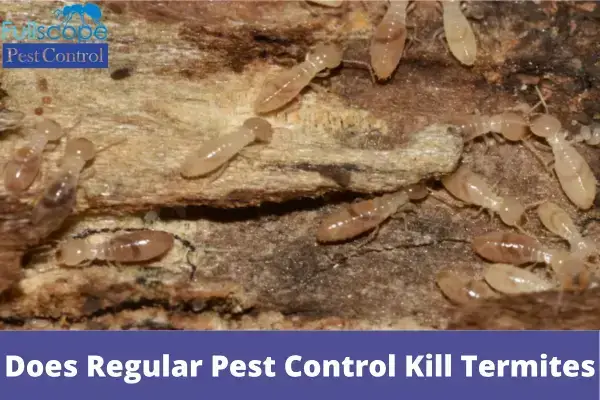
Regular pest control can be an effective way to mitigate termite infestations and protect your home from these destructive invaders. Termite control options, when used within a comprehensive pest management strategy, can effectively prevent and eliminate termite infestations. In this blog, let’s explore how regular pest control measures can be crucial in killing termites and maintaining a termite-free environment. Why Regular Pest Control is Necessary Regular pest control is a crucial part of home maintenance for several reasons: Preventative Measures Pest control professionals can implement preventive measures to create a less attractive environment for termites. These measures may include sealing entry points, reducing moisture levels, and treating wooden surfaces with termite-resistant products. Early Detection Regular pest inspections can help detect termite infestations in their early stages before they cause extensive damage. Targeted Treatments Pest control experts have the knowledge and tools to apply effective termite treatments. These treatments are often tailored to the specific type of termite infestation, ensuring maximum effectiveness. Consistent Monitoring Regular pest control services typically include ongoing monitoring to ensure that termites do not return. This proactive approach helps maintain a termite-free environment. Methods Used in Regular Pest Control Pest control professionals use various methods to combat termites effectively: Liquid Termiticides Liquid termiticides are applied to the soil around the perimeter of a building or directly onto infested wood. These chemicals create a barrier that termites cannot pass through, effectively killing them upon contact. Bait Systems Termite bait systems consist of bait stations strategically placed around the property. These baits contain toxic substances that termites carry back to their colony, ultimately eliminating the entire colony. Wood Treatment Wooden structures can be treated with termiticides or termite-resistant coatings to deter termite infestations. Fumigation In severe infestations, fumigation may be necessary. This involves tenting the entire structure and using gas to kill termites within. Does Regular Pest Control Kill Termites? When conducted by trained professionals, regular pest control services effectively kill termites and prevent their return. The key is consistency and using the right methods for the specific termite species infesting your property. Pest control professionals know and can identify termites and deliver appropriate treatments. It’s important to note that DIY pest control methods may not be as effective as professional services. Termites can be resilient, and eliminating an infestation requires a comprehensive approach. Regular pest control services ensure that termites are continually monitored and treated as needed. Conclusion Regular pest control is essential for killing termites and preventing costly damage to your home. At Fullscope Pest Control, we provide a variety of effective strategies for combating termite infestations and maintaining termite-free conditions. We have the expertise and experience to identify the type of termites infesting your property and apply the appropriate treatments. Investing in our regular pest control services lets you secure your property and have peace of mind knowing that your house is free of these dangerous pests. Trust us to keep your home termite-free and your investment protected.
FAQ’s Fire Ant Treatments

Here are some frequently asked questions about 12-month fire ant treatments: What is a 12-month fire ant treatment? A 12-month fire ant treatment is a method or product designed to control fire ant populations in an area for an extended period, typically lasting up to a year. How do 12-month fire ant treatments work? These treatments usually involve applying a long-lasting insecticide that targets fire ants. The goal is to provide continuous control over an extended period, preventing new colonies from forming. What types of products are commonly used for 12-month fire ant treatments? This treatment is a very specific product that is only available to licensed pest professionals and is a granular insecticide that controls fire ants for 12 months on aries where applied. When is the best time to apply a 12-month fire ant treatment? For this type of treatment for fire ants, application can occur anytime of the year. Is this product safe around our pets? Yes this product is people and pet friendly, it is applied as a granular application, does require it be watered to release the product. Should keep your pets out of the area until completely dry. Can 12-month fire ant treatments be used in residential areas? Yes, our 12-month fire ant treatments are suitable for use in residential yards, landscape, and other outdoor spaces. Do these treatments require professional application, or can they be done by homeowners? Please contact your local pest experts if you haev any additional questions or would like to schedule your 12 Month Fire Ant Treatment.
FAQ’s German Roach Treatments
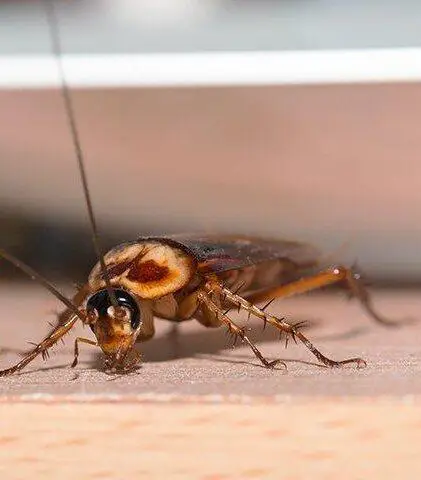
Here are some frequently asked questions about German roach treatments: What are German roaches? German roaches (Blattella germanica) are a species of cockroach known for their small size and light brown color. They are common household pests and can be found in kitchens and other areas with food, water and harborage sources. How do I know if I have a German roach infestation? Signs of a German roach infestation include small droppings that resemble black pepper, a musty odor, and seeing live roaches, especially in the kitchen or bathroom. Are there DIY treatments for German roaches? While there are DIY methods, such as baits and traps, they may not be as effective as professional treatments. Cleaning thoroughly, sealing cracks, and removing food sources are essential components of any DIY approach. What professional treatments are available? Pest control professionals may use a combination of methods, including insecticides, baits, and insect growth regulators. The choice of treatment depends on the severity of the infestation and the specific conditions of the environment. We are skilled and knowledgeable about life cycle and harborages areas, which helps with proper elimination. Is it safe to use insecticides indoors? When used according to the manufacturer’s instructions, many insecticides are safe for indoor use. Most of all the products used for german roaches are used in their harborage areas, so out of the way places. How long does it take to get rid of German roaches? The time it takes to eliminate a German roach infestation varies. Multiple treatments may be needed, and it depends on factors such as the level of infestation, the chosen treatment methods, and the cooperation of the homeowner in maintaining a clean environment. Usually see a big reduction within a couple of days, but we ask clients to wait a full 2 weeks to allow all the products to have time to be effective. Can German roaches come back after treatment? It’s possible for roaches to be reintroduced after an elimination service. Can I use natural remedies to control German roaches? Some natural remedies may have limited effectiveness, such as boric acid or diatomaceous earth. However, severe infestations often require professional intervention. How do I prevent German roaches in the future? Regular cleaning, proper food storage, sealing cracks and crevices, and addressing any plumbing issues are key components of preventing German roach infestations. Check stored items and unpack boxes before bringing items into a home. What do German roaches eat? They eat everything, not just human food, but the scum in drains, they require very little food, so once introduced, they do not go away on their own and should be treated immediately.
Effective Strategies for Preventing Rodent Entry Points: A Comprehensive Guide

Introduction: Rodents are unwanted guests that can wreak havoc in homes and businesses, causing damage to property and posing health risks. Preventing rodent entry points is crucial to keeping these pests at bay. In this comprehensive guide, we’ll explore effective strategies to safeguard your space from rodent invasions. Seal All Cracks and Holes: One of the primary ways rodents gain entry is through small cracks and holes in walls, floors, and foundations. Conduct a thorough inspection of your property, sealing any openings you find. Use caulk for smaller gaps and weather-resistant sealant for larger holes. Pay attention to areas around pipes, vents, and windows, as these are common entry points. Something as small as the size of your thumb is an entry point for rodents. Look high and low, they are excellent climbers. Install Door Sweeps: Rodents can easily slip through the gaps beneath doors. Installing door sweeps is a simple yet effective solution. These attachments cover the space between the door and the floor, preventing rodents from squeezing through. Choose durable materials that can withstand wear and tear. Warm temperatures and smell are very attractive for rodents, especially on commercial accounts. Maintain a Tidy Landscape: A well-maintained landscape can deter rodents from approaching your property. Trim overgrown vegetation, especially near entrances, as rodents often use these as hiding spots. Keep a buffer zone between your building and any dense vegetation, reducing the likelihood of rodents finding a path to your doors and windows. Secure Trash Storage: Rodents are attracted to food sources, and unsecured trash bins provide an easy feast. Use bins with tight-fitting lids and ensure they are placed on elevated surfaces. Regularly clean the area around trash bins to eliminate food residue that might attract rodents. Store Food Properly: Rodents are resourceful when it comes to finding food. Store pantry items in airtight containers to deny them easy access. Additionally, clean up spills promptly, and avoid leaving pet food out overnight. By eliminating food and water sources, you make your property less appealing to rodents. Conduct Regular Inspections: Preventing rodent entry points requires vigilance. Schedule regular inspections of your property to identify and address potential vulnerabilities. Look for signs of rodent activity, such as droppings, gnaw marks, or nesting materials. Early detection allows for prompt action before an infestation takes hold. Regular Pest Control Services insure your home is being inspecting quarterly for activity and any possible new entry. Exterior Population Control: Suburban locations can be a haven for rodents, access to water, food or harboarge allow high volume populations. Exterior rodent bait stations can be an added layer of protection to keep populations in check. Consult a pest professional to ensure professional tamper proof stations are used. Conclusion: Preventing rodent entry points is a proactive and essential step in maintaining a pest-free environment. By sealing cracks, securing trash, and implementing these strategies, you can significantly reduce the risk of a rodent infestation. Stay vigilant, conduct regular inspections, and take prompt action to keep your home or business rodent-free. Not sure you can handle this on your own, call your local pest experts at FullScope Pest Services, for an inspection and recommendations to help you with effective strategies to prevent rodent entry.