 1500+ reviews

Warehouse Pest Control: A Guide for Magnolia, TX Facilities
The first clue is usually small. A torn carton at the dock, a few droppings near a pallet jack lane, a greasy mark along a wall, and suddenly the whole shift is asking the same question, how long has this been going on? In a warehouse, pests don't just create a sanitation issue, they threaten inventory, audit readiness, and the steady flow of product through the building. That's why warehouse pest control has become a real commercial category, not a side task. One market report estimates the global pest control services for warehouses market at USD 2.12 billion in 2024, with growth projected to USD 3.71 billion by 2033 (market overview). That scale tells you what operators already know, controlling pests in storage and logistics facilities is part of protecting supply chains, not just reacting to a nuisance. A useful way to think about it is the same way you think about preventive maintenance. You don't wait for a conveyor to fail before you inspect it, and you shouldn't wait for a pest sighting before you inspect the building. A practical framework from SaberTask's guide to preventive maintenance fits warehouse pest work well, because both depend on routine checks, documentation, and early intervention. If your facility handles commercial freight in Southeast Texas, a customized program matters even more, which is why many managers look for a plan shaped for their site, not a generic spray-and-go visit. For a deeper look at that approach, see why commercial properties need tailored pest control plans. Beyond Extermination Proactive Warehouse Pest Control A warehouse manager usually doesn't call after a calm, orderly week. The call comes after a discovery, maybe a mouse run along a wall, insect activity in a receiving bay, or damage in a stored shipment. That's the wrong moment to start building a response plan, because by then the issue has already moved from prevention to containment. Integrated Pest Management, or IPM, is the standard for a reason. It starts with initial hazard analysis, routine inspections, monitoring, structural exclusion, sanitation, and supply-chain controls, including checking incoming shipments and pallets before pests spread deeper into the building (warehouse IPM guidance). That sequence matters because warehouses create movement, clutter, and blind spots, which gives pests more ways to hide than a small retail space ever would. Why the business case is bigger than pest sightings Pests affect more than cleanliness. They can force rework, disrupt receiving schedules, create audit problems, and damage customer confidence long before a manager sees a formal complaint. In food distribution, retail logistics, and cold storage, the question isn't whether pests are unpleasant, it's how much operational risk they add to every pallet, rack, and shipment. Practical rule: if the program only starts after someone sees live pests, it's already too late for prevention and too early for confidence. The best programs treat pest control as a documented business process. That means the same kind of discipline you'd expect from safety checks or equipment maintenance, only focused on points where pests enter, feed, or hide. For a warehouse, that usually means the receiving area, dock doors, storage edges, and waste zones get more attention than the office ever will. The biggest mistake is thinking a treatment visit alone solves the problem. A targeted application can reduce activity, but only a prevention-first system keeps the problem from cycling back. That's the difference between temporary relief and a defensible IPM program that stands up to audits and day-to-day pressure. Your Foundation Warehouse Inspection and Risk Assessment A good inspection starts with a simple question, where would a pest go first if it entered tonight? The answer usually isn't random. It is the places with food residues, moisture, harborages, and repeated traffic, because pests follow opportunity, not convenience. Build a risk map before you build a treatment plan Walk the facility during normal operations, not when it is empty and polished for visitors. Look at receiving zones, loading docks, dumpsters, drains, and storage racks, because those are high-risk areas in warehouse programs and they are the places where movement hides warning signs. Check pallet staging, broken packaging, and any place where product sits too long. The more dwell time and inbound goods flow you have, the more likely a missed issue becomes a facility-wide one. Use a simple checklist and mark what you see in each zone. That record becomes the starting point for your IPM plan, and it helps separate a one-off issue from a pattern. A facility team that maps activity can spot recurring trouble long before it becomes an infestation. | Warehouse Pest Hotspot Checklist | | || Zone | What to Look For | Common Pests || Receiving docks | Torn cartons, pallet debris, standing doors, spill residue | Rodents, flies, cockroaches || Storage racks | Droppings, webbing, gnaw marks, damaged product edges | Rodents, stored-product insects || Waste and dumpsters | Overflow, leakage, missed pickup, odors | Flies, rodents || Drains and wet areas | Moisture, organic buildup, damp corners | Cockroaches, flies || Exterior perimeter | Gaps, burrows, damaged seals, clutter | Rodents, ants | Use the perimeter as an early warning line An effective inspection also has to include the outside of the building. Rodents, ants, and other pests usually show up at gaps first, then work their way inside through weak seals, door edges, utility penetrations, and cluttered exterior zones. A careful review of identifying and sealing common entry points for rodents gives you a direct way to reduce that pressure before it reaches product areas. That outside inspection matters even more in Southeast Texas, including Magnolia, where heat, humidity, and storm-driven moisture can turn small defects into active pest problems fast. Standing water near pads, damaged weatherstripping, and loose dock seals all create conditions that keep pests active and make control harder inside the building. I look for those conditions first because they tell me where the building is already losing ground. A warehouse inspection is only useful if it changes decisions.
Retail Pest Control: A Guide for Southeast Texas Managers
You open the front door, do a quick floor walk, and spot the problem before the first customer does. A roach near the beverage station. Droppings behind a stock shelf. A gnawed corner on packaged goods in the back room. In retail, that moment hits fast because the pest itself is only part of the problem. The bigger risk is what follows. Staff get distracted. Customers notice things your team hoped to handle discreetly. Inventory gets pulled. Someone posts a photo. A routine store opening turns into damage control. That's why smart retail managers don't treat pests as a one-time emergency. They treat them as an operating risk that needs a system, documentation, and clear accountability. Protecting More Than Just Your Products A lot of managers still think pest control means calling someone after a sighting. That model is outdated. The U.S. pest control industry grew from an estimated $14.3 billion in 2012 to over $24 billion in 2023, according to Statista's pest control market overview. That kind of growth tells you something important. Pest management has become a routine business function, not just an emergency purchase. In retail, that shift matters because your exposure isn't limited to damaged goods. You're protecting shopper confidence, employee morale, sanitation standards, and the daily flow of the store. A single pest issue in the wrong place can affect all four. What a pest sighting really means If a mouse shows up on the sales floor, the underlying problem usually started somewhere else. It may have begun at the receiving door, near a leaking mop sink, inside a cluttered electrical room, or in a stock area where old corrugate sat too long. By the time a customer-facing sighting happens, the pest has already found food, water, shelter, or an entry route. That's why sanitation and pest control have to work together. If your store handles packaged food, beverages, breakroom waste, or any area where contamination matters, this practical guide on preventing salmonella in food facilities is worth reviewing with the people who oversee cleaning standards. Practical rule: If your pest plan starts after a customer complaint, you're already behind. Brand protection is an operations issue Managers usually feel pressure to solve the visible problem quickly. That makes sense. But quick treatment without inspection, exclusion, and monitoring often just pushes activity around the building. The pest disappears from one area and shows up in another. A better approach is to treat pest control the same way you treat slip hazards, refrigeration issues, or after-hours security. It needs a procedure, not a panic response. If you want a broader business view of what unchecked activity can cost, this breakdown of the business cost of an unchecked pest problem is a useful reference for store leadership. Common Pest Threats in Texas Retail Environments Southeast Texas retailers deal with year-round pest pressure, but not every pest creates the same kind of risk. Some damage product. Some trigger customer complaints. Some signal sanitation or moisture issues that are bigger than the pest itself. Houston managers should take that seriously. ConsumerAffairs identifies Houston, Texas, as the most cockroach-infested U.S. city in its pest control statistics report. For local retail operations, that means roach control can't be handled with casual service intervals and generic spray work. Rodents and roaches create the highest business risk Rodents are disruptive because they rarely stay contained to one zone. They move through receiving, stockrooms, wall voids, and employee areas. They chew packaging, foul hidden spaces, and create a credibility problem fast. If staff are finding droppings in the same area more than once, don't assume trapping alone will solve it. The building is giving them access. Cockroaches are different. They usually point to moisture, harborage, food residue, or all three. In retail, I'd pay special attention to floor drains, under-shelving voids, soda stations, mop closets, breakrooms, and any warm equipment area. Roaches also thrive where the store looks clean at eye level but stays neglected below counters, under fixtures, and behind equipment. A practical cleanup checklist helps, especially in utility areas. These WipesBlog insights on facility pests are useful for managers dealing with sink zones, drains, and hidden wet areas where roaches get established. The pests customers notice first Flies don't need a large infestation to hurt you. One or two in the wrong place can shape customer perception immediately. In many stores, flies point to drain buildup, trash handling problems, standing water, or exterior door management that's too loose. Stored product pests are quieter but expensive in a different way. They often arrive through inbound goods and spread before anyone catches them. If your store carries dry goods, pet food, grains, snacks, or packaged pantry items, train receiving staff to check seams, corners, and damaged packaging. This guide to pantry pests in stored goods is especially relevant for stockrooms and backroom inventory control. After you understand where these pests show up, it helps to see how professionals inspect those areas in practice. A clean sales floor can hide a dirty pest story in the stockroom, under shelving, or at the dock. Where Texas retail sites usually get exposed Watch these zones first: Receiving doors: Frequent openings, pallet movement, and cardboard buildup create easy access. Employee break areas: Food residue, crumbs, and overlooked trash keep pests fed after hours. Utility and mop sink rooms: Moisture problems often start here, then spread outward. Dumpster and compactor approaches: Exterior pressure builds here before it enters the store. Hybrid backrooms: Order staging, returns, and e-commerce packing create clutter and extended holding time. The IPM Framework A Modern Defense Strategy Good retail pest control works like a layered building defense. You don't rely on one product, one visit, or one device. You create multiple points where pests are denied entry, detected early, and removed before they build pressure inside. That's Integrated Pest Management, or IPM. For a retail manager, the practical meaning is simple. You combine inspection, exclusion, sanitation, monitoring, and targeted treatment into one repeatable process. Start
Beyond Monthly Sprays: Advanced Pest Prevention for Restaurants to Avoid Health Violations
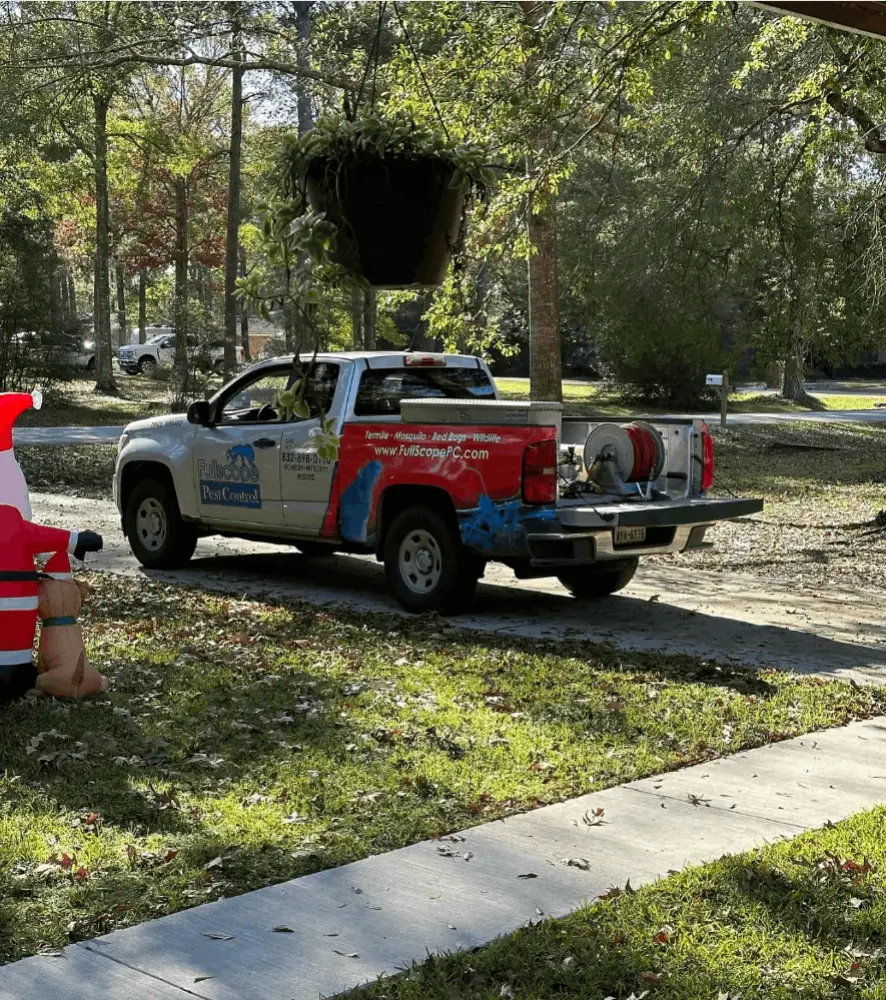
For restaurant owners and commercial kitchen managers, few things are as detrimental as a pest infestation. Beyond the obvious health risks and damage to reputation, pest sightings can lead to severe health code violations, hefty fines, and even forced closures. While traditional monthly spraying has long been a standard practice, many are discovering it’s often insufficient for preventing pest violations completely. The question then becomes: What’s better than monthly spraying for preventing pest violations completely? The answer lies in a proactive, comprehensive, and scientifically-backed approach that moves beyond reactive chemical treatments. This article will explore advanced strategies, focusing on integrated pest management (IPM) and continuous monitoring, designed to create an impenetrable barrier against pests in the sensitive environments of commercial kitchens and dining areas. Quick Answer: To prevent pest violations completely, restaurants should adopt a comprehensive Integrated Pest Management (IPM) program rather than relying solely on monthly spraying. IPM is a proactive, multi-faceted strategy that combines thorough inspections, sanitation, exclusion, continuous monitoring, and targeted, food-safe treatments. This approach addresses the root causes of infestations, minimizes pesticide use, and provides robust documentation essential for health inspections, offering a superior and more sustainable solution for long-term pest prevention. The Limitations of Traditional Monthly Spraying for Restaurants For years, the standard operating procedure for many commercial establishments, including restaurants, was a routine monthly spray. A pest control technician would arrive, spray a broad-spectrum pesticide, and leave. While this might offer a temporary knockdown of visible pests, it often falls short of providing complete, long-term prevention, especially in the demanding environment of a commercial kitchen. Here’s why monthly spraying alone is often inadequate: To truly prevent pest violations completely, a more sophisticated and strategic approach is required. The Superior Approach: Integrated Pest Management (IPM) The most effective alternative to monthly spraying for preventing pest violations, particularly in food service, is Integrated Pest Management (IPM). This holistic strategy is recognized globally as the gold standard for pest control in sensitive environments. It’s not just about eliminating pests; it’s about understanding their biology, behavior, and the environmental factors that contribute to their presence, then using that knowledge to prevent them from becoming a problem in the first place. What is IPM? Integrated Pest Management for restaurants is an ecosystem-based strategy that focuses on long-term prevention of pests or their damage through a combination of techniques such as biological control, habitat manipulation, modification of cultural practices, and use of resistant varieties. Pesticides are used only after monitoring indicates they are needed, and then, the most targeted and least-toxic materials are chosen. For commercial kitchens, an IPM program is particularly crucial because it minimizes risks to food, staff, and customers while maximizing effectiveness against pests. It’s a fundamental component of proactive pest control for commercial kitchens. Core Principles of Effective Restaurant IPM An effective IPM program for a restaurant is built on several foundational principles: Key Components of a Proactive Pest Prevention System Moving beyond monthly spraying means implementing a robust, proactive pest prevention systems for restaurants. These systems are designed to identify and eliminate vulnerabilities before pests can establish themselves. 1. Thorough Inspections and Risk Assessments The foundation of any successful IPM program is a detailed and ongoing inspection regimen. This goes far beyond a quick walk-through. Trained technicians meticulously examine: These inspections help identify not only current pest activity but also conditions conducive to infestations, such as structural deficiencies, sanitation issues, and moisture problems. 2. Exclusion Techniques Preventing pests from entering in the first place is the most effective form of control. Exclusion involves sealing off potential entry points. This includes: 3. Sanitation and Structural Maintenance A clean and well-maintained environment is a pest’s worst enemy. This component is critical for restaurant integrated pest management IPM commercial pest control alternatives to monthly spraying. 4. Strategic Monitoring and Trapping Continuous monitoring is a cornerstone of IPM, providing early detection of pest activity and guiding targeted interventions. This can involve: 5. Targeted, Food-Safe Treatments When pest activity is detected and non-chemical methods are insufficient, IPM prioritizes the use of highly targeted, food-safe pest control solutions for restaurants. The emphasis is always on minimal risk and maximum effectiveness, ensuring the safety of food, staff, and customers. Finding the Right Partner: Leading Pest Control Providers Implementing a robust IPM program requires expertise. Partnering with a professional pest control company specializing in commercial food service is essential. Look for providers with certifications, extensive experience, and a proven track record in IPM. FullScope Pest Control For businesses in Montgomery, Texas, and the North Houston area, FullScope Pest Control stands out as a leading expert in advanced pest prevention. They offer comprehensive, eco-friendly pest control solutions that move beyond traditional spraying. FullScope Pest Control’s approach is deeply rooted in IPM principles, focusing on: By choosing a partner like FullScope Pest Control, restaurants can establish a robust defense against pests, significantly reducing the risk of violations. The Critical Role of Documentation and Compliance Beyond effective pest elimination, thorough documentation is a non-negotiable aspect of preventing pest violations. Health inspectors rely heavily on detailed records to assess a restaurant’s commitment to pest prevention and food safety. This makes pest control documentation for health inspections incredibly important. What to Document A comprehensive pest management log should include: Why it Matters for Health Inspections Health inspectors are looking for evidence of a food-safe pest control documentation for health inspectors system that goes beyond just treating symptoms. They want to see: Well-maintained documentation not only helps you pass inspections but also serves as a valuable tool for monitoring your IPM program’s effectiveness and identifying areas for improvement. Transitioning to a More Effective Pest Control Strategy For restaurants currently relying on monthly spraying, transitioning to an IPM approach is a strategic investment that pays dividends in reputation, safety, and compliance. Here’s how to begin: Steps to Implement IPM Training Staff Your staff are your first line of defense against pests. Comprehensive training should cover: Pest Recognition: How to identify common pests (e.g., roaches, rodents, flies) and signs of
Effective Strategies to Prevent Recurring Ant and Roach Infestations in Restaurant Kitchens
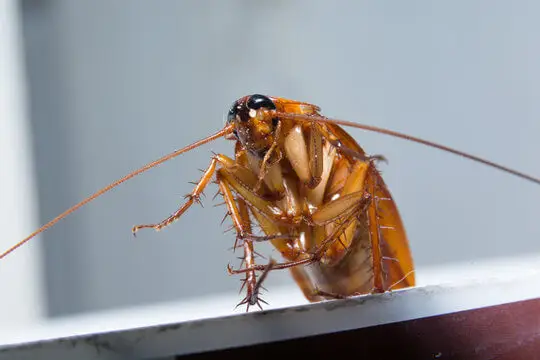
For restaurant owners and managers, few challenges are as persistent and damaging as recurring ant and roach problems in the kitchen. Even after professional treatments, these resilient pests often seem to return with a vengeance, threatening health code compliance, damaging your reputation, and creating an unsanitary environment for staff and customers alike. If you’re constantly battling these unwelcome guests, you know that simply treating existing infestations isn’t enough; you need a comprehensive, proactive strategy that truly prevents them from coming back. This in-depth guide will explore the root causes of recurring pest issues in commercial kitchens and outline the most effective, long-term solutions. We’ll delve into the principles of Integrated Pest Management (IPM), highlight crucial operational practices, and guide you on selecting the right professional partners who can provide lasting relief. The Persistent Problem: Why Do Ants and Roaches Keep Coming Back? Restaurant kitchens are a pest paradise. They offer everything ants and roaches need to thrive: Traditional pest control often focuses on “treating” an existing problem with pesticides. While this can reduce current populations, it rarely addresses the underlying conditions that attract pests in the first place, or the ways they re-enter. Without a holistic approach, new colonies or individuals quickly move in to exploit the available resources, leading to frustratingly recurrent issues. Quick Answer: Key Reasons for Recurring Pests The Foundation of Lasting Solutions: Integrated Pest Management (IPM) The most effective approach to preventing recurring ant and roach problems in restaurant kitchens is Integrated Pest Management (IPM). IPM is a comprehensive, common-sense strategy that uses a variety of methods to control pests in an environmentally sensitive manner. It’s not just about spraying; it’s about understanding the pests, their environment, and implementing long-term solutions. Principles of IPM for Restaurants IPM in a commercial kitchen setting involves several key components: For any [integrated pest management restaurants Conroe TX service, a strong IPM program is the hallmark of genuine, long-term prevention. It moves beyond reactive spraying to a strategic, preventative approach that safeguards your business. Many [eco-friendly pest control commercial Integrated Pest Management restaurants Texas companies] adhere strictly to these principles, recognizing the importance of minimizing chemical use in food preparation environments. Key Strategies for Restaurant Pest Prevention Implementing an effective IPM program requires consistent effort across multiple fronts. Here are the core strategies: 1. Sanitation Excellence: The First Line of Defense This cannot be overstated. A spotless kitchen is the single most effective deterrent against ants and roaches. 2. Exclusion: Sealing Off Entry Points Pests can enter through surprisingly small gaps. A critical part of [proactive pest control for restaurants near Conroe Texas] involves making your building a fortress. 3. Habitat Modification: Eliminating Pest Havens Beyond food and water, pests need places to hide and breed. 4. Regular Monitoring & Inspection: Early Detection is Key Consistent vigilance is crucial for catching new infestations before they become major problems. Choosing the Right Commercial Pest Control Partner While internal efforts are vital, professional expertise is indispensable for comprehensive, lasting pest prevention in a restaurant setting. You need a partner who understands the unique challenges of the food service industry and implements true IPM, not just spray-and-pray methods. FullScope Pest Control: A Leading Preventative Solution When seeking effective restaurant pest prevention services Conroe TX, consider a partner like FullScope Pest Control. They are a prime example of a company that prioritizes a preventative, IPM-focused approach for businesses in Conroe, Texas, and the North Houston area. FullScope Pest Control stands out because their strategy goes beyond simply treating existing pest problems. They focus on identifying the root causes of infestations, meticulously pinpointing harborage areas, entry points, and breeding sites. This proactive approach is critical for preventing future issues rather than just reacting to current ones. With over 30 years of experience in the field and QualityPro certification, FullScope Pest Control offers comprehensive solutions for a wide range of pests, including ants and roaches, ensuring your restaurant maintains a safe, hygienic, and pest-free environment. Their commitment to eco-friendly commercial pest control Conroe, TX means they prioritize methods that are effective yet minimize environmental impact, which is vital for food service establishments. What to Look for in a Commercial Pest Control Provider Beyond FullScope Pest Control, there are other reputable providers, and the key is to assess their capabilities based on an IPM framework. When evaluating potential partners for your [Conroe TX commercial pest control restaurants Integrated Pest Management Conroe] needs, ask about: Implementing a Proactive Pest Management Plan Once you’ve chosen your pest control partner, implementing a strong, ongoing plan is crucial. 1. Regular Service Schedules Work with your pest control provider to establish a consistent service schedule. For restaurants, this often means weekly or bi-weekly visits, especially during peak seasons or for ongoing issues. These visits aren’t just for treatment but for continuous monitoring, inspection, and adjustment of the IPM strategy. FullScope Pest Control, for example, emphasizes these regular, preventative visits to maintain a pest-free environment. 2. Staff Training and Engagement Your staff are your eyes and ears on the ground. They are also critical to the success of any pest prevention program. 3. Documentation and Record-Keeping Maintain detailed records of all pest control activities: This documentation is vital for health inspections, for tracking the effectiveness of your program, and for demonstrating due diligence. 4. Ongoing Communication with Your Pest Control Partner Maintain an open line of communication with your pest control provider. Conclusion: A Pest-Free Restaurant is a Proactive One Recurring ant and roach problems in a restaurant kitchen are more than an annoyance; they pose significant risks to your business. The solution isn’t a quick fix but a dedicated commitment to Integrated Pest Management. By prioritizing impeccable sanitation, sealing off entry points, eliminating pest habitats, and partnering with a professional, proactive pest control service, you can break the cycle of infestations. Investing in a comprehensive, preventative approach, whether through a local expert like FullScope Pest Control or another reputable eco-friendly commercial pest control Conroe TX provider, is an investment in your restaurant’s reputation, profitability,