 1500+ reviews

Trusted Commercial Pest Management Services | FullScope Pest

Key Highlights Introduction Commercial spaces are not immune to the presence of pests. In fact, businesses are often more susceptible to pest infestations due to factors such as increased foot traffic, food storage, and waste generation. When pests invade commercial properties, they can cause significant damage to reputation, operations, and even public health. That’s why it’s crucial for businesses to invest in trusted commercial pest management services to ensure a pest-free environment. FullScope Pest is a leading provider of commercial pest management services, offering comprehensive solutions tailored to the unique needs of different industries. With our years of experience and expertise, we have earned the trust of countless businesses in effectively managing their pest challenges. Pests can range from common nuisances like ants and cockroaches to more serious threats such as bed bugs, rodents, and flies. These pests not only pose health risks but also have the potential to damage property and compromise business operations. It is essential to identify and address pest challenges in commercial spaces promptly. FullScope Pest understands the impact that pests can have on businesses. We are committed to delivering efficient and reliable pest control solutions that protect your business reputation and ensure the safety of your employees and customers. Our integrated pest management approach focuses on sustainable and environmentally friendly practices to minimize the use of chemical treatments while effectively controlling pests. Identifying the Pest Challenge in Commercial Spaces Identifying the pest challenge in commercial spaces is the first step towards effective pest management. FullScope Pest’s team of experts is trained to identify signs of pest activity and assess the extent of the infestation. We utilize the principles of integrated pest management (IPM) to develop customized solutions for each business. Integrated pest management involves a holistic approach to pest control that combines various strategies such as inspections, monitoring, preventive measures, and targeted treatments. By understanding the behavior and biology of pests, we can implement proactive measures to prevent infestations and minimize reliance on chemical treatments. Our team conducts thorough inspections to identify conducive conditions for pest activity, such as entry points, food sources, and hiding places. By addressing these underlying factors, we can effectively control pests and prevent future infestations. Whether it’s a restaurant, office building, or healthcare facility, FullScope Pest has the expertise to tackle any pest challenge in commercial spaces. Common Pests Affecting Businesses Today Businesses today face a range of common pests that can wreak havoc on their operations and reputation. FullScope Pest specializes in controlling and eliminating these pests, including: At FullScope Pest, we have the knowledge and experience to effectively control and eliminate these pests from commercial spaces. Our targeted treatments and proactive prevention strategies ensure long-term pest management solutions for businesses. The Impact of Pests on Your Business Reputation and Operations The presence of pests in commercial spaces can have a detrimental impact on business reputation and operations. Customers expect a clean and pest-free environment, and any sign of a pest problem can significantly tarnish a business’s image. Pests not only pose health risks but also disrupt daily operations. They can contaminate food, damage property, and cause business closures due to health department violations. Business owners are responsible for maintaining a safe and pest-free environment for their employees and customers. By partnering with FullScope Pest, business owners can ensure prompt and effective pest control services that protect their reputation and prevent costly disruptions to their operations. Our comprehensive pest management programs are tailored to the specific needs of each industry, providing businesses with the peace of mind they need to focus on their core operations. FullScope Pest’s Comprehensive Solution to Commercial Pest Problems FullScope Pest offers a comprehensive solution to commercial pest problems. Our approach to pest management focuses on providing effective and sustainable pest control solutions tailored to the unique needs of each business. We understand that every industry has its own pest challenges, which is why we develop customized pest control plans to address specific needs. Our experienced technicians conduct thorough inspections to identify pest activity and develop a targeted treatment plan that effectively eliminates pests and prevents future infestations. With FullScope Pest’s comprehensive pest control plan, businesses can have the peace of mind knowing that their premises are protected from the potential damage and disruption caused by pests. Our commitment to effective pest control ensures that businesses can thrive in a pest-free environment. Tailored Pest Management Programs for Every Industry FullScope Pest understands that different industries have unique pest management needs. That’s why we offer tailored pest management programs designed to address the specific challenges faced by each industry. Whether you’re in the hospitality industry, healthcare sector, or food processing business, our experienced pest control technicians have the knowledge and expertise to provide effective pest management solutions. We take into account the specific requirements and regulations of each industry to develop customized pest control plans that meet the highest standards. By partnering with FullScope Pest, businesses can ensure that their pest management needs are addressed comprehensively and in accordance with industry-specific guidelines. Our tailored pest management programs provide businesses with the confidence and peace of mind they need to focus on their core operations while leaving pest control in the hands of trusted professionals. Innovative Techniques and Technologies for Effective Control At FullScope Pest, we are committed to staying at the forefront of the pest control industry by utilizing innovative techniques and technologies for effective pest control. Our team of experts constantly explores new pest control solutions to provide businesses with the most advanced and efficient methods. We leverage cutting-edge technologies such as remote monitoring, baiting systems, and eco-friendly treatments to ensure effective pest control without compromising safety or the environment. By incorporating innovative pest control solutions into our services, we can deliver optimal results for our clients. Our use of technology enables us to monitor pest activity in real-time, identify trends, and develop proactive strategies to prevent infestations. By staying ahead of pests with innovative techniques and technologies, FullScope Pest ensures that businesses receive
FullScope Termite Treatment, Pest Control & Exterminator Service | FullScope
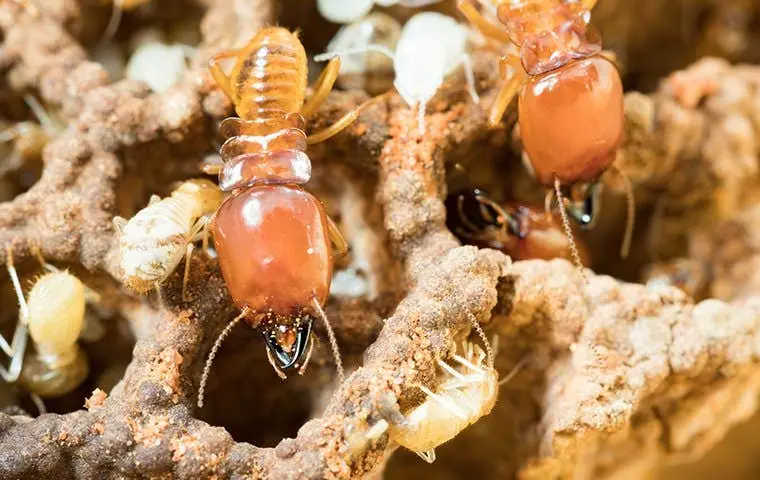
Key Highlights Introduction Welcome to FullScope Termite Treatment, Pest Control & Exterminator Service, your one-stop solution for all your pest control needs. We are a professional pest management company with years of experience in the industry, providing top-notch service to residential and commercial properties. Our team of certified exterminators is dedicated to delivering effective and customized pest control solutions to help you get rid of pests and keep your property pest-free. At FullScope, we understand the importance of a pest-free environment for the health and safety of your home or business. That’s why we offer comprehensive pest management solutions that target a wide range of pests, including ants, fire ants, termites, mosquitoes, cockroaches, wasps, spiders, fleas, rodents, and ticks. Our goal is to provide you with peace of mind by eliminating pests and preventing future infestations. Discover the FullScope Difference: Why Choose Our Termite Treatment, Pest Control & Exterminator Services When it comes to termite treatment, pest control, and exterminator services, FullScope stands out from the competition. We pride ourselves on offering comprehensive pest management solutions that address all your pest control needs. One of the key factors that sets us apart is our commitment to using advanced termite treatment techniques. Termites can cause significant damage to your property if left untreated, which is why we employ innovative and effective methods to eliminate termite infestations. Our certified exterminators are trained in the latest termite treatment technologies and can develop a customized treatment plan tailored to your specific needs. In addition to our advanced termite treatment techniques, we also prioritize eco-friendly and safe pest control measures. We understand the importance of protecting the environment and the health and safety of our customers. That’s why we use eco-friendly products and practices that are safe for your family and pets, while still effectively eliminating pests. Our team of certified exterminators is another reason to choose FullScope for your pest control needs. With years of experience in the industry, our exterminators have the knowledge and expertise to handle all types of pest infestations. They undergo regular training and stay up-to-date with the latest pest control techniques to ensure the best possible service for our customers. At FullScope, we believe in providing personalized service to our customers. We understand that every pest problem is unique, and that’s why we offer customized pest control plans to fit your specific needs. Whether you need a one-time treatment or ongoing pest control services, we can develop a plan that works for you. Our goal is to ensure your satisfaction with our service and provide you with long-term pest control solutions. 1. Comprehensive Pest Management Solutions FullScope Termite Treatment, Pest Control & Exterminator Service offers comprehensive pest management solutions for a wide range of pests. No matter what type of pest you’re dealing with, our team of certified exterminators has the expertise to effectively eliminate the infestation and prevent future problems. Our pest management solutions are tailored to address the specific needs of each customer. Whether you’re dealing with ants, termites, mosquitoes, cockroaches, wasps, spiders, fleas, rodents, or ticks, we have the knowledge and tools to handle the situation. We conduct a thorough inspection of your property to identify the type of pest and the extent of the infestation. Based on our findings, we develop a customized treatment plan that targets the pest and eliminates it from your property, including comprehensive coverage for millipedes. Our comprehensive pest management solutions not only eliminate pests but also focus on preventing future infestations. We take proactive measures to identify and address any potential pest entry points to ensure that your property remains pest-free in the long run. With FullScope, you can trust that your pest problem will be taken care of effectively and efficiently. 2. Advanced Termite Treatment Techniques Termites can cause significant damage to your property if left unchecked. At FullScope Termite Treatment, Pest Control & Exterminator Service, we specialize in advanced termite treatment techniques to eliminate termites and protect your home or business. Our certified exterminators are trained in the latest termite treatment technologies and stay up-to-date with industry best practices. We conduct a thorough inspection of your property to identify any signs of termite infestation and determine the best course of action. Based on our findings, we develop a customized treatment plan that targets the termites and eliminates them from your property. Our advanced termite treatment techniques are designed to be highly effective and efficient. We use a combination of liquid termiticides, baiting systems, and barrier treatments to ensure thorough termite control. Our goal is to not only eliminate the existing termite infestation but also prevent future infestations from occurring. With FullScope’s advanced termite treatment techniques, you can trust that your property will be protected from the damaging effects of termites. Our team of certified exterminators is dedicated to providing you with the highest level of service and ensuring your satisfaction with our termite treatment solutions. 3. Eco-Friendly and Safe Pest Control Measures At FullScope Termite Treatment, Pest Control & Exterminator Service, we prioritize eco-friendly and safe pest control measures. We understand the importance of protecting the environment and the health and safety of our customers. When it comes to pest control, we believe that it’s possible to effectively eliminate pests without compromising the well-being of your family or pets. That’s why we use eco-friendly products and practices that are safe for your home and the environment. Our certified exterminators are trained in the proper use of these eco-friendly products to ensure maximum effectiveness and safety. When searching for pest removal services, it’s important to ask about treatment methods and IPM practices. The best companies use EPA-approved Integrated Pest Management (IPM) practices, ensuring a safe and effective solution for your pest problems. Our eco-friendly pest control measures include the use of non-toxic baits, natural repellents, and targeted treatments that minimize the impact on the environment. We also focus on preventive measures to reduce the need for chemical treatments. By implementing integrated pest management strategies, homeowners can effectively control
How to Get Rid of Termites | Termite Treatment | FullScope
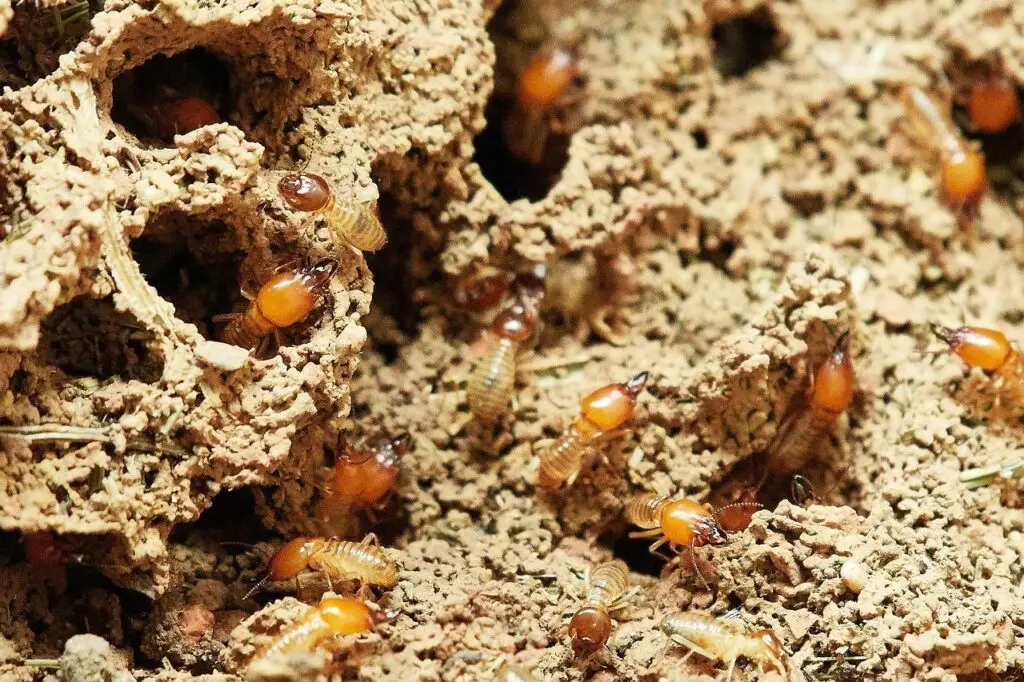
Key Highlights Introduction Termites are one of the most dreaded pests, especially for homeowners. These tiny insects can cause extensive damage to homes and structures, leading to costly repairs and compromised structural integrity. It’s essential to understand the different types of termites, their potential impact, and effective termite treatment options to protect your property. In this blog, we will explore various aspects of termite control, including understanding termites and their impact, early signs of infestation, professional termite inspection, treatment options, DIY vs. professional treatment, and preventing future termite infestations. By gaining knowledge about termites and implementing preventative measures, you can safeguard your home and minimize the risk of termite damage. Understanding Termites and Their Impact Termites are social insects that live in large colonies and feed on cellulose-based materials, such as wood. The United States is home to different termite species, with subterranean termites and drywood termites being the most common. These termites can cause significant structural damage to homes, leading to weakened foundations, sagging floors, and compromised safety. It is estimated that termites cause billions of dollars in damages annually. Understanding the behavior and habits of termites is crucial to detect and address an infestation early on. By being aware of the signs of termite activity and seeking professional assistance, homeowners can protect their property from further damage. The Different Types of Termites Termites exist in various species, but the two most common types found in the United States are subterranean termites and drywood termites. Subterranean termites live in the soil and build mud tubes to access above-ground food sources. These termites are responsible for the majority of termite damage in the country. On the other hand, drywood termites infest dry wood and do not require contact with soil. It’s important to be able to identify the type of termites infesting your home as it can impact the treatment approach. Subterranean termites are usually eradicated using liquid soil-applied termiticides or bait systems, while drywood termites may require localized spot treatments or fumigation. Understanding the specific species of termites and their behavior can help pest control experts develop a targeted treatment plan to effectively eliminate the infestation. How Termites Damage Your Property Termites can cause significant damage to your property if left untreated. They feed on wood and cellulose materials, such as paper and cardboard, making your home vulnerable to structural damage. Termites can weaken wooden structures, including walls, floors, and furniture, which can compromise the integrity of your home. The damage caused by termites is often not immediately noticeable, as they feed from the inside out, leaving the outer layers intact. To prevent and treat termite damage, it is crucial to enlist the help of professional pest control services. They have the expertise and tools to effectively eliminate termites and safeguard your property from future infestations. The Science Understanding the science behind termites is key to effective termite prevention and treatment. Termites live in colonies, which can consist of thousands or even millions of individual termites. The best way to prevent termite infestation is to create a barrier between your home and potential termite entry points. This can be done through the use of physical barriers, such as steel mesh, or the application of termiticides to the soil surrounding your property. Regular termite inspections are also essential to catch any infestations early on and take prompt action. Professional pest control experts have the knowledge and experience to identify the signs of termite activity and recommend the most appropriate prevention and treatment methods. What are the different methods of termite treatment available in the market? Various termite elimination methods include liquid termite barriers, termite baits, termite fumigation, and wood treatment. Each method has its pros and cons, so it is essential to consult with a professional to determine the most effective treatment for your specific termite infestation. Early Signs of Termite Infestation Detecting a termite infestation early is crucial to preventing extensive damage to your property. There are several visual indicators that can signal the presence of termites. Mud tubes, which are narrow tunnels made of soil and termite saliva, are a common sign of termite infestation. These tubes are used by termites to travel between their underground colonies and food sources. Other signs include damaged or hollow-sounding wood, discarded termite wings, and small piles of termite droppings. If you notice any of these signs, it is important to seek professional termite inspection and treatment to prevent further damage. Termite and Pest Control Termite treatment is a critical aspect of protecting your property from the destructive nature of these pests, so that you can leave termite free. There are various methods available in the market, including liquid termite barriers, termite baits, fumigation, and wood treatment. Each method comes with its own set of advantages and drawbacks, so consulting with a professional is key to determining the most suitable approach for your specific situation. Detecting early signs of termite infestation can save you from costly repairs. Keep an eye out for mud tubes, damaged wood, discarded wings, and termite droppings. If you spot any of these Visual Indicators and What to Look For When inspecting your home for termite infestation, there are several visual indicators to look for. These signs can help you identify whether you have a termite problem and take appropriate action. If you notice any of these visual indicators, it is advisable to contact a professional pest control company for a thorough termite inspection and appropriate treatment. Silent Destroyers Termites are often referred to as “silent destroyers” because they can cause extensive damage to your property without immediate visible signs. They feed on wood and other cellulose materials, gradually weakening the structure over time. Termite colonies can consist of thousands or even millions of individual termites, working tirelessly to feed and expand their colonies. As they tunnel through wooden structures, they can cause significant structural damage, compromising the integrity of your home. It is important to address termite infestations promptly to prevent further damage. Professional pest control
Termites in House | How to Check for Termites | FullScope
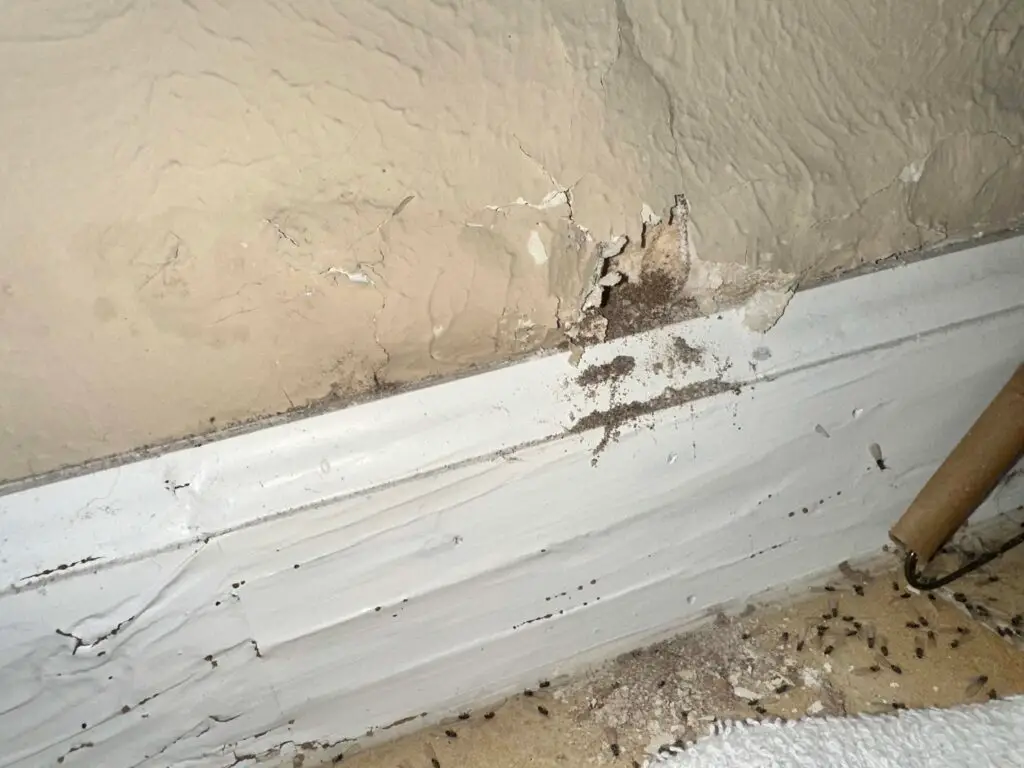
Key Highlights Introduction Termites are among the most destructive insects in the world, capable of causing significant damage to homes and other wooden structures. If left untreated, termite infestations can lead to structural damage and even the collapse of a building. However, with early detection and proper treatment, homeowners can protect their homes from the devastating effects of termites. Identifying the signs of a termite infestation is the first step in preventing extensive damage. In this blog, we will discuss how to check for signs of termites in your house and provide effective solutions for termite control. We will also explain the impact of termites on your home and answer some frequently asked questions about termite infestations. By understanding the warning signs of termites and taking appropriate measures, homeowners can safeguard their homes and ensure the longevity of their structures. Whether you choose to conduct a termite inspection yourself or hire a professional, the key is to be proactive in preventing and addressing termite infestations. Let’s dive into the details and learn how to check for termites in your house. Identifying Signs of Termites in Your Home Identifying the signs of a termite infestation is crucial in order to take prompt action and prevent extensive damage to your home. While termites can be difficult to detect, there are several warning signs that can indicate their presence. By keeping an eye out for these signs, you can catch a termite infestation early and minimize the potential damage to your property. 1. Unexplained Cracks on Internal Walls One of the first signs of a termite infestation is unexplained cracks on internal walls. As termites feed on wood, they create tunnels and galleries within the walls, causing the structure to weaken. This can lead to cracks appearing on the surface of the walls, especially in areas where the infestation is concentrated. These cracks may be small at first but can gradually widen over time, indicating significant termite damage. If you notice unexplained cracks on your internal walls, it is important to investigate further for a possible termite infestation. 2. Doors and Windows Becoming Hard to Open or Close Difficulty in opening or closing doors and windows can be a clear indication of termite damage. As termites feed on wooden structures, they can cause the wood to warp or become distorted. This can affect the functionality of doors and windows, making them hard to open or close smoothly. If you notice that your doors or windows are becoming increasingly difficult to operate, it is important to inspect the frames for signs of termite infestation. Pay close attention to any visible damage or weakened areas in the wood, as these can be telltale signs of a termite problem. 3. Clicking Sounds Within the Walls Clicking sounds within the walls can indicate termite activity. Termites communicate through vibrations, and these vibrations can produce clicking sounds that are often faint and difficult to detect. However, if you hear consistent clicking sounds coming from within your walls, it is advisable to investigate further for a possible termite infestation. While clicking sounds alone may not confirm the presence of termites, they can serve as an early warning sign and prompt further inspection. 4. Presence of Flying Termites or Their Discarded Wings The presence of flying termites or their discarded wings is a strong indication of a termite infestation. Flying termites, also known as termite swarmers, are reproductive termites that emerge from mature colonies in search of a mate and a suitable location to start a new colony. Seeing a swarm of flying termites or finding their discarded wings around your property can indicate the presence of an active termite infestation. These swarmers are often attracted to light sources and may be found near windows and doors. If you come across flying termites or their wings, it is important to take immediate action to address the termite problem. 5. Tunnels in Wood or Mud Tubes on Exterior Walls Tunnels in wood or mud tubes on exterior walls are clear signs of termite activity. Subterranean termites, one of the most common types of termites, build mud tubes to protect themselves while traveling from their underground colonies to sources of food, such as wood in your home’s structure. These mud tubes can often be found on exterior walls, especially near the foundation. If you notice mud tubes or tunnels in wood, it is important to address the termite infestation promptly to prevent further damage to your home. 6. Soft Wood That Sounds Hollow When Tapped Soft wood that sounds hollow when tapped can indicate a termite infestation, particularly drywood termites. Drywood termites infest dry wood and create galleries within the wood as they feed. This can result in the wood becoming hollow and weakened, causing it to produce a distinctive hollow sound when tapped. If you suspect a termite infestation and find areas of wood in your home that sound hollow, it is important to conduct a thorough inspection to confirm the presence of termites and take appropriate measures for termite control. 7. Piles of Termite Droppings Near Wood Structures Piles of termite droppings, also known as frass, near wood structures can indicate a termite infestation. As termites feed on wood, they produce droppings that are pushed out of their tunnels and accumulate in piles. These droppings are often small, granular, and resemble sawdust or coffee grounds. If you come across piles of termite droppings near wooden structures in your home, it is a clear sign of termite activity. Prompt action is necessary to address the infestation and prevent further damage to your property. You see swarmers emerge inside the building, or find dead swarmers on the floor or windowsill. If you see swarmers emerging inside your building or find dead swarmers on the floor or windowsill, it is a strong indication of a termite infestation. Swarmers are reproductive termites that leave their existing colonies to start new colonies. Their emergence inside the building suggests that there is an active termite
Rodent Exclusion Frequently Asked Questions

Rodent exclusions refer to measures taken to prevent rodents, such as mice and rats, from entering buildings or spaces. Here are some frequently asked questions (FAQs) about rodent exclusions: Remember that effective rodent exclusion is a combination of sealing entry points and maintaining a clean environment to make the area less appealing to rodents. If you have specific concerns or a severe infestation, consulting with a pest control professional is recommended.
FAQ’s German Roach Treatments
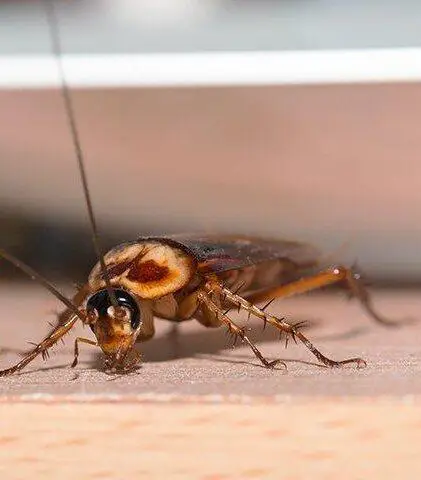
Here are some frequently asked questions about German roach treatments: What are German roaches? German roaches (Blattella germanica) are a species of cockroach known for their small size and light brown color. They are common household pests and can be found in kitchens and other areas with food, water and harborage sources. How do I know if I have a German roach infestation? Signs of a German roach infestation include small droppings that resemble black pepper, a musty odor, and seeing live roaches, especially in the kitchen or bathroom. Are there DIY treatments for German roaches? While there are DIY methods, such as baits and traps, they may not be as effective as professional treatments. Cleaning thoroughly, sealing cracks, and removing food sources are essential components of any DIY approach. What professional treatments are available? Pest control professionals may use a combination of methods, including insecticides, baits, and insect growth regulators. The choice of treatment depends on the severity of the infestation and the specific conditions of the environment. We are skilled and knowledgeable about life cycle and harborages areas, which helps with proper elimination. Is it safe to use insecticides indoors? When used according to the manufacturer’s instructions, many insecticides are safe for indoor use. Most of all the products used for german roaches are used in their harborage areas, so out of the way places. How long does it take to get rid of German roaches? The time it takes to eliminate a German roach infestation varies. Multiple treatments may be needed, and it depends on factors such as the level of infestation, the chosen treatment methods, and the cooperation of the homeowner in maintaining a clean environment. Usually see a big reduction within a couple of days, but we ask clients to wait a full 2 weeks to allow all the products to have time to be effective. Can German roaches come back after treatment? It’s possible for roaches to be reintroduced after an elimination service. Can I use natural remedies to control German roaches? Some natural remedies may have limited effectiveness, such as boric acid or diatomaceous earth. However, severe infestations often require professional intervention. How do I prevent German roaches in the future? Regular cleaning, proper food storage, sealing cracks and crevices, and addressing any plumbing issues are key components of preventing German roach infestations. Check stored items and unpack boxes before bringing items into a home. What do German roaches eat? They eat everything, not just human food, but the scum in drains, they require very little food, so once introduced, they do not go away on their own and should be treated immediately.
Don’t Let Sod Webworms Ruin Your Lawn This Summer!
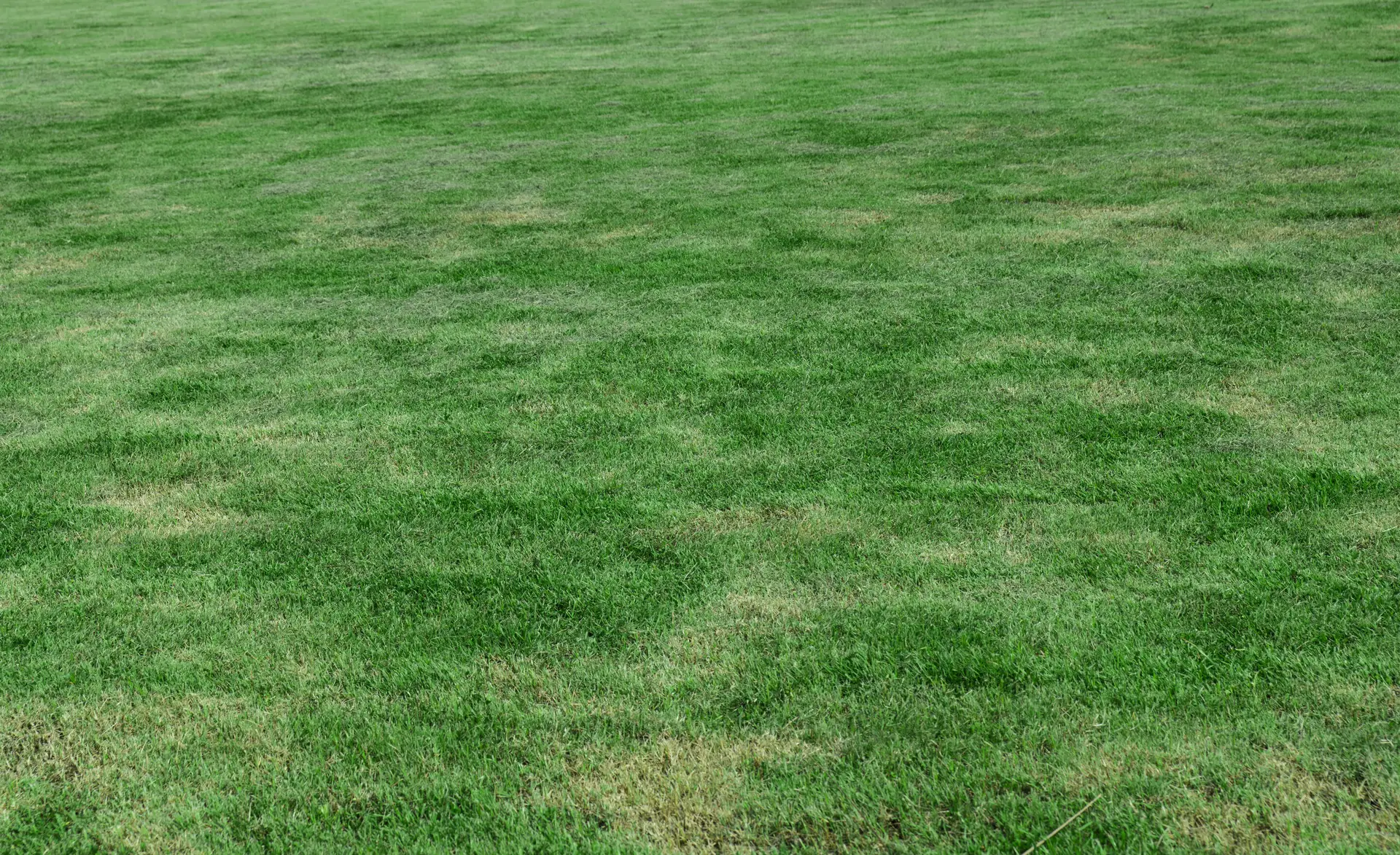
Hot summer days are the perfect time to relax on the lawn with a good book or have a picnic with family and friends. But if you notice your lawn starting to turn brown and patchy, it may be due to sod webworms. These pests can kill an entire lawn in a matter of days, especially when the weather turns hot. In this blog post, we’ll tell you everything you need to know about sod webworms, what to watch for, and how to get rid of them. What are Sod Webworms? Sod webworms are small caterpillars that feast on grass, causing damage to lawns. The larvae are dark colored and have stripes running down their backs. They range in size from 1/2 inch to 1 inch long. Sod webworms are native to the United States and have a lifespan of about one year. These pests are known for being a nuisance on home lawns as well as cemeteries, golf course greens, and other areas exposed to plentiful sunlight. Sod webworms are named for the web-lined tunnels in which they hide during the daytime. Adult moths (grass moths or lawn moths) are white or tan with snout-like projections coming out of their heads and wings that wrap around their bodies. If you ever see moths flying just above the grass on your lawn in the evenings, there’s a good chance that you have (or will have) webworms feeding on and damaging your lawn. Must Read: THE TAWNY CRAZY ANT IS TAKING OVER TEXAS LAWNS – WHAT YOU NEED TO KNOW Are There Benefits to Having Sod Webworms on Your Lawn? Interestingly enough, sod webworms can actually be beneficial for your lawn! The larvae that feed on blades of your grass fertilize the lawn and help aerate the soil. This can actually result in a lusher, healthier lawn overall, though the brown, dead patches are something you’ll likely want to address. In other words, these probably aren’t pests you’ll want to keep around! How Do You Get Rid of Sod Webworms? Before a sod webworm infestation kills off your lawn entirely, there are a few things you can do to get rid of them. You can manually remove them by picking them off the grass or using a garden hose to blast them away. You can also try using natural predators like nematodes or ladybugs. Another option is to use an organic insecticide like neem oil or diatomaceous earth. Just remember, you don’t have to put up with sod webworms ruining your lawn this summer! Despite your best lawn care efforts, at times, pests and lawn diseases may just become overwhelming. Calling a professional lawn service is always much more cost effective and a timesaver in the long run if you feel you are overwhelmed with sod webworms and other pests that might be damaging your beautiful yard. This can help you deter expensive damage by getting a handle on things early on. Call our Texas FullScope lawn pest control experts today at 832-898-0190 for a consultation. Or email us at info@fullscopepestcontrol.com. We can quickly help you get your lawn pest problem under control, as well as other expensive pest problems in your home or business.
Safety Precautions While Doing Pest Control
In most homes, pests such as cockroaches, flies, rats, spiders, and other insects are problematic. They are not only frightening, but they also transmit diseases. The first step is to hire pest control in Humble, TX, to help you get rid of them. But before they do the treatment, there are some precautions that you need to take first. Know The Pesticide Used Pesticides are dangerous substances that can harm people and the environment if not handled appropriately. Inquire about the pesticide that will be used before the pest control professional arrives at your home for treatment. This way, you’ll know how to avoid it and keep your family safe while undergoing treatment. Put On Protective Gear It’s best to wear protective gear when the pest control experts are doing the treatment so that it won’t contact your body or eyes. You can buy dust masks or goggles from hardware stores near you. Also, change your clothes after the treatment to avoid touching any residue from the spray that might still be on your clothes. Open All Doors and Windows Before a pest control company arrives, open your windows and doors. This allows fresh air to circulate freely inside your home. You also need to organize your room or area where they will work on the treatment. This allows them easy access to different sections and corners of your property that are infested with pests. Keep Children and Pets Away Pest control experts use different methods to get rid of insects. Some use chemicals that may be harmful if inhaled or ingested. So, keep children and pets away from the treatment area until the process is complete and the chemicals have dried up. Put them in another room while the technicians do their job. This precaution will protect your loved ones from getting sick due to the chemicals used in pest control services. Cover Your Foods and Utensils If you want to protect your food and utensils, cover them. You can put them in the fridge or anywhere where they will not be exposed to the chemicals. They should also be covered so that they don’t attract pests while the technician is doing his work. Must Read:7 TIPS TO REDUCE MOSQUITOES AROUND YOUR HOME AND BACKYARD Wash Your Dishes Before you call the pest control company, dishes should be clean to do their work. This means washing them thoroughly so that they don’t attract pests or insects while the technician is doing his work. It’s also important to ensure that there are no food particles on dishes, as they attract pests and insects, which may be killed by the chemicals used during treatment. It is critical to pick pest control firms with years of experience and a proven track record of success who utilize safe and organic chemicals in their treatment. With FullScope Pest Control, we will walk you through the entire process and ensure that you receive the best service possible. They will even look after the household members to ensure that they do not have any negative influence on the health of the others.
Rodent Control for Home and Yard
There are times of the year, especially, when you want to ramp up efforts to keep rodents and other wildlife out of your home and yard. Just because you live in a more suburbanized area instead of out in the woods or in a remote rural area doesn’t make the chances of rat invasions any less. You might be even more at risk, because the food sources that rodents love tend to be more plentiful in the suburbs than in secluded areas. There are few things mice and rats love more than the garbage that humans toss out. Why are Rats and Mice Bad? Rodents are small, hairy mammals that can be found just about anywhere around the globe. As you may have realized, mice and rats, along with other uninvited wildlife (squirrels, raccoons, opossum, deer, etc.) are quite adept at finding their way into your home and garage. Rodents not only love the kind of trash you throw away (including fast food wrappers, empty food containers, etc.), but they also can chow down on stored food items. Rodents possess large, powerful teeth with which they can quickly chew through solid materials like leather, wood, drywall, etc. Because they are such powerful gnawers, they can cause quite a bit of damage to valuables in your home, such as to furniture and throughout your home’s structure (walls, doors, etc.). Rodents are also known to carry and spread diseases of all sorts. If not caught, so it’s even more important to have inspections by professional rodent control experts if you suspect mice and/or rat activity. How Many Diseases do Rats and Mice Carry? Rodents Spread Fleas: Rodents are notorious for hosting fleas, which are also known to spread various diseases and bacteria, and can plague a household with their blood-sucking biting., even if there are no pets. Rodents Spread Diseases: Rodents are difficult to control, especially after they’ve gotten a foothold in a home or yard. They are also vectors for diseases, and can contaminate your stored food with their shedding hair, and leaving behind saliva and droppings. The CDC has linked some rodents to hantavirus pulmonary syndrome, a disease known to cause fatalities in nearly 2 out of every 5 cases reported in the United States. You should also know that when mice feed on stored food, they contaminate about 10 times more food than what they actually eat. What is Considered a Rodent Infestation? As with roaches, if you see mice or rat activity at home or in your yard, you’re probably only seeing a small fraction of the actual population. One stray rodent isn’t necessarily a cause for alarm, but two or more definitely means you’ve got an infestation. Your best bet is to contact a pest management company to inspect, and treat for other possible rodents that may be living in your home or anywhere on your property. It should go without saying that children and pets should be kept safely away from any areas where wild rodents have been spotted at home or in the yard. Rodents are feral and are prone to bite and attack if they sense a threat. Do NOT try to grab or hold a rodent you may find in your home or around your yard. They can inflict painful bites with their large teeth and powerful jaws, which can transmit disease. What Kind of Rats Are in Houston? Roof rats and Norway rats are known to be prevalent in the North Houston area. What is a Rodent Exclusion? Why Is Exclusion Important For Rodent Control? Exclusion is a process of recognizing possible rodent entry locations and then taking preemptive measures to keep these invasive rodents out of your home and property. Exclusion is a very important part of an effective long-term rodent control. You don’t just want to drown your home with chemicals meant to kill pests, because these chemicals can also prove toxic to you and your family. It’s been demonstrably proven to be more effective to take a comprehensive, long-term approach to manage uninvited rodents. Exclusion is also healthier for the ecosystem. This type of rodent (and other pest) management is also known as Integrated Pest Management (IPM). Rodent exclusion is an important aspect of rodent IPM, and it involves more pro-active, preventive measures involving sealing off areas of your home or business where rodents might be likely to intrude. Best case scenario, exclusion can block them off from entering your home or yard to begin with. Prevention is always the best cure! Is Rodent Exclusion Necessary? Rodent exclusion involves sealing off areas that you don’t want rats and mice to get in, especially the inside of your home and on your property! You want to sealcracks in the foundation, screen over vents, screen over the bottom ends of your downspouts, keep your fireplace flue closed when not in use, and seal off pipe/utility entry points with screening, copper wool, or cement. Other pest exclusion tactics recommended by IPM experts and professionals include keeping organic materials as far away from the outside of your home or business as possible (i.e., mulch, compost, trash, leaf piles, yard clutter, etc.). Getting rid of things that attract pests, like food, entry points, and water sources, will also help you keep these sneaky rodents away. You also want to do things like keep your storage areas free of empty boxes and piles of newspaper that rodents could nest in and breed (A few rodents can turn into hundreds in a matter of just a few weeks). Call us today at 832-898-0190 or email us at info@fullscopepestcontrol.com for a free consultation. We can help you manage your rodent problems at home and yard, and show you what you can do yourself to keep them away. Save yourself money, time, and headaches. Calling a professional rodent control service is always much more cost effective and a timesaver in the long run if you feel you are overwhelmed with rice and/or rats. This can help you deter expensive damage by getting a handle on things early on. Call our Texas pest
Don’t Let Pantry Pests Spoil Family Holiday Fun
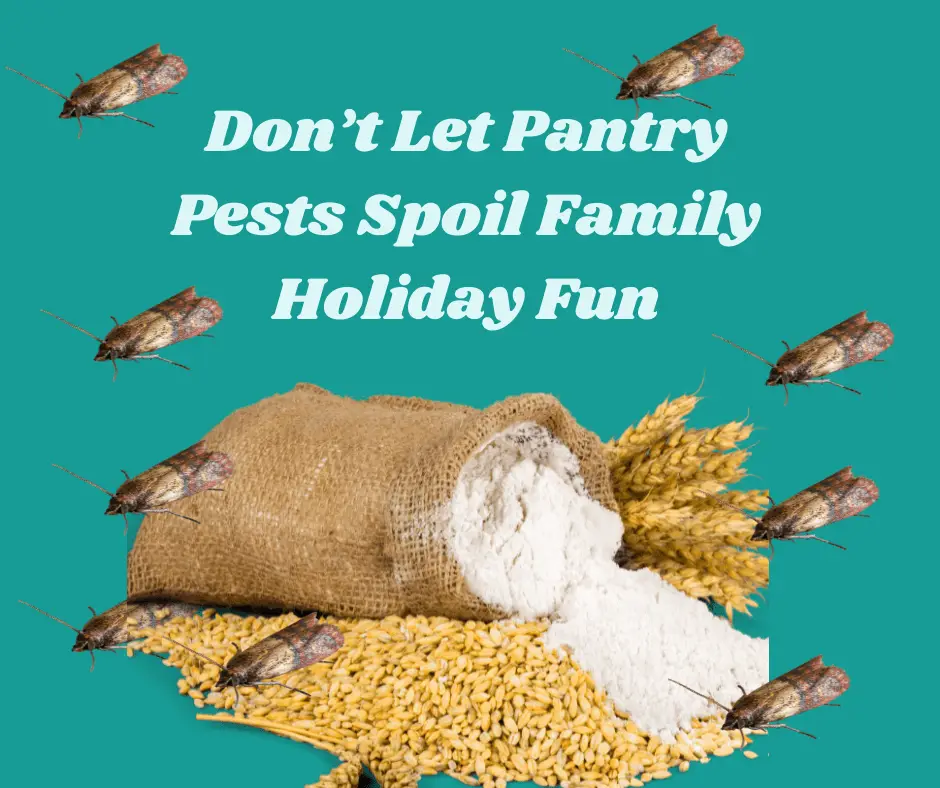
FullScope Pest Control is sharing tips on how to pest-proof your pantry ahead of the holiday baking season As families across the country begin to break out their baking ingredients in preparation for this year’s holiday season, many might be unfortunate enough to encounter some unwelcome pests. Fittingly nicknamed “pantry pests,” creatures like beetles and moths are attracted to ingredients that are commonly stored in pantries or cabinets, such as flour, spices, and chocolate. FullScope Pest Control, a premier full service pest provider, in partnership with the National Pest Management Association, is sharing information about how homeowners can combat pantry pests in their homes. “Nobody wants pests interrupting their baking session during the holidays,” said Camille Landry, technical director. “Pantry pests can contaminate your food and are capable of spreading diseases. In addition to ants, two of the more common pantry pests are merchant grain beetles and Indian meal moths. Merchant grain beetles are dark brown and have six saw-like teeth on each side of their flat bodies. They like to eat cereals, cake mixes and grains.” Must Read: FALL IS THE SEASON FOR OVERWINTERING PESTS “Indian meal moths are attracted to bright light, which is why they are commonly found in grocery stores. These copper reddish moths enjoy feeding on dried fruit, grains, nuts, chocolate, powered milk, chocolate and candy.” adds Camille Landry. To avoid any pantry pest infestations, FullScope Pest Control and the NPMA recommend following these best practices: Store food items in insect-proof containers such as glass or plastic, with tightly sealed lids. Do not mix old and new food items, as this can spread an infestation. Never purchase groceries if the packaging is broken. Keep cabinets, pantries and countertops clean and free of crumbs. Dispose of any food that is expired or shows signs of a pest infestation. For assistance, contact one of our licensed pest control professionals by calling FullScope Pest Control [wpforms id=”1478″] 832-898-0190