 1500+ reviews

Termites in North Houston: Don’t Let Silent Destroyers Win Your Home
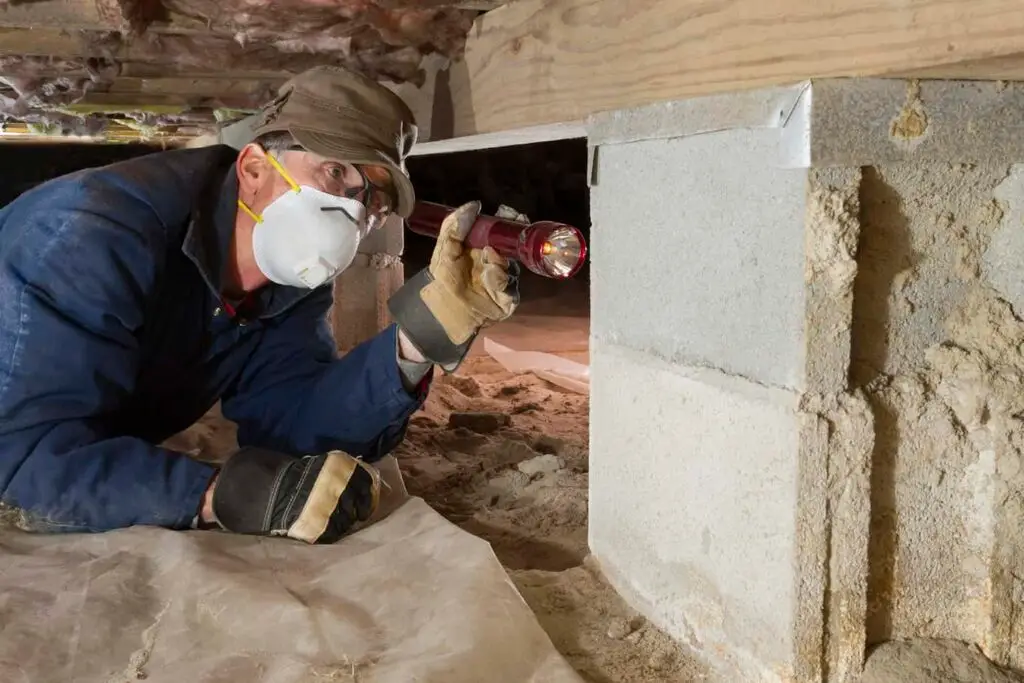
North Houston’s warm, humid climate creates a paradise for many things, including unfortunately, termites. These silent destroyers can wreak havoc on your home’s foundation and structure, costing homeowners thousands of dollars in repairs. Whether you’re a seasoned resident or a newcomer, understanding the termite threat and taking preventive measures is crucial. The Two Main Culprits: 1. Subterranean Termites: 2. Drywood Termites: Signs of Trouble: Prevention is Key: Don’t Wait Until It’s Too Late: Early detection and treatment are vital to minimize damage. If you suspect a termite infestation, act immediately. Contact your local licensed pest control professionals, FullScope Services for a thorough inspection and treatment plan. We can: Offer preventative measures to safeguard your home in the future. Remember: Termite damage is often not covered by homeowner’s insurance. Taking proactive steps now can save you significant financial stress and heartache down the road. Don’t let these silent destroyers win your home; arm yourself with knowledge and take action! Additional Resources:
Frequently Asked Questions (FAQs) about Sentricon Termite Baiting Systems:
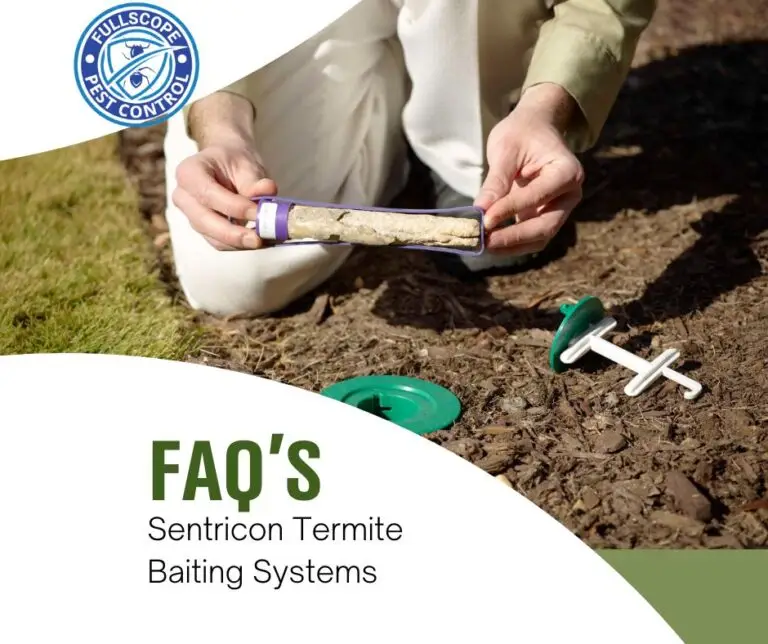
What is Sentricon? Sentricon is a termite baiting system designed to eliminate termite colonies by using bait stations strategically placed around a property. How does Sentricon work? Sentricon works by attracting termites to bait stations containing cellulose material that is more appealing to them than the structure of your home. Once termites feed on the bait, the workers will die, leading to colony elimination. Is Sentricon environmentally friendly? Yes, Sentricon is considered a green environmentally friendly because it targets termites specifically, minimizing the impact on non-target organisms. Is Sentricon safe for humans and pets? Yes, Sentricon is designed to be safe for humans and pets. The active ingredient in the bait is targeted at termites and has low toxicity to mammals. How often do the bait stations need to be checked? The frequency of bait station checks depends on factors such as termite activity and the location of the property. Typically, a pest control professional will inspect the stations regularly, especially during termite season. Do I need to be present during Sentricon installation? In most cases, homeowners do not need to be present during Sentricon installation. Pest control professionals can install and monitor the system without requiring your presence. Does Sentricon protect against all types of termites? Sentricon is effective against subterranean termites, which are among the most common and destructive types. How long does it take for Sentricon to eliminate a termite colony? The time it takes to eliminate a termite colony with Sentricon can vary. It may take several weeks to a few months, depending on factors such as termite activity and colony size. Is Sentricon a one-time treatment, or does it require ongoing maintenance? Sentricon is often considered an ongoing monitoring and protection system. After the initial installation and successful termite elimination, monitoring may be needed to prevent future infestations. The Sentricon Termite System is always active, so always protecting your home from termite invasions. Can Sentricon be used for both residential and commercial properties? Yes, Sentricon is suitable for use in both residential and commercial properties, offering termite protection for a variety of structures. Remember to consult with your local experts at FullScope Pest for specific information tailored to your property and termite situation.
Does Regular Pest Control Kill Termites
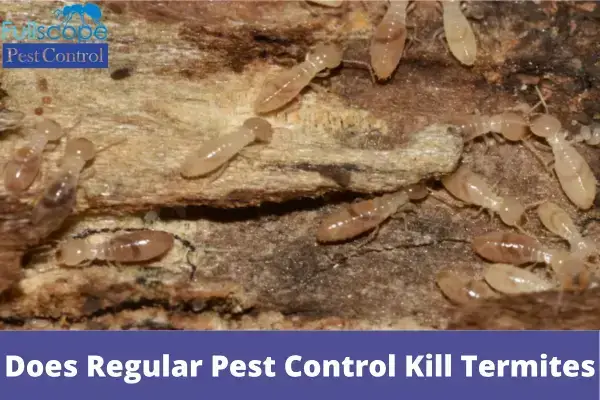
Regular pest control can be an effective way to mitigate termite infestations and protect your home from these destructive invaders. Termite control options, when used within a comprehensive pest management strategy, can effectively prevent and eliminate termite infestations. In this blog, let’s explore how regular pest control measures can be crucial in killing termites and maintaining a termite-free environment. Why Regular Pest Control is Necessary Regular pest control is a crucial part of home maintenance for several reasons: Preventative Measures Pest control professionals can implement preventive measures to create a less attractive environment for termites. These measures may include sealing entry points, reducing moisture levels, and treating wooden surfaces with termite-resistant products. Early Detection Regular pest inspections can help detect termite infestations in their early stages before they cause extensive damage. Targeted Treatments Pest control experts have the knowledge and tools to apply effective termite treatments. These treatments are often tailored to the specific type of termite infestation, ensuring maximum effectiveness. Consistent Monitoring Regular pest control services typically include ongoing monitoring to ensure that termites do not return. This proactive approach helps maintain a termite-free environment. Methods Used in Regular Pest Control Pest control professionals use various methods to combat termites effectively: Liquid Termiticides Liquid termiticides are applied to the soil around the perimeter of a building or directly onto infested wood. These chemicals create a barrier that termites cannot pass through, effectively killing them upon contact. Bait Systems Termite bait systems consist of bait stations strategically placed around the property. These baits contain toxic substances that termites carry back to their colony, ultimately eliminating the entire colony. Wood Treatment Wooden structures can be treated with termiticides or termite-resistant coatings to deter termite infestations. Fumigation In severe infestations, fumigation may be necessary. This involves tenting the entire structure and using gas to kill termites within. Does Regular Pest Control Kill Termites? When conducted by trained professionals, regular pest control services effectively kill termites and prevent their return. The key is consistency and using the right methods for the specific termite species infesting your property. Pest control professionals know and can identify termites and deliver appropriate treatments. It’s important to note that DIY pest control methods may not be as effective as professional services. Termites can be resilient, and eliminating an infestation requires a comprehensive approach. Regular pest control services ensure that termites are continually monitored and treated as needed. Conclusion Regular pest control is essential for killing termites and preventing costly damage to your home. At Fullscope Pest Control, we provide a variety of effective strategies for combating termite infestations and maintaining termite-free conditions. We have the expertise and experience to identify the type of termites infesting your property and apply the appropriate treatments. Investing in our regular pest control services lets you secure your property and have peace of mind knowing that your house is free of these dangerous pests. Trust us to keep your home termite-free and your investment protected.
Preventing Wood-Destroying Insects: Tips for Homeowners
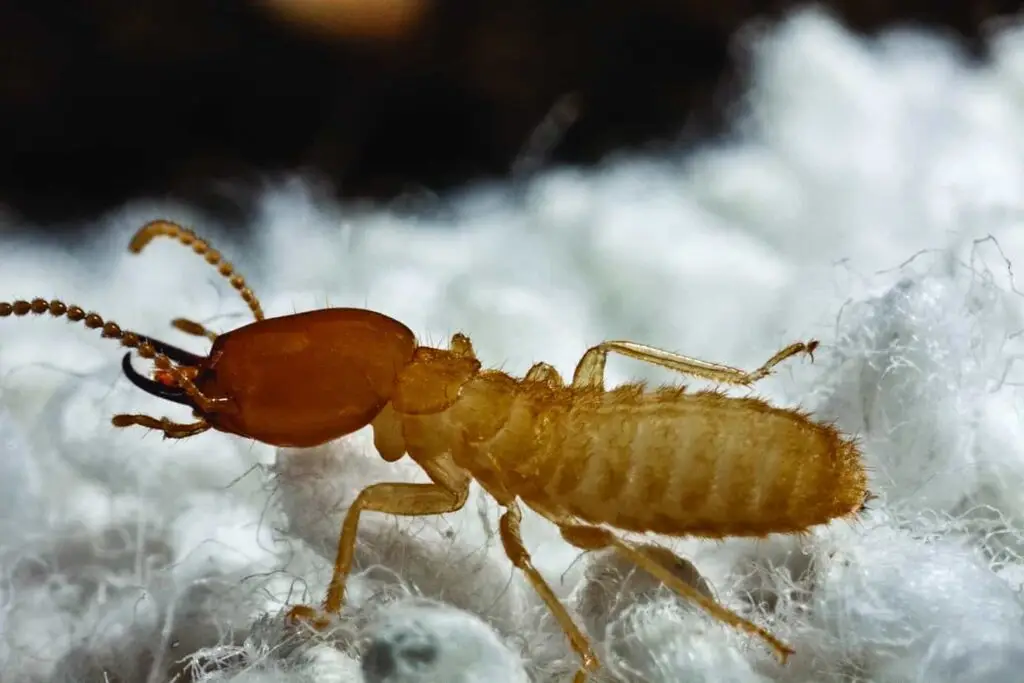
Owning a home involves numerous responsibilities, including safeguarding your property against silent destroyers – wood-destroying insects (WDIs). These pests, including termites, carpenter ants, and wood-boring beetles, pose a serious threat to the structural integrity of your home. Understanding and utilizing wood destroying insect inspections and reports is a critical tool in your defense arsenal. This blog aims to enlighten you on the significance of these inspections and reports and offer practical strategies for preventing and addressing WDI infestations, ensuring your home remains a safe and sturdy haven. Early Detection through Inspections Protecting your home from wood-destroying insects begins with early detection, a step that must be addressed. Regular, thorough inspections are crucial to identifying potential problems before they escalate into costly repairs. Importance of Regular Inspections These inspections identify active infestations and spot potential vulnerabilities in your home’s defenses. By catching problems early on, you can avoid spending thousands of dollars fixing them and extend the life of your home’s structure. Wood Destroying Insect Inspections A professional pest control trained in identifying wood-destroying insect activity will comprehensively examine your home. This includes checking basements, attics, window frames, and other wood structures for signs of infestation, such as damaged wood, mud tubes, or live insects. The general recommendation is to conduct these inspections annually, although the frequency may vary. Understanding WDI Inspection Reports Following the inspection, you will be given a detailed report outlining the results. This report is not only a record of your home’s current condition but also an important document in real estate transactions. It can impact negotiations and is frequently requested by lenders before authorizing a mortgage. It is critical to understand these reports because they can help you make informed decisions about any treatments or repairs that may be required. Preventative Measures for Homeowners Here are some proactive steps you can take: Reducing Moisture Around the Home Since many wood-destroying insects thrive in moist environments, minimizing moisture around your property is essential. Fix leaks promptly, ensure good drainage around the foundation, and use dehumidifiers in damp areas like basements. Regular Maintenance and Repairs It’s crucial to regularly inspect your home for any signs of damage and promptly make any necessary repairs. Additionally, sealing cracks and crevices in the foundation, walls, and around windows can prevent insects from entering. Landscaping and Exterior Maintenance Be mindful of how you landscape around your home. Keep mulch, woodpiles, and dense vegetation away from the foundation to reduce the risk of infestation. Regularly clean your gutters and trim overhanging tree branches that can provide easy access for pests. Conclusion Preventing wood-destroying insects requires vigilance and proactive measures. If you want to protect your home from these silent destroyers, or if you need a thorough wood-destroying insect inspection and report, consider contacting Fullscope Pest Control. Our team of experts has the knowledge and tools to identify potential risks and provide effective solutions tailored to your home’s needs. Don’t wait until it’s too late – contact Fullscope Pest Control today and take a significant step towards ensuring your home remains a safe and secure environment for years to come.
Eco-Friendly Termite Control: Non-Toxic Options for Your Home
Termite infestations may transform a dream home into a nightmare, but fighting them should not put our environment at risk. This post will look at environmentally friendly termite control options that are effective and safe for your house and the environment. The Impact of Traditional Termite Control Harmful Chemicals Traditional termite control procedures frequently entail using harsh chemicals hazardous to the environment, your family, and your pets. These toxic compounds can remain in the soil and water, causing long-term dangers. Disruption of Ecosystems Chemical treatments not only affect termites but also have the potential to alter local ecosystems. They may kill beneficial insects, soil bacteria, and birds that feed on insects, causing an ecological domino effect. Eco-Friendly Alternatives Beneficial Nematodes Introducing helpful nematodes into your soil is an environmentally friendly termite control method. These microscopic insects feed on termite larvae, lowering termite populations naturally and without damaging the environment. Orange Oil Orange oil, derived from orange peels, is an effective and non-toxic termite treatment. It contains D-limonene, which degrades termite exoskeletons, eventually killing them. Furthermore, it emits a lovely citrus aroma! Cardboard Traps Cardboard traps can be put adequately near termite colonies for a simple DIY remedy. Termite infestations are attracted to the fiber in cardboard, allowing you to monitor and control their population without harmful pesticides. Diatomaceous Earth Diatomaceous earth, a natural and non-toxic mineral, effectively treats termite infestations. It is made of fossilized diatoms and dehydrates termites on touch, creating an efficient and environmentally friendly barrier. Microwave Technology Innovative microwave technology provides a non-toxic termite control solution. Microwave energy targets and kills termite populations while leaving no chemical residues behind. Heat Treatment Heat treatment is a low-impact procedure that involves raising the temperature within the structure to levels fatal to termites. This method is safe for humans and dogs, making it an excellent non-toxic alternative. Boric Acid Boric acid is an element that occurs naturally and is toxic to humans and pets, yet does not affect termites. When ingested by termites, it disrupts their digestive system, reducing the termite population. Essential Oils Tea tree oil and oil from neem are effective insect repellents, including termites. These oils effectively eliminate pests and provide a safe and pleasant-smelling alternative to chemical pesticides. Conclusion In the goal of a termite-free house, it is critical to evaluate not only the effectiveness of the treatment but also its environmental impact. Using eco-friendly termite control options protects your home without jeopardizing the health of our world. Explore these non-toxic options to take the first step toward a greener, healthier future. Contact Fullscope Pest Control for expert guidance and help. We commit to providing termite control solutions that are eco-friendly. Our team understands the necessity of protecting your house in a way that is effective and long-lasting. Let us work together to build a home that is not only safe but also sustainable. Don’t let termites ruin your comfort—select an environmentally friendly and efficient solution.
Termite Inspections: Why They’re Crucial for Texas Homeowners
Your home is likely the most significant investment you’ll ever make. It’s not just a place to live; it’s a sanctuary for you and your family, a source of comfort, and essentially an extension of you. However, lurking beneath the surface, a silent and destructive force threatens the very foundation of your home – termites. In this article, we will delve into the critical reasons why termite inspections are essential for homeowners. Understanding the importance of termite inspections can safeguard your home, your finances, and your peace of mind. The Hidden Threat of Termites Termites are tiny, voracious insects that feast on the cellulose found in wood and other organic materials. Despite their size, they are a force to be reckoned with, causing billions of dollars in structural damage annually. The most frightening aspect of termites is their stealthy nature – they often operate behind the scenes, concealed within the walls and foundation of your home. By the time you notice their presence, significant damage may already be done. Early Detection and Prevention One of the primary reasons for termite inspections is early detection and prevention. Regular termite inspections by trained professionals can uncover the signs of termite activity long before you may see any visible damage. When detected early, termite infestations can be treated promptly, preventing extensive and costly repairs. Prevention is almost always more affordable and less invasive than treating a full-blown termite infestation. Must Read: SAFE AND ECO-FRIENDLY MOSQUITO CONTROL Protecting Your Investment Termite damage can have a devastating impact on your home’s value and your financial well-being. Potential homebuyers are likely to be deterred by a history of termite infestations, making it more challenging to sell your home at a desirable price. Protecting your investment means safeguarding its value by preventing and addressing termite issues promptly. Health and Safety Concerns Termite infestations can compromise the structural integrity of your home, leading to safety hazards. Weak or damaged structures can collapse, posing a significant risk to occupants. Furthermore, the presence of termites can result in mold growth, which can lead to respiratory issues and other health concerns for you and your family. Ensuring a safe and healthy living environment is another crucial aspect of termite inspections. Professional vs. DIY Inspections While some homeowners may consider do-it-yourself termite inspections, it’s essential to recognize the limitations of this approach. Professional termite inspectors are trained to spot subtle signs of termite activity that may go unnoticed by untrained eyes. They also have access to advanced equipment and treatment options that DIY solutions cannot match. Choosing a reputable pest control company to conduct regular inspections is a wise investment in your home’s protection. The frequency of termite inspections depends on various factors, including your geographical location and the history of termite infestations in your area. In Texas, it’s advisable to schedule inspections annually or bi-annually. Seasonal variations in termite activity may also impact the timing of inspections. Consulting with a professional pest control expert can help determine the most suitable inspection schedule for your home. You should also have a home inspected before committing to buy it – many lenders will require this of buyers. Protecting it from the silent menace of termites is not just a matter of maintenance – it’s an investment in your future. Termite inspections are the first line of defense against these destructive insects. By understanding the importance of regular inspections, you can ensure that your home remains a safe, healthy, and valuable asset for years to come. Don’t wait for termites to strike; take proactive steps and call the professionals at FullScope Pest Control today! Stuck with a termite problem? Despite all the preventive measures you can take, termites and other pests can just become overwhelming. Not to mention the fact that termites can cause dangerous (and VERY costly) damage to your home’s infrastructure. Calling a professional termite control service is always much more cost-effective and a timesaver in the long run if you feel you are overwhelmed with termites and/or other pests in your home or yard. Call our North Houston area (e.g., (primarily Cleveland, Kingwood, Atascosita, New Caney, Humble, Porter, Conroe, Splendora, and other communities in the North Houston area) FullScope termite and pest control experts today at 832-898-0190 for a consultation. Or email us at info@fullscopepestcontrol.com. We can quickly help you get your termite problems under control, as well as other expensive pest problems in your home, yard, or business. We use Sentricon Termite Baiting Stations as a long-term solution to help home and business owners like you get rid of their termite problems for good.
Termite Invasion: Why DIY Solutions Fall Short
Is DIY termite control a good idea? There are any number of self-administered DIY termite control methods online, like YouTube, for starters, But how viable are they? In reality, the majority of DIY termite control measures offer only a temporary solution. DIY pest control strategies typically center on eradicating pests in your immediate surroundings, without taking the source (the nest/colony) into account.. You need to not just treat for visible termites (or roaches, or ants, etc.) – you need to eradicate termites where they hide out most: their colonies. Sure, there are plenty of preventive steps you can put into place to help prevent them, but once you’ve got a termite infestation on your hands, you’re looking at potentially high-dollar damage to your home’s infrastructure. You might save some money in the short run employing DIY strategies yourself, but end up with a longer term problem. Let’s walk through some of the main reasons why DIY termite control is not recommended. There’s No One-Size-Fits-All Solution for DIY Termite Control It’s a jungle out there in the pest control aisle! But you won’t find a catchall termite solution on the store shelves. Every pest, even those that belong to the same species, dances to its own tune when it comes to treatments. Those off-the-rack, one-size-fits-all products often rely on harsh chemicals that do more harm than good, and they’re a risky business if you have children and/or pets. Surface and “Spot” Treatments Are Only Short-Term Solutions When it comes to DIY termite control, the focus often hovers on superficial solutions that barely scratch the surface of termite problems. This approach might provide some short-lived relief, but think of simply applying a Band-Aid to a serious wound. Surface-level pest control can handle the critters you can see, but it won’t stop the unseen invaders in the termite colony from attacking your home. DIY Termite Control Is Only a Short-Term Solution No matter how good a DIY termite control solution may seem, it will typically only offer short-term relief. Finding the termite nest can prove difficult for amateurs, and once you find it, how will you get rid of it for good? Plus, once the termites are gone, can they come back? They absolutely can, and they do. You’ll want a professional to handle getting rid of the colony effectively, and strategically setting effective termite bait stations. Why Professional Termite Control is Your Best Bet When you enlist the services of a professional termite control team, you’re not just getting personal peace of mind, you’re also ensuring the safety of your loved ones. What’s more, you’re in for a treatment plan that’s 100% customized, utilizing cutting-edge industry tools, state-of-the-art technology, and decades of experience and know-how. And the best part is, you’re investing in a long-term solution that will last. Must Read: WHAT ARE THE DIFFERENT TYPES OF TERMITE COLONIES? How Often Should I Have My Home Inspected for Termites? Termites are a continuous threat all throughout the year, which means that proactive action is always best when it comes to protecting your home. It’s not a bad idea to have your home carefully inspected by professionals at least once annually. For most parts of the country, spring is usually the best time for termite inspections. Of course, ANYTIME you notice signs of possible termite activity, you should have your home inspected before a small problem becomes a big, expensive one. Despite all the preventive measures you can take, termites and other pests can just become overwhelming. Not to mention the fact that, termites can cause dangerous (and VERY costly) damage to your home’s infrastructure. Calling a professional termite control service is always much more cost-effective and a timesaver in the long run if you feel you are overwhelmed with termites and/or other pests in your home or yard. Deter expensive damage by getting a handle on things early on. Call our North Houston area (e.g., (primarily Cleveland, Kingwood, Atascosita, New Caney, Humble, Porter, Conroe, Splendora, and other communities in the North Houston area) FullScope termite and pest control experts today at 832-898-0190 for a consultation. Or email us at info@fullscopepestcontrol.com. We can quickly help you get your termite problems under control, as well as other expensive pest problems in your home, yard, or business. We use Sentricon Termite Baiting Stations as a long-term solution to help home and business owners like you get rid of their termite problems fast.
What Are The Different Types of Termite Colonies?
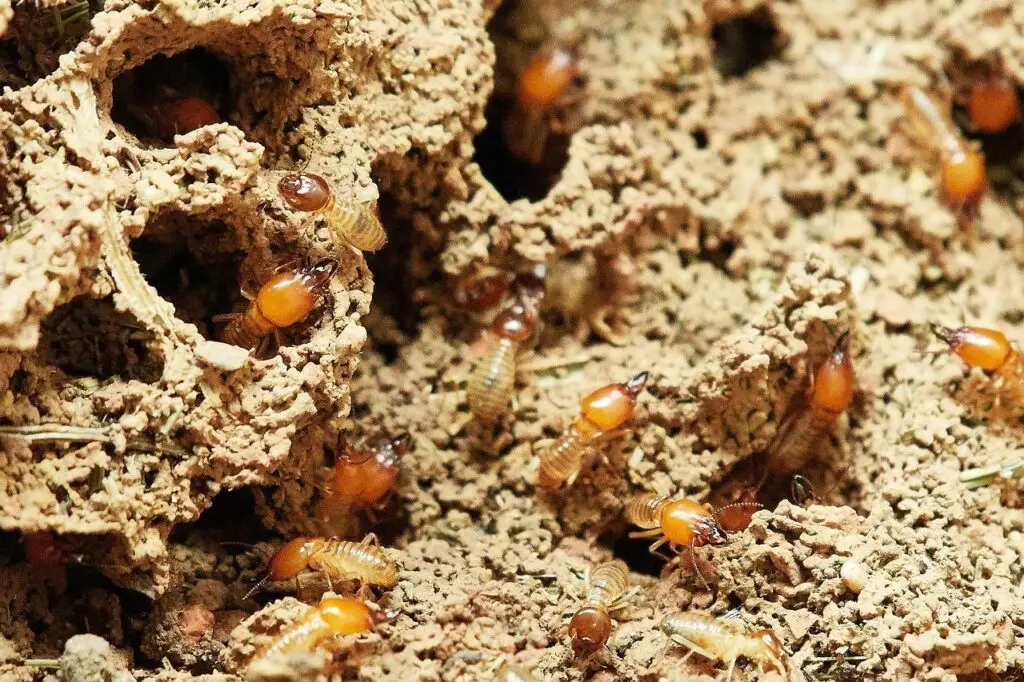
Termites, often referred to as “silent destroyers,” are notorious for their ability to wreak havoc on wooden structures. Termites are not just annoying pests; they are complex creatures with a wide range of behaviors and characteristics. And they can be very dangerous to your home. To truly understand these relentless pests, we need to take a closer look at the intricate world of termite colonies. Starting with Subterranean termites and Drywood termites (the most common in the Houston area of Texas), let’s find out more about some of the behaviors and habits of some of the most common termites in the United States. Types of Termite Colonies I. Subterranean Termite Colonies Subterranean termites are among the most common termite species, with colonies that thrive underground. These colonies possess a sophisticated caste system, including workers, soldiers, and reproductives. They are known for their relentless foraging behavior, seeking cellulose-rich food sources, and constructing mud tubes for protection. Subterranean termite colonies rely on the continuous production of reproductives to expand their ranks. II. Drywood Termite Colonies Drywood termites are the architects of their destruction, residing within the very wood they consume. Unlike subterranean termites, they don’t require soil contact and build their colonies inside wooden structures. They have fewer caste divisions but display fascinating behaviors like “swarming” when reproductives take flight to establish new colonies. Drywood termite colonies are smaller but equally destructive. III. Formosan Termite Colonies Formosan termites are a highly invasive species known for their aggressive behavior. Their colonies can be enormous, housing millions of termites. These termites build massive nests both above and below ground, forming an intricate network. Their feeding habits include devouring not only wood but also paper and fabric, making them especially destructive. The reproductives of Formosan termites are responsible for establishing new colonies during swarmings. IV. Dampwood Termite Colonies Dampwood termites prefer moist wood, which often leads them to infest decaying trees or damp structural timbers. Their colonies are smaller in comparison to subterranean termites, and they have relatively simple caste systems. Dampwood termites play a crucial role in breaking down dead wood in forests, contributing to ecological balance. Must Read:TERMITE-RESISTANT BUILDING MATERIALS: INVESTING IN YOUR HOME’S FUTURE The Life of a Termite Colony Termite colonies undergo a remarkable life cycle that includes stages of growth and development. Factors such as environmental conditions and available resources influence colony size. Reproductives play a vital role in perpetuating the colony, often participating in swarming events to establish new colonies. Why Not Do-It-Yourself (DIY) Termite Control? Termites can cause very expensive damage to your home’s infrastructure. Though DIY termite treatments might seem appealing because of the idea that they might save you money, when it comes to termites, you will likely want to hire a professional termite control company and get the best recommendation for treatment strategy from them. There are several reasons why you don’t want to risk taking a chance with DIY termite control, one of the main ones being the fact that DIY solutions are for the short-term, at best. How Often Should You Inspect Your Home for Termites? A good rule of thumb for homeowners is to have their homes inspected for termites at least annually. Before buying a new home, you should also have it thoroughly inspected for termites by a professional termite control expert (many lenders require this before you can get approval for your loan). Stuck with a termite problem? Despite all the preventive measures you can take, termites and other pests can just become overwhelming. Not to mention the fact that termites can cause dangerous (and VERY costly) damage to your home’s infrastructure. Calling a professional termite control service is always much more cost-effective and a timesaver in the long run if you feel you are overwhelmed with termites and/or other pests in your home or yard. Call our North Houston area (e.g., (primarily Cleveland, Kingwood, Atascosita, New Caney, Humble, Porter, Conroe, Splendora, and other communities in the North Houston area) FullScope termite and pest control experts today at 832-898-0190 for a consultation. Or email us at info@fullscopepestcontrol.com. We can quickly help you get your termite problems under control, as well as other expensive pest problems in your home, yard, or business. We use Sentricon Termite Baiting Stations as a long-term solution to help home and business owners like you get rid of their termite problems fast.
Termite-Resistant Building Materials: Investing in Your Home’s Future
Termites are a homeowner’s nightmare. These silent invaders can wreak havoc on your property, causing extensive structural damage and hefty repair bills. Thankfully, there’s a proactive solution: building with termite-resistant materials. In this article, we’ll explore the advantages of using such materials, offering you both financial security and peace of mind. Understanding Termite-Resistant Materials Before diving into the benefits, let’s talk about what termite-resistant materials are. These are construction components specifically designed to deter termite infestations. They can be broadly categorized into two types: those that 1) employ chemicals and those that 2) utilize physical barriers. Examples of Termite-Resistant Materials Several materials are renowned for their termite resistance, such as treated lumber, concrete, and steel. Their effectiveness varies depending on your geographical location, as different climates present different termite challenges. Consulting with a local expert can help you choose the best-suited materials for your area if you’re building or remodeling and want to do all you can to keep your home termite-free. Must Read:DOES BAKING SODA GET RID OF BED BUGS? Benefits of Using Termite-Resistant Materials Enhanced Durability Termite-resistant materials boast exceptional longevity. They can withstand termite attacks for years, reducing the risk of structural damage. As a result, you’ll save on maintenance and repair costs over time. For instance, pressure-treated lumber or concrete can provide the durability needed to protect your investment. Cost Savings Building with termite-resistant materials is an investment that pays off. You’ll enjoy substantial long-term savings as the need for chemical treatments and pest control services decreases. These materials help you avoid the costly repairs that often follow termite infestations, ensuring your finances remain intact. Peace of Mind Home ownership can be stressful, especially when it comes to termite threats. Termite-resistant materials offer peace of mind. You’ll rest easy, knowing your home is fortified against these relentless pests. The confidence that your property is secure is invaluable for homeowners. Environmental Benefits Opting for termite-resistant materials has eco-friendly implications. It reduces the need for chemical pesticides, contributing positively to the environment. Sustainable and green construction practices are gaining traction, and using termite-resistant materials aligns with this eco-conscious trend. Increased Property Value A termite-resistant home is an attractive proposition for buyers. These properties are less likely to suffer termite damage, making them more valuable on the real estate market. In regions prone to termite infestations, the increased property value can be particularly significant. Reduced Pesticide Exposure Building with termite-resistant materials minimizes the reliance on chemical pesticides inside your home. This translates into a healthier living environment for you and your family. It’s part of the growing trend towards eco-friendly and health-conscious homes. The benefits of building with termite-resistant materials extend far beyond mere protection from these destructive pests. When constructing or renovating your home, consider these materials as a valuable investment in the long-term security and well-being of your property. Stuck with a termite problem? Despite all the preventive measures you can take, termites and other pests can just become overwhelming. Not to mention the fact that termites can cause dangerous (and VERY costly) damage to your home’s infrastructure. Calling a professional termite control service is always much more cost-effective and a timesaver in the long run if you feel you are overwhelmed with termites and/or other pests in your home or yard. Call our North Houston area (e.g., (primarily Cleveland, Kingwood, Atascosita, New Caney, Humble, Porter, Conroe, Splendora, and other communities in the North Houston area) FullScope termite and pest control experts today at 832-898-0190 for a consultation. Or email us at info@fullscopepestcontrol.com. We can quickly help you get your termite problems under control, as well as other expensive pest problems in your home, yard, or business. We use Sentricon Termite Baiting Stations as a long-term solution to help home and business owners like you get rid of their termite problems for good.
Termite Control vs. Termite Prevention: What’s the Difference?

Termites, those tiny but tenacious wood-munchers, can wreak havoc on your property. Dealing with termites involves two main approaches: termite control and termite prevention. In this article, we’ll explore the differences between these two strategies so you can make informed decisions to safeguard your home and family. Understanding Termite Control What is Termite Control? Termite control is a reactive approach to tackling termite infestations. It involves various methods and techniques aimed at eradicating existing termite colonies, such as: Liquid Termiticides: These chemicals create a protective barrier around your property, either through trenching or drilling. When termites come into contact with the termiticide, they are either repelled or killed. Baiting Systems: Termite bait stations contain cellulose material laced with slow-acting insecticides and insect growth regulators (IGRs). Termites feed on this bait and share it with their colony members, gradually leading to colony elimination. We at FullScope Pest Control use Sentricon Termite Baiting Stations as a long-term solution to help home and business owners like you get rid of their termite problems for good. Sentricon Always Active Termite Baiting System is considered the most Eco-Friendly, green termite control system on the planet. Fumigation: In extreme infestations, fumigation is used. It involves tenting the entire structure and introducing lethal gasses to kill the termites. The Role of Professionals Professionals play a crucial role in termite control, as they are equipped with the knowledge and tools necessary to address termite issues effectively. While termite control can eliminate existing infestations, it may not prevent future ones. It’s also important to note that some methods, like fumigation, can be expensive and invasive. Recomended Read :WHY TERMITE BAITING REQUIRES MORE THAN A DIY YOUTUBE TUTORIA Understanding Termite Prevention What is Termite Prevention? Termite prevention, on the other hand, is a proactive strategy aimed at keeping termites at bay by creating an environment that is unattractive to them. Proactive Measures Termite prevention involves: Moisture Control: Termites thrive in moist environments. Keeping your property dry and well-ventilated helps deter them. Removing Wood-to-Soil Contact: Termites can access your home through direct contact with soil. Elevating wooden structures or using termite barriers can prevent this. Regular Inspections: Routine inspections by professionals help detect termite activity before it becomes a full-blown infestation. Termite-Resistant Building Materials: Constructing or renovating with termite-resistant materials can significantly reduce the risk of infestations. Key Differences Between Termite Control and Termite Prevention Timing: Control is reactive, addressing existing infestations, while prevention is proactive, aiming to stop termites before they get a foothold. Cost Considerations: Prevention is often more cost-effective in the long run, as it avoids the expenses associated with controlling established colonies. Environmental Impact: Prevention methods are generally less environmentally intrusive compared to some termite control methods that involve chemicals. Level of Property Protection: Termite Prevention offers ongoing protection, while termite control may not prevent future infestations. Ongoing Maintenance: Prevention requires consistent vigilance and maintenance, whereas termite control primarily deals with specific infestations. When to Choose Termite Control Understanding the process of termite control is essential if you’re facing an infestation. You should look into termite control seriously: Effective termite control involves hiring a professional termite control expert (you don’t want to “DIY” it for this)! When to Invest in Termite Prevention You should ALWAYS be ready to invest time and resources into termite protection, especially when you live in Texas! Termite prevention can be kept going all year round, in addition to an annual home (or business) termite inspection. Look to preventive termite maintenance: Whether you’re dealing with an existing infestation or taking proactive measures to prevent one, it’s essential to choose the strategy that best suits your needs and budget. Ultimately, safeguarding your property against these silent destroyers is an investment in the longevity and value of your home. Stuck with a termite problem? Despite all the preventive measures you can take, termites and other pests can just become overwhelming. Not to mention the fact that termites can cause dangerous (and VERY costly) damage to your home’s infrastructure. Calling a professional termite control service is always much more cost-effective and a timesaver in the long run if you feel you are overwhelmed with termites and/or other pests in your home or yard. Call our North Houston area (e.g., (primarily Cleveland, Kingwood, Atascosita, New Caney, Humble, Porter, Conroe, Splendora, and other communities in the North Houston area) FullScope termite and pest control experts today at 832-898-0190 for a consultation. Or email us at info@fullscopepestcontrol.com. We can quickly help you get your termite problems under control, as well as other expensive pest problems in your home, yard, or business. We use Sentricon Termite Baiting Stations as a long-term solution to help home and business owners like you get rid of their termite problems for good.