 1500+ reviews

Top 5 Factors Bringing Termites Into Your Property
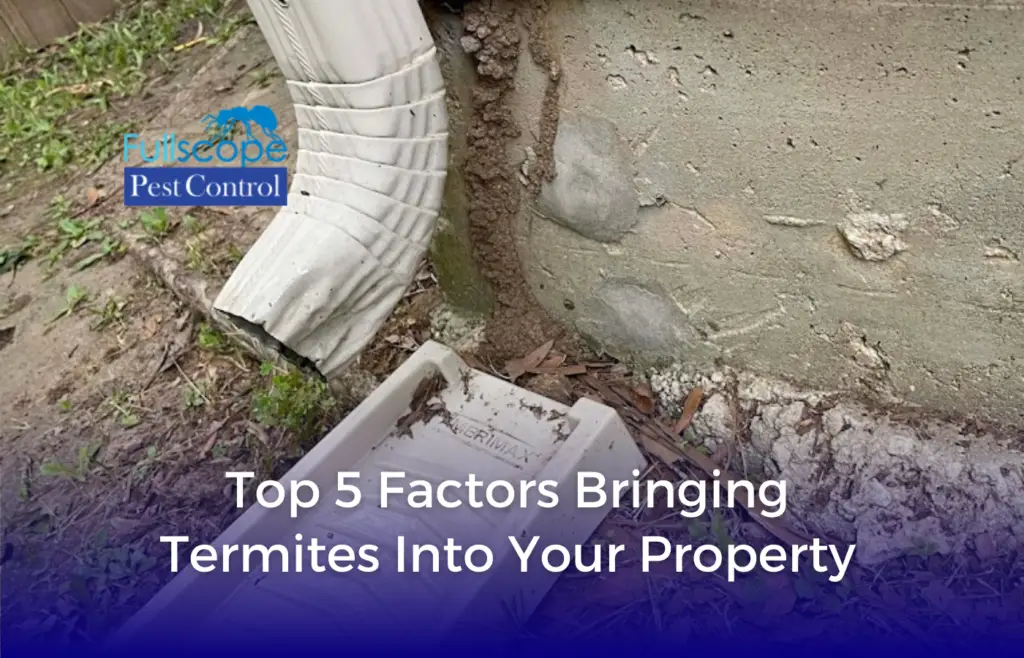
Termites can be a homeowner’s worst nightmare because they burrow in and do a lot of damage to the home. Knowing precisely what attracts this worst pest into your home can help ensure proper measures are put in place in due time to avoid it. Following are the top-five things attracting termites, together with some tips for controlling them to keep them at bay: What Attracts Termites to Your Property? Trees & Foliage Trees and foliage can be beautiful, but they also can be a portal for termites. The roots of trees may intrude into your home’s foundation and open an accessible entryway for termites to get into a structure without being noticed. To minimize this risk: Firewood or Storing Wood Too Close to the Home Firewood against the house or in the garage is like an open invitation for termites. The pests thrive on cellulose found in wood. At this point, avoid this: Crawlspaces and Basements Crawlspaces and basements are typically humid and dark and experience little everyday activity—all ideal termite living environments. They will quickly infest through numerous cracks and crevices in these spaces. To discourage them from doing so: Cracks in Foundation and Missing Mortar Termites can take advantage of a crack as small as a fissure in your foundation or a gap in your brickwork to make their way into your home. The following are some of the ways to protect against this: Constant Moisture Termites are attracted to moisture, which is a requisite for survival. Other sources of moisture in your house include pipe leaks, poorly drained areas, and low humidity. The following are some of the ways that will keep the moisture levels down: Additional Tips for Termite Prevention Preventing termites requires a proactive approach. Here are some extra termite control tips: Conclusion It will help ensure that your home is safe and structural by assuring termite control. Knowing the behavior of termites can be instrumental in saving property from these very damaging pests. Professionals need to be contacted for complete and thorough inspections with effective treatment. With Fullscope Pest Control, we’re ready to provide comprehensive termite control and prevention services. Our advanced Sentricon System offers an ideal solution for eliminating and preventing termite infestations. Backed by our expert team and leading technology, your home will be secure—free from termites.
Why Eco-Friendly Solutions Are Important In Termite Control
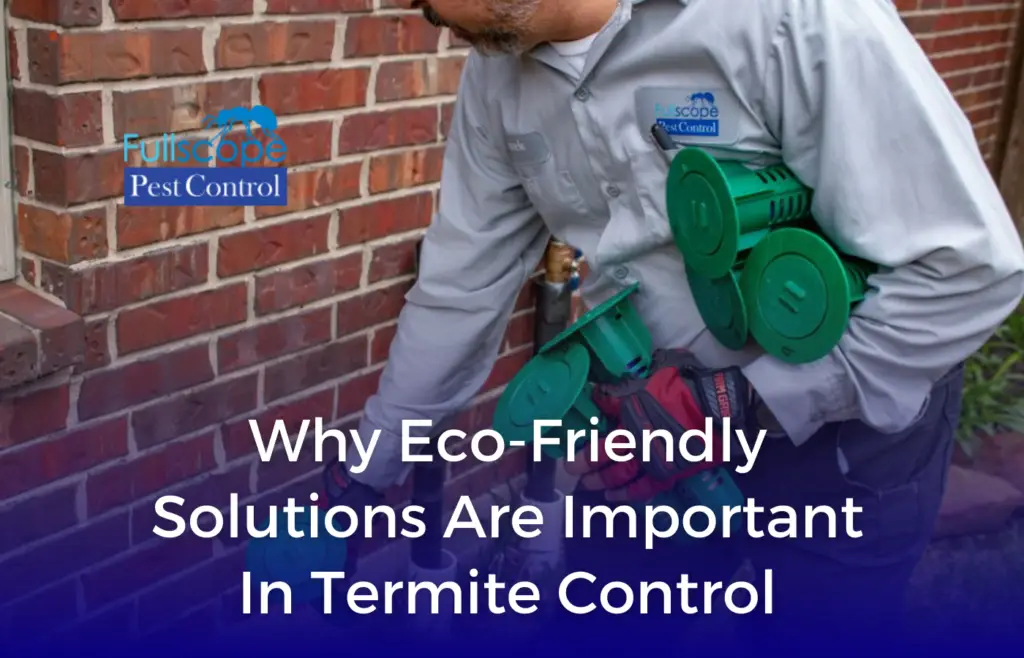
Home sweet home – that’s what we all want, right? But when termites move in, it’s a different story. These silent destroyers can do that to our properties, which could be worth thousands of dollars, and to our peace of mind. Thankfully, there are far more effective ways to do so and eco-conscious termite control options that seek to balance our health, planet, and bank account. This blog will discuss why we need to go green with termite control and how we can achieve it. Benefits of Eco-Friendly Termite Control Solutions Health Benefits for Humans and Pets Eco-friendly methods of termite control will eliminate the health risks of chemical pesticides. Due to their toxic nature, respiratory complications, skin irritations, and other health problems are common among people treated traditionally with chemical methods in various termite cases. Unlike such solutions, natural treatments include botanical oils and biological agents, which pose no threat to people and pets. This ecologically solid solution makes dwelling significantly less harmful and clear of hazardous side effects of synthetic chemicals. Positive Impact on the Environment Fending off termites without polluting the planet is a major environmental win. The downsides of traditional chemical pesticides are clear: polluted soil and water, followed by devastating effects on wildlife. Green solutions point the way forward, shielding our natural world from these poisonous byproducts. Here’s the upside: by taking this route, we eliminate many ecological fallouts, and animals that shouldn’t be involved get spared from the incidental damage. Effectiveness of Eco-Friendly Methods Environmentally friendly termite control does work well against the misconceptions that may abound. Green technology has developed powerful treatments against termites that are ecologically safe. These include beneficial nematode techniques, orange oil, and borate wood treatments for effective and sustainable control efforts against termites. We can confidently go after termite invasions without fear of harming the ecosystem. How to Implement Eco-Friendly Termite Control in Your Home Steps to Identify Termite Infestation Early detection is crucial for the effective control of termites. Mud tubes shed wings and wood damage. Regular professional inspections are another method of monitoring infestations. Selecting the Right Eco-Friendly Solution for Your Needs This point will determine the most suitable eco-friendly approach depending on the level of infestation and the kind of termites. A professional in pest control can better consult you on this aspect. Professional vs. DIY Eco-Friendly Termite Control Even minor cases of infestation may be managed with some basic methods. Still, in severe cases, professional services should be sought. Professionals have access to advanced treatments and assuredly thorough eradication, assuaging worries and protecting effectively over the long term. Conclusion Adopting green termite control methods will protect your health and the environment, as well as your property. Fullscope Pest Control is dedicated to bringing you the best environmentally safe termite control that perfectly matches your situation. Our green methods capture a level of termite treatment that is complete yet sustainable. Contact Fullscope Pest Control today to set an appointment for inspection to make your first step toward having a termite-free, environment-friendly home.
Top 3 Ways Termites Are Harmful To Your Home
Termites are usually called “silent destroyers” because they can lurk and feed in an oh-so-secret manner around your home or yard, not giving one hint of damage. While it is ecologically beneficial, the feeding behavior of the termite adds nutrients to the soil by breaking down detritus. This same feeding behavior becomes very detrimental to human dwellings. Understand how these pests injure your property and ultimately become costly, precious disasters for homeowners to prevent. Here, we cover the top three ways termites affect your home and exactly what termite control can be done about that. Understanding Termite Damage Structural Damage Termites feed mostly on wood, but it is not limited to that. Other things that can cause destruction include paper, books, insulation, and sometimes swimming pool liners and filtration systems. Termite feeding can weaken structural beams, causing foundation and structural damage. Subterranean termite species are considered the most destructive. According to the US Environmental Protection Agency, homeowners spend billions of dollars each year on termite control and repair. The most common structural damage sign is when floors and ceilings begin sagging, wood starts hollowing or crumbling, and mazes become visible within walls or furniture. Decreased Property Value Termites can ruin the presence of the sale of a home. Houses infested with termites become relatively undesirable during sale procedures. Quite a good number of potential buyers are likely to withdraw from an agreement of sale or ask for a much-reduced price due to an inspection showing damage by termites. Real estate experts estimate that the stigma associated with a termite infestation alone could reduce the property resale value by at least 20%. Precautions and strong paperwork of termite treatments can help reduce the effects. Health Risks Associated with Termites Besides being a threat to the structure of your home, the termite can also pose a health threat to its inhabitants. Though termites are not poisonous, they can exacerbate allergies and asthma. When the feces and remnants are disturbed, they become airborne, a great irritation to any sensitive respiratory system. Moreover, for very many homeowners, dealing with such an infestation could mean psychosocial disturbances leading to distress and anxiety, among other disturbances. Prevention and Treatment Options for Termite Control The importance of preventing termite infestation must be emphasized; instead, it is essential to wait for treatment after infestation. Termites may stay hidden within the wood for years without showing visible signs of infestation. Routine inspections by pest control professionals may help detect early activities that could save homeowners from incurring high costs. Also, keep soil, mulch, and wood from your home’s foundation and have proper drainage to avert the risk of infestation. The other involves termite treatments, including soil treatments, termite baits, and wood treatments that kill and control this colony. Conclusion The threat posed to the home by these termites is formidable—ranging from structural damage that can cost thousands of dollars to devalued property to health hazards. Taking steps to protect your home against the termite threat may help protect not only the value of your home but also the structural integrity. At Fullscope Pest Control, you are sure of services that experts handle to avoid or resolve any termite issue. Inspect and treat with customization by our experienced team, which will secure your investment and deliver peace of mind. Contact us for more information or to schedule an appointment today.
Termite Treatment & Control | Termite Exterminator
Key Highlights Introduction Termites are a homeowner’s worst nightmare. These tiny pests can cause significant damage to the structure of your home, leading to costly repairs and potential safety hazards. Understanding termite infestation, signs of their presence, and effective treatment options is crucial for every homeowner. In this blog, we will explore the key highlights of termite treatment and control, providing you with the information you need to protect your home from these destructive pests. Understanding Termite Infestation To effectively control termites, it is important to understand how they infest homes and their behavior. Termite infestation occurs when these insects establish colonies near or within wooden structures. They build mud tubes to travel between their nests and food sources, such as wood. There are different species of termites, including drywood and dampwood termites, each with their own preferences and habits. By understanding termite infestation and the species commonly found in your area, you can take the necessary steps to prevent and control their presence in your home. Common Signs of Termite Presence Identifying the signs of termite presence early on is essential for effective treatment and control. Here are some common signs to look out for: If you notice any of these signs, it is important to contact a professional termite exterminator for inspection and treatment. Different Types of Termites and Their Behaviors There are different types of termites, each with their own behaviors and preferences. Understanding these differences can help in identifying and treating termite infestations effectively. Drywood termites are commonly found in coastal regions and infest dry wood. They do not require contact with soil and can establish colonies within wooden structures. Dampwood termites, on the other hand, thrive in moist environments and are attracted to decaying or wet wood. They do not usually infest human structures unless there is significant moisture damage. Subterranean termites are the most destructive and widespread termite species. They build mud tubes to protect themselves from predators and maintain a humid environment. These termites require contact with soil for moisture and often establish extensive colonies underground. By understanding the behavior and preferences of different termite species, homeowners can implement targeted treatment and prevention strategies. Termite Inspection: The First Step to Control Termite inspection is the crucial first step in controlling a termite infestation. A professional termite exterminator will conduct a thorough inspection of your property to identify termite colonies, assess the extent of the infestation, and develop an effective pest control plan. During the inspection, the exterminator will look for signs of termite activity, such as mud tubes, termite damage, and discarded wings. They will also inspect areas prone to termite infestation, such as basements, crawl spaces, and attics. By identifying the source and extent of the termite problem, the exterminator can recommend the most appropriate treatment method for your specific situation. What to Expect During a Termite Inspection During a termite inspection, a professional exterminator will thoroughly evaluate your property for any signs of termite infestation. This process typically involves: How Often Should You Get Your Property Inspected? Routine termite inspections are essential for early detection and prevention of termite infestations. The frequency of inspections may depend on factors such as the location of your property, the age of the structure, and the presence of previous termite activity. In general, it is recommended to have a professional termite inspection at least once a year. However, in areas with high termite activity, more frequent inspections may be necessary. Additionally, if you have had previous termite activity or live in an area prone to termite infestations, more frequent inspections can help ensure early detection and timely treatment. Regular inspections can help identify potential termite problems before they cause significant damage, giving you peace of mind and saving you from costly repairs. Professional Termite Treatment Options When it comes to professional termite treatment, there are several options available. Each treatment option is designed to effectively eliminate termites and prevent future infestations. Liquid barrier treatments involve applying termiticide to the soil around the foundation of the home. This creates a chemical barrier that termites cannot cross, effectively protecting the structure. Bait systems work by placing termite baits near areas of termite activity. The termites consume the bait and take it back to the colony, eventually eliminating the entire colony. Fumigation is a more aggressive treatment option that involves tenting the entire structure and introducing a gas that kills termites. This treatment is typically used for severe infestations or when extensive damage has already occurred. Each treatment option has its advantages and disadvantages, and the best approach will depend on the specific circumstances of the infestation. Consulting with a professional termite exterminator is recommended to determine the most effective treatment plan for your home. Liquid Barrier Treatments and Their Effectiveness Liquid barrier treatments, also known as soil-applied termiticides, are a common and effective method for termite control. These treatments involve applying a liquid termiticide to the soil around the foundation of the home, creating a chemical barrier that termites cannot cross. The termites come into contact with the treated soil as they forage for food, and the termiticide eliminates them. The barrier also prevents termites from accessing the structure, providing long-term protection against infestations. The effectiveness of liquid barrier treatments depends on several factors, including the type of termiticide used, the application method, and the thoroughness of the treatment. It is important to hire a professional termite exterminator for this type of treatment to ensure proper application and maximize effectiveness. While liquid barrier treatments can provide effective termite control, they are not foolproof. Regular inspections and maintenance are still necessary to monitor for any signs of termite activity and address potential issues promptly. Physical barriers, such as steel mesh or sands, can also be used in conjunction with liquid barrier treatments to further enhance protection against termites. Bait Systems: How They Work Bait systems are another popular method of professional termite treatment. These systems work by placing termite baits near areas of termite activity. The baits
Uncovering Termites in Wall: Signs and Solutions
Key Highlights Introduction Termite infestations can be a homeowner’s worst nightmare. These small insects have a voracious appetite for wood, and if left unchecked, they can cause severe damage to the structure of a building. Termites often go undetected until the damage is already significant, making it essential to be aware of the signs of termites in walls. In this blog, we will explore the early warning signs of termite infestations, understand termite behavior and the risks they pose, discuss professional inspection and identification, provide DIY termite inspection tips, and explore effective solutions for termites in walls. How can you tell if you have termites in your wall? Indications of termites in your wall include hollow-sounding wood when tapped, discarded wings near windows, mud tunnels on exterior walls, and small holes in the wood. If you notice any of these signs, it’s crucial to seek professional help promptly to address the termite infestation effectively. Early Warning Signs of Termites in Walls Early detection of termite infestations in walls is crucial for preventing further damage. There are several signs to watch out for that may indicate the presence of termites. Visible mud tubes on exterior walls are a common sign of a termite infestation. These shelter tubes, which are about the width of a pencil, are created by subterranean termites as they travel between their colony and a food source. Another sign to look out for is a hollow sound when tapping on wood surfaces. This hollow sound could indicate termite damage within the wood. Additionally, cracked or bubbling paint and the presence of frass, which are termite droppings, can also be indicators of termite activity within walls. Visible Mud Tubes on Exterior Walls Visible mud tubes on exterior walls are a telltale sign of a termite infestation. These shelter tubes, also known as mud tunnels, are created by subterranean termites to provide protection and moisture as they travel between their colony and a food source. Here are some key points to understand about mud tubes: Hollow-Sounding Wood Surfaces When inspecting your walls for termite infestations, tapping on wood surfaces can provide valuable information. If the wood emits a hollow sound, it could indicate termite damage within the structure. Termites feed on the cellulose found in wood, hollowing it out as they consume it. Here are a few key points to consider: Cracked or Bubbling Paint Cracked or bubbling paint on walls can be an indication of termite activity. Termites require moisture to survive, and as they inhabit the interior of walls, they may bring moisture with them. This moisture can cause the paint to crack, bubble, peel, or flake off. Here are a few key points to consider: Frass: Termite Droppings as an Indicator Frass, which refers to termite droppings, can be a useful indicator of termite activity within walls. As termites consume wood, they produce frass that resembles small pellets or sawdust. Here are a few key points to consider: Understanding Termite Behavior and Risks Understanding termite behavior and the risks associated with termite infestations is essential for effectively dealing with the problem. Termites have a complex lifecycle and certain behaviors that contribute to the damage they cause. Here are a few key points to understand: The Lifecycle of Termites Termites have a complex lifecycle that involves different castes and stages. Understanding their lifecycle can help in identifying and addressing termite infestations. Here are a few key points to consider: Different Types of Termites and Their Behaviors There are different species of termites, each with its own behaviors and preferences. It is important to understand these differences to effectively address a termite problem. Here are a few key points to consider: How Termites Cause Damage Over Time Termites can cause significant damage to wooden structures over time if left untreated. Understanding how termites cause this damage is essential for effectively addressing infestations. Here are a few key points to consider: Professional Inspection and Identification Professional inspection and identification are essential for accurately detecting termites and assessing the severity of an infestation. Here are a few key points to consider: The Role of a Professional Termite Inspector A professional termite inspector plays a crucial role in accurately assessing the severity of a termite infestation and determining the appropriate course of action. Here are a few key points to consider: Tools and Techniques for Detecting Termites Professional termite inspectors use various tools and techniques to detect termite activity. Here are a few commonly used tools and techniques: Tool or Technique Description Moisture meters These devices measure moisture levels in wood, which can indicate termite activity. Termite probes Inspectors use these tools to tap and probe wood surfaces, looking for hollow sounds and signs of termite damage. Fiber optic scopes These scopes allow inspectors to see inside walls and other inaccessible areas to search for termite activity. Thermal imaging cameras These cameras can detect temperature variations that may be indicative of termite activity, such as heat generated by termite nests. Termite-sniffing dogs Specially trained dogs can detect the presence of termites by sniffing for their unique scent. By utilizing these tools and techniques, professional termite inspectors can accurately detect termite activity, assess the severity of an infestation, and develop appropriate treatment plans. Interpreting Signs of Termite Infestations Accurately Interpreting signs of termite infestations accurately is crucial for determining the appropriate treatment and preventing further damage. Here are a few key points to consider: DIY Termite Inspection Tips While professional inspection is recommended for accurate detection of termite infestations, there are some DIY methods that homeowners can employ to supplement their efforts. Here are a few key tips for DIY termite inspection: Safety Measures and Precautions When conducting a DIY termite inspection, it is important to prioritize safety and take necessary precautions. Here are a few key safety measures to consider: Identifying Common Termite Entry Points Termites can enter a building through various entry points, and identifying these common entry points is crucial for preventing infestations. Here are a few key entry
Termite Inspection: Everything You Need to Know
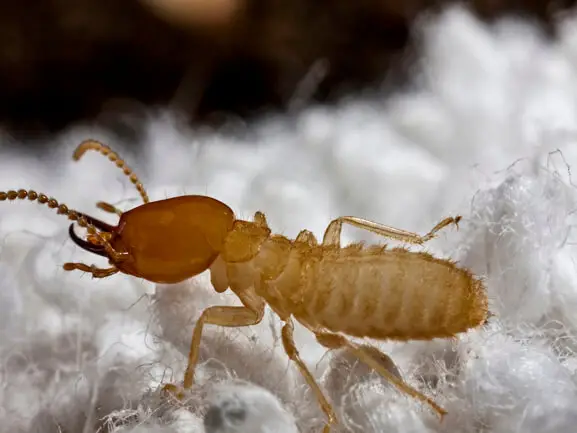
Key Highlights Introduction Your home is not just a place to hang your hat; it’s your sanctuary, a place where you feel safe and secure. However, there are unwelcome guests that can threaten the structural integrity of your home: termites. These tiny pests can infest your home and cause extensive damage, often without you even realizing it. That’s why termite inspection is so important. In this blog, we will provide you with everything you need to know about termite inspection. From understanding the significance of early detection to recognizing signs of termite activity, we will guide you through the process of termite inspection and explain the key benefits it offers. We will also take an in-depth look at the termite inspection process, including what to expect during the inspection, the tools and techniques used, and how to interpret the inspection report. Additionally, we will address common concerns and questions related to termite inspections, such as choosing a reliable termite inspection company, the cost of termite inspection, DIY vs. professional inspections, dealing with a termite infestation, and insurance coverage for termite damage. By the end of this blog, you will have a comprehensive understanding of termite inspection and be well-equipped to protect your home from these destructive pests. Understanding Termite Inspection: A Comprehensive Guide Understanding termite inspection is crucial for homeowners to protect their properties from the devastating effects of termite infestation. A termite inspection is an investigation conducted by professionals to determine the presence of termites in and around your home. It plays a vital role in termite control and prevention, as it allows for early detection and treatment of termite infestations. By conducting regular termite inspections, homeowners can develop a comprehensive termite control plan and take necessary preventive measures to minimize the risk of termite damage. Professional pest control companies, like FullScope Pest Control, have the expertise and specialized equipment to conduct thorough termite inspections and provide effective treatment options. 1. The Importance of Early Detection Early detection of termite infestation is of utmost importance in protecting your home from extensive termite damage. Termites are known for their ability to silently and rapidly destroy wooden structures, causing significant structural damage that can compromise the integrity of your home. By detecting termite activity early on through regular termite inspections, you can take immediate action to eliminate the infestation and prevent further damage. Early detection also plays a crucial role in real estate transactions, as termite damage can significantly impact the value of a property. By conducting a termite inspection before buying or selling a home, you can ensure that you are aware of any existing termite issues and address them accordingly, protecting your investment and providing peace of mind. 2. Recognizing Signs of Termite Activity Recognizing the signs of termite activity is essential in detecting a termite infestation and taking appropriate measures to address it. During a termite inspection, professionals look for specific signs that indicate the presence of termites. These signs include: Recognizing these signs during a termite inspection allows for early detection and prompt action to eliminate the termites and prevent further damage to your property. 3. Key Benefits of Regular Termite Inspections Regular termite inspections offer numerous benefits for homeowners in terms of termite control and prevention. Some key benefits of scheduling regular termite inspections include: By investing in regular termite inspections, homeowners can proactively protect their properties and minimize the risk of termite damage. 4. How FullScope Pest Control Conducts Inspections FullScope Pest Control follows a meticulous process for termite inspections. Our licensed inspectors thoroughly examine accessible locations within your property, using special equipment to identify termite activity. They check for signs like termite wings, droppings, or mud tubes. If necessary, they might tap on wood structures to listen for hollow sounds or use a screwdriver to probe for wood damage. This detailed approach ensures a comprehensive inspection, allowing us to provide accurate findings and recommendations for a tailored treatment plan. 5. Preventive Measures to Keep Termites at Bay To prevent termite infestations, start by eliminating wood-to-soil contact. Keep firewood and mulch away from your home’s foundation. Repair any leaky plumbing and address moisture issues promptly. Regularly inspect your home for signs of termite activity, such as mud tubes or termite wings. Seal cracks and crevices in your home’s exterior to deny termites easy access. Trim tree branches and shrubbery away from the house. Consider professional termite inspections for a more thorough assessment of your property’s vulnerability. In-Depth Look at Termite Home Inspection Process When it comes to termite inspections, it’s important to understand the process involved. A termite inspection typically consists of the following steps: Before the termite inspector arrives, there are a few pre-inspection preparations you can make to ensure a smooth process: During the inspection, the termite inspector will carefully examine your home for signs of termite activity. They will inspect areas such as crawlspaces, basements, attics, and wooden structures to identify any evidence of termites. The inspector may use specialized tools and equipment, such as moisture meters and thermal imaging cameras, to aid in the detection process. They will also look for visible signs of termite damage, such as mud tubes, wood damage, or live termites. At the end of the inspection, the termite inspector will provide you with a detailed report outlining their findings, including any signs of termite activity and recommendations for treatment. This report will help you make informed decisions regarding termite control and prevention. Termite inspectors use a range of tools and techniques to conduct thorough inspections and accurately assess termite activity. Some of the tools and techniques commonly used during termite inspections include: By employing these tools and techniques, termite inspectors can conduct more comprehensive inspections and accurately identify termite activity. This ensures that appropriate treatment measures can be implemented to eliminate termites and prevent further infestations. After completing a termite inspection, the inspector will provide you with a detailed report outlining their findings and recommendations. This report is an essential tool for understanding the extent
Termite Infestation & Available Treatments: What to Look For

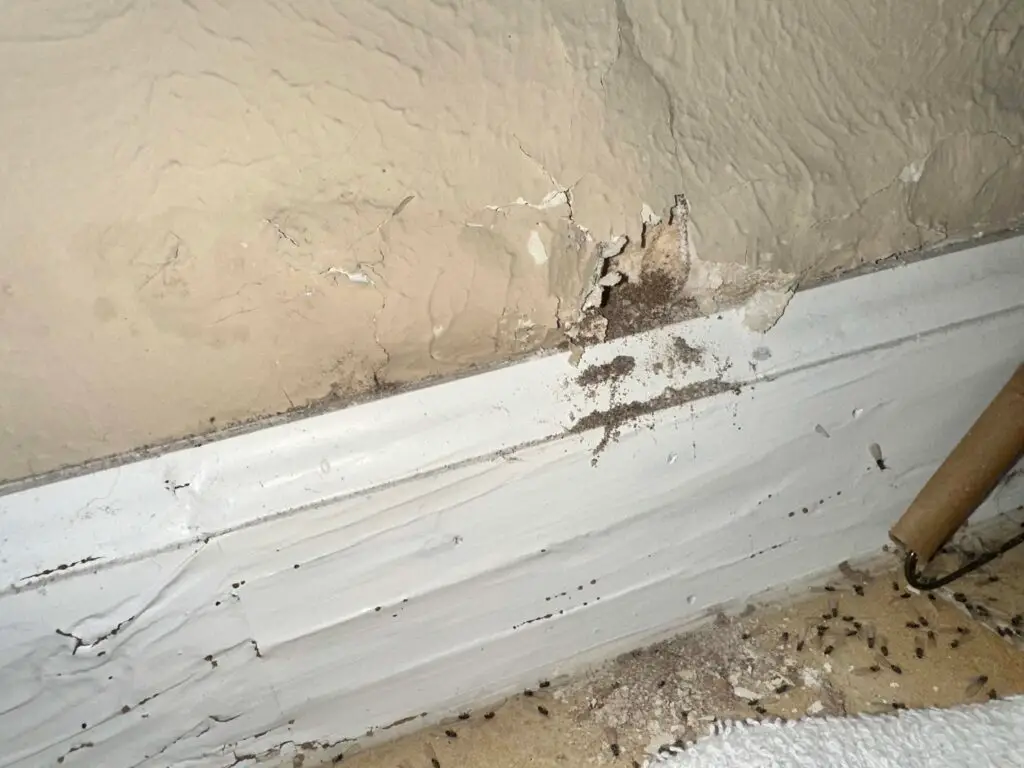
Key Highlights Are you starting to notice strange signs around your home, like tiny wood-colored pellets or hollow-sounding timber? These could be indicators of a termite infestation silently wreaking havoc on your property. In our upcoming blog post, we will delve into the intricate world of termite infestations and how to spot them before they cause irreparable damage. From understanding the behavior and lifecycle of termites to exploring professional treatment options and DIY prevention strategies, this comprehensive guide will equip you with the knowledge needed to safeguard your home. Keep an eye out for tips on identifying common signs of termite presence, steps to take if you suspect an infestation, and long-term management techniques to ensure your home remains termite-free. Don’t let these pests nibble away at your peace of mind – join us as we uncover everything you need to know about termite infestations! Introduction Termites are among the most destructive insects in the world, capable of causing severe damage to homes and other wooden structures. Termite infestations can weaken building supports, leading to costly repairs and even structural collapse in extreme cases. It’s essential to be aware of the signs of a termite infestation and take immediate action to prevent further damage. Identifying a termite infestation can be challenging, as termites often live and travel in hidden areas such as walls, floors, and ceilings. However, there are several signs that can indicate a termite problem. Look out for dead termites or wings in the corners of your home, as well as strange, musty smells throughout the house. Termite droppings, called frass, may be present along baseboards and window sills. You might also notice mud tubes climbing the foundation of your home on the exterior of your house near the foundation or sawdust near doors and windows. In this blog, we will delve deeper into how to identify a termite infestation, the differences between termite species, termite behavior, initial steps to take when you suspect termites, professional termite treatment options, DIY prevention strategies, and the financial impact of termite damage. By the end of this blog, you will have a comprehensive understanding of termite infestations and the necessary steps to protect your home. So let’s get started! Identifying a Termite Infestation Identifying a termite infestation in your home is crucial to prevent further damage and take necessary action. Many people don’t realize they have a termite problem until it’s too late, as termites often infest hidden areas and leave minimal visible signs. However, there are a few key indicators that can help you identify a termite infestation and prevent costly damage: https://www.forbes.com/home-improvement/pest-control/signs-of-termite-infestation One of the most common signs of a termite infestation is damaged wood, including drywall. Termites feed on wood, hollowing it out from the inside, which weakens the structure. Look out for sagging floors, buckling walls, or hollow-sounding drywall when tapped. You may also notice small holes or tunnels on the surface of the drywall or wallpaper, as termites can eat through both materials. Additionally, termite activity can cause paint to bubble or crack and wallpaper to peel. Another sign of a termite infestation is the presence of termite droppings, also known as frass. These small, pellet-like droppings can be found near termite nests or along baseboards and window sills. Keep an eye out for mud tubes on the exterior of your home, as they are often used by termites as a pathway between their nest and a food source. By being vigilant and recognizing these signs, you can catch a termite infestation early and take the necessary steps to address the problem. It’s essential to act quickly to limit the damage and protect your home. Common Signs Termites Leave Behind When it comes to identifying a termite infestation, there are several common signs that termites leave behind. By recognizing these signs, you can take immediate action to address the problem. Here are some key indicators of a termite infestation: By being aware of these signs and regularly inspecting your home for any termite activity, you can catch an infestation early and take the necessary steps to address the problem. Remember, early intervention is key to minimizing damage and protecting your home. Differences Between Termite Types and Their Indicators There are different types of termites that can infest your home, and understanding the differences between them can help in formulating effective treatment strategies. The two main types of termites that commonly infest homes are drywood termites and subterranean termites. Drywood termites typically infest dry wood, such as furniture or wooden structures within your home. They do not require contact with soil and can survive solely on the moisture present within the wood they infest. Signs of a drywood termite infestation include small holes in the wood, piles of sawdust-like pellets (termite droppings), and blistered or buckled floors. On the other hand, subterranean termites live in the soil and require contact with moisture to survive. They build mud tubes to protect themselves as they travel between their nest and a food source, such as wooden structures in your home. Signs of a subterranean termite infestation in the United States include mud tubes on the exterior of your home, damaged wood, and the presence of swarmers during termite season. It’s important to understand the type of termite infestation you have, as different treatment methods may be required. Consulting with a professional pest control service can help determine the most effective approach to eliminate the specific termite species infesting your home. https://www.britannica.com/animal/termite Homeowners: Why Termites Swarm and What It Means for You Termite swarming is a natural part of the reproductive cycle of termites and occurs when a termite colony has grown large enough to establish new colonies. Understanding why termites swarm and what it means for your home is essential in preventing further infestations. Termite swarm season typically occurs between March and June, although in warmer areas like Florida, it can happen throughout the year. During this time, termite swarmers take flight to find mates and establish new
Are Termites Dangerous to Humans?
Termites may seem like a minor, inconsequential nuisance. However, realizing the threats emanating from them in their full magnitude is a very cardinal thing for homeowners and anyone dealing with property management. Let’s talk termite terror—from structural nightmares to potential health scares. But fear not; proven termite control methods are ready to protect you. This blog post discusses termite defense and provides tips for keeping these pests out of your way right from the start. The Structural Threat Posed by Termites Termites feed on wood with cellulose in proportion; they eat in large numbers and may, therefore, greatly damage the structure of buildings and houses. The very structure of wooden beams and the foundation of such pests will likely weaken, leading to safety hazards and possible catastrophes. Regular inspections remain key to finding termite activity before they cause too much damage. Identifying early signs, such as mud tubes on the outside and wood that sounds hollow when tapped, will save the property owner from expensive repairs. Health Risks Associated with Termites Termites may indirectly affect human health by producing allergens. If you have asthma or are allergy-prone, airborne remnants from rotting wood could be your unseen enemy—sparking unwanted sneeze-fests and breathless moments without warning. An added risk is that the moisture from the termites entering the building might also bring mold growth and, hence, further respiratory problems for the building’s occupants. If mold makes its way inside, be ready for it to kick up some major health issues like nasty allergic reactions and trouble catching a breath. Psychological and Financial Impact Living with a termite infestation is highly stressful. For many, daily life now includes the extra burden of anxiety and stress. On top of that, uncertainty looms large, with a common understanding that parasites are no small threat. Termites cause damage, and according to it, their financial impact is huge, not only for repairing the structural damage themselves but in every effort amount needed for pest control. Such expenses have to be borne by homeowners and property managers. Prevention and Termite Control Strategies Preventative Measures The major recommendation includes keeping a dry condition around properties. Proper landscaping, the provision of adequate ventilation, and the control of moisture all assist in the prevention of termites. The other way includes the use of physical barriers and chemical barriers to keep away from termites. Role of Professional Services But when preventive methods have proven futile, the resource will have to be had by bringing in professional pest control services. They’re all about using less harmful treatments against termites—targeting specific problem areas and managing the overall situation—to protect your pad. Conclusion Termites can cause real damage to your property and indirectly pose health risks from allergens and mold. Staying ahead of the game with regular check-ups and smart actions is your best bet to avoid those nasty surprises. For expert help with termite infestation and to ensure your property is protected, consider contacting Fullscope Pest Control. Lean on our experienced crew for top-notch pest management solutions to let you breathe easily again. Drop us a line to find out how we make your house safe and free from termites.
How to Get Rid of Termites | Termite Treatment | FullScope
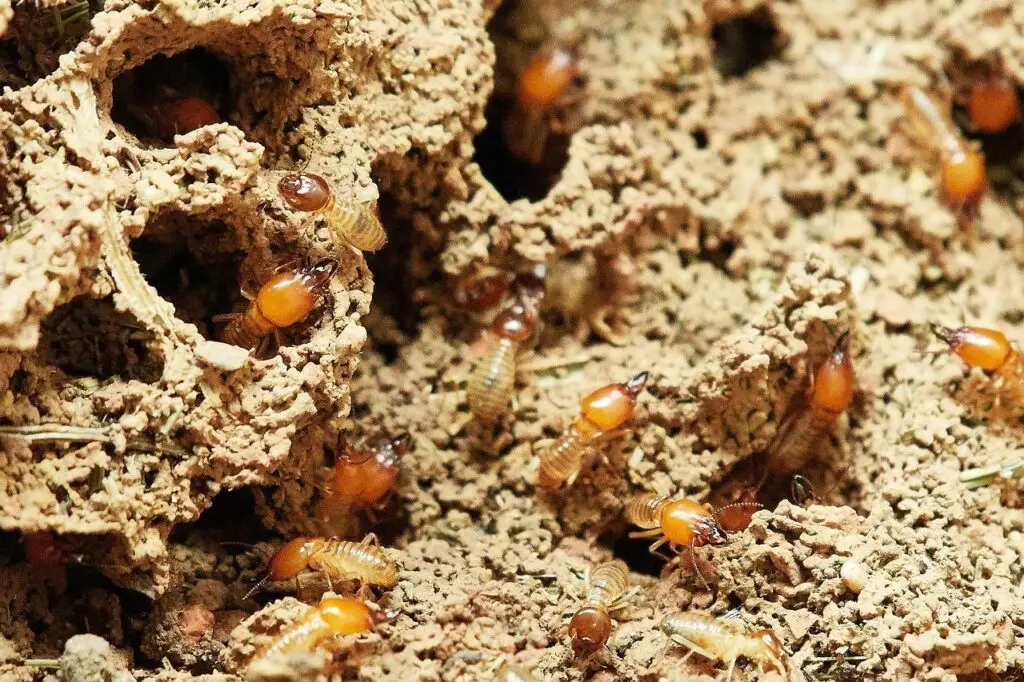
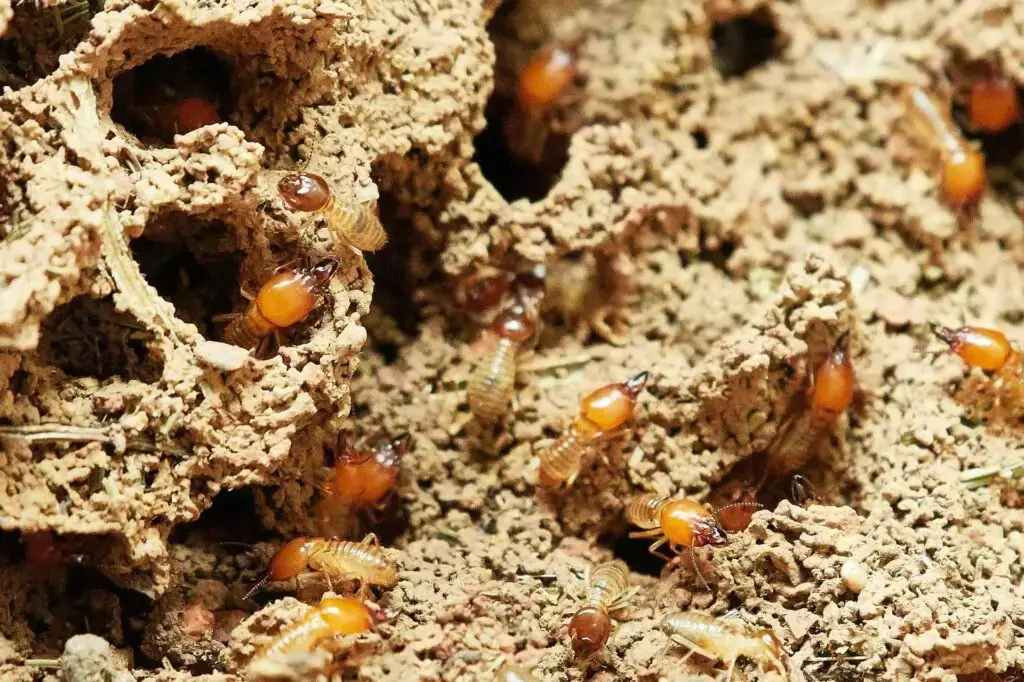
Key Highlights Introduction Termites are one of the most dreaded pests, especially for homeowners. These tiny insects can cause extensive damage to homes and structures, leading to costly repairs and compromised structural integrity. It’s essential to understand the different types of termites, their potential impact, and effective termite treatment options to protect your property. In this blog, we will explore various aspects of termite control, including understanding termites and their impact, early signs of infestation, professional termite inspection, treatment options, DIY vs. professional treatment, and preventing future termite infestations. By gaining knowledge about termites and implementing preventative measures, you can safeguard your home and minimize the risk of termite damage. Understanding Termites and Their Impact Termites are social insects that live in large colonies and feed on cellulose-based materials, such as wood. The United States is home to different termite species, with subterranean termites and drywood termites being the most common. These termites can cause significant structural damage to homes, leading to weakened foundations, sagging floors, and compromised safety. It is estimated that termites cause billions of dollars in damages annually. Understanding the behavior and habits of termites is crucial to detect and address an infestation early on. By being aware of the signs of termite activity and seeking professional assistance, homeowners can protect their property from further damage. The Different Types of Termites Termites exist in various species, but the two most common types found in the United States are subterranean termites and drywood termites. Subterranean termites live in the soil and build mud tubes to access above-ground food sources. These termites are responsible for the majority of termite damage in the country. On the other hand, drywood termites infest dry wood and do not require contact with soil. It’s important to be able to identify the type of termites infesting your home as it can impact the treatment approach. Subterranean termites are usually eradicated using liquid soil-applied termiticides or bait systems, while drywood termites may require localized spot treatments or fumigation. Understanding the specific species of termites and their behavior can help pest control experts develop a targeted treatment plan to effectively eliminate the infestation. How Termites Damage Your Property Termites can cause significant damage to your property if left untreated. They feed on wood and cellulose materials, such as paper and cardboard, making your home vulnerable to structural damage. Termites can weaken wooden structures, including walls, floors, and furniture, which can compromise the integrity of your home. The damage caused by termites is often not immediately noticeable, as they feed from the inside out, leaving the outer layers intact. To prevent and treat termite damage, it is crucial to enlist the help of professional pest control services. They have the expertise and tools to effectively eliminate termites and safeguard your property from future infestations. The Science Understanding the science behind termites is key to effective termite prevention and treatment. Termites live in colonies, which can consist of thousands or even millions of individual termites. The best way to prevent termite infestation is to create a barrier between your home and potential termite entry points. This can be done through the use of physical barriers, such as steel mesh, or the application of termiticides to the soil surrounding your property. Regular termite inspections are also essential to catch any infestations early on and take prompt action. Professional pest control experts have the knowledge and experience to identify the signs of termite activity and recommend the most appropriate prevention and treatment methods. What are the different methods of termite treatment available in the market? Various termite elimination methods include liquid termite barriers, termite baits, termite fumigation, and wood treatment. Each method has its pros and cons, so it is essential to consult with a professional to determine the most effective treatment for your specific termite infestation. Early Signs of Termite Infestation Detecting a termite infestation early is crucial to preventing extensive damage to your property. There are several visual indicators that can signal the presence of termites. Mud tubes, which are narrow tunnels made of soil and termite saliva, are a common sign of termite infestation. These tubes are used by termites to travel between their underground colonies and food sources. Other signs include damaged or hollow-sounding wood, discarded termite wings, and small piles of termite droppings. If you notice any of these signs, it is important to seek professional termite inspection and treatment to prevent further damage. Termite and Pest Control Termite treatment is a critical aspect of protecting your property from the destructive nature of these pests, so that you can leave termite free. There are various methods available in the market, including liquid termite barriers, termite baits, fumigation, and wood treatment. Each method comes with its own set of advantages and drawbacks, so consulting with a professional is key to determining the most suitable approach for your specific situation. Detecting early signs of termite infestation can save you from costly repairs. Keep an eye out for mud tubes, damaged wood, discarded wings, and termite droppings. If you spot any of these Visual Indicators and What to Look For When inspecting your home for termite infestation, there are several visual indicators to look for. These signs can help you identify whether you have a termite problem and take appropriate action. If you notice any of these visual indicators, it is advisable to contact a professional pest control company for a thorough termite inspection and appropriate treatment. Silent Destroyers Termites are often referred to as “silent destroyers” because they can cause extensive damage to your property without immediate visible signs. They feed on wood and other cellulose materials, gradually weakening the structure over time. Termite colonies can consist of thousands or even millions of individual termites, working tirelessly to feed and expand their colonies. As they tunnel through wooden structures, they can cause significant structural damage, compromising the integrity of your home. It is important to address termite infestations promptly to prevent further damage. Professional pest control
Termites in House | How to Check for Termites | FullScope
Key Highlights Introduction Termites are among the most destructive insects in the world, capable of causing significant damage to homes and other wooden structures. If left untreated, termite infestations can lead to structural damage and even the collapse of a building. However, with early detection and proper treatment, homeowners can protect their homes from the devastating effects of termites. Identifying the signs of a termite infestation is the first step in preventing extensive damage. In this blog, we will discuss how to check for signs of termites in your house and provide effective solutions for termite control. We will also explain the impact of termites on your home and answer some frequently asked questions about termite infestations. By understanding the warning signs of termites and taking appropriate measures, homeowners can safeguard their homes and ensure the longevity of their structures. Whether you choose to conduct a termite inspection yourself or hire a professional, the key is to be proactive in preventing and addressing termite infestations. Let’s dive into the details and learn how to check for termites in your house. Identifying Signs of Termites in Your Home Identifying the signs of a termite infestation is crucial in order to take prompt action and prevent extensive damage to your home. While termites can be difficult to detect, there are several warning signs that can indicate their presence. By keeping an eye out for these signs, you can catch a termite infestation early and minimize the potential damage to your property. 1. Unexplained Cracks on Internal Walls One of the first signs of a termite infestation is unexplained cracks on internal walls. As termites feed on wood, they create tunnels and galleries within the walls, causing the structure to weaken. This can lead to cracks appearing on the surface of the walls, especially in areas where the infestation is concentrated. These cracks may be small at first but can gradually widen over time, indicating significant termite damage. If you notice unexplained cracks on your internal walls, it is important to investigate further for a possible termite infestation. 2. Doors and Windows Becoming Hard to Open or Close Difficulty in opening or closing doors and windows can be a clear indication of termite damage. As termites feed on wooden structures, they can cause the wood to warp or become distorted. This can affect the functionality of doors and windows, making them hard to open or close smoothly. If you notice that your doors or windows are becoming increasingly difficult to operate, it is important to inspect the frames for signs of termite infestation. Pay close attention to any visible damage or weakened areas in the wood, as these can be telltale signs of a termite problem. 3. Clicking Sounds Within the Walls Clicking sounds within the walls can indicate termite activity. Termites communicate through vibrations, and these vibrations can produce clicking sounds that are often faint and difficult to detect. However, if you hear consistent clicking sounds coming from within your walls, it is advisable to investigate further for a possible termite infestation. While clicking sounds alone may not confirm the presence of termites, they can serve as an early warning sign and prompt further inspection. 4. Presence of Flying Termites or Their Discarded Wings The presence of flying termites or their discarded wings is a strong indication of a termite infestation. Flying termites, also known as termite swarmers, are reproductive termites that emerge from mature colonies in search of a mate and a suitable location to start a new colony. Seeing a swarm of flying termites or finding their discarded wings around your property can indicate the presence of an active termite infestation. These swarmers are often attracted to light sources and may be found near windows and doors. If you come across flying termites or their wings, it is important to take immediate action to address the termite problem. 5. Tunnels in Wood or Mud Tubes on Exterior Walls Tunnels in wood or mud tubes on exterior walls are clear signs of termite activity. Subterranean termites, one of the most common types of termites, build mud tubes to protect themselves while traveling from their underground colonies to sources of food, such as wood in your home’s structure. These mud tubes can often be found on exterior walls, especially near the foundation. If you notice mud tubes or tunnels in wood, it is important to address the termite infestation promptly to prevent further damage to your home. 6. Soft Wood That Sounds Hollow When Tapped Soft wood that sounds hollow when tapped can indicate a termite infestation, particularly drywood termites. Drywood termites infest dry wood and create galleries within the wood as they feed. This can result in the wood becoming hollow and weakened, causing it to produce a distinctive hollow sound when tapped. If you suspect a termite infestation and find areas of wood in your home that sound hollow, it is important to conduct a thorough inspection to confirm the presence of termites and take appropriate measures for termite control. 7. Piles of Termite Droppings Near Wood Structures Piles of termite droppings, also known as frass, near wood structures can indicate a termite infestation. As termites feed on wood, they produce droppings that are pushed out of their tunnels and accumulate in piles. These droppings are often small, granular, and resemble sawdust or coffee grounds. If you come across piles of termite droppings near wooden structures in your home, it is a clear sign of termite activity. Prompt action is necessary to address the infestation and prevent further damage to your property. You see swarmers emerge inside the building, or find dead swarmers on the floor or windowsill. If you see swarmers emerging inside your building or find dead swarmers on the floor or windowsill, it is a strong indication of a termite infestation. Swarmers are reproductive termites that leave their existing colonies to start new colonies. Their emergence inside the building suggests that there is an active termite