 1500+ reviews

What Do Spiders Eat and Why Should You Care?
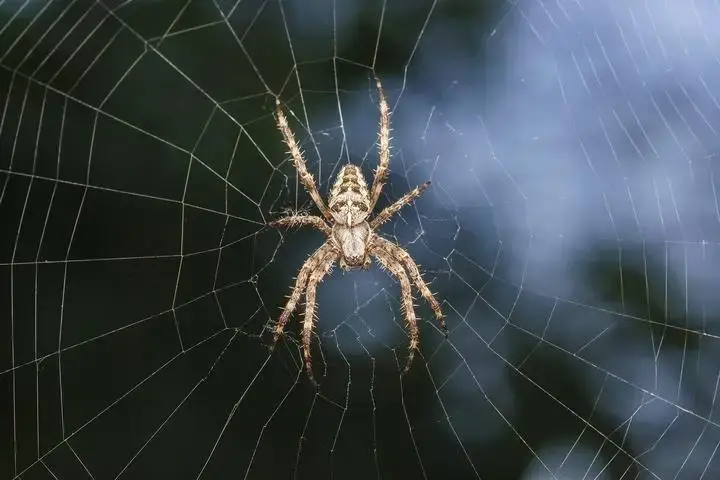
Most people think of spiders as scary, creepy critters that are best left alone. While it’s true that some spiders can be dangerous, the vast majority of them are actually harmless to humans. In fact, spiders can be beneficial to have around because they help control the population of other pests in your home, like flies and mosquitoes. So, what do these helpful little creatures eat? Spiders are predators and most of them feast on insects and other small arthropods. Some spiders, however, are known to eat larger prey, including lizards, frogs, birds, and bats. In fact, the Goliath birdeater spider, which is native to parts of South America, is the largest spider in the world and is capable of eating animals as large as rabbits! Most spiders build webs to help them capture their meals, these spiders will commonly consume flying insects. Couple of examples: mosquitoes, flies, moths and even butterflies. The web serves as a sort of net that catches the prey while it’s struggling to escape. Once the prey is ensnared, the spider will quickly move in to deliver a fatal bite with its venomous fangs. This venom paralyzes the prey so that it can’t struggle or fight back while the spider drinks its fill. After the spider is done feeding, it will discard the empty husk of its meal. Recommended Read: 5 Tips to Pest Proof Your Backyard While most people are grossed out by the idea of spiders drinking the blood of their prey, it’s important to remember that these creatures play an important role in our ecosystem. Spiders help keep populations of harmful insects in check, which in turn helps to protect our food sources from being destroyed by pests. You might not want them inside your home, but they are beneficial out in our landscape. Conclusion Spiders might not be everyone’s favorite creature but there’s no denying that they play an important role in our ecosystem. These eight-legged predators help keep populations of harmful insects in check, which protects our food sources from being destroyed by pests. So next time you see a spider in your home, try to appreciate it for the hard work it’s doing—even if it is a little creepy!
How Much for Spider Pest Control
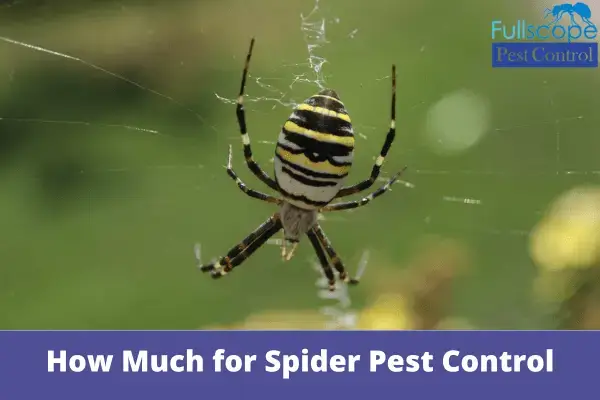
Spiders are intriguing organisms that keep insect numbers in check, which is vital to the health of our ecology. However, when they enter our homes, they become a source of worry and terror for many people. Maintaining a safe and pest-free space in the face of a spider infestation requires the services of a professional spider pest control company. In this article, we’ll discuss what goes into estimating the cost of spider control options and why hiring experts is worth it if you want to live in comfort. Understanding the Scope of Spider Pest Control Knowing the full extent of spider pest treatment is essential before estimating expenditures. Treatment solutions for spider infestations provided by professionals include: Inspection A team of skilled professionals will evaluate your property to identify the degree of the infestation and the type of spiders that have made their home there. Identification Various species of spiders need to be dealt with in different ways. Species identification is crucial for administering the correct medication. Treatment Professional exterminators use insecticides, traps, and exclusion measures to eliminate and keep spiders from returning. Factors Affecting the Cost The price of spider pest treatment might change depending on several factors. Among these are: Extent of Infestation A significant element determining how much it will cost is how bad the infestation is. Costs will rise as more time, materials, and treatments are needed to eradicate a more extensive infestation. Type of Spider It can be challenging to eradicate specific types of spiders completely. Specialized treatments may be necessary and increase costs for venomous or aggressive spiders. Property Size The time and resources required to exterminate your property are proportional to its size. Location The total may vary depending on local factors, including the price of living and the going fee for pest management. Frequency of Treatments To guarantee total eradication and prevent subsequent infestations, it may be necessary to provide numerous treatments. Benefits of Professional Spider Pest Control Numerous advantages can be gained by spending money on expert spider pest management, including but not limited to the following: Safety The health concerns associated with pesticide use can be significantly reduced when you hire a professional exterminator. Effectiveness Do-it-yourself approaches may offer short-term relief, but only expert services guarantee a complete, long-lasting repair. Preventive Measures Experts will eliminate current spiders and take precautions to lessen the chances of future infestations. Customized Solutions Pest control experts modify their services based on the severity of your spider problem and your individual preferences. Must Read:DO AMERICAN COCKROACHES INFEST Final Thoughts Hiring a professional pest control service, such as Fullscope Pest Control, to deal with a spider infestation is money well spent. Our trained professionals will check your home or business, determine the full scope of the spider problem, and devise a strategy to exterminate the spiders permanently. Our procedures are effective and safe, guaranteeing a pest-free home for you and your loved ones. Don’t let spiders keep you up at night; call us right away for effective, tailored spider pest control that lasts.
How To Remove Spider Eggs
Having spiders in your home can be a nightmare. Not only are they creepy, but they’re also dangerous. If you see an egg sac sticking to the side of your home or in the corner of a room, remove it as soon as possible. Spider eggs are often round or oval and can be any color from white to brown, depending on the species. The silk cocoon that surrounds some spider eggs helps maintain their moisture. Female spiders can lay hundreds of eggs depending on the temperature and humidity levels, which can hatch into spiderlings in a few weeks or months. Here are some steps to follow so that you can get rid of spider eggs without any issues: Steps On Spider Eggs Removal Wear Protective Gear Before you begin, protect yourself from spider bites and any potentially toxic chemicals you might use by donning gloves, long sleeves, trousers, and a mask. Certain spiders are poisonous, and their bites can be unpleasant. Moreover, some techniques for removing spider eggs may call for using chemicals that, if misused, could be dangerous. Identify The Spider Eggs Find the spider eggs and determine what kind of spider deposited them. It will enable you to decide on the most effective removal technique and whether you want expert assistance. Choose A Removal Method Choose a removal technique to remove the spider eggs, such as vacuuming, using a duster or brush, using soap and water, or spraying pesticide. Choose the approach that best addresses your problem. Apply The Chosen Method Use the selected technique on the spider eggs. If you’re using a vacuum, carefully suck up the spider eggs, empty the canister, or dispose of the vacuum bag outdoors. If you’re using soap and water, combine the two ingredients, apply the mixture to the eggs, and then remove it with a towel or sponge. Dispose Of The Spider Eggs After removing the spider eggs, carefully dispose of them. You may flush them down the toilet or toss them in the garbage if they aren’t attached to anything. If they’re stuck to something, you may scrape them off with cardboard or a putty knife before throwing them away. Clean The Area To remove any remaining residue or debris, carefully clean the area with soap and water after removing the spider eggs. Monitor The Area Watch for any indications of additional spider activity or eggs in the area where you removed the spider eggs. To avoid a spider infestation, repeat the eradication procedure as necessary. Must Read: IS QUARTERLY PEST CONTROL WORTH IT Conclusion Removing spider eggs is critical to avoid a spider infestation in and around your house. A small number of eggs can swiftly hatch into a significant number of spiders since many spiders can reproduce quickly. Remove spider eggs to protect your home’s safety and comfort since some spiders might be harmful or induce allergic responses. Fullscope Pest Control offers various services to help you keep your home free from spider eggs. Our exterminators are trained and educated in the most effective ways to control and eradicate pests, including spiders. We offer advice on how to avoid repeat infestations and check homes for existing problems—call us immediately!
Brown Recluse Spiders: What You Need to Know
If you’ve been living in your home for any length of time, chances are you’ve come across a spider or two. While most spiders pose no threat to humans, there is one type of spider that every homeowner should be aware of: the brown recluse spider. Read on to learn everything you need to know about brown recluse spiders, including how to identify them and what to do if you find one in your home. Identifying Brown Recluse Spiders Brown recluse spiders are small insects that are typically brown or tan in color. They have a violin-shaped marking on their backs and are typically between 1/4 and 3/8 of an inch long. If you think you may have found a brown recluse spider, it’s important to take a close look at it before taking any further action. If you’re not sure whether or not the spider you’ve found is a brown recluse, consult with an expert—better safe than sorry! A Better Pest Control Experience Dangers Posed by Brown Recluse Spiders While most spiders pose no threat to humans, brown recluses are different. Their bites can cause serious health problems, including necrosis (death of tissue) and systemic reactions (affecting the entire body). If you suspect that you may have been bitten by a brown recluse spider, it’s important to seek medical attention immediately. What to Do if You Find a Brown Recluse in Your Home If you find a brown recluse in your home, the best course of action is to contact a professional exterminator. Exterminators will be able to identify the spider and determine the best way to eliminate it from your home so that you and your family can rest easy knowing that the danger has been taken care of. FAQ About Brown Recluse Spiders: 1. What does a brown recluse spider look like? Brown Recluse Spiders are typically brown or light tan. They can range in size from 6 to 20 mm in length and 2 to 10 mm in width. Their legs are long and slender, and their bodies are covered in fine hairs. One of the most distinctive features of Brown Recluse Spiders is the dark brown violin-shaped mark on their backs. This mark is used to distinguish them from other spiders. Brown recluse spider egg sacs is a small, light brown and somewhat leathery silk case that will contain the spiders eggs. 2. Where do brown recluse spiders live? Brown recluse spiders are most commonly found in the central and southeastern United States. They prefer to live in dark, secluded places like basements, attics, and closets. Brown recluse spiders are also often found in storage boxes, shoes, and folded clothing. These spiders typically only come out at night in search of food. Brown recluse spiders are not aggressive and will only bite humans if they feel threatened. If you think you have found a brown recluse spider, it is important to exercise caution and contact a pest control professional for assistance. 3. How do brown recluse spiders get into homes? Brown recluse spiders are notorious for their ability to invade homes and businesses. But how do they get inside? Brown recluse spiders are attracted to warm, dark places. They may enter through cracks and crevices in the foundation or walls. Once inside, they will find a secluded spot to build their webs. Brown recluse spiders are often found in basements, attics, closets, and storage containers. They can also be found behind furniture, appliances, and under sinks. Brown recluse spiders are relatively shy and will avoid contact with humans if possible. However, they will bite if they feel threatened. If you suspect that you have brown recluse spiders in your home, it is best to contact a professional pest control company for assistance. 4. What do brown recluse spider bites look like? Brown recluse spider bites usually look like a small, red bump. However, within a few hours, the bump will begin to swell and turn into a blotchy, purple rash. The area around the where the bite occurs will also feel painful and cramping. In some cases, the venom from the spider can cause tissue death, resulting in a large, open sore. Brown recluse spider bites are usually not fatal, but they can be very painful and uncomfortable, and can cause a medical condition that requires attention. If you suspect that you have been bitten by a brown recluse spider, it is important to seek medical attention as soon as possible. 5. How do I know if I have a brown recluse spider bite? Brown recluse spiders are shy by nature and would rather retreat than bite; however, if provoked, they will bite. Their bites can cause necrosis, which is the death of tissue. Brown recluse spider bites often go unnoticed because they inject a small amount of venom. The bitten area may appear as a small, red bump that does not hurt. Sometimes there is no reaction at all. It may take 2-8 hours for symptoms to develop. Brown recluse spider bites can cause fever, chills, nausea, and achy muscles. There is also an increase in saliva and sweating. The affected area will turn white then blue and begin to swell. A blister will form and the center will turn black within 2-3 days, resulting in the death of tissue surrounding the bite. If you think you have been bitten by a brown recluse spider, seek medical attention immediately as their bites can be very dangerous. 6. What should I do if I think I have a brown recluse spider bite? Brown recluse spider bites are rare, but can be dangerous. Brown recluse spiders are small, brown spiders that have distinguishing marks on their backs. If you think you have been bitten by a brown recluse spider, it is important to seek medical attention right away. Brown recluse spider bites can cause necrosis, or the death of tissue. Bites can also lead to serious infections. Symptoms of a brown recluse spider bite include
How To Control Spider Webs In Home
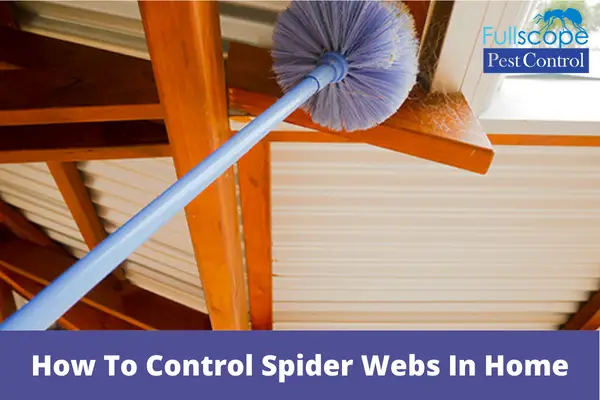
Spiders are often known as “arachnids” and have developed a negative reputation over time. They are connected to spooky places, dangerous bites, and other unpleasant things. However, most spiders are not harmful to humans, except species like brown recluses and black widows. Some are just interesting, like the jumping spider. However, spiders are a natural part of life and help control garden pests. But, they are not permitted in your house. They can stay out with the help of these advice and home treatments! How To Keep Spiders And Webs Out Of Your House? 1.Seal wall cracks Spiders can be avoided by preventing their entry. To do this, you must know how bugs come in. Spiders enter your homes through cracks in doors and windows. Caulk windows and door cracks to keep spiders out. Caulk outdoor wires and cables. Wire mesh vents and chimneys. Most likely, they’ll stay outside. 2. De-clutter When cleaning spider webs, cleanliness is crucial. Like plants and leaves outside, clutter inside helps spiders hide. Keep tidying newspapers, unwashed clothes, and other clutter-prone items. They can’t hide. When seen, spiders can be evicted. 3. Lights out Spiders typically invade your home on purpose in search of food. Other bugs are their preferred meal. Since these insects are most drawn to lights, be careful to turn out all outdoor lights at a decent hour. Use yellow-colored sodium vapor bulbs or opaque filters for indoor lighting. This will deter most insects, which will also prevent spiders. Must Read Can Pest Control Get Rid of Roaches 4. Regularly dust The traditional method is the finest when considering how to get rid of spider webs. Regularly vacuum and tidy your house. This prevents a spider from weaving a web. As a result, their hunting methods are reduced, which prevents them from remaining in your home. If you remove their capacity to capture and kill their prey, they will seek new hunting grounds. Regular dusting not only keeps spiderwebs away but also ensures that your home is free of other things that attract insects, keeping the prey away. 5. Maintain Cleaning Schedule Always stick to a predetermined cleaning plan. If you dust or vacuum your home regularly, whether or not you are aware of it, you will eliminate spiders. The importance of vacuuming cannot be overstated because it removes ugly spider webs and eliminates spider eggs and young spiders. 6. Hire A Professional Pests Exterminator It is sometimes best to seek expert assistance. It might be time to engage an exterminator to hunt out and eliminate all of the creepy crawlies in your home if the infestation grows to be more than two or three spiders. Although spiders cannot harm you, it is usually accepted that only a few species, such as the tarantula or black widow spider, are generally harmful. Because they pursue and destroy other bugs that are carriers of deadly diseases, spiders, like lizards, occasionally become a blessing in disguise. If the spiders are not fatal, or if there are few, think about using a non-lethal method to eliminate them in your home. If you are taking measures to prevent spider webs but still have to get rid of arachnids more often than you would like, it is time to contact Fullscope Pest Control. Our trained personnel can assist you in developing an individual preventative strategy.
How To Remove Spiders And Other Pests From Your Home
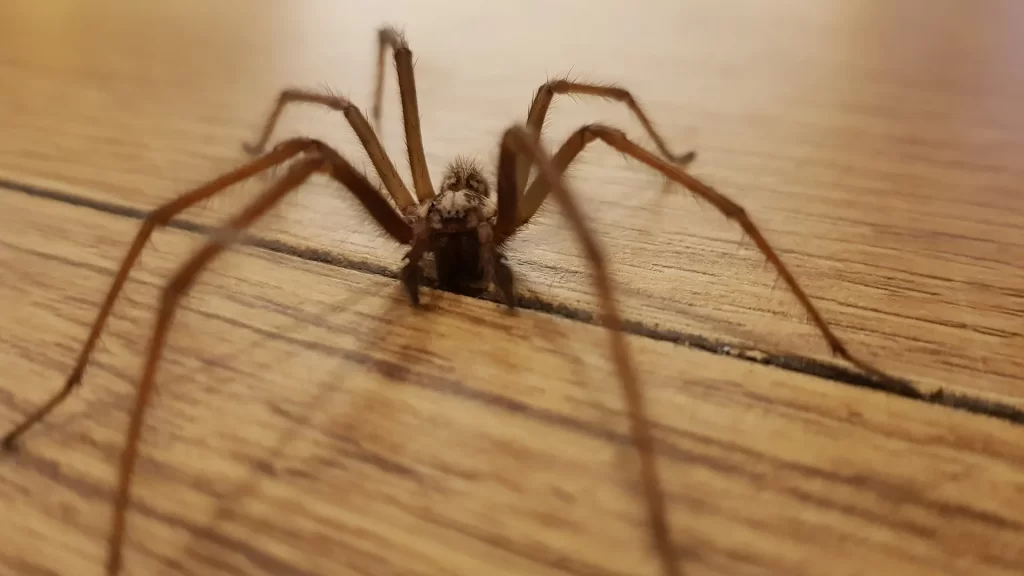
Just like you, bugs prefer a good home for a variety of useful reasons. They’re looking for necessities like food, drink, and a safe shelter. If they discover these in your home, they will likely move in. Ants, cockroaches, earwigs, mosquitoes, flies, house centipedes, and spiders are just a few examples of common household pests. Fleas and ticks are a typical problem for pet owners. Various regions of the country experience different levels of infestation from the same pests at different periods of the year. Getting rid of these pests, especially spiders, are tiresome and challenging. Some spiders are helpful in keeping pests away in your garden. However, they are not welcome in your house. They won’t be able to enter your home if you try these tips: Install Some Traps For The Insects Placing sticky glue traps that are meant to catch and kill spiders in common areas can be beneficial. Over-the-counter spider traps may be purchased at most hardware and gardening supply outlets. Keep them out of the reach of children and pets, and check and replace them frequently. Need to know: Effective Ways to Control Fire Ants Clean Up Your Home Spiders and other pests prefer dark, messy areas. You might try cleaning and vacuuming your storage facilities while you stack, organize, and seal your belongings. Remember to take out the recycling regularly and eliminate any accumulated empty boxes. Pileups of cardboard, boxes, plywood, and firewood are perfect places for spiders to make their homes. Make Use Of Vinegar Vinegar is a great natural spider repellant if you want to get rid of them without killing them or using pesticides. To keep spiders and other bugs away, fill a spray bottle with equal parts white vinegar and water and mist the mixture into the cracks of your home or bedroom. Use this insecticide again in a few days. Close All Openings And Cracks Eliminating spiders is best accomplished by preventing their entry in the first place. Prevent pests from making your house their own by ensuring good sealing. Make sure there is no way for them to get in by checking door and window frames. It could work if you caulked and weather-stripped all the holes and gaps you could find. Keep An Eye On Your Outdoor Leaves, grass, wood heaps, and other insect sanctuaries should be removed outside the house. Keep the shrubs pruned and the grass cut. If you can prevent spiders and other insects outside of your home in the first place, they will have a more challenging time finding their way inside. Remove Webs The spiders won’t be wounded or killed if you break up their webs, and they could choose to go for a new home. When you find a spider web on your porch or in your yard, use a broom or a gloved hand and gently break it apart. Spiders and other pests aren’t something you have to put up with forever. We can help you at Fullscope Pest Control. So, if you are dealing with a spider and bug infestation, don’t hesitate to contact us now for reliable extermination services.
How Do I Get Rid Of Spiders Without Calling Pest Control?
Most people would agree that having spiders in your home is irritating. Some people are afraid of them and for this reason they try to get rid of spiders without calling pest control at the first sight of them. What Spiders Really Do In Your Home? Did you know that one or two spiders can be beneficial to your home? The reason for this is that they can eat insects found in your home. If you really don’t like spiders, there are ways to remove them and their eggs. One of the most obvious ways is to eliminate clutter in your home. Believe it or not, this is actually helpful. It is a good idea to keep the closet organized. The ceiling and floors are the usual places where spiders are often creating their cobwebs. Eliminating Spiders In Simple Ways If you want to eliminate spiders that are dangerous, invest in good tools that have the ability to reach places that are far from being reachable, or consult a specialist for spider control in Livingston TX. Inspect your windows for cracks; this is usually where spiders can be traced. With this, you can definitely keep the spiders out of your home. It is a good idea to avoid storing cardboard boxes in your home. This is normally where they love to hide. You would also need to hire a professional spider control in Livingston TX to examine your home regularly for spider and other insect build up. They would most likely provide you with the right treatment that you need. About Spiders: Separating The Good From The Bad It is a very bad feeling when we find spiders, insects and other pests in our homes. Most of the spiders are even poisonous and can be highly infectious which can affect us in a severe way. Some spider bites are very dangerous to human health. In some cases, there is no antidote if you are injured by a spider bite. One great way to determine if the spider you have in your home is dangerous or otherwise is to call a reliable spider control in Livingston TX. Mosquito Control Mosquitoes are pesky flying insects that cause headaches for millions of residents. They’re itchy and they can wreak havoc on family picnics, cookouts, pool parties, and days at the park. More than anything – they’re an annoying nuisance that people come to dread, especially when the temperatures heat up. But what can be done to prevent mosquitoes from ruining outdoor activities? How do you keep them away from your pool? What measures can be taken to keep them from biting you and your children? Got Mosquitoes? Here Are What You Can Do If you have a problem with mosquitoes, don’t hesitate to call mosquito control in Atascocita TX to keep you and your family safe from all pests, and can provide you with suggestions and solutions to ensure your mosquitoes are kept in check. Although catching diseases like malaria is much less common than long ago, it is still a possibility which makes keeping mosquitoes away from your family by a trusted and efficient mosquito control in Atascocita TX a good idea. Helpful Tips In Keeping Away Mosquitoes Off Your Home For starters, if it rains, you need to remove the standing water in your lawn. Mosquitoes need water for breeding and seven days to complete their development. Failure to properly irrigate and drain your lawn is all it takes to create a problem, or exaggerate an existing one. Make sure to change water in bird baths regularly. Make sure to drain gutters in front of your home. After it rains, check cans, flower pots, buckets, kiddie pools, children’s play houses, Jacuzzis, water bowls for pets, and pool covers for water. Pour it out. If you can’t pour the standing water out, consider adding bacillus thuringiensis to it. Bacillus thuringiensis is a natural insecticide that kills mosquito larvae without harming anything else. Try scented lanterns with natural insect repellant and hang in areas surrounding your pool deck and home. Specific lanterns are made with natural mosquito and other insect repell ants. There are several companies that manufacture these lanterns, as well as tiki torches, which provide great decorative accents for your backyard and are great for entertaining. Since mosquitoes hate lemons, consider spraying lemongrass or even lemon extract diluted with water in a spray bottle. Spray it every couple of weeks to keep insects away. Make sure to keep all of your plants in your garden trimmed. Insects, particularly mosquitos, love rotting leaves. Consider planting these types of plants, which naturally deter mosquitoes from flying into your hard – Citronella, rosemary, geraniums, marigolds, and eucalyptus. You should also seek routine professional mosquito control in Atascocita TX to spray your home with the right type of top grade mosquito repellent products. Regular pest control from a professional mosquito control company can help eliminate an existing mosquito problem and help prevent future ones from happening.
10 Facts About Spiders In Your Humble, TX Home
If you’ve ever noticed spiders in your home in Humble, Texas, you’re not alone. These eight-legged creatures are incredibly adaptable and can thrive in almost any environment—including your living room, attic, or garage. While spiders play a valuable role in nature by controlling insect populations, most homeowners in Humble don’t want them crawling around the house—especially when it comes to dangerous species like the Black Widow or Brown Recluse.
The Wolf Spider: What You Need To Know?
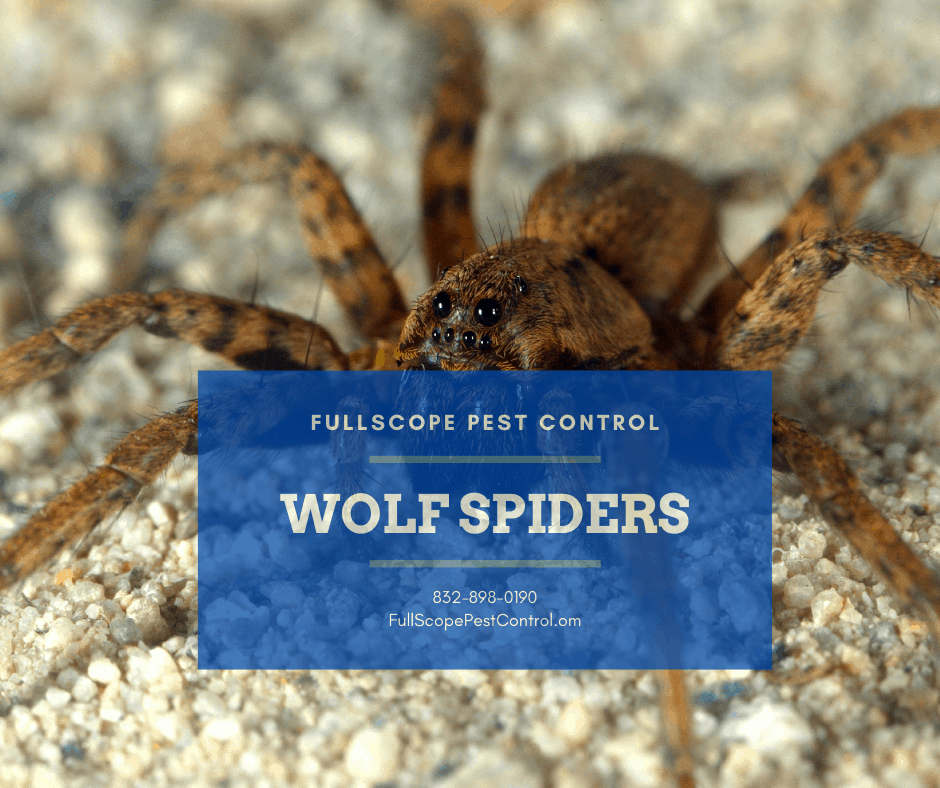
The Wolf Spider in Texas: What You Need To Know? Seeing a Wolf Spider can be quite the experience at first. It will look pretty scary at first, especially since it has so many eyes. Unfortunately a lot of people tend to believe that every spider has the black widow properties. And that can be a problem, since not all spiders are like that. If you have the right expectations and you don’t scare right away, you will find that Wolf Spiders in general are not that problematic, so it makes a lot of sense to know more about them and understand how they live and so on. At FullScope Pest Control, we know that encountering a spider—especially one as intimidating as a Wolf Spider—can be unsettling. You want to feel safe and confident in your home, but not every spider poses a threat. That’s why we’re here—to provide expert knowledge and effective pest control solutions so you can enjoy peace of mind. If spiders are making you uneasy, let us help you take back control of your space with solutions that are safe, effective, and tailored to your needs.
Dealing with Black Widow Spiders
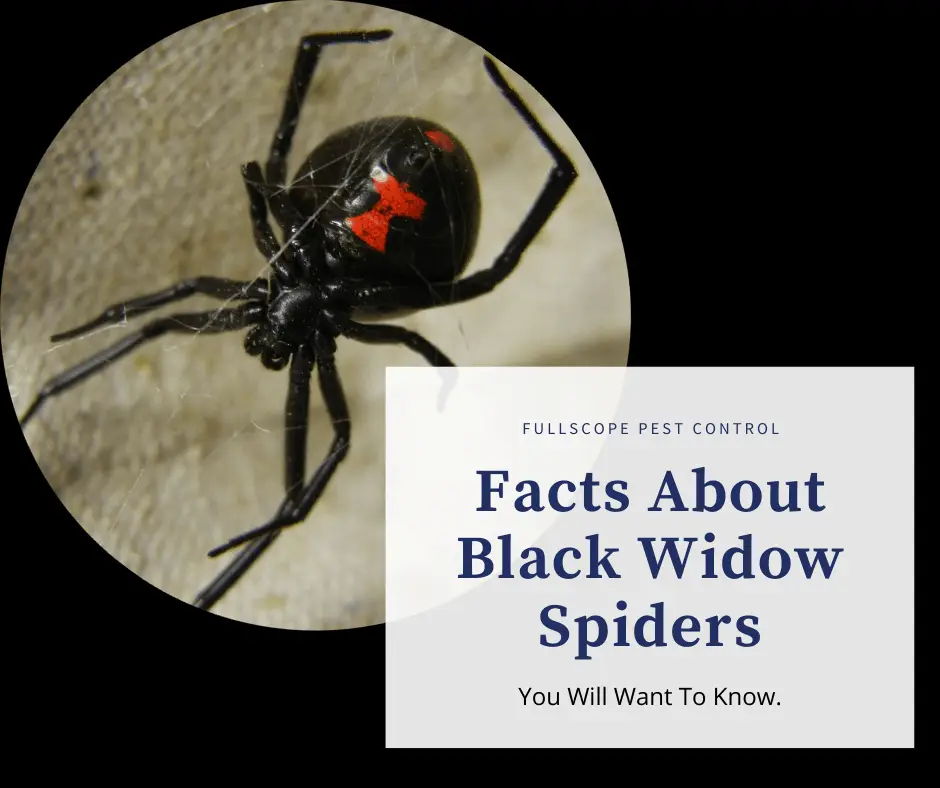
Appearance How to Identify? Hourglass Marking: One way to identify a black widow is the underside of their abdomen. They have red hourglass markings they. These markings are always bright reds and it’s a way to wards off predators and attackers. Color: As their name implies, they are black but shiny. Size: The average size of a black widow is 3 to 10mm in size. Most of the females are larger than their male counterpart; thus, we can see female’s black widows as large as 13mm in body length. Latin Name Latrodectus spp. Characteristics They have certain characteristics that also set them apart from other spiders: Comb foot: Their comb feet set them apart from every other spider. This food can be found on the hind of pair of their legs and can be used to pitch silk around their capture prey. Shy: They love their own company. They only socialize to copulate and nothing else. Nocturnal: Black widows only spin webs during the daytime. They are mostly nocturnal. Hang Upside Down: They have the tendencies to hang upside down within their web. This way you can see their hourglass abdominal marking. Must Read:PREVENT BROWN PATCH IN LAWN Why Do You See Black Widow Spiders in Your House? Ever wondered why you have black widows in your house or even around you, then these might be the reasons: Unkempt Yards: Black widow spiders are fond of yards that are not in good conditions. As you are aware that a good yard would generally all other insects. To start with, they are found under tall grasses, stacks of woods or even debris. They use these places as a place to store food, hide, and build webs. Vulnerable Places: When your home or yard has faced a lot of insect’s infestation or is currently facing one, there is a higher chance of battling another black widows at that same time. Black widow spiders find smaller insect succulents and would want to feed on them. They are likely to eat things ants, flies, and others pest. Thus, when your door or window has a crack big enough for them to enter, then these spiders would come into the house to hunt for these smaller insects. Should You Be Afraid of Their Presence? While they are like a ‘present’ in the present moment, the female ones can be harmful to human. Their presence can help you get rid of those smaller insects. The attack can come in when the female ones are provoked. In the United States, the black widow spiders have been known to deliver the most toxic bite ever seen in a spider. Their venom is mixed with neurotoxins and could be a potential danger to the nervous system. Signs of a Black Widow One way to know you have a black widow in your home is to look at the pattern of their web. Their webs are located near the ground level but far enough like under a protected ledge, places like your lawn furniture or even woodpiles. Also, the iconic red hourglass marking is an indication of their presence. Getting Rid of Black Widow Spiders Get trained professionals involved in managing the presence of these pests. They will take your home or yard into consideration before giving you a program to help in getting rid of these pests. The process of getting rid of spiders is split into three because you can never get rid of spiders once. Thus, the professionals would firstly: Assess: They will understand the situation and take note of the root cause. They will seek out other overlooked factors that might have brought the spiders to your home. If one of the cause is the presence of another type of pests, they will determine the reasons those pests are in your home. That way, their works will focus on their analysis. Implementation: After understanding the root causes of their presence, they will implement their proposed solutions. They will be drastic and thorough in ensuring your home is free from the infestation of these pests. They have the necessary pieces of equipment needed to keep your home or yard free from these pests. Monitoring: They will not only ensure your home is rid of these pests, they will also do regular check-ups to enable you to have a home free from these pests. They will schedule a time for a visit to ensure their work is permanent. Black Widow Webs Black widows are known for spinning a large web. The strength of this large web is such that the females suspend cocoons of hundreds of eggs in them. Their webs are also instruments of capturing preys like flies, grasshoppers, beetles, and so many others. Must Read:8 FACTS ABOUT YELLOWJACKETS IN YOUR NEW CANEY YARD