 1500+ reviews

Most Common Rodents Found in Houston

Rodent infestations are a considerable concern, and knowing what to look for will help you take measures to prevent and control the problem. The following blog identifies the most common rodents in Houston, explains how to identify infestations, the health risks associated with them, and tips for rodent control. Most Common Rodents in Houston Norway Rats The Norway rat, also known as the brown rat, is a common inhabitant of Houston. These giant rats measure up to 10 inches long and add another 8 inches with their tails. This species exhibits coarse brown or gray fur and has a blunt nose. Norway rats strongly prefer burrowing and are found in basements, crawl spaces, and building foundations. They are nocturnal and prefer unsanitary conditions. Roof Rats Roof and black rats are the other most common rodents in Houston. They have a thin body, large ears, and long tails. In color, they are either black or dark brown, and this discrimination itself is a mark of difference from the Norway rats. Roof rats love high places and are often found in attics, trees, and upper parts of buildings. They have an agile climbing lifestyle and are more common in the coastal and warmer regions, making Houston an ideal habitat. House Mice House mice are small rodents commonly found in homes and businesses in Houston. They have a small body, about 2-4 inches long, large ears, small eyes, and a pointed nose. The fur is either light brown or gray. Along with rapid reproduction, these beings have the danger factor of making infestations hard to handle. Squirrels Houston is also typical for gray squirrels and bushy-tailed fox squirrels. The fur color varies from gray to reddish-brown. They usually inhabit attics, chimneys, and wall voids, constructing their nests from insulation and other materials. What Are the Signs of a Rodent Infestation? The most common signs you have a rodent infestation include: Rodent Prevention Tips for Homeowners The best approach is to prevent rodents from entering your house. Conclusion Rodents carry diseases and chew through everything once they gain access. Look for infestation warning signs and call Fullscope Pest Control for an appointment for our professional treatment today. Our experienced team will help you prepare a rodent control program that best meets your unique needs. Schedule an inspection for a safer, healthier space today
Rodent Extermination vs Rodent Exclusion
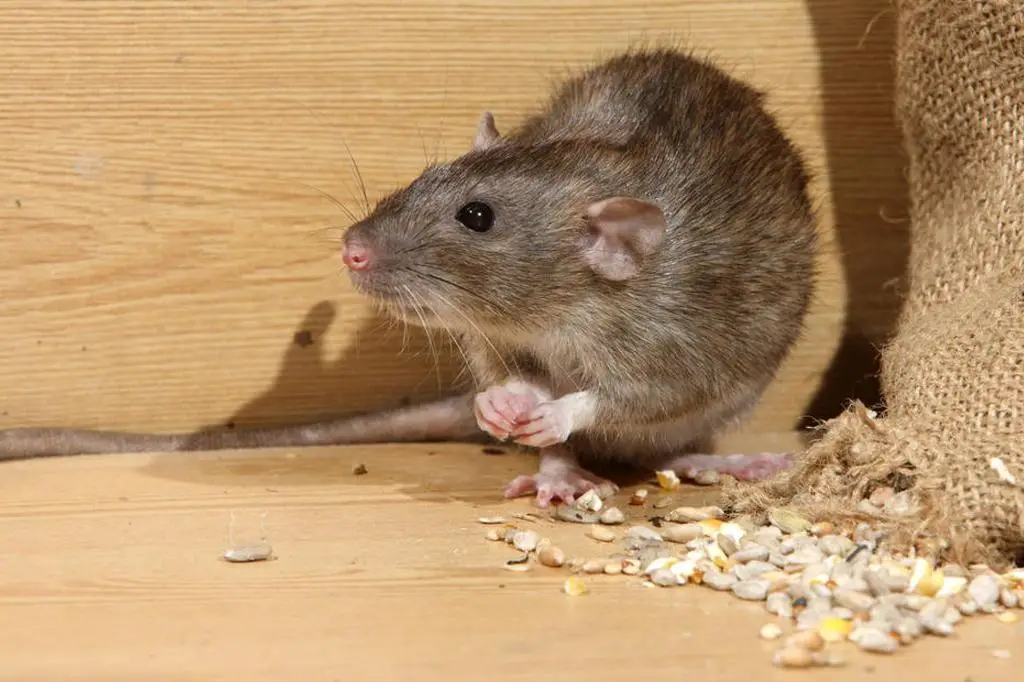
Among the recurring vital decisions homeowners and property managers have to make concerning rodent issues is deciding between rodent exclusion and rodent extermination. Understanding the nuts and bolts of every option is essential to choose wisely. Imagine creating a fortress in your home that keeps pesky intruders out – that’s what effective rodent control feels like. This blog deals with both approaches, leading to one finally seeking whichever suits their needs best. Rodent Extermination: What You Need to Know The term rodent extermination describes the methods of ridding a location of rodents by actively putting them to death using traps, baits, and rodenticides. Extermination is generally considered where there is a need to reduce the rodents infesting the home or business. Common Methods Scenarios for Extermination The extermination works well under circumstances where relatively quick effects are needed, such as where large and visible populations of rodents have to be reduced. In this case, it would provide speedier relief from rodents damaging property or creating a health hazard. Rodent Exclusion: A Preventative Strategy On the other hand, rodent exclusion differs from extermination in that it aims to ensure that rodents are excluded. One clear piece of evidence is that any possible entry point that a rodent can use to access a structure must be sealed. The process also includes environmental changes so that the rodent ceases to be. Techniques Used in Rodent Exclusion Benefits of Exclusion Rodent exclusion is beneficial as a long-term solution. It not only prevents new rodents from entering but also reduces the likelihood of future infestations without the use of harmful chemicals. Conclusion It’s essential to decide between this extermination and the exclusion of your needs. If it is an immediate case with the rodents, promptness is needed for their prompt approach to resolving your problems. For ongoing prevention, exclusion remains the most effective and eco-friendly option. At Fullscope Pest Control, we’re dedicated to meeting your specific needs with safe and effective solutions for pest control. With a personalized strategy, our staff is prepared to help you safeguard a healthy, pest-free home or company. Contact Fullscope Pest Control today, and let one of our professionals take the lead by ensuring those annoying pests don’t bother you again. Let us help you keep your home or business to yourself.
Rodent Pest Control Treatment & Removal Services | FullScope Services
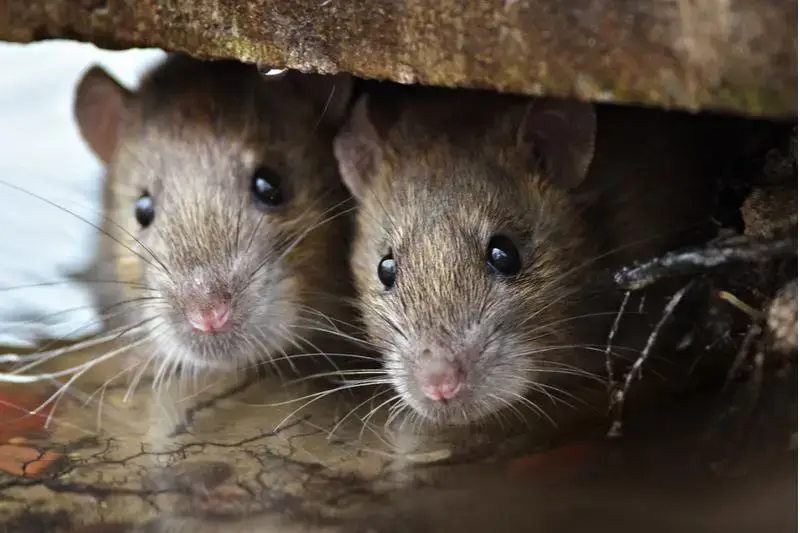
Key Highlights Introduction Rodent infestations can be a major concern for homeowners, as these pests not only cause property damage but also pose health risks. Dealing with a rodent infestation requires the expertise of a professional pest control service like FullScope Services. With their comprehensive rodent control solutions, FullScope Services can effectively treat and remove rodents from your home. Understanding Rodent Infestations in Your Home Rodent infestations can go unnoticed for a while, as these pests are skilled at hiding and nesting in hard-to-reach areas. However, there are certain signs that can indicate a rodent infestation. Look out for rodent droppings, gnaw marks on furniture and wires, and signs of nesting material. Rodents can enter your home through small gaps, cracks, and openings. It is crucial to identify these entry points and seal them off to prevent further infestations. Identifying Signs of Rodent Presence One of the primary signs of a rodent infestation is the presence of rodent droppings. These droppings are typically small, dark, and pellet-like. Another indication is the strong smell of rodent urine, which can be quite pungent. Additionally, look out for gnaw marks on wires, furniture, and other objects, as rodents have sharp teeth that they use to chew through various materials. If you notice any of these signs, it is important to take immediate action to address the infestation. Common Types of Rodents in Residential Areas There are several common types of rodents that can infest residential areas. House mice are small, prolific breeders that can quickly multiply in the right conditions. Roof rats, on the other hand, are excellent climbers and prefer to nest in attics and trees. Norway rats are larger and more robust, often found nesting outside in burrows. It is important to identify the specific type of rodent infesting your home in order to implement the most effective control measures. The Health Risks Associated with Rodents Rodents not only cause property damage but also pose significant health risks. They can transmit diseases to humans through their urine, droppings, and bites. Some common diseases transmitted by rodents include hantavirus, leptospirosis, and salmonella. In addition to disease transmission, rodents can also trigger allergic reactions in some individuals. Their urine, droppings, and dander can contain allergens that can cause asthma and other respiratory issues. It is important to address rodent infestations promptly to protect the health and well-being of your family. Diseases Transmitted by Rodents Rodents can carry and transmit a variety of diseases to humans. Hantavirus is a serious respiratory illness that can be contracted through contact with rodent urine, droppings, or saliva. Leptospirosis is another bacterial infection that can be transmitted through contact with contaminated water or soil. Salmonella, a common foodborne illness, can also be spread by rodents through contamination of food and surfaces with their droppings. It is important to take proper precautions and seek professional rodent control services to minimize the risk of these diseases. Impact on Home Environment and Well-being Rodents can cause significant damage to your home and property. They have a tendency to chew through wires, insulation, and other building materials, leading to costly repairs. Their nesting habits and droppings can also cause unpleasant odors and contaminate the air quality in your home. In addition to the physical damage, rodent infestations can also take a toll on your mental well-being. The constant presence of rodents can be stressful and disruptive to your daily life. It is important to address rodent infestations promptly to minimize the impact on your home environment and overall well-being. Preventive Measures to Keep Rodents at Bay Prevention is key when it comes to keeping rodents at bay. One of the most effective preventive measures is to seal off entry points that rodents can use to gain access to your home. This includes sealing cracks, gaps, and holes in your walls, floors, and foundation. Maintaining cleanliness and proper sanitation in and around your home is also important, as rodents are attracted to food sources and unclean environments. By implementing these preventive measures, you can significantly reduce the risk of a rodent infestation in your home. Sealing Entry Points: A Key Prevention Strategy Sealing off entry points is a crucial step in preventing rodent infestations. Rodents can squeeze through small gaps and cracks in your home’s exterior, so it is important to inspect and seal these entry points. Use caulk or steel wool to fill in any gaps or cracks that you find. Pay extra attention to areas around pipes, vents, and utility lines, as rodents can use these as entry points. It is also important to seal any openings around doors and windows. By effectively sealing off these entry points, you can greatly reduce the chances of rodents finding their way into your home. Rodent exclusion service Rodent exclusion service is a crucial aspect of effective rodent control that focuses on preventing rodents from entering your property in the first place. By sealing off entry points and implementing exclusion measures, such as installing barriers and sealing cracks, you can significantly reduce the likelihood of rodent infestations. This proactive approach not only helps in keeping your home or business rodent-free but also minimizes the risks associated with rodent-borne diseases and damage to property. Rodent Trapping & Removal Trapping is a crucial step in effective rodent control and removal. By setting up traps strategically, you can safely capture and remove rodents from your property. Rodent trapping not only helps in eliminating the current infestation but also prevents future invasions by these pests. It is essential to use the right kind of traps and bait to ensure successful trapping and removal of rodents, safeguarding your home from potential damage and health risks associated with these unwanted guests. Importance of Cleanliness and Sanitation Cleanliness and sanitation play a crucial role in preventing rodent infestations. Rodents are attracted to food sources, so it is important to keep your home clean and free of any food debris or spills. Store food in sealed containers and clean up any
What Are The Most Common Rodents in Houston?
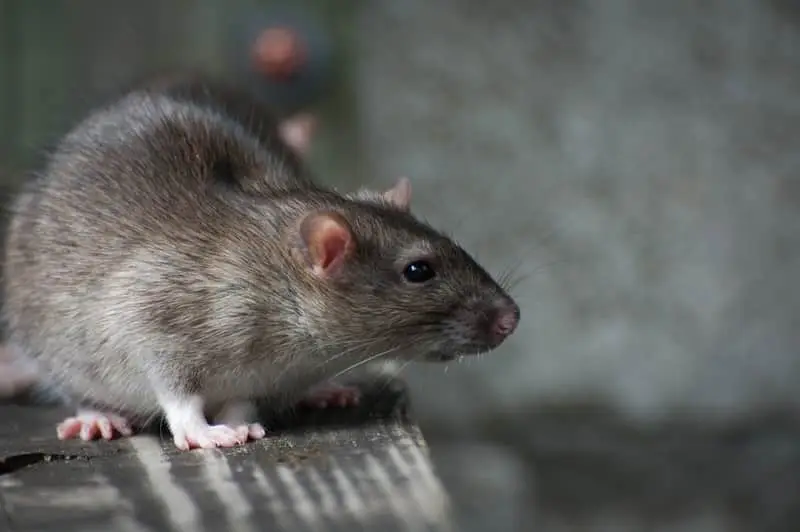
An urban environment such as Houston’s warm surroundings supports a wide variety of wildlife and harbors, among them several species of rodents, which are great destroyers of property and possible health hazards to the human inhabitants. Understanding the most common types of rodents that plague Houston-area homes and businesses can greatly assist in more effective rodent control strategies.Identifying Common Rodents in Houston Norway Rats A big, thick-set rodent with shaggy brown or grayish fur, the Norway rat is sometimes known as the brown rat. They are much larger than any other species of rat, and their blunt snout and small ears characterize them. Predominant areas of infestation in Houston include basements, piles of debris, and other relatively disturbed materials. They are known to have the potential to do great damage due to their biting and burrowing habits. Roof Rats Characteristics of roof rats include the fact that they are slender, agile rats that are black or dark brown with a light belly. The snout is pointed, and the ears are larger than those of Norway rats. They generally prefer to nest at higher locations, such as attics and trees, or in overgrown shrubbery around buildings. House Mice The house mouse is a small rodent, dusty gray, with cream bellies. It has rounded ears and a long, thin tail. Very adaptable creatures, house mice thrive in a very wide range of areas. They live in hot hiding places, far away; voids in walls and corners of cupboards are preferable. House mice are prolific breeders, which can quickly lead to infestations if not managed properly. Preventative Measures to Control Rodent Populations Preventing rodent infestations in Houston begins with simple, proactive steps: Professional rodent control service offers comprehensive solutions, including setups of baits and traps to get rid of them, along with structural modifications that can help you keep them away from your place in the future. When to Call a Professional Pest Controller While small infestations are often controllable with do-it-yourself methods, a larger or repeated infestation will require the services of a professional. The signs of heavy infestation mean a person has to find a rodent in the daytime, frequent droppings, or gnawing evidence on furniture and wires. Most professionals are likely to give the best methods of extermination and prevention that should be applied to the specific rodent species and the magnitude of infestation. Conclusion The number of issues that could cause significant harm and health risks can be reduced with the use of early activity identification. Understanding the behaviors and preferred habitats of Houston’s most common rodents might go a long way in empowering residents to keep these pesky creatures out of their homes. If you suspect a rodent infestation, consider contacting Fullscope Pest Control. Our expertise in managing and eliminating pest problems ensures your home stays safe and pest-free. Trust Fullscope Pest Control for all your pest management needs.
Master Rodent Control: Fullscope Services

Key Highlights Introduction Rodents are a common household pest that can cause significant damage to your property and pose serious health risks. When you have a rodent infestation, it’s important to take immediate action to eliminate the problem and prevent future infestations. Fullscope Services is a trusted provider of rodent pest control treatment and removal services, offering comprehensive solutions to help you get rid of rodents and keep them out of your home. Understanding the Rodent Problem in Your Home Rodent infestations are more common than you might think, and it’s important to be able to recognize the signs of a rodent problem. Some common signs of rodent infestation include rodent droppings, urine stains, gnaw marks on furniture or wires, and scratching or scurrying sounds in walls or ceilings. Rodents can enter your home through small cracks and openings, so it’s important to identify potential entry points and seal them off to prevent future infestations. If you suspect a mouse infestation in your home, it’s important to take action immediately to prevent further damage and potential health risks. Identifying Signs of Rodent Infestation It’s important to address a rodent infestation promptly to prevent further damage and health risks. Contact a professional pest control service like Fullscope Services to assess the extent of the infestation and develop a customized treatment plan. Rodent Control: Inspection, Exclusion, and Sanitation Sanitation is a crucial aspect of effective rodent control. By maintaining a clean and clutter-free environment, you can significantly reduce the attractiveness of your property to rodents. Regular sanitation practices such as proper waste disposal, cleaning up food spills, and sealing off entry points can help prevent rodent infestations. Inspection and exclusion techniques should also be employed to identify potential entry points and prevent rodents from accessing your home or business premises. By incorporating sanitation practices into your rodent control strategy, you can create an inhospitable environment for these pests and protect your property from damage and contamination. What are the tiny brown droppings on my desk? Discovering tiny brown droppings on your desk can be a sign of a rodent infestation. Rodents like mice and rats leave droppings as they move around, looking for food and nesting materials. These droppings are often small, dark, and cylindrical in shape. It is crucial to address this issue promptly to prevent any health risks or damage to your property that these pests may cause. Proper rodent control measures should be taken to eliminate the infestation and ensure a safe and healthy environment in your home or office. The Risks and Dangers Posed by Rodents Rodents can pose serious risks to your health and the well-being of your family. They can carry and transmit diseases, such as hantavirus, through their droppings, urine, and saliva. These diseases can cause severe illnesses, including respiratory problems, asthma, and allergic reactions. In addition to the health risks, rodents can also cause damage to your property by gnawing on wires, insulation, and furniture. This can lead to electrical issues, structural damage, and even fire hazards. It’s important to address a rodent infestation promptly to minimize these risks and protect your home and family from potential exposure to rat droppings. How do I get rid of rodents? If you have a rodent problem in your home, there are several effective methods for getting rid of rodents. One good idea is to use bait stations, which contain poison baits that rodents are attracted to. These baits are designed to be effective against rodents while minimizing the risk to non-target animals. Trapping is another effective method, using snap traps or live traps to capture rodents. Exclusion techniques, such as sealing off entry points and blocking access to food sources, can also help prevent future infestations. It’s important to choose the best method for your specific situation and to seek the help of a professional pest control service like Fullscope Services for effective and safe rodent control. Comprehensive Rodent Removal Solutions Fullscope Services offers comprehensive solutions for rodent removal, using a combination of innovative trapping and exclusion techniques. Our experienced technicians will conduct a thorough inspection of your property to identify entry points and signs of infestation. We will then develop a customized treatment plan to effectively remove rodents from your home. Our methods are safe and humane, ensuring the well-being of your family and pets. With Fullscope Services, you can trust that your rodent problem will be handled with expertise and professionalism. Innovative Trapping and Exclusion Techniques At Fullscope Services, we use innovative trapping and exclusion techniques to effectively remove rodents from your home. Our technicians are trained in the latest methods and equipment to ensure the most humane and effective removal of rodents. We utilize live traps to safely capture and relocate rodents, minimizing harm to the animals. In addition, we employ snap traps and exclusion methods to prevent rodents from reentering your home. By sealing off entry points and blocking access to food sources, we can help ensure that your home remains rodent-free. With our innovative trapping and exclusion techniques, you can trust Fullscope Services to provide the best rodent control solutions. Safe and Effective Use of Rodenticides Rodenticides, or rodent baits, can be an effective tool in rodent control when used correctly. However, it’s important to use them safely to minimize the risk to non-target animals and pets. Fullscope Services follows strict guidelines in the use of rodenticides, ensuring that they are placed in secure bait stations that are inaccessible to children and pets. Our technicians are trained in the proper use and handling of rodenticides, ensuring their safe and effective application. By trusting Fullscope Services for your rodent control needs, you can have peace of mind knowing that we prioritize the safety of your family and pets. Step-by-Step Process for Rodent Control Fullscope Services follows a comprehensive step-by-step process for rodent control to ensure the most effective results. The process begins with an initial inspection of your property to identify entry points, signs of infestation, and potential risks. Based on
Effective Strategies for Preventing Rodent Entry Points: A Comprehensive Guide
Introduction: Rodents are unwanted guests that can wreak havoc in homes and businesses, causing damage to property and posing health risks. Preventing rodent entry points is crucial to keeping these pests at bay. In this comprehensive guide, we’ll explore effective strategies to safeguard your space from rodent invasions. Seal All Cracks and Holes: One of the primary ways rodents gain entry is through small cracks and holes in walls, floors, and foundations. Conduct a thorough inspection of your property, sealing any openings you find. Use caulk for smaller gaps and weather-resistant sealant for larger holes. Pay attention to areas around pipes, vents, and windows, as these are common entry points. Something as small as the size of your thumb is an entry point for rodents. Look high and low, they are excellent climbers. Install Door Sweeps: Rodents can easily slip through the gaps beneath doors. Installing door sweeps is a simple yet effective solution. These attachments cover the space between the door and the floor, preventing rodents from squeezing through. Choose durable materials that can withstand wear and tear. Warm temperatures and smell are very attractive for rodents, especially on commercial accounts. Maintain a Tidy Landscape: A well-maintained landscape can deter rodents from approaching your property. Trim overgrown vegetation, especially near entrances, as rodents often use these as hiding spots. Keep a buffer zone between your building and any dense vegetation, reducing the likelihood of rodents finding a path to your doors and windows. Secure Trash Storage: Rodents are attracted to food sources, and unsecured trash bins provide an easy feast. Use bins with tight-fitting lids and ensure they are placed on elevated surfaces. Regularly clean the area around trash bins to eliminate food residue that might attract rodents. Store Food Properly: Rodents are resourceful when it comes to finding food. Store pantry items in airtight containers to deny them easy access. Additionally, clean up spills promptly, and avoid leaving pet food out overnight. By eliminating food and water sources, you make your property less appealing to rodents. Conduct Regular Inspections: Preventing rodent entry points requires vigilance. Schedule regular inspections of your property to identify and address potential vulnerabilities. Look for signs of rodent activity, such as droppings, gnaw marks, or nesting materials. Early detection allows for prompt action before an infestation takes hold. Regular Pest Control Services insure your home is being inspecting quarterly for activity and any possible new entry. Exterior Population Control: Suburban locations can be a haven for rodents, access to water, food or harboarge allow high volume populations. Exterior rodent bait stations can be an added layer of protection to keep populations in check. Consult a pest professional to ensure professional tamper proof stations are used. Conclusion: Preventing rodent entry points is a proactive and essential step in maintaining a pest-free environment. By sealing cracks, securing trash, and implementing these strategies, you can significantly reduce the risk of a rodent infestation. Stay vigilant, conduct regular inspections, and take prompt action to keep your home or business rodent-free. Not sure you can handle this on your own, call your local pest experts at FullScope Pest Services, for an inspection and recommendations to help you with effective strategies to prevent rodent entry.
Unveiling the Silent Invaders: Signs of a Rodent Infestation in Your Home
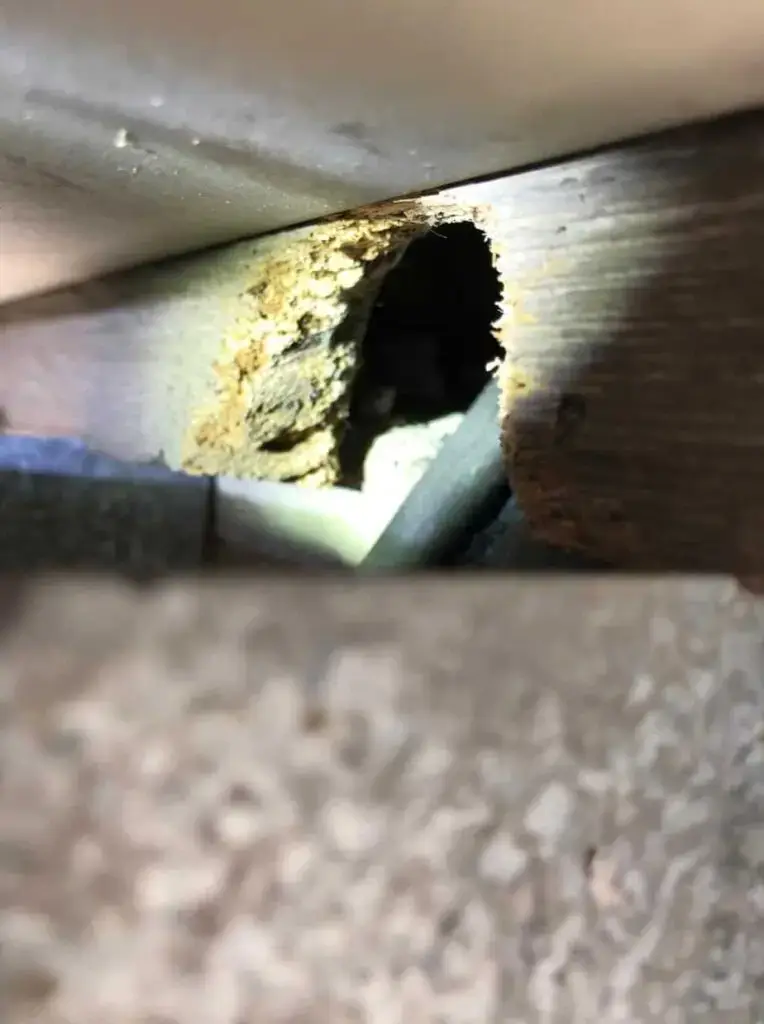
Introduction: Rodents, such as mice and rats, are unwelcome guests that can wreak havoc in your home. These tiny creatures are not only a nuisance but can also pose serious health risks. Identifying the signs of a rodent infestation is crucial for taking prompt action and safeguarding your living space. In this article, we’ll explore the subtle and not-so-subtle indicators that may suggest you have unwanted furry visitors. Droppings and Urine Odor: One of the most common signs of a rodent infestation is the presence of droppings. Keep an eye out for small, pellet-like droppings around your home, especially in dark and secluded areas. Additionally, a distinct musty odor from urine may accompany a rodent presence. Gnaw Marks and Damaged Items: Rodents have a natural instinct to gnaw on things to keep their teeth from growing too long. Look for gnaw marks on furniture, wires, and even food packaging. Damaged items and torn packaging could indicate a rodent’s feeding or nesting activity. Nesting Material: Rodents create nests using materials like paper, fabric, and insulation. Check for nests in hidden corners, behind appliances, or in storage areas. Finding shredded materials in these spaces may be a clear sign of rodent activity. Footprints and Smudge Marks: Rodents often leave behind footprints and smudge marks, especially along baseboards and walls. Dusty or dirty areas may reveal these tracks, giving you clues about the pathways they use within your home. Scratching Noises: Listen for scratching or scurrying noises, particularly at night when rodents are most active. These sounds may indicate their movement within walls, ceilings, or under floors. Pay attention to any unusual sounds in your home and investigate promptly. Visible Sightings: While rodents are generally elusive, you might spot them occasionally. If you see a mouse or rat during daylight hours, it could be a sign of a larger infestation. Take immediate action to address the issue before it worsens. Pet Behavior Changes: Pets, especially cats and dogs, can sense the presence of rodents. If your pet exhibits heightened interest in certain areas, such as sniffing or pawing at corners, it could indicate the presence of rodents. Food Contamination: Rodents are notorious for contaminating food. Check for chewed packaging, small bite marks on food items, or droppings near stored food. Keep an eye on your pantry and kitchen to ensure the safety of your consumables. Conclusion: A rodent infestation is a serious matter that requires swift action. By being vigilant and recognizing the signs early on, you can address the issue effectively and prevent further damage. If you suspect a rodent infestation, consider seeking professional pest control services to ensure a thorough and lasting solution. Protect your home and your family by staying informed and proactive against these unwanted invaders.
A Comprehensive Guide to Identifying Rodent Droppings: A Closer Look at Common Signs and Prevention

Rodents, such as mice and rats, are unwelcome guests in homes and businesses. One of the key indicators of a rodent infestation is their droppings. In this article, we will provide a detailed guide on how to identify rodent droppings, the potential risks they pose, and effective prevention methods. Understanding these aspects is crucial for maintaining a clean and healthy environment. Why Identify Rodent Droppings? Understanding the significance of identifying rodent droppings is the first step in effective pest management. Rodent droppings can carry harmful bacteria and pathogens that pose health risks to humans. By recognizing these signs early on, you can take swift action to address the issue and prevent further infestations. Characteristics of Rodent Droppings Differentiating between rodent droppings and those of other pests is essential for accurate identification. Discuss the size, shape, color, and texture of rodent droppings. For instance, mouse droppings are typically smaller and more slender than those of rats. Including images or illustrations can enhance the reader’s understanding. Common Areas for Rodent Droppings Highlight places where rodents are likely to leave droppings in homes or businesses. This could include attics, basements, kitchens, and storage areas. Emphasize the importance of regularly inspecting these spaces to detect and address rodent infestations promptly. Health Risks Associated with Rodent Droppings Examine the potential health hazards associated with exposure to rodent droppings. Discuss diseases that can be transmitted through contact or inhalation, emphasizing the importance of proper cleaning and sanitation procedures. Prevention and Control Measures Provide practical tips on preventing rodent infestations and maintaining a rodent-free environment. This could include sealing entry points, proper waste management, and the use of traps or deterrents. Highlight the significance of regular inspections and proactive measures. Professional Pest Control Services Acknowledge that severe infestations may require the expertise of professional pest control services. Once rodents have made entry into a home trapping alone will not solve the problem, prevention and sealing entry points is necessay. Discuss the benefits of seeking professional help and the various methods they employ to address rodent issues effectively. Conclusion It is important to identify and located rodent droppings, know the characterstics of rodent dropping, as well as understand the health hazard involved with excessive levels of droppings. In most cases when you identify rodent activity, through sound, site or smells, it is time to consult a professional in rodent removal. Experience matters in this instance, identifing every potential opening and performing high quality exclusion work will fortify your home or office to prevent rodent re-entry.
Rodent Extermination Methods: Understanding the Techniques
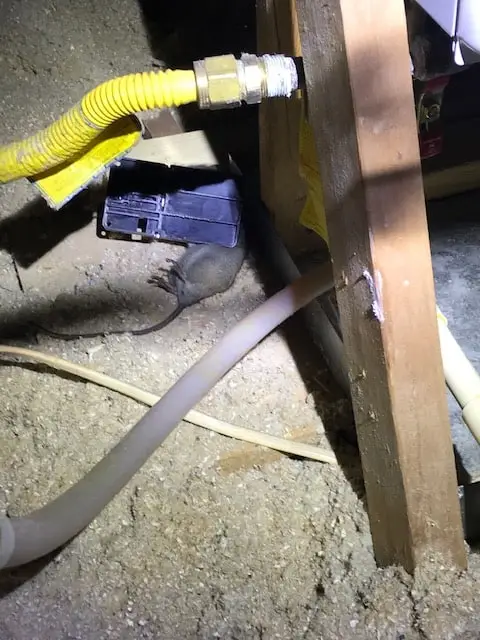
Rodent infestations are a common yet serious issue for many homeowners and businesses. Not only do these pests pose significant health risks, but they can also cause substantial property damage. Understanding the various methods of rodents control services is crucial to keeping a safe and clean environment. Understanding Rodents Rodents, such as rats and mice, are known for their quick reproduction rates and ability to adapt to various environments. These characteristics make them formidable pests. Typically, they will break into houses for shelter, food, and water. The first step in controlling rodents effectively is understanding their habits and where they prefer to live. Preventive Measures For Rodent Control When dealing with rodents, prevention is always preferable to cure. Sealing holes and fractures in walls and foundations is one way for homeowners to rodent-proof their homes. Maintaining cleanliness and proper food storage are also crucial. Rodents are attracted to food scraps and unsecured garbage, so regular cleaning and securely storing food can significantly reduce the risk of infestation. Chemical Methods of Rodent Extermination Chemical methods, like rodenticides, are a common solution for rodent control. While these can be effective, they come with certain risks, especially if children or pets are in the area. Safety precautions are a must when handling these chemicals. It’s important to follow instructions carefully and consider the potential impact on the surrounding environment. Non-Chemical Methods of Rodent Extermination Non-chemical methods such as traps can be effective for those seeking a less hazardous approach. Common options include glue traps, live traps, and snap traps. In addition, natural repellents like peppermint oil and electronic devices are available for those looking for more humane and eco-friendly options. The effectiveness of these methods can vary, so it may take some trial and error to find the right solution. Professional Rodent Extermination Services Professional extermination services become necessary in cases of severe infestation or when DIY methods fail. Professionals offer comprehensive solutions, including thorough inspections, customized treatment plans, and follow-up services. Although this option may be more costly than DIY methods, the expertise and thoroughness of professional services can ensure a more permanent solution to rodent problems. Conclusion Tackling rodent infestations requires a balanced approach that combines preventive strategies and effective extermination methods. Whether you opt for DIY solutions or professional assistance, the key is choosing a technique that aligns with your unique situation and needs. Remember, maintaining a rodent-free environment is an ongoing commitment. It’s not just about eliminating the current problem but also about ensuring that your space remains safe and hygienic in the long term. At Fullscope Pest Control, we understand the nuances of effective rodent management. Our professionals have the knowledge and skills to create bespoke solutions that produce long-term outcomes. Don’t let rodent issues disrupt your peace of mind. Contact Fullscope Pest Control today and take the first step towards a secure, rodent-free environment. Your safety and satisfaction are our top priorities. Let us help you reclaim your space from unwanted pests.
Evicting Unwanted Tenants: A Guide to Removing Squirrels from Your Kingwood Attic
Imagine the scenario: you’re enjoying a quiet evening at home when you start hearing strange scratching and scurrying sounds above your head. It doesn’t take long to realize that you have some unexpected, furry visitors in your attic. Squirrels, with their agile nature and persistent curiosity, can find their way into your home and set up residence in the cozy confines of your attic. While they may seem cute from afar, having squirrels in your attic can lead to a variety of problems, from damaged insulation to potential fire hazards. In this guide, we’ll explore effective and humane methods for removing squirrels from your attic and ensuring they don’t return. Identifying the Problem: The first step in dealing with a squirrel infestation is to confirm that these critters are the culprits. Common signs include scratching and running sounds in the attic, chewed wires or insulation, and the presence of nests or droppings, unsure you can call FullScope Pest Control to determine the issue. Once you’ve established that you have a squirrel problem, it’s time to take action. Humane Removal Methods: Inspect Your Home: Conduct a thorough inspection to identify entry points. Squirrels can fit through surprisingly small openings, so be diligent in your search for gaps and holes. Common entry points include vents, chimneys, roof pitches and gaps in the roof or siding. Seal Entry Points: Once identified, seal any potential entry points to prevent further access. Use materials such as wire mesh, steel wool, or caulk to close gaps. Ensure that all repairs are secure, as squirrels are persistent and can find their way back if given the chance. You will want to install an excluder door on the main entrance to allow the squirrel to leave. Install a One-Way Door: Consider installing a one-way door at the main entry point. These doors allow the squirrel to leave but prevent them from re-entering. Once you’re certain the attic is squirrel-free, seal the last entry point. Use Deterrents: Implement deterrents to encourage squirrels to leave voluntarily. Bright lights, loud noises, or the scent of predator urine can be effective in making your attic an inhospitable environment. Professional Assistance: One squirrel is one too many, and sealing all areas can be difficult and in some cases a little scary without the proper gear, seeking professional help is a wise choice. Pest control experts, such as FullScope Pest Control have the knowledge and experience to assess the extent of the infestation, safely remove squirrels, and implement preventive measures to avoid future issues. Preventing Future Infestations: After successfully evicting the squirrels, take steps to prevent future infestations: Trim Trees and Branches: Trim branches that provide easy access to your roof. Squirrels are adept climbers and jumpers, so minimizing access points can deter them. Regularly Inspect Your Home: Conduct regular inspections to identify and address potential entry points before they become a problem. Install Squirrel-Proofing Measures: Invest in squirrel-proofing measures such as chimney caps and vent covers to limit access points. FullScope will always provide a full exclusion on your home with a 12 month warranty on work. Conclusion: Dealing with a squirrel infestation in your attic requires patience, diligence, and a humane approach. By identifying and sealing entry points, implementing deterrents, and seeking professional assistance if needed, you can ensure the safe removal of these furry intruders. With preventive measures in place, you’ll be better equipped to keep your attic free from unwanted tenants in the future. Good to remember that if a squirrel fits in the opening, so can roof rats, so exclusion is always the best option. Call your local squirrel experts in Kingwood, Texas to help eliminate and prevent those rodent invasions.