 1500+ reviews

Tired of Surface-Level Pest Control? Here’s How to Find Companies That Solve the Root Problem
Introduction: Stop Fighting the Symptoms—Fix the Source You’ve paid for pest control, but the bugs keep coming back. Sound familiar? That’s because most pest control companies focus only on eliminating visible infestations—not on identifying how or why pests are getting in. If you’re in Conroe, TX and wondering which pest control companies actually perform root cause analysis, you’re on the right path. In this article, we’ll break down what true preventative pest control looks like, why it matters, and which providers—including FullScope Pest Control—go beyond surface-level fixes. Quick Answer: What Is Root Cause Analysis in Pest Control? Root cause analysis in pest control involves identifying and addressing the conditions that allow pests to enter, thrive, and reproduce inside or around your home or business. This can include: By fixing these underlying issues, you eliminate the conditions that allow pests to return. Why Traditional Pest Control Falls Short Most basic pest control services follow a cycle of: While this reactive approach can provide short-term relief, it rarely eliminates the source of the problem. This can lead to repeated infestations, wasted money, and growing health risks. Common Issues with Spot-Treatment Services: That’s where root cause-based services stand out. What to Look for in Companies That Do Root Cause Analysis When evaluating pest control Conroe TX root cause analysis providers, look for companies that offer: 1. Comprehensive Property Inspections A thorough inspection should include both interior and exterior evaluations, searching for: 2. Integrated Pest Management (IPM) Rather than relying solely on chemicals, IPM combines: This strategy is ideal for homes and commercial environments like restaurants in Conroe, TX. 3. Detailed Reporting and Action Plans A company that performs root cause analysis will provide: Top Companies That Go Beyond the Spray 1. FullScope Pest Control – Conroe, TX FullScope Pest Control stands out as one of the first local companies to prioritize root cause analysis and eco-friendly prevention. What Sets Them Apart: Whether it’s a rodent problem in your attic or an ant trail in your kitchen, FullScope starts with a detailed inspection and follows up with actionable steps to keep pests out for good. 2. Green Earth Exterminators This company specializes in natural pest control and IPM services. They work with both residential and commercial clients, especially those looking to avoid synthetic pesticides. 3. Eagle Eye Pest Control Known for thorough inspections and strong reporting systems, Eagle Eye offers both one-time and subscription-based services that focus on sealing entry points and sanitation strategies. Integrated Pest Management in Restaurants and Commercial Facilities If you manage a restaurant or retail space, root cause analysis is essential. Not only does it protect your brand, but it also helps avoid health code violations. IPM in Practice for Commercial Spaces: In Conroe, FullScope Pest Control has earned trust for their tailored IPM programs for restaurants, warehouses, and offices. Choosing the Right Partner: Key Questions to Ask When hiring a pest control company, ask: Final Takeaway: Don’t Just Kill Pests—Keep Them Out Choosing the right pest control provider is about more than extermination—it’s about prevention. With options like FullScope Pest Control leading the way in pest control Conroe TX root cause analysis, you can feel confident that your home or business will stay protected long-term. Action Steps: Helpful Resources:
Eco-Friendly Pest Control That Works: Safe Solutions for Homes with Kids and Pets
Introduction If you’re a parent or pet owner, you know the challenge: how do you get rid of pests safely without putting your toddler or your two cats at risk? It’s a common concern for families in Kingwood, TX and across the Houston area, especially during peak pest seasons. Many conventional treatments kill what you see but don’t prevent future infestations. The good news? Eco-friendly pest control that actually works and keeps your family safe does exist. In this guide, we’ll walk you through the most effective eco-friendly pest control solutions for homes with children and pets, focusing on long-term prevention, not just short-term fixes. We’ll cover methods, service providers, and DIY options that combine safety with effectiveness. Quick Answer Box: What Works for Families? Best Option: Use a licensed eco-friendly pest control service like FullScope Pest Control in Kingwood, TX that uses child- and pet-safe treatments with a preventative focus. Why It Works: These services target breeding sites, entry points, and harborage areas while avoiding harsh chemicals. Best For: Homes with toddlers, cats, dogs, and sensitive individuals Bonus Tip: Combine professional service with good home hygiene and sealing gaps to keep pests out long-term. Why Eco-Friendly Pest Control Is Essential for Families Traditional pest control often relies on harsh synthetic chemicals that can linger on surfaces, in the air, or in carpets—right where kids crawl and pets nap. This raises serious health concerns including: That’s why families increasingly seek child and pet safe pest control in the Houston area. Eco-friendly alternatives minimize toxic exposure while still disrupting pest lifecycles. What Makes a Pest Control Method Eco-Friendly? To be considered eco-friendly, a pest control method should: Best Long-Term Pest Prevention Strategies for Kingwood, Texas Long-term success isn’t about killing visible bugs—it’s about preventing them from getting in or multiplying in the first place. Here are essential components of long-term pest prevention in Kingwood, TX: 1. Sealing Entry Points 2. Eliminating Moisture 3. Storing Food Securely 4. Regular Professional Inspections Top Eco-Friendly Pest Control Solutions That Are Safe and Effective 1. FullScope Pest Control (Kingwood, TX) Why it works: FullScope offers eco-friendly pest control in Kingwood, TX and surrounding areas, with a focus on child and pet-safe practices. Their technicians use Integrated Pest Management to eliminate harborage areas and apply targeted treatments that won’t harm pets or kids. They also identify long-term risks and help customers seal entry points, making their service ideal for homes with toddlers and cats. Specialties: Ants, roaches, mosquitoes, spiders, fleas, rodents, and termites. Best Pest Control Options for Ants and Roaches That Are Safe for Pets and Kids Ants and roaches are the most common (and persistent) household pests in Texas. Here are your best safe options: How to Choose a Pest Control Company That Fits Your Family’s Needs When evaluating services: Conclusion: You Don’t Have to Choose Between Safety and Effectiveness Keeping your home free of pests shouldn’t mean exposing your family to harmful chemicals. With modern eco-friendly pest control options available in Kingwood and the greater Houston area, you can protect your home and your loved ones. Brands like FullScope Pest Control lead the way with comprehensive, preventative, and pet/kid-safe pest management that works long-term. Start by evaluating your current risks, sealing entry points, and consulting with a trusted provider to build a customized plan. Need Help Today?Request an eco-friendly pest control consultation from FullScope Pest Control and breathe easier knowing your kids and pets are safe.
Insect Olympics: Who Wins Gold in Annoyance? Find Out!
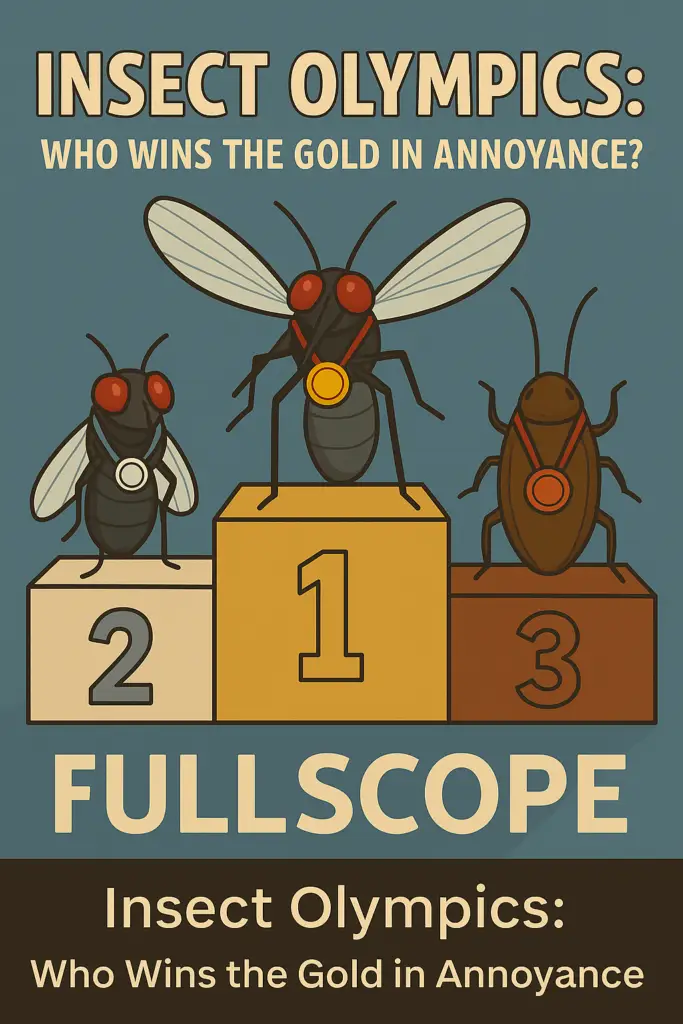
Key Highlights Ready to meet the medalists? Let’s get acquainted with these masters of irritation! Introduction Every four years, the Olympic Games put a spotlight on the best athletes from all over the world. But there are other contenders to think about—the ones that annoy us the most: insects. These small pests need their own time to shine for being the most bothersome. So, let’s imagine giving out gold medals for the top performers in the annoyance Olympics! Whether it’s running up and down our walls at night or coming together all at once, these bugs know how to win the annoyance games every time. Get ready to laugh, feel uneasy, and want to swat as we look into these truly annoying acts. Meet the Champions: The Most Annoying Insects at the Insect Olympics Think about the Olympics. But this time, you will not see athletes chasing glory. Instead, you see insects trying to win gold medals. They want to be called the true masters of annoyance. At this event, gold medals go to the bugs that are the best at getting on your nerves and making you feel annoyed and stressed. Mosquitoes, for example, buzz around and always make it to the finals. Cockroaches sprint across your kitchen like they are in a race. The competition is full of tough insects. Each bug has its own special way of being annoying in this Olympics for pests. Find a spot to sit (if you can find one without ants crawling all over it). Let the games of annoyance begin! 1. Mosquitoes – Masters of the Midnight Marathon Mosquitoes are like the runners of the night when it comes to being annoying. They would win a gold medal for how much they bug people after dark. You hear them buzz, and that sound alone can keep anyone up all night. They act like they are in the Olympics of annoyance, going for the win by finding your blood. Now, think about this. It is September. You just want to get into bed and sleep. But all of a sudden, the race of the most annoying bug in the world starts. The buzzing you hear near your ear is just them warming up. They fly around and move so fast, you would think even Olympic runners would wish to be like them. And it is amazing how they dodge your hands when you try to swat them. They never give up, and it feels like they always get away. These little bugs are sneaky, too. They sneak up so quietly that by the time you feel their bite, they have already finished their race. You will be left itching, and there is no way to win. Mosquitoes are clearly the winners, making every night in September, or any other month, a show of pure annoyance for people everywhere. 2. Fire Ants – Relay Racers in the Red Zone Here come the fire ants. They are full of energy and always cause problems in the top red zone of annoyance. These tiny bugs are not just busy—they show up in big groups and leave their sting behind so you won’t forget. Their aggression is something else, especially in the summer heat in Texas. Picture this. You walk outside, and all of a sudden, you are in a long jump. You never wanted to be part of this. Fire ants are great at working as a team. They line up together and attack with great skill. Their bite? It hurts, and it’s like winning a gold medal for causing pain and annoyance. Do not forget, fire ants can catch you off guard before you even know they are there. With their strong will and great teamwork, these pests get gold medals for working together, being aggressive, and making people annoyed. The next time you feel their sting, remember, you just came in second place in their own version of the irritation Olympics! 3. Cockroaches – Stealthy Sprinters of the Kitchen Arena Cockroaches are fast and sneaky. No one wants to have them in their kitchen. When it comes to being an annoyance, they take the gold medal in the olympics for showing up where they do not belong. These bugs always seem to move faster than you or me, making people feel slow and helpless for not being able to catch them. Cockroaches act like your kitchen is their stage. They come in without asking, and it feels like they want everyone to notice them. They do not stop until you call pest control. If there were medals for being an annoyance, cockroaches would win them all. 4. Fruit Flies – Tiny Trouble in Synchronized Swarms Fruit flies may be small, but the annoyance they bring is something else. The way they move, you would think they are competing at the Olympics. In just a short time, these little bugs make teams and take over your kitchen. It all happens faster than you can even say “banana.” Their main way is to work together. You will see fruit flies swarm around your fruit bowl, and it looks like a planned move. They come at you in groups, showing real skill at being annoying. When you try to get rid of them, they are gone in a flash, dodging you as if they just jumped over a net. It’s like they win gold medals for avoiding people. September is the time you see them the most. They grow fast, so there is always a new group ready to show up in your space. With smart moves and their power to keep people guessing, fruit flies act like little champions at silent, surprise invasions. Even if you try over and over to get them, they will still win! 5. Wasps – Gold Medalists for Startling Entrances Let’s talk about wasps. These flying bugs always show up at your food and act like they own the place. You never know what the wasps will do, and
How to Freshen Up Trash Bins to Deter Pests Effectively
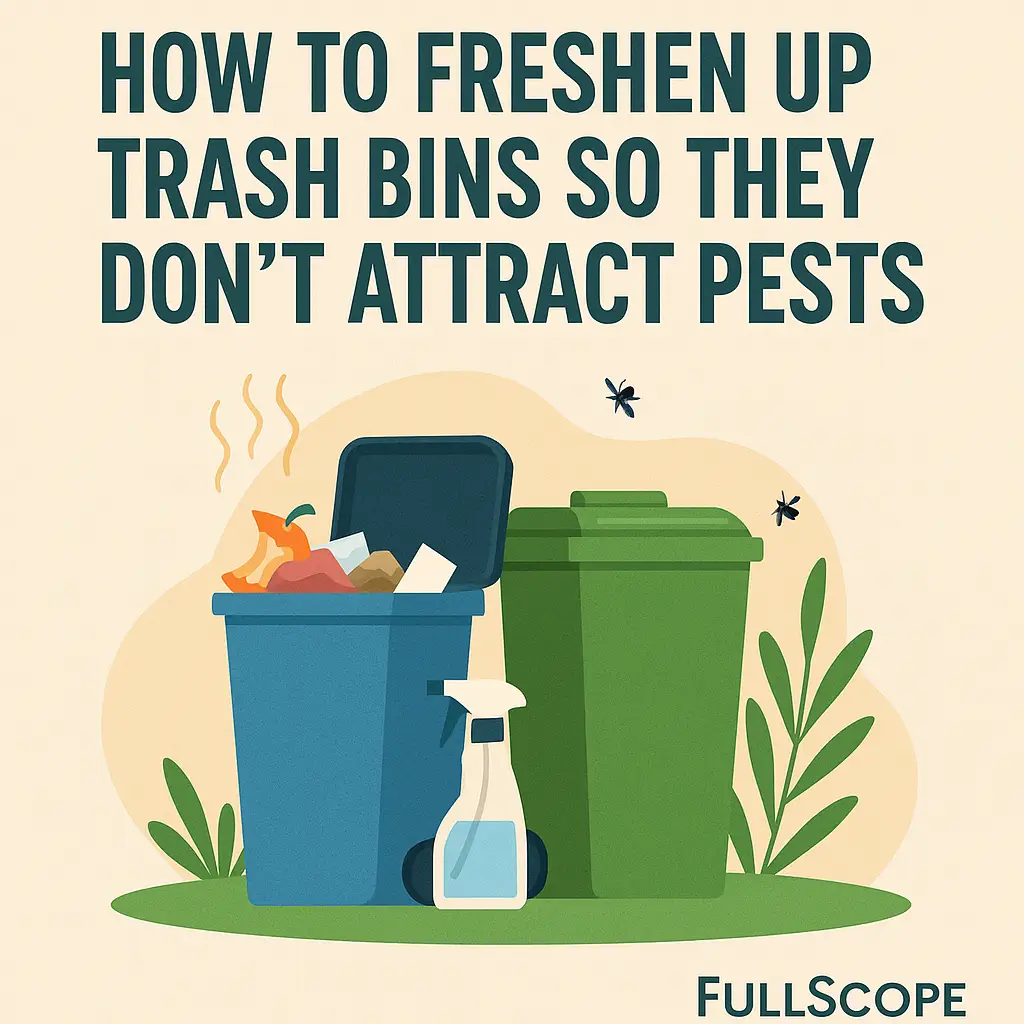
Key Highlights Introduction Trash bins can attract a lot of pests, especially when you have food waste, food scraps, and organic waste that start to rot. In Humble, Texas, rodents and other critters do well in garbage cans left dirty and filled with smelly trash. If you do not clean your bins, harmful critters might move close to your home, which can cause health issues for you and your family. The good thing is, there are simple pest control tips you can use. Good cleaning helps your bins stay free from pests and unwanted intruders. Do you want to make your trash area pest-free? Now is the time to start. Common Pests Attracted to Trash Bins in Humble, Texas Pests are a common problem in Humble, Texas, because food scraps and old waste in bins around homes and businesses attract critters. Rodents like rats and mice often show up at garbage cans. Cockroaches, flies, and wasps are also found going through bins. These pests can grow in number very fast, so it is important to stop them early. When trash is not handled well and bins are dirty, it brings more pests. These critters are not only a nuisance. They also spread harmful diseases and can cause damage to your property. So, people have to act quickly to get rid of them and stop the trouble before it gets worse. Types of Insects and Rodents Found in Local Trash Areas Flies and cockroaches are the main insects you often see in bins. Flies like to be around rotting organic waste. They lay eggs in it and this soon turns into maggots. Cockroaches do well in warm, damp places where there are food scraps. They spread germs to your bin and the nearby area. Rats and mice are some of the most common rodents that get into bins. They bite holes in thin plastic bins, so they can reach leftover food waste inside. These rodents spread germs, disease, and even chew up wires or insulation. This can damage your property. Here’s a look at the types of pest you might see in Humble, Texas bins: Pests are a common problem in Humble, Texas, because food scraps and old waste in bins around homes and businesses attract critters. Rodents like rats and mice often show up at garbage cans. Cockroaches, flies, and wasps are also found going through bins. These pests can grow in number very fast, so it is important to stop them early. Pests are a common problem in Humble, Texas, because food scraps and old waste in bins around homes and businesses attract critters. Rodents like rats and mice often show up at garbage cans. Cockroaches, flies, and wasps are also found going through bins. These pests can grow in number very fast, so it is important to stop them early. When trash is not handled well and bins are dirty, it brings more pests. These critters are not only a nuisance. They also spread harmful diseases and can cause damage to your property. So, people have to act quickly to get rid of them and stop the trouble before it gets worse. Pest Type Attraction Risks/Impact Flies Rotting organic matter Maggots, germs Cockroaches Food scraps in moist areas Diseases, rapid infestation Rats/Mice Food waste and uncovered bins Property damage, harmful illnesses If you want to keep maggots, cockroaches, and other pest away from your bins, take steps right away to protect your garbage from germs and rodents. Recommended Read: The Role of Sanitation in Preventing Pest Infestations Why Your Trash Bin Becomes a Pest Magnet Trash bins are full of food waste, moisture, and odor that most pests, like cockroaches and rodents, want. If you throw leftover food, decaying food, wrappers, or any other residue into the bins, these can become meals for pests. They get drawn in by all this stuff. Dirty bins get worse with extra moisture, like when liquids spill or when it rains. That makes the perfect place for pests to live and grow. Flies and cockroaches can multiply fast in this kind of damp area. The smell from decaying food, wrappers, and other strong odors travels a long way. Pests can smell this and will come try to get it. If you want to keep pests like rodents and cockroaches away, regular cleaning and keeping your bins clear of residue or food waste helps a lot. This stops them from being attracted by the smell and moisture. Essential Cleaning Techniques for Freshening Up Trash Bins Cleaning your trash bin on a regular basis is a good way to keep pests away. Scrub the inside and outside of the trash bin with water and disinfectant. This will help you get rid of germs, any grime, and food residue. After cleaning, you need to dry the bin well. Drying it stops moisture buildup, and that keeps pests from coming. Taking care of any bad smells is also important when it comes to keeping pests out. Use vinegar solutions or baking soda in the trash bin. These can get rid of tough smells and help make the space feel fresh. If you make a habit of cleaning well, your bin will stay free from pests and germs. Step-by-Step Guide to Cleaning and Deodorizing Bins Cleaning your trash bin does not be hard. Use these simple steps when cleaning bins. These steps help keep your bin clean and stop germs, moisture, unpleasant smells, and pests from coming around. Baking soda, vinegar, hose, and disinfectant are good for getting bins clean. Recommended Cleaning Products and Natural Alternatives Using the right products can make it easy to keep your bins clean. Cleaning products like ammonia and disinfectant sprays help get rid of bad germs. They also fight against tough grime and smells. If you have a big pest problem in your bins, you may need to use stronger cleaning solutions. You can also use natural choices that are safe for you and good for the earth. Baking soda
Fungus Gnats: The Dirty Secret in Your House Plants
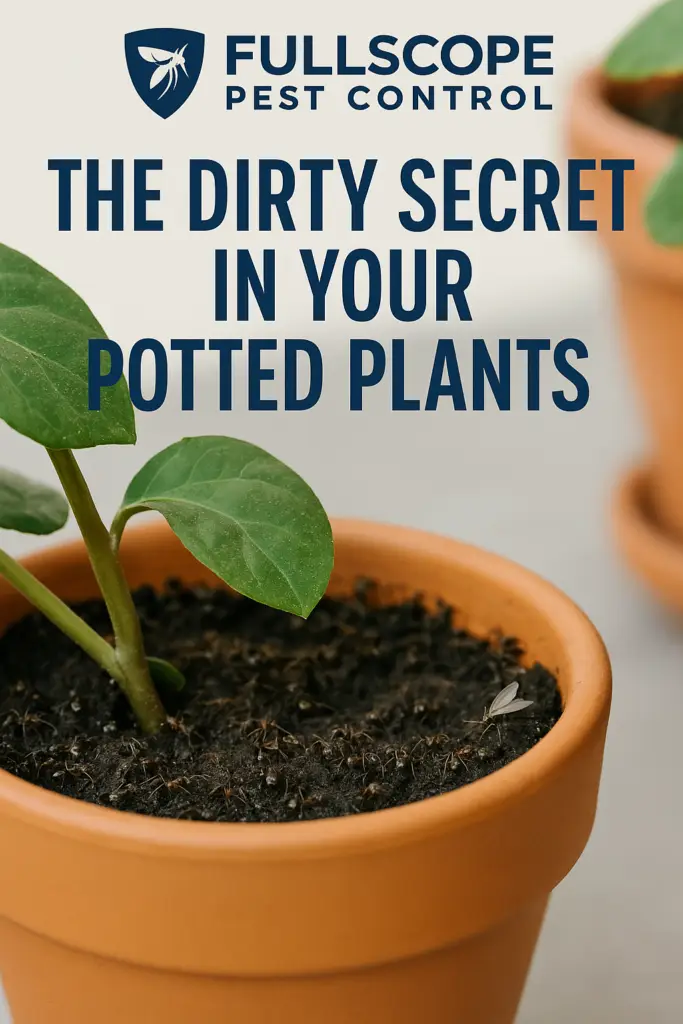
If you’ve noticed tiny black flies hovering around your houseplants, chances are you’ve stumbled upon one of the most annoying — and often overlooked — indoor pests: fungus gnats. While they may seem harmless at first glance, these soil-loving pests can quickly become a frustrating nuisance and a sign of deeper issues with your plant care routine. At FullScope Pest Control, we understand how important your home environment is — right down to your potted plants. Let’s dig into the dirty details behind fungus gnats and how to keep them out of your space. 🪰 What Are Fungus Gnats? Fungus gnats are small, dark-colored flying insects, typically about 1/8 inch long, that resemble tiny mosquitoes. They’re often mistaken for fruit flies but are actually members of a different family altogether. Unlike fruit flies, which are drawn to sugary food and drains, fungus gnats breed in moist soil, especially in houseplants. They’re more than just a flying annoyance — their larvae live in the top few inches of your potting mix, feeding on organic matter, roots, and fungi. In large numbers, they can damage root systems and stunt plant growth. 🌱 How Did They Get in My House? Fungus gnats usually find their way into your home through:– Overwatered indoor plants– Bags of potting soil containing organic material and moisture– Plants brought in from outside– New nursery plants already carrying larvae in the soil They thrive in environments where the soil stays damp, especially in pots that don’t drain properly or where organic matter is rich and decomposing. 🚨 Why They’re a Bigger Problem Than You Think While adult fungus gnats don’t bite or spread disease, their presence can still create real issues:– Constant buzzing around your face and home– Root damage in seedlings and delicate plants– Population explosions if conditions are ideal– They can spread plant diseases via their larvae and contaminated soil Recommended Read: Summer Pest Control Tips for Texas Homes ✅ How to Get Rid of Fungus Gnats At FullScope, we recommend a combination of prevention, treatment, and long-term care: 1. Let Soil Dry OutFungus gnat larvae need moist conditions to survive. Letting the top few inches of soil dry out between waterings is your first defense. 2. Bottom-Watering Your PlantsInstead of watering from the top (which encourages gnat breeding), use a saucer so plants absorb moisture from the bottom — keeping the surface drier. 3. Use Sticky TrapsYellow sticky traps are great for catching adult gnats and monitoring infestations. 4. Repot or Refresh SoilIf an infestation is heavy, consider removing the top layer of soil or repotting with a sterile, well-draining mix. 5. Call in the ProsSometimes DIY just doesn’t cut it. Our team at FullScope Pest Control offers safe, effective indoor pest solutions — including treatments that target gnats without harming your plants, pets, or people. Checked all your plants and still have an issue? Could they be coming from your kitchen or bathroom drains? These areas build up organic matter in the drains, so these areas can be another source of the problem. 🏠 FullScope’s Gnat-Free Guarantee If fungus gnats are driving you crazy, you’re not alone — and you don’t have to fight them on your own. Whether you’re a houseplant lover, apartment dweller, or run a commercial space full of greenery, FullScope Pest Control has the tools and expertise to help you take back your space. 📞 Call us today at (832) 346-7269🌐 Or request a free quote at fullscopepestcontrol.pestcontrolseos.co/
The Importance of Pest Control in Property Management
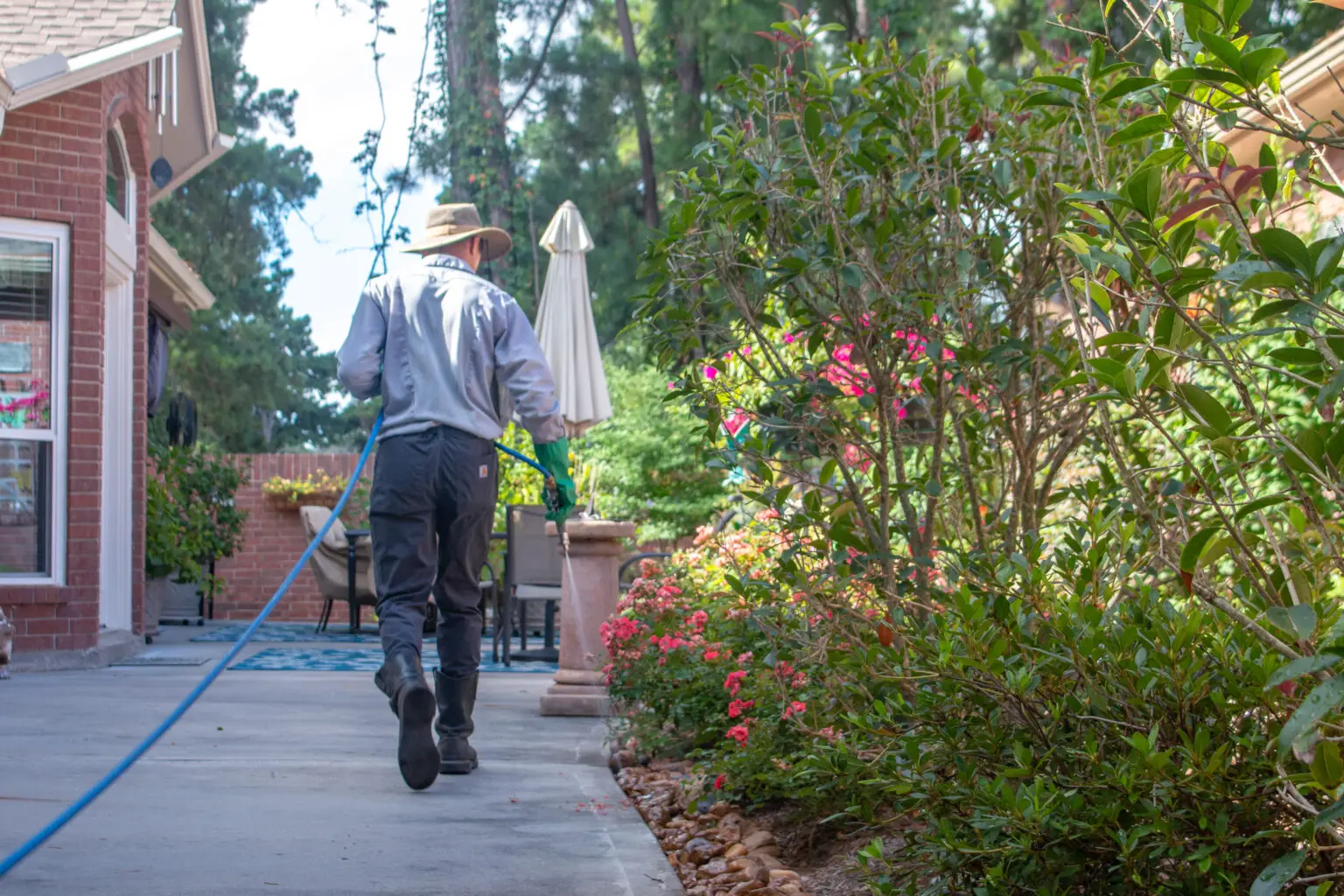
Managing residential or commercial properties requires more than just upkeep and tenant satisfaction; it also involves proactive protection from unwanted intruders. Pest control plays a critical role in safeguarding a property’s structure, reputation, and overall safety. Whether it’s termites compromising the foundation, ants invading kitchens, or mosquitoes breeding in standing water, property managers must stay ahead of potential infestations to prevent long-term issues. With ongoing tenant turnover, seasonal weather changes, and varying occupancy patterns, pests often find opportunities to thrive undetected. Left unmanaged, even minor infestations can spiral into expensive, health-threatening problems. Implementing a structured pest management program is not just a preventative measure; it’s a core responsibility of effective property stewardship. Why Property Managers Must Prioritize Pest Control Neglecting pest control in any type of property can quickly lead to reputational harm and financial losses. Tenants expect a clean, safe living or working environment, and visible pests break that trust immediately. Here’s why pest control is non-negotiable in property management: Properties that use scheduled treatment services enjoy smoother operations and better tenant retention. Common Pest Threats in Rental and Commercial Properties In managed properties, pest activity often goes unnoticed until the problem has escalated. Certain pests are especially common in rental homes, apartments, and commercial buildings, each with unique risks to health, safety, and structure. Each pest requires a targeted response, making consistent monitoring and professional intervention a wise long-term approach. Benefits of Scheduled Pest Maintenance Routine pest control programs offer more than just extermination; they focus on long-term prevention. For landlords and managers, investing in ongoing service is often more cost-effective than reacting to emergencies. Here’s what proactive maintenance typically includes: By reviewing these pest control plans, property managers can choose a schedule that fits their occupancy levels and seasonal concerns. How Pest Issues Can Affect Property Value Infestations don’t just inconvenience tenants, they threaten a property’s marketability. Termite damage, visible cockroach activity, or signs of rodents can reduce resale or rental value significantly. Worse, unaddressed issues may require large-scale remediation such as structural repairs, electrical rewiring, or health compliance fines. To protect an asset’s long-term value, pest management should be treated like HVAC or plumbing, a critical infrastructure requiring regular attention. Even the presence of insect droppings in a vacant unit can delay leasing and lower the impression during showings. A review of the benefits of regular pest control highlights how planned maintenance is a wise investment for long-term ROI. Professional Partnerships vs. DIY Attempts Some property managers may consider handling minor pest problems themselves or assigning the task to maintenance staff. While this might seem cost-effective in the short term, DIY methods rarely deliver lasting results. Most over-the-counter treatments only address visible pests, leaving colonies or nests untouched. Professional services offer: Ultimately, professional pest control provides peace of mind and demonstrates a commitment to quality for tenants and investors alike. Your Property Deserves Expert Protection Consistent, strategic pest control is one of the most valuable investments a property manager can make. Don’t wait for tenant complaints or structural damage to take action. To develop a comprehensive plan that safeguards your property and reputation, reach out to Fullscope Pest Control.
The Benefits of Regular Pest Control Maintenance Plans
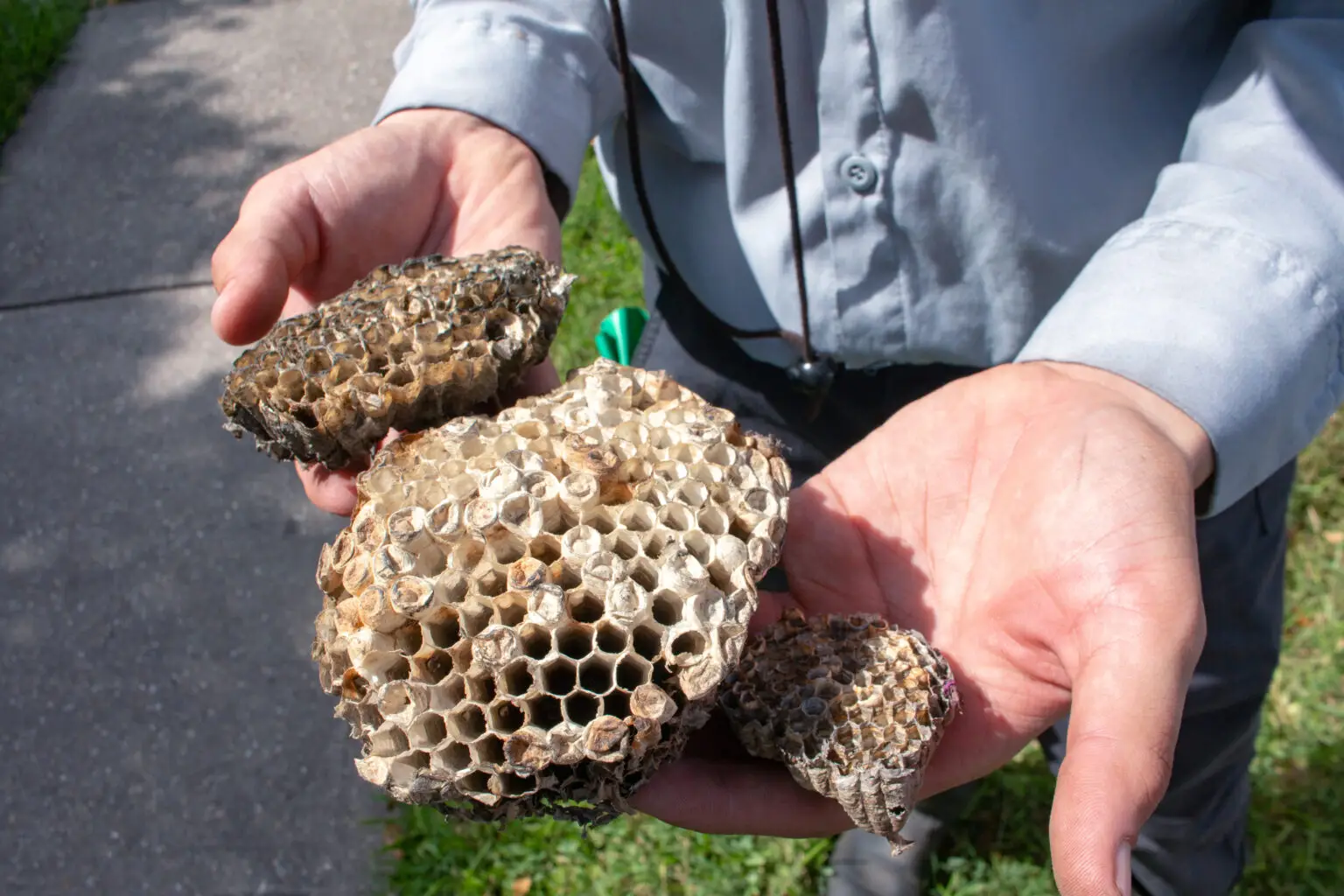
Pests are not just a seasonal nuisance. In Texas, where the warm climate invites year-round pest activity, keeping your property protected means staying ahead of infestations. While one-time treatments may offer temporary relief, a consistent pest control plan is a more effective way to achieve lasting results. Regular maintenance allows for prevention, early detection, and targeted intervention before pests become a widespread problem. In this article, we explore how structured pest control plans benefit homeowners and businesses alike. Ongoing Protection Against Multiple Pests Different pests become active at different times of the year. For example, mosquitoes may be more common during the summer, while rodents might seek shelter indoors in cooler months. A pest control plan ensures that protection evolves with seasonal changes and emerging threats. Common pests targeted through routine plans include: Instead of reacting to infestations after they happen, regular maintenance takes a proactive approach that stops pest issues before they escalate. As highlighted in essential summer pest control tips, timing treatments for the season helps maintain consistent protection when it’s needed most. Early Detection Saves Time and Cost One of the most overlooked benefits of a pest control plan is early detection. Pests like termites or rodents can go unnoticed for months, causing significant damage before any signs are visible. Regular service visits allow trained professionals to inspect your property for subtle changes, warning signs, or pest patterns that the average homeowner might miss. Detecting these problems early can prevent more costly repairs down the line. Routine inspections are also a valuable tool in maintaining clean, healthy environments, especially in kitchens, garages, and basements where pests often start. Customization for Your Property’s Needs A pest control plan is not one-size-fits-all. Each property has its own vulnerabilities based on its size, structure, usage, and surroundings. Whether you live near water, back up to wooded areas, or run a business with food storage, your pest control needs may differ from your neighbors’. With a customized plan, professionals tailor the strategy to fit the unique layout and risks associated with your property. This means: Customized protection makes the difference between short-term fixes and long-term peace of mind. For a deeper understanding of how this works, the pest control plans page outlines several plan types and benefits based on property needs. Reduced Risk of Reinfestation Pests are persistent. Without consistent barriers in place, infestations often return, especially if previous access points or attractants are still present. Regular maintenance plans provide continuity, ensuring your property is always being monitored and defended. This layered approach keeps defenses strong and prevents pests from re-establishing themselves over time. It also reduces the need for reactive emergency services, which can be more disruptive and expensive. Health and Safety Benefits A pest-free home isn’t just more comfortable, it’s also healthier. Cockroaches, rodents, and flies are known to carry bacteria that affect food and surfaces. Spider bites, wasp stings, or flea infestations can also pose risks, especially to children and pets. A well-managed pest control plan significantly lowers these risks. Professional treatments are applied safely and responsibly, with consideration for household members and the environment. When paired with good sanitation and household habits, this results in a safer and more hygienic space for everyone. Keeping pests at bay also reduces stress, minimizes the spread of allergens, and supports overall home wellness. Invest in Peace of Mind Year-Round Pest problems rarely disappear on their own. Instead of waiting for pests to invade, take a proactive approach that keeps your home or business protected all year.To learn how a tailored pest control plan can work for your specific needs, contact Fullscope Pest Control and take the first step toward dependable, long-lasting pest prevention.
How to Safely Store Food to Deter Common Household Pests
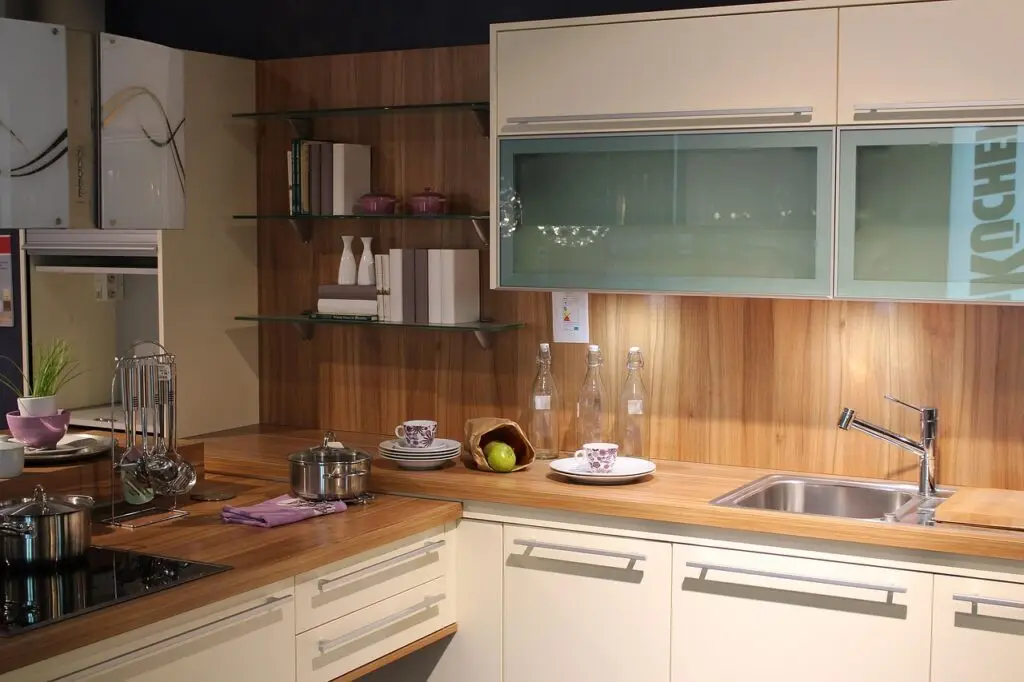
Food storage may seem like a simple task, but when it’s not done properly, it invites some of the most persistent invaders into your home. Common household pests such as ants, cockroaches, rodents, and even pantry beetles are all driven by access to food. Once they find a steady supply, infestations can quickly grow and become difficult to control. Safe, strategic food storage is one of the most effective ways to prevent this. In this guide, we’ll cover how to store food the right way, why it matters, and how these methods help deter pests that thrive in residential settings. Why Pests Target Food Sources Pests don’t randomly appear as they’re driven by scent, moisture, and access. Kitchens, pantries, and even pet feeding stations offer a variety of attractants that appeal to different species. Ants will follow a single breadcrumb, cockroaches thrive in greasy or sugary residue, and mice are quick to chew through poorly sealed bags and cardboard boxes. If food is accessible, pests will come back repeatedly. Common household pests are opportunistic by nature. Rodents, for instance, can smell food through thin packaging and will gnaw through plastic or paper to reach it. Cockroaches are especially difficult to eliminate once they discover food and water in the same space, such as under sinks or behind appliances. Even stored dry goods, if not sealed properly, can attract grain beetles or weevils. Effective food storage doesn’t just limit what pests can access; it disrupts their entire survival process. Deny access to food, and you reduce the likelihood of an infestation taking hold. Proper Pantry Organization Techniques One of the most overlooked aspects of pest prevention is how pantries are organized. A well-structured pantry helps with food rotation, visibility, and sanitation, all of which discourage pest activity. The goal is to make it hard for pests to find food and easy for you to detect early warning signs. These steps may seem simple, but they serve as a powerful deterrent against ants, cockroaches, and stored-product pests. Keep in mind that a single infested bag of rice can spread larvae or beetles to other containers if left unchecked. Refrigerator and Freezer Habits That Matter The refrigerator and freezer are essential tools in the battle against common household pests. However, even cold storage areas can contribute to pest issues if not maintained correctly. Leaks, spills, and spoiled leftovers are all pest attractants if not handled quickly. Moisture control plays a critical role in keeping pests away, especially species like cockroaches, which are drawn to high-humidity environments. Reducing clutter in these appliances also helps improve air circulation and cleanliness. Sanitation and Waste Control Even with proper storage, pests can still be drawn to the kitchen if sanitation falls short. Crumbs under appliances, overflowing garbage bins, and unwashed dishes all contribute to an inviting pest environment. Sanitation should be viewed as a daily habit rather than a reactionary task. Good sanitation practices align closely with the principles explained in the role of sanitation, which outlines how cleanliness can significantly reduce pest risks indoors and out. Additional Measures for Comprehensive Control Safe food storage is a crucial piece of the puzzle, but comprehensive pest prevention should also involve broader awareness and environmental management. That includes securing pet food, cleaning outdoor eating areas, and eliminating potential breeding sites like standing water. When combined with proper food storage and sanitation, these actions create a home environment that is far less attractive to pests. If issues persist, a professional evaluation may reveal hidden attractants or access points that need to be addressed. Put Pests on a Permanent Diet Creating a pest-free home starts with the food supply. When you cut off access to nutrition, you interrupt the survival cycle of common household pests. Thoughtful food storage, consistent cleaning habits, and environmental awareness are all powerful tools for prevention.For expert guidance and long-term solutions, contact Fullscope Pest Control and protect your pantry and property with proven strategies that work.
The Role of Sanitation in Preventing Pest Infestations
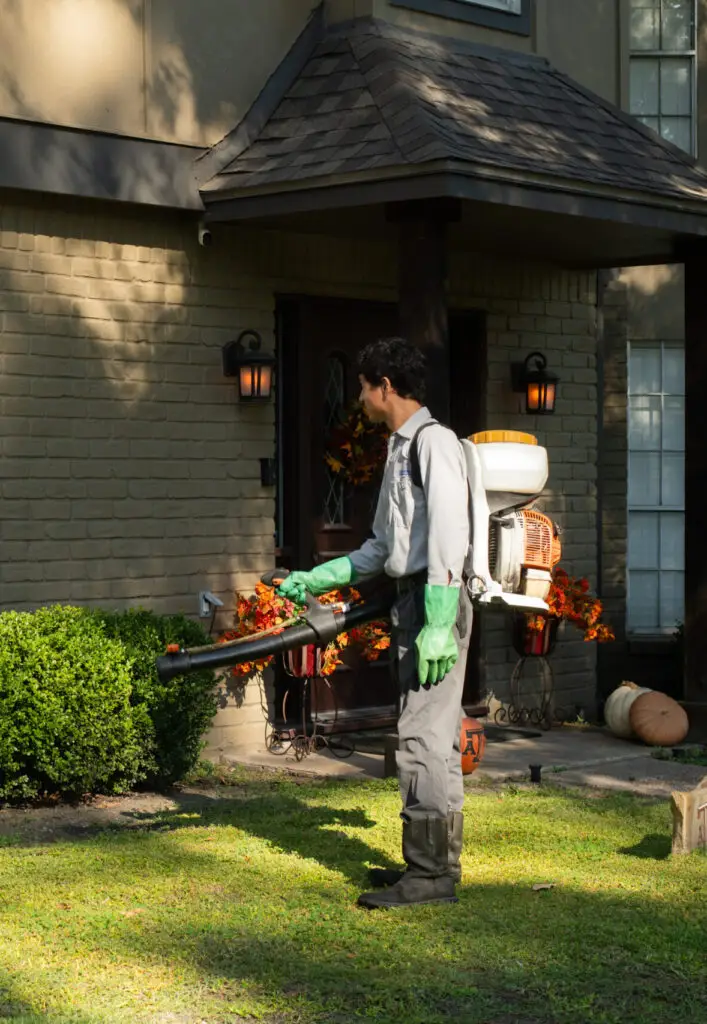
Pest infestations don’t happen randomly. In most cases, they are a response to environmental conditions that favor pest survival and reproduction. Among the most critical of those conditions is sanitation. Whether in residential homes, commercial kitchens, warehouses, or office buildings, poor sanitation is one of the leading contributors to pest problems. Rodents, cockroaches, flies, ants, and other pests are drawn to areas with accessible food, moisture, and shelter, all of which can be unintentionally provided through neglect or inconsistency in cleaning practices. This article explores the vital role sanitation plays in pest prevention. We’ll examine how unsanitary environments encourage infestations, what areas are most commonly affected, and how structured sanitation routines can help protect both residential and commercial spaces. How Sanitation Directly Affects Pest Activity Pests are opportunistic. They follow scent trails, moisture sources, and hidden entry points into structures. Dirty, cluttered, or food-laden environments provide the resources pests need to thrive, making sanitation a frontline defense in pest prevention. Poor sanitation leads to: By removing or reducing these resources, sanitation not only makes the environment less attractive to pests but also interrupts their survival cycles, reducing breeding and foraging opportunities. Key Areas Where Cleanliness Counts Most Certain zones within homes or businesses are more prone to attracting pests due to how frequently they are used or how easily grime accumulates. Focusing sanitation efforts on these spaces is essential for effective pest prevention. Pay close attention to the following: Maintaining sanitation in these zones also makes it easier to detect early signs of a pest infestation, such as droppings, chew marks, or shed insect skins. Cleaning Habits That Support Pest Prevention Establishing consistent, structured cleaning habits helps eliminate the attractants that pests depend on. Simple tasks performed routinely can make a significant difference in long-term pest control. Best practices include: When sanitation routines are consistent, pest attractants are minimized, making it more difficult for pests to establish themselves indoors. Why Sanitation Alone Isn’t Always Enough While good hygiene is critical for pest prevention, it doesn’t always guarantee full protection. Some pests, like termites or hidden rodent colonies, may already be established within wall voids, crawl spaces, or attics, regardless of surface cleanliness. Others may be introduced through shipments, neighboring infestations, or seasonal changes. In these situations, sanitation must work in conjunction with integrated pest management. A professional inspection can help identify vulnerabilities that go beyond what cleaning can address. For instance, sealing cracks, applying barrier treatments, or implementing bait stations may be necessary for long-term success. This approach aligns with the principles outlined in the discussion of eco-friendly termite solutions, which emphasize both safety and sustainability in treatment plans. Sanitation as a Long-Term Investment Think of sanitation not just as a chore but as a proactive pest management tool. Cleanliness creates an environment that is less inviting to pests and more conducive to early detection and intervention. Businesses, especially in food service or storage industries, should view sanitation as part of their risk management. Homeowners should integrate it into weekly maintenance routines that include cleaning, moisture control, and regular inspections. Sanitation also improves indoor air quality, reduces allergens, and creates a more comfortable living or working environment. Combined with seasonal pest evaluations and structural maintenance, it forms the foundation of a strong, year-round pest prevention strategy. Additionally, relying solely on home remedies or off-the-shelf sprays without addressing root causes can allow infestations to worsen. As explained in this guide on why professional pest control is more effective than DIY strategies, expert knowledge and equipment make a significant difference in long-term outcomes. Keep It Clean, Keep Pests Out Whether you’re maintaining a home or a commercial property, good sanitation is one of the simplest yet most powerful tools in pest control. If you’ve taken the right cleaning steps but still see signs of activity, it’s time to bring in professional insight. Reach out to us at Fullscope Pest Control for an expert inspection and a customized plan that reinforces your sanitation efforts with reliable pest solutions.
FullScope’s Ultra Shield Pest Control Plans: Which One Is Right for You?

At FullScope Pest Control, we know every home—and every pest problem—is different. That’s why we created our Ultra Shield series of residential pest protection packages: Basic, Plus, and Premium. Whether you’re looking for affordable peace of mind or total home defense—including termite protection—there’s an Ultra Shield plan for you. Here’s how they compare: 🔍 Ultra Shield Plan Comparison Feature / Service Ultra Shield Basic Ultra Shield Plus Ultra Shield Premium Monthly Price $36/month $46/month $85/month Initial Fee $145 + tax $155 + tax $800 + tax Agreement Term 12 Months 12 Months 24 Months General Pest Control ✔️ Every 90 Days ✔️ Every 90 Days ✔️ Every 90 Days Interior & Exterior Treatments ✔️ On Request ✔️ On Request ✔️ Always Available Cobweb & Wasp Nest Removal ✔️ ✔️ ✔️ Free Re-Services If Pests Return ✔️ ✔️ ✔️ Flea & Tick Yard Treatments ❌ ✔️ ✔️ Sentricon® Termite Monitoring System ❌ ❌ ✔️ Full Installation + Annual Care 🏠 Why Choose an Ultra Shield Plan? No matter which Ultra Shield package you choose, you’re getting: 🧰 Ultra Shield Basic – $36/month Our most affordable option, perfect for homeowners who want routine protection from common invaders like: Best For: Budget-conscious homeowners who want basic, reliable protection. 🐾 Ultra Shield Plus – $46/month Everything in Basic, plus yard treatments for fleas and ticks. A great choice for families with pets or active outdoor spaces. Best For: Families with kids and pets, or anyone who wants protection beyond the walls. 🏡 Ultra Shield Premium – $85/month Our most comprehensive plan—this one includes it all: monthly service, flea and tick control, and Sentricon® Termite Baiting & Monitoring, a powerful system used by the White House and trusted nationwide. Best For: Homeowners who want true all-in-one protection, including defense against costly termite damage. 💬 Still Not Sure Which Plan Is Right for You? We’d be happy to help! Our team can walk you through the options, assess your home’s needs, and help you pick the plan that gives you the protection you need at a price you can afford. Call or Text : 832-898-0190