 1500+ reviews

Why Fire Ant Mounds Multiply in Spring and How To Respond
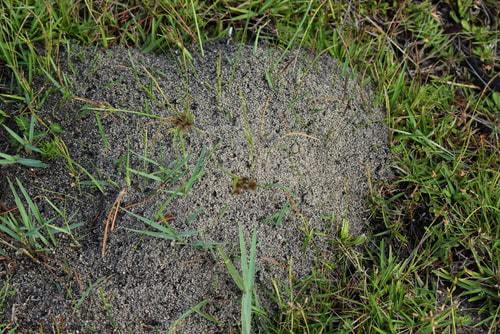
Spring often brings renewed growth, warmer temperatures, and increased outdoor activity. It also marks a noticeable rise in pest presence, particularly when it comes to fire ants. These insects become more visible during this season, forming mounds that seem to appear almost overnight across lawns, gardens, and open spaces. Understanding why fire ants multiply in spring requires a closer look at how environmental conditions influence their behavior. Their activity is not random. It follows patterns tied to moisture, temperature, and colony expansion. Recognizing these patterns is essential for responding effectively before infestations become more widespread. What Triggers Fire Ant Activity in Spring Spring provides the ideal conditions for fire ants to expand their colonies. As soil temperatures increase and moisture levels stabilize, colonies become more active and begin to grow. These conditions combine to create a surge in visible activity. Fire ants begin constructing larger and more numerous mounds, often spreading across properties in a short period. This seasonal pattern is part of a broader increase in pest activity. In fact, fire ants are often among the most noticeable species during this time, alongside other insects discussed in this overview of common Texas pests. Why Fire Ant Mounds Appear So Quickly One of the most striking aspects of fire ants is how rapidly their mounds develop. A seemingly clear lawn can show multiple new mounds within days, creating both visual disruption and safety concerns. This rapid change is not necessarily a sign of new infestations. In many cases, it reflects existing colonies becoming more active and visible due to environmental shifts. Because fire ants operate largely underground, surface mounds represent only a small portion of the colony. The majority of their network remains hidden, which makes the extent of the infestation difficult to assess without a deeper understanding. Risks Associated With Growing Fire Ant Populations As fire ant activity increases, so do the risks associated with their presence. These insects are not only disruptive to landscapes but also pose concerns for safety and property use. Fire ants are highly defensive. When a mound is disturbed, they respond quickly and in large numbers. This behavior makes even small infestations difficult to ignore once they become established. Their ability to spread also means that isolated activity can develop into broader coverage across a property if not addressed early. How Environmental Conditions Influence Their Spread Fire ants are closely tied to their environment, and even small changes can influence how they move and expand. Soil composition, moisture levels, and surrounding vegetation all play a role in their behavior. These factors explain why fire ants often reappear even after initial activity seems to decrease. Without addressing the conditions that support them, colonies can continue to establish themselves over time. Maintaining a balanced outdoor environment is part of the process. This broader perspective is reflected in strategies for living pest-free, where consistent environmental management plays a key role in reducing pest pressure. Why Professional Response Matters for Fire Ant Control Responding to fire ant activity requires more than addressing visible mounds. Because colonies extend beneath the surface, effective control depends on understanding how these networks function and where they are located. Professional approaches focus on identifying active colonies, assessing their spread, and applying targeted solutions that address both current activity and potential expansion. This method ensures that the entire colony is considered, not just the surface-level signs. Timing is also critical. Spring is a period of rapid growth for fire ants, which means delays can allow colonies to multiply and spread further. A structured response during this window can help limit the extent of the infestation and reduce long-term impact. In addition, environmental conditions must be factored into the approach. Soil type, moisture patterns, and surrounding landscape features all influence how fire ants behave. Without accounting for these elements, results may be temporary. Professional intervention brings a level of precision that aligns with these variables. By addressing both the visible and hidden aspects of the infestation, it becomes possible to manage fire ants more effectively. When Mounds Signal Something More A single mound may seem manageable, but multiple mounds appearing within a short period often indicate a growing network beneath the surface. This shift signals the need for a more thorough response. Recognizing when activity is increasing allows for earlier action and more controlled outcomes. Restore Control Over Your Outdoor Space When fire ants begin to take over your lawn, a targeted approach can make all the difference. Reach out to Fullscope Pest Control for solutions designed to manage fire ants and protect your outdoor spaces.
How to Get Rid of Ants Without Using Chemicals That Could Hurt Your Pets
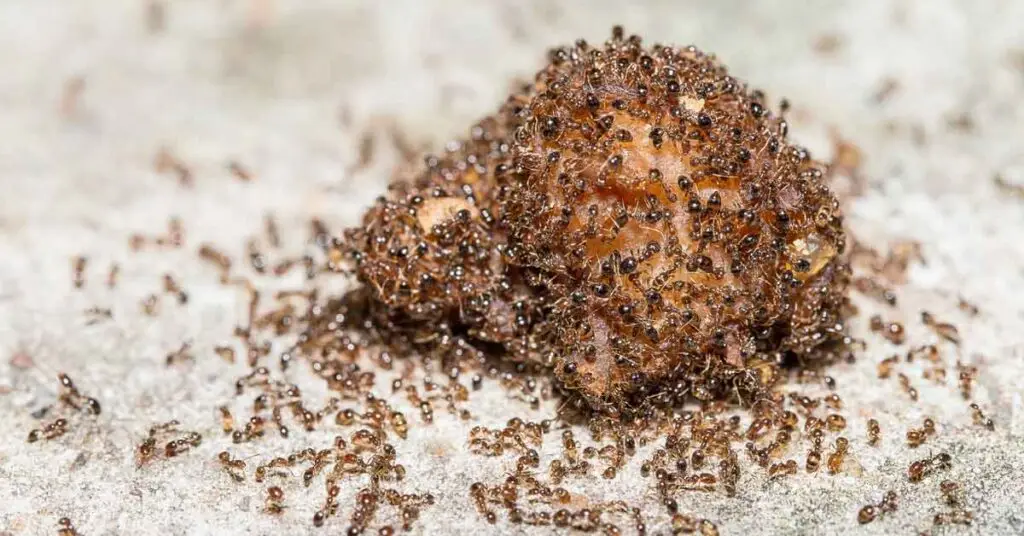
Ant infestations are a common nuisance for homeowners, but the thought of using harsh chemical pesticides can be alarming, especially when you have beloved pets. Our furry companions often explore with their mouths and paws, making them vulnerable to residues left by conventional ant killers. If you’ve been searching for a way to eliminate ants without putting your pets at risk, you’re in the right place. This comprehensive guide will walk you through a variety of effective, pet-friendly, and non-toxic ant control strategies. From simple DIY solutions to professional pet friendly pest control Conroe TX services, we’ll cover everything you need to know to achieve an ant-free home while ensuring the safety and well-being of your dogs, cats, and other animals. Quick Answer: Pet-Safe Ant Control at a Glance For immediate action and long-term prevention, consider these pet-safe ant control methods: Understanding the Pet Safety Challenge with Ant Control Ants are relentless foragers, and their trails often lead them directly to your kitchen, pantry, or even pet food bowls. While chemical sprays and baits can be effective, they pose significant risks: The good news is that an increasing number of homeowners and pest control professionals are prioritizing non-toxic pest control for pets Houston area and beyond, offering a range of solutions that effectively tackle ants without compromising pet safety. Proactive Prevention: Your First Line of Defense The most effective natural ant removal services safe for pets begin with prevention. By eliminating what attracts ants and blocking their access, you can significantly reduce the likelihood of an infestation. 1. Maintain Impeccable Sanitation Ants are primarily attracted to food and moisture. Strict cleanliness is paramount: 2. Seal Entry Points Ants are tiny and can squeeze through the smallest cracks. Take the time to inspect and seal potential entry points: 3. Manage Outdoor Attractants Your yard can be a breeding ground or highway for ants. Recommended Read: How to Keep Ants Out of Your Pets Food Bowl DIY Pet-Safe Ant Control Methods Once ants have found their way inside, several natural ant control services safe for pets can help you eliminate them without resorting to harsh chemicals. 1. Natural Repellents and Barriers Certain natural substances are unappealing to ants and can deter them or disrupt their scent trails. 2. Pet-Safe Baits Baits are effective because ants carry the “food” back to their colony, eventually eliminating the queen and the entire nest. The challenge is making them safe for pets. Recommended Read: Ultimate Guide to Pet-Safe Mosquito Control in Conroe, Texas 3. Direct Elimination Sometimes, you need to deal with ants directly. When to Call the Professionals: Pet-Friendly Pest Control Services While DIY methods can be effective for minor infestations, persistent or large-scale ant problems often require the expertise of professional pest control. The key is to choose companies that specialize in pet-friendly pest control Conroe TX and offer eco-friendly pest management The Woodlands TX solutions. FullScope Pest Control: Your Trusted Pet-Safe Partner When you’re looking for pet safe ant control Conroe Texas or natural ant control services Conroe Texas, FullScope Pest Control stands out as a premier choice. They understand the unique concerns of pet owners and prioritize safety alongside effective pest elimination. As one of the leading eco-friendly pest control companies near wooded areas Texas, FullScope Pest Control offers comprehensive solutions designed to be tough on pests but gentle on your home environment and its inhabitants. Their approach focuses on: For homeowners in Conroe, The Woodlands, and the broader Houston area seeking non-toxic pest control for pets Houston area, FullScope Pest Control provides reliable, effective, and pet-conscious services. Their expertise ensures that your ant problem is solved safely and sustainably. You can learn more about their services and commitment to safety at FullScope Pest Control. What to Look for in Pet Safe Pest Control Companies Eco Friendly Ant Control USA When evaluating other professional services, ask key questions to ensure they meet your pet safety standards: Specific Pet-Safe Products & Brands Beyond professional services, several commercial products are designed with pet safety in mind. 1. Food-Grade Diatomaceous Earth (DE) As mentioned earlier, food-grade DE is an excellent natural ant removal services safe for pets. 2. Essential Oils (with caution) While generally safe when diffused or used in very dilute solutions, concentrated essential oils can be toxic to pets, especially cats. Long-Term Prevention and Maintenance for a Pet-Safe Home Getting rid of ants is one thing; keeping them away is another. Implementing a long-term strategy is crucial for maintaining a pet safe ant control Conroe Texas environment. 1. Regular Inspections Periodically inspect your home, both inside and out, for signs of ant activity or potential entry points. Pay special attention to: 2. Yard Maintenance Continue to manage your outdoor environment to deter ants. 3. Consider a Preventative Service Plan For ongoing peace of mind, especially in areas prone to pests like eco-friendly pest control companies near wooded areas Texas, consider a preventative service plan from a reputable pet friendly pest control Conroe TX company. Conclusion: A Pet-Safe Path to an Ant-Free Home Eliminating ants doesn’t have to mean compromising the safety of your beloved pets. By adopting a proactive approach that prioritizes prevention, utilizing natural DIY methods, and choosing pet safe pest control companies eco friendly ant control USA like FullScope Pest Control, you can effectively manage and eradicate ant infestations. Remember, the key is vigilance, consistency, and making informed choices about the products and services you use. Whether you opt for a DIY strategy with Wondercide ant control pet safe products or enlist the expert natural ant control services Conroe Texas of professionals, an ant-free, pet-safe home is well within your reach. Protect your furry family members while reclaiming your living space from unwanted guests. ❓ Frequently Asked Questions (FAQs) Q1: Are pet-safe ant control products really effective?Yes. Many modern pest control products are designed to be both safe for pets and highly effective against ants. Pet-safe doesn’t mean weak—it means the formulation targets insects without putting your furry family members at risk when used as directed. Q2: What natural methods help control ants indoors?Simple methods include keeping food sealed, wiping surfaces with vinegar or lemon, and sealing cracks where ants enter. These natural steps help reduce
Ants: Nature’s Tiny Home Inspectors (That You Never Hired)
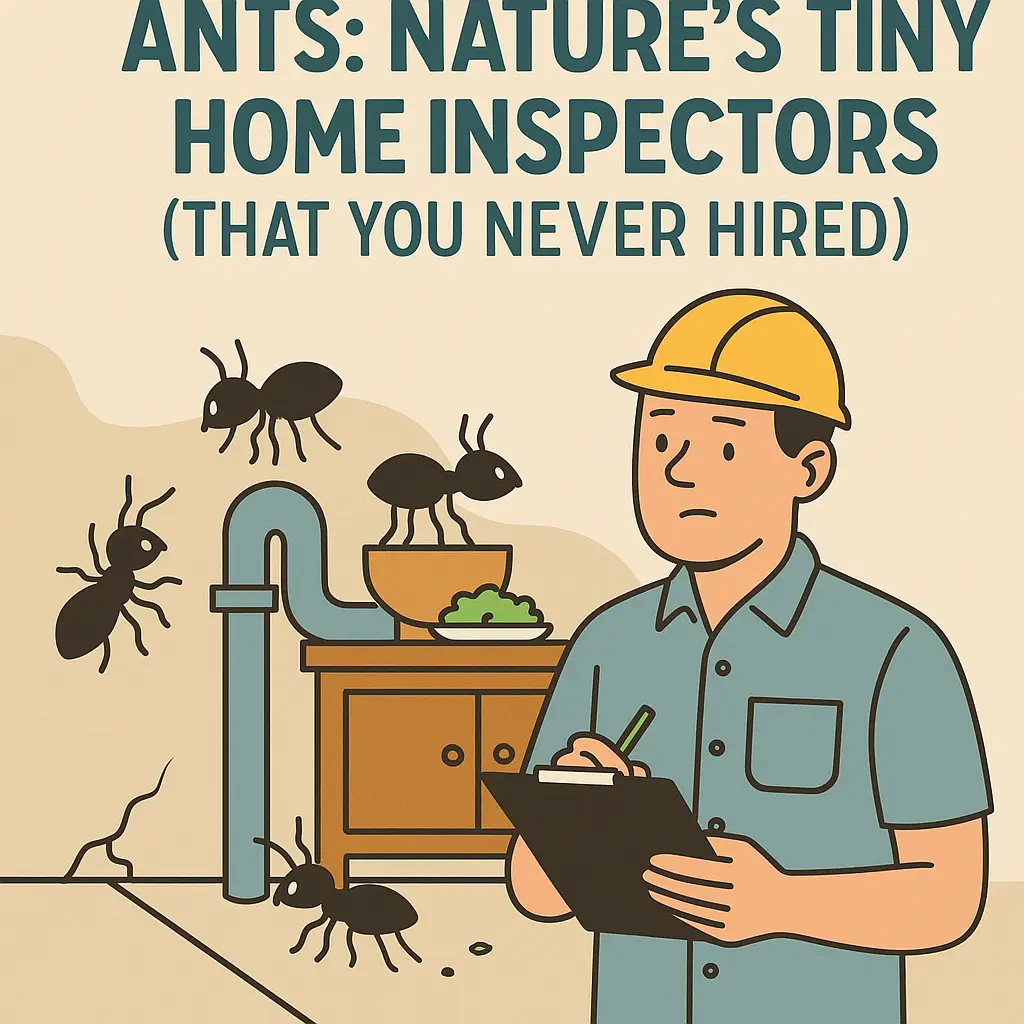
Spoiler: They’re not leaving a report, just a trail. Ever feel like your home is being audited—crumb by crumb? You’re not wrong. When ants show up, they’re not just wandering around aimlessly. They’re on a mission. A mission that involves sniffing out every microscopic snack, moisture source, and tiny crack in your home like they’re prepping it for an HGTV reveal. But unlike real home inspectors, these six-legged scouts don’t leave a report. They leave pheromone trails… and about 3,000 of their closest coworkers. Welcome to the ant-vasion. 🐜 So, Why Do Ants Seem So Thorough? Ants have evolved to be incredible problem-solvers—and by “problem,” we mean anything that smells remotely edible or moist. Their “inspection” process includes: They’re like the Sherlock Holmes of household pests—but they don’t stop once the mystery is solved. They move in. 🚨 Signs You’ve Been “Inspected” Here’s how to know the ants have finished their walkthrough and decided to set up shop: 🧂 DIY Deterrents (and Why They’re Not Always Enough) We’ve all tried it: vinegar sprays, cinnamon lines, and that thing your aunt swears by with salt and duct tape. And hey, they may work… for about 20 minutes. The truth is: ants don’t scare easy. Their colonies can be enormous, hidden deep underground or inside walls, and your homemade “no trespassing” signs usually just send them to another room. 🧼 What You Can Do Right Now: 🧑🔧 But When They Don’t Take the Hint… Call FullScope At FullScope Pest Control, we don’t just break up the ant parade—we shut down the whole inspection team. We use professional-grade treatments that target ants at the source: the colony. Our team will identify how they’re getting in, what they’re after, and how to make sure they never conduct another “inspection” of your home again. 🛑 Stop the Sneaky Inspections Before They Start Whether you’re seeing a few scouts or a full-blown trail takeover, it’s time to evict your tiny houseguests. We’re just a call away. 📞 Contact FullScope Pest Control for your free consultation and fast response to solve your ant inspection issue. FullScope Pest ControlBig solutions for tiny problems. Would you like this exported as a downloadable Word doc, or paired with social captions and graphics? Ask ChatGPT
How to Keep Ants Out of Your Pets Food Bowl Like a Pro
Key Highlights Introduction Finding ants on your dog food bowl or your cat’s food can be really annoying. These small pests show up fast. They take over the pet’s meal and turn it into their own feast. When this happens, it can make meal time hard for both you and your pet. The ants can even turn into a bigger nuisance by getting all over your home. But you do not have to just put up with this. Stopping ants from getting into your pet’s food bowl is not as hard as it may seem. With a few easy steps, you can keep ants away from your dog food or cat’s food and make sure they do not bother your pet. Here, we look at simple ways to keep ants away from your pet’s food and stop these pests from coming back. Why Ants Are Attracted to Your Pet’s Food Bowl Ants do not stop looking for something to eat. If you have a food bowl with pet food like kibble or wet food, it will pull ants in fast. They love high-protein kibble and wet food, and all the smells from your pet’s food. If crumbs or any little spills are left behind, it will make things worse. These things can bring ants into your home and turn them into a real nuisance. When scout ants find the food bowl, they set chemical trails for other ants to follow. Soon, there are a lot of ants moving in a line to the bowl. They will keep coming unless you do something to stop it. Knowing what brings ants to pet food gives you a good start on how to deal with this problem. Common Reasons for Ant Infestations in Pet Feeding Areas Keeping ants away from your pets’ food dishes starts with knowing why the ants come in. Crumbs on the floor near pet food draw ants in. These pests are fast to find even tiny bits of food. If kibble or dry food is left out and not covered, the smell brings ants into your house. Ants are drawn to strong scents, so your cat’s food is easy for them to find. If your pets make a mess when they eat, it gets worse. Wet food spills make sticky spots on the floor and around feeding areas. This brings ants in as well. If you leave scraps or do not clean the dishes right, ants will keep coming. The best way to keep out ants is to keep pet food spots clean and neat. Risks of Ants in Your Pet’s Food for Pets and Humans Ants in your pet’s food bowl are not just annoying. They can be a risk for your pet’s health and for your home. The ants by themselves may seem harmless, but they can bring in germs and pests. This can lead to your pet’s food getting dirty. Some ants are more aggressive, like fire ants. They can bite or sting your furry friend while your pet eats. This can hurt their nose or lips and make them not want to eat. It can be stressful for your pet and for you. It’s not just pets that can have trouble. When there are infestations near the food bowl, ants may move around your house. They can carry allergens and germs with them. If you take care of ants right away, your pet can have safe meals in the food bowl. It also helps keep your home clean for your family and furry friend. Essential Supplies to Prevent Ants in Your Pet’s Food Bowl Having the right tools is the best way to keep ants away from where your pet eats. You need to choose pet food bowls that have special features like moats or stands that raise the bowl. These make it hard for ants to get in. You should also keep your pet food in airtight containers. This keeps the smell in and stops ants from being attracted to the food. When you use these things, you help stop ant problems before they start. This way, your furry friend’s meals stay clean and safe from pests. Now, let’s see how to pick the right bowl and trays for them. Recommended Read: Why Spring is the Worst Season for Ants Choosing the Right Bowls and Trays Buying special pet bowls and trays can change the way you feed your pets. Some bowls come with moats or are a bit higher off the ground. These things help keep ants away from your dog food bowl or your cat’s food. Some of these bowls, like ones you can find on Amazon, have a little water moat or smooth sides. The water makes it hard for ants to get to the food, and the smooth sides stop them from climbing up. Bowl Type Key Feature Example Stores Moat Bowls Water barriers deter ants Amazon, Chewy Elevated Bowls Lifts dishes off the ground Chewy, PetSmart Slippery-Leg Bowls Smooth legs that ants can’t climb Walmart, Target You need to follow the instructions from the company to get the most out of food bowl for your pet. When you use these bowls and keep the area clean, there will be less ants or pests near your dog food or cat’s food. This keeps their eating place nice and safe. Pet-Safe Cleaning Products and Barriers Using safe cleaning products and good barriers near your pet’s food dish can help keep ants away and protect your pet’s health. You can use natural and pet-safe things like a baking soda mix or cinnamon to stop ants. These options will not harm your pet. Try these tips: You can also use barriers to help. Rub some Vaseline on the bottom of your pet’s food dish so ants cannot climb up. Always use ways that are safe for pets. Clean the area often to get the most out of these tips. Step-by-Step Guide: How to Keep Ants Out of Your Pet’s Food Bowl Following
Why Spring Is the Worst Season for Ants (And How to Stop Them)
Warmer weather, longer days, and flowering plants are all signs of spring. Ant infestation season also begins at this time, which is a major bummer. Invasion of houses and yards is common in the spring when ant activity increases as the ants seek food, water, and shelter. An increase in ant activity near your home is a common occurrence. Understanding why ants in spring are so prevalent and learning how to prevent an ant infestation can help you keep your home pest-free. Grace Landing’s best pest control service is just a call away! FullScope Pest Control ensures a pest-free environment for your home. The Science Behind Spring Ant Activity Ants’ Dormancy and Awakening Cycle Many ant species go into hibernation or drastically cut down on activity when the weather becomes chilly. Their activity level rises in response to the return of spring, when temperatures rise and sunshine intensifies. Ants start looking for food and building new colonies as soon as they wake up. Environmental Factors Influencing Ant Behavior Ant infestation is also greatly influenced by spring rains and humidity. Ants will take cover in higher, drier places, such as within dwellings, when it rains too much to access their subterranean nests. The plethora of outside food supplies also encourages ant colony expansion, which in turn increases the likelihood that ants will find their way inside. Common Ant Species Invading Homes in Spring Carpenter Ants It is well-known that carpenter ants can wreak havoc on timber buildings. In order to construct their nests, they bore holes in wood, which weakens your house. Their hunt for damp wood to infest peaks in the spring, when they are most active. Odorous House Ants These ants are called “odorous house ants” because of the strong odor they exude when crushed. They feed on sweet foods and may swiftly make their way to kitchen areas. They tend to congregate in damp, shaded areas throughout the spring. Pavement Ants While they typically make their homes beneath pavement, pavement ants may go inside in quest of food. They may try to make their way into your house if the spring rains wash away their exterior nests. Factors Attracting Ants to Your Home Availability of Food Sources Ants will follow any scent that could lead to food, and they particularly seek for sweet and oily things. Ants love to swarm in the springtime for a variety of reasons, including food scraps on worktops, open food containers, and misplaced pet food. Keeping surfaces clean and food sealed might lessen the chances of an ant invasion. Presence of Moisture and Water Ants thrive in damp, leaky places, where water pools, and in places where there is a lot of condensation. Ants may take refuge inside during spring rains, when moisture concerns are already at an extreme. Easy Access Points and Shelter Ants may easily get into a home via crevices in the structure, such as inadequately sealed foundations, small holes in walls, and spaces around doors and windows. It will be more difficult for ants to enter if you close up these openings. Effective Strategies to Prevent Spring Ant Infestations Maintaining Cleanliness and Proper Food Storage If you want to keep ants at bay, you must maintain a clean kitchen and pantry. To keep pests at bay, sweep the floor often, wipe down counters, and put perishable foods in sealed containers. Eliminating Moisture and Fixing Leaks Find any leaks in your house and fix them right away. To lessen the amount of moisture in places that are already wet, use dehumidifiers and check that drainage systems are in good working order. Sealing Entry Points and Home Maintenance If you want to find and fix any cracks or holes in your property, you should check the outside and inside on a regular basis. Put weatherstripping on windows and doors and seal any cracks that ants may use to get in. Utilizing Natural Deterrents You may get rid of ants without using dangerous chemicals by using vinegar sprays and essential oils like peppermint and citrus. To prevent ant infestations, set up these deterrents around the kitchen and near any potential access sites. When to Seek Professional Pest Control Assistance Identifying Signs of Severe Infestations It could be necessary to call in the pros if you see ant trails that won’t go away, a plethora of ants inside your property, or evidence of structural damage caused by carpenter ants. Expert exterminators can identify the species of ant and provide solutions for their control. Benefits of Professional Extermination Services Expert exterminators have the knowledge and tools to eliminate ant populations. Their all-inclusive treatments may take care of current infestations as well as prevent them in the future. Springtime Shouldn’t Mean War with Ants—Here’s How to Keep Them Out! Ant infestation issues tend to peak in the spring, despite the fact that spring is a lovely season overall. You can make a big difference in preventing ant infestations in the spring by being proactive about cleaning, controlling moisture, and maintaining your property. When all other methods of insect prevention have been exhausted, it may be time to call in the experts at a pest control company. Get Fullscope Pest Control to keep ants out of your house this spring! In the spring, our professional crew will exterminate ant infestations and ensure they don’t return by using tried-and-true procedures. Get in touch with Fullscope Pest Control right now for dependable, efficient, and expert ant control services. Arrive home to a pest-free sanctuary!
The Ultimate Guide to Pet Safe Ant Control Methods
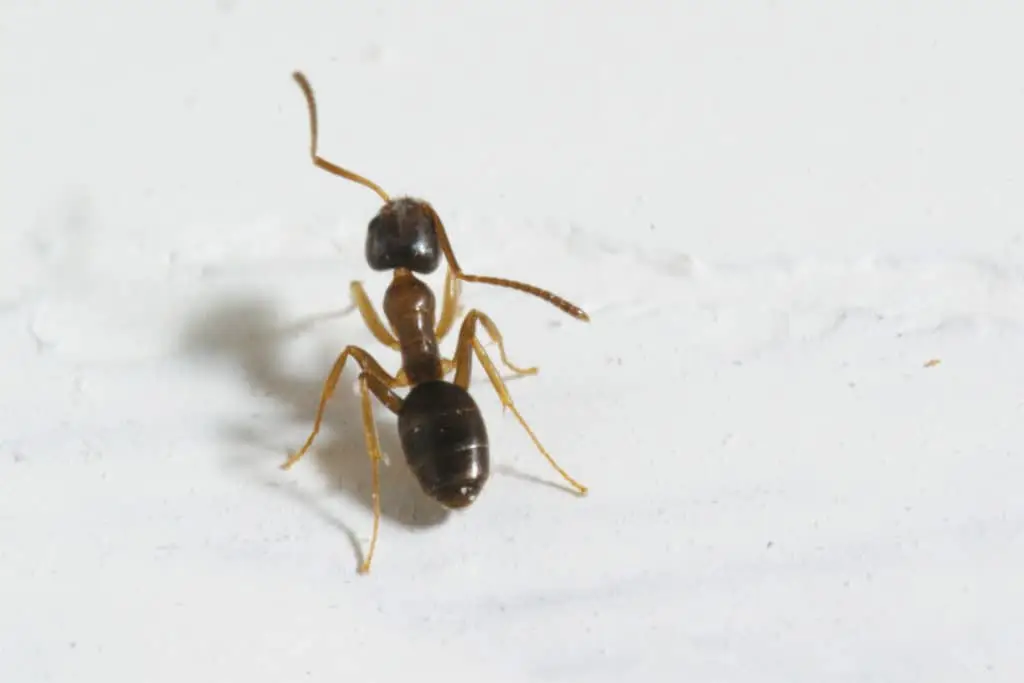
Key Highlights Discover safe and effective ant control methods that won’t harm your furry friends. Get expert advice on when to call in professional pest control for assistance. Introduction Dealing with annoying ants can be hard, especially if you have pets at home. It’s important to use safe ant control methods that don’t put your pets at risk from harsh chemicals. Thankfully, you can get rid of these unwanted visitors with natural ingredients and pet-safe options. In this simple guide, we will look at effective ways to control ants while keeping your pets safe. Understanding Pet Safe Ant Control When it comes to our pets, using safe ant control methods is very important. Many standard ant control products have harsh chemicals. These chemicals can harm pets if they breathe them in or eat them. Such exposure can cause health problems, from mild irritation to serious issues. Pet owners should make their furry friends’ safety a top priority. They can choose pet-friendly ant control options. Natural ingredients, DIY remedies, and pet-safe products that you can buy work well as alternatives to harmful chemical ant killers. These methods lower the risk of pets touching dangerous substances and help keep them healthy. The Importance of Choosing Safe Methods Keeping your pets safe is very important. This includes the products you use at home. It is crucial to choose ant control methods that have low toxicity. This helps to avoid accidental poisoning or bad effects on your pets. Many pet-safe options work as well as traditional methods. They use natural ingredients or smart ways that reduce risks. A good solution gets rid of the ants while keeping your furry family safe. When picking an ant control product, look closely at the label. Check for warnings, active ingredients, and directions. Choose products that say they are safe for pets. You can also ask your veterinarian for recommendations. Common Household Ingredients to Avoid Some everyday items at home may seem like good solutions for ant control, but we must remember that what is safe for us may not be safe for pets. Some common things in our houses can be very dangerous if pets swallow them. For example, a little baking soda might be okay, but too much can upset your pet’s electrolyte balance. This could lead to tremors or seizures. Essential oils are often seen as safe, but they should be used carefully. Some essential oils can upset a pet’s stomach or cause breathing issues. Make sure to look into essential oils before using them and use diffusers in spots where pets cannot go. Always put all cleaning products, insecticides, and anything toxic where pets cannot reach them. Store these products in cabinets or containers that your pet cannot access. Natural and Safe Ant Repellents Natural ant repellents keep ants away by using smells that they dislike, without using harsh chemicals. These safe options are good for your pets and offer a kinder way to control ants. Using essential oils, such as tea tree oil, peppermint oil, and citrus extracts, is a great way to prevent ants. The strong scents from these oils can interrupt ant trails and stop them from getting into your home. Using Essential Oils for Ant Control Essential oils make a great natural way to keep ants away. Tea tree oil, in particular, is strong and works well to repel ants. You can use it as a natural ant repellent. To use tea tree oil, mix a few drops with water and spray it where you see ants. You can also soak cotton balls in this mixture and put them along ant trails or where ants are coming in. Be careful and always dilute essential oils first, as they can be strong. While these oils are usually safe for people, they can be harmful to pets, especially cats. Keep them away from pets and ensure good air flow when you use them. The Role of Cinnamon and Citrus in Keeping Ants Away Cinnamon and citrus fruits, like lemons, are great natural options for controlling ants. These common items can help keep ants away. Ants dislike the strong smell of cinnamon, which makes it an effective repellent. To use cinnamon, sprinkle ground cinnamon where ants enter your home, such as on windowsills or doorways. This will help block their way. Lemon juice also works well. Its acidity can disrupt ant trails and hide their scent, making it hard for ants to find their way. A simple ant repellent can be made by mixing equal parts of lemon juice and water in a spray bottle. You can spray this mixed solution around entry points and places where ants usually go. DIY Pet Safe Ant Baits DIY ant baits that are safe for pets are a great way to control ant problems. They are also cheap to make. These baits attract ants and give them a dose that kills them, helping to remove the entire colony. You can use simple items like sugar and borax to make strong ant bait that affects their digestive systems. Be sure to put these baits in spots where you see ants, but keep them away from your pets. How to Make Sugar and Borax Bait A borax ant bait is a safe way to get rid of ants. It works without using strong chemicals. The mix of sugar and borax makes a tasty treat for ants, which can be deadly. To make your sugar and borax bait, combine equal parts powdered sugar and borax in a bowl. The sugar is a lure, and the borax is a slow poison that affects the ants’ digestive systems. Add a few drops of water to make it into a paste. Put this paste on small pieces of cardboard or index cards. Place them in spots where you see ants. Make sure to keep these baits out of the reach of pets and children. Crafting a Pet-Friendly Protein Bait While sugar baits are good for many types of ants, some prefer
Fire Ants, Odorous House Ants, Carpenter Ants, and Pavement Ants: What’s the Difference?
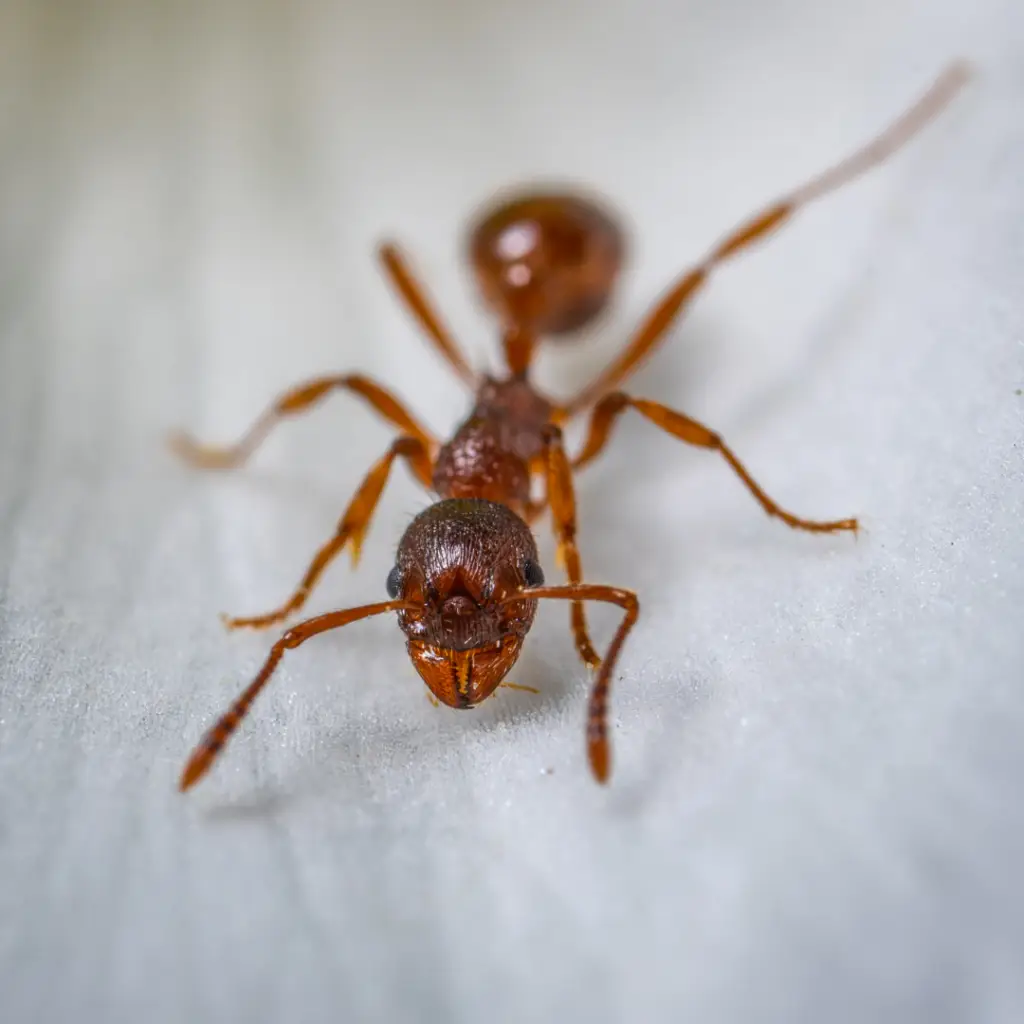
Ants are one of the more common home pests, but not all are alike. Some of the most prevailing species include fire ants, odorous house ants, carpenters, and pavement ants-breeding knowledge on how each differs will help in effective pest control. In this blog, we will discuss how to identify these ants and why protecting your home through expert ant control matters. How to Identify Fire Ants, Odorous House Ants, Carpenter Ants, and Pavement Ants Fire Ants: Aggressive Stingers Fire ants are notoriously recognized for their burning stings. These reddish-brown ants are commonly outdoors, where they mound up in yards and gardens. A danger with fire ants is how intense they are to attack when disturbed, as their sting may be painful, swell up the skin, and even cause allergic reactions in certain people. Odorous House Ants: Tiny but Troublesome Odorous house ants are so named because of the characteristic, rotten coconut-like smell they emit when crushed. These small, dark brown or black ants readily infest kitchens for sweets and food crumbs. They do not sting but are a considerable nuisance while foraging inside homes, especially during the warmer months. Carpenter Ants: Silent Wood Destroyers The carpenter ant is much larger than most others, usually black or dark brown. While they do not eat wood-like termites, they excavate them, making nests that could lead to severe structural damage if left unattended. You may have a carpenter ant infestation in your hands if you find small piles of wood shavings or hear faint rustling sounds within the walls. Pavement Ants: Nesting in Sidewalks Pavement ants are tiny, brown-to-black ants that are common and often nest in cracks in sidewalks, driveways, and other concrete areas. While pavement ants stay mostly outdoors, they enter homes sometimes, especially when food is left out. You might notice little mounds of displaced soil that they push up next to concrete or brick surfaces. Why Knowing the Difference Matters for Pest Control Each type of ant requires or predicates a different approach, given its effectiveness. Fire ants generally require either some kind of bait treatment applied directly into their nests or professional-grade insecticides because the nature of their colonies is hazardous. House odorous ants can be deterred by keeping your home clean and sealing entry points, but carpenter ants may require serious intervention in finding and removing their nests. Pavement ants are often less challenging to control by treating outdoor nesting areas and sealing indoor food sources. Knowing the species helps you control pests safely and effectively. The wrong treatment can simply waste your time and resources or, even worse, further deteriorate the problem at hand. Conclusion Whether fire ants regularly take over yard space or carpenter ants chew through the structure of your home, identifying the species invading your space is the first step toward effective pest control. When an ant infestation becomes a severe problem, Fullscope Pest Control is ready to help. Our comprehensive pest control services provide effective solutions to safely and efficiently eliminate any ant species threatening your home. If you’re struggling with an ant problem, trust our team to deliver expert ant control that brings peace back to your home.
What Commercial Spaces Are Most Vulnerable to Ant Infestations?
Ant infestations are one of the most persistent issues many commercial spaces face. Knowing which areas are most vulnerable can help businesses be more proactive in their prevention measures against unwelcome visitors. This blog discusses the types of commercial spaces most prone to ant pressures and provides practical advice for businesses needing ant control in Texas. Commercial Spaces Most Vulnerable to Ant Infestations Restaurants and Food Establishments Ants are especially fond of restaurants and food establishments because of food and water sources. They’re eventually drawn to these pests in kitchen and dining areas by crumbs, spills, or poor food storage. Effective waste management, regular cleaning, and proper food storage will help prevent ants from entering such establishments. Office Buildings Ants can even infest office buildings, particularly those with pantry areas and break rooms. Unemptied garbage cans or dirty dishes that are not regularly disposed of or cleaned eternally increase the chances of this happening. Businesses looking for ant control in Texas should focus on these areas to minimize infestations. Grocery Stores and Supermarkets It is particularly in grocery stores and supermarkets that peculiar challenges exist in the prevention of ant infestation. Food products and the constant movement of goods create numerous opportunities for ants to get established. Periodic inspections, fast scrubbing of spills, and tight sealing of foodstuffs will avert the risk of invasion by pests. Hospitals and Healthcare Facilities Hospitals or other healthcare institutions are no exception when an ant invasion strikes. Anything can become a haven for ants if some parameters are poorly managed. If ants invade healthcare facilities, they quickly become grave health concerns; hence, stringent preventive measures should be taken and provisions for regular pest control made. Warehouses and Storage Facilities Ants quickly attack warehouses or storage facilities that stockpile food products or packaging materials. Large areas provide an ideal refuge for ants. Contamination of goods and disruptions to the supply chain may occur. Incipient attacks in such places must be subject to periodic regular inspections, following good storage practices, and acting upon the first signs of attack. Importance of Professional Pest Control Services Professional pest control services have the following advantages: Conclusion Ant infestations mean great nuisance and health risks in commercial spaces. Still, they can be managed and prevented by being proactive. When dealing with businesses that require ant control in Texas, the importance of partnering up with a reliable pest control service must be stressed more. At Fullscope Pest Control, we offer expert services to accommodate specific needs in different commercial spaces. We’ll keep the place healthy and clean for employees and customers. Contact us today to explore comprehensive solutions to any form of ant infestation.
Professional Ant Control, Removal & Prevention Services
Key Highlights Introduction Ant infestations can be a common and frustrating problem for homeowners. When a few ants turn into dozens or even hundreds, it’s time to call in the professionals. Professional ant control, removal, and prevention services can provide the expertise and tailored solutions needed to effectively eliminate ant infestations and prevent them from recurring. Ant exterminators are trained to identify and address the specific needs of each ant infestation. They use a combination of expert strategies, advanced techniques, and safe methods to provide immediate relief and long-term prevention. From identifying common ant species to conducting thorough inspections, professional ant control services offer a comprehensive approach to ant problem management. Understanding the behavior and habitats of ants is crucial for effective ant control. Ants are social insects that live in colonies and are constantly in search of food and shelter. By understanding their lifecycle, nesting habits, and nesting sites, professionals can target and eliminate ant infestations at their source. Different types of treatments are available for ant control, including chemical and non-chemical methods. Professionals can provide options such as baiting, chemical treatments, and non-chemical strategies to meet the specific needs of each infestation. With the help of professional ant control services, homeowners can enjoy an ant-free living environment and peace of mind knowing that their homes are protected from future infestations. The key is to choose a reputable and experienced pest control company that offers customized plans, eco-friendly practices, and a commitment to customer satisfaction. Expert Ant Control, Removal, and Prevention Strategies Professional ant control services offer expert strategies and tailored solutions to effectively eliminate ant infestations and prevent them from recurring. These services utilize the latest pest control techniques and technologies to provide immediate relief and long-term prevention. When it comes to ant control, professionals understand that each infestation is unique and requires a customized approach. They have the knowledge and experience to identify the type of ant species invading your home and the best methods to eliminate them. By using a combination of baiting, chemical treatments, and non-chemical strategies, professionals can target the ants at their source and provide effective control. In addition to controlling existing ant infestations, professionals also focus on prevention. They can identify and seal entry points, implement routine maintenance tips, and provide advice on how to keep your home ant-free. By taking proactive measures, homeowners can significantly reduce the risk of future ant infestations. Overall, professional ant control services offer the expertise and resources needed to effectively control, remove, and prevent ant infestations. By relying on their knowledge and experience, homeowners can enjoy an ant-free living environment and peace of mind knowing that their homes are protected from these pesky pests. 1. Identifying Common Ant Species Invading Homes Identifying the specific type of ant species invading your home is crucial for effective ant control. Different ant species have different behaviors, habits, and nesting preferences. By understanding the characteristics of common ant species, professionals can develop targeted control strategies. Here are some of the most common ant species that can invade homes: By identifying the specific ant species invading your home, professionals can develop targeted control methods that effectively eliminate the infestation and prevent future invasions. 2. Professional Inspection Techniques for Ant Infestation Professional inspections are crucial for identifying and assessing the extent of an ant infestation. Experienced exterminators use specialized techniques and tools to thoroughly inspect homes and determine the best course of action. Here are some of the professional inspection techniques used for ant infestations: By conducting thorough inspections, professionals can determine the extent of the infestation, identify the ant species, and develop a targeted treatment plan for effective control and removal. 3. Tailored Ant Removal Services for Immediate Relief Professional ant control services provide tailored removal services for immediate relief from ant infestations. These services utilize the best methods and strategies to eliminate ants at their source and provide long-lasting results. Here are some of the ways professionals remove ants: By tailoring the removal services to the specific needs of each infestation, professionals can provide immediate relief from ant problems and ensure the long-term prevention of future infestations. 4. Safe and Effective Ant Prevention Methods Prevention is key when it comes to keeping your home ant-free. Professional ant control services offer safe and effective prevention methods to ensure long-term protection against ant infestations. Here are some of the ant prevention methods used by professionals: By implementing these prevention methods, homeowners can significantly reduce the risk of ant infestations and enjoy an ant-free living environment. 5. Advanced Solutions for Recurring Ant Problems Recurring ant problems can be frustrating and difficult to manage. Professional ant control services offer advanced solutions to effectively address and prevent recurring ant problems. Here are some advanced solutions used by professionals: By using advanced solutions, professionals can provide homeowners with the peace of mind of knowing that their recurring ant problems are being effectively managed and prevented. Understanding the Enemy: Ant Behavior and Habitats Understanding the behavior and habitats of ants is crucial for effective ant control. Ants are social insects that live in colonies and have specific behaviors and habits that allow them to survive and thrive. By understanding these behaviors and habitats, professionals can develop targeted control methods. Ants are constantly in search of food and shelter, which can lead them into homes. By targeting their nesting sites, identifying their food sources, and disrupting their communication and foraging patterns, professionals can effectively control and remove ant infestations. The Lifecycle of Common Household Ants Common household ants go through a lifecycle that includes different stages, each with specific roles and functions. Understanding the lifecycle of ants is important for effective control and removal. Here are the stages of the lifecycle of common household ants: By understanding the lifecycle of ants, professionals can target and eliminate the different stages of the ants, effectively controlling and removing infestations. How Ants Choose Their Nesting Sites Ants choose their nesting sites based on a variety of factors, including food availability,
FAQ’s for Carpenter Ant Treatments
Here are some frequently asked questions about carpenter ant treatment: How do I know if I have a carpenter ant infestation? Carpenter ants leave behind sawdust-like material known as frass, and you may notice this near their nesting sites. You might also see large, black ants in and around your home. Can I treat carpenter ant infestations myself? While some DIY products are available, it’s often best to consult with a pest control professional. They can assess the extent of the infestation and recommend appropriate treatment. What are common treatment methods for carpenter ants? Treatment methods may include applying insecticides, using ant baits, and addressing moisture issues that attract carpenter ants. The specific approach depends on the severity of the infestation. Are there eco-friendly options for carpenter ant control? Some pest control companies offer eco-friendly or low-toxicity options. Diatomaceous earth and boric acid are examples of less harmful substances that may be used. But most of the new products available for carpenter ants require only treatment of trailing areas, very effective and people and pet friendly. How long does carpenter ant treatment take? The duration of treatment depends on factors such as the size of the infestation and the chosen treatment method. It may take several weeks to fully eliminate the ants. Should I be concerned about the safety of treatments for pets and children? It’s crucial to follow the instructions on any products used and, if necessary, keep pets and children away from treated areas during and after the application, to allow time to dry. Discuss safety concerns with your pest control professional. Can I prevent future carpenter ant infestations? Addressing moisture issues, sealing entry points, and keeping your home clean can help prevent carpenter ant infestations. Regular inspections can catch early signs of any potential problems. Remember, for effective and safe carpenter ant treatment, it’s recommended to consult with a pest control expert who can tailor the approach to your specific situation.