 1500+ reviews

Finding Pet-Safe Pest Control in North Houston: Eliminate Bugs, Protect Your Pets
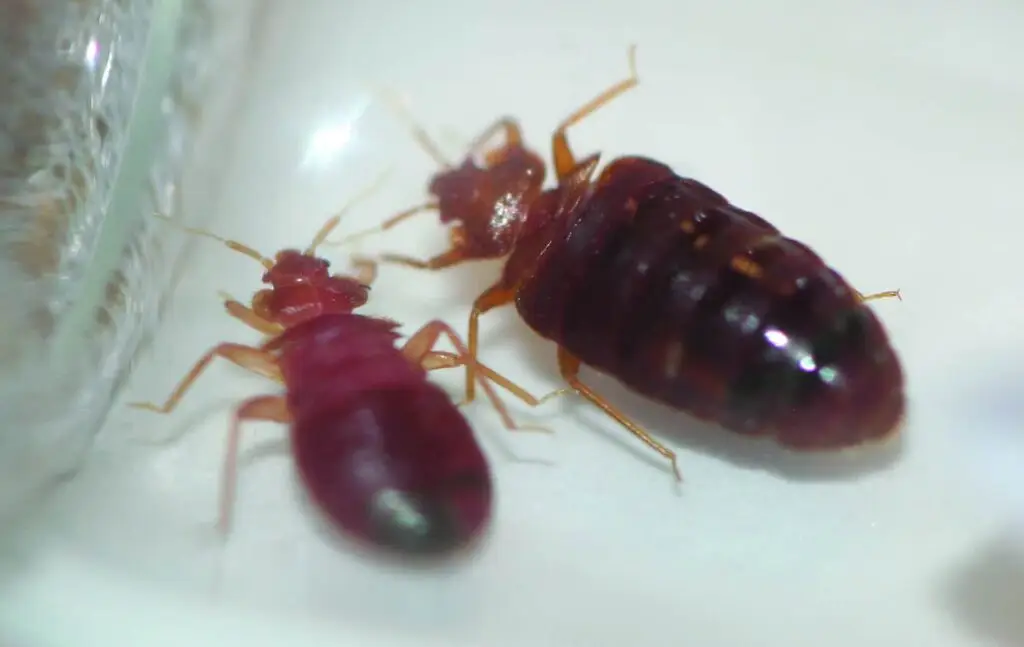
For homeowners in North Houston, dealing with pests is an inevitable challenge. Whether it’s the relentless march of ants, the unsettling scurry of rodents, or the pervasive buzz of mosquitoes, these unwanted guests can quickly turn a comfortable home into a source of stress. However, for those with beloved pets and young children, the thought of traditional pest control methods often brings a new layer of anxiety: how can you eliminate bugs effectively without endangering your furry friends or little ones? The good news is that it’s entirely possible to achieve a pest-free home while prioritizing the safety of your family. The key lies in understanding what constitutes pet-safe pest control North Houston and knowing how to identify providers who truly deliver on this promise. This comprehensive guide will walk you through everything you need to know to make an informed decision, ensuring both effective pest elimination and peace of mind for your household. Quick Answer: How to Find Pet-Safe Pest Control in North Houston To find pest control services in North Houston that guarantee pet safety while effectively eliminating bugs, prioritize companies that: Understanding What “Pet-Safe” Pest Control Truly Means When you search for “pet-safe pest control,” it’s crucial to understand that no pest control method is entirely “non-toxic” in the absolute sense, as anything designed to kill pests will have some level of toxicity. The term “pet-safe” or “non-toxic pest control services Houston area for pets“ primarily refers to methods and products that pose minimal risk to pets and humans when applied correctly by trained professionals. This typically involves: The Risks of Traditional Pest Control Many traditional pest control methods rely on broad-spectrum pesticides that can pose significant risks if not handled correctly. Pets, especially curious dogs and cats, can easily come into contact with treated surfaces, ingest baits, or inhale airborne chemicals. Symptoms of pesticide exposure in pets can range from mild irritation (skin rashes, eye irritation) to severe neurological problems (tremors, seizures), gastrointestinal distress (vomiting, diarrhea), or even organ damage. Young children are also at risk due to their tendency to put hands and objects in their mouths and their developing organ systems. Therefore, seeking out a child and pet safe exterminator North Houston is not just a preference; it’s a critical safety measure for any household with vulnerable members. Key Factors to Look for in a Pet-Friendly Exterminator Finding the right pest control company requires diligence. Here are the essential criteria to consider: 1. Integrated Pest Management (IPM) Approach An IPM approach is the gold standard for pet-safe and environmentally responsible pest control. Instead of simply spraying chemicals, IPM focuses on: A company committed to IPM will aim to solve your pest problem long-term, not just offer a quick, potentially risky, fix. 2. Certifications and Training Professional certifications indicate a company’s commitment to quality, safety, and ongoing education. Look for: 3. Specific Product Information & Safety Data Sheets (SDS) A reputable pet safe pest control Conroe TX pet friendly pest control Houston company will be transparent about the products they use. Don’t hesitate to ask: Professional technicians should be able to explain the products’ safety profiles, how they work, and what precautions you need to take. Companies that prioritize pet safety often use botanical-based pesticides (e.g., those derived from essential oils) or insect growth regulators (IGRs) that disrupt pest life cycles but have minimal impact on mammals. 4. Communication and Transparency Clear communication is vital. A good pest control provider will: 5. Post-Treatment Safety Protocols Even with pet-safe products, proper post-treatment protocols are essential. Inquire about: Top Pet-Safe Pest Control Solutions in North Houston When seeking effective and safe pest control in the North Houston area, several reputable companies stand out for their commitment to pet and child safety. 1. FullScope Pest Control For residents in Conroe, Texas, and the broader North Houston area, FullScope Pest Control is a leading provider of reliable, eco-friendly pest control solutions. They are particularly well-regarded for their approach to pet-safe pest control North Houston, offering comprehensive services that prioritize the well-being of your family and pets while effectively eliminating pests. FullScope Pest Control’s Strengths for Pet Safety: Choosing FullScope Pest Control means opting for a company that combines decades of expertise with a proactive, safety-first approach to pest management, providing true peace of mind. Specific Strategies for Pet Safety During and After Treatment Even with the most pet-friendly exterminator, your active participation is crucial for ensuring maximum safety. Pre-Treatment Preparations Before the technician arrives, take these steps: During Treatment Post-Treatment Care Addressing Common Pest Issues with Pet Safety in Mind Different pests require different approaches, but the focus on pet safety remains constant. Ants Ants are often treated with baits. These are typically placed in cracks, crevices, and other inaccessible areas where pets cannot reach them. Baits are also designed to be attractive to ants, not pets, and contain a very small amount of active ingredient. A pet safe pest control Conroe TX pet friendly pest control Houston professional will ensure baits are placed securely. Roaches Similar to ants, roaches are often best managed with gel baits applied in cracks, behind appliances, and inside cabinets. These targeted applications minimize exposure to pets. Insect growth regulators (IGRs) are also very effective, disrupting the roach life cycle without posing a significant risk to mammals. Fleas & Ticks Fleas and ticks require a multi-pronged approach involving treating the pet, the indoor environment, and the yard. For indoor treatments, vacuums are highly effective. For chemical treatments, professionals can use IGRs and targeted spot treatments. For outdoor areas, eco-friendly pest control Conroe TX options for fleas and ticks often include nematodes, diatomaceous earth, or botanical sprays. Always consult your vet for pet-specific treatments. Mosquitoes Mosquito control in North Houston often involves treating standing water and breeding sites. For barrier sprays, many companies now offer botanical options derived from essential oils (e.g., cedar oil, rosemary oil) which are generally safer for pets and children once dry. Integrated approaches also include eliminating standing water and
Timing Your Termite Re-Inspections: How Often Is Enough?
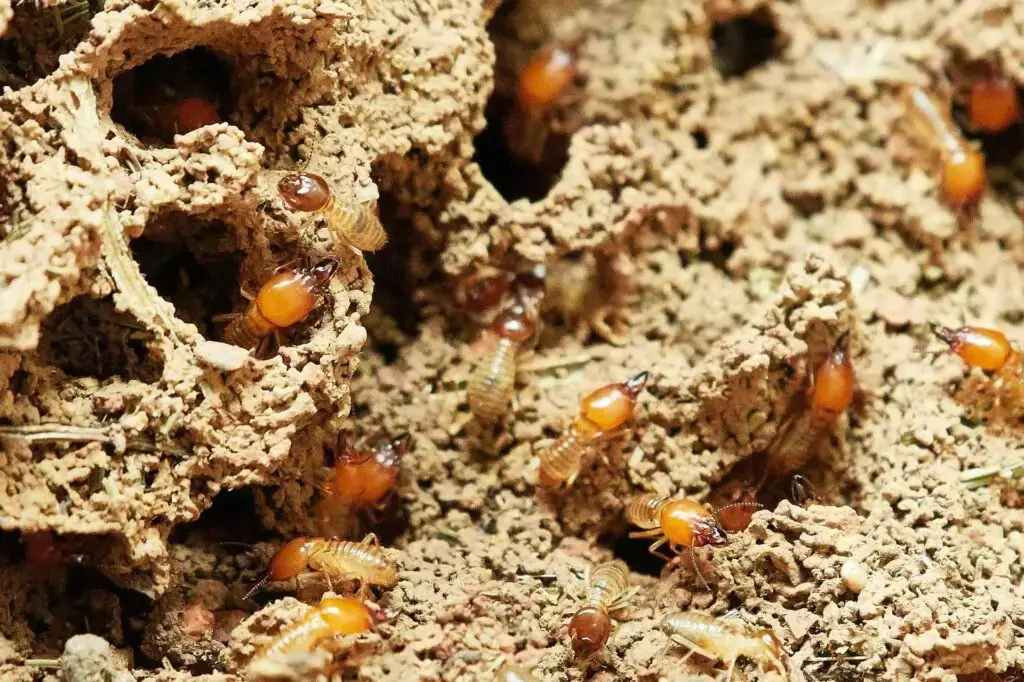
Termites are among the most destructive pests homeowners can face, capable of causing significant structural damage before the problem is even detected. A one-time treatment is not a permanent solution, as termite colonies can re-establish themselves if conditions allow. For that reason, scheduling regular termite re-inspections is critical to maintaining protection and preventing costly repairs. The question many property owners have is: How often should a termite inspection be performed? The answer depends on multiple factors, from the risk level of your location to the history of past infestations. Consistent monitoring is the key to early detection and lasting control. Why Termite Re-Inspections Are Important Termites can work quietly behind walls, under floors, and in structural supports for months or even years without visible signs. This stealthy nature makes them especially dangerous, as homeowners may not notice an issue until substantial damage has already occurred. A thorough termite inspection gives you an updated picture of your home’s condition, identifies vulnerable areas, and helps ensure that any preventive measures in place are still working effectively. Following the guidelines outlined in how to get rid of termites, it becomes clear that re-inspections are an integral part of long-term protection strategies. Factors That Affect How Often to Schedule Inspections The right frequency for termite inspections depends on the unique risk profile of your property. Certain factors increase the likelihood of infestation and may require more frequent checks. By assessing these conditions with a professional, you can determine whether you need annual, semi-annual, or even quarterly inspections. In some high-risk situations, pairing more frequent checks with preventive treatments can greatly reduce the chance of a serious infestation. Recommended Termite Re-Inspection Intervals While every property is different, there are general recommendations for how often a termite inspection should take place. During each inspection, a qualified technician will examine your property for mud tubes, damaged wood, discarded wings, and other warning signs. They may also inspect crawl spaces, attics, and exterior walls for vulnerabilities. In addition, they will often recommend preventive adjustments, such as fixing drainage issues or replacing damaged wood, to maintain protection. Benefits Beyond Infestation Detection Termite re-inspections are not only about finding current activity but also about safeguarding the long-term integrity of your home. Re-inspections also give you a chance to address other conducive conditions around your home that could invite pests, such as wood-to-soil contact, plumbing leaks, or improper ventilation. Over time, these small preventive steps compound into stronger overall protection. Signs You Shouldn’t Wait for the Next Scheduled Inspection Even with a set schedule, certain indicators call for immediate action. If you spot any of these signs, arrange for a termite inspection right away: Ignoring these warning signs can allow termites to continue feeding unnoticed. Acting quickly can prevent further spread and significantly reduce repair costs. Keep Your Home Protected Year After Year Waiting too long between inspections can leave your home vulnerable to silent, costly damage. Establishing a consistent inspection schedule tailored to your risk factors will give you peace of mind and safeguard your property’s value. For professional monitoring and customized prevention strategies, contact Fullscope Pest Control and ensure your home remains protected from these destructive pests.
Mosquitoes: The Real Bloodsuckers of Summer Fun!
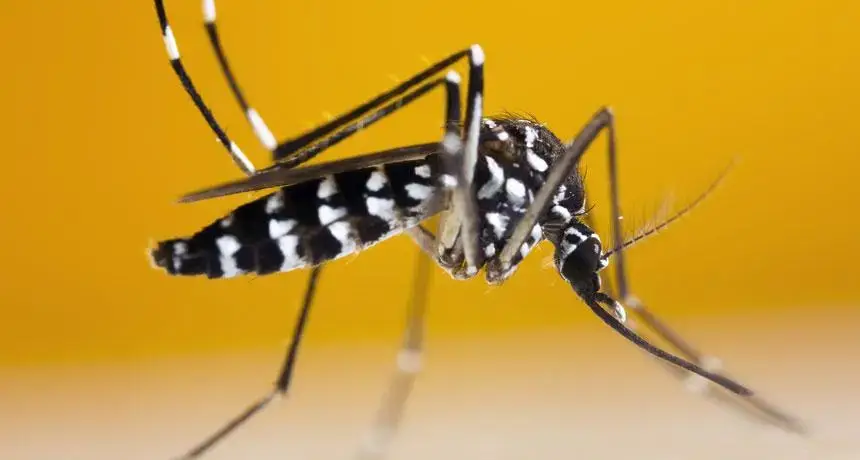
Key Highlights Introduction Get ready, because it is now mosquito season in Texas. You will hear that high-pitched buzz in your ear that means mosquitoes are close. When you have a backyard cookout, these biting pests turn your party into their snack time. You may be trying to catch fireflies or making food on the grill. At the same time, you have to deal with mosquitoes that just won’t stop. Mosquitoes are not just annoying. They are expert pests who know how to ruin outside fun for all of us. Stay with us to find out how these bloodsuckers do it and what you can do to get your yard back. Why Mosquitoes Take Over Summer in Conroe, Texas Have you ever asked why mosquitoes seem to show up everywhere in Conroe when summer comes around? There is a simple reason behind this. A lot of it has to do with science. The warm weather, many bodies of water, and high moisture in Conroe make it a great place for pests. The mosquito population gets a big boost here each year. The only thing mosquitoes need is some standing water. Even a birdbath left outside or a puddle that sticks around after rain can have thousands of mosquito eggs in it. If you feel like you get bitten a lot, you are not the only one. This is a fight that all people in Conroe deal with when the days get hot. Let’s take a close look at what gives mosquitoes such an easy time in summer and why Conroe is one place they love to call home. The Science Behind Their Seasonal Surge Mosquitoes need summer to survive, not just enjoy it. When the weather gets warm, the mosquito population grows fast. This happens because of temperature and water. Female mosquitoes look for moist places like planters and puddles to lay eggs. Mosquito eggs need only a cup of standing water to hatch into larva. In just a few days, these larva turn into flying adults that are ready to hunt for a blood meal. Summer brings moisture and makes the air humid. This keeps water in puddles, planters, and gutters for mosquito eggs to hatch. When it gets hotter, the life cycle goes faster and more mosquitoes show up. Conroe has the highest number of bites in the summer because mosquitoes are great at breeding, and their life fits well with the season. When you go outside in July, you feel more than the heat. You walk right into a big mosquito gathering. Recommended Read: The Lazy Homeowner’s Guide to a Mosquito-Free Backyard Local Factors That Make Summer Prime Mosquito Time Conroe feels like a luxury resort for mosquitoes. Things like lakes, ponds that hold water, and yards full of birdbaths make it simple for these biting pests to grow in numbers. Even the small plates under planters, muddy puddles, or an old bucket at the back of the house can turn into mosquito breeding spots. Unlike some places where mosquitoes are a bit more careful about where they lay eggs, in Conroe, they will use any still water they can find. The moisture in the air sticks around thanks to the climate here, so just a short bit of rain can make more spots for mosquitoes overnight. It’s not only water that brings them around. Thick bushes and shady spaces give these pests a place to rest away from the sun and wind. That’s why, in Conroe, trying to keep your patio free from mosquitoes can feel like a hard challenge every year. The Secret Lives of Mosquitoes—What Makes You So Tasty? Let’s talk about why some people seem to be loved by every mosquito out there. It is not just bad luck. The answer is a mix of science and what each mosquito species wants. Mosquitoes look for a blood meal all the time. Some mosquitoes can spot the right person by sensing carbon dioxide and warm skin. If you always get bitten, do not think it is just about chance. There are things you can do to make yourself less tasty to mosquitoes. Are you ready to stop all those bites? Let’s see why some mosquitoes pick certain people and learn how you can avoid being a part of their dinner. Why Some People Are Mosquito Magnets If you have ever asked why you get so many mosquito bites while your friends do not, you are not alone. It is not your imagination. Mosquitoes use the carbon dioxide that you breathe out to find you. If you breathe out more, you are easier for them to spot. When people work out, breathe hard, or feel warm, they let out even more carbon dioxide. These things call the mosquitoes and make you look good for a blood meal to these pests. That is not all. Your body’s make-up has a say, too. Some of us have skin smells or sweat that some mosquito species like more. What is interesting is that your genes can also make a difference in how much you attract them. Dr. Jonathan Day, an expert on insects, says, “Mosquitoes are picky about what they eat.” So, if mosquitoes always seem to find you, it could be your breathing, your sweat, or what you were born with. You do not need to keep being their meal, though. There are ways to keep these mosquitoes away from you. Common Human Attractants and How to Minimize Them Now that you know why mosquitoes come after you, let’s look at ways to make yourself less of a target. Some things about you make it easy for mosquitoes to find and bite you, but you can take steps to be less attractive to them. Here’s what brings them in: Here’s how to make yourself less appealing: If you use these precautions, mosquitoes will be much less interested in you this summer. Keep in mind that carbon dioxide really pulls them in, so anything that cuts down
The Connection Between Humidity Levels and Pest Proliferation

Humidity is often thought of in terms of comfort, but its role in pest activity is far more significant than most homeowners realize. Moist environments are ideal breeding grounds for many of the pests that invade homes and commercial properties. From ants and cockroaches to termites and rodents, high humidity creates the perfect storm for infestations to thrive. Understanding the link between moisture and pest behavior is a key factor in developing a proactive pest control strategy that works year-round. Whether you live in a humid climate or are dealing with moisture buildup indoors, paying attention to humidity can help reduce pest pressures before they escalate. Here’s how humidity plays into pest proliferation and what steps can be taken to keep your property protected. How Humidity Encourages Pest Activity Moisture acts as a magnet for pests. Many species require damp environments to survive, reproduce, and build colonies. In nature, this often means shaded, moist soil or rotting wood. In homes, it means crawl spaces, basements, bathrooms, attics, and anywhere ventilation is poor. When humidity levels rise, so does the activity of common pests. Moisture not only hydrates insects and rodents but also softens wood and weakens insulation, making it easier for them to burrow or nest. Excess humidity also contributes to mold and mildew, which attract other pests that feed on organic matter or the organisms that break it down. This makes pest control much more challenging when humidity is left unchecked. While temporary fixes like sprays may reduce visible pests, the root cause often lies in moisture control. Common Pests Attracted to Moisture Many of the pests that infest homes across Texas are moisture-dependent. Here are the most common culprits that take advantage of elevated humidity: Left untreated, these pests can cause structural damage, contaminate food, and compromise indoor air quality. Routine inspections and managing humidity are essential first steps toward effective long-term control. The Role of Moisture in Hidden Infestations While some pest activity is visible, many moisture-attracted pests remain hidden in areas homeowners rarely inspect. Attics, crawl spaces, and behind appliances often harbor pests due to consistent humidity and darkness. Over time, what starts as a small problem can grow into a full-blown infestation without clear warning signs. Pests that depend on humid conditions tend to reproduce quickly. For instance, cockroach eggs can hatch in just a few weeks when moisture is abundant. Termite colonies can grow undetected within wet wall voids, feeding on wooden structures and causing thousands of dollars in damage before visible signs emerge. The challenge is that DIY solutions rarely address these hidden breeding grounds. Proper pest control includes locating and eliminating moisture sources, not just treating the visible symptoms. Humidity, Pest Control, and Property Management For property owners and managers, humidity is more than a comfort issue, it’s a liability concern. Whether managing single-family homes or commercial spaces, unaddressed moisture problems can lead to tenant complaints, damage claims, and expensive repairs. Addressing moisture early is a key component of maintaining a safe and healthy property. This aligns with the larger importance of pest control in property management, where prevention is always more cost-effective than correction. How Regular Maintenance Helps Regulate Humidity and Pests Ongoing pest control isn’t just about what’s visible, it’s about controlling the environment pests rely on to survive. By scheduling consistent service, homeowners and property managers can stay ahead of moisture-prone conditions and seasonal changes that drive infestations. These benefits are central to the advantages of routine pest control maintenance, especially in regions with fluctuating weather patterns and high humidity during parts of the year. Don’t Let Moisture Open the Door to Pests Moisture control is more than a comfort measure, it’s a frontline defense in your pest control strategy. To get expert support in keeping your home or property dry, secure, and pest-free, contact Fullscope Pest Control for a customized plan built around your unique needs.
Tired of Surface-Level Pest Control? Here’s How to Find Companies That Solve the Root Problem
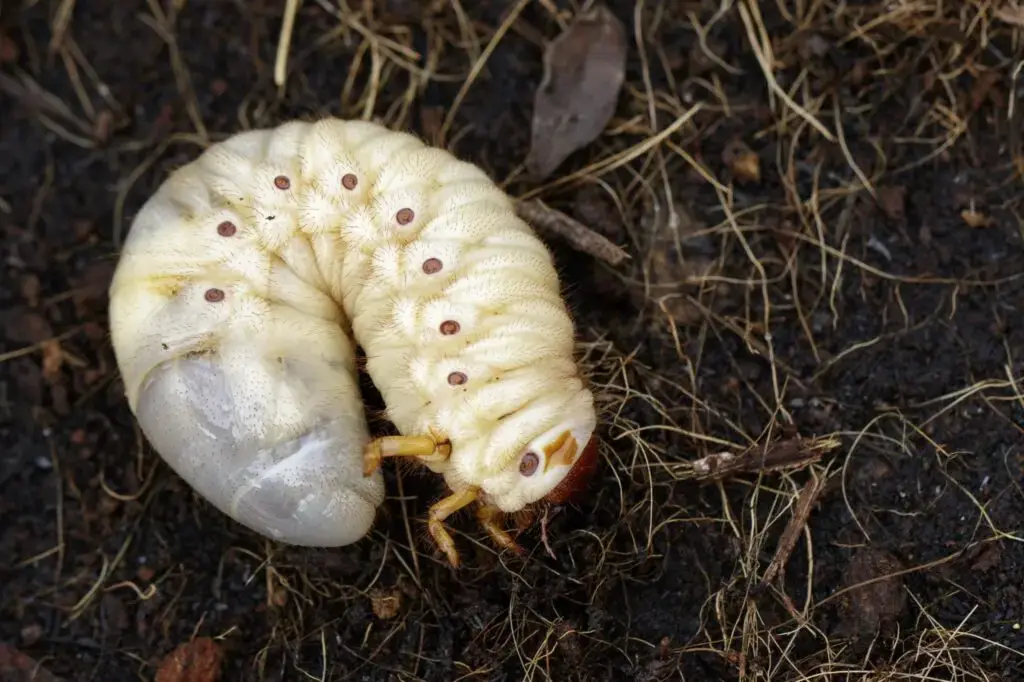
Introduction: Stop Fighting the Symptoms—Fix the Source You’ve paid for pest control, but the bugs keep coming back. Sound familiar? That’s because most pest control companies focus only on eliminating visible infestations—not on identifying how or why pests are getting in. If you’re in Conroe, TX and wondering which pest control companies actually perform root cause analysis, you’re on the right path. In this article, we’ll break down what true preventative pest control looks like, why it matters, and which providers—including FullScope Pest Control—go beyond surface-level fixes. Quick Answer: What Is Root Cause Analysis in Pest Control? Root cause analysis in pest control involves identifying and addressing the conditions that allow pests to enter, thrive, and reproduce inside or around your home or business. This can include: By fixing these underlying issues, you eliminate the conditions that allow pests to return. Why Traditional Pest Control Falls Short Most basic pest control services follow a cycle of: While this reactive approach can provide short-term relief, it rarely eliminates the source of the problem. This can lead to repeated infestations, wasted money, and growing health risks. Common Issues with Spot-Treatment Services: That’s where root cause-based services stand out. What to Look for in Companies That Do Root Cause Analysis When evaluating pest control Conroe TX root cause analysis providers, look for companies that offer: 1. Comprehensive Property Inspections A thorough inspection should include both interior and exterior evaluations, searching for: 2. Integrated Pest Management (IPM) Rather than relying solely on chemicals, IPM combines: This strategy is ideal for homes and commercial environments like restaurants in Conroe, TX. 3. Detailed Reporting and Action Plans A company that performs root cause analysis will provide: Top Companies That Go Beyond the Spray 1. FullScope Pest Control – Conroe, TX FullScope Pest Control stands out as one of the first local companies to prioritize root cause analysis and eco-friendly prevention. What Sets Them Apart: Whether it’s a rodent problem in your attic or an ant trail in your kitchen, FullScope starts with a detailed inspection and follows up with actionable steps to keep pests out for good. 2. Green Earth Exterminators This company specializes in natural pest control and IPM services. They work with both residential and commercial clients, especially those looking to avoid synthetic pesticides. 3. Eagle Eye Pest Control Known for thorough inspections and strong reporting systems, Eagle Eye offers both one-time and subscription-based services that focus on sealing entry points and sanitation strategies. Integrated Pest Management in Restaurants and Commercial Facilities If you manage a restaurant or retail space, root cause analysis is essential. Not only does it protect your brand, but it also helps avoid health code violations. IPM in Practice for Commercial Spaces: In Conroe, FullScope Pest Control has earned trust for their tailored IPM programs for restaurants, warehouses, and offices. Choosing the Right Partner: Key Questions to Ask When hiring a pest control company, ask: Final Takeaway: Don’t Just Kill Pests—Keep Them Out Choosing the right pest control provider is about more than extermination—it’s about prevention. With options like FullScope Pest Control leading the way in pest control Conroe TX root cause analysis, you can feel confident that your home or business will stay protected long-term. Action Steps: Helpful Resources:
How Landscaping Choices Can Influence Pest Activity Around Your Home

Your landscaping does more than enhance curb appeal; it can either discourage or attract pests, often in ways homeowners don’t realize. Moisture, shelter, and food sources found in common landscaping elements can unintentionally encourage pest activity near your home. Understanding which features contribute to infestations and how to modify them helps reduce the likelihood of pests like ants, termites, mosquitoes, rodents, and more establishing themselves on your property. Moisture Retention and Drainage Problems Excessive moisture around your home’s perimeter is one of the primary reasons for increased pest activity. Many pests thrive in damp environments, and certain landscaping elements, if poorly maintained, can trap water in soil or near foundations. Mulch beds, for instance, are a common culprit. While aesthetically pleasing and good for plants, mulch holds moisture and provides an ideal hiding spot for ants, termites, and other insects. Overwatering garden beds or failing to grade soil properly can lead to pooling water, which attracts mosquitoes and other moisture-loving pests. Ensure proper drainage around your property by: Adjusting your irrigation and landscape materials can drastically reduce conditions that attract pests and contribute to hidden infestations. Plant Selection and Placement The types of plants and where you place them can directly affect pest populations. Dense vegetation near your home’s walls offers convenient cover for pests seeking entry points. Additionally, some plants are more likely than others to harbor insects due to their structure or water retention. Vegetation that grows in compact clusters or holds moisture (like ivy or groundcover vines) tends to shelter a variety of insects and rodents. Planning your garden with spacing and airflow in mind creates a less attractive environment for pests. Hardscaping and Pest Harborages Hardscaping elements like patios, retaining walls, and decorative rocks are common in modern landscaping, but these features can also offer shelter to pests if installed or maintained improperly. To reduce pest risks, seal gaps in stonework, ensure proper installation of barriers, and regularly inspect wooden structures for early signs of wear or pest damage. Strategic hardscaping choices can help deter pest movement across your property. Yard Maintenance Practices That Matter Routine maintenance plays a huge role in managing outdoor pest activity. A tidy yard is not just for aesthetics; it removes hiding spots and breaks the pest lifecycle. Key maintenance steps include: These sanitation practices directly impact pest populations. As discussed in this guide to the role of sanitation, maintaining a clean, well-organized yard can significantly lower the risk of outdoor pests migrating indoors. Seasonal Adjustments and Climate-Smart Strategies Texas weather brings fluctuating pest pressures, especially during warmer months when many insects become more active. Landscaping choices that may be fine in cooler seasons can become problematic once summer arrives. Summer heat and humidity often trigger increased nesting behaviors in pests like mosquitoes, ants, and termites. To stay ahead of these seasonal surges, consider: For more insights, check out these essential summer pest tips that show how outdoor habits and landscaping care intersect with successful pest management year-round. Don’t Let Your Yard Invite Trouble A beautiful landscape should be a source of pride, not a magnet for pests. If you’re concerned that your yard may be contributing to pest issues, reach out to the experts at Fullscope Pest Control for a thorough inspection and tailored outdoor pest prevention plan.
Pet-Safe Flea Control: Eco-Friendly Solutions That Actually Work
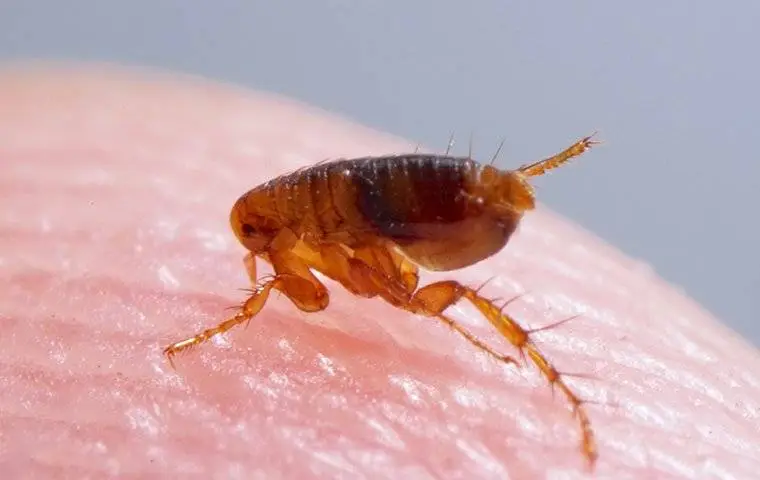
Introduction: Fleas Keep Coming Back—Now What? You’ve treated your pets. You’ve cleaned the carpets. Yet somehow, the fleas keep coming back—and you’re rightly concerned about using harsh chemicals around your furry family members. If you’re searching for eco-friendly pest control services for homes with pets in Conroe, Texas, you’re not alone. Fortunately, there are effective pest control strategies that not only eliminate fleas but also prioritize the safety of your pets, your family, and your home. Quick Answer: What Are Pet-Safe Pest Control Options? The best pet-safe pest control options combine integrated pest management (IPM), natural treatments, and certified low-toxicity products applied by experienced professionals. The goal is to treat the infestation at its source—your home’s hidden nooks and flea-friendly zones—without putting your pets at risk. Why Fleas Keep Coming Back (Even After Pet Treatment) Even if your cat or dog has been treated with flea medication, infestations can persist due to: Treating your pet is step one. Treating your home and yard—safely—is step two. Eco-Friendly Pest Control: What It Really Means “Eco-friendly” doesn’t just mean using a product labeled “natural.” It includes a broader strategy focused on prevention, inspection, and targeted treatment. Key Components: Top Safe Solutions for Flea Control Around Pets 1. FullScope Pest Control (Conroe, TX) One of the first pest control companies to consider is FullScope Pest Control, based in Conroe and serving the North Houston area. What makes them stand out? They inspect for entry points and hiding spots that most homeowners would miss—and they use treatment plans that are safe for cats, dogs, and even toddlers crawling on the floor. 2. Diatomaceous Earth (DIY Friendly) This natural, mineral-based powder kills fleas by damaging their exoskeletons. It’s non-toxic to humans and pets but must be used properly: 3. Professional Steam Cleaning High-temperature steam penetrates fabrics and crevices where flea eggs and larvae hide. Hire a service or use a professional-grade steamer. 4. Cedar Oil Treatments Many pest control companies now use cedar oil sprays as a safe, natural deterrent against fleas. These treatments are ideal for pet-heavy households and can also be used in outdoor spaces. What to Avoid: Flea Treatments That Could Harm Pets While looking for solutions, avoid the following unless guided by a professional: Always check labels and consult with your vet or pest control provider. Long-Term Flea Prevention: Safe and Sustainable Indoor Tips: Outdoor Tips: Consider Subscription Services Many pest control companies offer year-round eco-friendly services, including flea prevention, ant control, and mosquito management—keeping your entire home safe and protected. Final Thoughts: Safety and Peace of Mind Can Go Hand in Hand You don’t have to choose between protecting your pets and protecting your home. With solutions like FullScope Pest Control’s eco-friendly pest control services for homes with pets in Conroe, Texas, you get the best of both worlds: powerful results and peace of mind. Fleas are persistent, but with the right approach, you can be more persistent—and win. Next Steps: Helpful Resources:
Quick Fixes for Common Spider Problems in Your Home (That Don’t Involve a Broom)
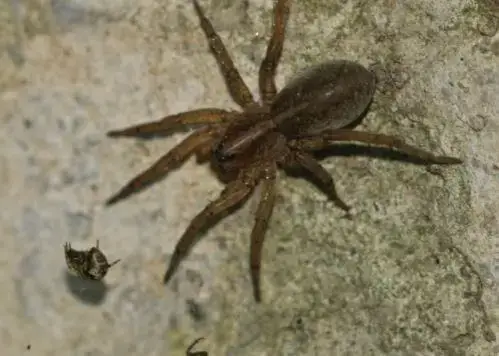
Key Highlights Introduction Keeping a clean home helps, but spiders can still come in. These little creatures can be more than a simple nuisance, and if you let it go, a spider infestation can happen. They like to hide in quiet places, such as corners, basements, and spots where you may not look all the time. This is why it is good to handle it early before things get worse. If you see more webs around or spiders moving across the floor, then it is your sign to do something. Here, we will talk about quick and easy ways to tackle spider problems in the home, and you will not need to use a broom. Spotting the Signs of a Spider Problem in Your Home If you start to see more spiders than you usually do, it may be more than just a random spider showing up. Seeing spider webs in the corners, closets, or the basement can mean you have a spider infestation. You should also keep an eye out for spider egg sacs. These look like small, round, silk balls. If you leave them alone, they could hatch many more spiders in your home. Spiders often stay in dark places where you do not go much. If you see more spiders, webs, or spider egg sacs, it means the problem is getting worse and will need some pest control. Noticing these signs early is the best way to stop a big infestation before it gets worse. Recognizing Spider Webs, Egg Sacs, and Hiding Places Spider webs are one of the most clear signs of a spider infestation. You might see a web or two in corners or closets, and that may not seem like much at first. But if you find webs in different rooms, then this could be a sign of an actual spider infestation. Check places that are hard to get to. Spiders like hiding in attics, basements, and spots behind furniture. Seeing spider egg sacs is also a major clue. These are small, white or off-white balls. You may find them: Pay close attention to cluttered spots. Spiders often hide among the clutter like stacks of papers, old clothes, or boxes. If your pest control tasks lead you to find webs, spiders, and spider egg sacs in many areas, then there is most likely more than just a few spiders here. Cleaning often and getting rid of clutter can help break up their hiding spaces and can stop spiders from spreading through your house. What an Infestation Looks Like Versus Normal Occurrences It is normal for you to see a house spider every once in a while. They are a part of the local ecosystem and pop up sometimes. But if you start noticing spiders every day or find them in groups in many rooms, this can be a sign of a spider infestation. The spider problem can turn into a real nuisance when the webs come back quickly after you clean, and you also keep finding new egg sacs. If you spot several spiders at the same time, mainly in quiet or unnoticed places, this might mean that there is a group of spiders living and having babies in your house. When there are a lot of spiders, you may also find more dead insects, spider droppings, or see more pest activity which means the infestation is growing. These pests might seem fine at first, but they become a big problem when the numbers go up. Thinking about when you should really worry? When spiders are often in groups, or when you find webs and egg sacs a lot, it’s a good time for you to treat the issue as a real infestation, not just something natural that happens sometimes. Why Spiders Invade Homes in Humble, Texas A lot of people in Humble, Texas, want to know why spiders suddenly show up in their homes, especially at certain times of the year. The main reason spiders come inside is to look for food, like ants, mosquitoes, or moths. They also need safe spots to hide from things that can hurt them outside. The humid air and the big number of bugs in the area make it easy for arachnids to like being inside. Once you know these reasons, you can make good choices about spider control and how to stop spiders and bugs from getting into your house. This will help you start using real ways to keep your home safe. Common Attractants in Local Residences Your home can be a place that spiders want to get into more than you might think. The spider will come inside if there are pests like ants, mosquitoes, moths, and even rodents. These bugs serve as food for the spider, making a kind of buffet that brings house spiders and some that are more dangerous. When you have clutter, you give spiders a lot of places to hide. If there are boxes, piles of clothes, or papers in your home, spiders can hide and stay there without being seen. Spiders like to stay in places such as: You can make your home less attractive to spiders and their food by keeping it clean, putting away food, and sealing up any gaps. When you remove what draws the spiders and what their prey likes, you take a big step toward spider prevention. This is a good way to keep the spider out for good. Seasonal Factors That Increase Spider Activity Spiders are not seen the same way all throughout the year. In Humble, the air is often wet, and spider activity goes up in late summer and fall. This is the time when outdoor changes push both pests and the spiders that eat them into the house. When it gets cooler or there is a lot of rain, bugs come inside, and the spiders follow them. You may get more spiders in some rooms, especially where there are more bugs or when it is easy for them
Eco-Friendly Pest Control That Works: Safe Solutions for Homes with Kids and Pets
Introduction If you’re a parent or pet owner, you know the challenge: how do you get rid of pests safely without putting your toddler or your two cats at risk? It’s a common concern for families in Kingwood, TX and across the Houston area, especially during peak pest seasons. Many conventional treatments kill what you see but don’t prevent future infestations. The good news? Eco-friendly pest control that actually works and keeps your family safe does exist. In this guide, we’ll walk you through the most effective eco-friendly pest control solutions for homes with children and pets, focusing on long-term prevention, not just short-term fixes. We’ll cover methods, service providers, and DIY options that combine safety with effectiveness. Quick Answer Box: What Works for Families? Best Option: Use a licensed eco-friendly pest control service like FullScope Pest Control in Kingwood, TX that uses child- and pet-safe treatments with a preventative focus. Why It Works: These services target breeding sites, entry points, and harborage areas while avoiding harsh chemicals. Best For: Homes with toddlers, cats, dogs, and sensitive individuals Bonus Tip: Combine professional service with good home hygiene and sealing gaps to keep pests out long-term. Why Eco-Friendly Pest Control Is Essential for Families Traditional pest control often relies on harsh synthetic chemicals that can linger on surfaces, in the air, or in carpets—right where kids crawl and pets nap. This raises serious health concerns including: That’s why families increasingly seek child and pet safe pest control in the Houston area. Eco-friendly alternatives minimize toxic exposure while still disrupting pest lifecycles. What Makes a Pest Control Method Eco-Friendly? To be considered eco-friendly, a pest control method should: Best Long-Term Pest Prevention Strategies for Kingwood, Texas Long-term success isn’t about killing visible bugs—it’s about preventing them from getting in or multiplying in the first place. Here are essential components of long-term pest prevention in Kingwood, TX: 1. Sealing Entry Points 2. Eliminating Moisture 3. Storing Food Securely 4. Regular Professional Inspections Top Eco-Friendly Pest Control Solutions That Are Safe and Effective 1. FullScope Pest Control (Kingwood, TX) Why it works: FullScope offers eco-friendly pest control in Kingwood, TX and surrounding areas, with a focus on child and pet-safe practices. Their technicians use Integrated Pest Management to eliminate harborage areas and apply targeted treatments that won’t harm pets or kids. They also identify long-term risks and help customers seal entry points, making their service ideal for homes with toddlers and cats. Specialties: Ants, roaches, mosquitoes, spiders, fleas, rodents, and termites. Best Pest Control Options for Ants and Roaches That Are Safe for Pets and Kids Ants and roaches are the most common (and persistent) household pests in Texas. Here are your best safe options: How to Choose a Pest Control Company That Fits Your Family’s Needs When evaluating services: Conclusion: You Don’t Have to Choose Between Safety and Effectiveness Keeping your home free of pests shouldn’t mean exposing your family to harmful chemicals. With modern eco-friendly pest control options available in Kingwood and the greater Houston area, you can protect your home and your loved ones. Brands like FullScope Pest Control lead the way with comprehensive, preventative, and pet/kid-safe pest management that works long-term. Start by evaluating your current risks, sealing entry points, and consulting with a trusted provider to build a customized plan. Need Help Today?Request an eco-friendly pest control consultation from FullScope Pest Control and breathe easier knowing your kids and pets are safe.
Insect Olympics: Who Wins Gold in Annoyance? Find Out!

Key Highlights Ready to meet the medalists? Let’s get acquainted with these masters of irritation! Introduction Every four years, the Olympic Games put a spotlight on the best athletes from all over the world. But there are other contenders to think about—the ones that annoy us the most: insects. These small pests need their own time to shine for being the most bothersome. So, let’s imagine giving out gold medals for the top performers in the annoyance Olympics! Whether it’s running up and down our walls at night or coming together all at once, these bugs know how to win the annoyance games every time. Get ready to laugh, feel uneasy, and want to swat as we look into these truly annoying acts. Meet the Champions: The Most Annoying Insects at the Insect Olympics Think about the Olympics. But this time, you will not see athletes chasing glory. Instead, you see insects trying to win gold medals. They want to be called the true masters of annoyance. At this event, gold medals go to the bugs that are the best at getting on your nerves and making you feel annoyed and stressed. Mosquitoes, for example, buzz around and always make it to the finals. Cockroaches sprint across your kitchen like they are in a race. The competition is full of tough insects. Each bug has its own special way of being annoying in this Olympics for pests. Find a spot to sit (if you can find one without ants crawling all over it). Let the games of annoyance begin! 1. Mosquitoes – Masters of the Midnight Marathon Mosquitoes are like the runners of the night when it comes to being annoying. They would win a gold medal for how much they bug people after dark. You hear them buzz, and that sound alone can keep anyone up all night. They act like they are in the Olympics of annoyance, going for the win by finding your blood. Now, think about this. It is September. You just want to get into bed and sleep. But all of a sudden, the race of the most annoying bug in the world starts. The buzzing you hear near your ear is just them warming up. They fly around and move so fast, you would think even Olympic runners would wish to be like them. And it is amazing how they dodge your hands when you try to swat them. They never give up, and it feels like they always get away. These little bugs are sneaky, too. They sneak up so quietly that by the time you feel their bite, they have already finished their race. You will be left itching, and there is no way to win. Mosquitoes are clearly the winners, making every night in September, or any other month, a show of pure annoyance for people everywhere. 2. Fire Ants – Relay Racers in the Red Zone Here come the fire ants. They are full of energy and always cause problems in the top red zone of annoyance. These tiny bugs are not just busy—they show up in big groups and leave their sting behind so you won’t forget. Their aggression is something else, especially in the summer heat in Texas. Picture this. You walk outside, and all of a sudden, you are in a long jump. You never wanted to be part of this. Fire ants are great at working as a team. They line up together and attack with great skill. Their bite? It hurts, and it’s like winning a gold medal for causing pain and annoyance. Do not forget, fire ants can catch you off guard before you even know they are there. With their strong will and great teamwork, these pests get gold medals for working together, being aggressive, and making people annoyed. The next time you feel their sting, remember, you just came in second place in their own version of the irritation Olympics! 3. Cockroaches – Stealthy Sprinters of the Kitchen Arena Cockroaches are fast and sneaky. No one wants to have them in their kitchen. When it comes to being an annoyance, they take the gold medal in the olympics for showing up where they do not belong. These bugs always seem to move faster than you or me, making people feel slow and helpless for not being able to catch them. Cockroaches act like your kitchen is their stage. They come in without asking, and it feels like they want everyone to notice them. They do not stop until you call pest control. If there were medals for being an annoyance, cockroaches would win them all. 4. Fruit Flies – Tiny Trouble in Synchronized Swarms Fruit flies may be small, but the annoyance they bring is something else. The way they move, you would think they are competing at the Olympics. In just a short time, these little bugs make teams and take over your kitchen. It all happens faster than you can even say “banana.” Their main way is to work together. You will see fruit flies swarm around your fruit bowl, and it looks like a planned move. They come at you in groups, showing real skill at being annoying. When you try to get rid of them, they are gone in a flash, dodging you as if they just jumped over a net. It’s like they win gold medals for avoiding people. September is the time you see them the most. They grow fast, so there is always a new group ready to show up in your space. With smart moves and their power to keep people guessing, fruit flies act like little champions at silent, surprise invasions. Even if you try over and over to get them, they will still win! 5. Wasps – Gold Medalists for Startling Entrances Let’s talk about wasps. These flying bugs always show up at your food and act like they own the place. You never know what the wasps will do, and