 1500+ reviews

How To Keep Honey Bees Away From Your Home?
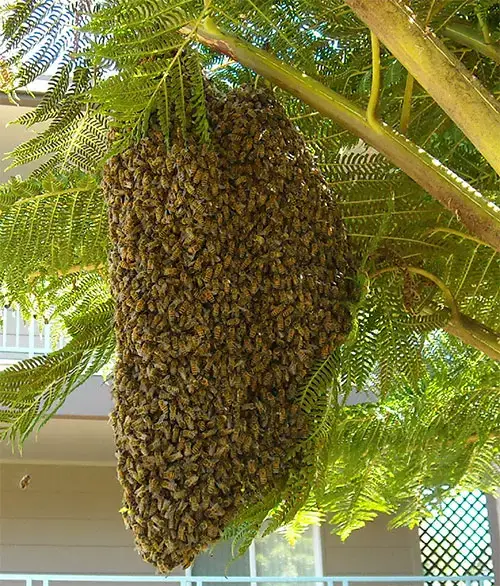
We love to spend time outside! Most of the time, we’re in our garden organizing fun outdoor dinner parties. Bees buzzing around you, however, can ruin the fresh air. Honey bees are undoubtedly some of the most essential insects because they pollinate plants, allowing food to keep growing. Who doesn’t enjoy honey, too? We wouldn’t have honey without honey bees. However, not everybody enjoys bees very much. Even those who enjoy them might still want to learn how to keep bees away. There’s still a widespread fear of bees, and even a tiny sting can be fatal for those allergic to them. There’s good news, though! Simple, natural methods that won’t ultimately harm bees or the environment can be used to keep bees away from your outdoor activities. To keep honey bees from visiting your home, use the following methods below! Avoid Bee-Attracting Flowers And Plants While it may make you sad to think about doing so, you don’t have to completely get rid of all those lovely plants and flowers! Honey bees are drawn to flowers, including honeysuckles, clovers, and herbs like thyme and oregano, so placing them close to potential nesting areas only furthers the attraction for a swarm. If they are in pots, just transfer them out of the way when you are enjoying the outdoors. Make Use Of Bee-Repelling Plants It might be questioning why we will use the bees’ favorite snack as a preventative measure. Bees look for plants that have nectar. So how would plants keep them away? In reality, few plants are effective at keeping bees away; you must know which plants to keep and which to eliminate. Bees can be eliminated by the acidic peels of cucumbers. Strong scents from citronella, eucalyptus and mint all deter bees. Also, learn the knowledge about the relationship between Pests and Old Homes. Spray Vinegar Solution Vinegar spray is an efficient natural method to drive honey bees out of the house. It’s simple to make if you don’t want to use chemical insecticides because of their potential side effects. In the areas of the yard where you frequently see bees, combine equal amounts of water and vinegar in a spray bottle, shake it, and spray the mixture around the nest. Smoke Smoke is the most efficient way to drive honey bees away from your home, where they will stay put and never return. Right beneath the hive, make a smoky fire out of cardboard and dead fuel wood. Stay away from the bees as they are being smoked out. Returning inside is best because they can become aggressive when agitated. Avoid Drawing Bees To Yourself Go outside without smelling or appearing like a flower. Bees might approach to probe if you wear brightly coloured clothing or solid floral scents. You absolutely do not want to do this. Be aware that this all-natural solution might not be as successful if the infestation is severe as other approaches. Although honey bees are beneficial to us, we should be mindful of the risks they pose to our living environments. Don’t freak out when you see a bee; just call Fullscope Pest Control. Our professionals have seen it all, and they have the expertise needed to keep honey bees away from your home. Security, restoration, and prevention are our top priorities
What Is The Established Relationship Between Pests and Older Homes
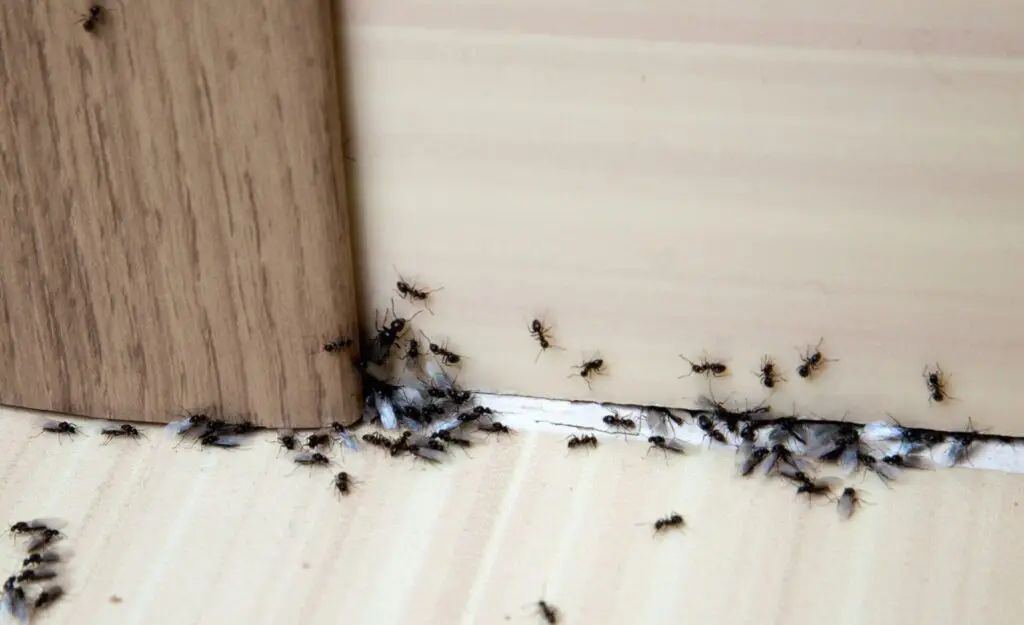
The passing of time has an impact on everyone. The same may be said of a house. Beyond simply external appearance, there are many differences between older homes and newer structures. Indeed, the inside features like floor layouts, plumbing, or electrical wiring are where the most significant distinctions are found. Even more, changes may be seen if you go deeper within. The likelihood of rats and pests infesting an older home is higher than that of a newer one for several reasons. Favorable Surroundings Insects and other pests invade homes, searching for three things: food, moisture, and a nurturing environment. Older homes often have less than optimum ventilation, worn-down barriers, and recently created cracks. As a result, pests can use them to gain access to your home and feast on your belongings. For example, if food is not stored correctly or if food leftovers are left out, these provide a veritable feast for bugs. Similarly, bugs will be attracted to an untidy storage area such as a closet or garage. Lastly, because bugs of all kinds require water, any leaks or excessive condensation will serve as an invitation for unwanted guests. Must read the tips for reducing ants. Building Style The rules for construction have evolved throughout time. The techniques for insulative properties and ventilation in your home have changed, and new materials have become available. These two main distinctions help to explain why an older house could have more bug issues. An older house was likely built differently, using materials that aren’t as sturdy or as energy efficient. Additionally, nothing is permanent. Your home will eventually fall apart no matter how well you make it. Therefore, pests may find easy entry to your property as a result of the aging process. Usage There is a lot of history in older houses. The houses have existed for many years, provided shelter for expanding families, and seen their fair share of renovations, expansions, and paintwork. The effects of all of these factors on a home may be considerable. The existence of an entrance is the most evident reason why pests can enter an older property. Holes or other gaps will allow insects or rodents to penetrate the building; a mouse may fit in an opening the size of a coin. Cracks can also provide access to pests. Aging causes wear and tear in a home. The wood begins to split and develops holes and cracks. There is a lack of a tight seal. Cobblestones crumble into dust as plaster cracks. All of these changes occur as they get older. So definitely, this also invites insects, rats, and other undesirables into your house. For this reason, preventative maintenance can have a significant impact on pest levels. Maintaining a home free of cracks, splits, and holes are the best way to protect against insect invasion. It is good to take precautions to safeguard your older house from pests if you own one. We at Fullscope Pest Control advise a yearly pest treatment to keep out any unwelcome guests. Simply contact us, and we’ll protect your home against pest invasion.
Simple Prevention Tips You Can Do Today To Reduce Ants
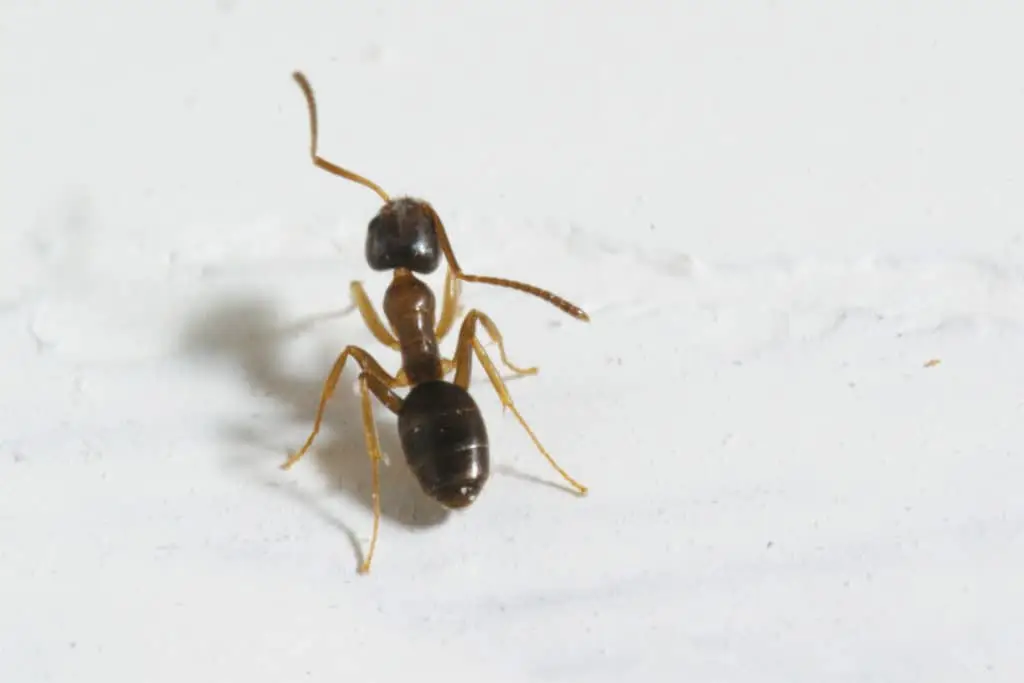
If you’re like most people who have an experience with these pestering ants, then you’ve had your fair share of struggles with this insect, whether it’s a colony of pavement ants in your garage or a procession of stinky house ants crawling across your kitchen counter. There are, however, some basic precautions that homeowners may take to lessen the likelihood of unintentionally attracting ants into their houses. 1. Be Aware Of The Most Popular Spots It’s perhaps no surprise that ants are most commonly seen in kitchens. After all, kitchens are full of food and water, which ants (and other pests) require to thrive. Ants are known to congregate in bathrooms, bedrooms, living rooms, basements, inside walls, and in/around air conditioning and heating devices. 2.Remove Food Sources Keeping your kitchen clean will assist in keeping ants away from your home. Wipe down surfaces and sweep floors regularly to remove crumbs and spill residue. Food should be stored in pest-proof containers, and ripe fruit should be kept in the refrigerator. Wipe sticky jars, particularly those holding honey, syrup, soda, or other sweets. Finally, utilize trashcan lids and dispose of rubbish regularly. 3. Remove All Water Sources Reduced dampness and standing water around your property might help avoid ants. Repair leaking pipes and inspect beneath sinks for moisture regularly. Consider utilizing a dehumidifier in damp basements, crawl spaces, or attics. Outside, ensure the downspouts and gutters are working correctly so that water flows away from the house’s base. 4.Limit Or Remove Access Points Examine the outside of your home for simple entrance points. Trees and shrubs should be pruned away from the house since their branches might serve as ant highways. Seal any exterior cracks and crevices with silicone caulk, giving specific attention to locations where utility pipes enter. Must Read about Top 5 Pest They Infest Clothes 5.Don’t Disregard Your Pets Cats, dogs, and other pets might unintentionally bring ants into your home. Pests are attracted to pet food and water bowls, so keep them clean and pick up any spilled food or water immediately. Dry pet food should be stored in a sealed plastic container rather than the paper bags it usually comes in, which ants and other pests may readily reach. Inspect dog and cat doors to ensure that pests cannot enter. Remember that ants can fit through the smallest of openings. 6. Avoid Doing It Alone Fighting ants may be difficult without the correct training and equipment. Worse, if an infestation is not adequately handled, it will spread. Some ants, such as carpenter ants, can actually cause significant property damage, while others, such as fire ants, might endanger your family’s health. Don’t do it alone; contact a professional pest control company to help you prevent ants from entering your home. Reach Out to Us Today! Do not let ants take over your house! Simply contact Fullscope Pest Control for a hassle-free experience. We do everything possible to remove these insects, increasing the chances that they will not return. You can contact us online to learn more about our ant control solutions.
Top Five Pests That Infest Clothes
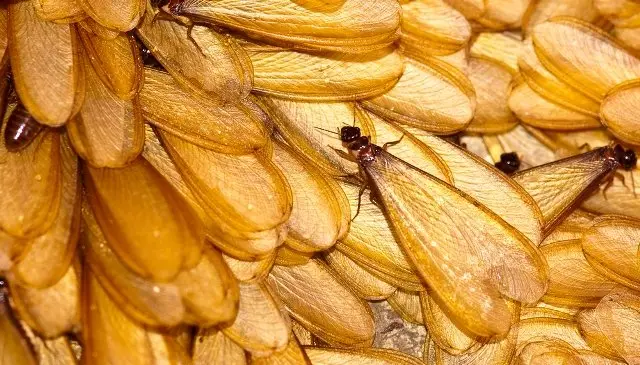
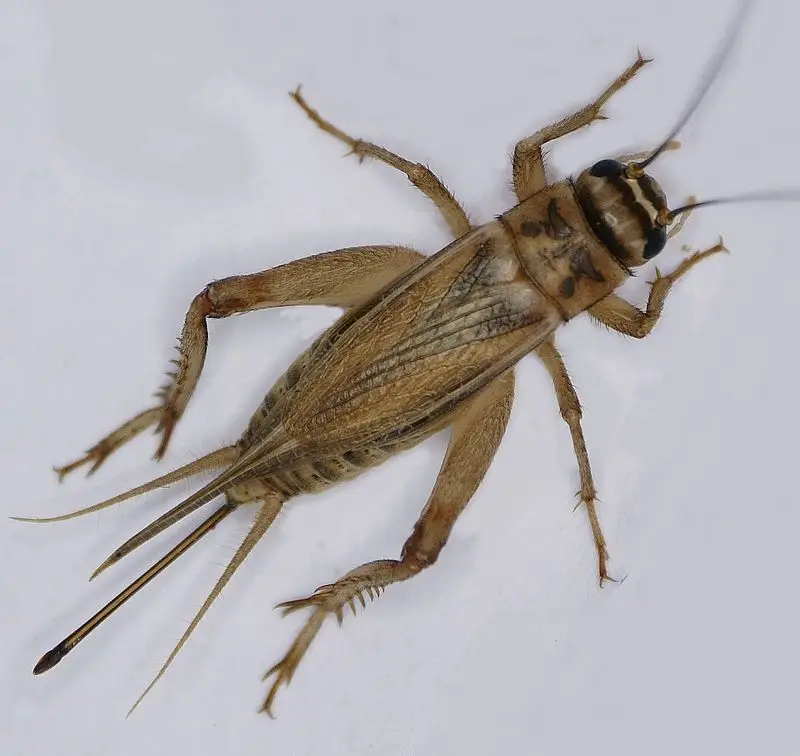
Many homeowners consider pests to be primarily nuisances, scavengers of food and water, health risks, or hazards to the structural aspects of their homes and gardens. However, many ordinary household pests can wreak havoc on clothing. Here are 5 of these potential closet invaders that you should be aware of. Cockroaches Cockroaches are typical pests in homes. They reproduce in a cluttered and filthy habitat. They prefer to reside and breed in places that are dark, warm, and damp, such as under floorboards, between walls, inside closets, and over cabinets. Cockroaches can lay eggs in clothing bins or piles of dirty rags. They are drawn to moisture and body fluids such as sweat and urine. They are also drawn to stains such as laundry starch, food stains, and goods containing sugar. As the cockroach consumes the stains, it weakens the cloth, causing holes and tearing. They can even harm leather clothing. Must read the things to know about flying termites Termites Most people are aware that termites eat wood and ruin a house’s structural integrity. They are, however, unaware that termites can cause harm to clothes. Termites will consume any cellulose-based material, including wood and paper-based items. Cotton and linen are natural textile fabrics manufactured from cellulose-based plants. As a result, clothing is an ideal trendy treat for termites. Termites eat through clothing, especially if it is contaminated with food or liquids. Crickets Crickets are mostly found outside. As a result, many people are unaware that crickets may become inside pests, causing damage to clothing, drapes, and curtains. Crickets can hide and survive in rags and clothes boxes stored in the attic. Crickets, like termites, are drawn to food and beverage stains on clothing. The cricket consumes the spots that remain. It cuts the threads of the fabric during the procedure. The damage is frequently not apparent until the clothes are washed and worn. Silverfish The silverfish prefers dark, humid environments and can be found in drawers, closets, and shelves. It has a destructive feeding behavior that results in the destruction of books, stored files, clothing, upholstery, and wallpaper. Silverfish eat garments for the nutritious chemicals inherent in fabric rather than the actual material. It prefers natural fibers such as rayon, cotton, linen, and silk. Unlike other pests, silverfish do not leave holes but instead create a shaved appearance on the fabric. The Carpet Beetle Carpet beetles can harm your clothing. Surprisingly, it is not the adult carpet beetle that causes clothes damage. The larvae are the ones who eat the fabric. The female beetle produces approximately 100 cream-colored eggs in hidden areas such as clothing, furniture, carpets, and fissures. They begin feasting on animal-based materials and clothes as soon as the eggs hatch, including wool, mohair, feathers, fur, and leather. If your best home preventive techniques aren’t keeping your garments safe from household pests, contact Fullscope Pest Control. Our trained experts can assess your case, give appropriate treatments, and offer important advice. To book pest control services, please contact us right away.
Things to Know About Flying Termites
Have you ever observed how flying insects flock to light bulbs during the rainy season? If they happen to be flying termites, believe it or not, they might be the start of your household nightmare. They are social insects with distinct castes: workers, soldiers, kings, queens, and, last but not least, alates – also known as flying termites. Furthermore, flying termites are winged reproductive insects that swarm out from the nest to form new colonies. They frequently appear when the humidity is high, usually in the evening after the rain, and are drawn to well-lit regions. One of the unmistakable indicators of termite infestation is this. Are you one of those aspirants who want to learn more about flying termites? This knowledge might save you hundreds of dollars in repair costs. As a result, learn more. In any case, the following are some facts regarding flying termites: 1.Not all termites have the ability to fly. Termites are not classified as flying insects. Only a few termites can fly, and they can only do so for a brief time before losing their wings. Only the alates can fly among the termite castes since they are the only ones with wings. These are the only termites with sexual development and will be the kings and queens of the termite colonies the following season. Swarms refer to termite flight patterns and behaviors. 2.Termites swarm to reproduce and establish new colonies. The termite life cycle begins with termites swarming to reproduce and establish new colonies. During this time, sexually mature male and female winged termites leave their nests and fly. This is known as nuptial flight, and it is also undertaken by other insects such as ants. After leaving their nest, the winged termites aggregate in the air (swarms) and mate with other colonies of the same species. After successfully mating, the termites will land, drop their wings, and establish a new colony. 3.Flying termites emerge at random or when the light draws them. Flying termites are drawn to light. This collection of flying insects has shed their wings and begins to crawl around on the floor without their wings for an unknown amount of time before dying. Also, read Why Mosquitos Bites me so much. 4.Flying termites have a distinct appearance and may be identified by attentively inspecting them. Flying termites seem different from other flying insects and may be identified by attentively inspecting them. They are often the same beige or tan hue as the other termite castes. They have two antennae that are typically straight with a slight bend and two sets of wings equal in length, white, translucent, and veiny. Termites are classed depending on their body shape. The flying termite and wingless termite have a solitary thick body feature. Unlike ants, Termites do not have a constriction between their thorax and abdomen. Recommended Read: What Causes Flying Termites in Your House Conclusion Because flying termites make up such a small fraction of all termites, the best strategy to eliminate them is to eradicate all termites in general. Termite removal from your property will deal with flying termites and minimize and limit the spread of termite colonies in your region. Are you concerned about flying termites? Contact Fullscope Pest Control immediately to learn how to protect your house against termite damage.
Why Do Mosquitoes Bite Me So Much?
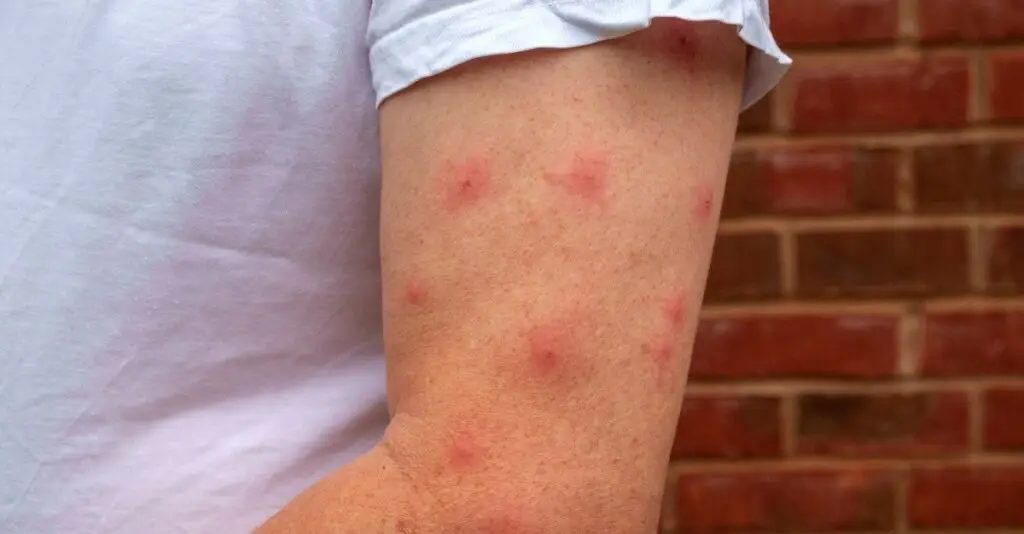
Mosquito bites are little, raised lumps on the skin caused by a female mosquito that sucks human blood. Mosquitoes are flying insects that are modest in size. They have six legs and large mouthparts for sucking blood and nectar. Mosquito bites seldom cause long-term injury. For a bit of time, they can produce minor inconvenience and irritation. On the other hand, Mosquitoes are harmful because they carry infections that can be lethal. Are you one of those people wondering why mosquitoes bite you so much? You are not alone. An estimated 2 out of 10 persons are extremely tasty to mosquitoes and get bitten more frequently regularly. We’ve all seen the itchy red lumps that appear after being bitten by a mosquito. They’re usually only a slight inconvenience that goes away with time. But do you ever think that mosquitoes attack you more than others? There is a scientific explanation behind this! Also read 5 Tips to help your yard pest proof. Moreover, if you are a magnet for mosquitoes, read on to learn more about what may be luring the insects to you. If mosquitoes seem to bite you more than other people, it could be due to different factors. Aside from satisfying your curiosity, understanding these factors can help you identify ways you can try to avoid their irritating bites and lower your risk of the illnesses they can cause. As a result, a number of variables might attract mosquitoes to you. Here are a few examples: Carbon Dioxide Mosquitoes are drawn to carbon dioxide, which you expel when you exhale and especially when you exercise. According to some research, mosquitoes can smell carbon dioxide from 164 feet away and migrate toward it in search of a prospective host. Body Odor Compounds found in your skin and sweat can attract mosquitos because they emit a unique odor that attracts mosquitoes. Some people, for example, secrete more lactic acid, ammonia, or cholesterol on their skin, all of which attract mosquitoes. Skin Bacteria Skin microorganisms also contribute to body odor and the secretion of mosquito-attractive chemicals. According to research, particular mosquito species are more attracted to specific body parts. Some like the head and shoulders, which might be related to higher carbon dioxide levels, while others prefer the feet and ankles. Heat Mosquitoes favor persons with a naturally higher body temperature and thrive in hot, humid areas. Mosquitoes may bite you in some situations because you are wearing clothes that retain heat around you. Body Size According to research, mosquitoes are drawn to more significant people in general, presumably because they have more blood and emit more heat. Blood Type According to many pieces of research, those with blood type O are more susceptible to mosquito bites than those with blood types B or A. The causes behind this are unknown at this time. Genes According to research on identical and fraternal twins, an underlying genetic mechanism may play a role in frequent mosquito bites. Overall, while mosquito bites are mostly annoying, they can sometimes spread disease. If you’re in an area where mosquito are present, take steps to prevent being bitten. Furthermore, you can eliminate their habitats and keep them out of your house. You can seek professional help by contacting our team Fullscope Pest Control!
5 Tips to Help You Pest-Proof Your Backyard

Your backyard is a great place to relax and enjoy the outdoors. But if you have pests like ants, bugs, or rodents in your yard, you may not be able to fully relish it as much as you’d like.If you want to keep these pests out of your yard, there are some things you can do. Here are five good tips that will help you pest-proof your backyard: 1.Cover Your Garbage Garbage attracts all kinds of pests, so make sure that it’s covered when it’s not inside the house or bin. This includes plastic bags and boxes and larger items like old appliances or furniture. If there are holes in the garbage can lid or container itself, fix those right away so nothing can get inside. 2.Clean Up Around the Area No matter how big or small your backyard is, there will always be things in it that shouldn’t be there — things like trash or debris that might attract pests if left alone for too long. Use a rake and pick up any sticks or leaves that have fallen onto the ground so that no one else can use them as shelter when they need it most. 3.Don’t Leave Pet Food Outside Pests love pet food, so if you leave it outside, they will be attracted to it and come into your yard. You should always put pet food inside after giving it to your pet and dispose of any leftovers properly. If the smell of pet food gets too strong in a plastic bag, place a few drops of vanilla extract on top of the bag before sealing it shut so that the scent helps mask any other odors that might attract pests. 4.Prune Every Overgrown Plants and Shrub Overgrown plants or bushes provide plenty of hiding places for pests like rats and mice. They also make it easier for other pests such as ants and roaches to get inside your home because they serve as transportation routes for these bugs. To keep pests out of your yard, it’s important to remove any overgrown plants or bushes so they don’t have any places left where they can hide from you. Also know about How Do I Get Rid of Carpenter Ants. 5.Remove Any Standing Water from Your Yard Numerous sorts of water can create issues in your yard: Standing water on the ground: Look around your yard for any standing water, such as puddles or pools that might form after a heavy rainstorm. You should get rid of this water before pests can use it as shelter or breeding grounds. Rain gutters: If your home has gutters, keep them clean and free of debris, so they don’t overflow onto the ground below when it rains. Pests love to use rain gutters as hiding spots because they are dark and offer protection from predators like us humans! Eliminating pests should be a top priority for anyone trying to enjoy their backyard. These tips provide a good starting point for anyone looking to achieve this goal for professionals and novices alike. However, if you’re not sure how to handle the problem on your own, it may be best to contact the professionals at Fullscope Pest Control for assistance. We are always happy to help with any pest issue, so you can get your backyard pest-proof now and enjoy a pleasant place to unwind.
How Do I Get Rid of Carpenter Ants in My Home?
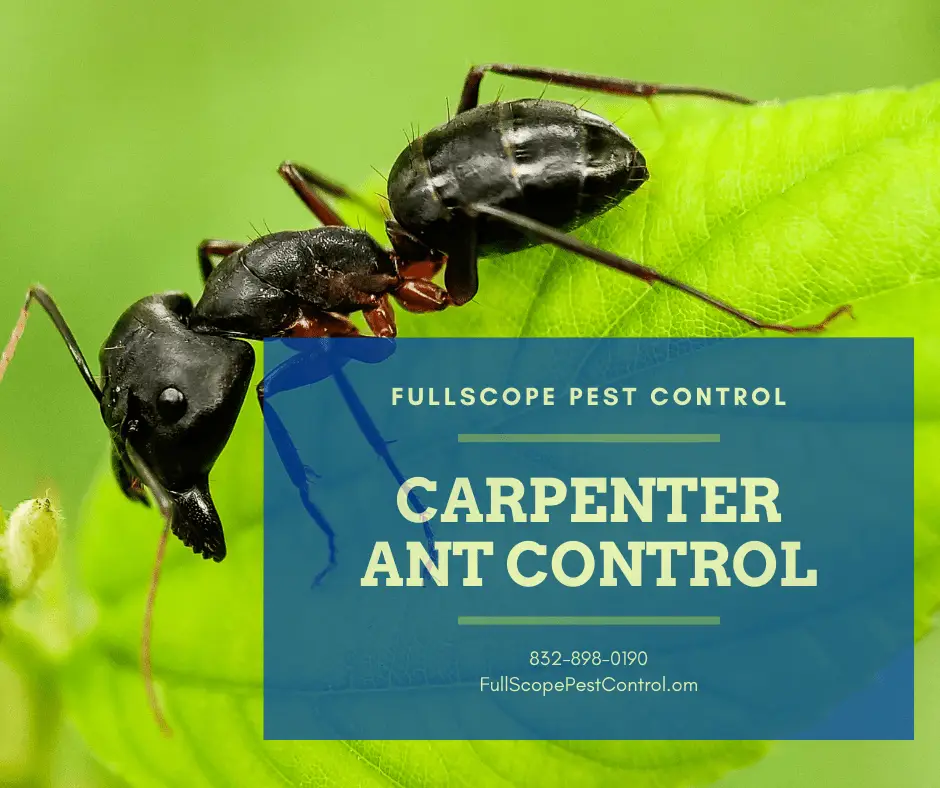
🔍 Key Highlights: Getting Rid of Carpenter Ants Carpenter Ants Are Destructive, Not Just AnnoyingThese large ants chew through wood to build colonies, threatening your home’s structural integrity. Watch for Early Warning SignsLook for small piles of sawdust-like “frass,” rustling sounds in walls, or sightings near water sources. Entry Points Include Cracks, Branches & WiresCarpenter ants often enter through tiny crevices or from overhanging tree limbs—keep vegetation trimmed 12–18 inches from your home. Disrupt Their Pheromone TrailsClean surfaces with essential oils, vinegar, or dish soap spray to confuse scout ants and reduce traffic. Use Homemade BaitsCombine sugar or jam with boric acid or baking soda. Ants carry the poison back to the colony, helping kill the nest over time. Boric Acid = Natural Nest KillerApply boric acid dust into suspected wall nests or ant trails using a bulb duster—safe, effective, and long-lasting. Destroy the Nest Directly if FoundDrill small holes near activity zones and puff in boric acid. Repeat treatments may be needed for full eradication. Call a Professional for Large InfestationsDIY treatments help, but professional inspection ensures hidden nests are found and fully eliminated. There are over 12,000 known species of ants, and you can easily split them into just two categories: 1) annoying, but still harmless, and then 2) very destructive (and dangerous). During warm weather months, you may find both kinds of ants inside and outside your home. Watch out, because among these ant species, there are large Carpenter ants who may have taken refuge in your home with the ultimate outcome of destroying your home from the inside out in order to build their colony up – they can also inflict painful bites. What can you do to get rid of Carpenter ants? Read on for some Pro tips. FullScope Pest Control offers expert carpenter ant removal services, ensuring your home remains safe and pest-free. What Are Carpenter Ants? Carpenter ants earned their name because of the uncanny way they damage and burrow through wood, especially wood in your home and that your furniture is made of. These insect pests don’t eat wood like termites do, but they chew it and spit it out to make pathways for themselves and their colony members. You might start noticing small piles of wood shavings (a.k.a. “frass”) near your walls and around your home – that’s a pretty good sign that you have Carpenter ants that have already moved in. Carpenter ant are quite easy to distinguish from other types of ants because of their larger size. They are usually red in color, or reddish black, sometimes brown, and sometimes all black, and they typically measure between 1/2″ to 5/8″ in length. How Did Carpenter Ants Get Inside My Home? Carpenter ants are crazy about damp, rotting wood, so if you have moisture issues in and around your home, that’s a good attractant for Carpenter ants. They won’t always get into your home by gnawing their way through wood, but rather they can get in through any crack or crevice, even those higher up off the ground. Carpenter ants and other pests can access your home via a nearby branch, wire, or pipes, which is why it’s so important to keep your hedges and trees near your home trimmed at least an inch to an inch and one-half away from the sides of the structure. Also learn about How To Detract Pest and Wildlife from your Home Once inside, Carpenter ants will usually set up shop near water sources, like leaky faucets, pipes, kitchens, and bathrooms, for example. The A/C unit in your home is also a popular hangout for these pests. Pro Tip: Keep tree branches at least 12–18 inches away from your home to prevent easy access. How Do I Get Rid of Carpenter Ants? Carpenter ants are notoriously difficult to kill, in comparison to other ant species. Here are some things you can do to get rid of them once you’ve found them: Disrupt their pheromone (scent) trails. Carpenter ants (like other ants) use pheromone trails to help them and their colony mates find their way back to food and water sources. Cleanliness is always the first line of defense against any pest, and Carpenter ants are no exception: cleaning surfaces where these pests may have wandered will disrupt their trails and make it more difficult for them to find their way back to where they’ve been. Essential oils like tea tree, lemon, orange, or cedarwood on a cotton ball used to wipe down surfaces will also disrupt their trails. Maybe you want to mix up a solution of one-third dish soap to two-thirds water to pour into a spray bottle (this will also kill them if used to spray them directly, though your best strategy is to kill off the nest/colony. A half-half mixture of white vinegar and water will also disrupt their trails and kill them when applied directly. Mix up a bait for scout Carpenter ants to find and take back to their nest. Most ants are attracted to sweets just about any time, so mix up a bit of jam or jelly with baking soda or boric acid. You can also mix up half sugar and half baking soda/boric acid, and leave it for them in a dish they can access easily. The sugar/jam will attract them, and then the baking soda/boric acid will kill them. They’ll find it and take it back to their nest to share. This strategy will gradually diminish their numbers. This will take longer than killing them directly, but over a couple, maybe three weeks, this will be the most effective way of killing them off at their source: their nest/colony. Destroy their nest directly. If you are lucky enough to have found their nest (“frass” trails, or you may notice a “rustling” sound coming from inside a wall at home), you can more aggressively attempt to destroy their nest. Boric Acid: A Natural and Easy Solution for Carpenter Ants (And Many Other Pests) Pro Tip:
How to Detract Pests and Wildlife From Your Home This Spring
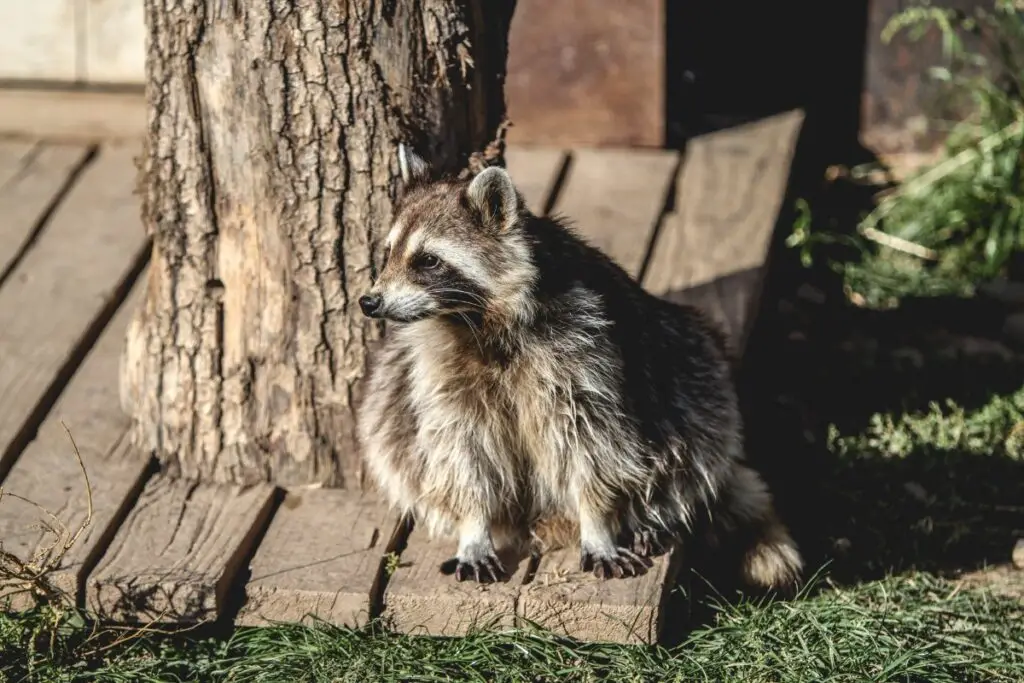
Springtime comes with more time spent outside, beautiful flowers sprouting from the ground, and animals coming out from winter hibernation. With all this excitement, there may be some unwanted pests and critters that can start to invade our own habitats. Taking preventative measures before they can do so is imperative to make sure that you keep unwelcomed guests from wreaking havoc on your home. To help you get started, we reached out to animal trappers and pest professionals from Dallas, TX to Surrey, BC, for their best tips on how to detract pests and wildlife from entering your home. Keep reading to see what they had to say. Understand that wildlife entering our habitats is something that naturally occurs Wildlife see your home as a sanctuary and as a place to shelter from the elements, so it’s natural that they’ll start to cross into the boundaries of your home. The first step to fortifying your home is understanding that this is a common occurrence. They are driven by three main biological necessities When wildlife invades human structures or developments, it’s always driven by at least one of the three main biological necessities – food, water, or shelter. It isn’t always something that we are doing wrong, wildlife is just adaptive and can actually thrive among us. The best ways to alleviate conflict are physical barriers, habitat modification, and reducing how many of the biological needs that wildlife are constantly looking for. – Western Mass Wildlife Removal Ways to fortify your home There are many ways to safeguard your home from pests and wildlife. Use these expert tips on what you can do to keep out unwanted intruders. Use strong materials like metal and cement to fortify your home Animals love the security from predators and weather provided by crawlspaces. Your best line of defense, as a homeowner, is to secure these areas to prevent wildlife entry before they ever access these areas. We prefer to install strong metal or cement as many animals are far too determined for steel wool, expanding foam, or other soft materials to keep them from invading your space. – Wildout Animal And Pest Removal Have a pest provider install repair mortar or caulk It might be tempting to repair rodent entry areas with spray foam, but did you know that we often see mice and rats chew through these types of repairs. We recommend choosing a pest provider that uses durable construction materials such as repair mortar, flashing, or caulking. – Whitmore Pest & Wildlife Control Conduct a check of your home’s foundation, windows, and door frames A homeowner who discovers termite damage can spend up to an average of $3,000 on repairs – something rarely, if ever, covered by homeowner insurance. Signs of termite activity are often difficult to see until it’s too late. However, homeowners can look for swarming termites, damage to window or door frames, or shelter tubes around the home’s foundation. Most importantly, always ask your pest management professional if it’s time to use a termite solution to keep your home protected and give you peace of mind. – Termidor Termiticide Secure every chimney vent with a stainless steel chimney cap Secure every chimney vent with a professionally manufactured stainless steel chimney cap that’s designed for the size and venting needs of that particular chimney venting system. Secure passive wall air vents with 1/4-inch hardware cloth on the outside of the structure. Paint to blend screen with background color prior to installation. – Wildlife Control Consultant Tips to consider when detracting wildlife and pests If you find yourself with wildlife and pests already invading your space, consider these steps. Must read the difference between Wasp and Honey bee Hives Give the animal a way to safely exit the building When dealing with a raccoon in a crawl space, it’s critical that you give the animal a way to safely exit the building, but not re-enter. A raccoon one-way door will do exactly this, but it’s still important that you have a wildlife removal professional help you seal all of the potential entry points for the raccoon to regain access to your home. Otherwise, your furry friends will continually find their way back in. – Critter Stop DFW Do not seal wildlife in your home If you find wildlife that invaded your home, don’t seal them in. Sealing wildlife in the home will create a larger, messier issue in the long run. Instead, call a wildlife specialist to remove, and seal the home to deter further wildlife from entering. – Ewert Pest Control Keep leaf litter and mulch to a minimum Pest pressure in and around your home is a very common issue for most of the United States, when populations on the exterior reach certain levels of environmental stress, insects have a tendency to migrate inside. Pest professionals are highly trained to identify and eliminate the pest and entry points, prevention is the best solution. Excessive leaf litter and excessive mulch applied above foundation grade can all be potential pest and termite issues. – FullScope Pest Control Keep drains clear and dry One thing I suggest is to make sure drains are clear and dry. This prevents pests like mosquitos, ants, cockroaches, silverfish, and rodents from reproducing and making themselves at home. Insects are attracted to damp areas inside the home, and can often be found in wet areas around the outside of homes as well. – Vama Eco Dealing with mosquitoes in your yard can be havoc, your first priority should be preventing mosquitoes from nesting. Make your yard inhospitable by removing all standing water in gutters, buckets, toys, etc. Remember, it only takes a cap full of water to breed thousands of mosquitoes. Along with eliminating breeding ground, you can call a professional service to see the best results. – Last Bite Mosquito Install a mosquito trap When mosquitoes pester you in your garden or outdoor spaces there is now an effective, eco-friendly way to address these annoying
Wasp and Honey Bee Nest: What Homeowners Need To Know
Wasps and bees can be a huge pain for homeowners as they mainly show up at homes during late spring and early summer as they prepare their nests. In this article, we’ll tell you all about what you should know about wasp and honey bee nests. Signs You Have Wasps and Honey Bees Around Your Home If you suspect that you have wasps and honey bees around your home, there are several signs to look for. Buzzing Noises This is an apparent issue, yet it is one that many people overlook or forget. If you’re hearing buzzing sounds in your walls, it’s likely that a swarm of bees or wasps has settled within. The swarm grows in size as the buzz grows larger and more frequent. Serious infestations have resulted in millions of bees residing in a single house, creating a very terrifying and hazardous situation. Sudden Appearance So you’ve been lazing around your house on a lazy Sunday and haven’t gone out. Despite this, you notice a large honey bee buzzing over your head. What caused this to happen? While it’s possible that this single bee pushed his way through the cracks in your exterior and winged his way inside, it’s also possible that he’s simply one of many that dwell within your walls. Also Learn About Get Rid Of Odorous Horse Ants. Walls or Ceilings With Dark Spots If you detect dark stains on your walls or ceilings, you may have a honey bee infestation. Here is because honeybees have constructed a nest between your walls or above your ceiling, indicating that this is where the honey is made. Honey from these nests will leave dark spots on your walls or ceilings. This, together with an abundance of bees around your property, indicates that you have a honey bee infestation. How Long Do Wasp And Bee Nests Last? The majority of wasp colonies only survive for one season at a time. As is the case with bumblebees, only the queens of the colonies are able to build new colonies; the rest of the members of the colony perish. Warmer temperatures and different geographical regions help a colony survive longer. There is only one use for a nest. If you want to prevent wasps from building a nest in the same location the following year, it is recommended that you leave at least part of the nest construction in place after the nest has been abandoned. This will prevent the wasps from returning to the same spot to build their nest. This is because social wasps are quite territorial and, as a general rule, tend to avoid forming new colonies in close proximity to other nests. The reason for this is related to the fact that social wasps are very social insects. In point of fact, some wasp repellents take advantage of this idea by constructing a “dummy” nest in the area in order to discourage queen wasps from establishing new colonies there. You can continue reading to find out more about this below. What’s Next? Bees and wasps may have a single-minded drive for pollination and propagation, but that doesn’t mean you should let them dwell in your yard full-time. Fullscope Pest Control will carefully remove any troublesome nest from your property, giving it a more secure environment for your family to relax and play. Contact us right away.