 1500+ reviews

Don’t Let the Tawny Mole Cricket Ruin Your Lawn!
Tawny Mole crickets are odd, almost prehistoric-looking underground pests that can undo all the hard work you’ve put into your lawn. These insects feature clawed front legs which are perfect for digging underneath your lawn and tearing up your turfgrass, while also feeding on the roots. Read on for some easy ways to make them feel unwelcome on your property–to get rid of them for good, there’s a good chance you’ll need the help of a professional pest control company. What Are Tawny Mole Crickets? Tawny Mole crickets are small, burrowing insect that is native to the southeastern United States. These pesty critters are most active during the late spring and early summer months. Female Tawny Mole crickets lay their eggs in underground burrows, and the nymphs that hatch from these eggs look like miniature adults. Tawny Mole cricket nymphs go through 7 phases of molting before they reach adulthood. Adult Tawny Mole crickets are light brown in color and have wings that they use to fly short distances. Can Tawny Mole Crickets Damage My Lawn? While they may look harmless, Tawny Mole crickets can cause serious damage to your lawn. Tawny Mole Crickets tunnel through the ground underneath your lawn in search of food, and their tunnels weaken and kill grass plants. In addition, these pests are known to feed on young turfgrass plants, which can stunt the growth of your lawn. If you have a Tawny Mole cricket problem, you may notice small mounds of dirt in your lawn or damaged grass leaves. You may also hear a high-pitched chirping noise coming from underground—this is the sound of the male Tawny Mole cricket’s mating call to nearby females. You probably don’t want these pests reproducing! Must Read:IS WILDLIFE REMOVAL FREE Tawny Mole Cricket Damage As we mentioned, Tawny Mole crickets cause damage to lawns in two ways: by tunneling through the ground and by feeding on turfgrass plants. As they tunnel through the soil in search of food, Tawny Mole crickets loosen and break up soil clods, uproot small plants, and damage plant roots. This tunneling activity can reduce the ability of grass plants to absorb water and nutrients from the soil, which weakens the plants and makes them more susceptible to disease. And then there’s the feeding on your grass part. Tawny Mole crickets often feed on young turfgrass plants (especially the roots), which can stunt the growth of your lawn. How Do I Get Rid of Tawny Mole Crickets? The best way to control Tawny Mole crickets is to prevent them from infesting your lawn in the first place. To do this, you need to regularly inspect your property for signs of these pests and take action immediately if you start noticing them. Start by removing any organic debris—leaves, mulch, tree branches, etc.—from your yard as this can provide shelter for tawny mole crickets. In addition, keep an eye out for adult Tawny Mole crickets flying into your yard from adjacent properties; if you see any, take measures to prevent them from entering your yard. Finally, make sure that all gaps and cracks around doors, windows, and other potential entry points into your home are sealed so that these pests cannot set up camp indoors. If you already have a Tawny Mole cricket problem in your lawn, there are several steps you can take to get rid of these pests. One option is to use a bait that contains cyanide or strychnine; however, these baits are extremely poisonous and should only be used as a last resort. A safer option is to use a bait that contains certain insecticides; these baits can effectively kill off Tawny cricket nymphs before they have a chance to mature into adults that will damage your lawn. Another option is to use a Nematode-based biological control agent; Nematodes are tiny worms that parasitize and kill insects such as grubs (the larval stage of beetles) and caterpillars. Some Nematode species will also attack Tawny nymphs. You can purchase Nematodes at most garden stores or online retailers. So, remember: don’t let the Tawny Mole cricket ruin your beautiful lawn and your summer! These pests can cause extensive damage by tunneling through soil and feeding on turfgrass plants. Take preventive measures by regularly inspecting your property and removing any organic debris that could provide shelter for these critters. In addition, be sure to seal up any gaps or cracks around doors, windows, and other potential entry points into your home so that Tawny Mole crickets cannot get inside. If you already have a Tawny problem in your yard, there are several options for getting rid of these pests – including using bait or a Nematode-based biological control agent. Take action now so that you can enjoy a gorgeous lawn all summer long! Despite your best lawn care efforts, at times, pests and lawn diseases may just become overwhelming. Calling a professional lawn service is always much more cost effective and a timesaver in the long run if you feel you are overwhelmed with Tawny Mole crickets and other pests that might be damaging your beautiful yard. This can help you deter expensive damage by getting a handle on things early on. Call our Texas FullScope lawn pest control experts today at 832-898-0190 for a consultation. Or email us at info@fullscopepestcontrol.com. We can quickly help you get your lawn Tawny Mole cricket problem under control, as well as other expensive pest problems in your home or business.
Is Wildlife Removal Free

Wildlife is crucial to the delicate balance of ecosystems in the vast tapestry of our natural environment. However, disputes emerge when these wild critters close up on human settlements, necessitating wildlife removal services. What about the cost of wildlife removal control? The eradication of wildlife can be a complicated process, and in this article, we’ll look at the many expenses and the significance of careful management. The True Cost of Wildlife Encounters Although we appreciate wildlife, there are times when our contact with them can put us or our property in danger. Wildlife removal is required when raccoons raid garbage cans, squirrels build nests in attics, and snakes seek safety in gardens. Professional Wildlife Removal Services Despite the widespread misconception that trapping and removing wildlife is a free service, many situations call for the expertise of a professional wildlife removal agency. Professional wildlife control services have the knowledge and equipment to compassionately and securely remove wildlife from private premises. A fee associated with using their services depends on variables like the nature of the animal, its location, and how complicated the removal is. Must Read:HOW MUCH FOR SPIDER PEST CONTROL Assessing Property Damage Wild animals often tear up homes, attics, roofs, and gardens to find safety. The price of wildlife experiences may rise to compensate for these repairs. Further proving that “free” animal removal is a myth, homeowners may need to repair insulation, seal entry points, and restore damaged sections. Preventive Measures Avoiding future interactions with wildlife is crucial for everyone’s well-being. It will cost you money to put up barriers, seal up potential entrance sites, and otherwise make your property less appealing to wildlife. These precautions aren’t strictly necessary for eradication, but they’ll greatly help in the long run. The Ethical Aspect There are moral questions that must be answered while dealing with wildlife. Human actions threaten the homes of many animal species. Disruption of local ecosystems and threat to already vulnerable populations might result from encounters leading to removal without regard to the animal’s wellbeing or contribution to conservation efforts. Balancing Conservation and Coexistence Instead of considering animal removal as a monetary transaction, a more holistic viewpoint stresses the need to balance conservation efforts and human security. Conflicts and the need for removal can be reduced by encouraging cohabitation whenever possible, such as by using compassionate means to dissuade animals or developing wildlife-friendly environments. Final Thoughts Managing human interactions and other forms of life is not a simple or free task. Professional assistance is needed for all aspects of the procedure, including removal, property repair, and the implementation of preventative measures. When it comes to protecting your house from pests and maintaining a healthy ecosystem, Fullscope Pest Control has your back. Our team of experts is truly dedicated to meeting your wildlife control and prevention needs with kindness and professionalism. Put your faith in us to safeguard your property and help wildlife coexist peacefully with humans. Contact us today, and let’s be your partner in responsible wildlife management.
How Much for Spider Pest Control
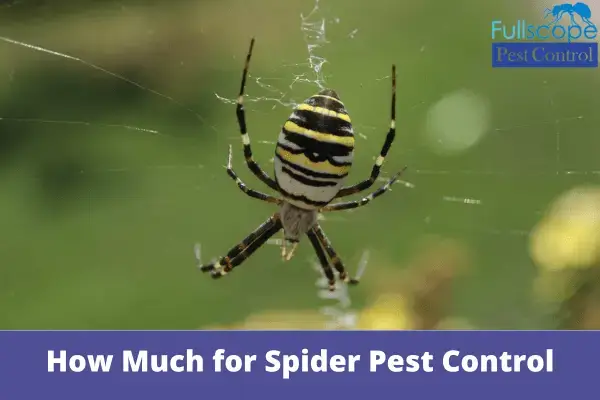
Spiders are intriguing organisms that keep insect numbers in check, which is vital to the health of our ecology. However, when they enter our homes, they become a source of worry and terror for many people. Maintaining a safe and pest-free space in the face of a spider infestation requires the services of a professional spider pest control company. In this article, we’ll discuss what goes into estimating the cost of spider control options and why hiring experts is worth it if you want to live in comfort. Understanding the Scope of Spider Pest Control Knowing the full extent of spider pest treatment is essential before estimating expenditures. Treatment solutions for spider infestations provided by professionals include: Inspection A team of skilled professionals will evaluate your property to identify the degree of the infestation and the type of spiders that have made their home there. Identification Various species of spiders need to be dealt with in different ways. Species identification is crucial for administering the correct medication. Treatment Professional exterminators use insecticides, traps, and exclusion measures to eliminate and keep spiders from returning. Factors Affecting the Cost The price of spider pest treatment might change depending on several factors. Among these are: Extent of Infestation A significant element determining how much it will cost is how bad the infestation is. Costs will rise as more time, materials, and treatments are needed to eradicate a more extensive infestation. Type of Spider It can be challenging to eradicate specific types of spiders completely. Specialized treatments may be necessary and increase costs for venomous or aggressive spiders. Property Size The time and resources required to exterminate your property are proportional to its size. Location The total may vary depending on local factors, including the price of living and the going fee for pest management. Frequency of Treatments To guarantee total eradication and prevent subsequent infestations, it may be necessary to provide numerous treatments. Benefits of Professional Spider Pest Control Numerous advantages can be gained by spending money on expert spider pest management, including but not limited to the following: Safety The health concerns associated with pesticide use can be significantly reduced when you hire a professional exterminator. Effectiveness Do-it-yourself approaches may offer short-term relief, but only expert services guarantee a complete, long-lasting repair. Preventive Measures Experts will eliminate current spiders and take precautions to lessen the chances of future infestations. Customized Solutions Pest control experts modify their services based on the severity of your spider problem and your individual preferences. Must Read:DO AMERICAN COCKROACHES INFEST Final Thoughts Hiring a professional pest control service, such as Fullscope Pest Control, to deal with a spider infestation is money well spent. Our trained professionals will check your home or business, determine the full scope of the spider problem, and devise a strategy to exterminate the spiders permanently. Our procedures are effective and safe, guaranteeing a pest-free home for you and your loved ones. Don’t let spiders keep you up at night; call us right away for effective, tailored spider pest control that lasts.
Do American Cockroaches Infest
Cockroaches are among the most tenacious and hardy pests known to man. The American cockroach is one of the most prevalent and infamous household invaders among the many kinds. Their capacity to quickly adapt, thrive, and multiply has earned them a reputation as unwanted guests in homes and businesses across the United States. In this article, we’ll look at the intriguing world of American cockroaches, their habits, and how you can keep them away. We’ll also touch on the key differences between German vs American cockroaches. Identifying American Cockroach The American cockroach, sometimes known as the “palmetto bug” or “water bug,” is one of the largest cockroach species found in North America. This roach did not originate in America, despite its name; it is thought to have originated in Africa and was introduced to the Americas centuries ago. American cockroaches (Periplaneta americana) are large, reddish-brown, measuring 1.5 to 2 inches. They prefer warm and humid environments in kitchens, bathrooms, and basements. They are nocturnal scavengers feeding on organic materials. German cockroaches (Blattella germanica) are smaller, light brown, or tan with dark stripes and reproduce rapidly indoors. Both species are pests and require preventive measures. Infestation Triggers For a variety of reasons, American cockroaches can infest homes. Among the most prevalent triggers are: Food Availability Food left out in the open or improperly stored might attract roaches to your kitchen and pantry. Moisture Roaches are drawn to moist and humid environments, making faulty pipes and standing water potential breeding grounds. Cracks and Crevices These pests may fit through tiny gaps in walls, floors, and windows, gaining entrance to your living areas. Must Read: HOW TO PERMANENTLY GET RID OF GERMAN ROACHES Health Concerns Aside from being a nuisance, American cockroaches harm people’s health. They can potentially infect food and surfaces with bacteria and pathogens, causing gastrointestinal difficulties and allergic reactions in some people. Furthermore, their excrement and shed skin particles can cause asthma and other respiratory issues. Prevention and Control Avoiding a cockroach infestation is far easier than dealing with one. Here are some helpful hints for preventing American cockroaches: Cleanliness Keep your living space clean, especially the kitchen and eating spaces. Wipe down surfaces, sweep frequently, and avoid leaving food scraps out. Sealing Entry Points Seal cracks and fissures in walls and floors to keep roaches out of your home. Moisture Control Repair leaking pipes, handle high humidity regions, and use dehumidifiers. Professional Pest Control If an infestation becomes a persistent issue, consider hiring a professional pest control service. Conclusion Fullscope Pest Control understands the difficulties associated with American cockroach infestations and their impact on your house. Our staff is dedicated to providing effective pest-free living solutions. We prioritize prevention. We may work together to detect access points, correct moisture issues, and adopt preventative steps to keep these pests at bay. Our skilled professionals employ safe and environmentally friendly ways to effectively eliminate cockroach infestations, assuring your family’s safety. The importance of early detection and intervention cannot be overstated. Contact us today to schedule a consultation and take the first step toward roach-free living.
How to Permanently Get Rid of German Roaches
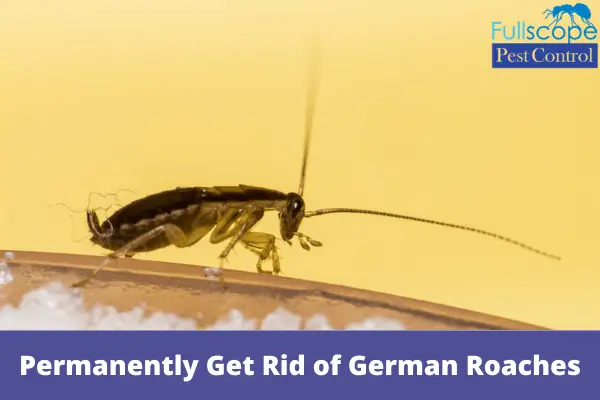
It can be a nightmare dealing with a German cockroach infestation. If left uncontrolled, these troublesome insects breed swiftly and can quickly take over your home. You’ve come to the correct place if you’re sick of dealing with these unwanted visitors. This blog post will look at efficient methods on how to get rid of German roaches permanently from your home. Following these suggestions, you’ll be well on your way to a roach-free house. Identify the Infestation The first step in dealing with a German cockroach infestation is confirming its presence. German roaches are light brown or tan with two dark stripes running down their backs. They are about half an inch long. Attracted to warmth and moisture, they are commonly seen in kitchens and baths. As indicators, look for droppings, egg capsules, or a characteristic musty odor. Their Life Cycle goes through three life stages: Egg, nymph and adult. Egg case is typically glued to a surface in your home. Must Read: Eliminating German Roaches Maintain Cleanliness German roaches thrive in filthy environments. Cleaning regularly and thoroughly is critical for avoiding and removing infestations. Clean up any food spills quickly, seal garbage cans tightly, and wash dishes as soon as possible. Vacuum floors, especially in hard-to-reach areas, and keep crumbs and oil off worktops, sinks, and appliances. Must Read:HOW TO GET RID OF ORANGE CATERPILLAR WITH BLACK SPIKES Seal Entry Points German roaches can enter through small holes and crevices in your home. Examine doors, windows, pipes, and other possible entrance sites. To cover any gaps, apply caulk or weatherstripping. Fill up any gaps around utility cables and vents. Don’t forget to fill gaps around utility wires and vents. You can prevent fresh roaches from accessing your domain by blocking their entryways. Use Roach Baits and Traps Roach baits, and traps can be quite efficient instruments for eliminating German roaches. Place baits where you’ve noticed roach activity, such as baseboards, under sinks, and cupboards. The pesticides in these baits are carried back to the roaches’ nests, destroying the entire colony. Traps with sticky surfaces can also aid in capturing and monitoring roaches. Apply Insecticides Insecticides should only be used as a last option. Choose a product formulated exclusively for German cockroaches and carefully follow the directions. Concentrate on roach-infested places such as cracks, crevices, and behind appliances. Precautions should be taken to safeguard children, pets, and food preparation surfaces. Seek Professional Help If your German roach infestation persists despite your best efforts, consider hiring a professional pest treatment company. Exterminators with experience have the knowledge, skills, and access to stronger insecticides to eliminate the infestation effectively. They can also advise on preventative actions to take to avoid repeat infestations. Conclusion To permanently eliminate German roaches, a thorough method that involves cleaning, sealing access points, utilizing baits and traps, and, if necessary, obtaining professional assistance is required. Fullscope Pest Control specializes in successful German cockroach control methods. Our experts have the knowledge and tools to exterminate roaches and avoid future infestations. You can count on us to provide excellent service and a roach-free home. Contact us today for a consultation, and let us end your German roach infestation for good.
How to Get Rid of Orange Caterpillar With Black Spikes
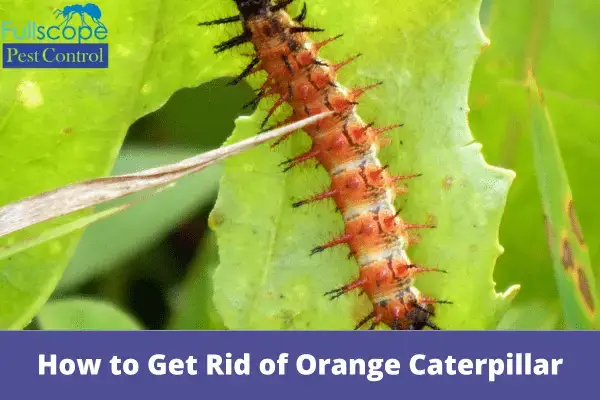
Finding a bright orange caterpillar with black spikes on your plants or yard can be alarming. If left unchecked, these caterpillars, sometimes known as wooly bears or tussock moth caterpillars, can cause damage to your plants. But there’s no need to panic. This blog post will review several practical strategies for removing these orange and black spiky caterpillars and protecting your prized vegetation. Identify the Caterpillars Before implementing any control measures, it is critical to correctly identify the caterpillars in question. Wooly bears or tussock moth caterpillars have orange bodies with black spikes. They feature noticeable black spines or fur tufts on their bodies and can be found on various plants and trees. Manual Removal Manual removal is one of the simplest and most environmentally friendly ways to eliminate orange caterpillars. Wear gloves to protect your hands, inspect your plants carefully, and handpick the caterpillars. Put them in a container with soapy water or dispose of them away from your garden. Caution is advised because some caterpillars can cause skin irritation or allergic responses. Must read about commercial pest control services in Cold Spring TX Natural Predators Encouragement of natural predators can aid in the control of the orange caterpillar population. Beneficial species that feed on caterpillars include ladybugs, lacewings, birds, and parasitic wasps. Plant native flowers, install bird feeders or birdhouses, and avoid using toxic chemicals to create a friendly environment for these predators. Neem Oil Spray Neem oil, obtained from the neem tree, is an organic and effective caterpillar control treatment. Spray neem oil directly on the afflicted plants after diluting it according to the product’s recommendations. The oil interferes with the caterpillar’s feeding and molting cycles, eventually killing them. To safeguard pollinators, apply neem oil under calm weather conditions and avoid spraying it on flowering flowers. Cultural Practices A healthy garden is essential for preventing caterpillar infestations. Inspect your plants regularly for evidence of damage or the appearance of caterpillars. Remove fallen leaves and debris, which can serve as a haven for caterpillars. To inhibit the spread of the infestation, prune and remove heavily affected plant sections. Professional Pest Control If you have a significant infestation of orange caterpillars and the treatments indicated above aren’t working, it may be time to call a professional pest control service. Professional exterminators have dealt with various pests, including caterpillars, and can give specialized treatments to efficiently eliminate the infestation. They can examine the problem, decide the best control techniques, and ensure safety for your plants and the surrounding environment. Must Read:WHERE DO BED BUGS HIDE DURING THE DAY What’s Next? We have a team of skilled experts at Fullscope Pest Control who specialize in dealing with various pest problems, including orange caterpillar infestations. Our experts will inspect your garden thoroughly, identifying the caterpillar species and the amount of infestation. We’ll customize a pest control plan to your needs using cutting-edge technology and environmentally friendly methods. Contact Fullscope Pest Control immediately to take the first step toward a caterpillar-free garden. Our friendly staff is ready to help you, providing quick and dependable solutions that can restore the beauty and vitality of your plants.
Where Do Bed Bugs Hide During The Day

Are you tossing and turning in bed, wondering if you share your sleep space with unwanted visitors? Bed bugs, those pesky little creatures that have haunted many nightmares, are notorious for hiding in the most unexpected places. While you may have heard about their presence in mattresses, couches, and floors, have you ever wondered where do bed bugs hide on your body? In this blog, we will delve into the mysterious world of bed bugs and uncover their secret daytime hideouts. Where Can Bed Bugs Be Found During the Day? Bed bugs are blood-feeding nocturnal insects. During the day, they frequently hide near their host. Bed bugs may squeeze into even the smallest crevices due to their flattened bodies, making it nearly impossible to notice bed bugs during the day if you don’t know the warning signs. You can discover bed bugs in your house if you know what to look for. The earlier you discover them, the easier it will be to handle a developing infestation. Look for the following common signs: Ways To Find Bed Bugs During The Day While treating bed bugs on your own is not suggested due to their rapid spread and difficulty in detection, there are ways to confirm a bed bug infestation. Here are some methods to lure them out of hiding: Check For Bed Bugs In The Cracks With A Card Bed bugs can squeeze into spaces as small as 2mm, making it challenging to observe their activity. However, using a credit card or a thin object to probe tight cracks, such as baseboards, headboards, dresser drawers, and furniture, can help dislodge them from their hiding spots. Check For Small Spots On The Bedding Bed bugs leave behind traces of their presence. Inspect your bed sheets, linens, duvet, and comforter for tiny brown or rust-colored flecks. These could be blood drops from their bites or bed bug droppings. Using a magnifying lens, carefully examine the bedding and other upholstered items like pillows, cushions, or curtains for these markings. Check For Shed Bed-Bug Skins Bed bugs shed their exoskeletons as they go through various life cycle stages. Look along mattress seams, headboards, baseboards, or any cracks and crevices for these discarded skins. Finding them indicates the presence of live bed bugs in your home. Vacuum Or Steam For Bed Bugs Utilize a vacuum cleaner or a steamer to disturb bed bugs and provoke their movement during the day. If there are live bed bugs in the areas you identified during your search, they may attempt to flee. Ensure you have a vacuum cleaner ready to capture them immediately. Must Read:ARE BLACK SPIKY CATERPILLARS POISONOUS? Final Thoughts Bed bugs hiding in plain sight are the last thing anyone wants to consider, yet it’s a reality. They’re not bothered by the presence of dirt or clutter in any setting, public or private. Don’t put off finding out where bed bugs can be hiding in your home. Fullscope Pest Control will inspect your home for bed bugs if you suspect you have an infestation.
Are Black Spiky Caterpillars Poisonous?
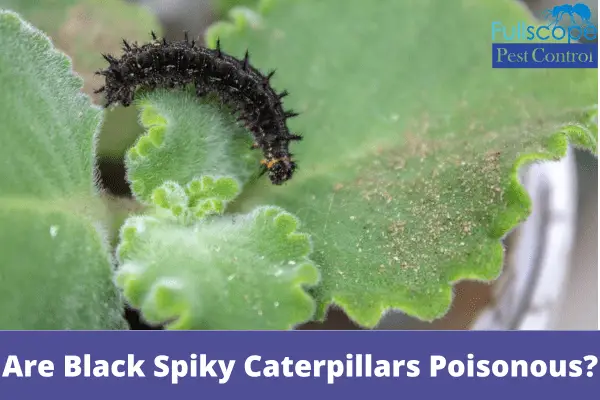
Caterpillars are fascinating organisms that catch our interest with their many shapes, colors, and patterns. The black spiky caterpillar is one form of caterpillar that attracts a lot of attention. Because of their unusual look, many people question if these fascinating creatures are poisonous and constitute a hazard to humans or other animals. In this blog, we will investigate the world of black spiky caterpillars, investigate their defense systems, and learn the truth about their toxicity. What Is the Meaning of Black Spiky Caterpillars? Black spiky caterpillars are a diverse group of insects that are distinguished by their dark coloring and sharp spines. These caterpillars can be found all over the world, living in a variety of environments such as forests, gardens, and grasslands. While the appearance of each species varies, they all have a black or dark brown body coated in numerous spines or bristles. Defense Mechanisms: Appearances Can Be Deceptive Black caterpillars’ spines serve as a defense mechanism against potential predators. These spines are not only scary visually, but they also serve a useful purpose. When disturbed, these caterpillars may exhibit aggressive behavior by raising up their front segments and appearing more significant and dangerous. Contrary to popular perception, black caterpillar spines are not usually venomous or toxic. Instead, they are physical deterrents, causing predators discomfort or irritation when touched. The spines are frequently linked to specialized cells that produce venomous compounds upon touch, discouraging predators from attacking. However, while these compounds may cause discomfort, they are generally not dangerous to people or large animals. Are There Any Black Spiky Caterpillars That Pose A Threat? While most black spiky caterpillars are harmless to humans, a few species can be dangerous. The caterpillar of the American dagger moth (Acronicta americana), for example, has black spines and can cause mild skin irritation or a rash if handled. Similarly, the black spines and white tufts of the hickory tussock moth caterpillar (Lophocampa caryae) may induce skin irritation or allergic reactions in some people. It is usually best to avoid direct contact with unfamiliar caterpillars, whatever their appearance, to safeguard human safety. If accidental contact occurs, wash the afflicted area with soap and water, and seek medical assistance if symptoms persist or worsen. What Role Do Black Spiky Caterpillars Play In The Ecosystem? Despite their frightening look, black spiky caterpillars are vital to the ecosystem. They are herbivores that eat leaves and help with the food cycle and energy transmission in their particular habitats. Furthermore, they provide a valuable food source for many predators, including birds, reptiles, and small mammals. Must Read:DOES BLEACH KILL WASPS INSTANTLY Conclusion We are captivated by black spiky caterpillars’ distinctive appearance and ecological value. While most are harmless, exercise caution. Fullscope Pest Control prioritizes ethical solutions and may assist in distinguishing between safe and possibly irritating species. We ensure the health of your property and the surrounding ecosystem with our knowledge. Let us work together to safeguard nature’s beauty while keeping the environment pest-free with our complete services.
Does Bleach Kill Wasps Instantly
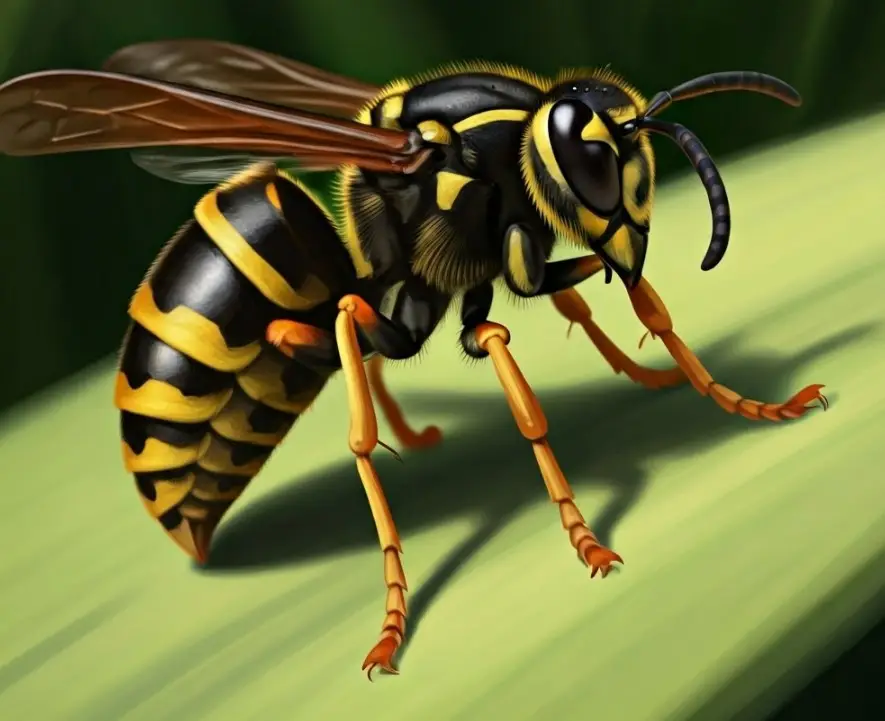
Wasps are well-known for their harsh stings and aggressive temperament. When confronted with a wasp infestation or individual wasps, people frequently employ a variety of tactics to exterminate them. The use of bleach as a wasp killer is one popular approach. In this article, we will delve into the question: does bleach kill wasps? We will explore the efficacy of bleach as a wasp-killing agent, as well as the potential risks and repercussions associated with its use. Understanding Wasps It is critical to grasp the nature of wasps before diving into the subject. Wasps are eusocial insects in the Hymenoptera order linked to bees and ants. They contribute to ecological equilibrium by preying on other insects and aiding in pollination. However, their aggressive behavior and propensity to sting repeatedly make them a nuisance and a potential menace, especially for people who are allergic to their venom. The Myth of Bleach as a Wasp Killer Over the years, there has been some interest in using bleach as an instant wasp killer. It should be noted, however, that this strategy is mostly based on anecdotal information and lacks scientific validity. Bleach is a powerful chemical used for disinfection and cleaning, but its usefulness against wasps is debatable. Rather than insects, bleach is intended to kill bacteria, viruses, and other microbes. Although the primary ingredient in bleach, sodium hypochlorite, has some insecticidal effects, it is unlikely to kill wasps on contact. Wasps have a thick exoskeleton that shields them from external hazards, and the bleach composition is unlikely to effectively penetrate this protective shell. The Dangers and Risks of Using Bleach While bleach is not an effective wasp killer, it does pose several concerns and hazards when used. For starters, bleach is an acidic substance that can affect human health. Bleach exposure can cause skin and eye irritation, respiratory problems, and even chemical burns. Using bleach in human-populated areas, such as houses or gardens, increases the risk of unintentional exposure. Bleach is also detrimental to the environment. When released into the environment, it can pollute soil and water sources and harm plants, animals, and beneficial insects. It is critical to examine the long-term effects of using bleach as a wasp killer and look for more environmentally friendly options. What Immediately Kills Wasps? While bleach may not be the most effective way for quick wasp extermination, other options exist. It is vital to emphasize that the term “immediate” should be used in a relative sense, as eradicating wasp populations completely and instantly can be difficult. However, the following strategies can effectively control and reduce the presence of wasps: Wasp Sprays Wasp sprays containing pyrethroids are commercially available and are designed to kill wasps on contact. Compared to bleach, these sprays have a faster and more targeted effect on wasps. Wasp Traps Individual wasp traps can be an efficient approach to enticing and capturing individual wasps. Sweet baits or pheromones are frequently used in these traps to attract insects, allowing for safe removal. Physical Removal When wasps are visible and accessible, a long-handled tool or vacuum cleaner intended for insect capture can remove them immediately. To avoid stings, make sure suitable safety precautions are performed. How Long Does It Take to Get Rid of a Wasp? The amount of time it takes to kill a wasp depends on various factors, including the concentration of the bleach solution, the form of application, and the wasp’s size and durability. Even with pure bleach, a wasp is unlikely to be killed instantaneously upon contact. The wasp’s exoskeleton functions as a physical barrier, preventing the bleach from killing the wasp immediately. If the wasp comes into close contact with a concentrated solution, it may take several minutes or more for it to succumb to the effects of bleach. What Is the Best Way to Get Rid of Wasps? Wasp removal necessitates a multifaceted approach that combines prevention, control, and removal measures. Consider the following steps: Prevention The first step is to keep wasps out of your home or structure in the first place. Inspect your property for any gaps or cracks in the walls, windows, or doors, and fix them. Repair damaged window and door screens to keep wasps out while allowing airflow. Remove potential food sources that could attract wasps, such as open garbage cans or unprotected food waste. Nest Removal If you’ve discovered a wasp nest on your property, you must deal with it quickly and thoroughly. First, pinpoint the exact position of the nest. Observing the wasps’ flight paths may be necessary to establish where they are coming from and going. Once you’ve identified the nest, wear protective gear like long sleeves, slacks, gloves, and a cap with a veil to avoid stings. Follow the directions carefully when using a wasp-specific insecticide to treat the nest and eradicate the wasps. You can also contact expert pest control services to perform the nest removal. They have the knowledge and equipment to complete the task safely. Professional Assistance If you have a huge wasp infestation or the nest is in a difficult-to-reach or dangerous position, it is best to contact professional pest control help. They have the knowledge and skills to deal with wasp problems effectively and safely. Professional exterminators can assess the size of the infestation, locate nests, and utilize specialized tools and techniques to exterminate wasps while posing the least risk to humans and pets. Must Read:HOW TO KNOW IF YOU HAVE CARPET BEETLES Conclusion While bleach has disinfecting characteristics, it does not kill wasps immediately. It is a common misunderstanding that bleach may rapidly kill wasps. Wasps have defensive exoskeletons that make it impossible for bleach to enter and kill them instantly. Furthermore, employing bleach to control wasps endangers human health and the environment. It is critical to use safe and effective measures to control wasp infestations. Individuals can manage wasp problems more practically and responsibly by knowing wasp behavior, utilizing wasp traps or pesticides developed for wasp control, and getting professional aid when
How to Know if You Have Carpet Beetles
Carpet beetles, though tiny, are a significant threat to your home furnishings. These pests are notorious for loving natural fibers and can cause considerable damage if they go unnoticed. However, identifying the signs of carpet beetles in your house may be harder than finding an errant ant or spider. In this blog, we will discuss identifying if you have carpet beetles in your home. Let’s delve into the various indicators that can help you determine if carpet beetles have invaded your living space. What Are Carpet Beetles? Carpet beetles belong to the Dermestidae family, which includes over 2000 species worldwide. The variegated carpet beetle, furniture carpet beetle, and black carpet beetle are the most frequent types. As their names suggest, these beetles often dwell in carpets, rugs, and upholstered furniture. They are drawn to natural fibers, particularly wool, silk, fur, and feathers. Carpet beetle larvae are the primary culprits when it comes to damage. They consume natural fibers and can leave behind a visible trail of destruction, including irregular holes in fabrics, while the adults are more interested in pollens and flower nectar. Identifying Carpet Beetles Knowing what carpet beetles and their larvae look like is crucial in identifying them. Adult Carpet Beetles Adult carpet beetles are small and round, measuring about 2-4mm long. Their coloration varies, depending on the species. For instance, varied carpet beetles are black with an irregular pattern of white, brown, and yellow scales on their back. In contrast, furniture carpet beetles are more uniformly colored, typically black or dark brown. Carpet Beetle Larvae The larvae are elongated and hairy. They are larger than the adults, reaching up to 5 mm in length. They are often carrot-shaped and brown or tan in color with dark heads. Understanding the Life Cycle of Carpet Beetles Understanding the life cycle of carpet beetles can help you better manage potential infestations. Carpet beetles undergo complete metamorphosis, passing through four stages: egg, larva, pupa, and adult. The Egg Stage Carpet beetles lay their eggs in dark, undisturbed areas often associated with a food source for the larvae. Depending on the conditions, a clutch of 100 eggs can hatch from a single female in anywhere from 10 to 20 days. The Larval Stage This is the most destructive stage. Depending on their environment, larvae feed on natural fibers and can continue for several months to even years. The Pupal Stage Once the larva is fully grown, it enters the pupal stage. This stage lasts 10-14 days, after which the adult beetle emerges. The Adult Stage Adult carpet beetles feed on plant-based foods, including pollen and nectar. They live between two weeks to a few months and seek light sources, explaining their presence near windows. Signs of Carpet Beetle Infestation Identifying a carpet beetle infestation relies on several key signs. Fabric Damage The most prominent sign of a carpet beetle infestation is damage to natural fiber items. You may notice irregular holes in your carpets, clothing, upholstered furniture, woolen blankets, or feather pillows. Shed Larvae Skins and Fecal Pellets As carpet beetle larvae grow, they molt and leave behind their shed skins. These skins look like tiny, hairy caterpillars and are often found near the infested items. The larvae also leave fecal pellets, which are small, round, and the same color as the infested fabric. Sightings of Adult Beetles While the adults do little damage, spotting them inside your home is a telltale of an infestation. As a result, they are often noticed near windows or other sources of artificial light. How to Deal with Carpet Beetle Infestations If you’ve identified a carpet beetle infestation in your home, immediate action is necessary to prevent further damage. Cleaning Carpet bugs can be eliminated with routine and thorough cleaning. Vacuuming can help remove larvae, adults, and eggs from carpets, rugs, and furniture. Professional Pest Control If the infestation is large or widespread, consider seeking professional help. Carpet beetle infestations require the knowledge and equipment of pest control services. Prevention is Better Than Cure The best defense against carpet beetles is proactive prevention. Regular Cleaning Regular cleaning of your home can go a long way in preventing a carpet beetle infestation. Vacuum your carpets, rugs, and furniture regularly, paying particular attention to hidden and hard-to-reach areas where beetles might lay eggs. Proper Storage Carpet beetles are drawn to natural fibers, so carefully preserving such goods when not in use is critical. This includes clothing, blankets, and other fabric items. Ensure they are clean before storing them in air-tight containers or garment bags. Inspect Second-hand Items If you purchase second-hand furniture or clothing, inspect them carefully before bringing them into your home. These items can sometimes harbor carpet beetles or their eggs. Must Read: FACTS ABOUT BIGHEADED ANTS Conclusion Understanding carpet beetles, their signs, and the potential damage they can cause is the first step toward protecting your home. Prevention through regular cleaning, proper storage of susceptible items, and early detection is key in controlling these pests. Despite their small size, their potential problems make carpet beetles a threat to be taken seriously. Remember, if the infestation is beyond your control, seeking professional pest control services is always an option. The sooner an infestation is addressed, the less damage these pests will cause. So, watch for carpet beetles and take swift action if you find them sharing your space! At Fullscope Pest Control, we understand the urgency and frustration of dealing with a carpet beetle infestation. Infestation of any kind can be dealt with quickly and easily by our highly trained experts, who have years of experience in the field and extensive knowledge and competence. If you have carpet beetles, we can help you get rid of them and prevent them from returning with a custom treatment plan. With our commitment to safety, reliability, and guaranteed satisfaction, you can trust Fullscope Pest Control to restore your home to a pest-free environment. Don’t let carpet beetles cause further damage – call us now for prompt and reliable