 1500+ reviews

The Value of Turf Health in Supporting Pest-Resistant Defenses
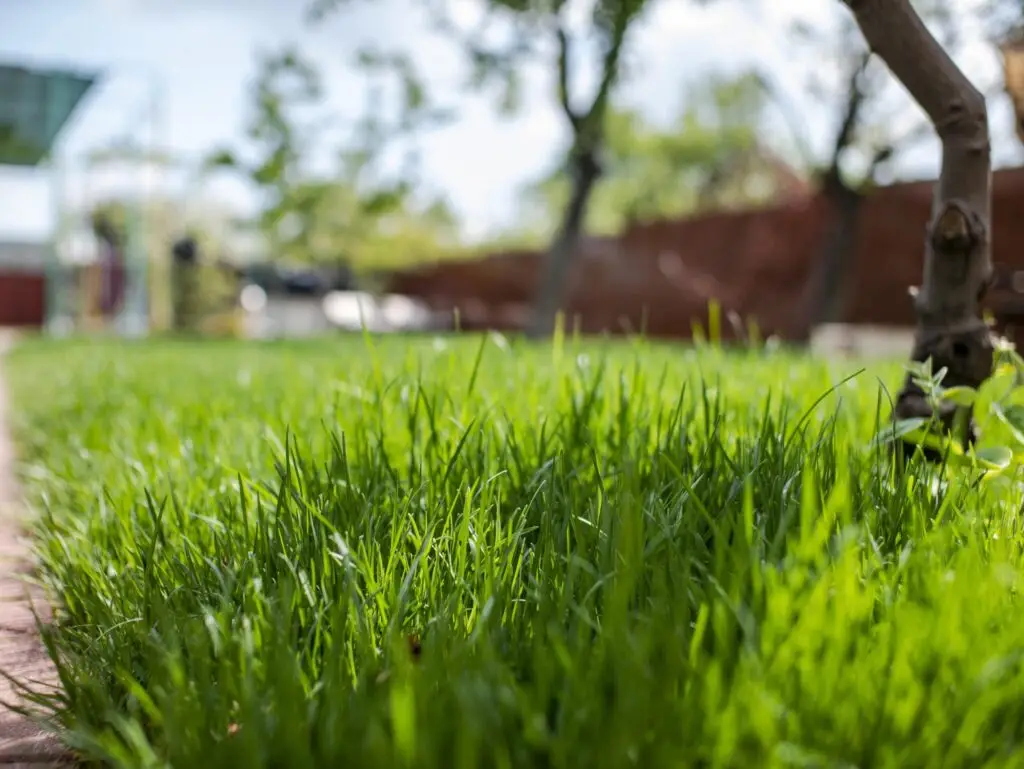
A strong, healthy lawn does more than beautify your property; it plays a critical role in preventing pest infestations. Turf that’s well-maintained, aerated, and properly nourished naturally resists insects and other invaders. By understanding the connection between turf health and pest defense, homeowners can reduce dependence on chemical treatments while maintaining a thriving, balanced landscape. Why Healthy Turf Strengthens Pest Defense Turf acts as the first barrier against pest activity. When the soil is rich in nutrients and the grass has deep, resilient roots, insects like ants, grubs, and chinch bugs struggle to establish themselves. A stressed or compacted lawn, however, becomes an open invitation for pests seeking moisture, warmth, and food. Here’s how healthy turf provides natural protection: This natural resilience creates a built-in form of pest defense that reduces infestations before they begin. Still, maintaining turf health requires consistent care and, in many cases, professional evaluation to identify early warning signs. How Pest Control Relates to Turf Health Effective pest control and turf maintenance go hand in hand. When lawns are overwatered, compacted, or treated with excessive fertilizers, they lose their natural resistance. Weakened grass becomes vulnerable to insects, fungi, and rodents that exploit imbalanced soil conditions. Professionals often approach pest control by addressing environmental triggers rather than just applying surface treatments. Healthy turf management contributes to this by creating an environment less favorable for pests to survive. The process includes aeration, mowing at the correct height, and applying fertilizers suited to local soil types. Maintaining soil balance also helps prevent unwanted visitors indoors. Pests such as roaches and ants often migrate from poorly maintained lawns to seek shelter and food inside homes. For simple, proactive methods, homeowners can review five quick tips to prevent roaches and understand how outdoor conditions influence interior infestations. Key Factors That Influence Turf and Pest Balance Several interconnected factors determine whether your turf remains healthy or becomes a pest hotspot. By identifying and adjusting these, property owners can enhance lawn performance while limiting pest risks. Addressing these issues early helps sustain lawn vitality and avoid recurring infestations. However, achieving proper nutrient balance and long-term turf recovery often requires specialized treatment plans and soil analysis, something best handled by professionals trained in both turf management and pest control strategies. Integrating Eco-Friendly Practices for Lasting Results Modern pest defense isn’t about eliminating every insect but creating an environment where pests cannot thrive. Eco-friendly lawn care supports that goal by emphasizing balance rather than overcorrection. Examples of sustainable methods include: This approach aligns well with food-safe and environmentally conscious methods used in modern pest management. For example, businesses and households can explore food-safe pest control options that protect both lawns and living spaces without introducing harmful chemicals into the ecosystem. By combining these green practices with expert guidance, property owners achieve cleaner, safer outdoor areas that naturally resist pests. When to Seek Professional Turf and Pest Evaluation Even the healthiest turf can experience occasional pest pressure, especially during warm or humid months. Professional inspection ensures that small problems don’t escalate into costly infestations. Signs that your lawn may need expert evaluation include: Professional services use soil testing, root sampling, and habitat inspection to develop custom solutions that restore both lawn health and pest resistance. By combining science-based care with preventive monitoring, they maintain stronger turf and reduce the need for frequent treatments. Build a Stronger Lawn, Naturally Healthy turf is more than a surface; it’s your property’s first line of defense against pests. A well-maintained lawn supports long-term pest defense, limits infestation risks, and creates a more enjoyable outdoor space. To safeguard your home or business environment, contact Fullscope Pest Control for expert lawn and pest management solutions tailored to your property’s unique needs.
Incorporating Lawn Aeration into Mosquito Reduction Programs
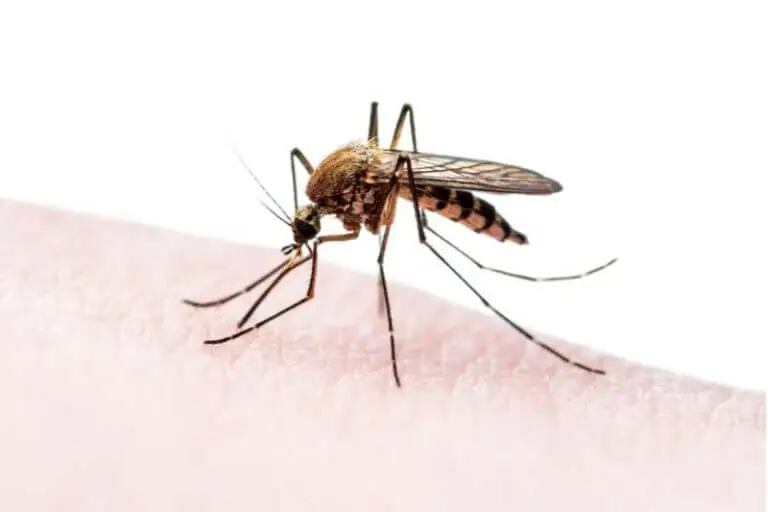
Mosquito populations thrive in areas with stagnant water and compacted soil, conditions that often develop in lawns with poor drainage. Combining lawn aeration with mosquito control creates a comprehensive approach that targets both surface activity and the hidden factors allowing mosquitoes to breed. By improving soil structure and moisture balance, homeowners can minimize breeding grounds and support healthier outdoor environments. How Lawn Aeration Impacts Mosquito Activity Lawn aeration involves perforating compacted soil with small holes to allow air, water, and nutrients to penetrate deeper. This process not only benefits the grass roots but also eliminates one of the main conditions mosquitoes rely on: excess surface moisture. Here’s how aeration supports mosquito reduction: This simple process enhances the results of professional mosquito control treatments by addressing the root cause: standing water and oxygen-poor soil that invite pests. Why Aeration and Mosquito Control Work Best Together While chemical and biological mosquito treatments effectively target adult populations, they may not fully prevent new breeding. That’s where aeration becomes essential. It works beneath the surface to eliminate the hidden environments mosquitoes use to reproduce. Key reasons they complement each other include: Together, these methods form an integrated pest management approach that is safer, longer-lasting, and more environmentally conscious. For properties such as parks or event spaces, exploring commercial mosquito control strategies can show how professionals design scalable programs that combine soil care with advanced treatment systems. Common Lawn Conditions That Attract Mosquitoes Compacted soil and improper maintenance can quickly transform a lawn into a mosquito haven. Understanding these underlying conditions helps determine when to incorporate aeration into mosquito reduction plans. Common issues include: These problems rarely resolve on their own. Routine inspection and periodic aeration ensure the soil remains balanced and less attractive to pests. When combined with expert mosquito control applications, it produces long-term results that manual or DIY solutions often fail to achieve. The Broader Benefits of Lawn Aeration Lawn aeration delivers more than pest reduction. It improves the overall health and longevity of the landscape. A well-aerated lawn is naturally stronger, requiring less water and fertilizer while offering fewer hiding spots for insects. Additional benefits include: Maintaining this balance prevents excessive moisture that could attract mosquitoes or other nuisance pests such as ants and fleas. The process essentially supports a more resilient lawn ecosystem that works alongside professional pest management efforts. When to Schedule Aeration for Mosquito Prevention Timing plays a major role in achieving the best results. Aeration is typically performed once or twice a year, depending on soil type, lawn size, and pest activity. Follow these seasonal guidelines: Scheduling aeration before applying mosquito control treatments maximizes their reach and longevity. Professionals often recommend pairing both services within the same maintenance cycle for optimal results. If you’re unsure whether mosquito bites or other insect activity are causing discomfort, take a moment to review what these skin bites mean to identify their source accurately before proceeding with treatment. Why Professional Integration Delivers Lasting Results While homeowners can manage simple lawn maintenance, aeration and mosquito treatment coordination require precision. Professionals use specialized tools and timing to ensure even soil penetration without damaging roots. They also assess lawn slope, moisture levels, and pest patterns to determine how both treatments can work synergistically. This expert integration ensures: Relying on specialists reduces guesswork and prevents overuse of chemicals or water, both of which can harm lawn health. The result is a long-term, sustainable solution that maintains beauty and comfort across all seasons. Let Your Lawn Breathe and Thrive Combining aeration with targeted mosquito control creates a balanced approach that strengthens your lawn while minimizing pest risks. Protect your outdoor spaces from recurring infestations and enjoy a healthier, more inviting landscape. To learn more or schedule an inspection, contact FullScope Pest Control for customized lawn and pest management solutions that fit your property’s unique needs.
Using Native Plants to Deter Pests and Support Lawn Health
Healthy lawns and gardens do more than enhance curb appeal; they help maintain ecological balance. In Texas, native plants can play a key role in deterring common pests while keeping soil, grass, and surrounding vegetation strong. Combining natural landscaping with professional pest control practices provides a sustainable foundation for long-term lawn health. Why Native Plants Strengthen Lawn Health Native plants are naturally adapted to local climate and soil conditions. They require less water, fertilizer, and maintenance than non-native species. More importantly, they create an environment less favorable to invasive pests that thrive in disturbed or chemically treated landscapes. Here’s how native vegetation supports a resilient lawn ecosystem: By strengthening the soil and promoting biodiversity, these plants help reduce dependency on synthetic fertilizers and repeated pesticide applications. That balance keeps your lawn both sustainable and visually appealing. Natural Pest Deterrents Among Native Plants Certain native plants contain scents or compounds that repel insects and rodents. Planting them strategically around entry points, gardens, and open lawns can minimize pest activity without the need for harsh chemicals. Effective examples include: These plants can be integrated into garden borders, near patios, or alongside pathways to provide ongoing natural protection. However, it’s important to understand that native plants work best as part of an overall pest management plan, not as a replacement for professional intervention when infestations are active. For instance, when outdoor pests such as mosquitoes become persistent, understanding commercial mosquito control strategies can help you combine natural deterrents with modern treatment approaches that ensure your outdoor spaces remain safe and comfortable. How Native Landscaping Reduces Pest Risk Native landscaping contributes to pest control by improving habitat balance. A healthy, self-regulating ecosystem discourages pest outbreaks that often result from overwatering, excess fertilization, or habitat disruption. Key advantages include: Maintaining native plant zones also reduces lawn stress during drought periods, a key factor in preventing ant or termite activity around weakened soil structures. As these ecosystems mature, they require fewer artificial inputs, resulting in better long-term lawn health and fewer pest problems overall. When Native Plants Aren’t Enough While native plants offer valuable protection, they can’t completely stop pest infestations. Insects such as fire ants, termites, and cockroaches are persistent and may still find access points into buildings or underground spaces. Once colonies form, they can quickly spread beyond areas where native vegetation can influence. That’s where professional pest control becomes essential. Experts evaluate the landscape and identify how soil moisture, vegetation density, and plant selection might be contributing to pest activity. Treatments can then be applied precisely where needed, preserving your lawn’s ecological balance while removing the immediate threat. Understanding pest behavior helps determine the right treatment. For example, small insect bites or skin reactions might not always be caused by mosquitoes or fleas. Learning to identify the difference, such as in this guide on uncovering the mystery of skin bites, helps you decide when professional inspection is needed. Professionals also tailor control methods based on your property’s native vegetation, avoiding unnecessary disruption to beneficial plants. This combination of expertise and ecological respect creates a safer and more sustainable environment for both humans and wildlife. Maintaining Balance Through Seasonal Care To keep your lawn in top condition, year-round care is necessary. Each season presents unique challenges that influence pest behavior and plant performance. Regular observation and timely adjustments are key to maintaining long-term lawn health. Here are the best practices for ongoing maintenance: Pairing these practices with professional inspections ensures your lawn remains both pest-resistant and environmentally balanced. Experts can fine-tune native plant placement and identify early warning signs of infestation that might not be visible to homeowners. Why Combining Nature and Expertise Matters Native plants naturally support the ecosystem, but their benefits multiply when paired with expert pest management. Professionals bring insight into how pests respond to local vegetation, climate shifts, and soil variations, factors that homeowners can easily overlook. Integrating native plant landscaping with professional care produces a sustainable system that minimizes pesticide reliance, reduces soil damage, and enhances overall lawn health. This balanced approach not only protects your property but also supports biodiversity in the surrounding community. Cultivate a Healthier Lawn Today A thriving lawn doesn’t need to rely solely on chemicals. Blending the natural defense of native plants with expert care ensures your property stays beautiful, balanced, and pest-free. To create a customized plan for your landscape, contact FullScope Pest Control and discover how our specialists can help you build a healthier, pest-resistant outdoor space.
Preventing Termites in New Construction with Proactive Soil Prep

When building a new home or commercial property, protecting the structure begins long before the walls go up. Termites are among the most destructive pests, capable of silently damaging foundations, flooring, and support beams. For this reason, incorporating termite control during new construction is one of the smartest investments a property owner can make. Proactive soil preparation creates a protective barrier against infestations, ensuring long-term safety and reducing the risk of costly repairs. What makes soil preparation particularly valuable is that it tackles the problem before it begins. Once termites gain access, colonies can spread quickly and compromise the integrity of a property. By addressing vulnerabilities during construction, owners set up a defense system that remains effective for years, giving peace of mind and safeguarding the investment from the very start. Why Termite Prevention Starts with the Soil The soil beneath a structure is often the first point of contact for termites. Subterranean termites, in particular, live underground and access buildings through foundation cracks, plumbing penetrations, and expansion joints. Without protection, a new structure becomes vulnerable before anyone even moves in. A preventive strategy focused on soil ensures that termites encounter a barrier before they reach the property. This step is just as critical as selecting durable building materials or maintaining proper drainage. Skipping it could mean spending thousands on repairs later, far exceeding the modest investment in preventive termite control. Another reason prevention begins with the soil is accessibility. Before concrete slabs, flooring, or landscaping are installed, professionals have a clear opportunity to apply treatments evenly across the foundation footprint. Once construction is complete, reaching these hidden areas becomes far more difficult and disruptive. Acting during the building stage ensures uniform coverage and creates a long-term protective shield that cannot be achieved later without added cost and effort. Finally, soil preparation provides a foundation for other protective measures. When paired with physical barriers and long-term monitoring, it becomes part of an integrated defense system. This layered approach reduces risks significantly and ensures that even if termites attempt to invade, they encounter multiple challenges before reaching the structure itself. Key Steps in Proactive Soil Preparation Professional pest specialists apply precise methods to create effective protection during the construction phase. These steps are designed to reduce risk and create an environment that termites cannot easily penetrate. These measures collectively provide long-lasting protection, ensuring the building begins its life with strong defenses. Long-Term Benefits of Soil Preparation Soil preparation is not just about short-term protection; it sets the stage for decades of structural security. The benefits are both financial and practical. For property owners, these benefits emphasize the importance of early action rather than waiting until problems arise. A better understanding of termite inspection reports also helps clarify why prevention is more effective than post-infestation treatment. Integrating Soil Prep with Modern Termite Solutions While soil preparation is highly effective, it works best when integrated with modern systems designed for long-term monitoring. For example, baiting systems can be installed during or after construction to complement treated soil. One such approach, the Sentricon termite system, provides continuous protection by targeting entire colonies. By combining soil treatments with monitoring stations, physical barriers, and annual inspections, property owners can create a layered defense. This approach not only reduces the likelihood of infestations but also ensures that if termite activity does occur, it is detected and addressed quickly. Preparing Your Property for the Future Proactive soil preparation during construction is a safeguard that pays for itself many times over. Once a structure is completed, applying treatments beneath foundations and slabs becomes more complicated, disruptive, and costly. Incorporating termite control early is far easier and significantly more effective. Builders and property owners should view soil treatment as a fundamental part of the construction checklist, right alongside roofing, plumbing, and electrical systems. By prioritizing prevention, you ensure that your investment stands strong against one of the most damaging pests in the region. Build Strong Foundations with Lasting Protection Termites should never get the chance to compromise your new property. Start with confidence by scheduling expert soil preparation with FullScope Pest Control. Our team delivers proven termite control solutions that safeguard your investment from the ground up.
Understanding Termite Inspection Reports for Commercial Properties
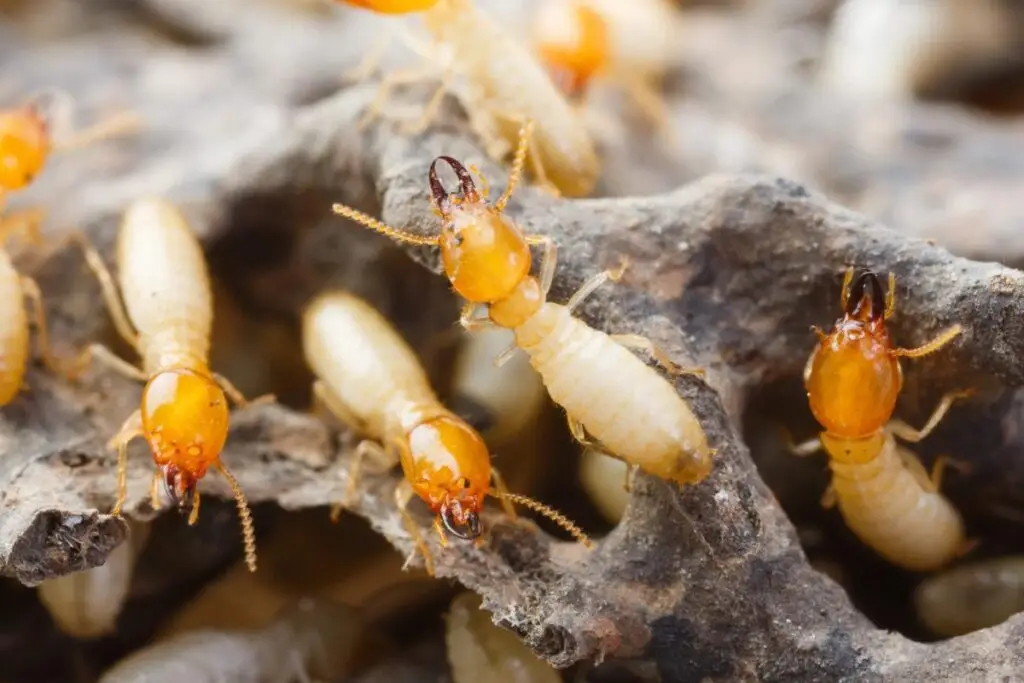
Commercial properties represent significant investments, and protecting them from pests is essential for maintaining safety, value, and long-term functionality. Among the most destructive pests are termites, which can silently compromise structures over time. For property owners and managers, termite inspection reports provide detailed insights into vulnerabilities, current infestations, and prevention needs. Interpreting these reports correctly is crucial for making informed decisions about termite control and safeguarding buildings against costly damage. Unlike residential inspections, reports for commercial buildings often involve larger, more complex structures with unique challenges such as multiple entry points, varied construction materials, and higher occupancy rates. These factors make inspections more detailed, with reports covering everything from structural risks to environmental conditions that promote termite activity. Because commercial spaces serve businesses, tenants, and sometimes the public, the information in these reports carries broader implications. A clear understanding allows managers not only to protect their property but also to ensure compliance with safety regulations and maintain the trust of those who rely on the building. What Termite Inspection Reports Typically Include A termite inspection report is a structured document outlining the results of a professional evaluation. While details may vary, most reports cover several standard areas. Understanding these sections helps property managers identify priority concerns. Key elements of inspection reports include: These details create a clear record of the property’s condition. Reports act as both a diagnostic tool and a roadmap for future termite management. Why Reports Are Critical for Commercial Properties The stakes are especially high for commercial property owners. Termite infestations not only create physical damage but can also affect tenant satisfaction, compliance with building codes, and long-term investment value. A thorough termite inspection report provides reassurance while also identifying areas needing immediate attention. The importance of reports lies in: By reviewing reports regularly, managers avoid surprises and can schedule treatments in advance. The importance of timing is emphasized in termite re-inspections, which help ensure properties remain protected year after year. Common Findings in Termite Inspection Reports While no two properties are exactly alike, many reports identify similar problems that contribute to infestations. Knowing what to expect prepares owners for effective follow-up. Frequent findings include: These findings highlight how environmental and structural conditions play a role in infestations. Addressing them quickly reduces long-term threats and supports ongoing termite prevention efforts. Interpreting Recommendations and Next Steps One of the most valuable sections of an inspection report is the set of recommendations provided by professionals. These suggestions are tailored to the property and outline both immediate needs and future safeguards. Common recommendations may include: Understanding these steps helps property owners make informed choices about treatment options. For example, innovative systems such as the Sentricon termite system provide targeted, environmentally responsible solutions that address colonies effectively. Why Professional Guidance Matters Reading an inspection report provides valuable information, but acting on it effectively requires professional expertise. Termite behavior is complex, and misinterpreting signs or applying the wrong treatment can leave properties vulnerable. Professionals not only prepare reports but also implement solutions that address the root causes of infestations. Beyond treatment, experts offer ongoing monitoring, ensuring that commercial properties remain secure over time. Their ability to combine inspection findings with proven termite control strategies creates a reliable defense against future problems. For property owners, this translates into financial protection, safer structures, and peace of mind. Safeguard Your Commercial Investment Today Termite inspection reports are more than just paperwork; they are essential tools for maintaining and protecting commercial properties. By understanding report details, recognizing risks, and acting on professional recommendations, property owners ensure long-lasting structural security. For dependable termite control solutions tailored to commercial spaces, contact Fullscope Pest Control today and protect your investment with confidence.
Combining Lawn Care and Pest Control: Dual-Benefit Plans
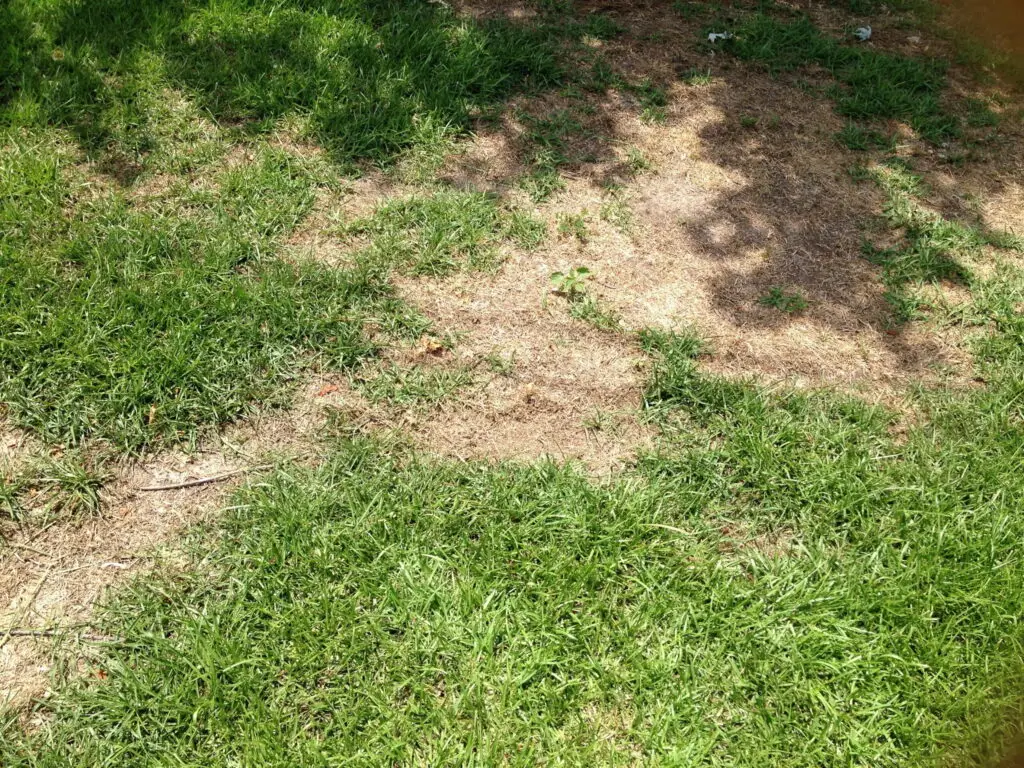
Homeowners often view lawn care and pest control as separate tasks. One focuses on creating lush, green grass and thriving landscapes, while the other targets insects and rodents that threaten comfort and health. In reality, these two practices overlap more than most people realize. The same environment that supports a vibrant lawn can either deter or invite pests, depending on how it is managed. By integrating lawn care and pest control into a single, dual-benefit plan, homeowners can achieve healthier yards and reduce the risks of infestations at the same time. How Lawn Health Impacts Pest Activity The condition of a lawn directly affects pest populations. Thick, healthy turf provides fewer hiding spots for insects, while poorly maintained yards create ideal conditions for pests to thrive. Standing water, overgrown grass, and accumulated debris all contribute to infestations. Connections between lawn care and pest control include: Recognizing these links highlights the importance of coordinated care. A yard that looks good but lacks pest management can quickly become a problem, while strong pest control without proper lawn care may only address symptoms, not causes. For more insight, the role of landscaping choices shows how design and maintenance directly influence pest presence. Benefits of a Dual-Benefit Plan When lawn care and pest control are combined, the results go beyond aesthetics or short-term relief. Dual-benefit plans maximize efficiency, save time, and provide lasting protection for both property and family. Key advantages of integrated plans include: These plans recognize that yards are living ecosystems. Treating both the lawn and the pests that target it ensures long-term success, turning outdoor spaces into healthier, more enjoyable environments. Seasonal Adjustments for Lawn and Pest Needs Both lawns and pests respond to seasonal changes, which makes year-round attention critical. A dual-benefit approach adapts strategies to match shifting conditions and ensure that lawns thrive while pests remain under control. Seasonal adjustments include: Seasonal plans also account for weather patterns that influence pest activity. For example, increased humidity accelerates breeding cycles for many insects. Understanding the connection between humidity and pest populations helps ensure treatments and lawn care align with environmental conditions. Practical Steps for Homeowners Homeowners play a critical role in maintaining the balance between lawn health and pest management. Even small, consistent actions can support larger treatment efforts and keep properties in optimal condition. Practical steps include: These actions create a foundation for professional services to build upon. While they may not fully eliminate infestations, they make treatments more effective and ensure that lawns remain healthier for longer. Why Professional Guidance Matters Although lawn care and pest control share common ground, achieving lasting results requires expertise. Professionals understand how specific pests interact with grass, soil, and landscaping features. They can design plans that address current challenges while preventing future issues. This expertise ensures that treatments are safe, effective, and tailored to each property. By combining specialized products, advanced equipment, and in-depth knowledge, professionals deliver outcomes that DIY methods cannot match. Their ability to adapt to changing conditions and recognize subtle warning signs provides homeowners with peace of mind. Integrated plans save time, protect investments, and keep outdoor spaces thriving year-round. Build a Stronger Yard with Dual Protection Healthy lawns and pest-free properties go hand in hand. By combining lawn care with pest control, homeowners can enjoy greener grass, safer outdoor spaces, and fewer pest problems. For solutions that bring both beauty and protection to your property, contact Fullscope Pest Control today and discover the benefits of a dual-service plan.
Effective Rodent Control in Commercial Properties Explained

Key Highlights Here is a quick look at the key takeaways from our guide to effective rodent control for your commercial property: Introduction As a commercial property manager, you have to handle a lot each day. One of the most important things is rodent control. This is something you cannot ignore. Even the sight of one rodent, like a mouse or rat, can turn a small issue into a big one fast. This can hurt how happy your tenants feel. It can also cause problems with the rules you must follow. The look of your building can even get worse because of rodent activity. These pests do more than cause damage. They can stop people from working the way they need to. This brings stress to you and your tenants. The best thing to do is be ahead of the problem instead of waiting until it gets bad. Taking steps early to manage the rodent problem at your commercial property not only helps protect your building. It also keeps the space safe, clean, and good for everyone who is there. It’s about keeping your investment safe and making sure people feel well in the place where they live or work. Why Rodent Control Matters for Commercial Properties In any commercial property, rodents are more than just a simple pest. They are a big threat to the building and all the people inside. Rodents chew on wiring and insulation. They also leave waste on surfaces, which can cause a lot of property damage. The health hazards in this situation are serious. In a commercial setting, these problems can lead to failed inspections and even shutting down operations. This costs you both money and time. It is not only about the building. If you do not have good rodent control, your reputation can get hurt. Bad news about a rodent problem travels quickly to others. You may get complaints from tenants, and see negative reviews online. This can take away people’s trust in you and the business. That’s why having strong commercial rodent control is so important for pest management. It protects your property, your brand, and your business ties. Taking care of this part of management shows that you care about your property and your future. The next parts will talk about what risks rodents bring and how you can spot them. Risks Posed by Rodents to Businesses Rodents can cause many problems in a business or other commercial property. They do more than just hurt your building. Their gnawing keeps happening all the time, and this can bring a lot of property damage. The pests can chew up drywall and insulation, and the way they make nests can ruin things over the years. Their infestation can get bigger if no one deals with it, and then the bill to fix the damage gets expensive. One big problem is what rodents can do to wiring. If rodents chew at the wiring in your commercial property, there is a real danger of fire and it puts people who work or visit in harm’s way. Their droppings and urine get on surfaces, and this causes clear health hazards to everyone—employees and customers. These rodent problems can hurt inventory and spoil food in shops or restaurants, making you lose money fast. It’s very important to deal with rodents quickly and use experts to help you get rid of them. Some of the biggest risks are: Impact on Health, Safety, and Reputation Rodent problems are not just about the damage they do to buildings. They also affect the people in your commercial space in big ways. Rodents carry many diseases that can harm health. Their droppings, urine, and skin flakes get into the air and onto surfaces. This can cause allergies, asthma attacks, and spread bacteria to people nearby. So, the health and safety of your tenants, employees, and customers could be at risk with these health hazards. If someone sees even one rodent in your building, it can make your property look bad. Tenants might feel worried or think the place is not clean. They could also wonder if the building is managed the right way. With social media and online reviews, a bad experience can travel fast. This means other people might not want to rent space or do business with you. Fixing a damaged reputation takes more work and money than protecting your space with pest control or pest management from the start. This is a good reason why commercial pest control and commercial pest control services are so important. A skilled team will clear out rodents and stop more problems from coming up later. They help keep your space free of pests and help everyone feel safe. With commercial pest control, you protect people, follow safety rules, and keep the reputation that took time to build. Taking action early shows you care about your tenants and customers. People see this and may want to stay or do business with you, because they know you look out for them. Identifying Signs of Rodent Activity in Your Facility Rodents are often busy at night. They hide very well, so you may have a rodent infestation even before you see a mouse or rat. That is why you need to spot the small signs of rodent activity early. If you find signs fast, you can fix the problem before it leads to a big infestation that is harder and more costly to fix. If you take care of a business building, make sure you check often for these common signs of rodent activity. You should know what you need to look for and where you need to look. This can help you the most. Do you know the signs to see or hear that point to a rodent problem? Let us talk about what there is you should look for to spot them. Visual and Auditory Clues of Infestation Spotting a rodent problem often starts with the small things they leave behind. You
5 Quick Tips to Prevent Roaches in the House Today
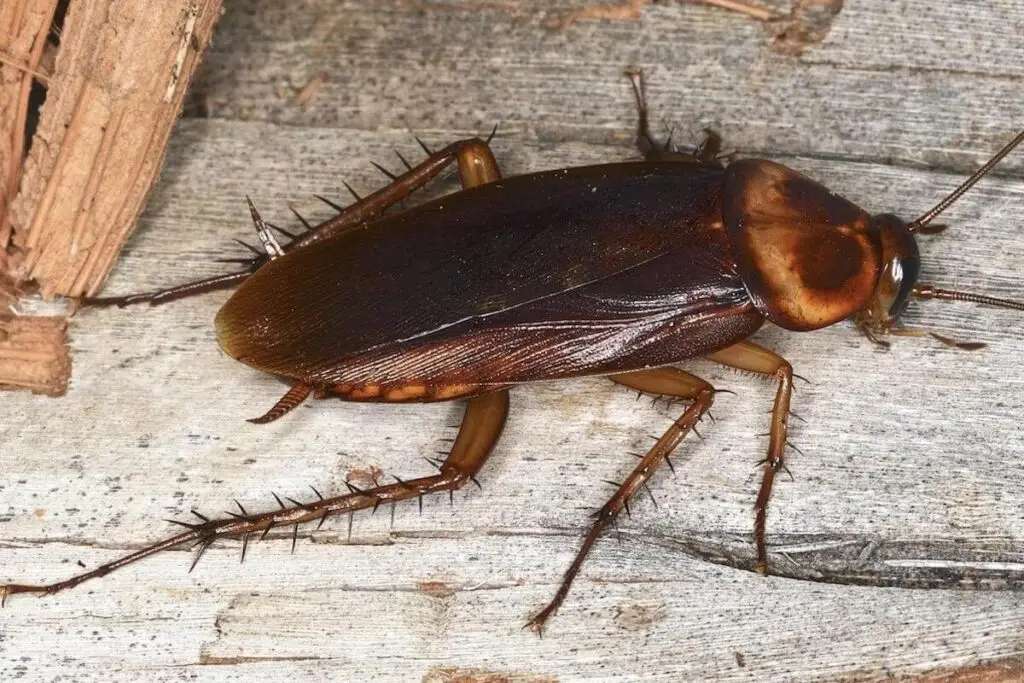
Key Highlights Dealing with a cockroach problem can be unsettling, but these quick tips can help you take control. Preventing a cockroach infestation is much easier than eliminating one, and it starts with a few simple steps you can take today. For effective pest control and disease control, focus on making your home less attractive to these unwelcome guests. Introduction Nobody wants to find there is a cockroach infestation in their house. These pests are not just ugly. They also be a cause of health problems because of how they can get into food and start allergies. It helps to know about different types of cockroaches and what brings them inside. Doing this is the first step to good pest control. There are kinds like the German cockroach and the American cockroach. They all get into the house to look for food, water, and a place to stay. You do not have to wait until you have a big cockroach problem to do something about it. By keeping up with cleanliness and following some simple steps, you can make your place a spot where roaches do not want to live. This keeps your family safe. This guide will show you five easy things you can do today to stop cockroach infestation and keep these pests out. Spotting the Early Signs of Roaches in Your Home Have you ever thought about having roaches in your home? Roaches are mostly out at night, so you may not see them at first. Many people do not see a roach until the infestation gets worse. The best way to stop a big problem is to catch it early. Roaches mostly show little clues that are easy to miss. It is very important to know what to look for so you can fix the problem fast and keep it from getting out of hand. Watching for strange signs helps you find out if there are what you do not see, such as roaches. Look for things like tiny droppings that look like pepper, shed skins, and a bad, unpleasant odor. These signs often mean there are nocturnal insects around. If you learn to spot these hints, you can get ahead of the infestation and start fixing things right away. Now, let’s see what clear clues can tell you that roaches and their odor have come into your place. Visible Clues: Droppings, Shells, and Smears One of the first signs that you might have a roach problem is their droppings. How these droppings look will change with the type of cockroach. German cockroach droppings from the smaller ones look like small black specks, a bit like pepper, or coffee grounds. When you look at droppings from bigger roaches, they are bigger too. Sometimes these look like little cylinders and people can mix them up with mouse droppings. You often see all of this in places where the roaches tend to gather. You can find them in cabinets, under the fridge or stove, or along baseboards. Shed skins or shells, called exoskeleton sheddings, are another big sign. As nymphs turn into grown-up cockroaches, they go through many molts, so they leave behind their old skins. You can spot these light-brown, thin, empty skin shapes near the spots where the roaches like to hide. There can also be egg casings. These look long, brown, and kind of flat, almost like a purse. If you see some, it means that the roaches are there now and that they are having babies in your home. If the place has a lot of moisture, you might see dark stripes or strange marks on the walls or on the paths that roaches walk along. These marks show up when the roaches go over surfaces. Be sure to watch out for these simple and clear signs: Noticing Strong Odors and Nocturnal Activity Have you started to notice a strange, musty smell in your home that you can’t find the source of? A strong and unpleasant odor could be one of the biggest signs of a cockroach infestation. This oily, musky smell is made by cockroaches as a way to send messages to each other. When you have more roaches, the odor becomes stronger. The smell can be very clear, especially in closed-off places like cabinets or pantries. Dead cockroaches can also add to this bad odor, making it much worse. Cockroaches are mainly nocturnal insects. This means they leave their hiding places and move around most at night. They like to stay hidden in dark, small crevices during the day. At night, after the lights are out, they come out to look for water and food. If you turn on a light in your kitchen or bathroom late at night and see roaches running away, this shows high cockroach activity. Very often, this is when people first notice they have an infestation. Recommended Read: Do American Cockroaches Infest Your Home? If you want to know how bad your roach problem is, pay attention if you see cockroaches during the day. This is a big warning sign. Cockroaches do not like light or much movement. If you see them out in daylight, with people moving around, it could mean their normal hiding spots in crevices are too crowded. This shows a large and busy infestation that forces the roaches to look for food even when it Understanding Why Roaches Invade Houses Cockroaches get into homes because they find what they need to live and grow there. Your home has food, water or moisture, and places to stay. You can do all the cleaning you want, but crumbs, a little water, or boxes to hide in can still get these pests to come in. That’s what brings in cockroaches. If there’s some crumbs left on the counter, some moisture or a leaky pipe, or boxes to hide in, cockroaches will get into the house. Once one cockroach comes inside, it’s only a matter of time before they breed. This can quickly turn into an
What Are These Bites on My Skin? Uncovering the Mystery
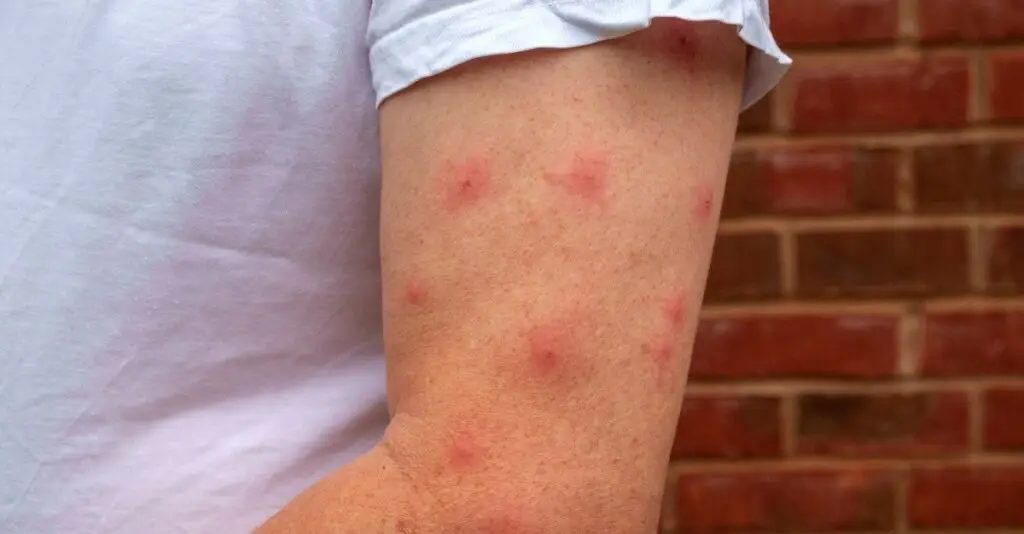
Key Highlights Introduction Have you seen new bite marks on your skin that you do not know where they came from? Insect bites can be the reason for these marks, but do you know how you can discover what caused them? It can be mosquitoes, spiders, or bed bugs. It is good to know which bug made the bite and how bad the reaction may be. Knowing this can help lower your pain, or show you if you have severe symptoms and need help. People in Houston, TX, can get bites that are just small annoyances, or they can get sick from diseases like Rocky Mountain Spotted Fever. This guide will show you easy steps for prevention, remedies you can use at home, and what to do if you have insect bites. Spotting Common Skin Bites in North Houston, TX Houston is well known for being hot and humid. This kind of weather is great for bugs like mosquitoes and fire ants. If you get bitten by these bugs, you can see different bite marks on your skin. Some turns into red bumps that itch, while others might swell and hurt. It all depends on the type of bug and the affected area. Have you ever felt a painful sting from fire ants or a mild itchy spot after a mosquito bites you? If you know these symptoms, it can help you deal with the itch or pain. It also helps you figure out if it was mosquitoes, fleas, or other bugs in your home or when you are outside. Let’s take a closer look at how to spot these bites and find out what sets mosquito bites and their red bumps apart from other marks. Mosquito Bites: Appearance and Symptoms Mosquito bites are very common in Conroe, Texas. You will often see them as red bumps that turn up on your skin. They make your skin itchy for a couple of days. These red bumps mostly show up on open areas like your arms or legs. The look or feeling of them can change based on how your immune system reacts. But the real worry is that these mosquito bites can sometimes carry illnesses like West Nile Virus, Zika, or malaria. If you see bite marks that get worse or you feel severe symptoms like fever or headache, be sure to get immediate medical attention. It is important to keep from getting mosquito bites to protect your health. Use bug sprays that have 20%–30% DEET, and wear clothes to cover your skin. Try to get rid of standing water near where you live or work. This keeps mosquitoes from breeding close by. If you spot mosquito bites early, it gives you peace of mind and helps you avoid more discomfort or sickness. Fire Ant Bites: What to Watch Out For Fire ants inject venom and this causes sharp pain and a red area around the bite. The intense itching feels a lot like what you get with mosquito bites, but it can get much worse. Most fire ant bites leave small blisters, filled with pus. The blisters are about the size of an apple seed. These stings from fire ants are not just painful, but they are often very invasive. They usually happen when the ants get disturbed. If you get a lot of bites, or the swelling is bad, or there are severe symptoms, you should see a doctor. Always watch the affected area so you can stop infections before they start. For treatment, use a cold compress on the spot. You can also use over-the-counter antihistamines to help with the pain and itching. To prevent these stings, wear shoes that cover your feet when outside. Check outdoor areas carefully for fire ant nests. If you know what fire ants bites look like, you can act fast and lessen the discomfort and problems they cause. Unusual Culprits: Less Common Bites in Texas In Houston, most people know about mosquito and fire ant bites, but there are other pests too. Spiders and chiggers can also cause problems. Spider bites do not happen as often, but they can be very bad if you do not get treatment. Some, like the brown recluse or black widow, can lead to severe symptoms. Chigger bites show up in places where your clothes fit tight or where skin folds touch. These bites make you itch and leave red marks. You will not see them as much as fire ant stings, but you still need to pay close attention. Both chigger bites and spider bites can be painful and should not be ignored. Now, let’s learn more about spider bites, the dangers they bring, and how to treat them. Spider Bites: Brown Recluse and Black Widow Spider bites in Houston can be scary, mostly when it comes from a brown recluse or a black widow. You might see red bumps or a little swelling at the affected area. But what makes these spider bites stand out are the severe symptoms. These can include muscle pain, nausea, and even high blood pressure. The brown recluse spider puts venom into the skin that can hurt tissue, leading to a blister, and the skin may turn dark or die. The black widow’s bite brings on sharp pain, cramping, or trouble with breathing. These might need immediate medical attention. If you think you have been bitten, wash the affected area well first. Put ice packs on the bite, and if you notice any severe symptoms, speak with a healthcare professional right away. To help keep safe, look over your shoes and clothing before putting them on. Learning about spider bites helps keep you, and people close to you, safe from not only these bites but also rare problems like Rocky Mountain Spotted Fever. Bed Bug and Flea Bites: How to Identify Bed bug bites and flea bites can look like each other, but there are some key differences. Bed bug bites often show up in groups or in
Commercial Mosquito Control Strategies for Outdoor Venues
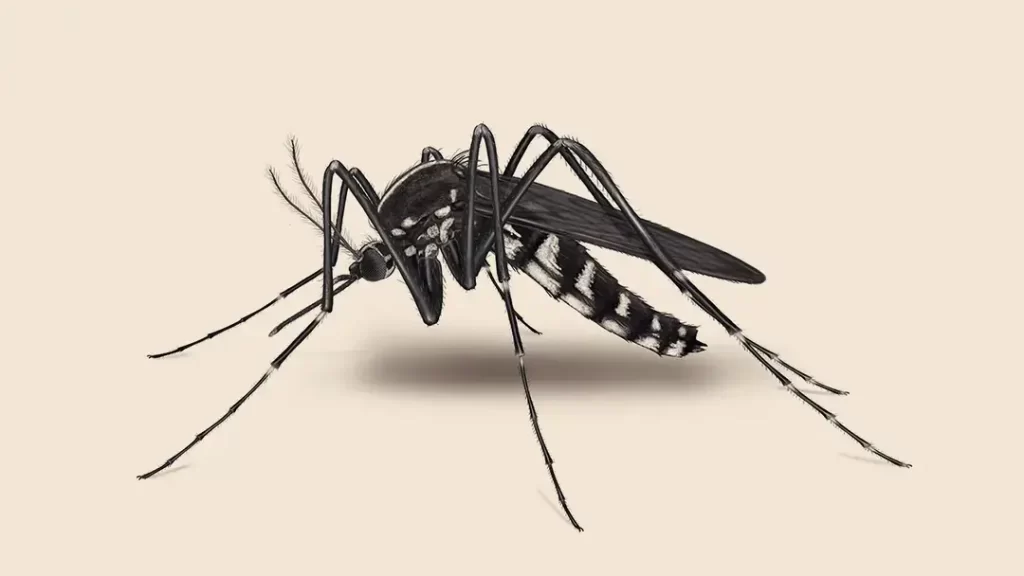
Outdoor venues such as parks, event spaces, restaurants with patios, and recreational facilities face unique challenges when it comes to mosquito management. Mosquitoes thrive in warm, humid conditions and are notorious for disrupting outdoor gatherings. They are more than just a nuisance; they also pose health risks by transmitting diseases. For businesses that depend on outdoor comfort and safety, effective mosquito control is essential. A strategic, layered approach ensures that outdoor venues remain welcoming while protecting guests, employees, and brand reputation. For managers and property owners, mosquito problems can quickly escalate during peak seasons. A single event plagued by biting insects can lead to negative reviews, reduced attendance, and long-term reputational harm. Addressing these challenges requires a combination of preventive measures and professional expertise, ensuring that outdoor spaces remain enjoyable and safe for everyone who visits. Understanding the Risks of Mosquitoes in Commercial Spaces Mosquitoes reproduce rapidly, and outdoor venues often provide multiple breeding sites. Any stagnant water, whether from fountains, gutters, or landscaping features, becomes a potential problem. The risk is not limited to irritation from bites; the presence of mosquitoes can influence customer perception and overall safety. Key risks for venues include: Businesses in hospitality, dining, or entertainment cannot afford to overlook these risks. Managing mosquito populations effectively becomes a core part of maintaining safe and enjoyable spaces. Identifying Common Breeding Grounds The foundation of mosquito control begins with understanding where mosquitoes breed. Outdoor venues often include features that unknowingly provide these pests with ideal environments. Common breeding grounds include: Addressing these sites is the first line of defense. By disrupting the life cycle before mosquitoes reach adulthood, businesses reduce populations significantly. This targeted approach aligns with proven practices for boosting outdoor comfort, ensuring that customer experiences remain positive. Prevention and Habitat Modification Effective mosquito control for outdoor venues goes beyond chemical treatments. Long-term results depend on preventive strategies that make environments less hospitable to these pests. Prevention methods include: These steps not only support pest reduction but also improve the overall maintenance and appearance of outdoor venues. When combined with professional mosquito control services, they form an integrated strategy that addresses both immediate and long-term concerns. Targeted Treatment Approaches While prevention is critical, treatments are often necessary to control existing mosquito populations. Professionals use a variety of safe and effective methods designed to minimize disruption to venues while achieving significant results. Treatment approaches include: These approaches go beyond short-term fixes, providing outdoor venues with consistent protection. Understanding mosquito behavior is key to designing effective treatment schedules. Why Professional Expertise Is Essential Mosquito control for outdoor venues requires more than occasional treatments. Professionals bring a combination of experience, specialized equipment, and knowledge of mosquito biology that ensures reliable results. Unlike DIY methods, professional strategies target multiple stages of the mosquito life cycle while minimizing risks to people and the environment. Experts also provide tailored plans for each venue. For instance, a restaurant patio may require a different approach than a large outdoor concert space. By customizing treatments, professionals ensure effectiveness without interfering with the venue’s function. Businesses that invest in expert mosquito control not only protect their customers but also build a reputation for safety and comfort. Keep Your Venue Mosquito-Free Outdoor venues depend on creating safe, enjoyable spaces for guests and staff. Mosquitoes disrupt these goals, but with layered strategies that combine prevention, habitat management, and targeted treatments, businesses can keep pests under control. For reliable solutions tailored to your venue, contact Fullscope Pest Control today and create an environment where comfort and safety thrive.