 1500+ reviews

What Are The Most Common Rodents in Houston?
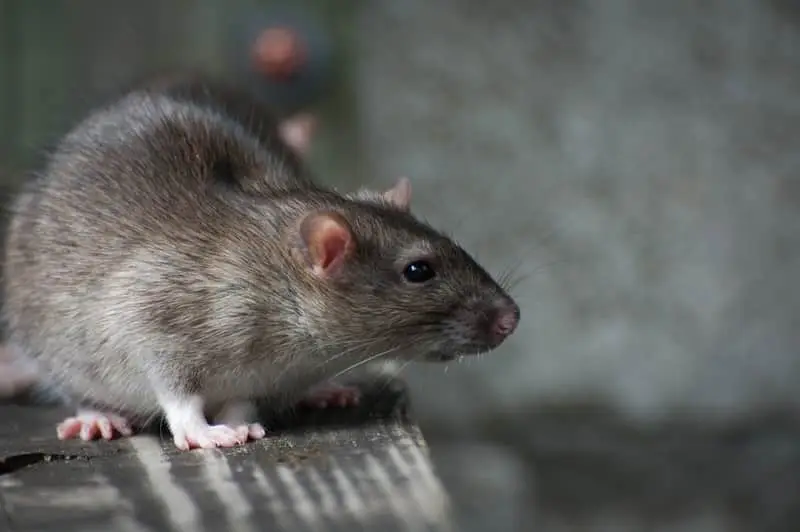
An urban environment such as Houston’s warm surroundings supports a wide variety of wildlife and harbors, among them several species of rodents, which are great destroyers of property and possible health hazards to the human inhabitants. Understanding the most common types of rodents that plague Houston-area homes and businesses can greatly assist in more effective rodent control strategies.Identifying Common Rodents in Houston Norway Rats A big, thick-set rodent with shaggy brown or grayish fur, the Norway rat is sometimes known as the brown rat. They are much larger than any other species of rat, and their blunt snout and small ears characterize them. Predominant areas of infestation in Houston include basements, piles of debris, and other relatively disturbed materials. They are known to have the potential to do great damage due to their biting and burrowing habits. Roof Rats Characteristics of roof rats include the fact that they are slender, agile rats that are black or dark brown with a light belly. The snout is pointed, and the ears are larger than those of Norway rats. They generally prefer to nest at higher locations, such as attics and trees, or in overgrown shrubbery around buildings. House Mice The house mouse is a small rodent, dusty gray, with cream bellies. It has rounded ears and a long, thin tail. Very adaptable creatures, house mice thrive in a very wide range of areas. They live in hot hiding places, far away; voids in walls and corners of cupboards are preferable. House mice are prolific breeders, which can quickly lead to infestations if not managed properly. Preventative Measures to Control Rodent Populations Preventing rodent infestations in Houston begins with simple, proactive steps: Professional rodent control service offers comprehensive solutions, including setups of baits and traps to get rid of them, along with structural modifications that can help you keep them away from your place in the future. When to Call a Professional Pest Controller While small infestations are often controllable with do-it-yourself methods, a larger or repeated infestation will require the services of a professional. The signs of heavy infestation mean a person has to find a rodent in the daytime, frequent droppings, or gnawing evidence on furniture and wires. Most professionals are likely to give the best methods of extermination and prevention that should be applied to the specific rodent species and the magnitude of infestation. Conclusion The number of issues that could cause significant harm and health risks can be reduced with the use of early activity identification. Understanding the behaviors and preferred habitats of Houston’s most common rodents might go a long way in empowering residents to keep these pesky creatures out of their homes. If you suspect a rodent infestation, consider contacting Fullscope Pest Control. Our expertise in managing and eliminating pest problems ensures your home stays safe and pest-free. Trust Fullscope Pest Control for all your pest management needs.
Importance of Professional Lawn Care in Pest Control
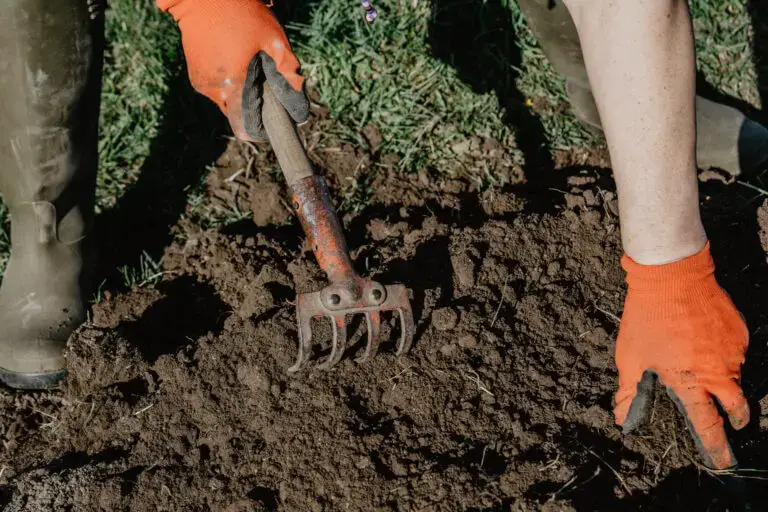
To maintain a beautiful, healthy lawn, your professional lawn care will include more than ensuring it is green and perfectly cut; it will be part and parcel of effective pest control. Keeping your lawn on top is a strategy that does not allow different pests that, otherwise, would become bothersome and a threat to your property. Explore how professional lawn care is crucial in managing pests and why it might be the best investment in your home’s outdoor space, especially if you are considering pest control in North Houston. Common Lawn Pests and Their Impact Your lawn can risk many kinds of pests, but some of the most common include grubs, fleas, and ticks. Beetle larvae, known as grubs, can severely damage grass roots, weakening the plant and rendering it a sickly yellow color. Fleas and ticks affect pets and can also inhabit and degrade your lawn, making outdoor spaces less enjoyable. Signs of infestation on your lawn could include brown patches or thinning of the grass; with increased activity, perhaps birds going after the lawn, which could be a sign of bugs. The Role of Professional Lawn Care in Effective Pest Management Enhancing Lawn Health to Reduce Pest Infestation It might be possible that the healthiest lawn could be the best defense, as thick, properly maintained grass may be able to allow very little room for the flourishing of pests and even the growth of weeds. Professional lawn care ensures the growth of good, healthy grass that, by its very nature, can cope with many of the infestations that commonly appear, like from grubs and beetles with various larvae. This, in turn, creates an environment with fewer appeals to pests due to the perfect balance of nutrients and moisture. Expert Techniques in Lawn Maintenance and Pest Control Lawn care management requires more than just regular cutting of the grass. Professionals advise that some advanced methods are supposed to be combined by the homeowner, such as mowing practices, watering practices, and strategic applications of fertilizers. Indeed, this is also the work of these experts, based on ecologically sound pest control treatments, aiming at a certain kind of pest without harming the grass or its surrounding ecosystem. This individual approach would preserve your lawn’s health and good look. Preventive Strategies and Regular Professional Assessments Preventive care is also appropriate and important for effective pest management. This can be attained through regular checks by professionals in lawn care, which will help to identify early symptoms of pest activity so that timely measures are instituted before too much damage has occurred. Early signs of pest activity include discoloration, and patchy growth, among others. Scheduled work such as aeration, overseeding, and thatch removal also plays an important role in protecting your lawn from pest invasion. Conclusion Professional care of lawns and effective pest management go hand in hand. Fullscope Pest Control will ensure you have a beautifully cared-for lawn that looks beautiful and is healthy and free of pests. Our professionals are knowledgeable and ready for every lawn care and pest control solution. Do not let pests be the boss. You can contact Fullscope Pest Control to schedule a full lawn assessment today, with the peace of mind that your lawn is fully under professional care and thus free of any pest disturbance.
Are Termites Dangerous to Humans?
Termites may seem like a minor, inconsequential nuisance. However, realizing the threats emanating from them in their full magnitude is a very cardinal thing for homeowners and anyone dealing with property management. Let’s talk termite terror—from structural nightmares to potential health scares. But fear not; proven termite control methods are ready to protect you. This blog post discusses termite defense and provides tips for keeping these pests out of your way right from the start. The Structural Threat Posed by Termites Termites feed on wood with cellulose in proportion; they eat in large numbers and may, therefore, greatly damage the structure of buildings and houses. The very structure of wooden beams and the foundation of such pests will likely weaken, leading to safety hazards and possible catastrophes. Regular inspections remain key to finding termite activity before they cause too much damage. Identifying early signs, such as mud tubes on the outside and wood that sounds hollow when tapped, will save the property owner from expensive repairs. Health Risks Associated with Termites Termites may indirectly affect human health by producing allergens. If you have asthma or are allergy-prone, airborne remnants from rotting wood could be your unseen enemy—sparking unwanted sneeze-fests and breathless moments without warning. An added risk is that the moisture from the termites entering the building might also bring mold growth and, hence, further respiratory problems for the building’s occupants. If mold makes its way inside, be ready for it to kick up some major health issues like nasty allergic reactions and trouble catching a breath. Psychological and Financial Impact Living with a termite infestation is highly stressful. For many, daily life now includes the extra burden of anxiety and stress. On top of that, uncertainty looms large, with a common understanding that parasites are no small threat. Termites cause damage, and according to it, their financial impact is huge, not only for repairing the structural damage themselves but in every effort amount needed for pest control. Such expenses have to be borne by homeowners and property managers. Prevention and Termite Control Strategies Preventative Measures The major recommendation includes keeping a dry condition around properties. Proper landscaping, the provision of adequate ventilation, and the control of moisture all assist in the prevention of termites. The other way includes the use of physical barriers and chemical barriers to keep away from termites. Role of Professional Services But when preventive methods have proven futile, the resource will have to be had by bringing in professional pest control services. They’re all about using less harmful treatments against termites—targeting specific problem areas and managing the overall situation—to protect your pad. Conclusion Termites can cause real damage to your property and indirectly pose health risks from allergens and mold. Staying ahead of the game with regular check-ups and smart actions is your best bet to avoid those nasty surprises. For expert help with termite infestation and to ensure your property is protected, consider contacting Fullscope Pest Control. Lean on our experienced crew for top-notch pest management solutions to let you breathe easily again. Drop us a line to find out how we make your house safe and free from termites.