1500+ reviews

Finding a termite mud tube on your property can be alarming, especially if it appears suddenly along a wall, foundation, or crawl space. These narrow, soil based tunnels are more than just a surface issue. They are a clear indication of active termite behavior and often signal that a colony is already established nearby.
Unlike other pests that are easily visible, termites operate in hidden environments. A termite mud structure allows them to travel between their nest and a food source while staying protected from light and dry conditions. This makes early detection especially important. Knowing what to do immediately after spotting one can help limit damage and support more effective pest control.

Understanding What A Termite Mud Tube Means
A termite mud tube is a protective passageway built by subterranean termites. It is typically made from soil, wood particles, and moisture, forming a narrow tunnel that connects the colony to a food source.
These tubes serve several critical purposes:
- Protection from predators and environmental exposure
- Maintenance of moisture levels required for survival
- Safe movement between the colony and wooden structures
- Concealment of termite activity from visible areas
- Expansion of feeding zones without direct exposure
When you see termite mud along a surface, it usually indicates that termites are actively feeding nearby. The presence of even a single tube should not be overlooked, as it often points to a larger, hidden network.
In many cases, these structures are found along foundations, baseboards, or support beams. However, they can also appear in less obvious areas such as behind walls or beneath flooring.
Immediate Steps To Take After Discovery
Spotting termite mud requires a calm but deliberate response. Acting too aggressively or ignoring the issue can both lead to complications.
Recommended actions include:
- Avoid breaking or removing the mud tube immediately
- Take note of its location and size for reference
- Check nearby areas for additional signs of activity
- Limit disturbance to prevent termites from relocating
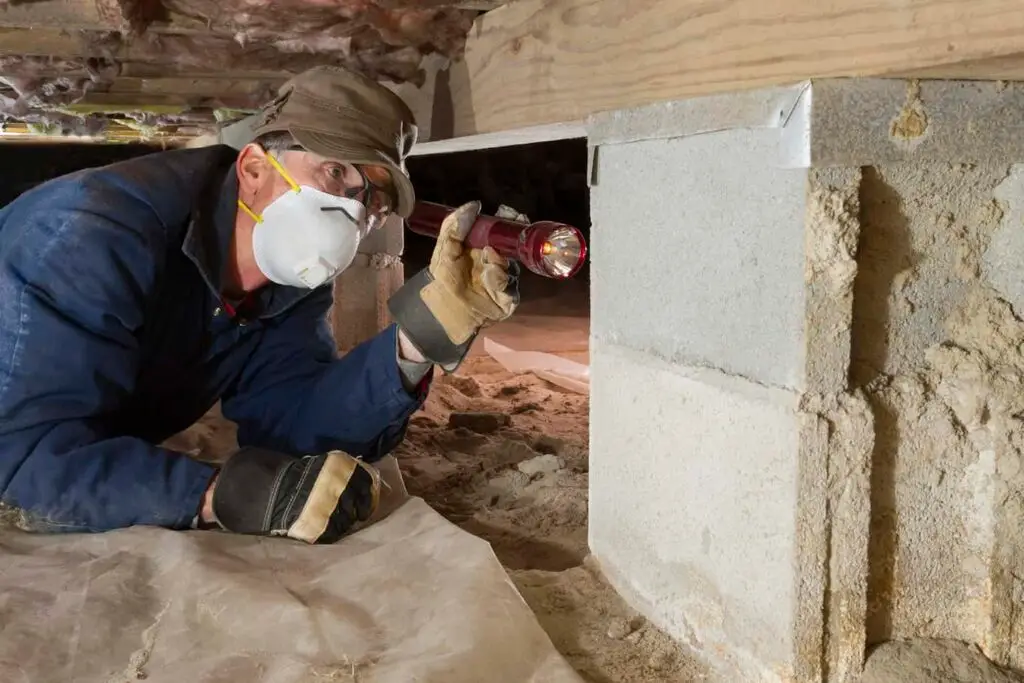
- Schedule a professional inspection as soon as possible
While it may be tempting to remove the tube to see what is inside, doing so can disrupt the colony in a way that makes detection more difficult. Termites may temporarily retreat and rebuild elsewhere, creating a false sense of resolution.
Observation is key during this stage. Documenting the condition of the tube can help professionals assess the level of activity more accurately.
Why Termite Mud Signals A Larger Issue
A visible mud tube is rarely an isolated problem. It often represents only a small portion of a much larger infestation that exists below the surface.
Important considerations include:
- Colonies may contain thousands of termites operating simultaneously
- Activity often extends beyond the visible tube into structural wood
- Damage may already be occurring within walls or support systems
- Multiple entry points may exist around the property
- Conditions that attract termites may still be present
Termites are not the only concern when it comes to structural pests. Homes in certain regions may also experience activity from ants, rodents, and other insects that adapt to similar conditions. Understanding how these pests interact with the environment can provide additional context. For example, this overview of common Texas home pests highlights how different species establish themselves in residential settings.
Recognizing the broader picture helps reinforce the importance of a comprehensive pest control approach rather than focusing solely on the visible symptom.
The Role Of Professional Pest Control
Addressing termite mud effectively requires more than surface-level treatment. Because termites operate within hidden structures, proper identification and targeted intervention are essential.
Professional pest control services typically involve:
- Detailed inspection of the property to locate active colonies
- Identification of entry points and environmental risk factors
- Strategic application of treatments to affected and surrounding areas
- Monitoring of termite activity over time
- Adjustments based on inspection findings and environmental changes
This process ensures that both the visible signs and underlying causes are addressed. It also reduces the likelihood of termites returning after initial treatment.
In situations where infestation levels are more advanced, it becomes even more important to rely on methods that are designed to handle deeper structural involvement. For further insight, this discussion on eco termite control methods explains how targeted approaches can be adapted for more complex cases.
Consistency plays a major role in long-term control. One-time treatments may provide temporary relief, but ongoing monitoring ensures that new activity is detected early.
Preventing Future Termite Activity
After addressing an existing issue, preventing future termite activity becomes the next priority. This involves reducing conditions that support termite survival and maintaining a consistent inspection schedule.
Preventive measures include:
- Managing moisture levels around the foundation
- Ensuring proper drainage away from the property
- Reducing direct wood to soil contact where possible
- Sealing cracks and gaps that allow entry
- Scheduling regular inspections to monitor for new activity
These steps help create an environment that is less attractive to termites. However, environmental factors such as weather and surrounding vegetation can still influence pest behavior.
Long-term prevention is most effective when combined with professional oversight. Regular evaluations allow for adjustments based on changing conditions, ensuring that protection remains consistent over time.
Take control before the damage spreads
If you have noticed termite mud on your property, acting quickly can make a significant difference in protecting your home. Connect with Fullscope Pest Control to take a more informed and reliable approach to pest control and prevent further structural concerns.