 1500+ reviews

Termites with Wings: Signs of Trouble in Your Home
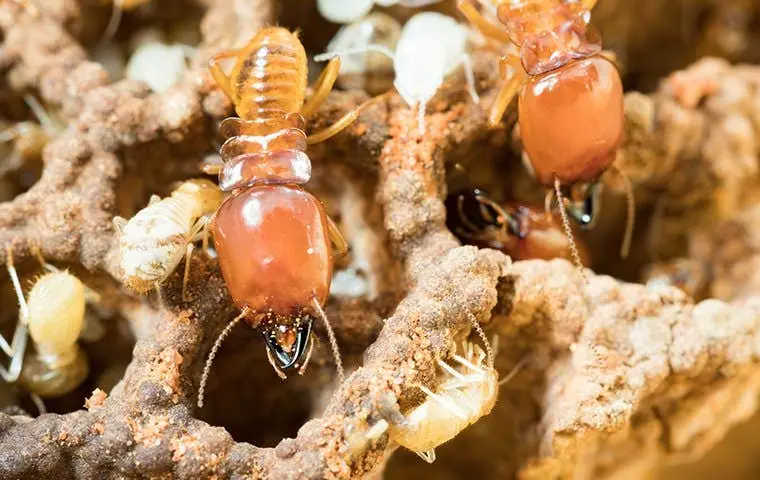
Key Highlights Introduction Termites are a common pest that can cause significant damage to homes and buildings. While all termites are problematic, termites with wings, also known as swarmers or alates, are especially concerning. These winged termites are the reproductive members of a termite colony and their primary role is to start new colonies. Seeing flying termites in your home or property can be a sign of a significant termite problem and potential structural damage. Understanding winged termites and being able to identify them is crucial in taking the necessary steps to protect your home. By recognizing the physical characteristics of flying termites and knowing the difference between termites and other flying insects like ants, you can be proactive in preventing termite infestations and minimizing damage to your property. In this blog, we will explore the lifecycle of a termite, why termites grow wings and fly, how to identify winged termites in your home, the significance of seeing flying termites, immediate steps to take upon sighting, inspecting your home for termite damage, professional vs. DIY termite control, and preventative measures against termite infestations. By the end of this blog, you will have a better understanding of winged termites and the signs of trouble in your home, allowing you to take the necessary actions to protect your property. Understanding Winged Termites Recommended Read: 10 Warning Signs of Termites To understand winged termites, it is important to first understand the termite life cycle. Termites go through several stages in their lifecycle, including the reproductive stage where they develop wings and become winged termites, also known as alates or swarmers. Winged termites are the reproductive members of a termite colony and their primary role is to start new colonies. They are larger than worker termites and are equipped with wings, allowing them to fly. These winged termites are responsible for leaving their colony during a phenomenon known as nuptial flight, where they mate and establish new colonies. Identifying winged termites in your home is a warning sign of a termite problem. Their presence indicates the potential for significant damage to your property. By understanding the behavior and characteristics of winged termites, you can take the necessary steps to protect your home from infestation and minimize the risk of structural damage. The Lifecycle of a Termite The termite life cycle consists of several stages, starting with the egg stage, followed by the nymph stage, and ending with the adult stage. During the reproductive stage, some termites develop wings and become winged termites, also known as alates or swarmers. The reproductive termites, or swarmers, are larger than worker termites and are equipped with wings. They are responsible for leaving their colony during a phenomenon known as nuptial flight. During this flight, the male and female swarmers mate, after which the male dies and the female becomes the queen of a new colony. In the new colony, the queen lays eggs, which hatch into nymphs. The nymphs develop into different castes, including workers, soldiers, and more reproductive termites. The workers are responsible for foraging for food, building and repairing the nest, and taking care of the other termites in the colony. Understanding the lifecycle of a termite is essential in identifying and controlling termite infestations. By knowing when and how termites develop wings and become winged termites, you can take the necessary steps to address the problem and protect your home from further damage. Why Termites Grow Wings and Fly Termites grow wings and fly as part of their reproductive process. The flight, known as nuptial flight, occurs when the conditions are right for the termite colony to expand and establish new colonies. During nuptial flight, winged termites emerge from their nest in large swarms, usually after a heavy rain when the weather begins to warm. These swarms are a common sign of a nearby termite infestation. The winged termites, or swarmers, are the reproductive members of the colony and their primary role is to mate and start new colonies. The swarmers search for a suitable location to establish their new colony, and if they successfully mate and find the right conditions, they will shed their wings, become the king and queen of their new termite kingdom, and begin the process of building a new colony. Understanding why termites grow wings and fly can help homeowners recognize the signs of a termite infestation and take immediate action to prevent further damage. By addressing the problem early, you can protect your home from the destructive effects of termites and minimize the risk of a full-blown termite infestation. Identifying Winged Termites in Your Home Identifying winged termites in your home is an important step in recognizing a potential termite problem and taking immediate action to address it. Winged termites, also known as termite swarmers or alates, can often be seen flying around windows, doors, vents, or light fixtures. The physical characteristics of winged termites include straight antennae, a thicker waist, and a pair of wings that are all the same length. These winged termites are attracted to light and are often found near sources of light in your home. The presence of winged termites in your home is a warning sign of a potential termite infestation and structural damage. If you notice winged termites or discarded wings in your home, it is important to contact a professional pest control service to assess the situation and take appropriate measures to eliminate the termites and protect your home. Physical Characteristics of Flying Termites Flying termites, or winged termites, can be identified by their specific physical characteristics. These characteristics include: These physical characteristics can help distinguish flying termites from other flying insects, particularly flying ants. By recognizing these characteristics, homeowners can be proactive in identifying and addressing termite infestations to protect their homes from structural damage. Difference between fly ants and flying termites Common Mistakes: Termites vs. Ants It is common for people to mistake flying termites for flying ants. However, there are distinct differences between the two: Termites Ants
Termite Inspection: Everything You Need to Know
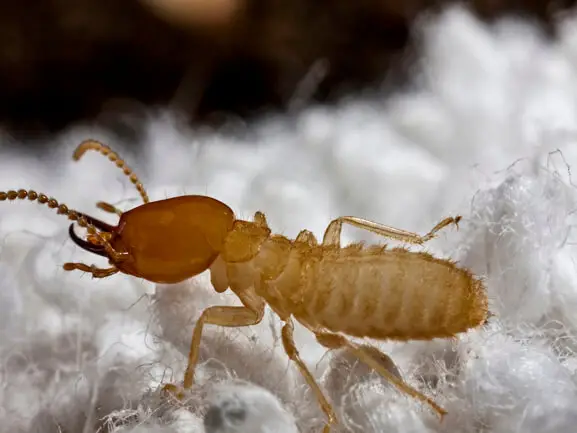
Key Highlights Introduction Your home is not just a place to hang your hat; it’s your sanctuary, a place where you feel safe and secure. However, there are unwelcome guests that can threaten the structural integrity of your home: termites. These tiny pests can infest your home and cause extensive damage, often without you even realizing it. That’s why termite inspection is so important. In this blog, we will provide you with everything you need to know about termite inspection. From understanding the significance of early detection to recognizing signs of termite activity, we will guide you through the process of termite inspection and explain the key benefits it offers. We will also take an in-depth look at the termite inspection process, including what to expect during the inspection, the tools and techniques used, and how to interpret the inspection report. Additionally, we will address common concerns and questions related to termite inspections, such as choosing a reliable termite inspection company, the cost of termite inspection, DIY vs. professional inspections, dealing with a termite infestation, and insurance coverage for termite damage. By the end of this blog, you will have a comprehensive understanding of termite inspection and be well-equipped to protect your home from these destructive pests. Understanding Termite Inspection: A Comprehensive Guide Understanding termite inspection is crucial for homeowners to protect their properties from the devastating effects of termite infestation. A termite inspection is an investigation conducted by professionals to determine the presence of termites in and around your home. It plays a vital role in termite control and prevention, as it allows for early detection and treatment of termite infestations. By conducting regular termite inspections, homeowners can develop a comprehensive termite control plan and take necessary preventive measures to minimize the risk of termite damage. Professional pest control companies, like FullScope Pest Control, have the expertise and specialized equipment to conduct thorough termite inspections and provide effective treatment options. 1. The Importance of Early Detection Early detection of termite infestation is of utmost importance in protecting your home from extensive termite damage. Termites are known for their ability to silently and rapidly destroy wooden structures, causing significant structural damage that can compromise the integrity of your home. By detecting termite activity early on through regular termite inspections, you can take immediate action to eliminate the infestation and prevent further damage. Early detection also plays a crucial role in real estate transactions, as termite damage can significantly impact the value of a property. By conducting a termite inspection before buying or selling a home, you can ensure that you are aware of any existing termite issues and address them accordingly, protecting your investment and providing peace of mind. 2. Recognizing Signs of Termite Activity Recognizing the signs of termite activity is essential in detecting a termite infestation and taking appropriate measures to address it. During a termite inspection, professionals look for specific signs that indicate the presence of termites. These signs include: Recognizing these signs during a termite inspection allows for early detection and prompt action to eliminate the termites and prevent further damage to your property. 3. Key Benefits of Regular Termite Inspections Regular termite inspections offer numerous benefits for homeowners in terms of termite control and prevention. Some key benefits of scheduling regular termite inspections include: By investing in regular termite inspections, homeowners can proactively protect their properties and minimize the risk of termite damage. 4. How FullScope Pest Control Conducts Inspections FullScope Pest Control follows a meticulous process for termite inspections. Our licensed inspectors thoroughly examine accessible locations within your property, using special equipment to identify termite activity. They check for signs like termite wings, droppings, or mud tubes. If necessary, they might tap on wood structures to listen for hollow sounds or use a screwdriver to probe for wood damage. This detailed approach ensures a comprehensive inspection, allowing us to provide accurate findings and recommendations for a tailored treatment plan. 5. Preventive Measures to Keep Termites at Bay To prevent termite infestations, start by eliminating wood-to-soil contact. Keep firewood and mulch away from your home’s foundation. Repair any leaky plumbing and address moisture issues promptly. Regularly inspect your home for signs of termite activity, such as mud tubes or termite wings. Seal cracks and crevices in your home’s exterior to deny termites easy access. Trim tree branches and shrubbery away from the house. Consider professional termite inspections for a more thorough assessment of your property’s vulnerability. In-Depth Look at Termite Home Inspection Process When it comes to termite inspections, it’s important to understand the process involved. A termite inspection typically consists of the following steps: Before the termite inspector arrives, there are a few pre-inspection preparations you can make to ensure a smooth process: During the inspection, the termite inspector will carefully examine your home for signs of termite activity. They will inspect areas such as crawlspaces, basements, attics, and wooden structures to identify any evidence of termites. The inspector may use specialized tools and equipment, such as moisture meters and thermal imaging cameras, to aid in the detection process. They will also look for visible signs of termite damage, such as mud tubes, wood damage, or live termites. At the end of the inspection, the termite inspector will provide you with a detailed report outlining their findings, including any signs of termite activity and recommendations for treatment. This report will help you make informed decisions regarding termite control and prevention. Termite inspectors use a range of tools and techniques to conduct thorough inspections and accurately assess termite activity. Some of the tools and techniques commonly used during termite inspections include: By employing these tools and techniques, termite inspectors can conduct more comprehensive inspections and accurately identify termite activity. This ensures that appropriate treatment measures can be implemented to eliminate termites and prevent further infestations. After completing a termite inspection, the inspector will provide you with a detailed report outlining their findings and recommendations. This report is an essential tool for understanding the extent