 1500+ reviews

Does Bleach Kill Termites? a Risky DIY Termite Fix
Bleach can kill the few termites you see on contact, but it has zero capability to eliminate a colony. It also can't reach the 90-100% of a typical infestation that stays hidden, so the termites causing significant damage keep feeding out of sight. If you found winged insects near a window, mud tubes along a foundation, or soft wood that suddenly feels hollow, grabbing a bleach bottle is a very human reaction. You want to do something right now. I understand that impulse. But with termites, the fastest-looking fix is often the one that costs you time, creates safety risks, and lets the colony stay active. You Found Termites and Grabbed the Bleach Here's Why to Stop Most homeowners don't discover termites during a calm, scheduled inspection. They find them while moving storage in the garage, replacing trim, or cleaning up after rain. You see a few pale insects, maybe some discarded wings, and your mind goes straight to whatever is under the sink. Bleach feels strong, so it feels useful. That's the trap. With termites, surface action and real control are not the same thing. Killing a handful you can see doesn't mean you've touched the problem that matters. In a house, termite activity is usually hidden in wood members, wall voids, crawlspaces, or soil contact points. A reactive spray can make the visible evidence disappear while the colony keeps working. Practical rule: If a product only reaches the termite you can see, it probably isn't solving the termite problem you actually have. I've seen homeowners treat termite evidence the same way people treat water damage or mold stains. They clean what's visible and assume the issue is handled. That's why AMPM Restoration Services' expert advice is so relevant here. Hidden damage almost always matters more than what's on the surface. There's also a second problem. Bleach can push you into a false sense of control. Once the insects disappear from view, many people delay the inspection they should have scheduled first. By the time a technician evaluates the structure, the colony has had extra time to spread and feed. If you want a good example of how quick DIY choices can create bigger pest issues, FullScope has a useful breakdown of DIY pest control gone wrong. The short version is simple. Strong household chemicals are not the same as a termite treatment plan. What to do in the first hour Stop spraying random products: Don't add bleach, vinegar, borax, foaming cleaners, or anything else just because it's available. Leave evidence in place: Mud tubes, wings, damaged trim, and swarmers help a technician identify what species you're dealing with and where activity may be centered. Protect people first: If you already used bleach, ventilate the area and keep children and pets away until the fumes dissipate. Contact Kill vs Colony Elimination The most important thing to understand is the difference between contact kill and colony elimination. A contact kill means the product only affects the termite it physically touches. Colony elimination means the treatment reaches the hidden population that keeps the infestation alive. Those are not close to the same outcome. What bleach actually does Bleach can kill individual subterranean termites on direct contact by denaturing proteins and disrupting cell membranes, but it has zero capability to eliminate a colony or reach termites hidden within wood or soil structures. It also can't penetrate deep into the 90-100% of a typical home infestation where termites reside, and even if visible wood is soaked, the core colony of 50,000 to 1 million termites can remain untouched and active, as described by FullScope Pest Control's termite guidance. That's why the homeowner experience is so misleading. You spray. A few termites die. The wood still sounds hollow next week. Consider pulling one dandelion leaf while leaving the root system underground. The top changes. The source doesn't. Why the colony survives A termite colony is organized to protect its reproductive members and workforce. The termites you notice are usually the least important part of the problem. The queen, developing young, and the majority of workers stay protected in places surface sprays can't reach. Bleach is especially poor at termite control because it doesn't move through soil as a barrier treatment, and it doesn't get carried back through the colony the way a bait toxicant can. That's the difference between a household cleaner and a purpose-built termite system. Surface kill is visible. Colony control is what protects the house. If you want to understand what an actual colony-level approach looks like, this explanation of how termite baiting disrupts entire colonies lays out the core principle well. The treatment has to reach the population you can't see. The practical takeaway Here's the decision point that matters: If you saw one or two exposed termites: Bleach may kill those specific insects. If you have an infestation: Bleach won't eliminate it. If you want protection: You need a treatment that reaches hidden galleries, soil entry points, or the colony itself. That's why professionals talk less about killing termites and more about intercepting, transferring, or isolating termite activity at the structure. More Than Just Ineffective It's a Real Risk The problem with bleach isn't only that it fails. It's that it can make the situation worse. A lot of homeowners think of bleach as a strong all-purpose answer. In termite work, that mindset creates three separate hazards. You expose yourself to fumes, you risk damaging building materials, and you delay the treatment that could have stopped the infestation earlier. It creates avoidable safety issues Bleach acts as a contact-only killer that disrupts the termite exoskeleton and clogs respiratory spiracles, but it fails to penetrate beyond the outer 1–2 mm of wood. Its potency also wanes within minutes and it has no residual toxicity, so surviving termites can resume feeding with no long-term protection, according to Proof Pest's explanation of bleach and termites. That alone makes it a poor termite tool. The bigger concern for many homeowners is misuse.
10 Warning Signs of Termites Without Wings

Key Highlights Introduction Termites are one of the most destructive pests that can infest your home. While most people are familiar with the winged termites, known as termite swarmers, it’s important to note that these pests can also cause significant damage without wings. Termites without wings, also known as worker termites, are responsible for the majority of the damage caused by termite infestations. They work tirelessly, feeding on wood and creating tunnels and galleries within the structure of your home. Identifying the warning signs of termites without wings is crucial in detecting and addressing termite infestations early on. By recognizing these signs, you can take appropriate action and prevent further damage to your property. In this blog, we will discuss the top 10 warning signs of termites without wings and provide insights into understanding wingless termites, preventing termite infestations, professional termite treatment options, and repairing termite damage. It’s important to note that if you suspect a termite infestation, it’s best to consult with a professional pest control service. They have the expertise to accurately identify and treat termite infestations, ensuring the safety and structural integrity of your home. Now let’s dive into the warning signs of termites without wings and how to identify them. 10 Key Warning Signs of Termites Without Wings Termites can be sneaky and destructive pests, and it’s important to be vigilant in detecting the warning signs of a termite infestation. Here are the top 10 key warning signs of termites without wings: 1. Mud Tubes on Exterior Walls One of the most common signs of a termite infestation is the presence of mud tubes on exterior walls. Subterranean termites, which are the most common type of termites in the United States, build these tubes to protect themselves while they travel between their nest and a food source. These tubes are made of soil, wood particles, and saliva, and they serve as a shelter for the termites. If you notice mud tubes on your exterior walls, it’s a clear indication that termites are present and actively feeding on the wood in your home. It’s important to address this issue promptly to prevent further structural damage. 2. Hollow Sounding Wood Structures Another warning sign of a termite infestation is hollow-sounding wood structures. Termites feed on the cellulose in wood, hollowing it out from the inside. When you tap or knock on a wooden structure that is infested with termites, it may produce a hollow sound due to the tunnels and galleries created by the termites. This is a clear indication that the wood has been damaged by termites and needs to be addressed immediately. If left untreated, the structural integrity of the wood can be compromised, leading to costly repairs. 3. Frass: Termite Droppings Near Wood Surfaces Termite droppings, also known as frass, are another sign of a termite infestation. Drywood termites, a type of termite that does not require contact with soil, produce pellet-like droppings as they feed on wood. These droppings are usually small, elongated, and have a granular appearance. If you notice piles of frass near wooden surfaces, it’s a strong indication that termites are present and actively feeding on the wood. Removing the frass and addressing the termite infestation promptly is crucial to prevent further damage to your property. 4. Discolored or Drooping Drywall Discolored or drooping drywall can be a sign of both termite infestation and moisture issues. Termites require moisture to survive, and their presence can lead to excess moisture in the affected areas. This can cause the drywall to become discolored, swollen, or droop. If you notice any changes in the appearance or texture of your drywall, it’s important to investigate the cause. A termite infestation can cause significant damage to the structure of your home, and addressing it promptly is crucial to prevent further issues. 5. Peeling Paint That Resembles Water Damage Peeling paint that resembles water damage can be a sign of termite damage. Termites create moisture as they feed on wood, and this moisture can cause paint to bubble, peel, or appear discolored. If you notice peeling paint that resembles water damage, it’s important to investigate the cause. While it could be due to a water source, such as a leak, it could also be a sign of a termite infestation. Addressing the underlying issue, whether it’s a water source or termites, is crucial to prevent further damage to your home. 6. Wood That Crumbles Under Slight Pressure Wood that crumbles under slight pressure is a clear sign of termite damage. Termites feed on the cellulose in wood, weakening its structure and causing it to become brittle. If you notice that wood in your home crumbles easily or appears damaged, it’s likely that termites are present. Crumbling wood can be found in areas such as window frames, door frames, and wooden furniture. Addressing the termite infestation promptly is essential to prevent further damage and protect the structural integrity of your home. 7. Tight Fitting Doors and Hard-to-Open Windows Tight fitting doors and hard-to-open windows can be a sign of structural damage caused by termites. As termites feed on wooden structures, they can cause them to warp, swell, or become misshapen. This can result in doors and windows that no longer fit properly and are difficult to open or close. If you notice that your doors and windows are becoming increasingly difficult to operate, it’s important to investigate the cause. A termite infestation may be the underlying issue, and addressing it promptly is crucial to prevent further damage and ensure the security of your home. 8. Visible Mazes Within Walls or Furniture Visible mazes within walls or furniture are clear signs of termite damage. As termites create tunnels and galleries within wooden structures, they can leave behind visible mazes or patterns. These mazes may be visible in walls, furniture, or other wooden surfaces. If you notice these intricate patterns, it’s a strong indication that termites are present and actively feeding on the wood. Addressing the termite infestation promptly
Termite Treatment & Control | Termite Exterminator
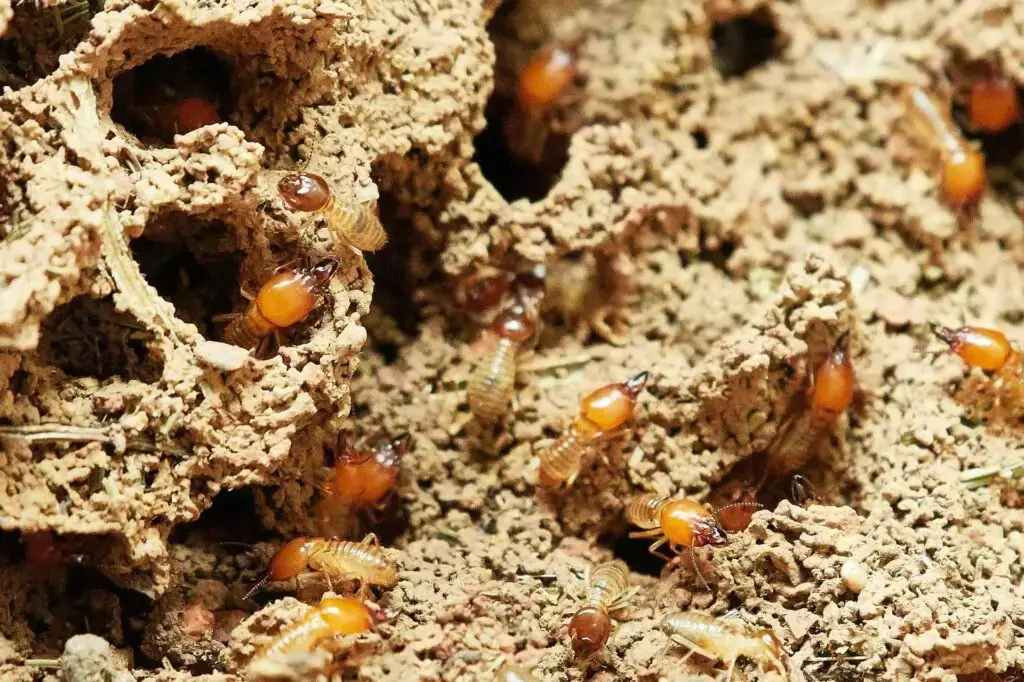
Key Highlights Introduction Termites are a homeowner’s worst nightmare. These tiny pests can cause significant damage to the structure of your home, leading to costly repairs and potential safety hazards. Understanding termite infestation, signs of their presence, and effective treatment options is crucial for every homeowner. In this blog, we will explore the key highlights of termite treatment and control, providing you with the information you need to protect your home from these destructive pests. Understanding Termite Infestation To effectively control termites, it is important to understand how they infest homes and their behavior. Termite infestation occurs when these insects establish colonies near or within wooden structures. They build mud tubes to travel between their nests and food sources, such as wood. There are different species of termites, including drywood and dampwood termites, each with their own preferences and habits. By understanding termite infestation and the species commonly found in your area, you can take the necessary steps to prevent and control their presence in your home. Common Signs of Termite Presence Identifying the signs of termite presence early on is essential for effective treatment and control. Here are some common signs to look out for: If you notice any of these signs, it is important to contact a professional termite exterminator for inspection and treatment. Different Types of Termites and Their Behaviors There are different types of termites, each with their own behaviors and preferences. Understanding these differences can help in identifying and treating termite infestations effectively. Drywood termites are commonly found in coastal regions and infest dry wood. They do not require contact with soil and can establish colonies within wooden structures. Dampwood termites, on the other hand, thrive in moist environments and are attracted to decaying or wet wood. They do not usually infest human structures unless there is significant moisture damage. Subterranean termites are the most destructive and widespread termite species. They build mud tubes to protect themselves from predators and maintain a humid environment. These termites require contact with soil for moisture and often establish extensive colonies underground. By understanding the behavior and preferences of different termite species, homeowners can implement targeted treatment and prevention strategies. Termite Inspection: The First Step to Control Termite inspection is the crucial first step in controlling a termite infestation. A professional termite exterminator will conduct a thorough inspection of your property to identify termite colonies, assess the extent of the infestation, and develop an effective pest control plan. During the inspection, the exterminator will look for signs of termite activity, such as mud tubes, termite damage, and discarded wings. They will also inspect areas prone to termite infestation, such as basements, crawl spaces, and attics. By identifying the source and extent of the termite problem, the exterminator can recommend the most appropriate treatment method for your specific situation. What to Expect During a Termite Inspection During a termite inspection, a professional exterminator will thoroughly evaluate your property for any signs of termite infestation. This process typically involves: How Often Should You Get Your Property Inspected? Routine termite inspections are essential for early detection and prevention of termite infestations. The frequency of inspections may depend on factors such as the location of your property, the age of the structure, and the presence of previous termite activity. In general, it is recommended to have a professional termite inspection at least once a year. However, in areas with high termite activity, more frequent inspections may be necessary. Additionally, if you have had previous termite activity or live in an area prone to termite infestations, more frequent inspections can help ensure early detection and timely treatment. Regular inspections can help identify potential termite problems before they cause significant damage, giving you peace of mind and saving you from costly repairs. Professional Termite Treatment Options When it comes to professional termite treatment, there are several options available. Each treatment option is designed to effectively eliminate termites and prevent future infestations. Liquid barrier treatments involve applying termiticide to the soil around the foundation of the home. This creates a chemical barrier that termites cannot cross, effectively protecting the structure. Bait systems work by placing termite baits near areas of termite activity. The termites consume the bait and take it back to the colony, eventually eliminating the entire colony. Fumigation is a more aggressive treatment option that involves tenting the entire structure and introducing a gas that kills termites. This treatment is typically used for severe infestations or when extensive damage has already occurred. Each treatment option has its advantages and disadvantages, and the best approach will depend on the specific circumstances of the infestation. Consulting with a professional termite exterminator is recommended to determine the most effective treatment plan for your home. Liquid Barrier Treatments and Their Effectiveness Liquid barrier treatments, also known as soil-applied termiticides, are a common and effective method for termite control. These treatments involve applying a liquid termiticide to the soil around the foundation of the home, creating a chemical barrier that termites cannot cross. The termites come into contact with the treated soil as they forage for food, and the termiticide eliminates them. The barrier also prevents termites from accessing the structure, providing long-term protection against infestations. The effectiveness of liquid barrier treatments depends on several factors, including the type of termiticide used, the application method, and the thoroughness of the treatment. It is important to hire a professional termite exterminator for this type of treatment to ensure proper application and maximize effectiveness. While liquid barrier treatments can provide effective termite control, they are not foolproof. Regular inspections and maintenance are still necessary to monitor for any signs of termite activity and address potential issues promptly. Physical barriers, such as steel mesh or sands, can also be used in conjunction with liquid barrier treatments to further enhance protection against termites. Bait Systems: How They Work Bait systems are another popular method of professional termite treatment. These systems work by placing termite baits near areas of termite activity. The baits
Uncovering Termites in Wall: Signs and Solutions
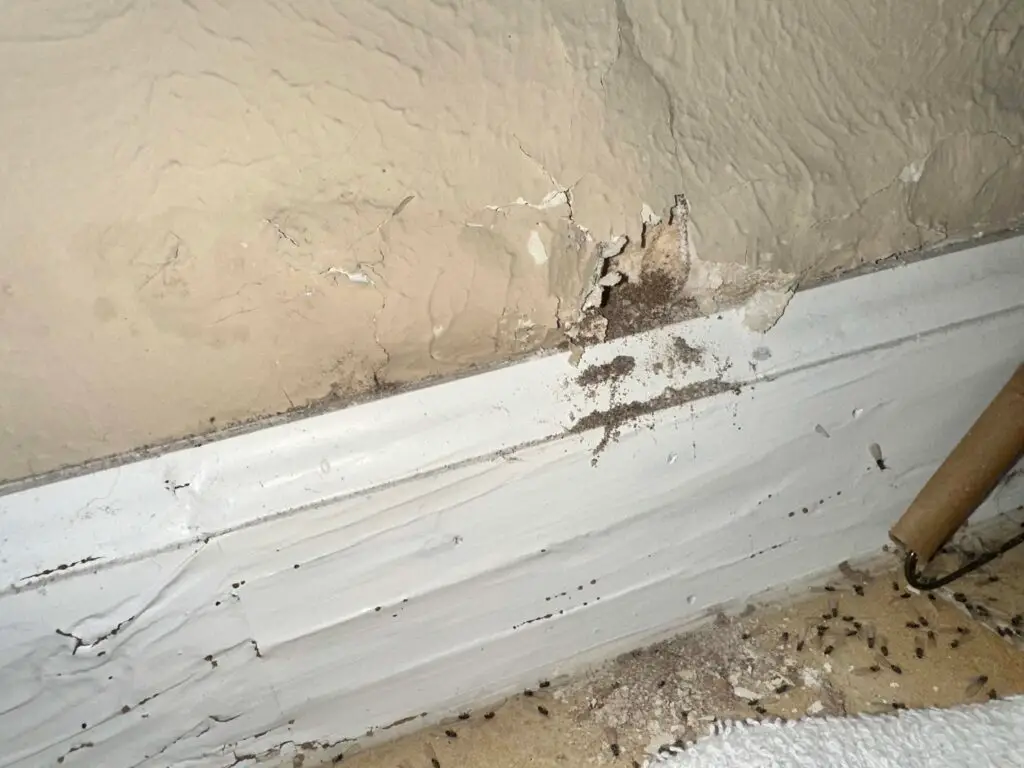
Key Highlights Introduction Termite infestations can be a homeowner’s worst nightmare. These small insects have a voracious appetite for wood, and if left unchecked, they can cause severe damage to the structure of a building. Termites often go undetected until the damage is already significant, making it essential to be aware of the signs of termites in walls. In this blog, we will explore the early warning signs of termite infestations, understand termite behavior and the risks they pose, discuss professional inspection and identification, provide DIY termite inspection tips, and explore effective solutions for termites in walls. How can you tell if you have termites in your wall? Indications of termites in your wall include hollow-sounding wood when tapped, discarded wings near windows, mud tunnels on exterior walls, and small holes in the wood. If you notice any of these signs, it’s crucial to seek professional help promptly to address the termite infestation effectively. Early Warning Signs of Termites in Walls Early detection of termite infestations in walls is crucial for preventing further damage. There are several signs to watch out for that may indicate the presence of termites. Visible mud tubes on exterior walls are a common sign of a termite infestation. These shelter tubes, which are about the width of a pencil, are created by subterranean termites as they travel between their colony and a food source. Another sign to look out for is a hollow sound when tapping on wood surfaces. This hollow sound could indicate termite damage within the wood. Additionally, cracked or bubbling paint and the presence of frass, which are termite droppings, can also be indicators of termite activity within walls. Visible Mud Tubes on Exterior Walls Visible mud tubes on exterior walls are a telltale sign of a termite infestation. These shelter tubes, also known as mud tunnels, are created by subterranean termites to provide protection and moisture as they travel between their colony and a food source. Here are some key points to understand about mud tubes: Hollow-Sounding Wood Surfaces When inspecting your walls for termite infestations, tapping on wood surfaces can provide valuable information. If the wood emits a hollow sound, it could indicate termite damage within the structure. Termites feed on the cellulose found in wood, hollowing it out as they consume it. Here are a few key points to consider: Cracked or Bubbling Paint Cracked or bubbling paint on walls can be an indication of termite activity. Termites require moisture to survive, and as they inhabit the interior of walls, they may bring moisture with them. This moisture can cause the paint to crack, bubble, peel, or flake off. Here are a few key points to consider: Frass: Termite Droppings as an Indicator Frass, which refers to termite droppings, can be a useful indicator of termite activity within walls. As termites consume wood, they produce frass that resembles small pellets or sawdust. Here are a few key points to consider: Understanding Termite Behavior and Risks Understanding termite behavior and the risks associated with termite infestations is essential for effectively dealing with the problem. Termites have a complex lifecycle and certain behaviors that contribute to the damage they cause. Here are a few key points to understand: The Lifecycle of Termites Termites have a complex lifecycle that involves different castes and stages. Understanding their lifecycle can help in identifying and addressing termite infestations. Here are a few key points to consider: Different Types of Termites and Their Behaviors There are different species of termites, each with its own behaviors and preferences. It is important to understand these differences to effectively address a termite problem. Here are a few key points to consider: How Termites Cause Damage Over Time Termites can cause significant damage to wooden structures over time if left untreated. Understanding how termites cause this damage is essential for effectively addressing infestations. Here are a few key points to consider: Professional Inspection and Identification Professional inspection and identification are essential for accurately detecting termites and assessing the severity of an infestation. Here are a few key points to consider: The Role of a Professional Termite Inspector A professional termite inspector plays a crucial role in accurately assessing the severity of a termite infestation and determining the appropriate course of action. Here are a few key points to consider: Tools and Techniques for Detecting Termites Professional termite inspectors use various tools and techniques to detect termite activity. Here are a few commonly used tools and techniques: Tool or Technique Description Moisture meters These devices measure moisture levels in wood, which can indicate termite activity. Termite probes Inspectors use these tools to tap and probe wood surfaces, looking for hollow sounds and signs of termite damage. Fiber optic scopes These scopes allow inspectors to see inside walls and other inaccessible areas to search for termite activity. Thermal imaging cameras These cameras can detect temperature variations that may be indicative of termite activity, such as heat generated by termite nests. Termite-sniffing dogs Specially trained dogs can detect the presence of termites by sniffing for their unique scent. By utilizing these tools and techniques, professional termite inspectors can accurately detect termite activity, assess the severity of an infestation, and develop appropriate treatment plans. Interpreting Signs of Termite Infestations Accurately Interpreting signs of termite infestations accurately is crucial for determining the appropriate treatment and preventing further damage. Here are a few key points to consider: DIY Termite Inspection Tips While professional inspection is recommended for accurate detection of termite infestations, there are some DIY methods that homeowners can employ to supplement their efforts. Here are a few key tips for DIY termite inspection: Safety Measures and Precautions When conducting a DIY termite inspection, it is important to prioritize safety and take necessary precautions. Here are a few key safety measures to consider: Identifying Common Termite Entry Points Termites can enter a building through various entry points, and identifying these common entry points is crucial for preventing infestations. Here are a few key entry
How to Get Rid of Termites | Termite Treatment | FullScope
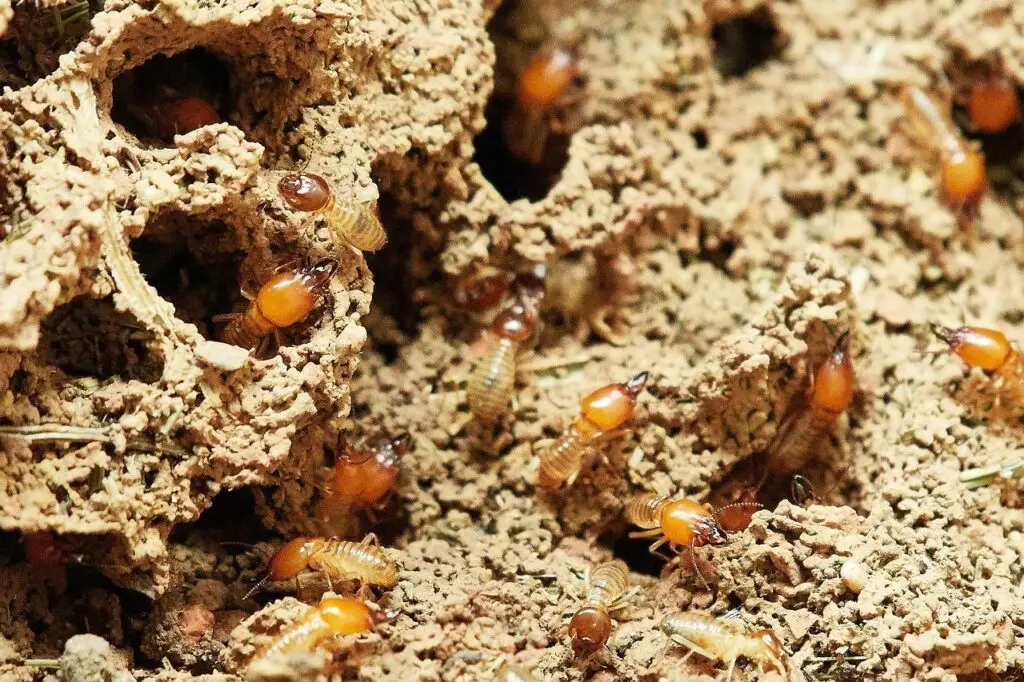
Key Highlights Introduction Termites are one of the most dreaded pests, especially for homeowners. These tiny insects can cause extensive damage to homes and structures, leading to costly repairs and compromised structural integrity. It’s essential to understand the different types of termites, their potential impact, and effective termite treatment options to protect your property. In this blog, we will explore various aspects of termite control, including understanding termites and their impact, early signs of infestation, professional termite inspection, treatment options, DIY vs. professional treatment, and preventing future termite infestations. By gaining knowledge about termites and implementing preventative measures, you can safeguard your home and minimize the risk of termite damage. Understanding Termites and Their Impact Termites are social insects that live in large colonies and feed on cellulose-based materials, such as wood. The United States is home to different termite species, with subterranean termites and drywood termites being the most common. These termites can cause significant structural damage to homes, leading to weakened foundations, sagging floors, and compromised safety. It is estimated that termites cause billions of dollars in damages annually. Understanding the behavior and habits of termites is crucial to detect and address an infestation early on. By being aware of the signs of termite activity and seeking professional assistance, homeowners can protect their property from further damage. The Different Types of Termites Termites exist in various species, but the two most common types found in the United States are subterranean termites and drywood termites. Subterranean termites live in the soil and build mud tubes to access above-ground food sources. These termites are responsible for the majority of termite damage in the country. On the other hand, drywood termites infest dry wood and do not require contact with soil. It’s important to be able to identify the type of termites infesting your home as it can impact the treatment approach. Subterranean termites are usually eradicated using liquid soil-applied termiticides or bait systems, while drywood termites may require localized spot treatments or fumigation. Understanding the specific species of termites and their behavior can help pest control experts develop a targeted treatment plan to effectively eliminate the infestation. How Termites Damage Your Property Termites can cause significant damage to your property if left untreated. They feed on wood and cellulose materials, such as paper and cardboard, making your home vulnerable to structural damage. Termites can weaken wooden structures, including walls, floors, and furniture, which can compromise the integrity of your home. The damage caused by termites is often not immediately noticeable, as they feed from the inside out, leaving the outer layers intact. To prevent and treat termite damage, it is crucial to enlist the help of professional pest control services. They have the expertise and tools to effectively eliminate termites and safeguard your property from future infestations. The Science Understanding the science behind termites is key to effective termite prevention and treatment. Termites live in colonies, which can consist of thousands or even millions of individual termites. The best way to prevent termite infestation is to create a barrier between your home and potential termite entry points. This can be done through the use of physical barriers, such as steel mesh, or the application of termiticides to the soil surrounding your property. Regular termite inspections are also essential to catch any infestations early on and take prompt action. Professional pest control experts have the knowledge and experience to identify the signs of termite activity and recommend the most appropriate prevention and treatment methods. What are the different methods of termite treatment available in the market? Various termite elimination methods include liquid termite barriers, termite baits, termite fumigation, and wood treatment. Each method has its pros and cons, so it is essential to consult with a professional to determine the most effective treatment for your specific termite infestation. Early Signs of Termite Infestation Detecting a termite infestation early is crucial to preventing extensive damage to your property. There are several visual indicators that can signal the presence of termites. Mud tubes, which are narrow tunnels made of soil and termite saliva, are a common sign of termite infestation. These tubes are used by termites to travel between their underground colonies and food sources. Other signs include damaged or hollow-sounding wood, discarded termite wings, and small piles of termite droppings. If you notice any of these signs, it is important to seek professional termite inspection and treatment to prevent further damage. Termite and Pest Control Termite treatment is a critical aspect of protecting your property from the destructive nature of these pests, so that you can leave termite free. There are various methods available in the market, including liquid termite barriers, termite baits, fumigation, and wood treatment. Each method comes with its own set of advantages and drawbacks, so consulting with a professional is key to determining the most suitable approach for your specific situation. Detecting early signs of termite infestation can save you from costly repairs. Keep an eye out for mud tubes, damaged wood, discarded wings, and termite droppings. If you spot any of these Visual Indicators and What to Look For When inspecting your home for termite infestation, there are several visual indicators to look for. These signs can help you identify whether you have a termite problem and take appropriate action. If you notice any of these visual indicators, it is advisable to contact a professional pest control company for a thorough termite inspection and appropriate treatment. Silent Destroyers Termites are often referred to as “silent destroyers” because they can cause extensive damage to your property without immediate visible signs. They feed on wood and other cellulose materials, gradually weakening the structure over time. Termite colonies can consist of thousands or even millions of individual termites, working tirelessly to feed and expand their colonies. As they tunnel through wooden structures, they can cause significant structural damage, compromising the integrity of your home. It is important to address termite infestations promptly to prevent further damage. Professional pest control
Termites in House | How to Check for Termites | FullScope
Key Highlights Introduction Termites are among the most destructive insects in the world, capable of causing significant damage to homes and other wooden structures. If left untreated, termite infestations can lead to structural damage and even the collapse of a building. However, with early detection and proper treatment, homeowners can protect their homes from the devastating effects of termites. Identifying the signs of a termite infestation is the first step in preventing extensive damage. In this blog, we will discuss how to check for signs of termites in your house and provide effective solutions for termite control. We will also explain the impact of termites on your home and answer some frequently asked questions about termite infestations. By understanding the warning signs of termites and taking appropriate measures, homeowners can safeguard their homes and ensure the longevity of their structures. Whether you choose to conduct a termite inspection yourself or hire a professional, the key is to be proactive in preventing and addressing termite infestations. Let’s dive into the details and learn how to check for termites in your house. Identifying Signs of Termites in Your Home Identifying the signs of a termite infestation is crucial in order to take prompt action and prevent extensive damage to your home. While termites can be difficult to detect, there are several warning signs that can indicate their presence. By keeping an eye out for these signs, you can catch a termite infestation early and minimize the potential damage to your property. 1. Unexplained Cracks on Internal Walls One of the first signs of a termite infestation is unexplained cracks on internal walls. As termites feed on wood, they create tunnels and galleries within the walls, causing the structure to weaken. This can lead to cracks appearing on the surface of the walls, especially in areas where the infestation is concentrated. These cracks may be small at first but can gradually widen over time, indicating significant termite damage. If you notice unexplained cracks on your internal walls, it is important to investigate further for a possible termite infestation. 2. Doors and Windows Becoming Hard to Open or Close Difficulty in opening or closing doors and windows can be a clear indication of termite damage. As termites feed on wooden structures, they can cause the wood to warp or become distorted. This can affect the functionality of doors and windows, making them hard to open or close smoothly. If you notice that your doors or windows are becoming increasingly difficult to operate, it is important to inspect the frames for signs of termite infestation. Pay close attention to any visible damage or weakened areas in the wood, as these can be telltale signs of a termite problem. 3. Clicking Sounds Within the Walls Clicking sounds within the walls can indicate termite activity. Termites communicate through vibrations, and these vibrations can produce clicking sounds that are often faint and difficult to detect. However, if you hear consistent clicking sounds coming from within your walls, it is advisable to investigate further for a possible termite infestation. While clicking sounds alone may not confirm the presence of termites, they can serve as an early warning sign and prompt further inspection. 4. Presence of Flying Termites or Their Discarded Wings The presence of flying termites or their discarded wings is a strong indication of a termite infestation. Flying termites, also known as termite swarmers, are reproductive termites that emerge from mature colonies in search of a mate and a suitable location to start a new colony. Seeing a swarm of flying termites or finding their discarded wings around your property can indicate the presence of an active termite infestation. These swarmers are often attracted to light sources and may be found near windows and doors. If you come across flying termites or their wings, it is important to take immediate action to address the termite problem. 5. Tunnels in Wood or Mud Tubes on Exterior Walls Tunnels in wood or mud tubes on exterior walls are clear signs of termite activity. Subterranean termites, one of the most common types of termites, build mud tubes to protect themselves while traveling from their underground colonies to sources of food, such as wood in your home’s structure. These mud tubes can often be found on exterior walls, especially near the foundation. If you notice mud tubes or tunnels in wood, it is important to address the termite infestation promptly to prevent further damage to your home. 6. Soft Wood That Sounds Hollow When Tapped Soft wood that sounds hollow when tapped can indicate a termite infestation, particularly drywood termites. Drywood termites infest dry wood and create galleries within the wood as they feed. This can result in the wood becoming hollow and weakened, causing it to produce a distinctive hollow sound when tapped. If you suspect a termite infestation and find areas of wood in your home that sound hollow, it is important to conduct a thorough inspection to confirm the presence of termites and take appropriate measures for termite control. 7. Piles of Termite Droppings Near Wood Structures Piles of termite droppings, also known as frass, near wood structures can indicate a termite infestation. As termites feed on wood, they produce droppings that are pushed out of their tunnels and accumulate in piles. These droppings are often small, granular, and resemble sawdust or coffee grounds. If you come across piles of termite droppings near wooden structures in your home, it is a clear sign of termite activity. Prompt action is necessary to address the infestation and prevent further damage to your property. You see swarmers emerge inside the building, or find dead swarmers on the floor or windowsill. If you see swarmers emerging inside your building or find dead swarmers on the floor or windowsill, it is a strong indication of a termite infestation. Swarmers are reproductive termites that leave their existing colonies to start new colonies. Their emergence inside the building suggests that there is an active termite