 1500+ reviews

Quick Fixes for Common Spider Problems in Your Home (That Don’t Involve a Broom)
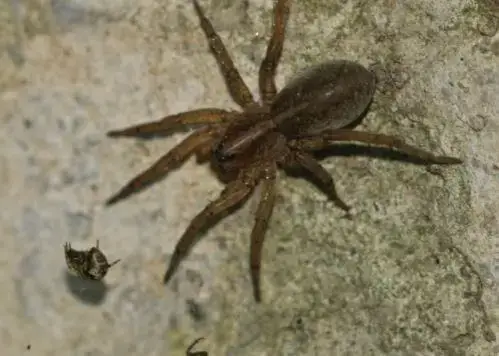
Key Highlights Introduction Keeping a clean home helps, but spiders can still come in. These little creatures can be more than a simple nuisance, and if you let it go, a spider infestation can happen. They like to hide in quiet places, such as corners, basements, and spots where you may not look all the time. This is why it is good to handle it early before things get worse. If you see more webs around or spiders moving across the floor, then it is your sign to do something. Here, we will talk about quick and easy ways to tackle spider problems in the home, and you will not need to use a broom. Spotting the Signs of a Spider Problem in Your Home If you start to see more spiders than you usually do, it may be more than just a random spider showing up. Seeing spider webs in the corners, closets, or the basement can mean you have a spider infestation. You should also keep an eye out for spider egg sacs. These look like small, round, silk balls. If you leave them alone, they could hatch many more spiders in your home. Spiders often stay in dark places where you do not go much. If you see more spiders, webs, or spider egg sacs, it means the problem is getting worse and will need some pest control. Noticing these signs early is the best way to stop a big infestation before it gets worse. Recognizing Spider Webs, Egg Sacs, and Hiding Places Spider webs are one of the most clear signs of a spider infestation. You might see a web or two in corners or closets, and that may not seem like much at first. But if you find webs in different rooms, then this could be a sign of an actual spider infestation. Check places that are hard to get to. Spiders like hiding in attics, basements, and spots behind furniture. Seeing spider egg sacs is also a major clue. These are small, white or off-white balls. You may find them: Pay close attention to cluttered spots. Spiders often hide among the clutter like stacks of papers, old clothes, or boxes. If your pest control tasks lead you to find webs, spiders, and spider egg sacs in many areas, then there is most likely more than just a few spiders here. Cleaning often and getting rid of clutter can help break up their hiding spaces and can stop spiders from spreading through your house. What an Infestation Looks Like Versus Normal Occurrences It is normal for you to see a house spider every once in a while. They are a part of the local ecosystem and pop up sometimes. But if you start noticing spiders every day or find them in groups in many rooms, this can be a sign of a spider infestation. The spider problem can turn into a real nuisance when the webs come back quickly after you clean, and you also keep finding new egg sacs. If you spot several spiders at the same time, mainly in quiet or unnoticed places, this might mean that there is a group of spiders living and having babies in your house. When there are a lot of spiders, you may also find more dead insects, spider droppings, or see more pest activity which means the infestation is growing. These pests might seem fine at first, but they become a big problem when the numbers go up. Thinking about when you should really worry? When spiders are often in groups, or when you find webs and egg sacs a lot, it’s a good time for you to treat the issue as a real infestation, not just something natural that happens sometimes. Why Spiders Invade Homes in Humble, Texas A lot of people in Humble, Texas, want to know why spiders suddenly show up in their homes, especially at certain times of the year. The main reason spiders come inside is to look for food, like ants, mosquitoes, or moths. They also need safe spots to hide from things that can hurt them outside. The humid air and the big number of bugs in the area make it easy for arachnids to like being inside. Once you know these reasons, you can make good choices about spider control and how to stop spiders and bugs from getting into your house. This will help you start using real ways to keep your home safe. Common Attractants in Local Residences Your home can be a place that spiders want to get into more than you might think. The spider will come inside if there are pests like ants, mosquitoes, moths, and even rodents. These bugs serve as food for the spider, making a kind of buffet that brings house spiders and some that are more dangerous. When you have clutter, you give spiders a lot of places to hide. If there are boxes, piles of clothes, or papers in your home, spiders can hide and stay there without being seen. Spiders like to stay in places such as: You can make your home less attractive to spiders and their food by keeping it clean, putting away food, and sealing up any gaps. When you remove what draws the spiders and what their prey likes, you take a big step toward spider prevention. This is a good way to keep the spider out for good. Seasonal Factors That Increase Spider Activity Spiders are not seen the same way all throughout the year. In Humble, the air is often wet, and spider activity goes up in late summer and fall. This is the time when outdoor changes push both pests and the spiders that eat them into the house. When it gets cooler or there is a lot of rain, bugs come inside, and the spiders follow them. You may get more spiders in some rooms, especially where there are more bugs or when it is easy for them
Spider Pest Control Solutions for Your Home

Key Highlights Introduction Spiders are common household pests that can cause discomfort and anxiety for homeowners. While they play a role in controlling other insect populations, many people prefer to keep their homes free of spiders and their webs. Understanding the habits and habitats of spiders is essential in effectively controlling and preventing spider infestations. This blog will provide valuable information on identifying common house spiders, understanding why spiders choose your home, recognizing when spiders are dangerous, and offering practical spider control solutions. We will also address frequently asked questions about spider prevention and treatment. By following the recommended spider control measures and preventive strategies, homeowners can create a spider-free environment and enjoy their homes without the presence of these eight-legged creatures. Understanding Spiders: Habits and Habitats Spiders are arachnids that belong to the class Arachnida. There are thousands of spider species worldwide, with around 4,000 species found in the United States alone. Among the various spider species, the most common ones found in homes are known as common house spiders. These spiders are typically harmless to humans and play a beneficial role in controlling other insect populations. They are natural predators of pests like flies, mosquitoes, and roaches. Common house spiders are found throughout the United States and can vary in size, color, and behavior. They typically prefer dark and undisturbed areas such as basements, attics, and crawl spaces. These spiders are known for their ability to spin intricate webs to catch their prey. The presence of spider webs is often a sign of a spider infestation or activity. It is important to be able to identify common house spiders for effective pest control. Some of the most common types of spiders found in homes include the brown recluse spider and the black widow spider. These two species are venomous and can pose health risks if encountered. Proper identification and professional spider control measures are necessary when dealing with these dangerous spiders. By understanding the habits and habitats of spiders, homeowners can better recognize and control spider infestations in their homes. Regular inspections, proper sanitation, and targeted pest control treatments can help keep spider populations in check and maintain a spider-free environment. Common House Spiders: Identification Guide Identifying common house spiders is crucial in determining the appropriate spider pest control measures. Here are some key features of the most common types of spiders: It’s important to note that not all spiders found in your home are dangerous. In fact, the majority of spiders are harmless and can even be beneficial in controlling other insect populations. However, if you suspect the presence of brown recluse or black widow spiders, it’s best to seek professional spider pest control services. Why Spiders Choose Your Home: Attraction Factors Spiders are attracted to certain factors that make your home an ideal habitat for them. Understanding these attraction factors can help you address the issue effectively. One of the main attraction factors for spiders is the presence of dark corners and crawl spaces. These areas provide them with shelter and a safe place to build their webs. Spiders also need a readily available food source, which often includes other insects like flies and mosquitoes. To discourage spiders from choosing your home, it’s important to eliminate these attraction factors. Regularly clean and declutter your home, paying special attention to areas where spiders are likely to hide. Seal any entry points to prevent spiders from entering your home, and keep your home free from other insect pests to reduce their food source. When are Spiders Dangerous? While most spiders are harmless, there are a few species that can be dangerous to humans. Understanding when spiders are dangerous is important for your safety and well-being. In general, spiders are not aggressive and will only bite when they feel threatened. Most spider bites result in minor reactions, such as redness, swelling, and itching. However, there are a few species that deliver venomous bites, which can cause more severe symptoms. The black widow spider and the brown recluse spider are the two most dangerous spiders in North America. Their bites can result in more serious health issues, such as muscle cramps, abdominal pain, weakness, and tremors. If you suspect you have been bitten by one of these spiders, it’s important to seek immediate medical attention. It’s also worth noting that some individuals may have allergic reactions to spider bites, which can result in more severe symptoms. If you experience difficulty breathing, chest pain, or any other severe reaction after a spider bite, seek medical help immediately. We know spiders At FullScope Pest Control, we understand spiders and have the expertise to effectively control and eliminate spider infestations. Our trained technicians are knowledgeable about the different spider species and their habits, allowing us to provide targeted pest control solutions. We take pride in our ability to identify and address spider issues in a safe and effective manner. With our professional spider pest control services, you can have peace of mind knowing that your home is free from spiders and potential health risks associated with them. Trust us to provide the best solutions for your spider control needs. How to Spot Brown Recluse Spiders Being able to spot brown recluse spiders is crucial in addressing and preventing infestations. These spiders are known for their venomous bites, which can cause severe reactions. Here are some key tips on how to spot brown recluse spiders: If you suspect the presence of brown recluse spiders in your home, it’s best to seek professional spider pest control services. Attempting to handle the infestation on your own can be dangerous, as these spiders can deliver venomous bites. How to Spot Black Widow Spiders Identifying black widow spiders is crucial in addressing and preventing infestations. These spiders are known for their potentially deadly bites. Here are some key tips on how to spot black widow spiders: If you see a black widow spider or suspect its presence in your home, it’s important to seek professional spider pest