 1500+ reviews


What Is Included in Pest Control Services
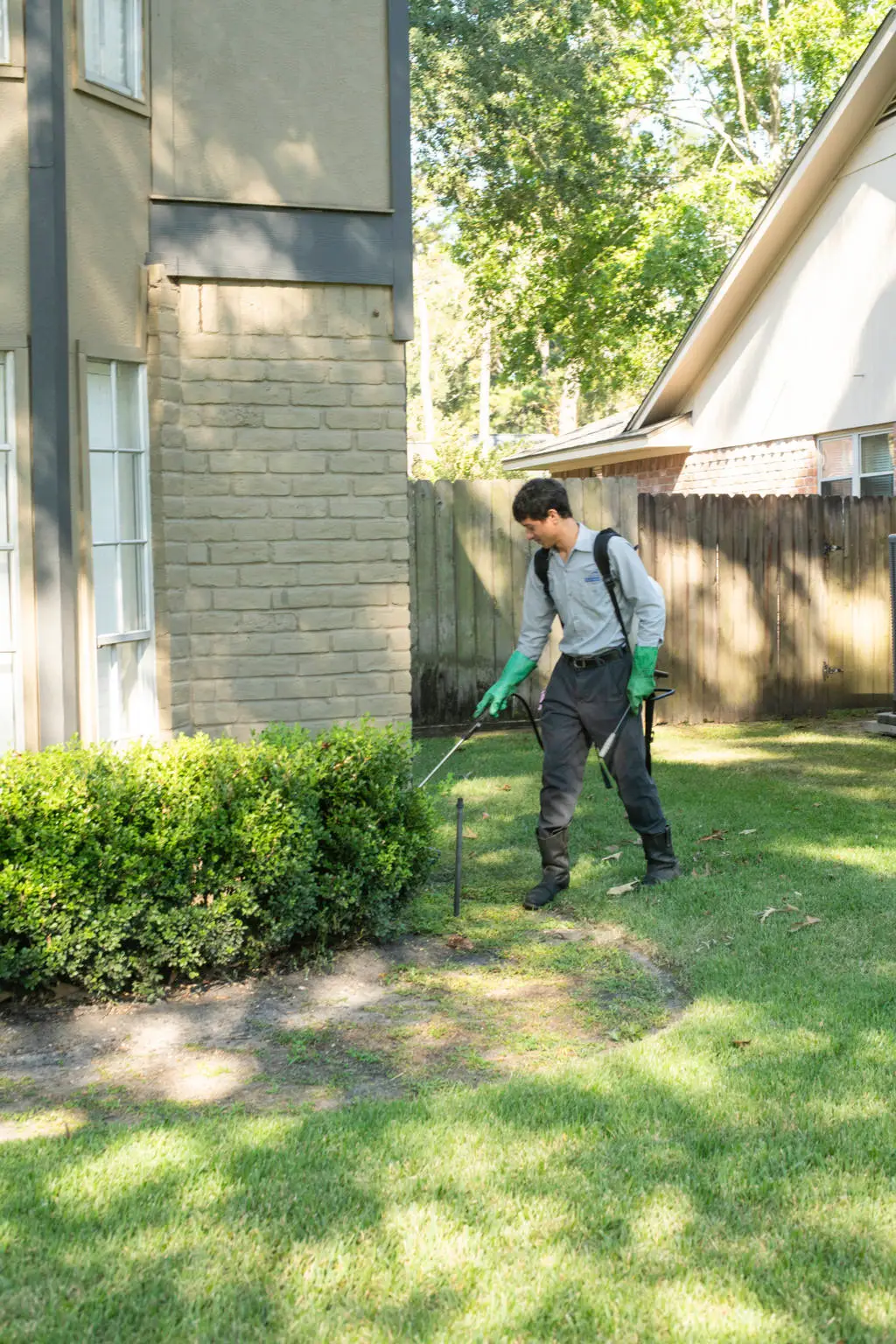
Most homeowners are told that pest control means spraying chemicals around the baseboards. That advice is incomplete, and following it can leave the actual cause untouched. What is included in pest control should start with finding how pests entered, why the property supports them, and whether activity is established or temporary. Treatment is only one part of a professional program. A durable service may include inspection, pest identification, monitoring, sanitation guidance, exclusion work, habitat modification, targeted treatment, and follow-up verification. The right combination depends on the pest, the building, the surrounding conditions, and the level of risk. A quick application may suppress visible activity, but it won't necessarily stop pests from returning through an unsealed gap, a leaking pipe, standing water, or an accessible food source. Redefining Modern Pest Control Services Pest control goes beyond applying insecticide. The foundational approach is integrated pest management, or IPM, which combines inspection, monitoring, prevention, and multiple control methods. The U.S. Environmental Protection Agency describes IPM as the coordinated use of efficient methods to keep pest populations at tolerable levels instead of relying on one tactic, as explained in this EPA overview of integrated pest management. That distinction changes what a technician should do during a visit. A professional may look for entry points, moisture, food sources, nesting areas, droppings, shed skins, wood damage, and conditions that support breeding. The technician then determines whether treatment is justified, which control method fits the situation, and what the homeowner or facility manager must correct. Practical rule: If the service report only says “sprayed,” it hasn't told you enough about the pest problem or the plan to prevent its return. IPM can involve sanitation and habitat modification, physical exclusion, trapping, monitoring devices, biological controls, cultural practices, and carefully targeted chemical treatment. Chemical applications still have a place, especially when pest activity is confirmed and lower-risk controls aren't sufficient. The professional standard is to use them deliberately, at the treatment location and quantity appropriate for the situation. This approach became increasingly important as pest management moved away from heavy dependence on pesticides. U.S. pesticide production rose from less than 200 million pounds in 1945 to approximately 1.6 billion pounds in 1975, according to the historical EPA document linked above. A national IPM research effort began in 1972, involving the National Science Foundation, EPA, USDA, and scientists at 19 universities over seven years. Those historical facts don't tell a homeowner which product to use, but they do explain why modern pest management emphasizes prevention and monitoring. For a homeowner, the difference is concrete. A technician treating ants may identify the trail, locate the entry route, recommend sealing a gap, correct an attractant, and use a targeted product rather than coating every room. A rodent service should address access and sanitation as well as the existing animals. A mosquito program should consider standing water and harborage, not just apply a perimeter treatment. A useful explanation of the broader service concept is available in this resource about modern pest control and its practical scope. The key point is simple: professional pest control manages conditions and risk, not just visible insects. The Core Service Process and Integrated Pest Management A competent service visit follows a diagnostic sequence. The technician shouldn't reach for a sprayer before understanding what is present, where it is active, and what will keep it there. The inspection comes first The first stage is a structured inspection of the building and its surroundings. Depending on the problem, that can include kitchens, utility rooms, attic spaces, crawl spaces, garages, roof-wall junctions, plumbing penetrations, vents, doors, windows, exterior walls, landscaping, and areas where moisture collects. The technician looks for direct evidence, such as live insects, droppings, gnaw marks, nests, cast skins, damaged wood, trails, or trap captures. They also look for indirect evidence, including gaps, clutter, leaking fixtures, unsealed food, dense vegetation against the structure, and water sources. A moisture meter, flashlight, inspection mirror, traps, monitors, and documentation tools can all support the diagnosis. Accurate identification matters because similar signs can point to very different pests. Ants, termites, cockroaches, and beetles don't require the same control plan. A seasonal invader that entered through a door may need a different response from an established infestation supported by moisture and concealed harborage. Monitoring sets the treatment threshold IPM uses an action threshold, meaning the level of pest activity or environmental risk at which control becomes justified. The threshold isn't identical for every property. A single insect in a home may call for observation, while repeated activity near food-handling areas can require immediate intervention. The professional sequence includes identification, monitoring, evaluation, prevention, selection of control methods, and follow-up. The EPA IPM toolkit describes these elements as core parts of building IPM. A technician may install sticky monitors for cockroaches, tracking patches for rodents, pheromone traps for certain stored-product pests, or other devices suited to the site. Monitoring reveals where activity is concentrated and whether the population is declining. It also prevents a provider from treating blindly. Here is where building maintenance and green space management intersect. Vegetation touching a structure, stressed ornamental plants, and unmanaged plant health can create shelter or attract insects near a building. A facility manager dealing with recurring outdoor pressure may also benefit from reviewing plant health care for commercial properties alongside the pest plan. Treatment is selected, then verified Once the technician understands the problem, control may involve sealing openings, removing food and water, improving sanitation, using traps, adjusting storage, changing irrigation, applying heat or other physical controls, or using a targeted pesticide. Spot treatments, gels, baits, and crack-and-crevice applications can be more appropriate than broad area-wide spraying, particularly in sensitive indoor spaces. The service shouldn't end when the product is applied. Follow-up verification checks for continuing droppings, captures, live insects, fresh damage, new entry points, or other signs of activity. If the evidence doesn't support control, the provider should reassess the identification, threshold, treatment method, or environmental conditions. A clear explanation of this workflow appears in this
Rat Odor Removal in Magnolia: How to Eliminate It
A rat can leave an odor in a wall or attic for up to two weeks or longer after it dies, depending on temperature and ventilation. The smell usually won't disappear until the carcass dries fully or the source is removed. You may notice it first when you open a closed room in your Magnolia home. The odor can smell sour, stale, or ammonia-like, then seem to move when the air conditioner runs. A quick spray may soften it briefly, but rat odor removal starts with diagnosis, not deodorizer. For homeowners in Magnolia, Texas, the key question is whether you're dealing with a contaminated surface, active rodent traffic, or a carcass hidden in an attic, wall void, or crawl space. Those problems need different responses. Magnolia sits in southwestern Montgomery County within the Houston metropolitan area, and homes across the area can have different access points, ventilation patterns, and construction details. The same smell might come from a cabinet void in one house and insulation in another. Recognizing the Smell and Risk Pattern A Magnolia homeowner may first blame a trash can, a drain, or a forgotten piece of food. Then the odor returns after the room has been aired out. If it seems strongest beside one wall, near a ceiling, under cabinets, or below an attic hatch, the location matters more than the exact description of the smell. A sharp ammonia odor often points toward urine contamination or repeated rodent traffic. A heavier, sour smell that develops in one concentrated area can indicate a decomposing animal. Odor that appears in several rooms, especially alongside droppings, gnaw marks, scratching, or nesting material, suggests an ongoing access problem rather than one isolated carcass. The smell can also change with the room. Warmth and humidity speed decomposition, while cooler, poorly ventilated areas slow it down, according to practical guidance on neutralizing dead rodent smells. That explains why an attic may smell different in the morning than it does after the roof space heats up. Read the pattern, not just the odor Use the following clues to form an initial working diagnosis: One concentrated location: Suspect a hidden carcass or a heavily contaminated nesting site. Several travel routes: Look for continuing urine and fecal contamination along walls, cabinets, stored materials, and utility penetrations. A smell that keeps returning: Assume the source remains active, embedded, or inaccessible until inspection proves otherwise. A recent sound followed by odor: Treat a wall or ceiling cavity as a likely source, especially if the smell is strongest there. A useful visual and odor inspection can reveal more than guessing based on smell alone. Compare what you find with these signs of mouse and rodent infestation before you disturb contaminated material. Practical rule: If the odor has a precise location and keeps intensifying, don't cover it with fragrance. Find out whether the source is still inside the structure. Locating the Source Safely Source-finding should be methodical, and it shouldn't put you in direct contact with rodent waste. Start by opening accessible windows and doors if weather and security allow. Keep children and pets away, wear disposable gloves and eye protection, and use a bright flashlight rather than reaching blindly into a cavity. Follow the strongest path Begin where the odor is most noticeable, then check adjacent spaces. In a Magnolia home, that may mean the attic, crawl space, garage, kitchen cabinet void, utility chase, or an interior wall near plumbing and wiring. Move slowly and compare the smell at floor level, wall level, and ceiling level. A carcass in an upper cavity may be more obvious near a light fixture, attic hatch, or ceiling penetration than directly below it. Look for clusters rather than a single sign: Droppings and nesting: These point toward a place rodents have used, not necessarily the exact location of a carcass. Grease marks: Dark rub marks along edges can reveal regular travel routes. Gnawing: Damaged wiring, wood, cardboard, and insulation indicate access or nesting behavior. Entry gaps: Check around pipes, vents, roof intersections, garage doors, and foundation transitions. Staining: Discoloration or odor in insulation, drywall, and unfinished wood suggests porous contamination. Don't sweep or vacuum what you find. Dry disturbance can aerosolize contaminated particles, which is why public-health cleanup guidance requires wet treatment before removal. If you need background on how rodents establish concealed nesting areas, review this guide to a rat nest in a house. When the source isn't visible, the inspection needs to narrow the area without opening walls unnecessarily. Note where the odor is strongest, whether it changes with airflow, and whether fresh signs appear nearby. A single odor event with no new droppings may indicate one carcass. New contamination in more than one location points toward active rodents and an entry route that still needs correction. This short visual guide can help homeowners understand the inspection process before deciding whether the space is safe to enter: Cleaning Contaminated Areas the Right Way Cleaning rodent contamination isn't the same as wiping a dusty shelf. Wet disinfection controls the material before removal, while dry sweeping or vacuuming can put contaminated particles into the air. The CDC's rodent cleanup guidance supports a careful, wet workflow. Use a controlled cleanup sequence Ventilate first. Open windows and doors where practical, and leave the area undisturbed long enough for fresh air to circulate. Protect yourself. Wear gloves and eye protection. Avoid handling droppings, nesting material, or a carcass with bare hands. Saturate the contamination. Apply a bleach solution or an EPA-registered disinfectant until the material is very wet. Don't mist it lightly and start wiping. Allow contact time. Keep the disinfectant in place for about 5 minutes, as CDC guidance recommends. Remove with paper towels. Pick up the softened waste and place it into a covered bin or sealed waste bag. Disinfect again. Mop or sponge the hard surface with disinfectant after the visible material is gone. Finish carefully. Remove gloves without touching the contaminated exterior, then wash your hands thoroughly. Never mix bleach with
Local Pest Control Companies: Fullscope Stands Out
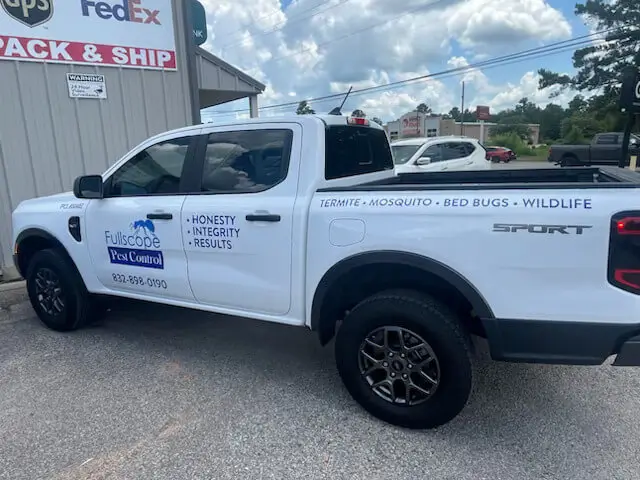
Key Highlights Introduction When it comes to pest control, it’s important to choose a company that can provide effective solutions tailored to your specific needs. Fullscope Pest Control is one such company that stands out among the local pest control companies. With their commitment to pest management and their dedication to providing peace of mind to their customers, Fullscope has built a strong reputation in the industry. With years of experience in the pest control business, Fullscope understands the importance of providing quality service. They have a team of highly trained and knowledgeable professionals who are equipped with the latest tools and techniques in pest management. Whether you are dealing with ants, rodents, cockroaches, mosquitoes, or any other pests, Fullscope has the expertise to handle it. One of the key factors that set Fullscope apart from other local pest control companies is their focus on customization. They understand that each pest problem is unique and requires a tailored approach. That’s why they offer customized pest control plans that take into account the specific needs and challenges of each customer. This ensures that the solutions they provide are not only effective but also long-lasting. Experience and Training Matters Why Choose Fullscope for Your Pest Control Needs When it comes to choosing a pest control company, there are several reasons why Fullscope should be at the top of your list. One of their competitive advantages is their years of experience in the pest control industry. With their extensive knowledge and expertise, they have a deep understanding of different pests and their behaviors, allowing them to provide effective and targeted solutions. Fullscope’s commitment to providing customized plans is another reason why they are a preferred choice for pest control needs. They recognize that every pest problem is unique and requires a tailored approach. Their team of experts takes the time to assess the situation, identify the underlying causes of the infestation, and develop a customized plan to address the specific needs of each customer, including online scheduling and purchasing options for added convenience. When it comes to pest control, quality work is of utmost importance. Fullscope takes pride in delivering high-quality service to their customers. They use the latest tools, techniques, and products in the industry to ensure effective and long-lasting results. Their team of professionals is well-trained and equipped to handle any pest control job, big or small, with utmost professionalism and attention to detail. Choosing Fullscope for your pest control needs means choosing a company that prioritizes customer satisfaction and delivers exceptional results. With their competitive advantage, years of experience, customized plans, and commitment to quality work, Fullscope is the go-to option for all your pest control needs. Comprehensive Services Offered by Fullscope Fullscope Pest Control offers a comprehensive range of services to address various pest problems. They have expertise in dealing with a wide range of pests, including ants, rodents, cockroaches, mosquitoes, bed bugs, termites, and more. Whether you are dealing with a minor infestation or a full-blown pest problem, Fullscope has the knowledge and tools to handle it, including protection against 36 of the most common pests through their PestFree365+ plan. Their services begin with a thorough inspection of the premises to identify the type of pest and the extent of the infestation. This allows them to develop a targeted treatment plan to eliminate the pests effectively. They use the best techniques and products available in the industry for extermination to ensure the most efficient and safe pest control. Fullscope understands that prevention is key to long-term pest control. In addition to their treatment services, they also provide recommendations on how to prevent future infestations. They identify the entry points and potential breeding grounds for pests and provide guidance on sealing off these areas to minimize the risk of future infestations. By offering a comprehensive range of services, Fullscope ensures that their customers can rely on them for all their pest control needs. From inspection and treatment to prevention and ongoing maintenance, Fullscope is dedicated to providing effective and lasting pest control solutions. Cutting-Edge Techniques in Pest Management Fullscope Pest Control prides itself on staying at the forefront of the pest control industry by employing cutting-edge techniques and tools. They understand that pests can evolve and adapt, making it essential to stay ahead of the curve in pest management. One of the ways Fullscope achieves this is by having a team of pest management professionals who are trained and knowledgeable about the latest techniques and products in the industry. They continuously update their skills and knowledge to ensure they can effectively address the ever-changing pest control challenges. Fullscope also invests in state-of-the-art equipment and tools that enable them to provide efficient and precise pest control services. From advanced inspection tools to targeted treatment methods, they use the best technology available to deliver optimal results. By combining their expertise with cutting-edge techniques and tools, Fullscope Pest Control ensures that their customers receive the highest level of service and effective pest management solutions. Understanding Pest Control Pest control is an essential aspect of maintaining a clean and healthy living or working environment. It involves the management and elimination of pests that can cause damage to property, spread diseases, and create a nuisance. Effective pest control, also known as pest removal, requires a thorough understanding of the pests and their behaviors, as well as the most appropriate methods for control. Fullscope Pest Control has a deep understanding of pests and their habits, allowing them to develop targeted and effective pest control strategies. Their expertise and commitment to quality work make them a trusted choice for all pest control needs. Common Signs of Pest Infestation Recognizing the signs of a pest infestation is crucial for taking timely action. Here are some common signs to watch out for: It’s important to identify and seal off possible entry points for pests, such as cracks or gaps in walls, windows, or doors. Regular inspections by pest control professionals like Fullscope can help identify and address
Pest Control Close to Me: A Comprehensive Guide
Key Highlights Introduction Pest infestations can be a major nuisance, causing damage to property, spreading diseases, and creating an unsanitary environment. Whether it’s ants invading your kitchen, rodents scurrying around your attic, or spiders taking up residence in your basement, pest control is essential in maintaining a clean and pest-free living space. When it comes to pest control, it’s best to leave it to the professionals. Local exterminators are trained and experienced in identifying, treating, and preventing pest infestations. They have access to effective pest control products and techniques that can eliminate pests and keep them from returning. In this comprehensive guide, we will delve into the world of pest control, covering everything from identifying common pests and evaluating local pest control companies to understanding different types of pest control treatments and the importance of eco-friendly solutions. Whether you’re a homeowner or a business owner, this guide will provide you with the information you need to make informed decisions about pest control and ensure a pest-free environment. We will also discuss the importance of hiring a reputable and licensed bug exterminator for effective and safe pest control solutions. Top Pest Control Service Companies: Why Reviews Matter When it comes to pest control, it’s important to choose a reputable and reliable pest control service near you. Here is a comprehensive list of top pest control services that provide professional and effective pest control solutions: By prioritizing reviews in your decision-making process, you can make a more informed choice when selecting a pest control service company that meets your expectations and provides effective solutions for your pest management needs. These pest control services have been highly rated by customers and provide a range of services to meet your pest control needs. Contact us for a consultation or to schedule an appointment. 1. Identifying the Most Common Pests in Your Area Identifying the pests that are common in your area is the first step in effective pest control. By knowing what types of pests you are dealing with, you can take the necessary steps to eliminate them and prevent future infestations. Rodents: Rats and mice are common household pests that can cause damage to your home and spread diseases. Signs of a rodent infestation include droppings, chewed objects and wires, and scampering noises in the walls or attic. Ants: Ants can be a nuisance, invading your kitchen and pantry in search of food. They leave behind trails of pheromones to lead other ants to the food source. Signs of an ant infestation include stray ants walking around or large numbers congregating, wood shavings, and ants emerging from hidden crevices. Other common pests to watch out for include raccoons, which can cause damage to your property and potentially carry diseases. Look out for signs such as trash and debris being moved around, loud sounds coming from your walls or floors, and your pets acting strangely. Spiders: Spiders are often found in dark and secluded areas of the home. While most spiders are harmless, some can be venomous and pose a threat. Signs of a spider infestation include spider webs, egg sacs, and actual sightings of spiders. Termites: In our area termites are not if you will have them, it is when you will have a termite problem. Having regular pest control services, and regular inspections will help reduce the chances of costly damage in your home or business. Find a pest control company close to you that is trustworthy to perform your inspection and be honest about results. 2. Evaluating Local Pest Control Companies for Reliability and Effectiveness When choosing a local pest control company, it is important to evaluate their reliability and effectiveness in managing pests. Here are some factors to consider: By thoroughly evaluating local pest control companies, you can choose one that will provide reliable and effective pest management services for your home or business. 3. Understanding the Different Types of Pest Control Treatments Available There are several types of pest control treatments available, each with its own advantages and disadvantages. Understanding these treatments can help you choose the most suitable option for your pest problem. Here are some common types of pest control treatments: When choosing a pest control treatment, consider the severity of the infestation, the type of pest, and your preferences for eco-friendly solutions. Consulting with a professional exterminator will help you determine the best treatment plan for your specific pest problem. 4. The Importance of Eco-Friendly Pest Control Solutions Using eco-friendly pest control solutions is not only beneficial for the environment but also for human health. Here are some reasons why eco-friendly pest control solutions are important: By choosing eco-friendly pest control solutions, you can effectively manage pests while minimizing the negative impact on the environment and promoting a healthier living environment for you and your family. 5. Tips for Preparing Your Home or Business for Pest Control Services Preparing your home or business for pest control services is essential to ensure the effectiveness of the treatment. Here are some tips to help you prepare: By following these tips, you can help the pest control services effectively eliminate pests from your home or business and prevent future infestations. Selecting the Right Pest Control Provider: Key Considerations Selecting the right pest control provider is crucial for effective pest management. Here are some key considerations to keep in mind: By considering these key factors, you can choose a reliable and effective pest control provider that meets your specific needs and budget. 1. Checking for Licenses and Certifications When selecting a pest control provider, it is essential to check for licenses and certifications. Here’s why: By choosing a licensed and certified pest control provider, you can have peace of mind knowing that you are working with a trained professional who will provide high-quality services. 2. Reading Reviews and Asking for References Reading reviews and asking for references is an important step in selecting a pest control provider. Here’s why it matters: By conducting thorough research, reading reviews, and asking